Photo credit: The Smoking Gun/Youtube
If you spend any time in pawn shops, you learn pretty quick that the glass case can be a weird kind of time machine. One week it’s nothing but tired plastic 9mms and mystery off-brands. Next week there’s a clean old wheelgun sitting there like it’s been waiting on you. Revolvers don’t go out of style in the woods, in a truck, or on a nightstand, and the good ones aren’t getting cheaper to replace.
These are the revolvers I look for first when I’m scanning pawn cases. Not because every one of them is “rare” or “collectible,” but because they’re the kind of guns that still do honest work, still have parts and support, and usually tell you what they are the moment you pick them up and roll the cylinder.
1. Smith & Wesson Model 10
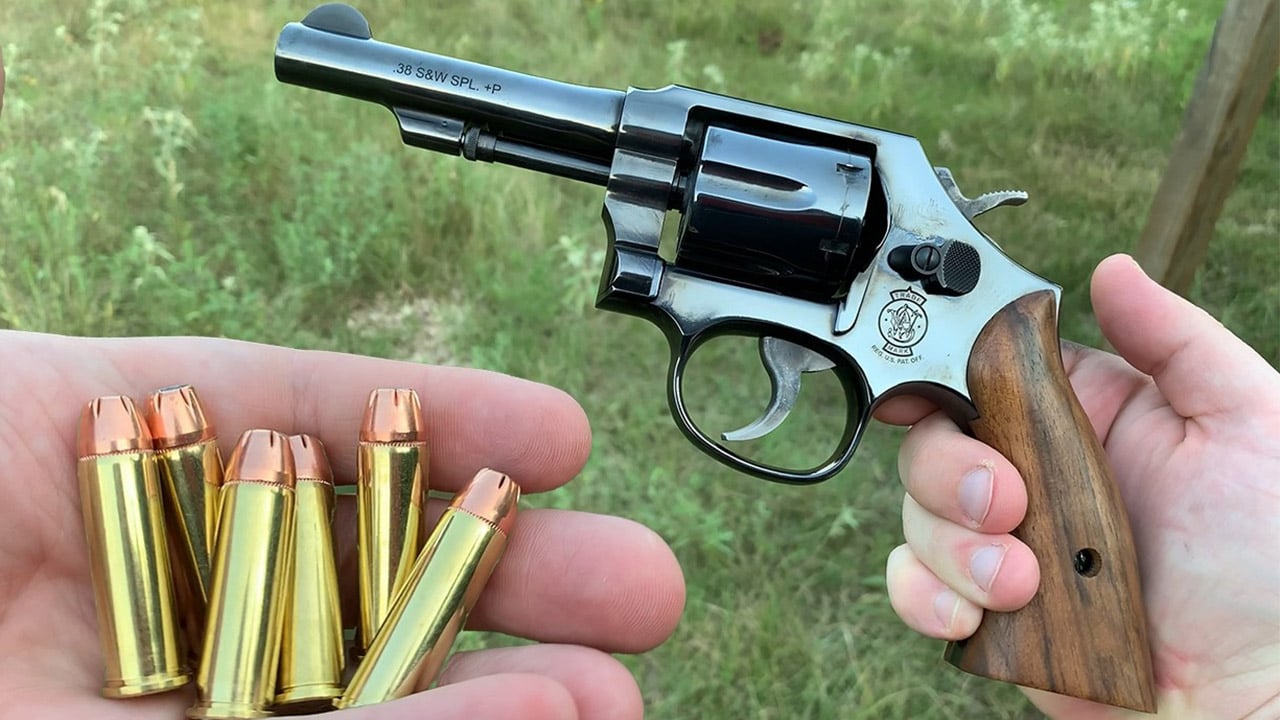
If there’s one revolver that taught generations what a double-action trigger is supposed to feel like, it’s the Model 10. Most of them are not fancy. That’s exactly why they belong in a pawn case wish list. They point naturally, the balance is right, and a decent example will shoot .38 Special into one ragged hole at “across the barn” distance if you do your part.
Check lockup and timing like you should with any used wheelgun, but don’t overthink it. Holster wear on a Model 10 usually means it rode a lot and got shot a little. For a truck gun, glovebox gun (where legal), or just a no-drama range revolver, they’re hard to beat. A clean one with service grips is the kind of buy you don’t regret.
2. Smith & Wesson Model 19
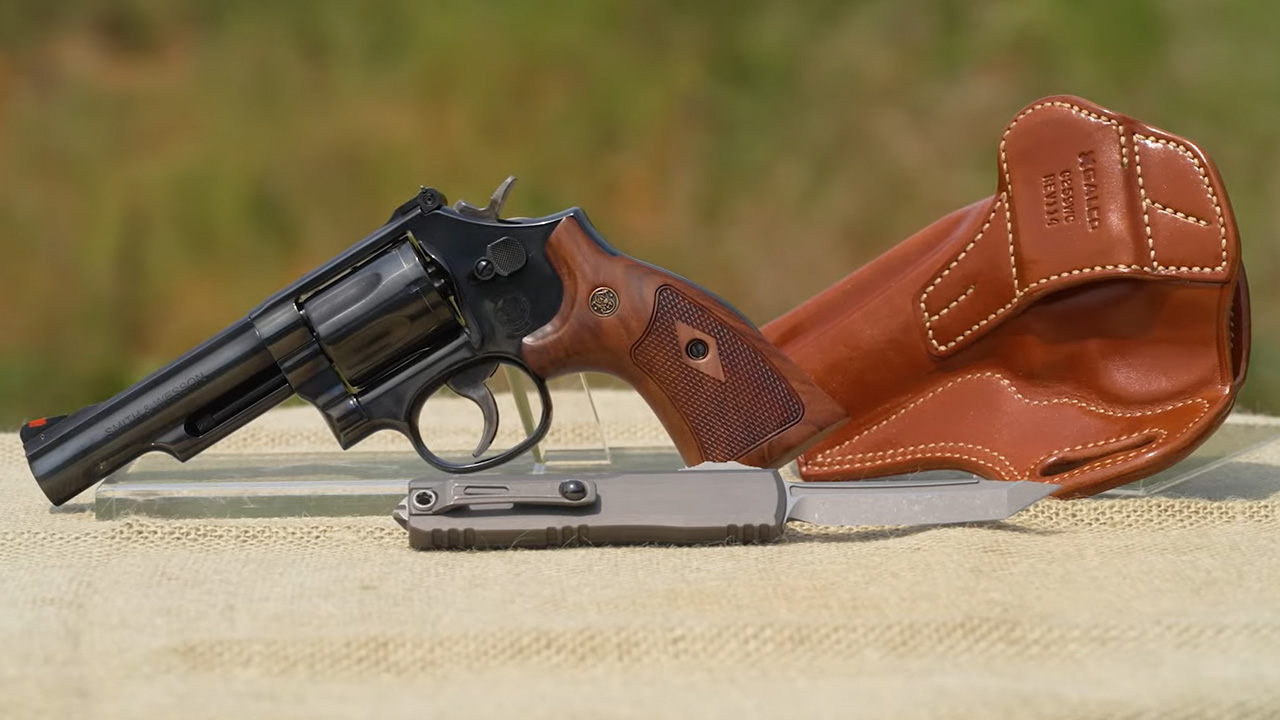
The Model 19 is the classic “carryable” .357 that still feels lively in the hand. In a pawn case, I’m looking for honest wear and un-messed-with screws, not some backyard “action job.” These K-frames carry like a .38 but give you .357 capability, and that’s why folks fall in love with them.
Now, it isn’t magic. A steady diet of hot, light-bullet .357 can be hard on K-frames, so I look closely at forcing cone condition. Still, for the buyer who wants a woods sidearm that doesn’t feel like a brick on the belt, the Model 19 makes a lot of sense. If it’s priced right, it won’t sit there long.
3. Smith & Wesson Model 66
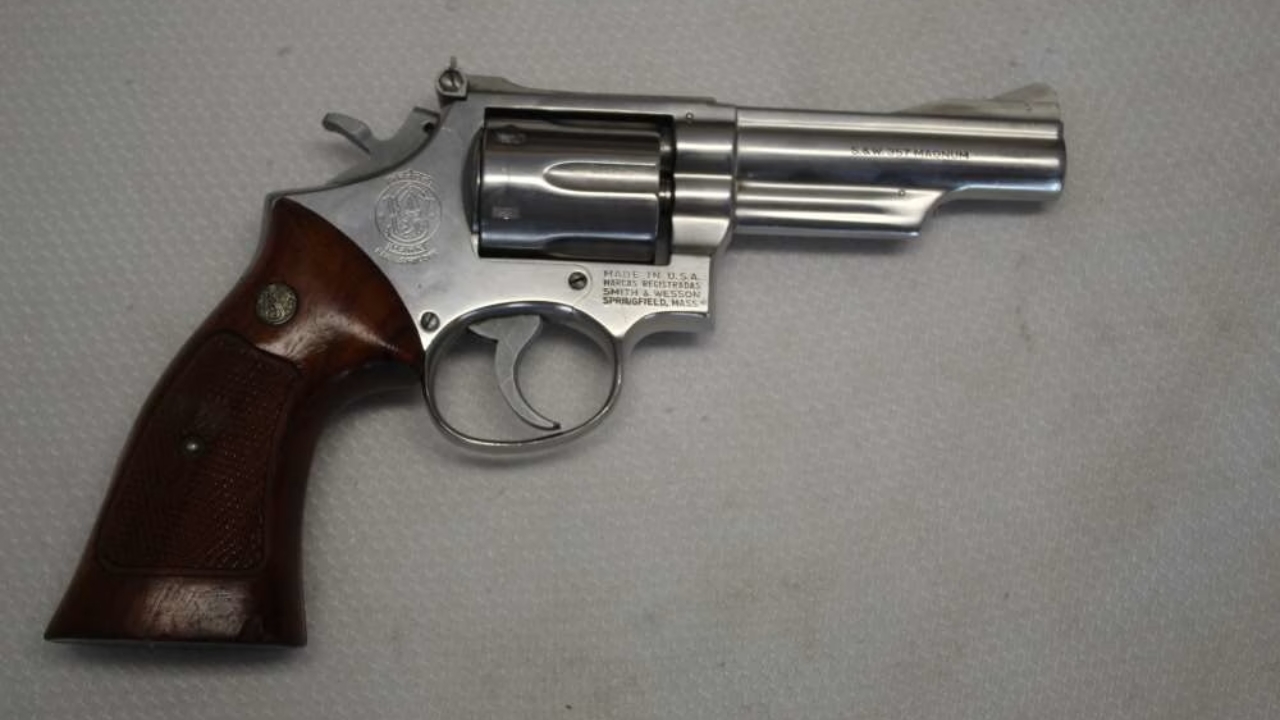
The stainless version of the Model 19 is the Model 66, and it’s one of the smartest “real world” .357s ever made. Stainless matters if you’re the guy who’s actually outside: sweat, rain, snow, riding in an ATV box, getting banged against a treestand ladder. Blue guns can handle that too, but stainless forgives neglect better.
In pawn shops, the 66 sometimes shows up because somebody wanted a lighter polymer gun. Fine. Let them. A good 66 is a revolver you can carry, shoot, and maintain without babying it. Look for smooth ejection, no cylinder endshake, and a crown that isn’t dinged up from being dropped.
4. Smith & Wesson Model 27
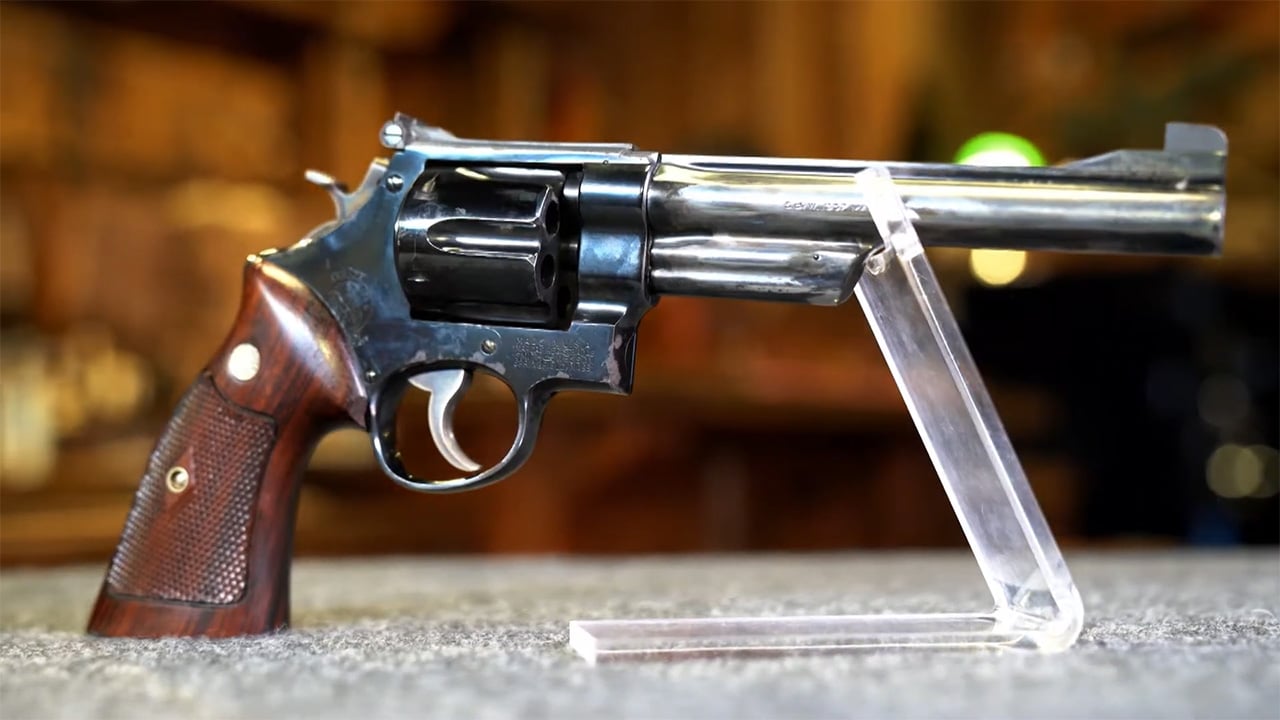
The Model 27 is what happens when a .357 is built like somebody meant it. They’re big, yes, and you notice it on the hip. But the payoff is a revolver that soaks up recoil, holds up, and feels like a bank vault when you close the cylinder. When you pick up a nice 27, you understand why “they don’t make them like that” became a saying.
Pawn shop Model 27s can be all over the map—some are pristine safe queens, some have been “improved” with questionable polishing. I’m looking for sharp edges and clean markings, because over-buffed guns lose their character. If you want a revolver that will outlast you and still make you grin at the range, this is one to grab.
5. Smith & Wesson Model 28 “Highway Patrolman”

Think of the Model 28 as the working man’s Model 27. Same basic N-frame strength, but with a more utilitarian finish. That is good news in a pawn shop because you can often get into one for less money than a fancy-looking gun that’s actually less revolver.
These make excellent woods guns if you don’t mind weight. With full-house .357s, the 28 is comfortable where lighter guns get sharp. I like them for the guy who wants one revolver to do it all: range, property carry, nightstand duty, even some hunting with the right loads and barrel length. Just be honest about how much you’ll actually carry it.
6. Smith & Wesson Model 29
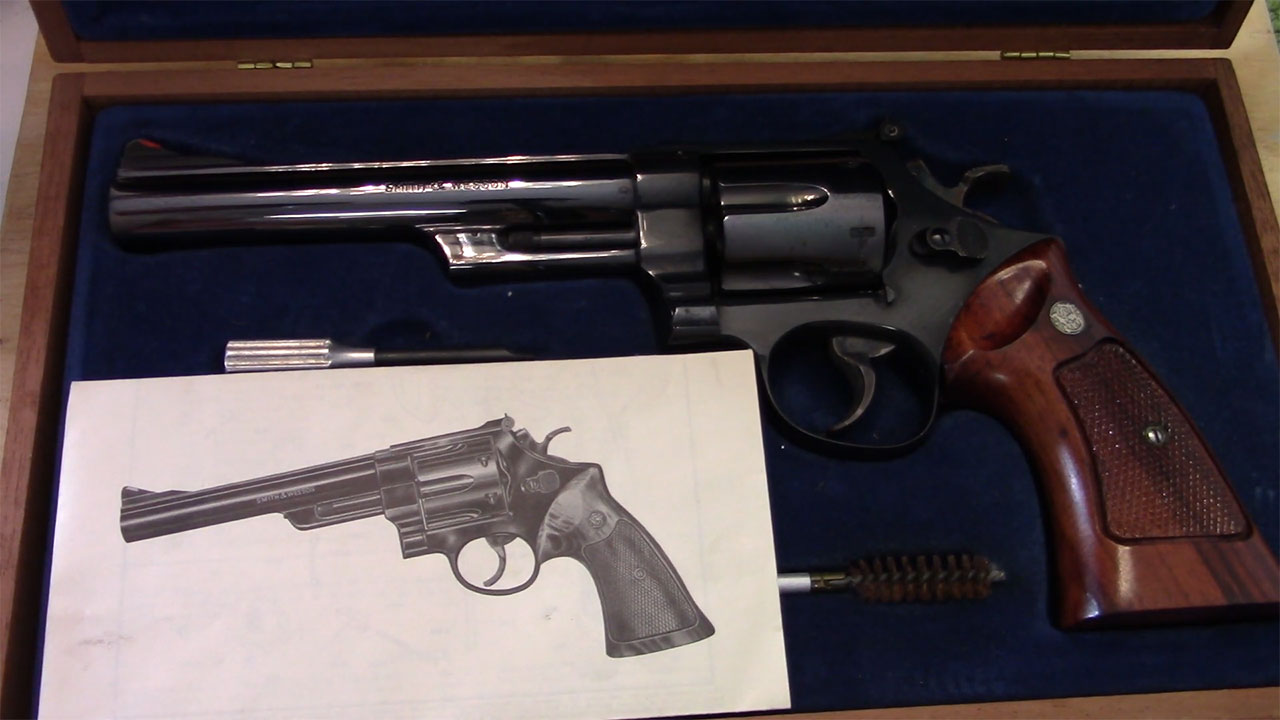
A pawn case Model 29 gets attention for a reason. The .44 Magnum still has that aura, and for good cause. It’s serious power in a package that, while large, is still a handgun. The key is not getting starry-eyed and forgetting to check the basics: tight lockup, clean chambers, and no evidence of somebody trying to turn it into a “race gun.”
Not everyone needs a .44 Magnum, and plenty of folks buy them, shoot a box, and decide their wrists have had enough. That’s why they show up used. If you hunt with a handgun or you want a legitimate backcountry sidearm, a good Model 29 is a lifetime gun. Even if you mostly shoot .44 Special through it, it’ll still put a smile on your face.
7. Smith & Wesson Model 629
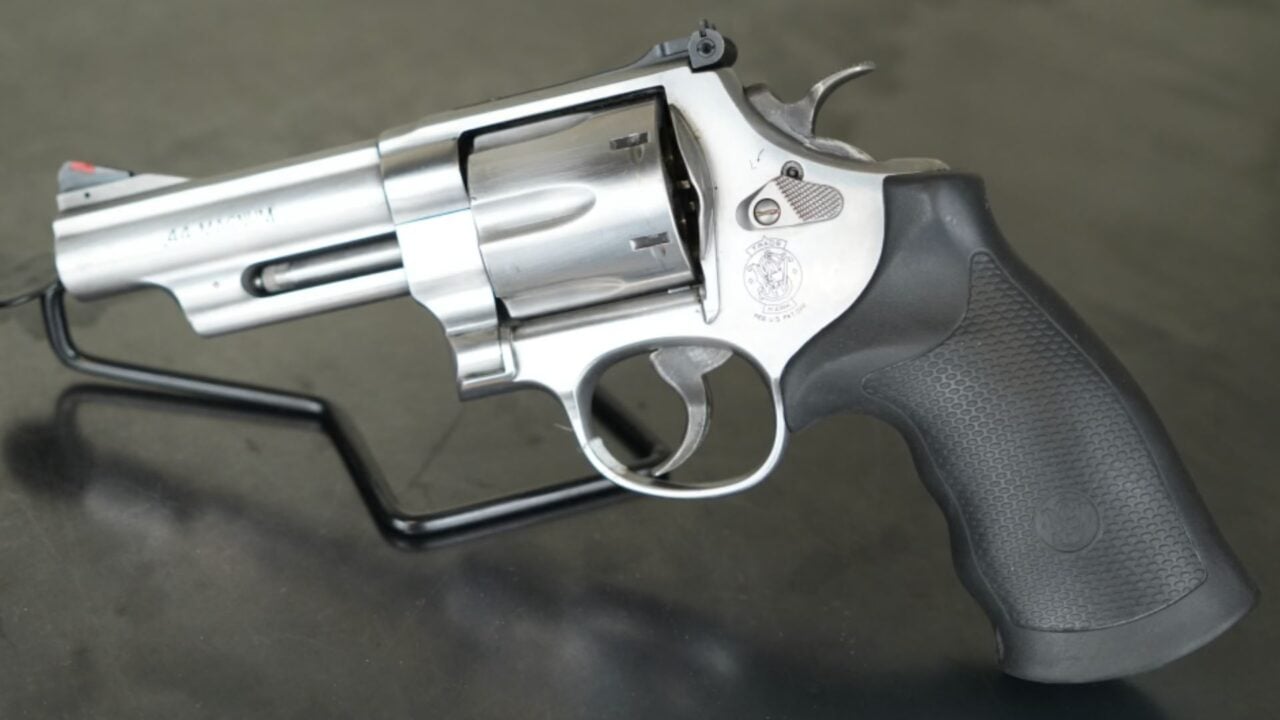
The 629 is the stainless, practical cousin of the Model 29. If your life includes wet seasons, sweat-soaked summer carry, or just being hard on equipment, stainless is a real benefit. I’ve seen too many blued big-bores that lived in a damp truck console and turned into a rust science project.
In a pawn shop, the 629 can be a stealthy deal because it doesn’t have the same “Dirty Harry” pull for some buyers. Good. Let them chase nostalgia. You’re getting a modern-use .44 that’s easier to keep clean and generally easier to live with. Check the cylinder face for flame cutting and look for signs of heavy magnum use, but don’t panic over normal wear.
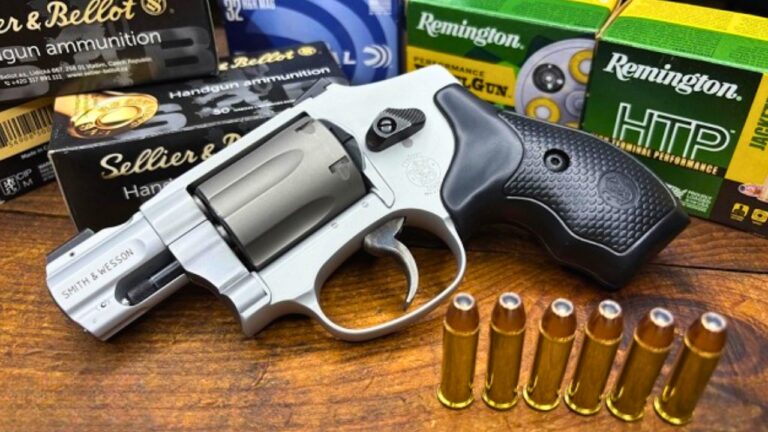
8. Smith & Wesson Model 60
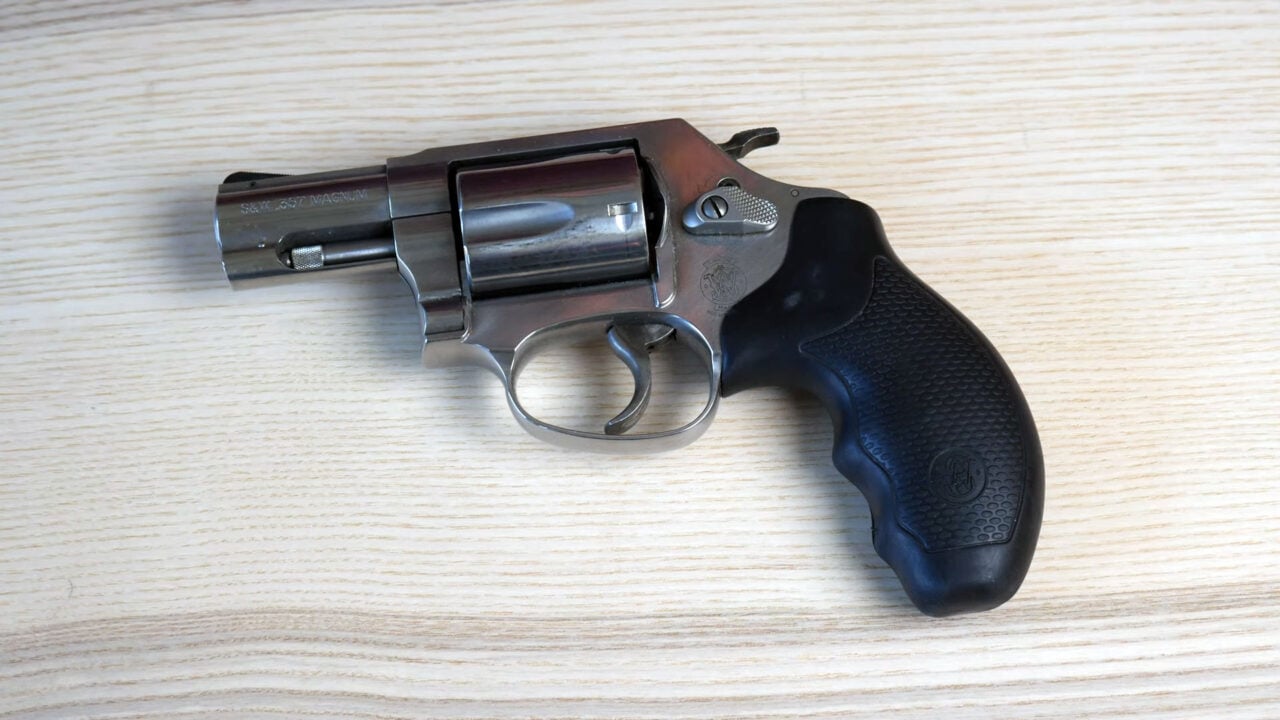
The Model 60 is one of those revolvers that quietly earns its keep. Small-frame, stainless, and easy to carry. It’s not a range toy unless you like being reminded you’re alive, but it’s a very real option for a pocket or belt carry revolver that can live through sweat and weather.
Pawn shop examples vary a lot by barrel length and sights. The tiny-sighted snubs carry best but demand more from the shooter. A slightly longer barrel version is easier to hit with, and I’ll take that trade most days. If you find one with a smooth trigger and no cylinder play, it’s a smart buy for someone who values simplicity and doesn’t want to chase magazines and springs.
9. Smith & Wesson Model 36 “Chief’s Special”
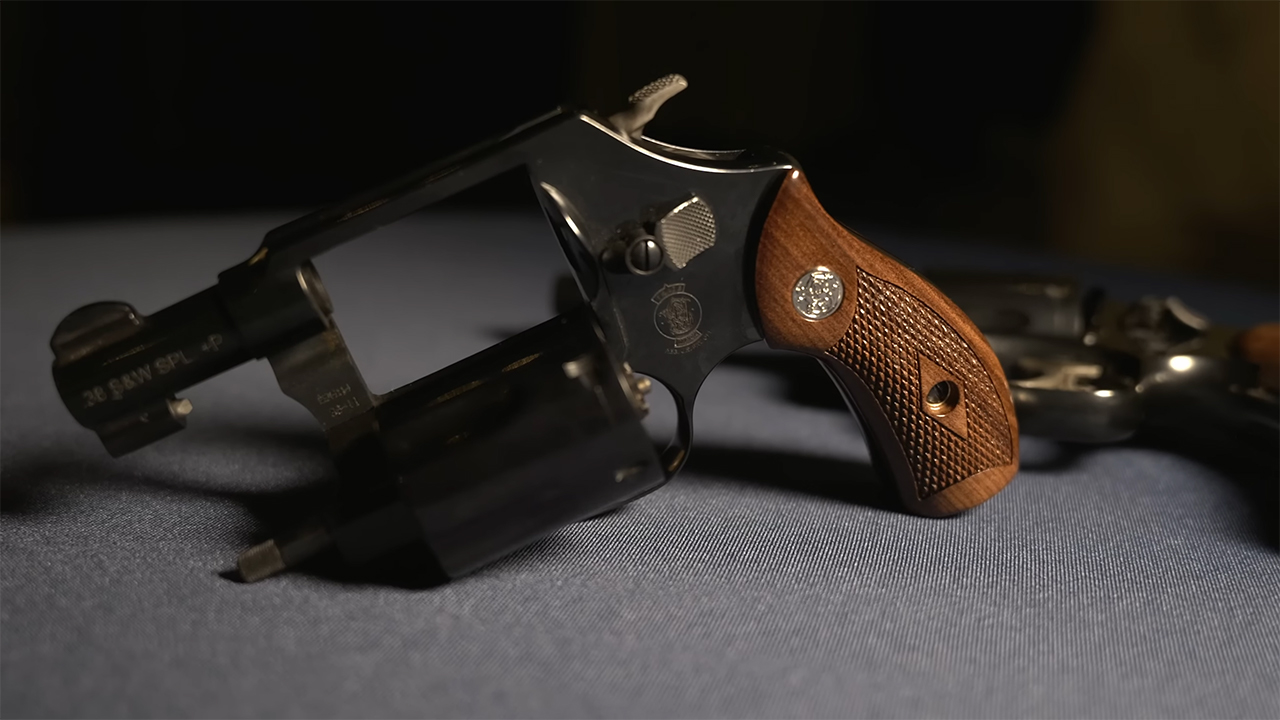
The Model 36 is old-school snubnose done right. Blued steel, simple sights, and a size that disappears on the belt with the right holster. These are the kind of guns that end up in pawn shops because they belonged to somebody’s dad or granddad, and the family isn’t “into revolvers.” That one hurts, but it creates opportunities.
I’m picky about snubs because a gritty trigger turns them into frustration. A good Model 36, though, can be surprisingly shootable with .38s, especially if you practice instead of just carrying it. Look for cracks at the forcing cone and make sure the cylinder locks up tight. If it’s clean and priced fair, it’s hard to argue against a classic that still works.
10. Smith & Wesson Model 686

The 686 is what I point newer revolver buyers toward when they want “one good .357” and they’re not trying to be a collector. L-frame size, strong enough for steady magnum use, and usually equipped with sights you can actually see. They aren’t delicate, and that matters for a gun that might ride in a pack during hunting season.
Pawn shop 686s can be a bargain because they’re common, not because they’re lesser. Check for a smooth double-action pull and make sure the cylinder gap doesn’t look excessive. If you find a 686 Plus (seven-shot), don’t overpay just for the extra round, but it is a nice bonus. This is one of those revolvers that makes you wonder why you chased anything else.
11. Colt Python
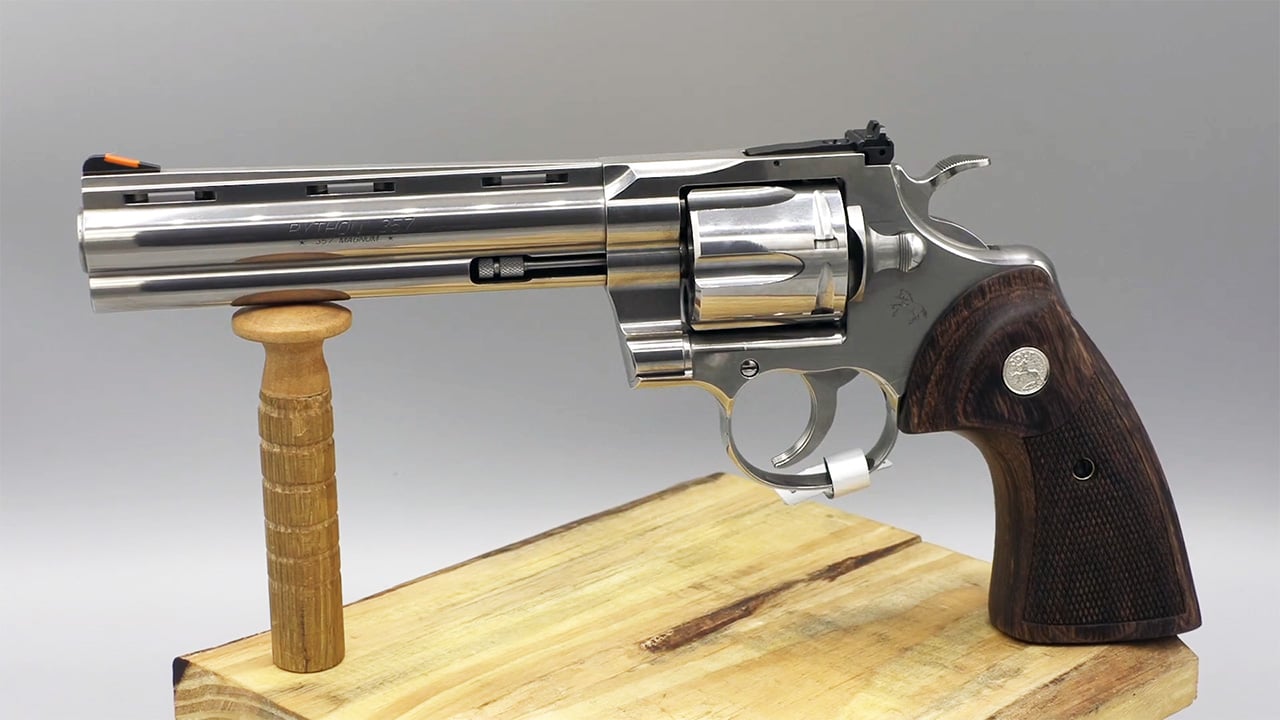
A Python in a pawn case will stop you in your tracks, and it should. Whether it’s a newer production gun or an older one, the name carries weight because the shooting experience is real. The triggers can be excellent, the balance is steady, and they have a way of making you want to shoot “just one more cylinder.”
Here’s the thing: pawn shops don’t always price Pythons reasonably, and you’ve got to keep your head. Older ones can also have issues if they were run hard and never maintained, and Colt lockwork isn’t something every local smith wants to mess with. If it checks out and the price isn’t fantasy, it’s a revolver that holds interest and actually performs. Just don’t buy it only to stare at it.
12. Colt Detective Special
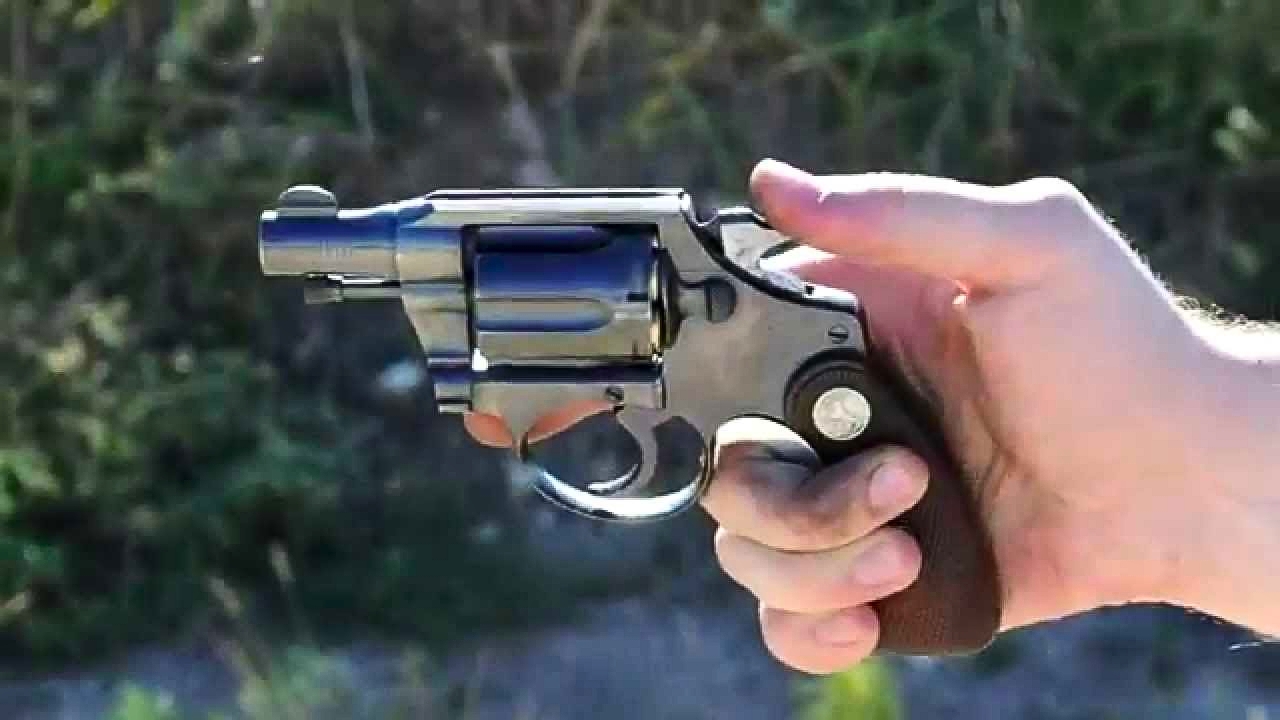
The Detective Special is one of the best arguments ever made for a small revolver that’s still shootable. Six rounds in a relatively compact frame, good sights for its era, and handling that doesn’t feel like you’re gripping a bar of soap. In a pawn case, these can be sleepers because not everyone recognizes them at a glance.
Condition matters. I avoid examples with timing issues or obvious amateur “polish jobs.” But a solid Detective Special is a carry revolver that doesn’t feel like a compromise. It’s also a piece of practical history that still makes sense today. If you like the idea of a snub but hate how most snubs shoot, this one deserves your attention.
13. Colt Trooper Mk III
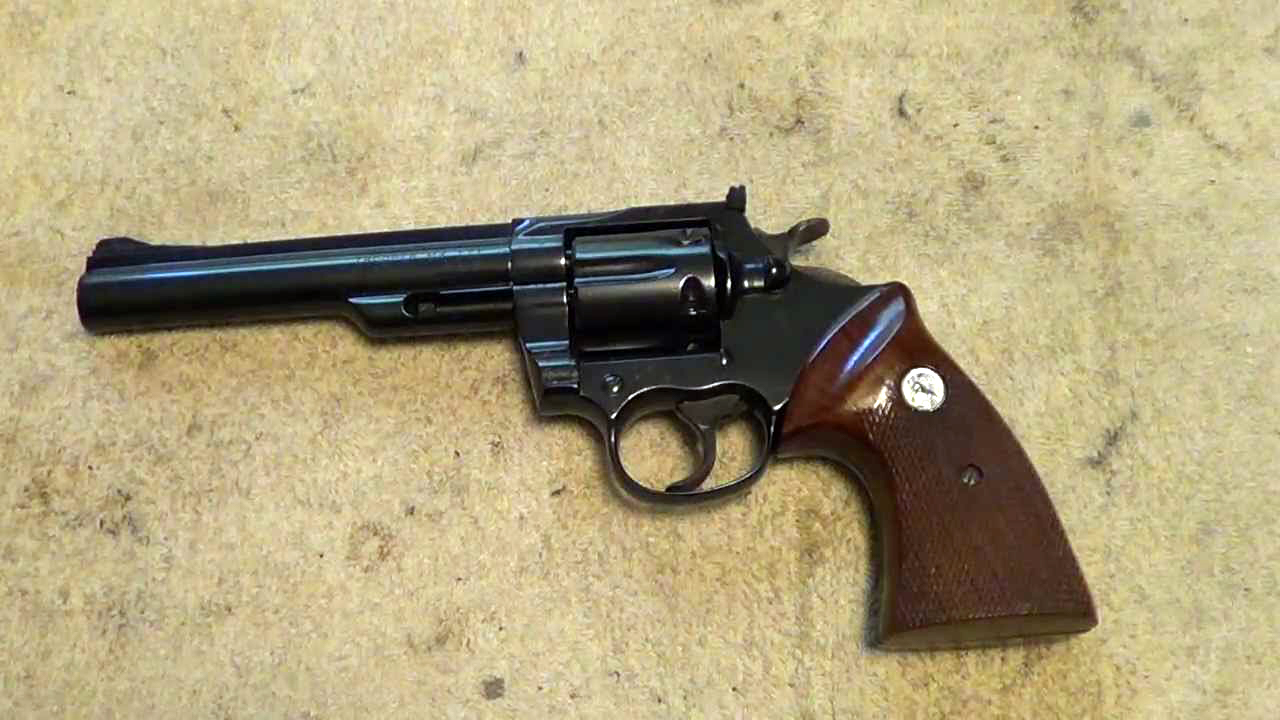
The Trooper Mk III doesn’t always get the love it deserves, which is exactly why it belongs on a pawn shop checklist. They’re typically strong, accurate revolvers with a straightforward, durable design compared to some older Colt actions. In hand, they feel like they mean business without being overly refined.
I’ve seen Troopers priced like generic “old revolvers,” and that’s when you buy them. They make good range guns and solid hunting-sidearm candidates in .357. Pay attention to the trigger feel—some are buttery, some feel a little stacky, and that’s personal preference. If you’re looking for a Colt name without Python money, this is where I’d start looking.
14. Ruger GP100
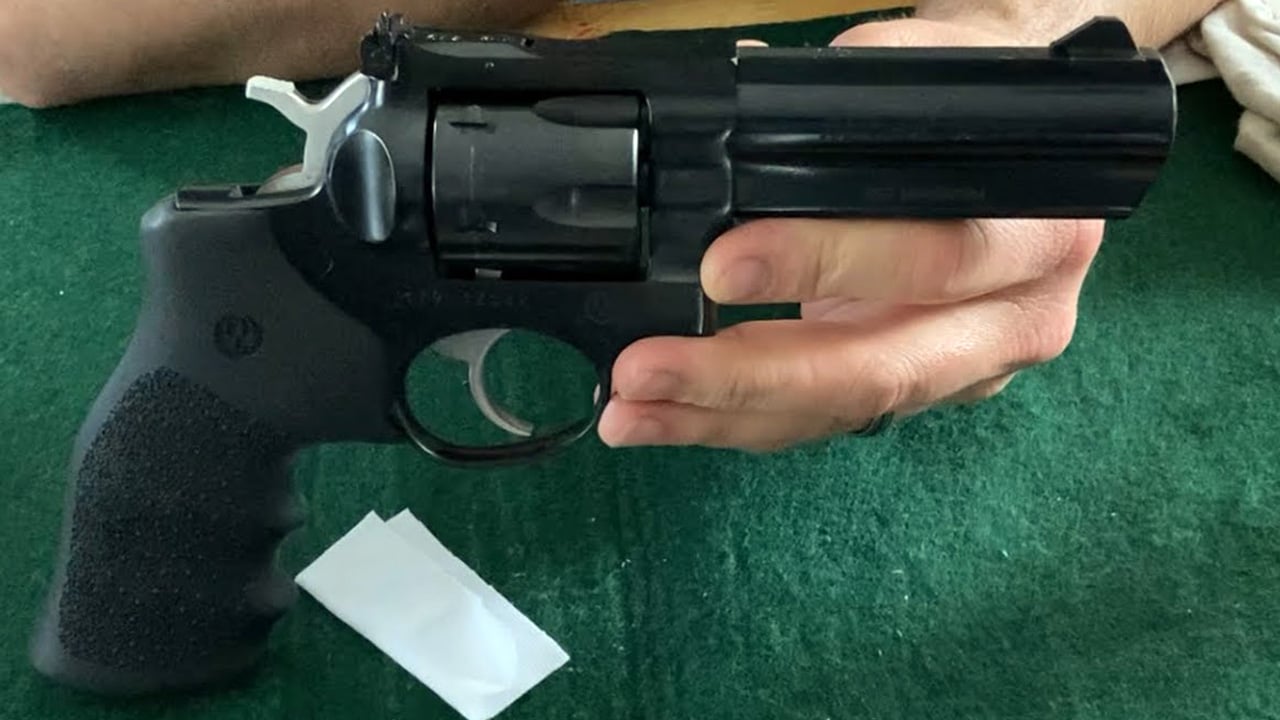
There’s nothing fancy about a GP100, and that is kind of the point. They’re tough, simple, and they keep running even when somebody’s maintenance routine is “wipe it on a T-shirt.” A used GP100 is one of the safest bets you can make if you want a .357 that will live a hard life on property patrols, camping trips, and long range days.
The trigger may not be as slick as a well-tuned Smith right out of the gate, but most GP100s smooth out with use, and plenty of them are already broken in by the time you see them in a pawn case. Check the crane and cylinder for tightness and make sure the sights aren’t beat up. For a working revolver, it’s hard to argue against Ruger durability.
15. Ruger SP101
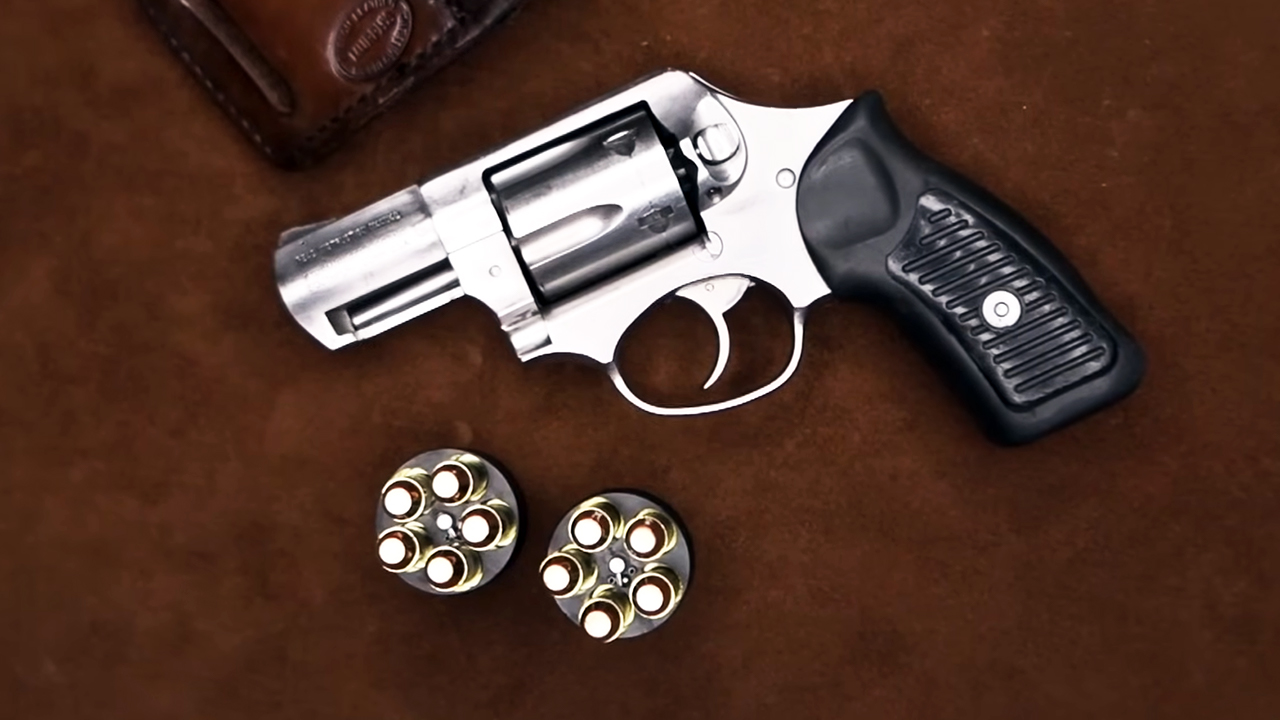
The SP101 is what I call a “serious small revolver.” It’s compact, but it’s built stout compared to a lot of snubs, and it handles .357 better than it has any right to for its size. If you carry in the woods and want something that can ride on you all day without snagging, this one fits that lane.
Downside: it’s not light like an airweight, so pocket carry can be a mixed bag. Belt carry is where it shines. In pawn shops, you’ll find them in various configurations, and the ones with decent sights are worth extra attention. If you find an SP101 that hasn’t been “customized” with questionable springs, it’s a dependable little tank that’s easy to keep.
16. Ruger Blackhawk
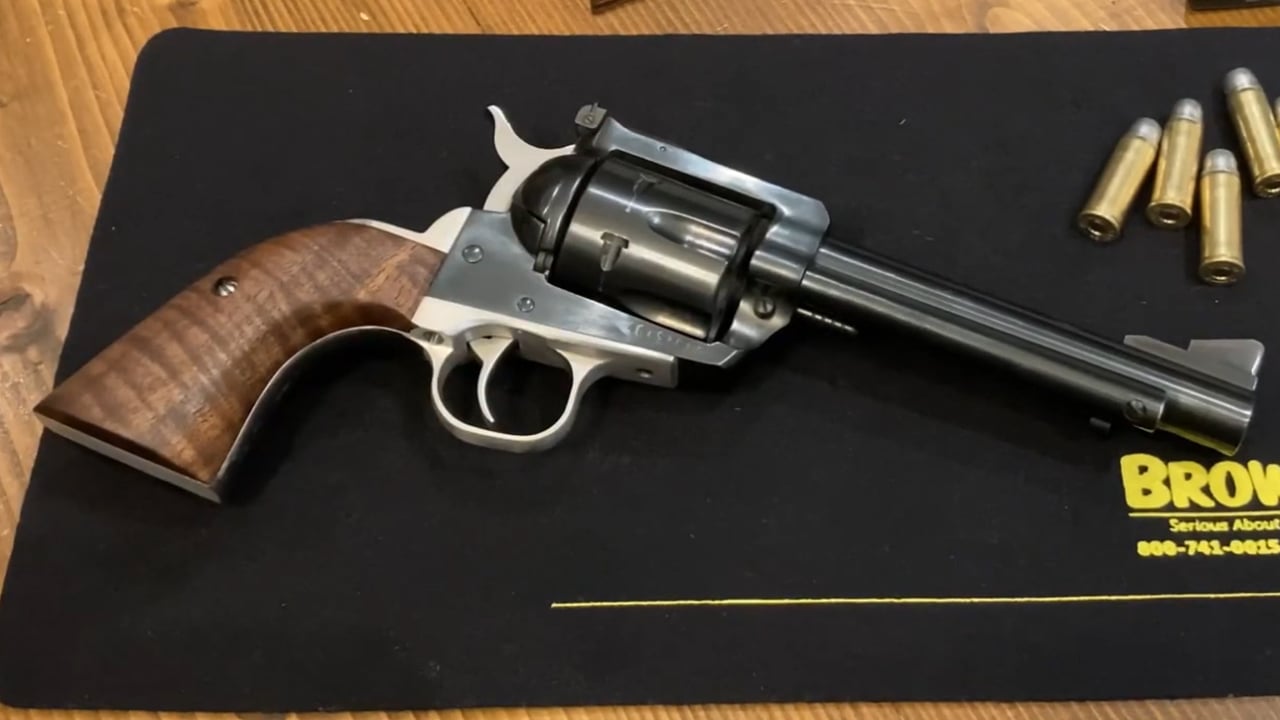
The Blackhawk is the revolver you buy when you want strength, simplicity, and the ability to run heavy loads without feeling like you’re beating the gun up. Single-action isn’t everybody’s choice for defensive use, but in the field, it’s a different story. For hunting, ranch carry, and general outdoors use, a Blackhawk makes a lot of sense.
Pawn shop Blackhawks often show up because somebody thought they wanted cowboy style and then realized they prefer double-action convenience. Fine trade. Check for timing, base pin fit, and general condition. The nice part is these guns are usually straightforward to assess, and they last. If you’ve ever wanted a revolver that can live in a chest rig during season and not complain, put the Blackhawk on your list.
17. Ruger Super Redhawk

The Super Redhawk is not subtle. It’s big, it’s heavy, and it’s made to handle real pressure and real recoil. That makes it one of the better pawn shop finds for handgun hunters who don’t want to gamble on a delicate gun. If you’ve ever shot a lightweight magnum and thought, “No thanks,” you’ll appreciate what mass does for comfort.
These get sold because they’re a lot to carry and a lot to commit to. I get it. But if you’re setting up for a scoped revolver hunt or you want a backcountry handgun that won’t get knocked out of zero or shaken loose by heavy use, this is where your eyes should go. Look for a clean crown and solid scope mount area if it’s been used that way.
18. Dan Wesson Model 15 (.357)
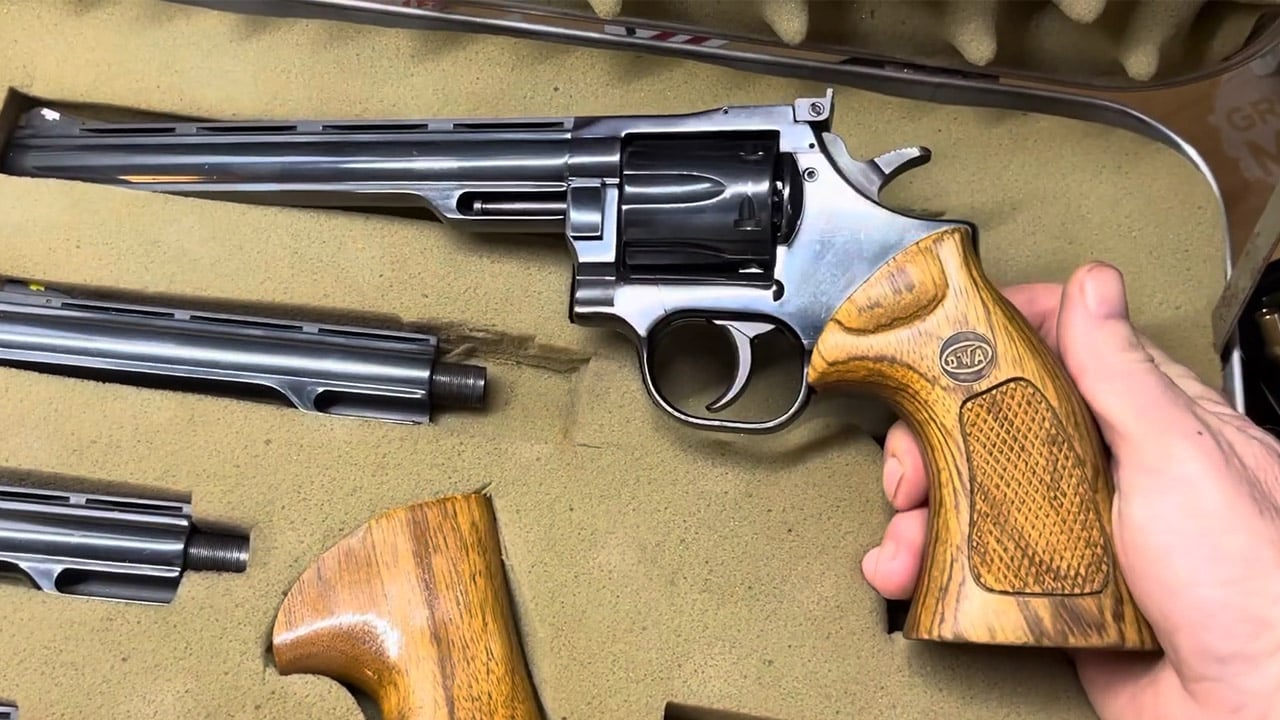
Dan Wesson revolvers are the definition of “know what you’re looking at.” The Model 15 .357, in particular, is one of those pawn case finds that makes you lean in closer. They’re accurate, built well, and they have a reputation with shooters who care more about groups than brand fashion.
You’ll see some with barrel assemblies or accessories missing, and that affects value. Still, even a plain setup can be a fantastic shooter if it’s complete and in good shape. Check the action for smoothness and make sure nothing looks cobbled together. If you want a revolver that’s a little different from the usual Smith/Colt/Ruger lineup but still legitimately good, a Dan Wesson is a smart grab when the price is sane.
19. Smith & Wesson Model 17
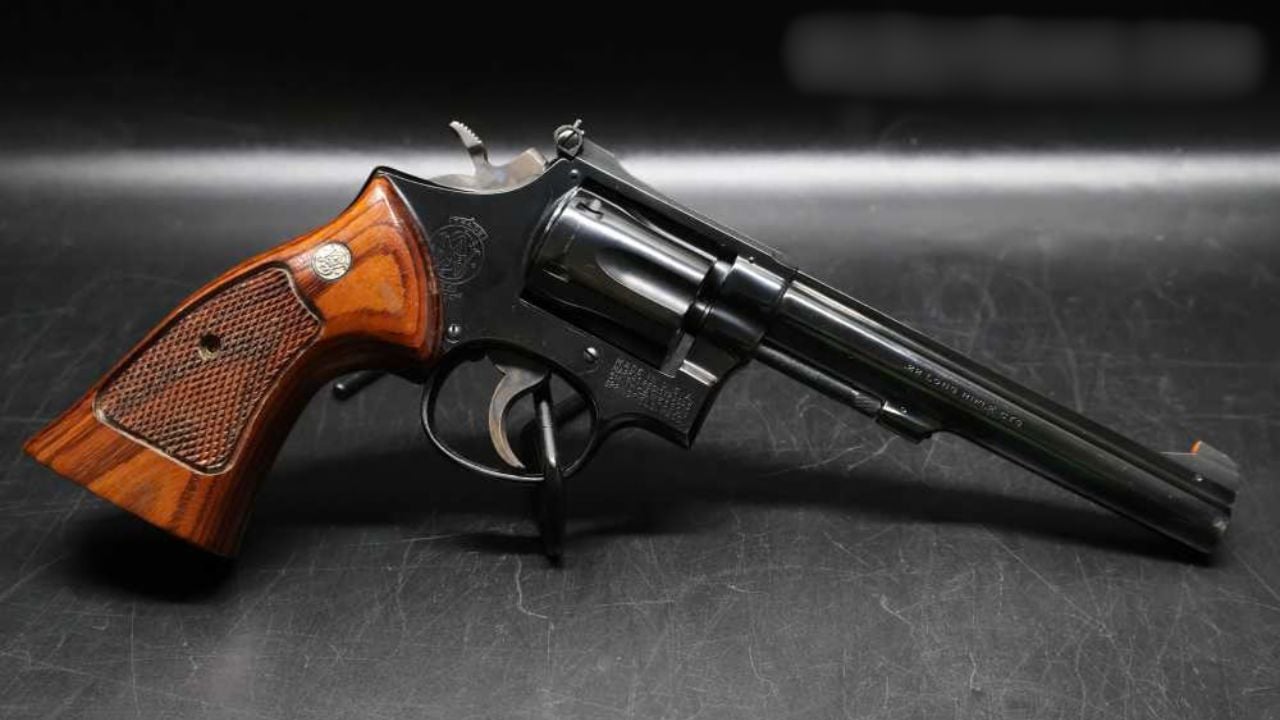
A good .22 revolver belongs in every safe, and the Model 17 is one of the best to ever do it. It’s the kind of gun that makes you a better shooter without punishing you, and it’s perfect for plinking, small game, and teaching new shooters the right habits. In a pawn shop, they often look “too nice” to be sitting there, which is your cue to pay attention.
The reason I check for these early is simple: .22s get shot a lot, and a quality .22 revolver holds up and holds value in a way cheap rimfires don’t. Make sure the cylinder spins freely, check timing, and look for a decent bore. If it’s clean, you’ll shoot it more than you think. Ask me how I know.
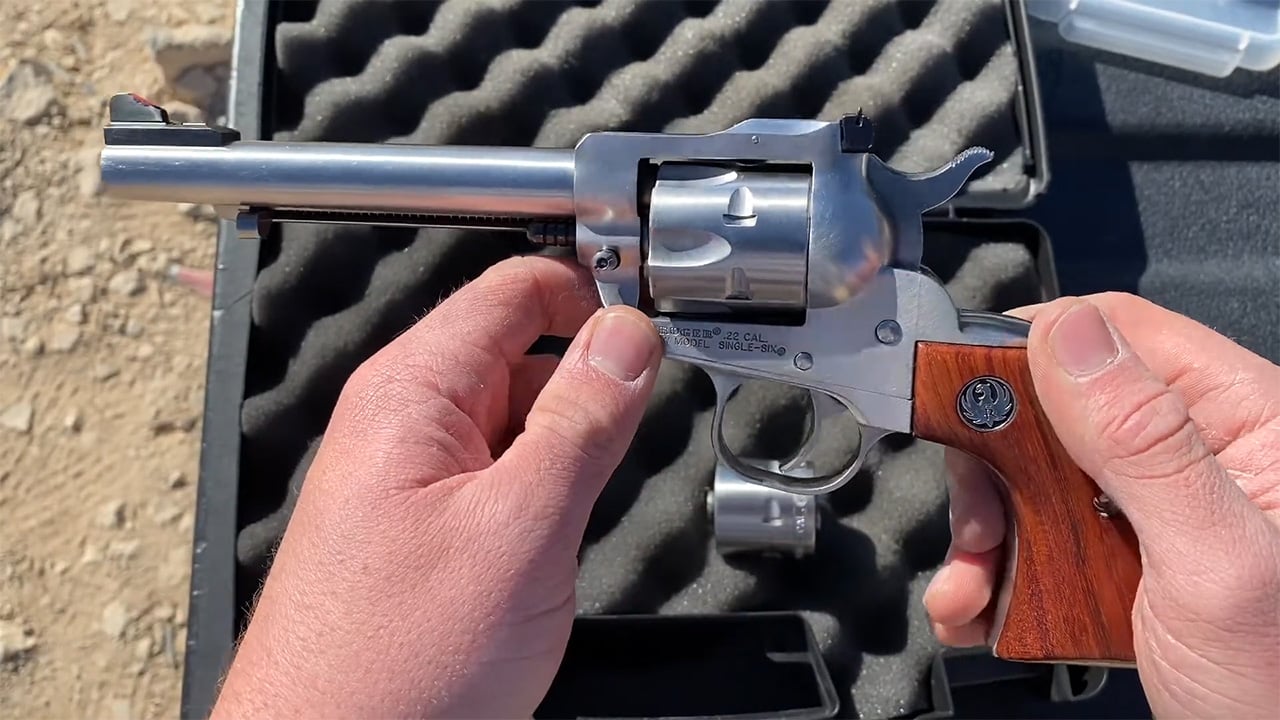
20. Ruger Single-Six
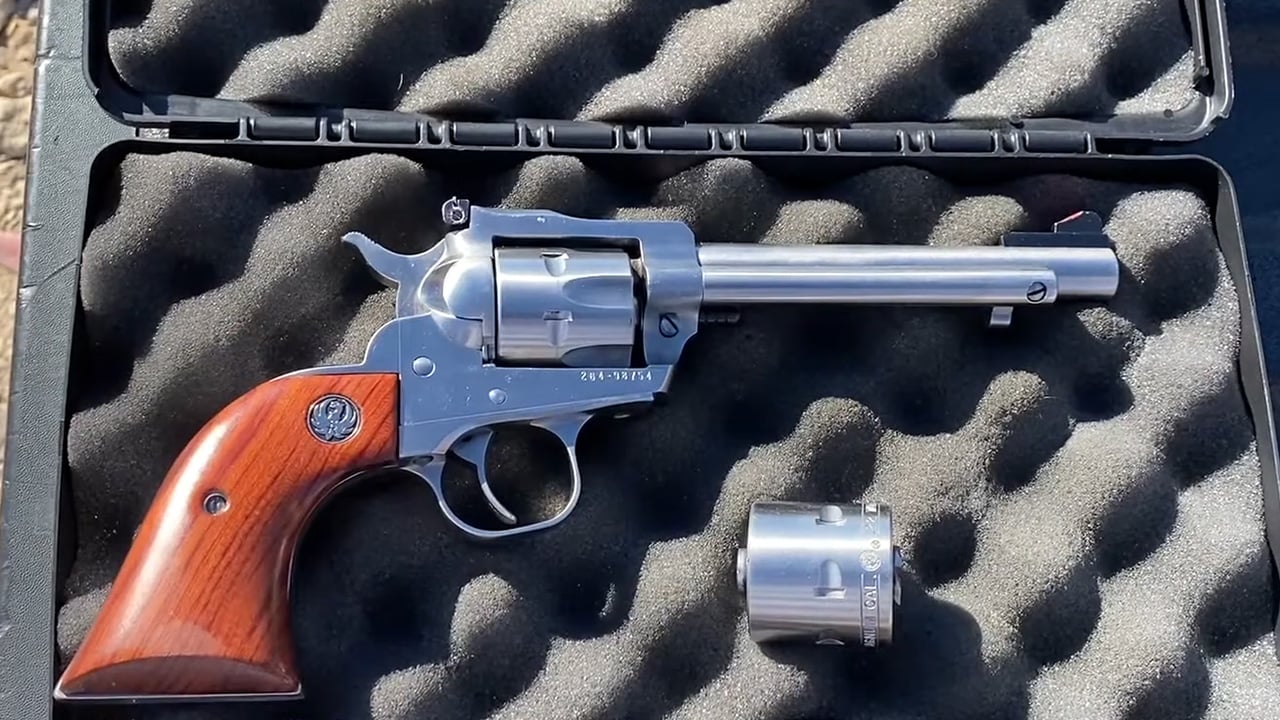
The Ruger Single-Six is one of the most useful “nothing fancy” guns ever made. It’s a .22 you can toss in a tackle bag, keep at the cabin, or carry while checking traps without worrying about babying it. Single-action is slower, sure, but it’s also simple, safe when handled right, and it teaches patience and control.
Pawn shops are where Single-Sixes show up with honest wear and good bones. Check that the cylinder indexes cleanly and that the bore isn’t neglected. Convertible models with the .22 Magnum cylinder are a nice bonus, especially for pests around outbuildings where a little extra punch helps. This is one of those guns you buy used, shoot for years, and then wonder why you didn’t grab one sooner.
Pawn shops are hit-or-miss, and that’s the fun and the frustration of it. Take your time, handle the gun carefully, and don’t be afraid to walk away if timing or lockup feels off. But when one of these revolvers is sitting there solid and fairly priced, it’s usually smarter to act than to “think on it” for a week. Somebody else is scanning the same glass case.
Like The Avid Outdoorsman’s content? Subscribe to our newsletter so you never miss an article.
Here’s more from us: