Photo credit: Armory_52/GunBroker
Some pistols look great on the counter, feel fine in the hand, and make a solid first impression at the range. Then reality sets in. Maybe the recoil hits harder than expected, or the trigger slows you down enough to frustrate every strong-side drill. Sometimes the gun chokes on common carry loads, or the controls feel awkward once you try running it under any kind of pressure.
Plenty of sidearms get that initial burst of excitement from new owners, but once the first range trip exposes the weak spots, they quietly disappear from belts and end up buried in the safe. These are the pistols that rarely make it past day one of real testing.
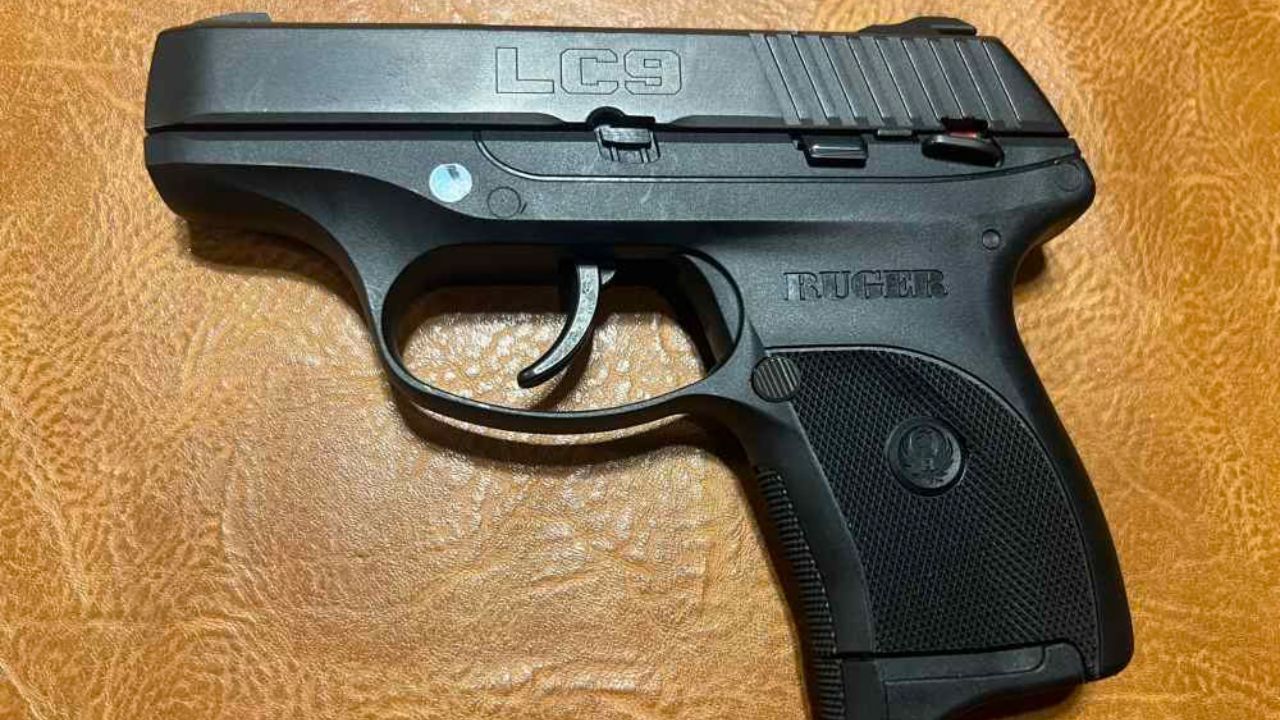
Ruger LC9 (Original)

The original LC9 earned a burst of early interest, but once shooters got it on the range, the trigger became the biggest dealbreaker. The pull was long, mushy, and slow enough to make accurate shooting a chore. Fast, controlled pairs felt nearly impossible for many shooters.
Add in a narrow grip and snappy recoil, and the pistol simply didn’t offer the control or confidence people expected. While reliable, it wasn’t pleasant to run. Most owners carried it for a week or two, realized it wasn’t working, and moved on to something with a cleaner trigger and more forgiving ergonomics.
KelTec PF-9
The PF-9 drew people in with its thin profile and featherweight frame, but the shooting experience pushed most owners away quickly. The recoil felt sharp and abrupt, and the narrow grip magnified every bit of it. Long sessions became uncomfortable fast.
Reliability varied from pistol to pistol, which made many shooters uneasy about trusting it for carry. Even those who liked the idea of a minimalist 9mm found themselves carrying something else after a few trips to the range. It’s a gun that looks practical on paper but rarely sticks in real-world use.
Taurus PT740 Slim
The PT740 Slim attracted early buyers wanting a slim .40, but that combination made follow-up shots tough from the start. The lightweight frame didn’t help tame the recoil, and many shooters found the grip too small to manage the snappy impulse.
Feeding issues were also reported with certain hollow points, which only added to the frustration. People who bought it thinking they’d found a compact powerhouse often discovered they didn’t enjoy shooting it enough to practice regularly. Most ended up shelving it and moving to a softer, more controllable platform.
Kimber Solo

The Kimber Solo looked high-end and carried well, but it had a reputation for being extremely picky about ammunition. Many range sessions turned into troubleshooting sessions when the pistol refused to cycle anything but premium defensive loads.
The small grip didn’t give shooters much leverage, making it tough to manage recoil or stay consistent with rapid fire. Even though it had a premium look and feel, the reliability concerns kept most owners from carrying it for long. It became one of those pistols people admired aesthetically but didn’t trust practically.
Beretta Nano
The Nano’s simple, snag-free design drew a lot of interest, but real-world performance left many shooters wanting more. Its gas-assisted system and stiff recoil spring created unpredictable cycling with lighter loads.
The lack of external controls made clearing malfunctions slower, especially for newer shooters. Combined with a stubborn trigger, the Nano never delivered a shooting experience that inspired confidence. Many owners realized they liked the idea of the Nano far more than the actual gun and retired it early.
SCCY CPX-2
The CPX-2 attracted plenty of buyers with its price and lightweight construction, but the long double-action trigger made accurate shooting tough from the start. Experienced shooters could work with it, but new shooters struggled to maintain consistency.
Recoil also felt sharper than expected for a 9mm this size, and magazine-related feeding issues weren’t uncommon. While SCCY’s customer service is excellent, most owners didn’t push the platform far enough to take advantage of it. After a single range session, many chose something more predictable.
Remington R51 (Modern Version)

The revived R51 picked up a lot of hype, but the early-production issues still haunt its reputation. Shooters dealt with failures to feed, failures to eject, and a slide that felt rough during operation.
Even after Remington made adjustments, the pistol never shook the perception of being inconsistent. The delayed-blowback design sounds appealing, but the performance rarely matched expectations. Most owners who tried carrying it quickly moved on once the malfunctions appeared during their first range visits.
Smith & Wesson Bodyguard .380 (Original)
The original Bodyguard .380 offered a small footprint, but the long, heavy trigger stopped a lot of shooters in their tracks. Getting clean hits required slow, deliberate work that made defensive-speed shooting difficult.
The integrated laser sounded like a good idea but didn’t solve the fundamental accuracy challenges. Recoil felt sharper than many expected for a .380, partly due to the small grip. After trying to run drills with it, most owners realized there were smoother, more capable options available.
Walther P22
The P22 appealed to shooters who wanted a rimfire trainer, but it proved ammunition-sensitive. Bulk .22 LR often created feeding or ejection issues, especially as the pistol fouled during longer range sessions.
Accuracy was acceptable but not impressive, and the lightweight slide sometimes struggled to maintain consistent cycling. Many owners enjoyed the looks and handling but quickly learned it wasn’t reliable enough to trust for real defensive practice. For many shooters, it was fun—but only for a short time.
Glock 42

The Glock 42 gained immediate attention as Glock’s first .380, but many shooters found themselves underwhelmed once they started running it beyond slow-fire drills. Early models had feeding problems depending on magazine and ammo combinations.
The soft recoil made it pleasant, but the limited caliber turned some shooters off when they compared it to the Glock 43 or other micro-9mms. Many realized they could carry something far more capable with barely any size or weight penalty. The 42 became a gun people bought, tried, then quietly replaced.
Kahr CW40
The CW40 looks like a compact powerhouse, but the lightweight frame paired with .40 S&W recoil made it difficult for many shooters to control. Muzzle flip was abrupt, and long strings of fire exposed every weakness in grip technique.
The trigger was smooth but long, adding another layer of difficulty for shooters trying to maintain pace. While mechanically reliable, the shooting experience didn’t encourage regular practice. Most owners carried it briefly, then moved to the 9mm version or switched platforms entirely.
SIG Sauer P250
The P250 attracted a wave of buyers with its modular design, but the long double-action trigger slowed many shooters down immediately. Even experienced shooters found rapid strings tough to manage.
Accuracy was fine with practice, but most people didn’t want to spend weeks mastering such a long pull. With so many striker-fired pistols offering shorter resets and cleaner breaks, the P250 often got replaced after a single outing. It’s a gun that sounds great conceptually but rarely stays in holsters.
Taurus Spectrum

The Spectrum’s soft edges and bright styling made it eye-catching, but performance issues quickly overshadowed the aesthetics. Shooters reported feeding problems, stiff triggers, and inconsistent cycling with certain ammunition.
The ergonomics felt better in the hand than they performed on the range. While it’s small and easy to conceal, the reliability concerns kept most owners from carrying it long-term. After a few boxes of ammo, many realized the Spectrum simply wasn’t meeting defensive standards.
Bersa Thunder 380 Plus
The Thunder Plus offered higher capacity than the standard Thunder, but extra rounds didn’t fix the core issues. The DA/SA trigger transition felt clunky for many shooters, and accuracy dropped off quickly when trying to move fast.
The extra width also made it less comfortable to conceal, which defeated the purpose of choosing a compact .380. Fans enjoy the metal frame, but most new owners found more dependable and practical carry guns after their first real test at the range.
CZ-82
The CZ-82 feels great in the hand, but the 9×18 cartridge limits performance right away. Accuracy varies, especially with worn surplus barrels, and the DA trigger can feel heavier than people expect.
While reliable, the pistol struggles to keep up with modern compact 9mms in both punch and consistency. Many shooters who buy one end up appreciating it as a surplus curiosity rather than a true carry piece. After one or two range trips, it usually gets retired to nostalgic status rather than everyday use.
Like The Avid Outdoorsman’s content? Subscribe to our newsletter so you never miss an article.
Here’s more from us: