Photo credit: ZoranOrcik/Shutterstock.com
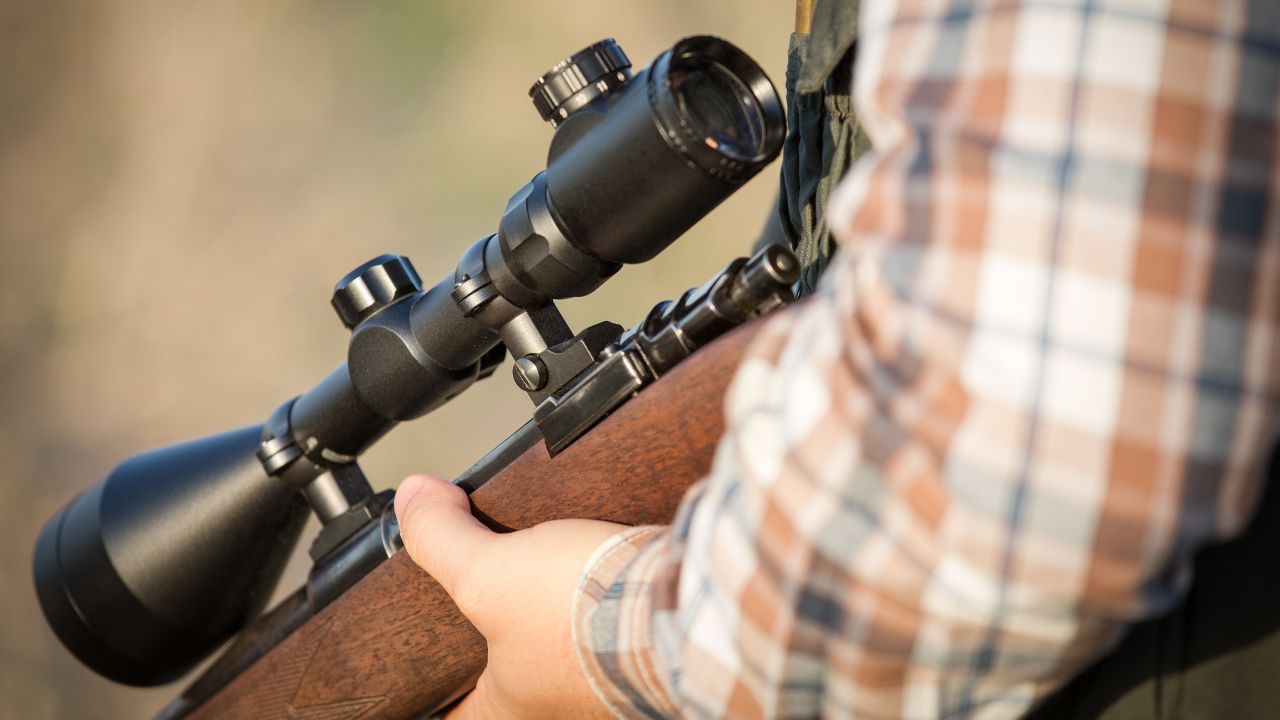
I told myself I was being smart when I bought that optic. The rifle had already cost enough, ammo was not getting any cheaper, and there was always something else competing for the same dollars. In my head, the optic was one of those places where I could save a little money without really feeling it later. I was not buying junk, at least that is what I told myself. I was buying something “good enough.” It had decent reviews, the price looked a whole lot better than the brands I actually wanted, and I convinced myself that most of what people paid for with better glass was just name recognition and marketing. I have learned since then that this is how a lot of bad gear decisions get made. A man starts with a budget, finds a reason to cut a corner, and then builds a whole little speech in his own head about why the cheaper option is basically the same thing. It usually takes one hard lesson in the field to expose that kind of thinking. Mine came after I mounted that optic, felt proud of how much money I had “saved,” and then spent the next stretch of time figuring out that I had not saved anything at all.
The first warning sign was not dramatic. The optic did not fall apart in the box. It did not show up visibly broken. Mounted on the rifle, it even looked the part. From a distance, it gave off the same impression a lot of low-end gear does now: clean lines, tactical styling, enough features on paper to make it seem competitive, and packaging that does a lot of the selling before you ever touch the thing. That is part of the trap. Cheap optics are not always obvious in the way they fail. They often make a solid first impression, especially if your test is limited to looking through them in daylight from the back porch or shooting a few rounds off a bench in good weather. That is where I went wrong. I judged it before the rifle and optic had really been asked to do anything. I looked at a short, comfortable trial and treated it like proof. What I should have been asking was how that optic would behave once recoil, weather, time, and actual hunting pressure entered the picture.
It looked fine right up until it mattered
At the range, the optic gave me just enough confidence to keep moving forward with it. I got it mounted, bore-sighted it, and then started doing what every hunter does when he wants to believe he made a good decision: I focused hard on the signs that supported my choice and ignored the ones that did not. The groups were acceptable. The reticle was clear enough in decent light. The turrets were not impressive, but I was not planning to dial much anyway. I told myself it tracked well enough for a hunting rifle and kept it moving. In hindsight, what I really had was a product that was barely passing the easiest part of the test. It had not been banged around in a truck, dragged through rough country, or used in dim light when every flaw in cheap glass starts showing up fast. It had not held zero through enough rounds to prove anything. I was not evaluating it honestly. I was rooting for it because I wanted to be right, and that is a costly attitude when you are talking about the one piece of gear that is supposed to help you place a shot where it needs to go.
Cheap glass usually gets expensive in the field
The real problem with a cheap optic is not that it saves you money up front. The problem is that it usually pushes the bill farther down the road and makes you pay it under worse conditions. Mine started showing cracks in the plan the way a lot of bad optics do. The zero started drifting just enough to make me question whether it was me, the ammo, or the scope. That is one of the most frustrating parts. Cheap optics rarely fail in a clean, obvious way at first. They fail in a way that wastes your time and steals your confidence. One group will look decent, then the next will open up for no good reason. You start checking ring torque, second-guessing your rest, wondering if the rifle suddenly hates a load it used to like, and burning ammo trying to solve a problem that should not exist. That is how you end up paying for it the second time. The first payment was at checkout. The second was in wasted range time, wasted ammunition, and the slow realization that you cannot trust the setup the way you need to.
The field is where bad optics get exposed
What really finished that optic off for me was hunting with it. Range problems are annoying, but field problems get personal fast. There is a different kind of pressure when legal light is fading, the animal is finally where you hoped it would be, and your gear starts asking for faith it has not earned. Low light is brutal on mediocre optics. The image gets muddy faster, details flatten out, and the whole sight picture starts working against you right when you need it to help. That is when I quit thinking about money saved and started thinking about why I had trusted something unproven in the first place. A cheap optic can look passable in bright midday conditions, but hunting is rarely that generous. Deer move early and late. Shadows matter. Brush matters. Background contrast matters. If the optic cannot stay sharp and dependable when the light gets thin, then it is not doing the job. That hunt drove home a lesson I should have known already: an optic is not decoration on top of a rifle. It is part of the system that either helps you make a clean shot or gets in the way.
Confidence is worth more than the discount
The biggest thing I bought when I finally replaced that optic was not better glass. It was confidence. That is what the cheap one never gave me, even before I admitted it out loud. Once doubt creeps into a rifle setup, everything gets slower and more frustrating. You hesitate at the range. You chase problems that are not yours. You keep rechecking zero because deep down you do not believe the rifle will print where it should. That kind of uncertainty follows you into the woods. It sits in the back of your mind when an animal steps out and starts shrinking the time you have to make a decision. Better optics cost more because they usually solve those problems before they ever start. They hold zero better, handle recoil better, perform better in bad light, and generally give you fewer reasons to second-guess what the rifle is going to do. Once I switched to a better one, the difference was not subtle. The rifle settled down, the zero stayed where I left it, and I quit spending so much mental energy wondering if my setup was about to betray me.
Saving money only works when you actually save it
I still believe in being smart with money. Not every expensive product is worth the premium, and there are plenty of places in hunting where a man can spend more than he needs to. But optics are one of those categories where cheap often stops being cheap the minute you start using it seriously. If all you ever do is shoot casually in perfect conditions, maybe you can get by longer than I did. But if the rifle matters, the shot matters, and the season matters, then “good enough” gets shaky fast. I learned that the hard way. I bought the cheap optic because I wanted to save money, and in the end I paid with extra ammo, lost time, frustration, and one replacement purchase I should have made from the start. That is what people mean when they say they paid for it twice. It is not just a saying. It is the math of buying gear that cannot carry its share of the load. I have made enough of those mistakes now to know this one belongs near the top of the list. The optic that seems like a bargain can turn into the most expensive shortcut on your rifle.
Like The Avid Outdoorsman’s content? Subscribe to our newsletter so you never miss an article.
Here’s more from us: