Photo credit: Shot for Thought/Youtube
You can walk into a shop with a plan and a budget, and still get derailed by a revolver sitting under the glass with honest wear on the cylinder and that “don’t even bother asking to negotiate” vibe. Serious revolver buyers aren’t always chasing rare safe queens, either. A lot of these are working guns that just happen to be hard to replace, hard to find in clean shape, or flat-out better than what’s being built today. When one shows up, you don’t nitpick the tag. You check timing, look for endshake, make sure the lockup is right, and you make a decision quick.
Here are 20 revolvers that tend to get snapped up fast by folks who know what they’re looking at.
1. Smith & Wesson Model 29 (N-frame .44 Magnum)
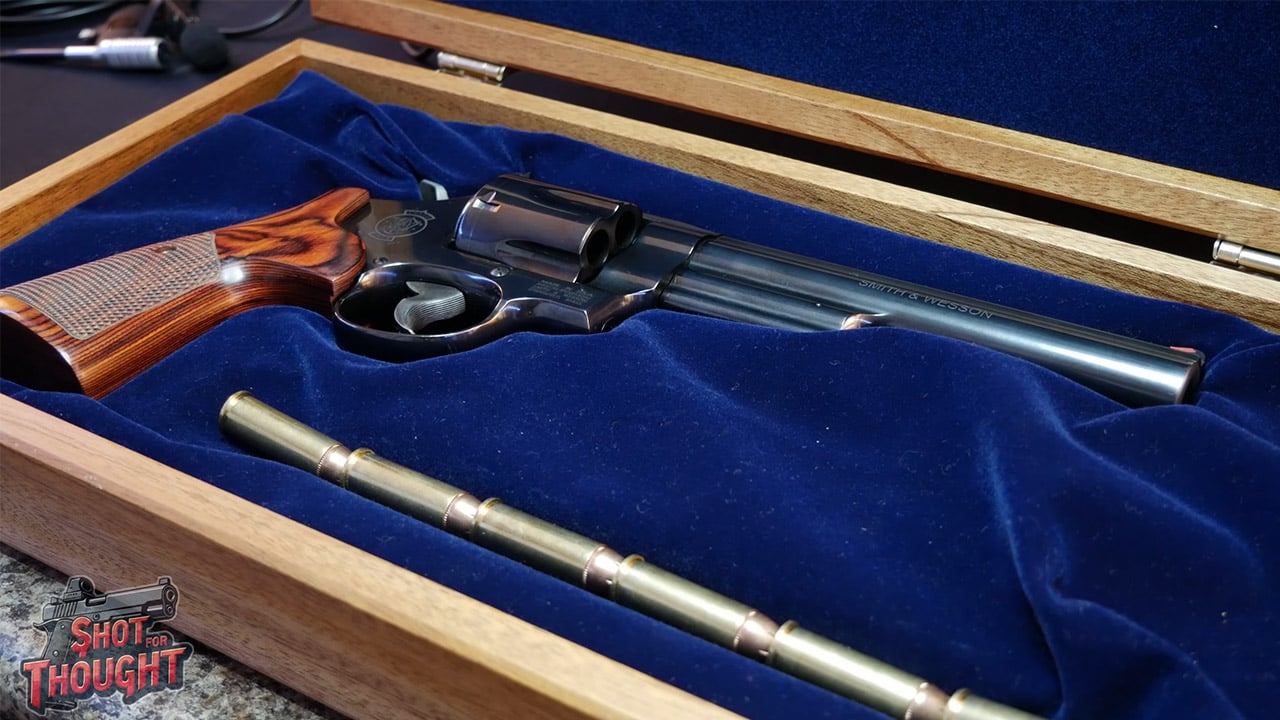
Even if you’ve never been a “movie gun” guy, the Model 29 earns its reputation the hard way: it shoots. A good one has that smooth S&W double-action pull that feels like it’s on greased rails, and the gun points naturally for a big frame. For handgun hunters, it’s one of those revolvers that can actually be lived with in the field, especially in a chest rig, and it’ll handle real .44 Magnum loads without feeling like a novelty.
Older examples with honest holster wear get bought fast because they’re usually the best kind of used gun: shot some, carried more, and not messed with. Check that the cylinder locks up tight and the forcing cone isn’t battered from a diet of hot loads. If it’s right, it’s right, and folks don’t leave them behind.
2. Smith & Wesson Model 27 (classic .357 Magnum)
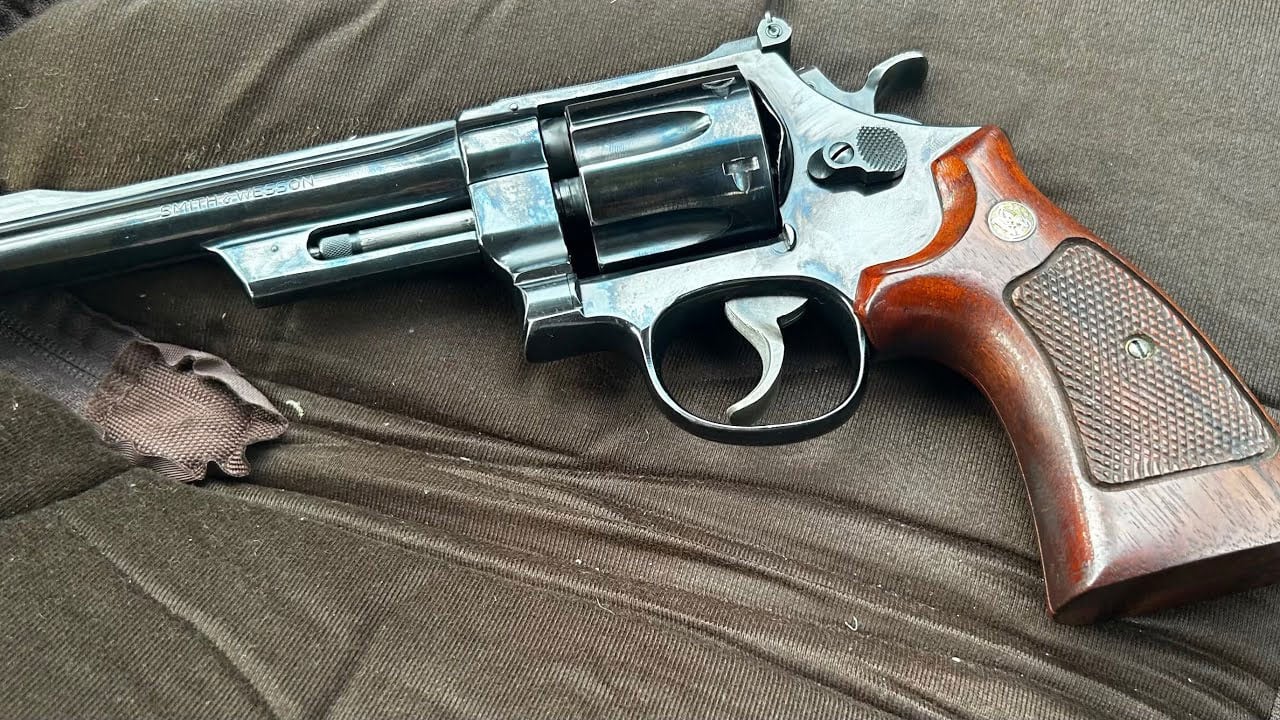
The Model 27 is what happens when a company builds a duty revolver like it expects you to keep it forever. It’s got the heft and balance that makes full-power .357 enjoyable instead of punishing, and the finish work on a nice one still stops you mid-sentence. This is a revolver you can shoot a lot and still feel like you’re treating yourself.
The reason serious buyers pounce is simple: they don’t make them like that anymore, at least not consistently. A tight Model 27 with a clean bore and crisp lockup doesn’t last long in the used case. If you want a revolver that can be a range gun, a woods gun, and an heirloom, this is the type.
3. Smith & Wesson Model 19 (K-frame .357)
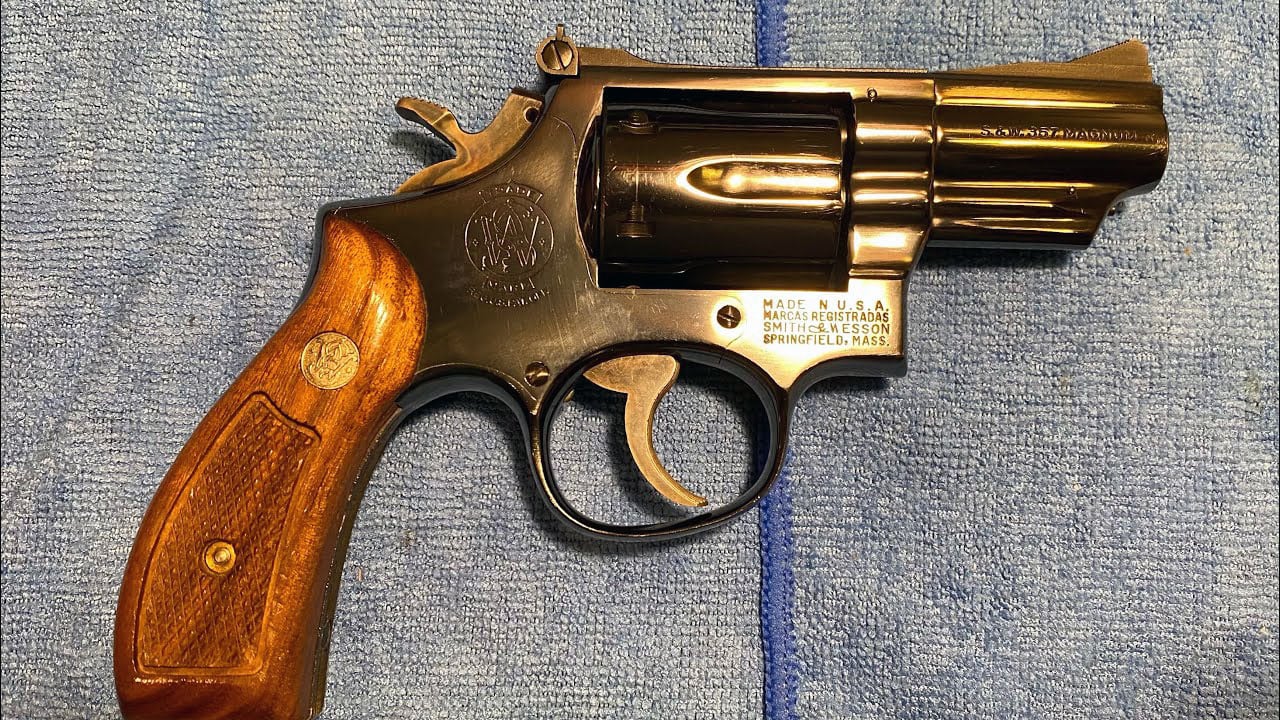
The Model 19 is one of those guns that fits the hand like it was designed by somebody who actually carried one. It’s lighter than the big N-frames, it carries easier, and it still gives you real .357 capability. For a lot of folks, it’s the “do everything” revolver: trail gun, glovebox gun (where legal and safely stored), and a range favorite that makes you look like a better shooter than you are.
There are known tradeoffs—running a steady diet of super-hot light-bullet .357 loads isn’t what the K-frame was built for. But most outdoorsmen aren’t doing that anyway. Find a clean one that hasn’t been abused, and it’s the sort of revolver that tends to stay in the family once it’s bought.
4. Smith & Wesson Model 686 (L-frame .357 Magnum)

If you want the feel of a “real” revolver without babying it, the 686 is hard to argue with. The L-frame splits the difference: strong enough to digest full-power .357 without drama, but not so big it feels like a boat anchor on your hip. The stainless finish is a big deal for a gun that might ride in a damp holster while you’re checking trail cameras or working around a wet property line.
Buyers who know revolvers check the basics—timing, endshake, and that the cylinder stop notches aren’t chewed up. When a 686 checks out, the price tag becomes background noise. They’re accurate, durable, and they keep their place even in a safe full of modern pistols.
5. Smith & Wesson Model 66 (stainless K-frame .357)
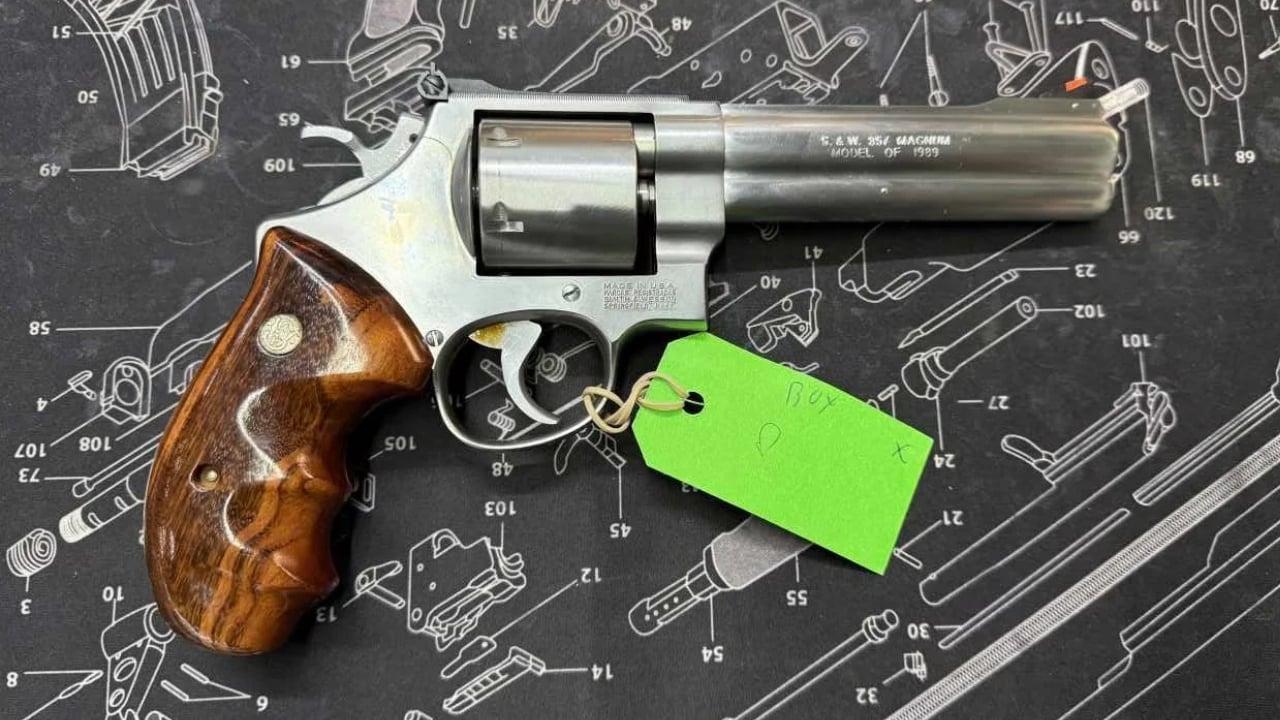
The Model 66 is basically the “leave it by the back door” version of a Model 19. Stainless matters when you actually use a gun outside, and a 66 rides well on the belt for long days. It’s a sweet spot revolver for folks who want a serious .357 that doesn’t feel like carrying an anvil.
Like any K-frame .357, it’s smart to be reasonable with load choices if you’re planning high round counts. But as a carry-and-shoot revolver with classic S&W feel, it’s tough to beat. When a clean 66 pops up, especially an older one that hasn’t been “customized” by somebody with a file, it tends to get purchased quickly.
6. Smith & Wesson Model 10 (Military & Police)
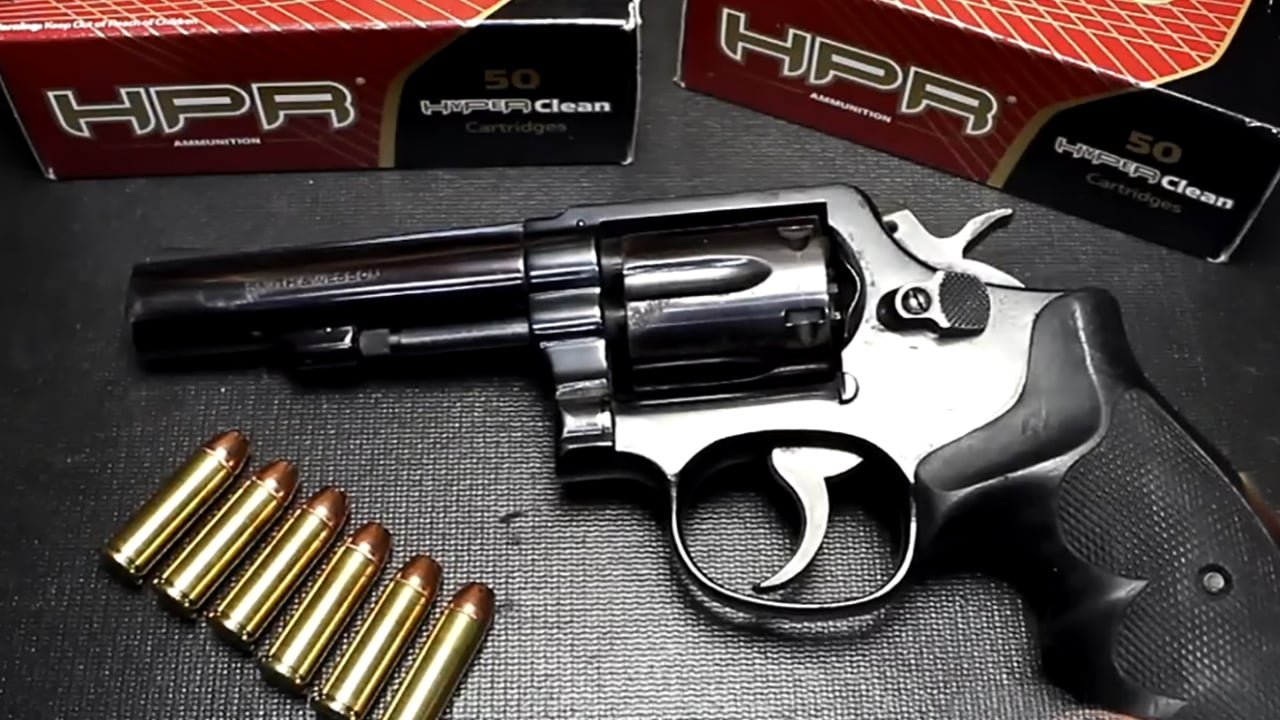
This one is “boring” right up until you start shooting it. A good Model 10 has a trigger that makes you wonder why you ever tolerated gritty striker-fired pulls for pure range work. It’s a .38 Special workhorse with a track record that’s measured in decades, not marketing cycles, and it’s the kind of revolver that teaches good double-action fundamentals.
Serious buyers grab them because they’re honest guns: simple, durable, easy to maintain, and easy to live with. They’re also getting harder to find in original condition. If the barrel isn’t bulged, the timing is right, and the cylinder locks up like it should, it’s a revolver that’ll outlast most of us. There is nothing fancy about it, and that is kind of the point.
7. Smith & Wesson Model 36 (Chief’s Special)
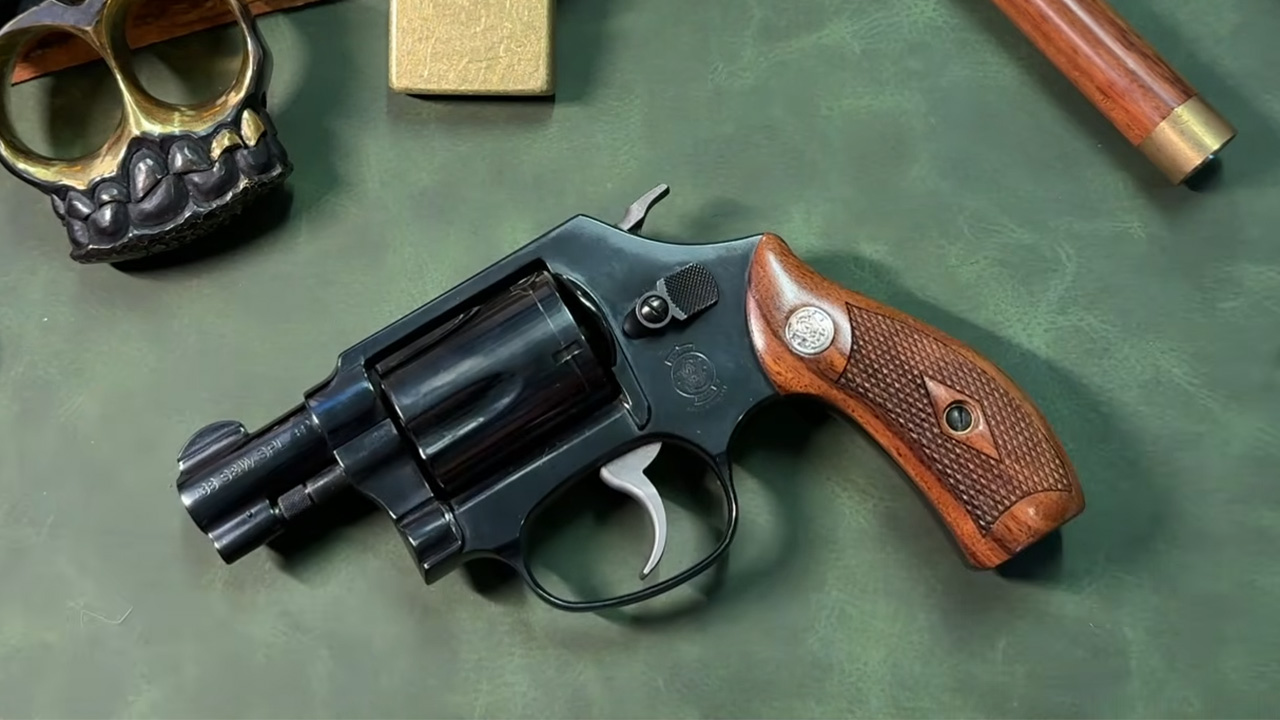
Small-frame .38s are everywhere, but a clean Model 36 still draws attention. It’s got that classic J-frame shape that disappears in a good holster and doesn’t feel like a brick in a coat pocket when you’re headed to the feed store. The weight is just enough to make standard-pressure .38s pleasant, and +P manageable if you practice smart.
Buyers who carry daily understand the appeal: it’s simple, it’s reliable, and it’s not picky. Older ones with tight lockup and minimal sideplate marks get scooped up fast because they’re often nicer than newer “budget” snubs. If you’ve ever had to deal with lint, sweat, and real-world carry, you learn why a well-made snubnose is its own kind of luxury.
8. Colt Python (double-action .357 Magnum)
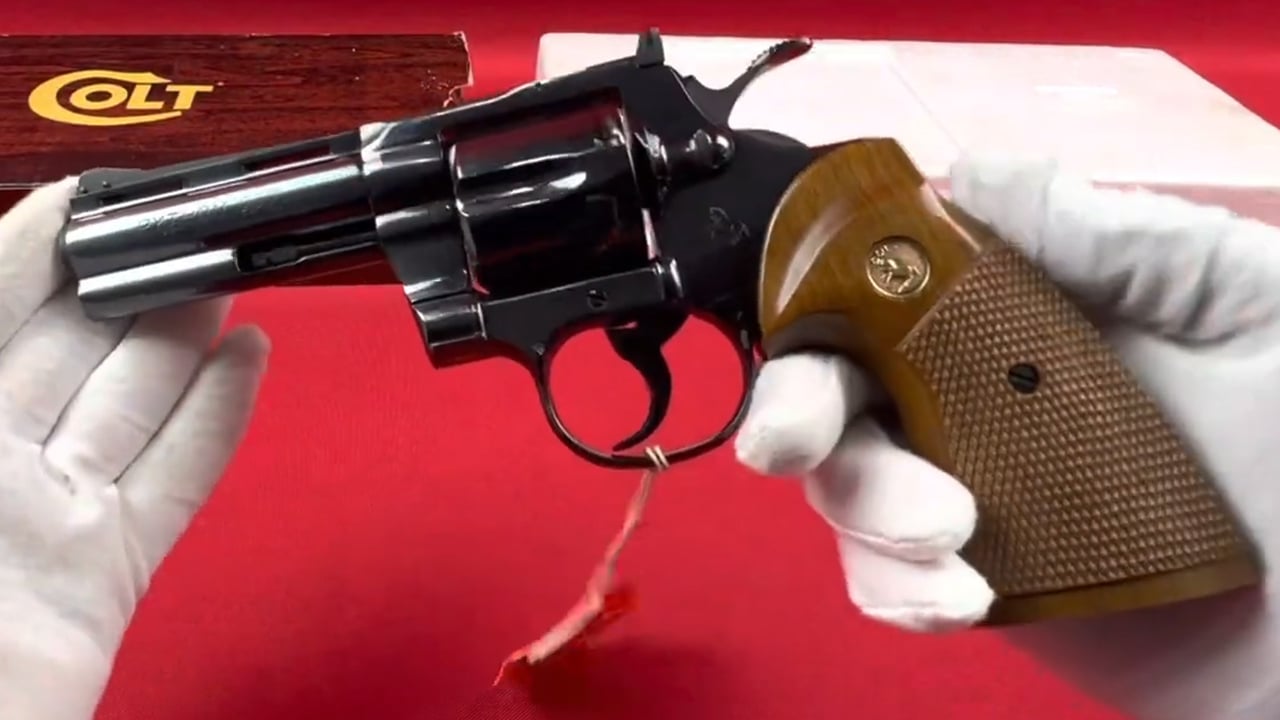
Pythons get talked about like they’re mythical, but the real reason buyers pay up is the feel. A good Python has an action that stacks in a way some shooters love, and the fit and finish on older examples is on a level you don’t see every day. It’s not just a display gun, either—when they’re in spec, they shoot extremely well.
They also make buyers nervous, because not every used Python has been treated kindly. If somebody has been fanning it, over-dry-firing it without care, or “tuning” it without knowing Colt lockwork, you can end up with a project. But when a clean one shows up and passes a basic inspection, collectors and shooters both reach for their wallets. They know they won’t be the only one thinking about it.
9. Colt Detective Special (D-frame .38 Special)
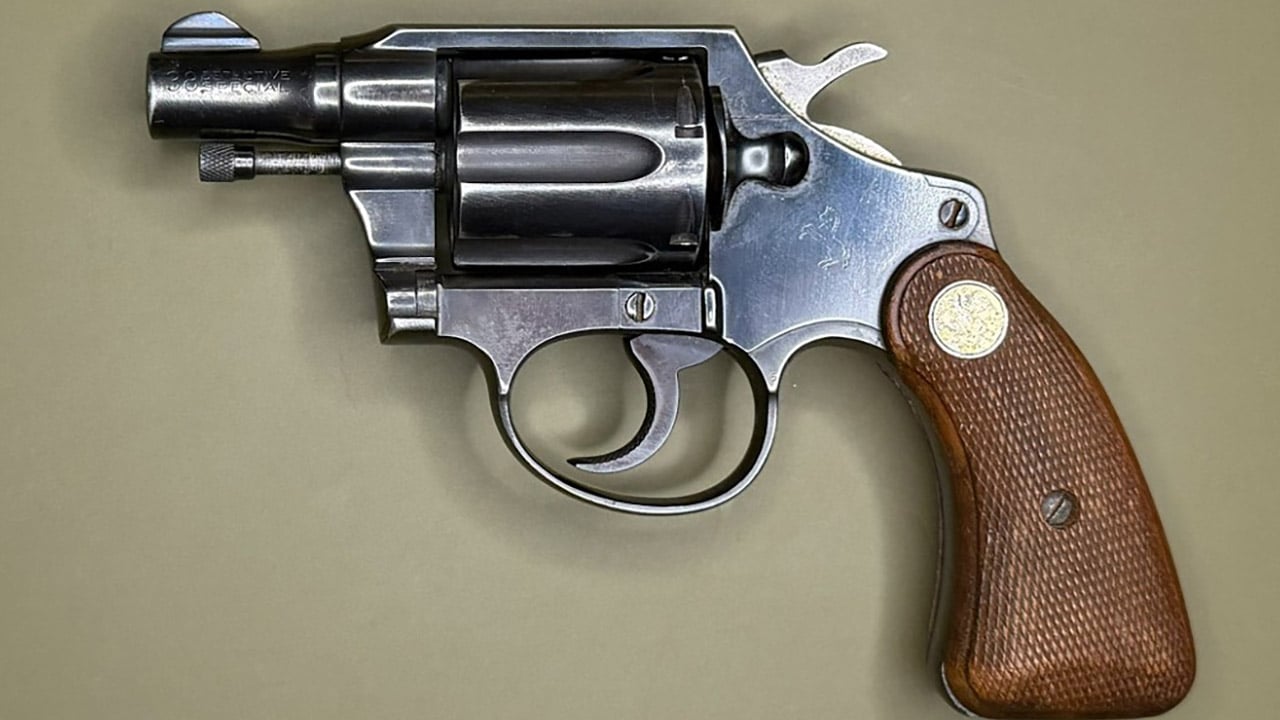
The Detective Special is a true carry revolver from the era when a snubnose was expected to be shot well, not just carried. The extra round in the cylinder compared to many small frames is part of the draw, and the grip and trigger reach work for a lot of hands. It’s compact without feeling toy-like.
These are popular because they carry like a small gun but shoot like a bigger one. Condition matters, and timing matters more than cosmetics. A D-frame Colt that locks up right and hasn’t been abused is a hard thing to pass up, especially for a buyer who appreciates older carry guns that were built to be carried every day in the real world.
10. Colt Trooper Mk III (.357 Magnum)
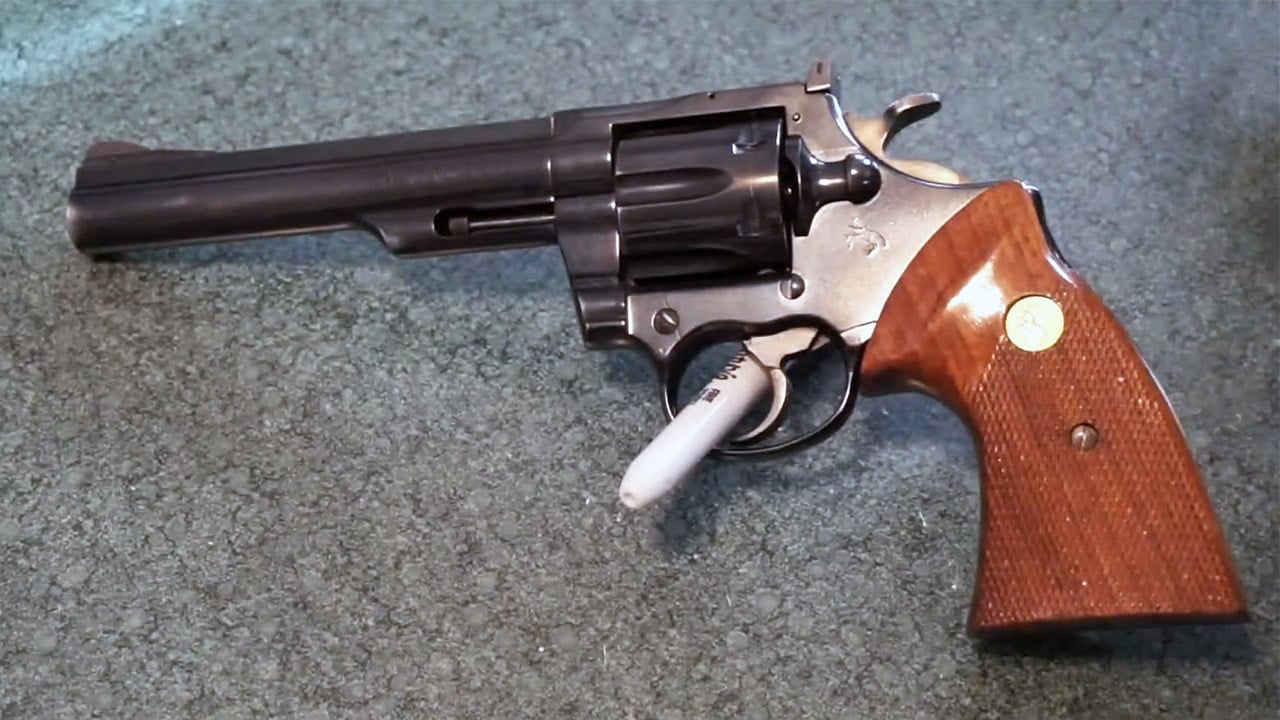
The Trooper Mk III doesn’t always get the glory, which is exactly why it disappears fast when a knowledgeable buyer spots one. They’re strong, straightforward Colts that can take real use, and they often show up priced below the more famous names. The sights and barrel options make them practical shooters, not just nostalgia pieces.
The action feel is different than a Python, and some purists turn their nose up at that. Fine. The outdoorsman who wants a rugged .357 that points well and holds value quietly tends to grab it. If you find one that hasn’t been butchered with aftermarket parts and the cylinder play is reasonable, it’s a revolver you can actually put to work without feeling like you’re risking a museum piece.
11. Ruger GP100 (stout .357 Magnum)
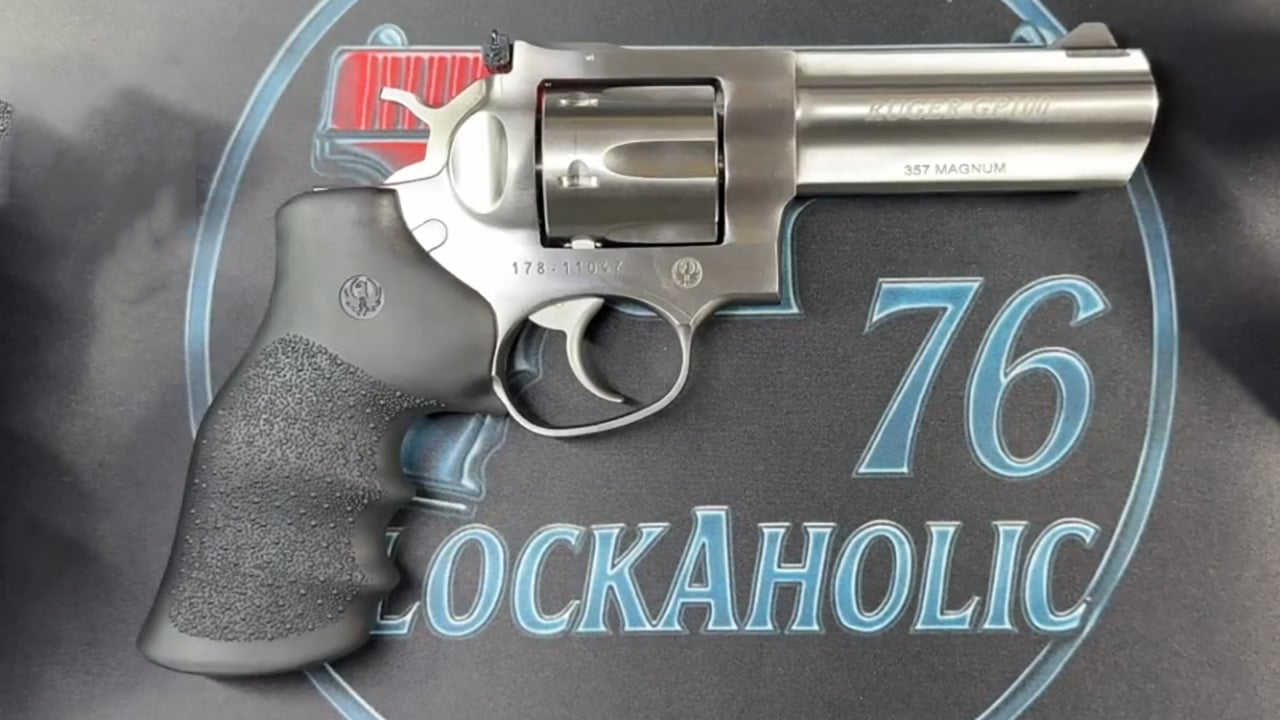
The GP100 is what you buy when you’re done worrying about “is this load too much.” It’s built like a fence post, and that’s a compliment. In wet weather, in dusty trucks, and in hard use on the range, it just keeps going. The grip system also helps it fit a lot of hands, which matters when you’re shooting full-power .357 for more than a cylinder or two.
It’s not as sleek as some classics, and it’s not trying to be. Buyers snap them up because they’re honest tools that can still shoot tight groups, and parts/support are easy to find. If you want a revolver you can hand to a new shooter with .38s and then load heavy .357 for woods carry, the GP100 is one of the simplest answers.
12. Ruger SP101 (small-frame .357 Magnum)
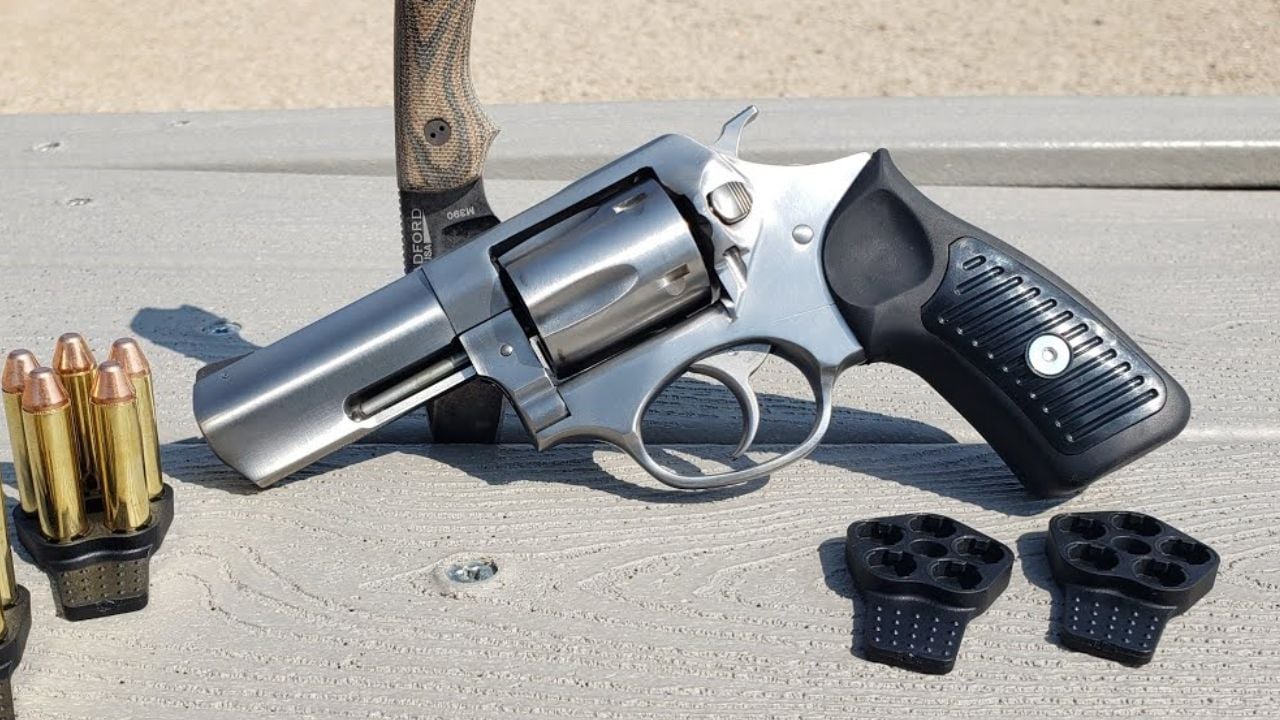
The SP101 is a small revolver that doesn’t feel fragile, and that’s the whole selling point. A lot of lightweight snubs are carry-friendly but miserable to practice with. The SP101 has enough steel to make it controllable, and it’s the kind of revolver you can actually shoot regularly without dreading the session.
In the field, it’s a practical “just in case” gun for chores, checking fences, and walking creeks. It’s also one of those models that holds up well to being carried in bad weather. When one shows up used in good shape, buyers don’t waste time because they know how many small revolvers out there are more comfortable in theory than they are in reality.
13. Ruger Redhawk (.44 Magnum)
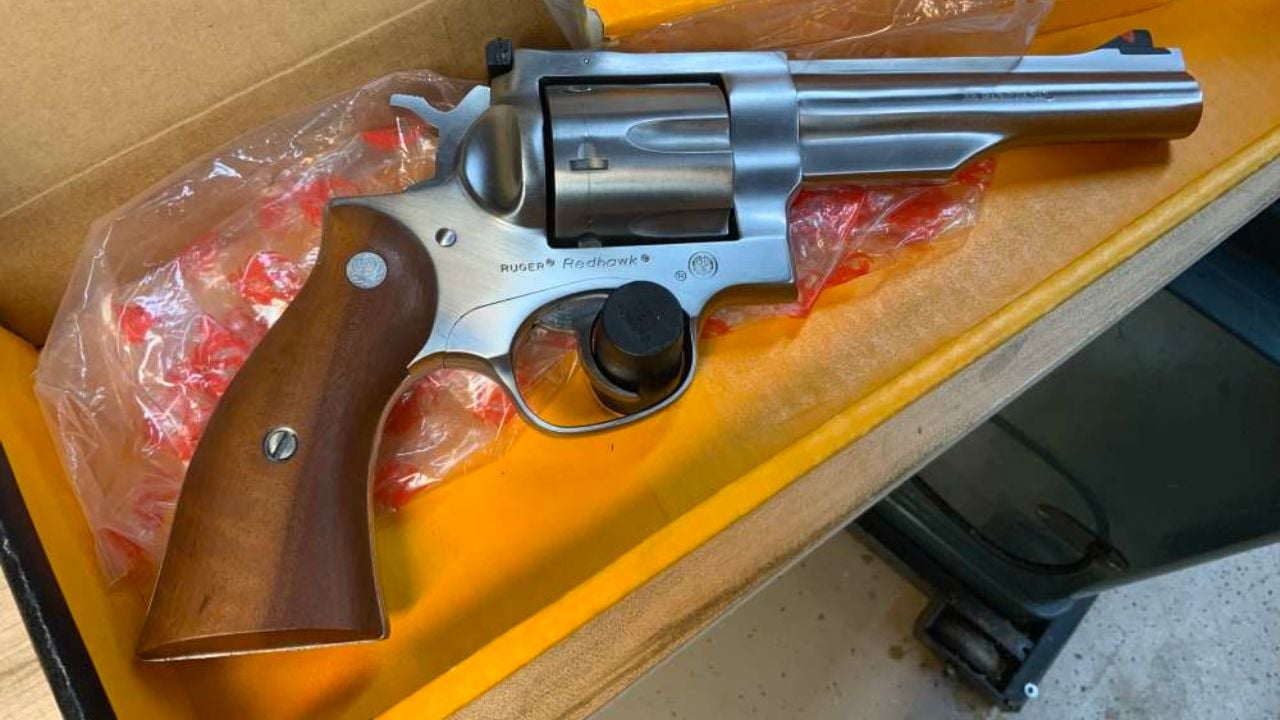
The Redhawk is not dainty, and nobody buys it expecting dainty. It’s a serious .44 that’s built to take heavy loads and keep its timing. For handgun hunters and folks who want a legitimate bear-country sidearm, this is one of those revolvers that earns trust through sheer durability.
It is heavy, and you feel it on your belt, especially after a long day. Still, the weight is also what makes it manageable when you touch off stout loads. Used Redhawks get bought fast because they’re hard to “wear out” in normal ownership, and a clean one is usually a safe bet mechanically. If you see one with a solid lockup and a decent bore, it’s not likely to be there tomorrow.
14. Ruger Super Redhawk (.44 Magnum / .454 Casull)
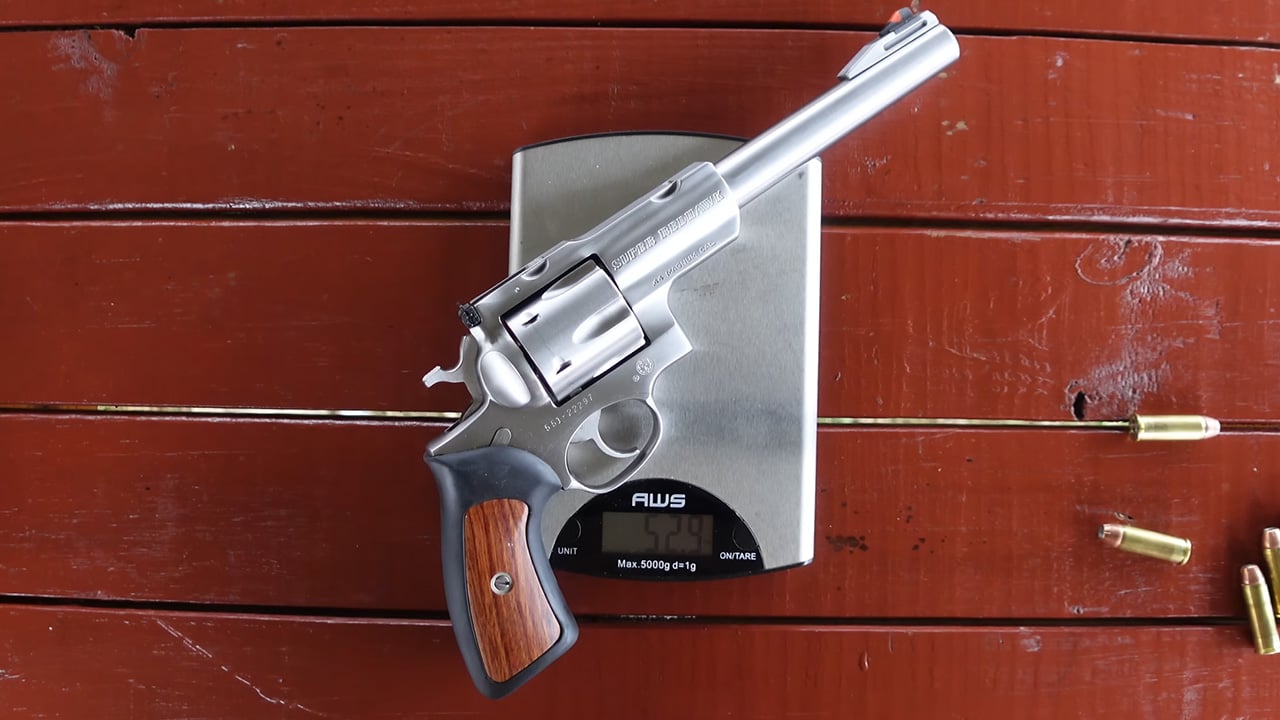
The Super Redhawk looks like it means business because it does. The frame and cylinder are made for high-pressure work, and it’s a favorite for hunters running optics or wanting a revolver that’s more platform than pocket piece. If you’ve ever tried to keep a steady hold on a hard-kicking revolver, you understand why the extra size can be your friend.
This isn’t for everybody, and it’s not supposed to be. It’s bulky, and it’s a commitment to carry. But buyers who want one tend to know exactly why, and they know there aren’t many better options for a hard-use hunting revolver that won’t get rattled loose. When one shows up in good shape, it’s often an instant “yes,” because the right buyer has been waiting.
15. Ruger Blackhawk (single-action .357/.41/.44)
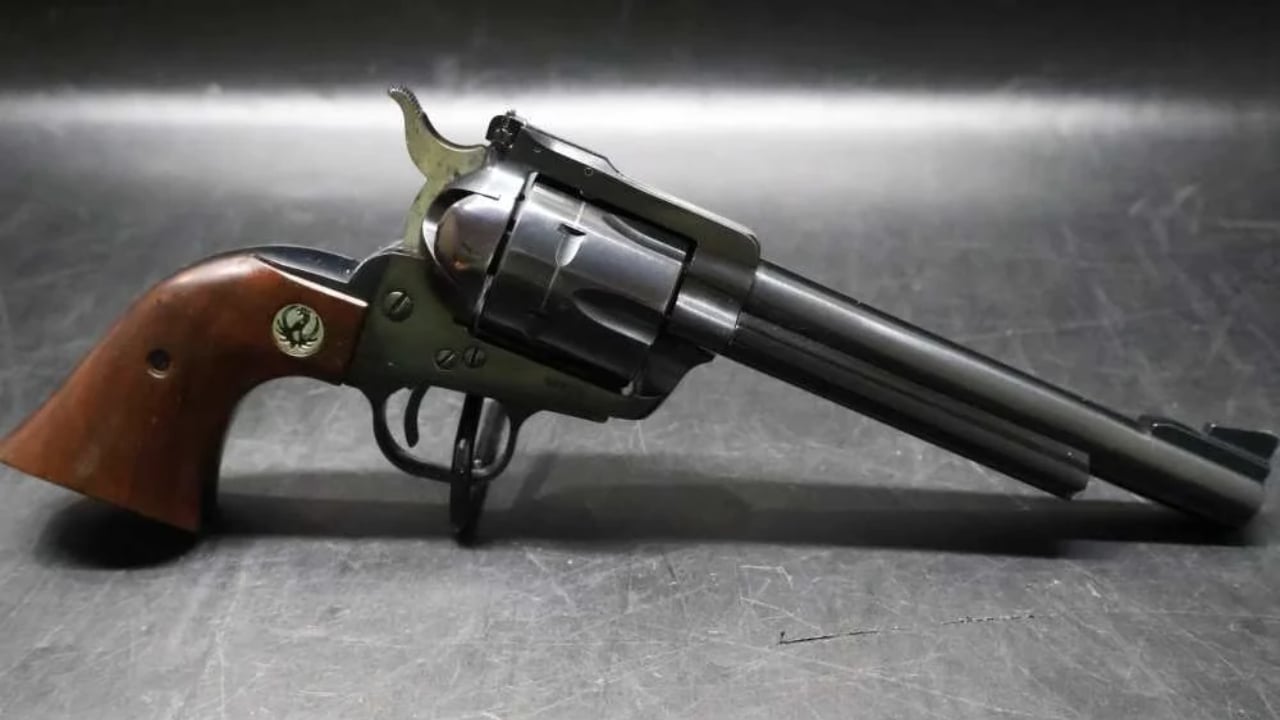
A Blackhawk is a revolver you buy because you like revolvers. Single-actions slow you down in a good way, and they make you pay attention. They also tend to be extremely accurate, and they’ll handle stout loads depending on the model and caliber. On a calm evening at camp, it’s the kind of handgun that makes shooting fun again.
They’re not fast to reload, and no one should pretend they are. But for hunting, woods carry, and just owning a revolver that will take a beating, the Blackhawk holds its spot. Used ones in good condition don’t sit long because they’re both practical and enjoyable. That combo is rare, and the buyers who get it don’t haggle much when they find the right one.
16. Ruger Vaquero (fixed-sight single-action)
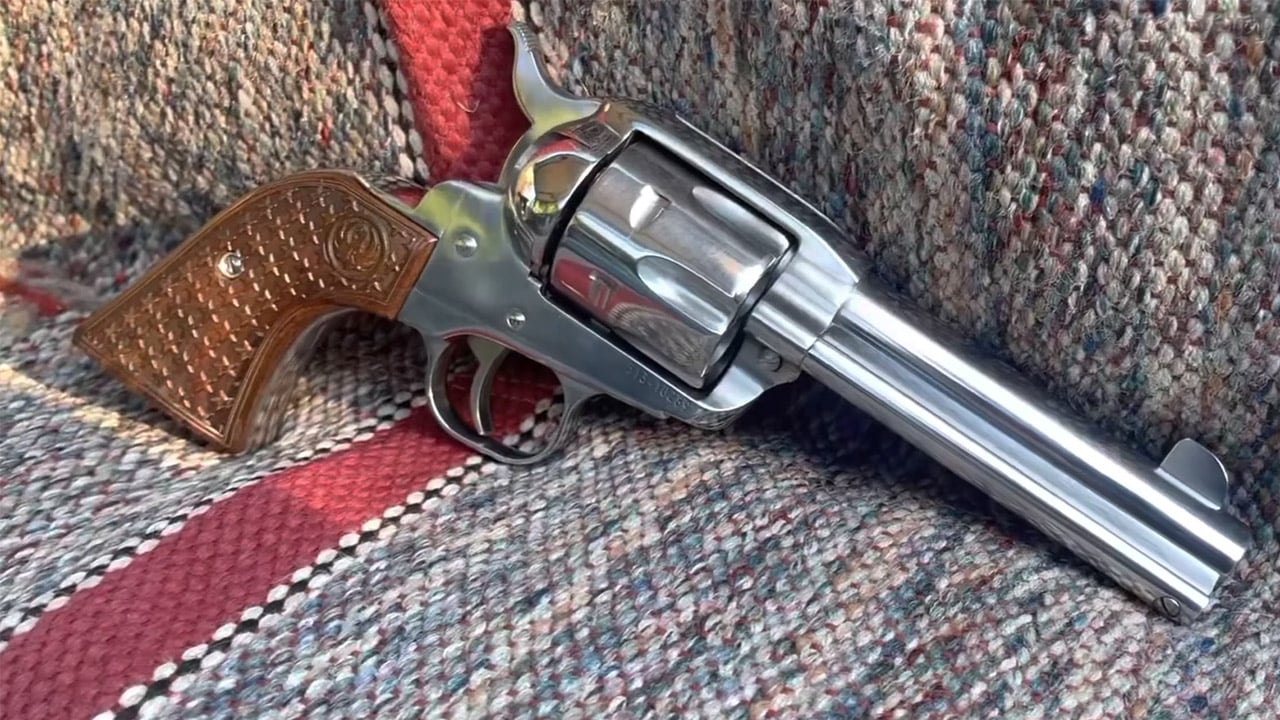
The Vaquero is for the shooter who wants “cowboy tough” without the fragile, fussy feel some replica guns can have. Fixed sights keep it clean and snag-free, and the whole package is simple. It’s the kind of revolver that rides well in a leather rig and doesn’t look out of place on a ranch or around a farm.
What makes buyers grab them is that they’re usable, not just decorative. A Vaquero can handle field carry, dust, and sweat, and it still shoots well enough for real work inside sane distances. If you find one that hasn’t been abused and the timing is right, you’re buying a revolver you can hand down. Ask me how I know: the ones you sell are the ones you end up looking for later.
17. Dan Wesson Model 15 (.357 Magnum)
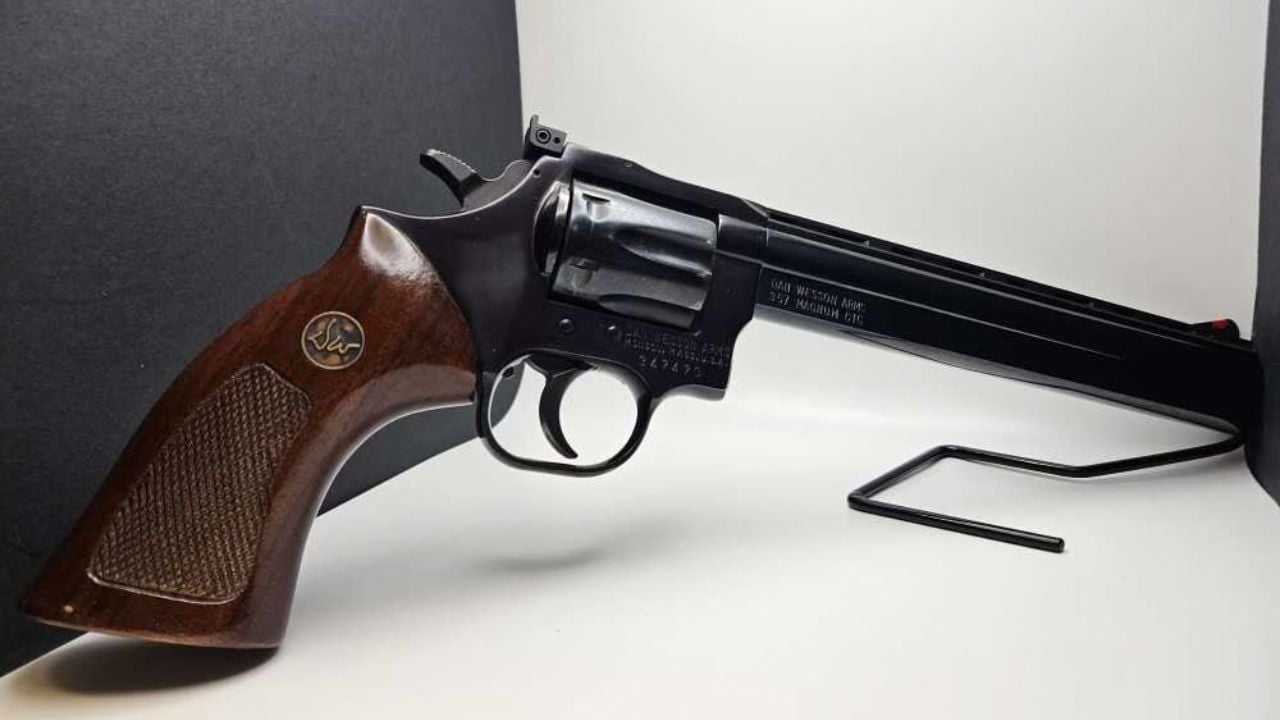
Dan Wesson revolvers have a loyal following for a reason. The Model 15 has a reputation for accuracy and a strong design that stands up to serious shooting. The interchangeable barrel system is part of the appeal for tinkerers, but the bigger deal is that these guns often shoot like a target revolver without needing to be babied.
They also don’t show up as often as the big mainstream brands, so when one hits the used market in complete, un-messed-with condition, it gets attention. The smart move is to check that everything is there and that nothing looks cross-threaded or hacked. A clean Dan Wesson is one of those finds that makes a buyer stop thinking about “deal” and start thinking about “availability.”
18. Freedom Arms Model 83 (.454 Casull / heavy hitters)
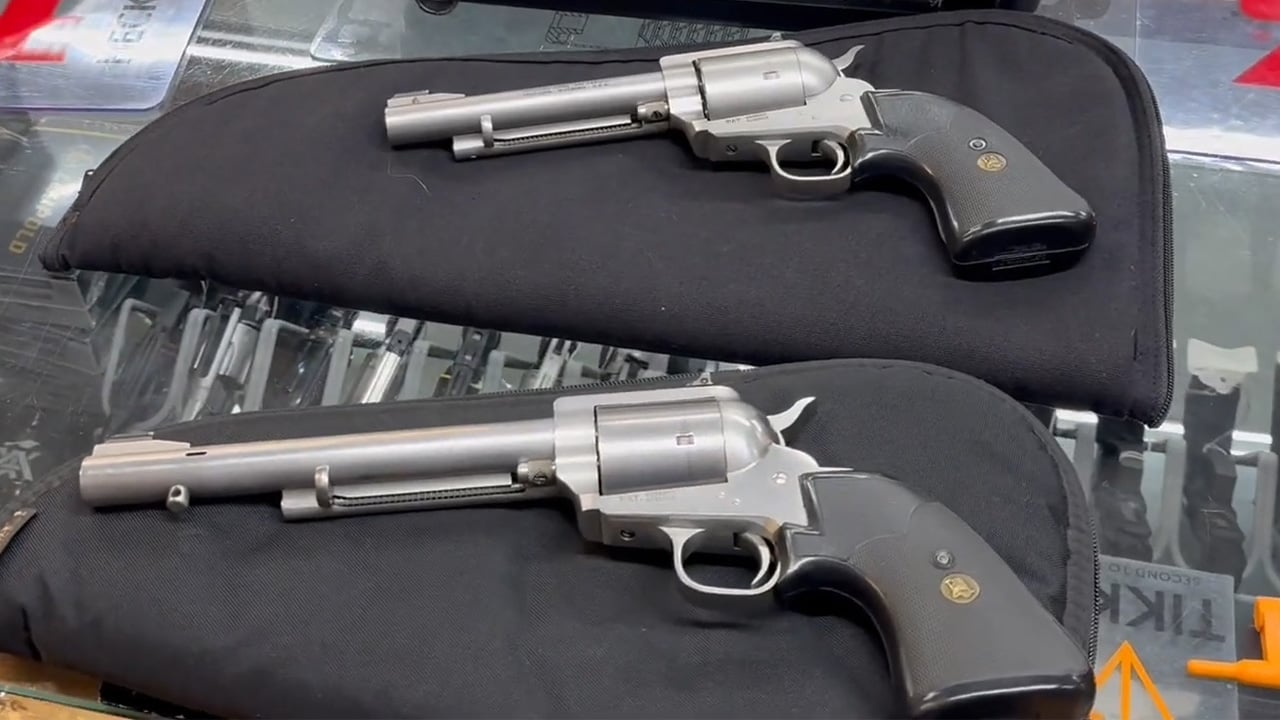
If you’ve never handled a Freedom Arms revolver, it’s hard to explain how tight they feel. Everything about them screams precision, from lockup to finish to the way the cylinder indexes. They’re expensive, yes, but the buyers looking at a Model 83 already know that. They’re usually hunting with it, not just admiring it.
This is not the revolver for casual blasting, and recoil in the big chamberings is the real deal. Still, for the handgun hunter who wants top-end accuracy and strength, it’s one of the few revolvers that truly feels like a premium tool. When one appears used, serious buyers often jump because the wait and the hunt for one can be worse than the price.
19. Smith & Wesson Model 17 (K-22 Masterpiece)
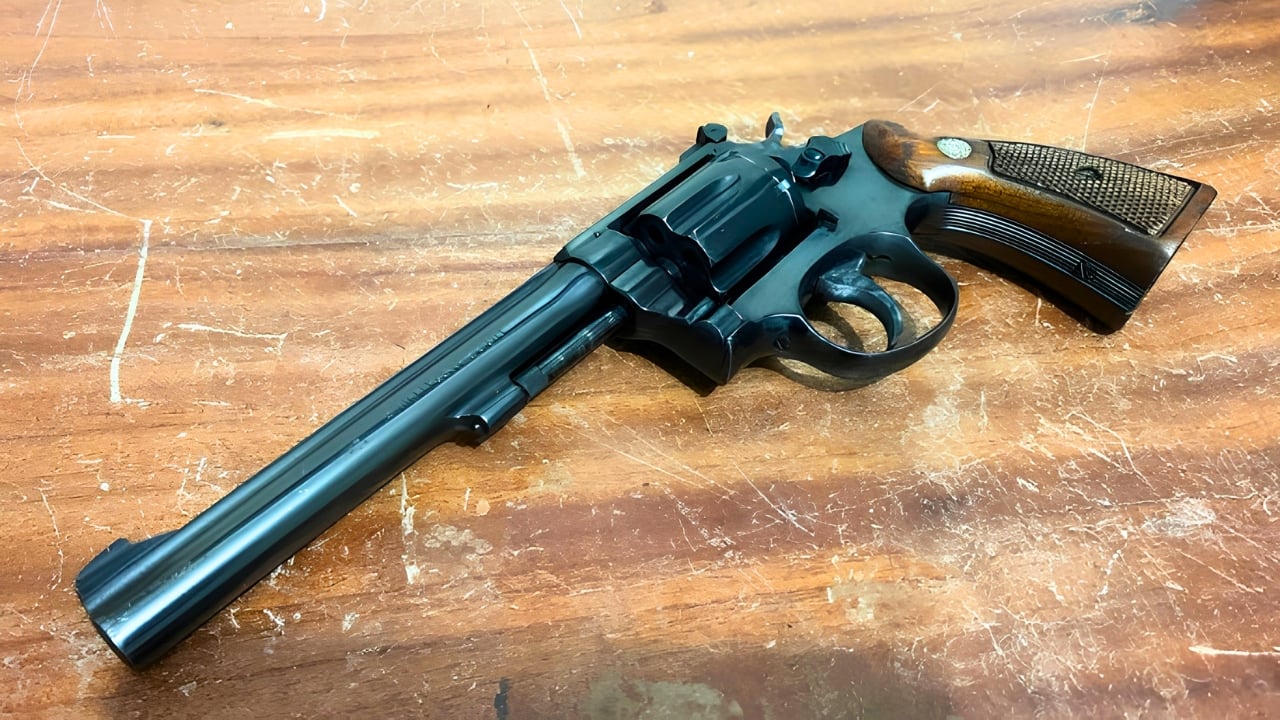
A good .22 revolver is one of the best training tools ever made, and the Model 17 is about as good as it gets. The sights are real sights, the trigger is typically excellent, and it makes you shoot honestly. No recoil excuses, no dot to hide behind, just you and the front sight. It’s also a small-game and camp gun that’s actually enjoyable to carry.
These bring serious attention because they’re not being made in the same spirit anymore. A clean K-22 has become something buyers keep, not flip, and it’s the revolver that gets pulled out when you want to shoot a lot without burning up centerfire ammo. If you see one with a sharp bore and solid timing, you’re not the only person thinking “buy it now.”
20. Smith & Wesson Model 57 (N-frame .41 Magnum)
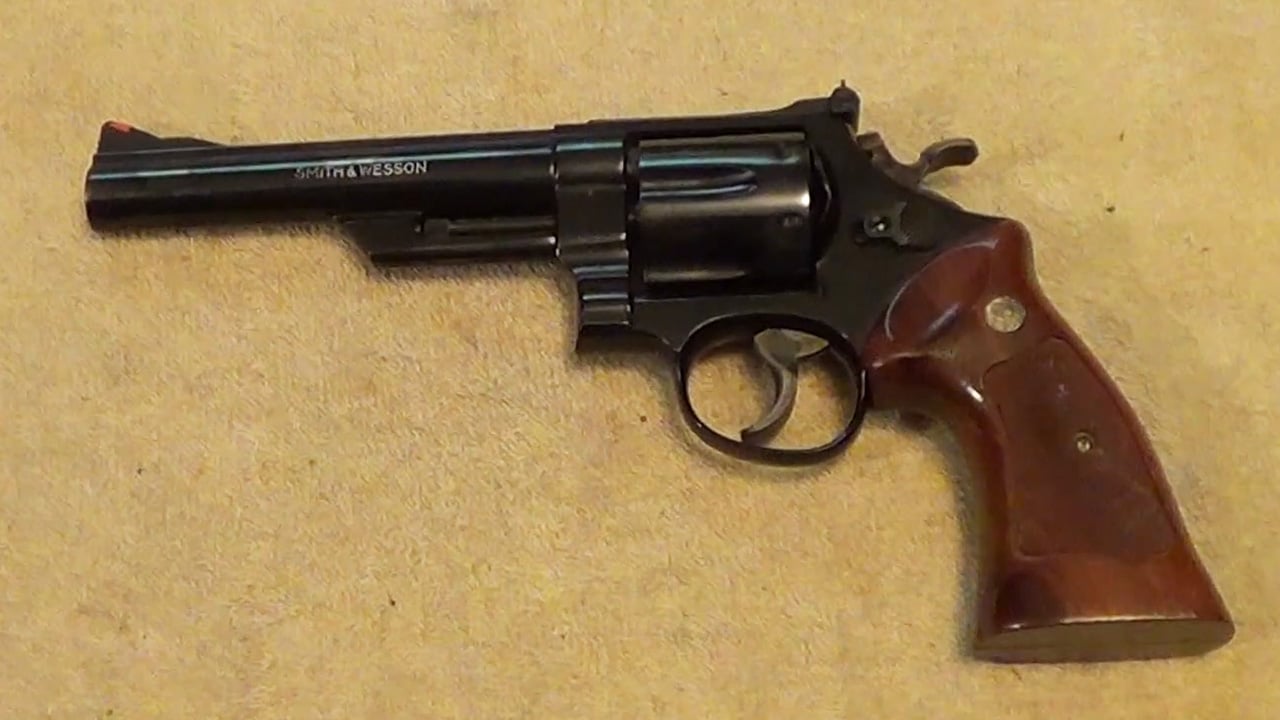
The .41 Magnum crowd is smaller, but they’re serious. A Model 57 is a prime example of why: it carries the feel of an N-frame, shoots flatter than you’d expect, and hits hard enough for real field use. It’s a cartridge and platform that tends to attract experienced shooters who know what they like and don’t care if it isn’t trendy.
Ammo isn’t as common on every shelf as .44, and that turns some buyers away. But the ones who understand the .41 aren’t browsing—they’re hunting. A clean Model 57 doesn’t last because it’s both practical and a little uncommon, and that combination pushes the “buy it” button fast. If you want something different that still works, this is one of the better answers.
There are plenty of revolvers that are “nice to have,” and plenty that are just nostalgia. The ones above are different. They’re the revolvers that either do a job better than most, or they’re built in a way that’s getting harder to find. If you stumble onto one, don’t get distracted by the shine or the story. Check the lockup, check the timing, look it over with a clear head, and then decide quick—because somebody else will.
Like The Avid Outdoorsman’s content? Subscribe to our newsletter so you never miss an article.
Here’s more from us: