Photo credit: WholesaleHunter/GunBroker
You can tell what works for everyday carry by what keeps showing up in holsters year after year. Not what looks cool on a forum. Not what your buddy swears “hits like a rifle.” Real carry people are boring on purpose. They want ammo they can find on a random Tuesday, manageable recoil out of short barrels, and performance that holds up when the weather is bad and the light is worse.
That shift has quietly pushed a handful of handgun calibers to the back of the line. Some of them are still fine. A few are great in the right role. But if we’re talking about what folks who actually carry tend to drift away from, these are the ones I keep seeing traded off, left in glove boxes, or moved into the “range toy” category.
1. .25 ACP
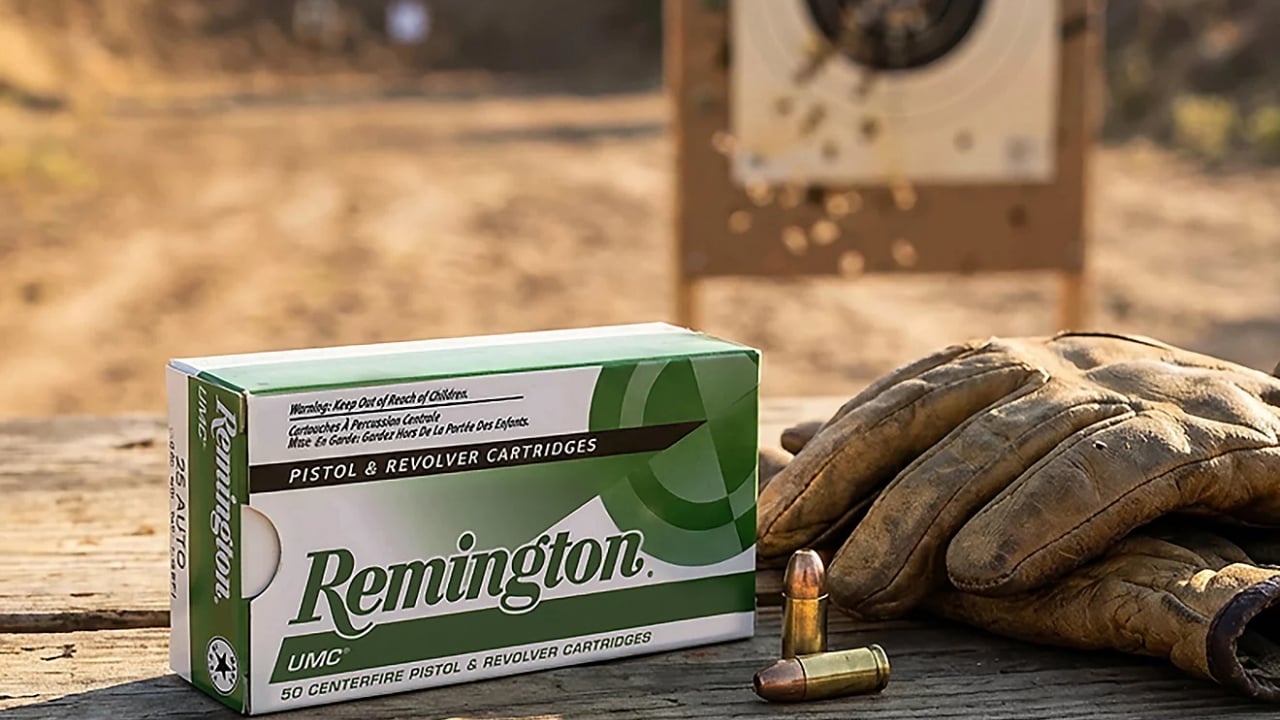
There was a time when a little .25 in a vest pocket was considered better than nothing, and I won’t pretend it never worked for anybody. But modern micro 9mms and even small .380s changed the math. When a gun the size of a wallet can run respectable defensive ammo and still be controllable, the old “tiny caliber for tiny gun” argument falls apart fast.
The other problem is practical: .25 ACP isn’t everywhere, and when you do find it, it often isn’t cheap. Most of the guns chambered for it are older designs with tiny sights, heavy triggers, and questionable parts support. Carry folks don’t want to hunt for obscure ammo or bet their daily safety on a pistol that hasn’t been produced in decades.
2. .32 ACP

.32 ACP is a soft-shooting cartridge, and in the right pistol it can be surprisingly easy to run well. The issue is that it lives in an awkward middle spot. It’s more pleasant than .380 in similar-sized blowback guns, but it doesn’t get the same shelf space, and defensive loads can be hit-or-miss depending on what’s in stock.
A lot of people start with .32 because they inherited a Beretta or picked up a classic Walther-style pistol, then they realize carrying it means feeding it specialty ammo and living with older ergonomics. If you love it, keep it. But most daily carriers eventually simplify their life and standardize around 9mm or a mainstream revolver caliber.
3. .30 Super Carry

.30 Super Carry came in hot with the promise of more rounds in the magazine without sacrificing performance. On paper, it’s interesting. In the real world, carry folks don’t like gambling their entire setup on a cartridge that may or may not be common in five years. If you can’t count on finding practice ammo locally, you won’t practice as much. That’s just reality.
The guns that debuted it were often ones you could already get in 9mm with proven reliability and endless ammo choices. Most carriers looked at the slight capacity bump and decided it wasn’t worth changing everything else. It’s not that it’s “bad.” It’s that carry life rewards boring logistics.
4. .380 ACP
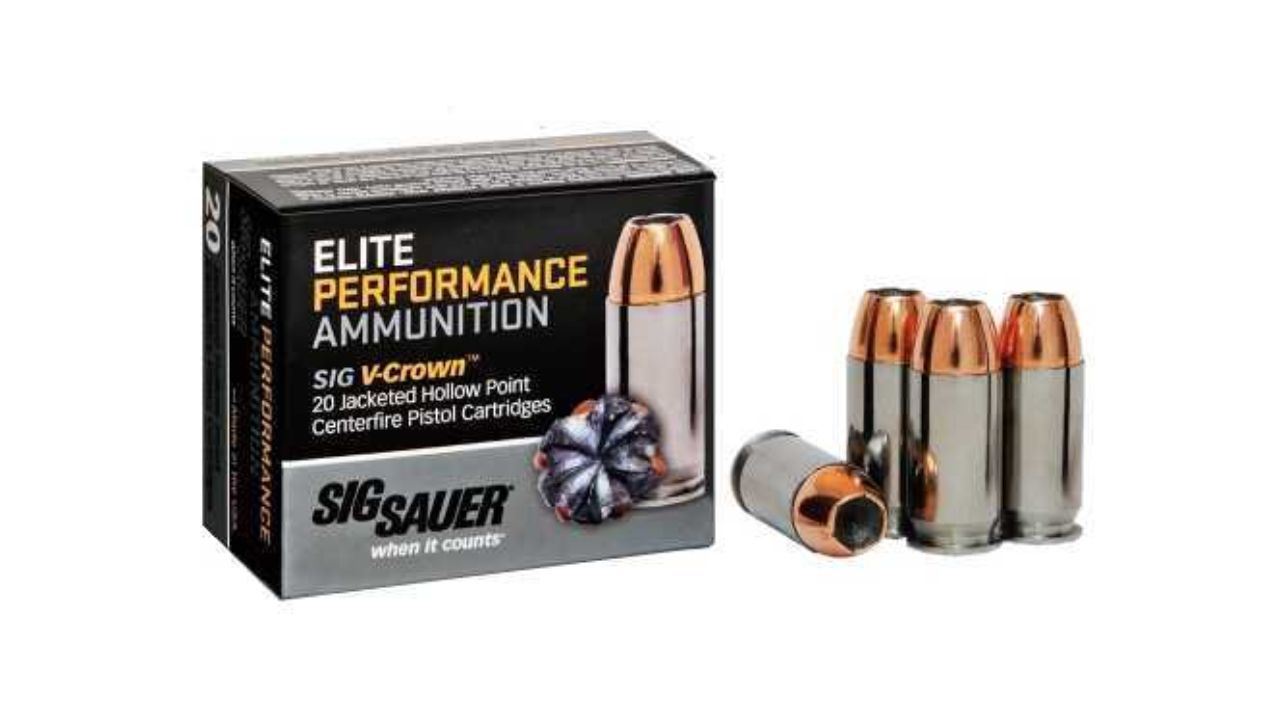
This one always ruffles feathers, because .380 still sells and it still works. The quiet move away from it isn’t about the cartridge being useless. It’s about how good small 9mm pistols have gotten. Ten years ago, a truly pocketable 9mm was a compromise machine. Now, there are micro 9s that carry like yesterday’s .380s and shoot like a service pistol if you do your part.
Also, .380 can be weirdly snappy in tiny guns, especially the ultra-light ones. Folks buy a featherweight .380, run a box through it, and realize they don’t actually enjoy training with it. Many end up in 9mm for consistency across carry, truck gun, and home defense, and they don’t look back.
5. 9mm Makarov
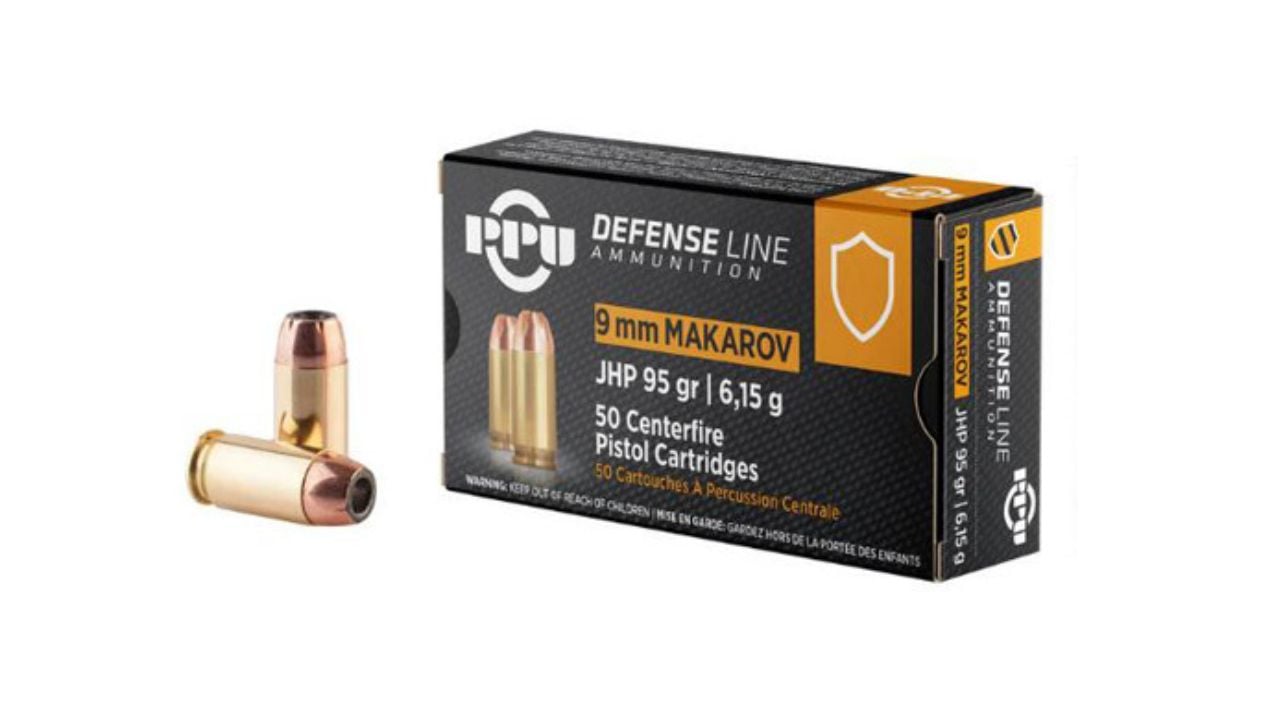
9×18 Makarov is one of those calibers that makes sense if you already own the pistol and you’ve got a stash of ammo. For a working carry setup, though, it’s a hassle. Defensive load selection is limited compared to 9mm Luger, and finding consistent, modern hollow points isn’t something you want to stress about when you’re rotating carry ammo.
The pistols are often sturdy, but they’re also often heavy for their capacity and have dated controls. A Mak in the tackle box or as a cabin pistol can be fine. For daily concealed carry, most people eventually migrate to something with better parts support, better holsters, and ammo that doesn’t require a road trip.
6. .38 S&W
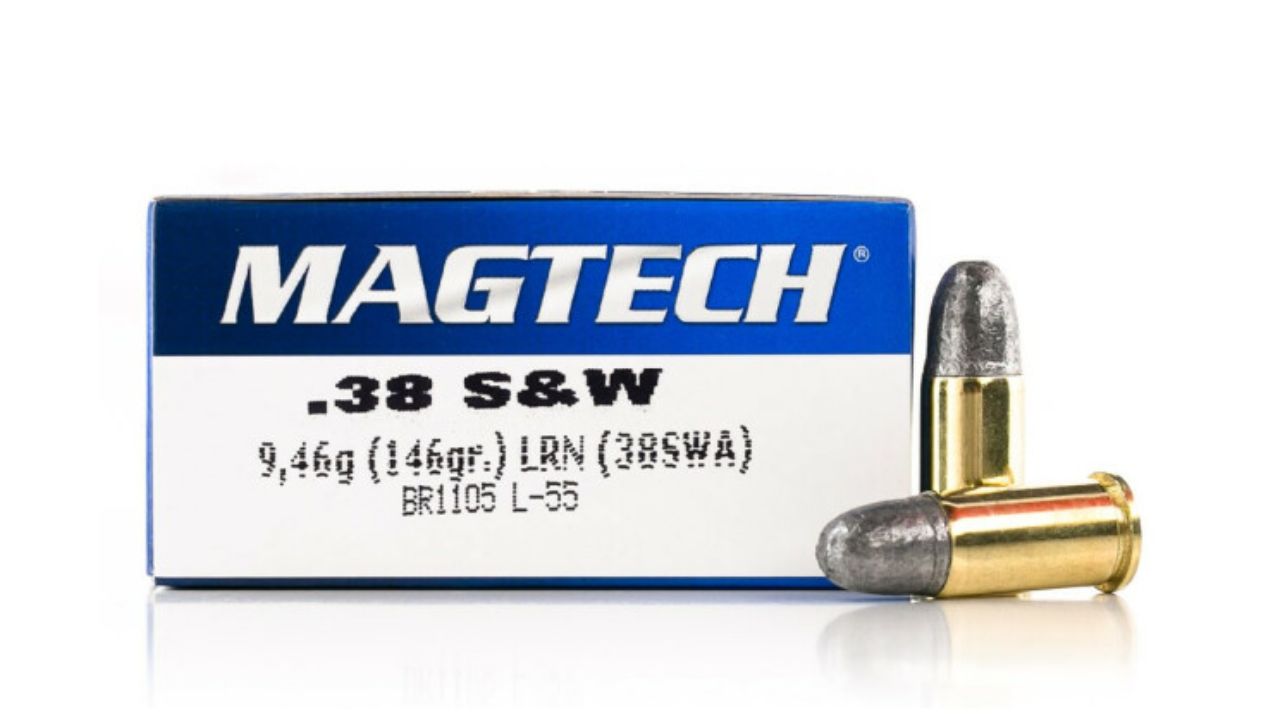
.38 S&W gets confused with .38 Special all the time, and that alone tells you why it’s fading from real-world carry. It’s an older revolver round that lives mostly in antique and surplus guns. Those guns can be neat, but “neat” isn’t the same as “smart to bet your life on daily.”
A lot of .38 S&W revolvers have small sights, heavy double-action pulls, and questionable metallurgy depending on age and origin. Add in that defensive ammo choices are thin and not always easy to find, and the typical carrier just shrugs and chooses a .38 Special or 9mm setup that’s simple to feed and easy to service.
7. .38 Special +P (as a primary, all-year carry choice)

Before anybody gets mad: .38 Special isn’t obsolete. It’s still a solid revolver round. The shift I see is away from .38 +P as the default “one gun for everything” carry answer. Lightweight snub-nose revolvers are hard to shoot well under stress, and +P out of a 12-ounce gun is not a fun training plan for most people.
Ammo performance has improved, but so has the micro 9mm world. Many carriers tried to stay with a snub because it’s simple and reliable, then they realized they shoot a small semi-auto faster, reload it faster, and carry more rounds with less recoil. Plenty of folks keep the snub for deep concealment or backup. They just stop treating it like the only solution.
8. .357 SIG
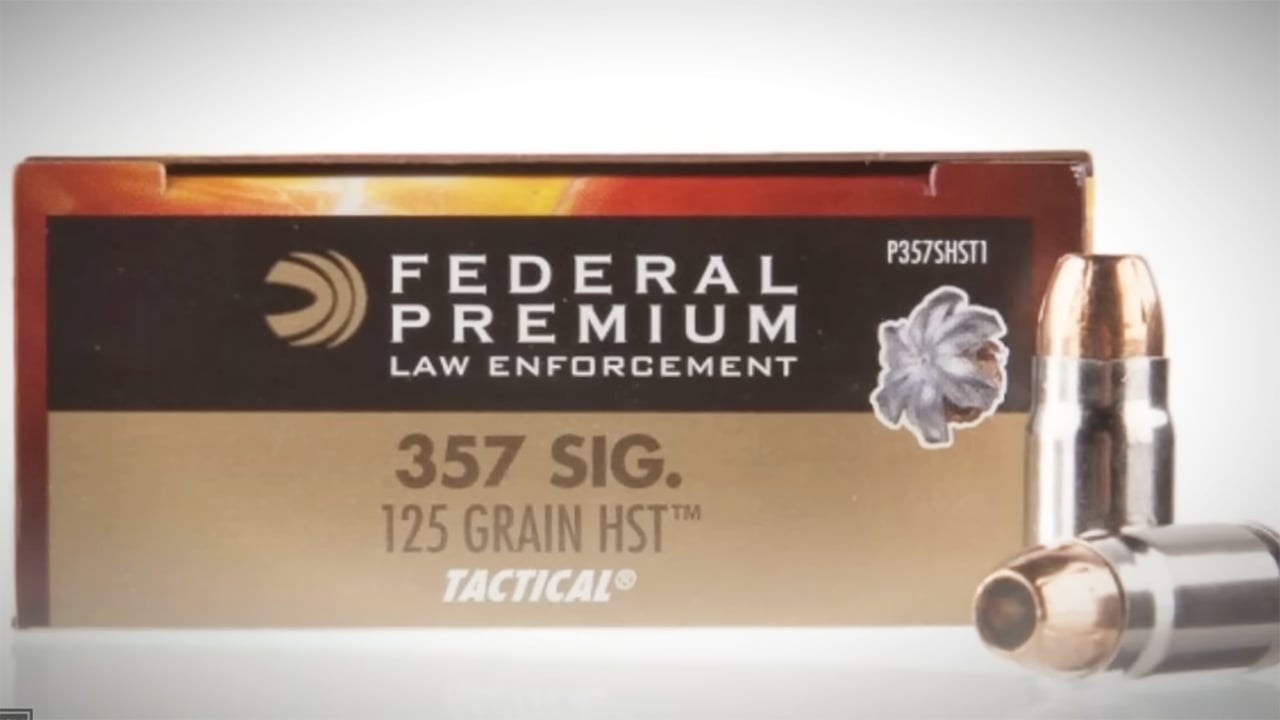
.357 SIG is the definition of “cool, loud, and effective,” and it earned its reputation. It also comes with real-world baggage: muzzle blast, sharp recoil in compact guns, and ammo prices that make regular practice painful. The cartridge can be a hammer, but a hammer doesn’t help you if you don’t swing it often.
Modern 9mm loads have closed the gap enough that the average carrier doesn’t feel the need to chase .357 SIG’s advantages. Agencies moved away from it for similar reasons: cost and wear. If you already own a good .357 SIG pistol and can feed it, great. Most new carriers aren’t signing up for it anymore.
9. .40 S&W
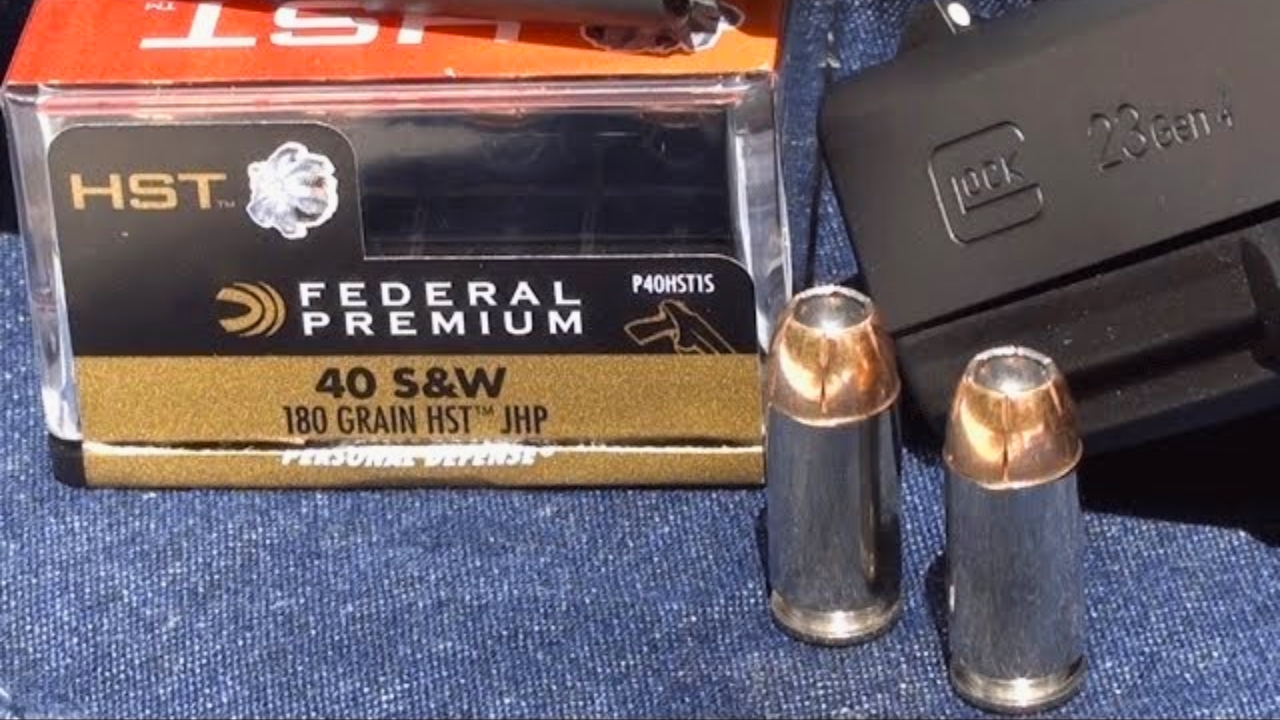
.40 S&W used to be the working man’s compromise between 9mm and .45, and for a long time it made sense. Then 9mm got better and cheaper, and .40 stayed .40. In small carry guns, the recoil can be abrupt. It’s not impossible to manage, but it’s enough that many shooters slow down, flinch, or stop practicing as much.
There’s also the wear-and-tear angle. Some pistols handle .40 beautifully, others feel like they’re taking a beating. A lot of experienced carriers looked at their training budget and decided 9mm gives them more reps, quicker follow-up shots, and easier logistics. .40 still works. It’s just not the default anymore.
10. 10mm Auto

10mm is having a moment, especially with outdoorsmen who want something on the belt in bear country. I get it. But the average concealed carrier who tried 10mm in a compact pistol often ends up backing away from it. Full-power loads are stout, and in short barrels you get a lot of blast and snap for what amounts to a difficult-to-control carry gun.
The other thing: there’s “woods carry” and there’s “everywhere carry.” A heavy 10mm with a thick grip prints more, weighs more, and tends to live at home on hot days. A gun you leave behind doesn’t help you. Many folks keep 10mm as a trail gun and switch to 9mm for daily life.
11. .45 ACP (in subcompact, short-grip pistols)
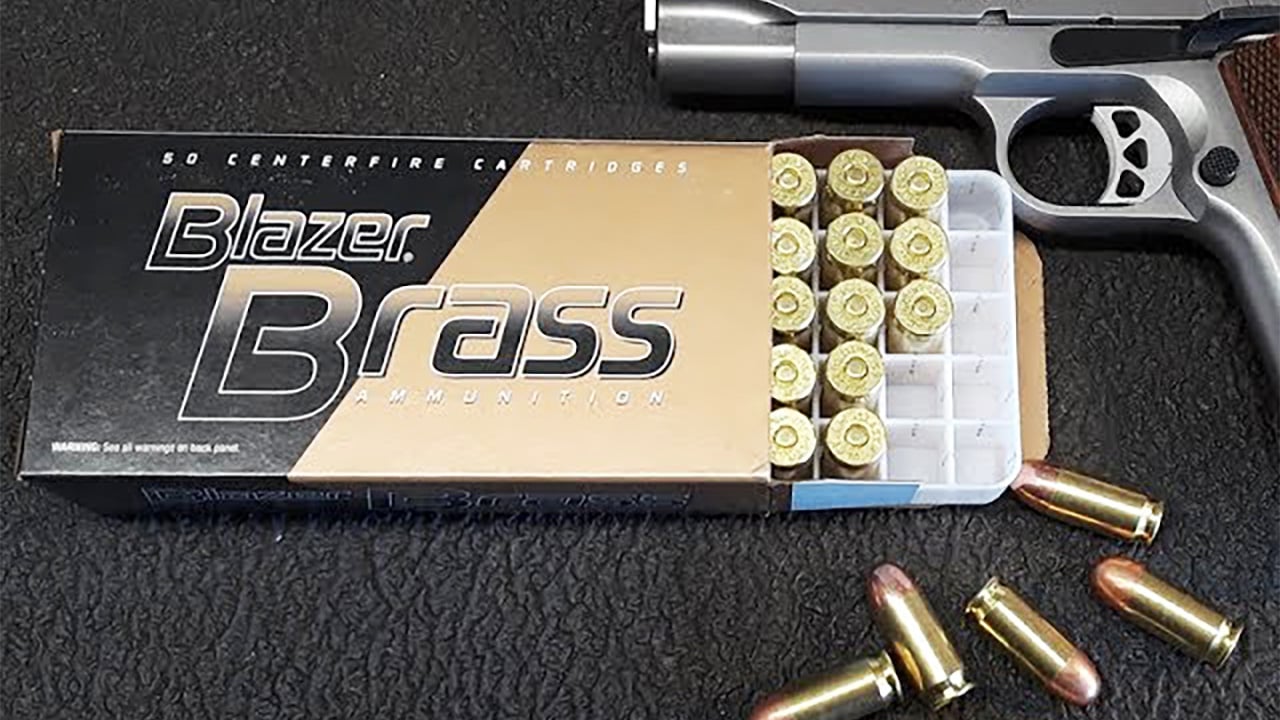
.45 ACP isn’t going anywhere, and there are people who shoot it extremely well. The quiet trend is away from stuffing .45 into tiny carry guns. Short grips, light frames, and big-bore recoil don’t always play nice together. A subcompact .45 can be a knuckle-buster, and it often requires more deliberate practice to stay fast and accurate.
Capacity is the other piece. When you can carry 10–15 rounds of 9mm in a similarly sized package, a lot of practical carriers decide they’d rather have more controllable shots and quicker reloads. Full-size .45s still make sense for some folks. The little ones are the ones I see traded off.
12. .45 GAP
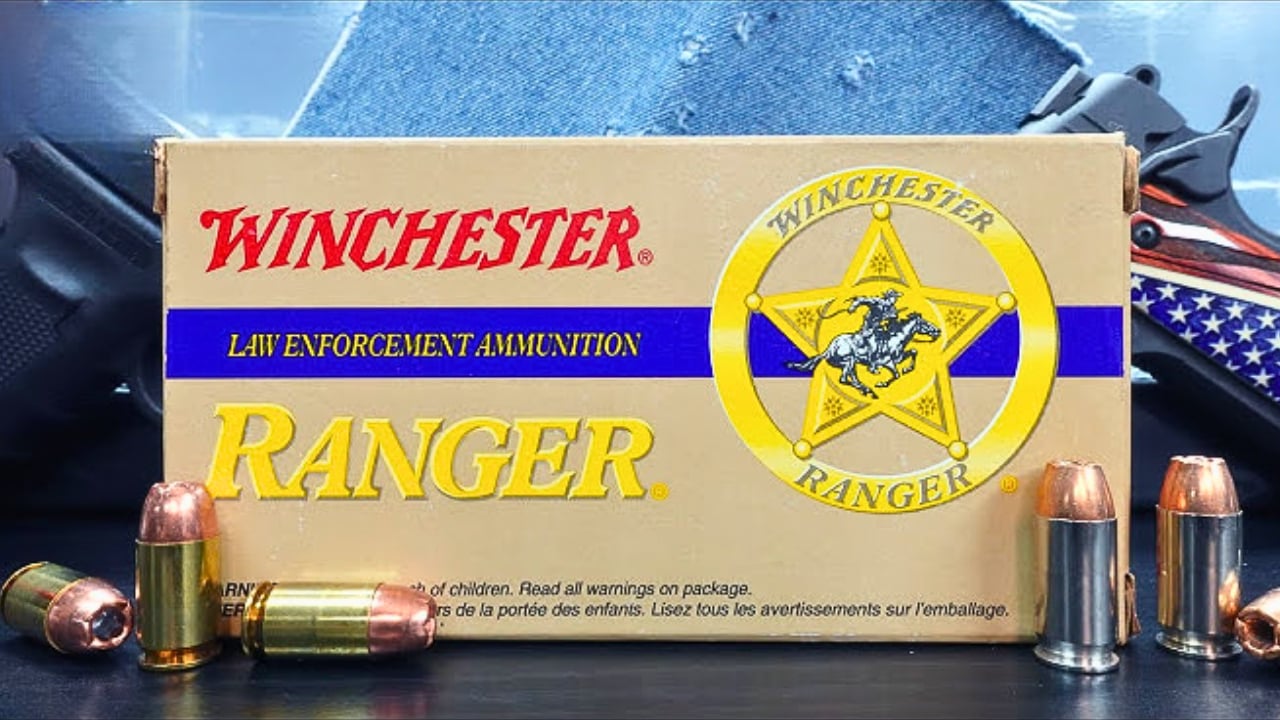
.45 GAP always felt like a solution hunting for a problem. It was designed to put .45-ish performance into a shorter case, mainly to fit smaller grip frames. Neat idea, but the market never fully bought in. If you carry for real, you want a caliber you can find in a pinch, whether that’s at a farm store, a hardware place with a small ammo shelf, or a buddy’s stash.
With .45 GAP, you’re usually ordering online and planning ahead. That’s fine for a hobby. It’s not ideal for a daily tool. Most owners either convert to a more common caliber or move to a standard .45 ACP pistol and call it good.
13. .41 Magnum
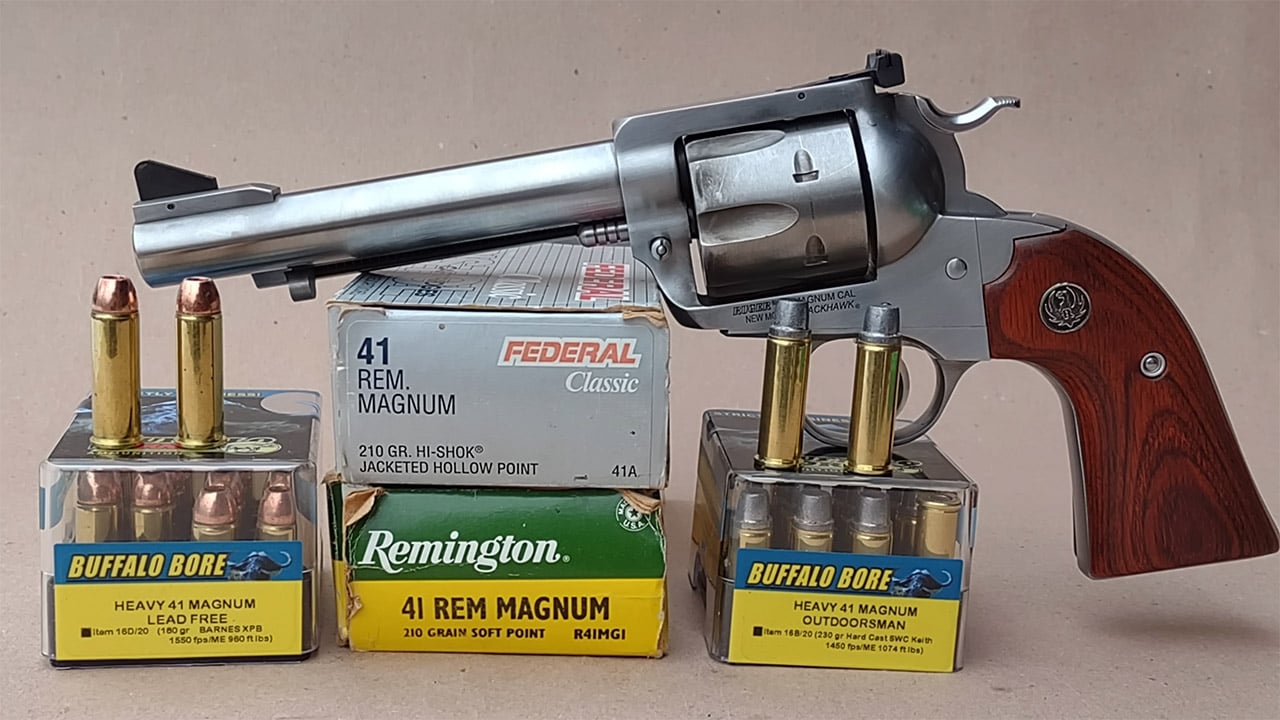
.41 Magnum is a legitimate cartridge with real fans, and it can be a great hunting handgun round. For concealed carry, though, it’s a tough sell. Revolvers chambered in .41 are typically larger, heavier, and harder to hide under normal clothes. Even if you can conceal it, it’s not the sort of gun you forget is there.
Ammo availability doesn’t help. You can usually find .44 Magnum before you find .41, and you can definitely find .357. That matters if you want to practice without turning every range trip into an online shopping event. A lot of folks who tried to make .41 their “do-it-all” revolver end up going back to .357 for carry and saving .41 for the woods.
14. .44 Magnum
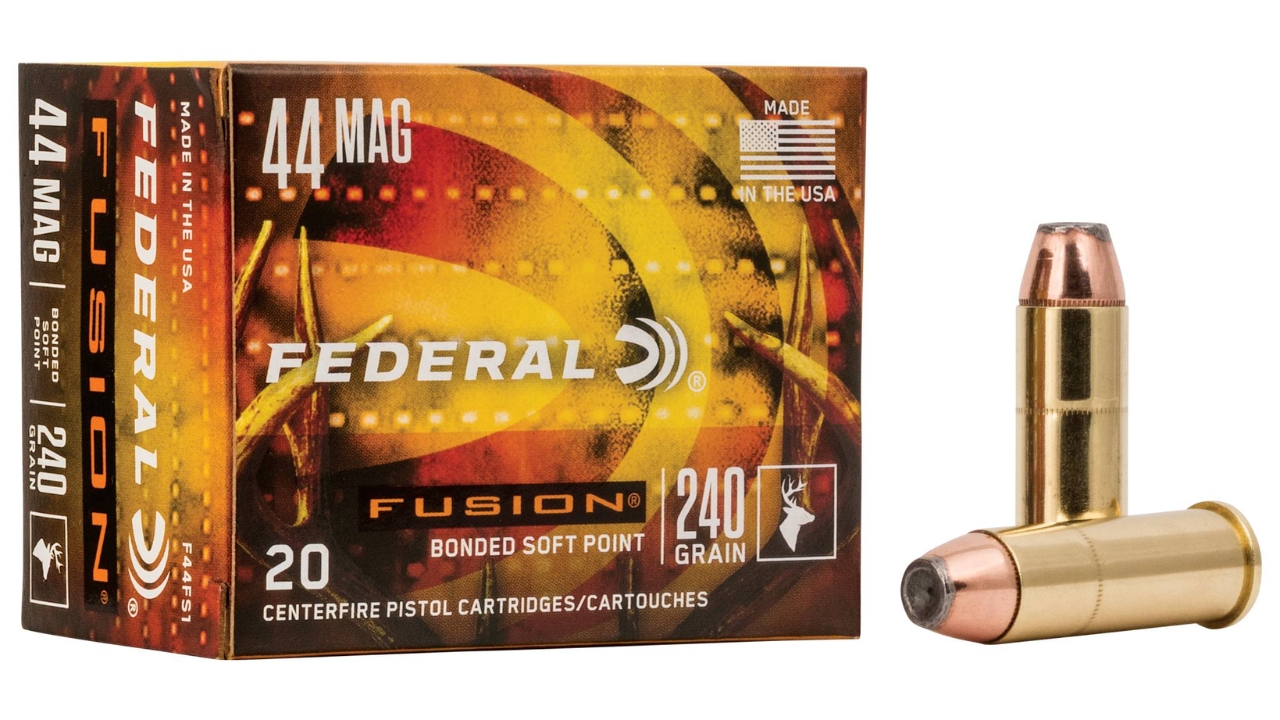
.44 Magnum is a powerhouse, no argument. In a chest rig during elk season, it makes sense for some people. For everyday concealed carry, most folks decide it’s too much gun. The revolvers are big, the cylinders are wide, and the weight adds up fast. If you’ve ever tried to sit in a truck for three hours with a large-frame revolver digging into you, you know what I mean.
Recoil and blast are another issue. Full-house .44 is not something most people want to run fast, especially from short barrels. Many end up loading .44 Special, which is a fine move, but then you’re basically carrying a large revolver for mild loads. Plenty of outdoorsmen keep the .44. They just stop pretending it’s a comfortable daily carry answer.
15. .44 Special

.44 Special is one of my favorites to shoot when it’s loaded right, and it can be very effective. The downside is that it’s a niche. Ammo selection on shelves can be thin, and the revolvers chambered for it are often either older guns or modern boutique models that cost real money. That’s not a deal-breaker, but it pushes folks toward more common choices.
Also, .44 Special carry revolvers tend to be a little chunkier than a comparable .357 snub. That extra cylinder width and weight can be the difference between a gun you carry daily and a gun that stays in the safe. A lot of experienced carriers flirt with .44 Special, enjoy it, then settle back into .357 or 9mm for the long haul.
16. .50 AE
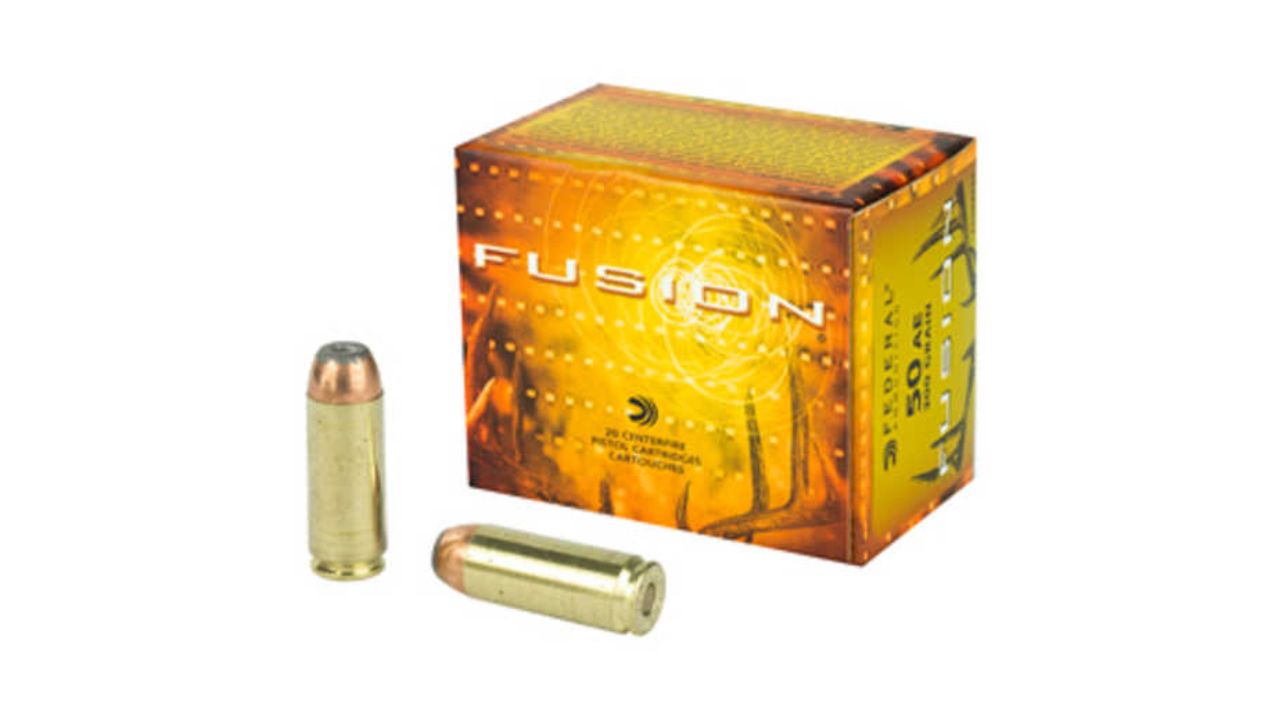
If you’re carrying .50 AE, you’re making a statement, not a practical choice. I’m not even mad about it. It’s fun, it’s loud, and it turns money into noise very efficiently. But “actual carry” means you need something that fits real clothing, real movement, and real days that include bending over, driving, and being around people without drawing attention.
The guns are huge, heavy, and expensive to feed. Reliability in any semi-auto can become more sensitive when you’re dealing with extreme cartridges and big reciprocating mass. Most folks who own a .50 AE keep it as a range piece or a curiosity, and it stays there. There’s nothing wrong with owning one. It’s just not a serious daily-carry caliber for almost anyone.
17. .22 LR
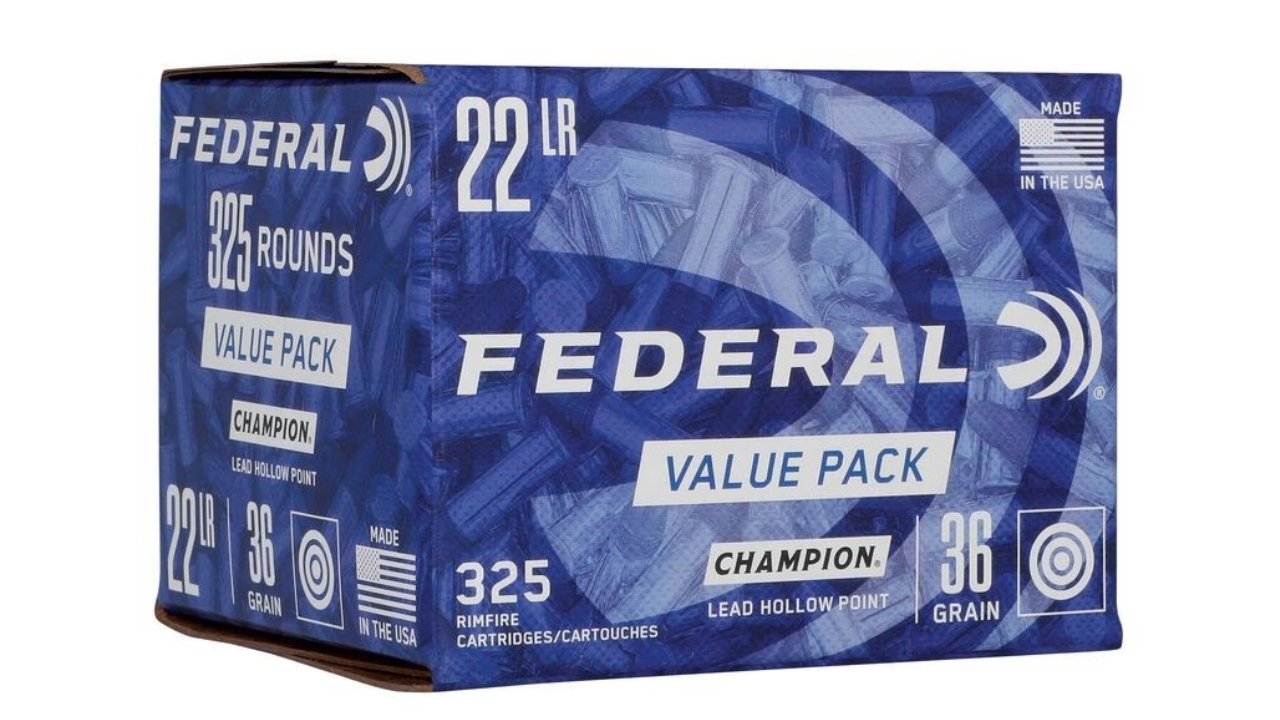
.22 LR is the caliber everybody has an opinion about. Yes, it can be deadly. Yes, it’s easy to shoot. The reason many serious carriers move away from it is reliability and consistency, especially out of small handguns. Rimfire priming and tiny pocket pistols can be a finicky combination, and carry folks tend to lose patience for ammo that’s more likely to give a dud than centerfire.
There’s also the “cold hands, bad light” factor. If your grip is compromised, or you’re dealing with gloves, you want a gun that cycles like it means it. Plenty of people carry a .22 when that’s what they can handle, and I’m not here to shame that. But when shooters can step up to .380 or 9mm comfortably, they often do.
18. .22 WMR

.22 Magnum looks better than .22 LR on paper, and in rifles it’s a handy little round. In handguns, it gets complicated. Short barrels don’t always let it stretch its legs, and muzzle blast can be nasty for what you’re getting. On top of that, rimfire reliability is still rimfire reliability.
Where I see .22 WMR make sense is in specific revolvers designed around it, especially for folks who are recoil-sensitive. But a lot of carriers who tried it as a primary ended up wanting a more predictable centerfire option. It’s also not the cheapest practice round anymore, which removes one of the main reasons to mess with it in the first place.
19. .357 Magnum (in lightweight snub-nose revolvers)

.357 Magnum out of a real revolver with some weight to it is a great cartridge. Out of an ultra-light snub, it’s a different story. Many carriers buy a small .357 because they want the option, then they touch off a cylinder of full-power loads and immediately start shopping for .38 Special. Ask me how I know.
There’s no shame in carrying .38s in a .357 gun, but it shows you where the market landed. Folks realized they were carrying a gun rated for a level of recoil they weren’t actually going to train with. Many have moved to a 9mm semi-auto for similar power with less punishment, or they stick with a steel .357 that’s heavier but genuinely shootable.
20. 5.7x28mm

5.7 is fast, flat, and fun, and it carries a certain “space gun” appeal. The problem is that it’s still a specialty cartridge for most people. Ammo prices can be high, availability can swing, and not every shop keeps a decent selection. If you’re the type who actually trains, you feel that cost every month.
On top of that, the guns tend to be larger than what many people want for concealed carry, even if they’re light. Grip size can be an issue for smaller hands, and the whole setup can feel like more trouble than it’s worth if your goal is a simple, dependable daily tool. Plenty of folks keep a 5.7 for the range or as a niche option. Most don’t make it their main carry caliber for long.
None of this means you have to dump a gun you already shoot well. Carry is personal, and confidence matters. But if you’re wondering why certain calibers don’t show up in serious everyday rotation like they used to, it usually comes back to the same basics: ammo you can actually buy, recoil you’ll actually practice with, and guns that fit real life instead of a perfect scenario.
Like The Avid Outdoorsman’s content? Subscribe to our newsletter so you never miss an article.
Here’s more from us: