Photo credit: Anna Pozzi – Zoophotos/Shutterstock.com
A dog that won’t quit is worth more than a fancy shotgun and a pocket full of shells. You can buy gear. You can swap optics. You can even change hunting spots. But a gritty dog with a good nose and a better attitude will flat-out save days that would’ve been busts otherwise. The trick is that “won’t quit” looks different depending on the job—cold water, sharp rocks, thick cattails, long blood trails, or a bird that runs like it’s got a second gear.
Here are 20 hunting dogs known for staying in it when conditions turn miserable, the cover turns nasty, or the track turns into a long lesson in patience.
1. Labrador Retriever

If you’ve hunted waterfowl long enough, you’ve seen a Lab punch through ice, take a mouthful of freezing water, and still come back with the bird like it’s the easiest thing in the world. A well-bred Lab is built for repeat retrieves, not one hero moment and then a nap. The coat sheds water, the body has horsepower, and the mind tends to stay steady when guns go off and birds splash down.
The “won’t quit” part shows up late in the morning when everyone’s hands are numb and the wind is chewing through waders. A good Lab doesn’t start shopping for excuses. You do have to watch weight, shoulders, and ears, and you have to train for handling so they don’t self-deploy into every piece of cover. Still, for pure keep-going drive in ugly weather, it’s hard to top.
2. German Shorthaired Pointer

Shorthaireds are the kind of dogs that make you realize you didn’t drink enough water and maybe shouldn’t have skipped leg day. They can run hard, point with style, and keep covering country long after most dogs start hunting the truck. In big upland country, that matters. A dog that quits early turns a long walk into a long walk with less birds.
Their grit shows up in heat and distance. They’ll keep hunting when the air is still and your boots feel like anchors. The tradeoff is you need control—recall and steadiness—because a fired-up GSP can turn a pheasant field into a cross-country meet. Keep pads conditioned and nails right, and they’ll stay in the game all season.
3. German Wirehaired Pointer
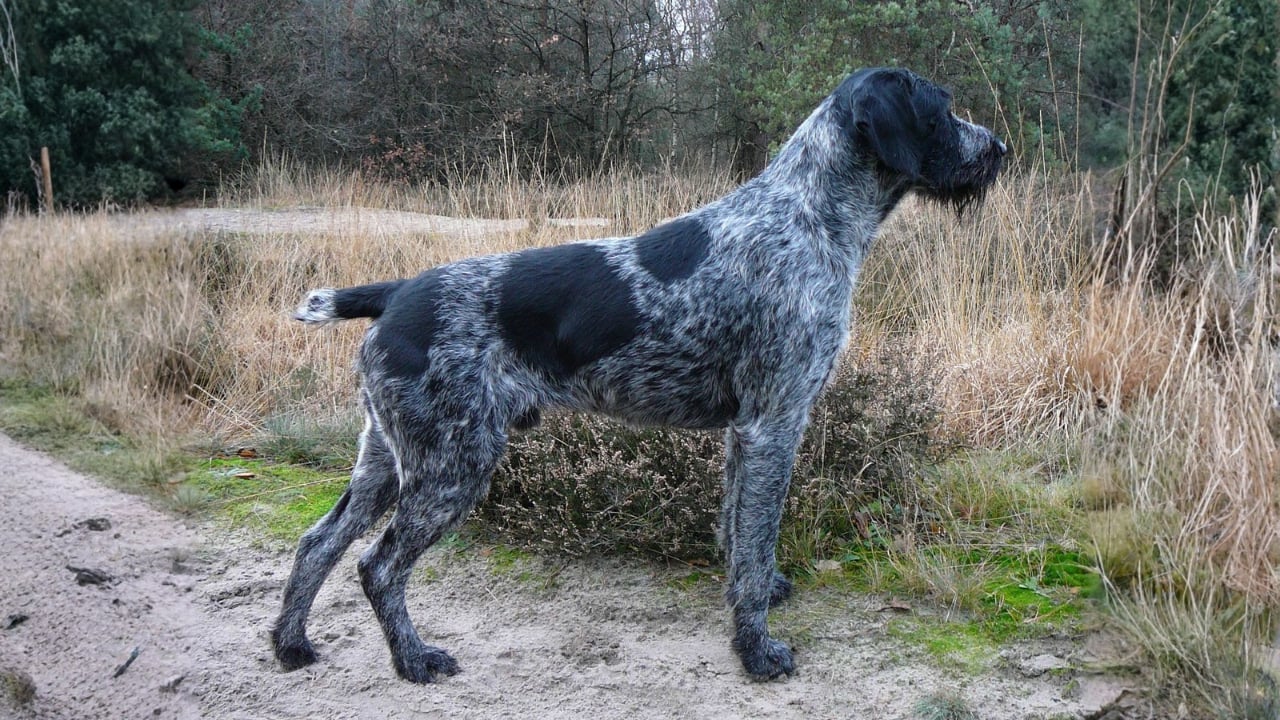
Take the Shorthaired engine and add a rough coat that doesn’t mind briars, cold rain, and cattails that cut like knives. Wirehairs are built for the kind of mixed-bag hunting a lot of us actually do—pheasants one weekend, ducks the next, maybe a rabbit run when the kids want to hear the beagle music.
They refuse to quit because they’re tough in both body and attitude. They’ll push into cover other dogs bounce off of, and they tend to stay focused even when conditions get sloppy. Some lines can be a little hard-headed, so obedience isn’t optional. But if you want one dog that keeps showing up when weather and cover go bad, the Wirehair earns its keep.
4. English Springer Spaniel
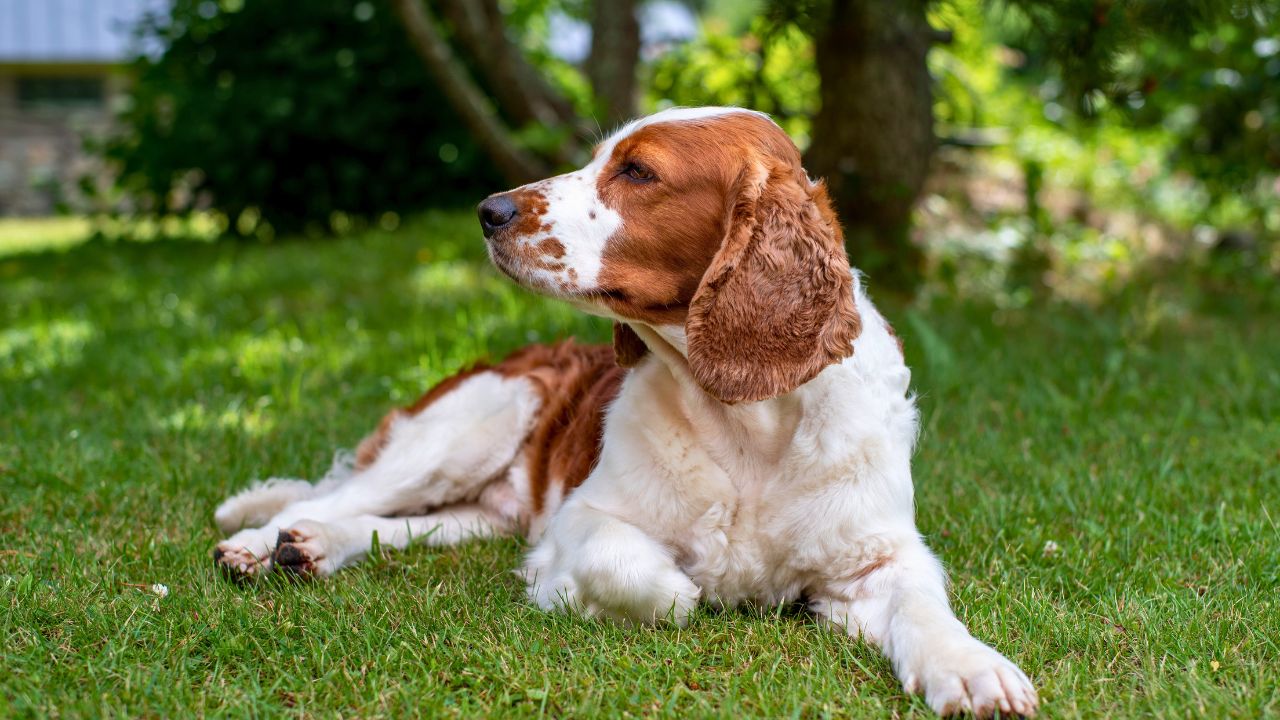
Springers are all business in thick cover. They’re not trying to win a pointing contest. They’re trying to put birds in the air and keep moving. When the brush is wet and the ground is a tangle of thorn and blowdowns, a Springer’s compact build and drive shine.
They don’t quit because they’re wired to hunt close and hunt hard. That close range is a safety plus with shotguns, especially with newer hunters in the line. The downside is they can burn hot, so training steadiness and keeping them from creeping into the flush matters. Give a Springer a nasty hedgerow and a few roosters that want to run, and you’ll see what “keep going” really looks like.
5. Boykin Spaniel
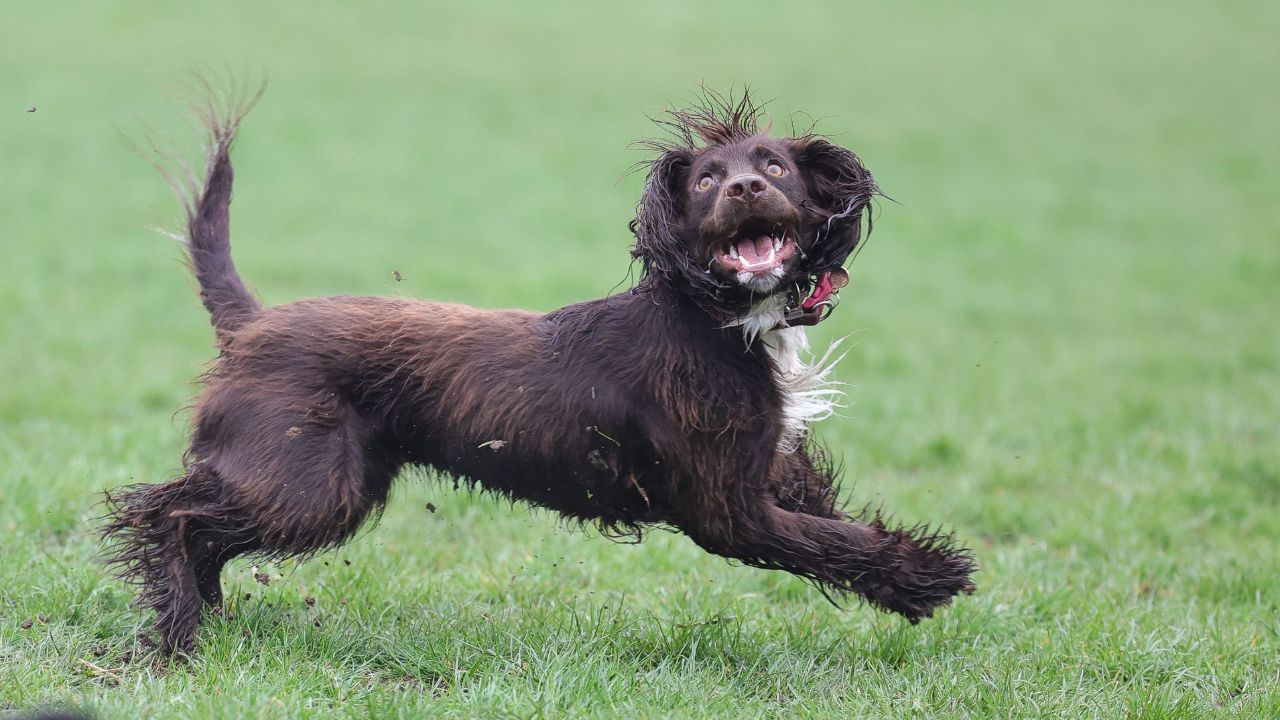
The Boykin is a small dog with a big motor, and that’s why they’ve become a serious favorite where swampy water and tight cover are normal. They’ll hit water again and again, then turn around and dive into brush for upland work like they didn’t already put in a morning shift.
That refusal to quit comes with a handler-friendly size. They’re easier to lift into a boat, easier on the house, and they still have the grit to push through muck and reeds. You do need to pay attention to heat and hydration because they’ll run on pure want-to. If you like a versatile retriever that hunts like it’s got something to prove, the Boykin is hard not to respect.
6. Chesapeake Bay Retriever

If you hunt big water where wind turns waves into a problem, the Chessie is a serious tool. They’re known for a stubborn kind of courage that’s not showy. It’s just there, working. Their coat is built for cold water, and their body is built to power through it.
The “won’t quit” reputation is earned on days you probably shouldn’t be out there without a good reason. They’ll keep marking birds, keep swimming, and keep driving back through chop when lesser dogs start slowing down. Chessies can be more protective and more independent than Labs, so clear rules matter. But when conditions are ugly and the retrieves aren’t easy, a good Chessie feels like cheating.
7. Golden Retriever
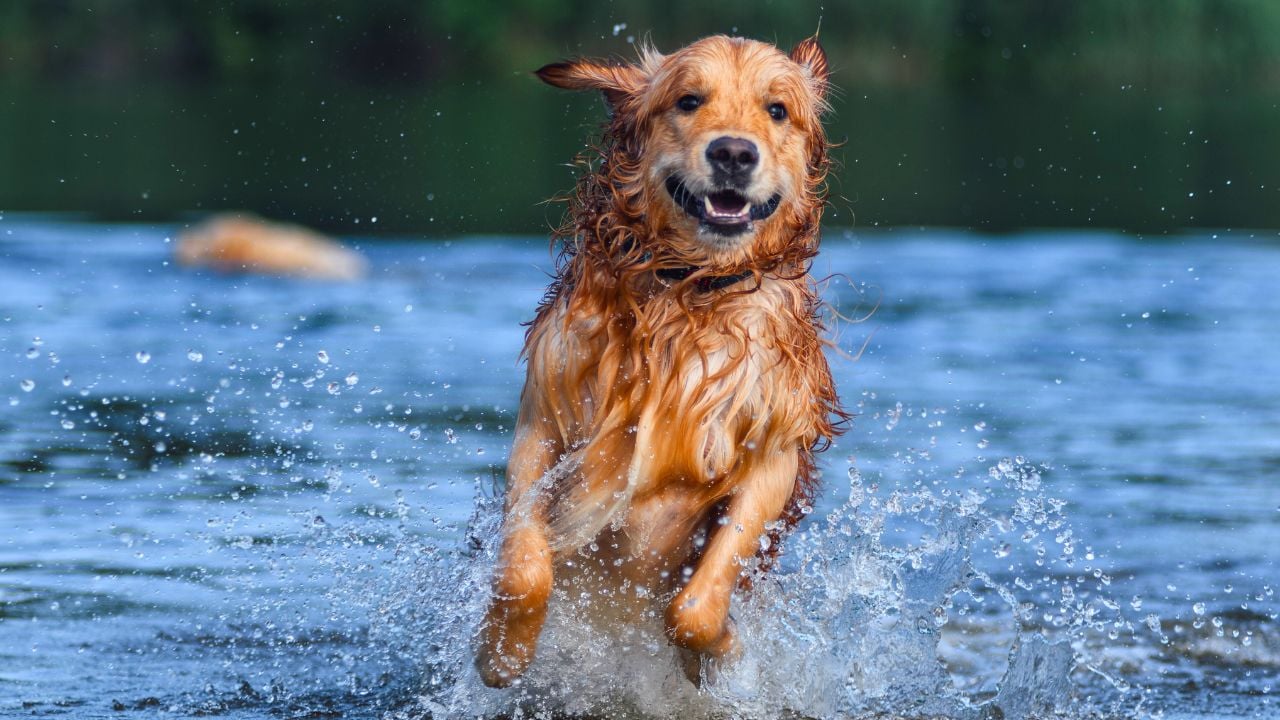
Goldens can surprise folks who only picture them as family dogs. In the field, good hunting lines are tough, focused, and steady. They’re often a little softer in temperament than a Chessie, but that doesn’t mean they lack drive. They just tend to work with you instead of against you.
They refuse to quit in a steady, consistent way. Long days in flooded timber, repeated retrieves, and cold rain don’t automatically shut them down. The coat needs maintenance, and burrs can be a real thing in sticky cover, so keep a comb and some patience. If you want a dog that will hunt hard, ride home calm, and still be decent around kids, the Golden is the real deal.
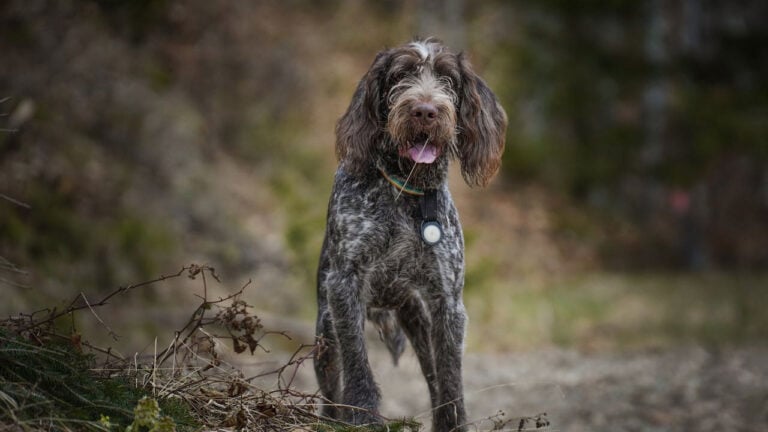
8. Pudelpointer
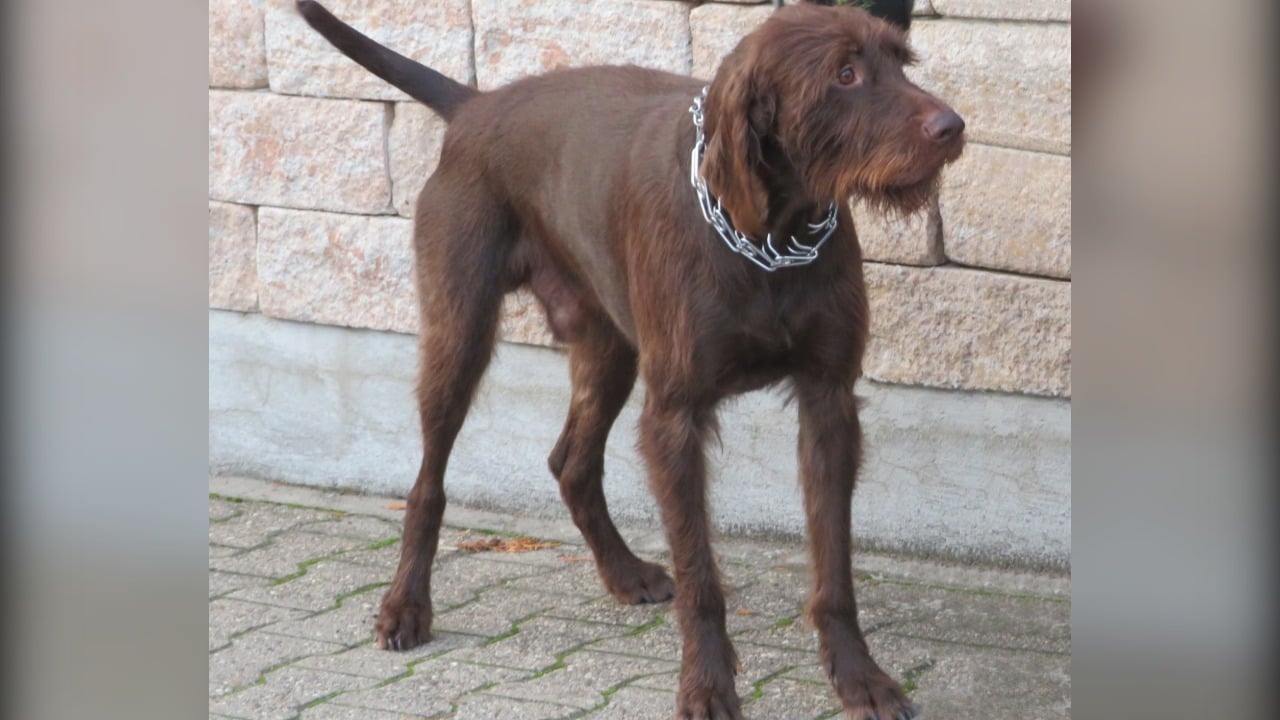
The Pudelpointer is one of those breeds that serious bird hunters talk about in a tone that sounds like they’re letting you in on a secret. They’re versatile—point, retrieve, track—and they tend to have that steady toughness that keeps them hunting when things aren’t going perfectly.
They don’t quit because they’re bred for utility, not just looks. They’ll take cold water, then switch gears to upland without acting like the job is beneath them. Coat care matters, and you’ll want to keep an eye on burrs depending on your cover. When you’re the kind of hunter who wants one dog to do a lot of jobs and do them all with effort, the Pudelpointer belongs in the conversation.
9. Brittany
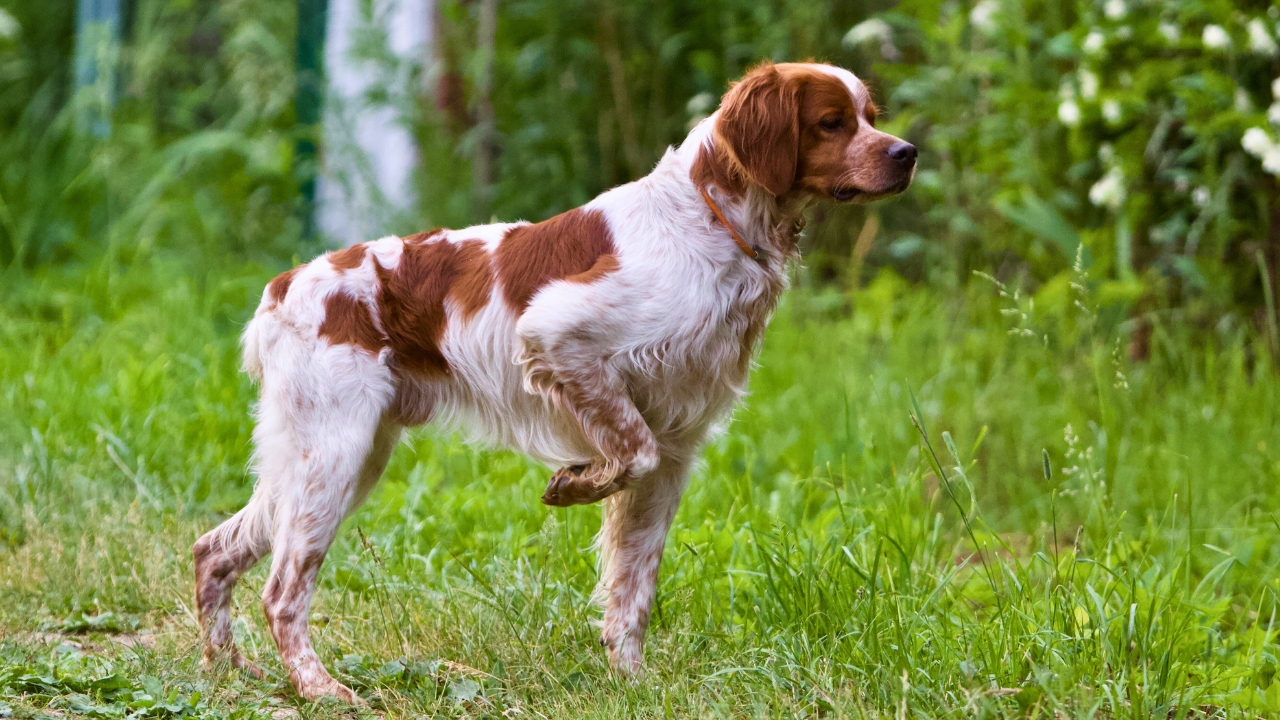
Brittanys hunt like they’re shot out of a slingshot, and they keep that pace longer than you’d expect from a medium-sized dog. They’re agile in thick cover, they handle well in tighter spaces, and they’ve got enough nose and brains to put you on birds consistently.
Their “won’t quit” side shows up on long upland walks where birds aren’t cooperating. A Brittany will keep checking edges, keep working wind, and keep bouncing back after a miss or a wild flush. They can be sensitive, so heavy-handed training is a quick way to ruin a good dog. Treat them fair, keep them fit, and they’ll hunt hard until you’re the one calling it.
10. English Pointer
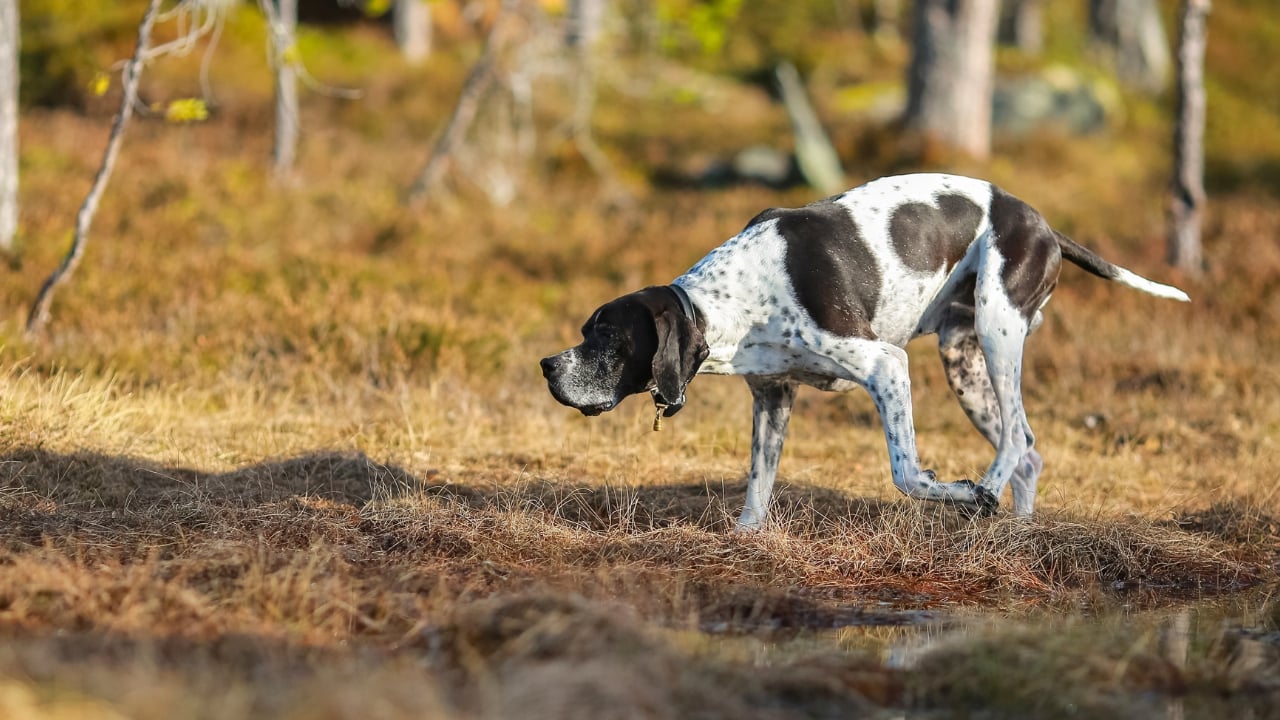
When it comes to covering ground and finding birds, the English Pointer is a classic for a reason. They’re built to run, and they tend to point with a style that makes you slow down and appreciate it for a second. In big quail or prairie bird country, that kind of drive changes your whole day.
They refuse to quit because they’re made to hunt forward and keep hunting forward. Heat tolerance can vary, and you have to manage water and rest in early season. They’re not usually the best choice if you want a close-working dog in tight timber. But if your hunting is measured in miles and you need a dog that will keep searching like the next covey is always one ridge away, this is your huckleberry.
11. Bluetick Coonhound
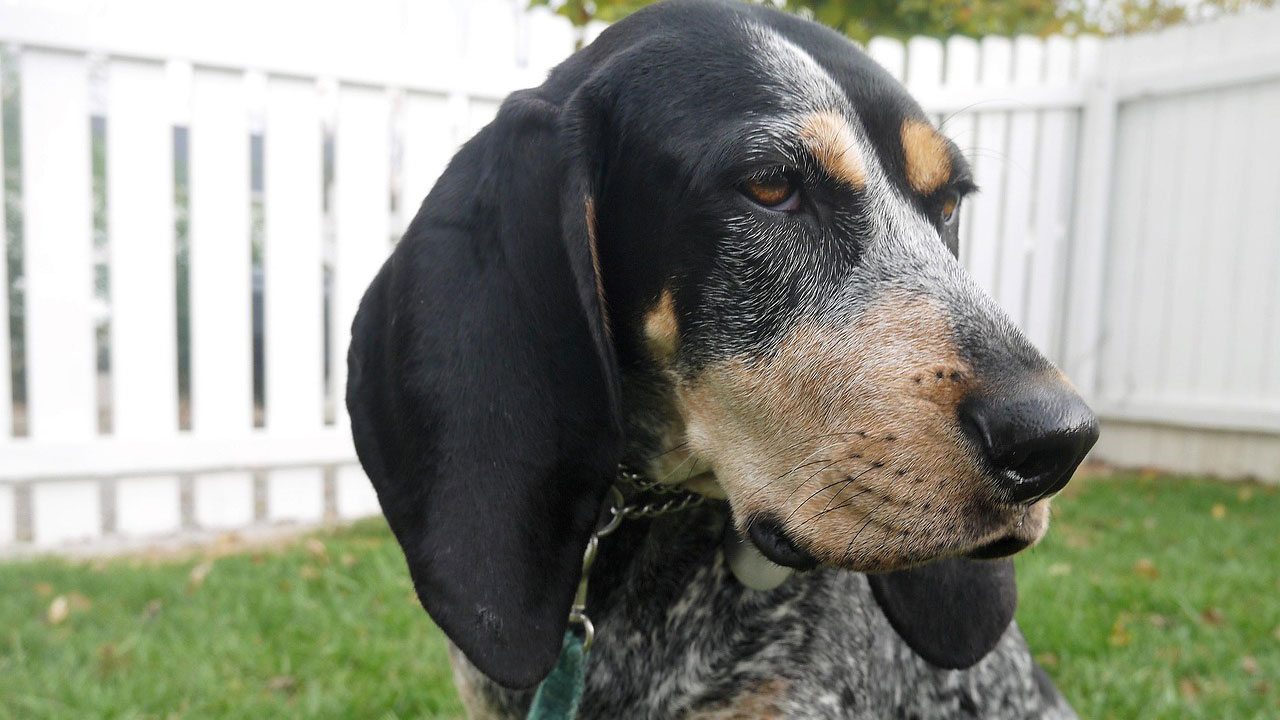
A Bluetick that’s on a track has one thing on its mind. They’ll work a line through mud, across creeks, and into places you’d rather not walk at night. That’s the coonhound deal: commitment, voice, and endurance, with a dash of stubbornness.
The no-quit part is how they grind when the track isn’t hot. They’ll circle, check, and puzzle it out instead of drifting back to the truck. That same independence means you need a solid recall plan and good boundaries, especially near roads and property lines. If you’ve ever listened to a hound work for an hour and finally locate, you know why “won’t quit” matters more than speed.
12. Treeing Walker Coonhound
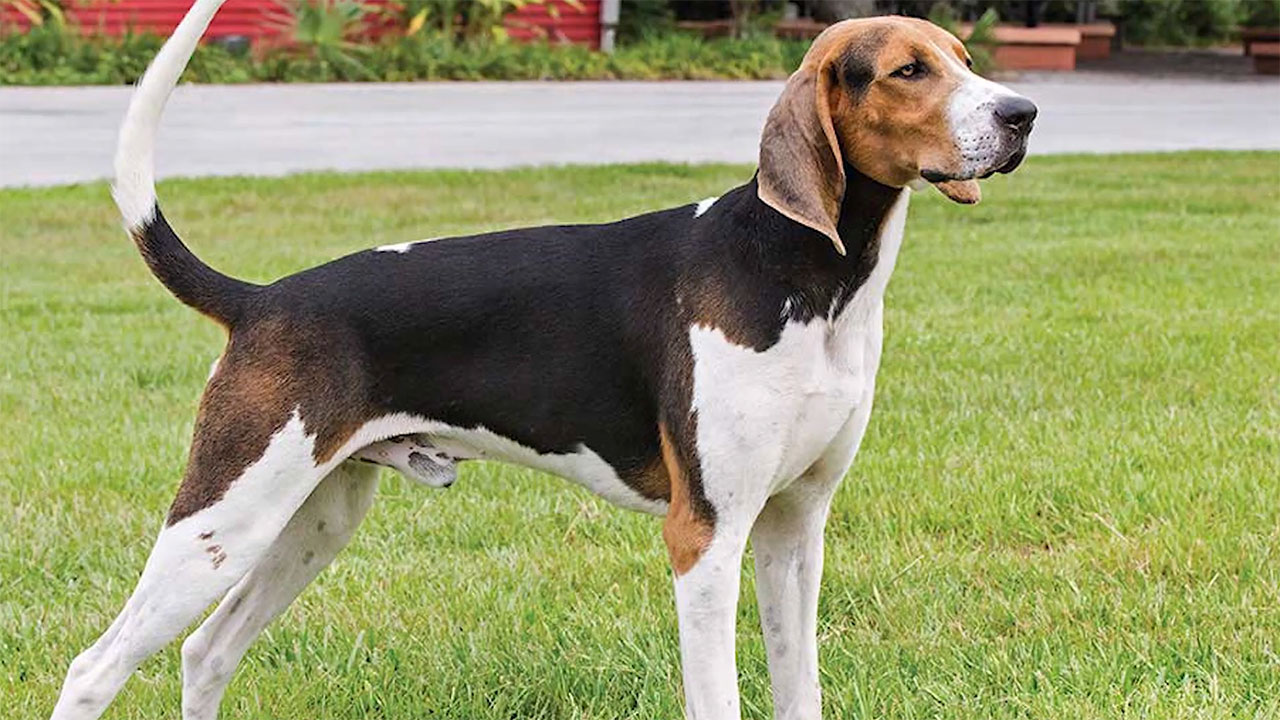
Treeing Walkers are known for hustle. They move fast on a track and they’re loud about it, which is kind of the point. In the right hands, that drive turns into consistent trees and shorter nights of wandering around wondering what happened.
They refuse to quit because they’re competitive by nature, even when it’s just them and the woods. They’ll push a track hard, and they tend to stay locked in when they locate. Like any hard-charging hound, they can range, so a tracking collar isn’t a luxury—it’s common sense. If you want a dog that acts like every turn of scent is personal, the Walker fits the bill.
13. Plott Hound

The Plott has a reputation for toughness that didn’t come from easy work. They’ve been used on game that can hurt a dog, and that shows in their grit and determination. They’re not just noise and speed; they’re stubborn in the best way when a track gets ugly.
They don’t quit because they’re wired to stay after it, especially on rough ground and long runs. That said, you’ve got to be honest about what you’re asking a dog to do and keep safety in mind. Good conditioning, clean water, and smart decisions matter more with hard-driving dogs than folks like to admit. If you want a hound that will stay hooked when others lose interest, Plotts are built for it.
14. Black and Tan Coonhound
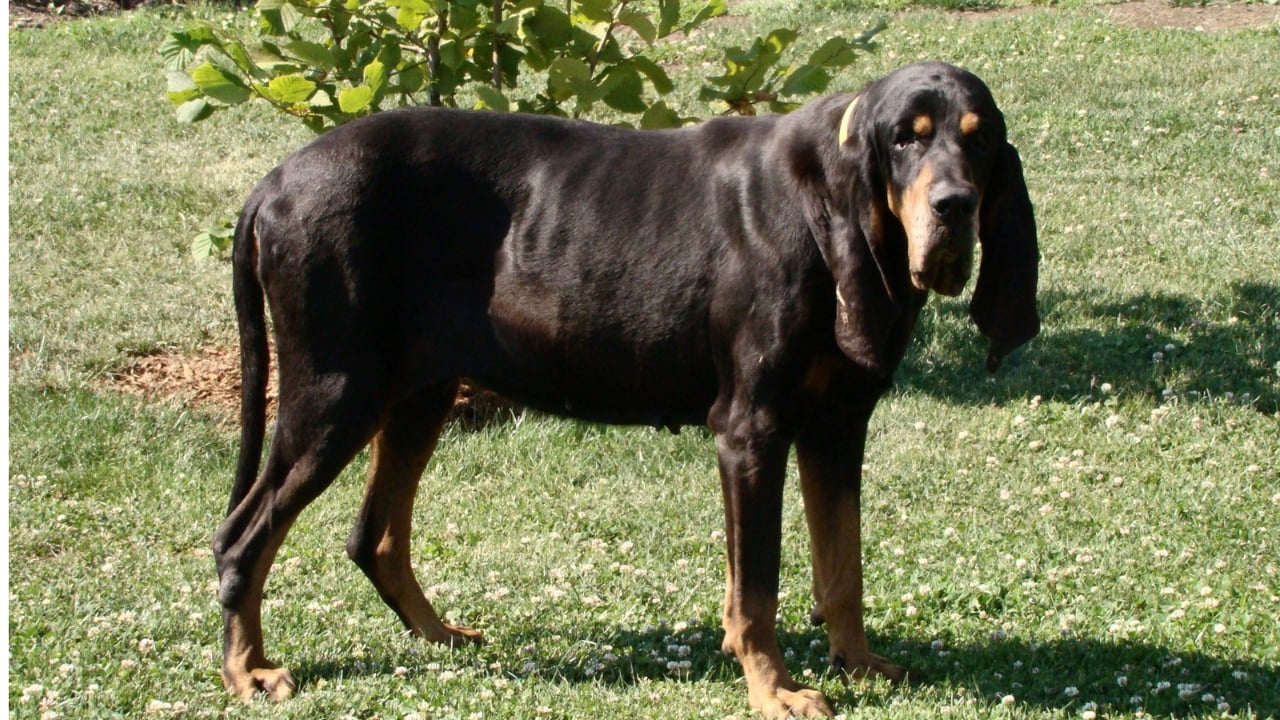
Black and Tans have that classic hound look, but it’s the temperament that earns them a spot. They’re steady, durable, and they tend to keep working without getting frantic. In rough weather, that calm persistence can beat a dog that burns itself out early.
Their refusal to quit shows up in the slow grind. They’ll work colder scent and keep pushing until the puzzle makes sense. They’re not always the fastest, but they can be extremely consistent, and consistency kills a lot of “bad luck” myths in hunting. Like other hounds, they need room and they need a handler who respects property lines and safety around roads. If you like a dog that’s built to stay on task, they’re worth a look.
15. Beagle
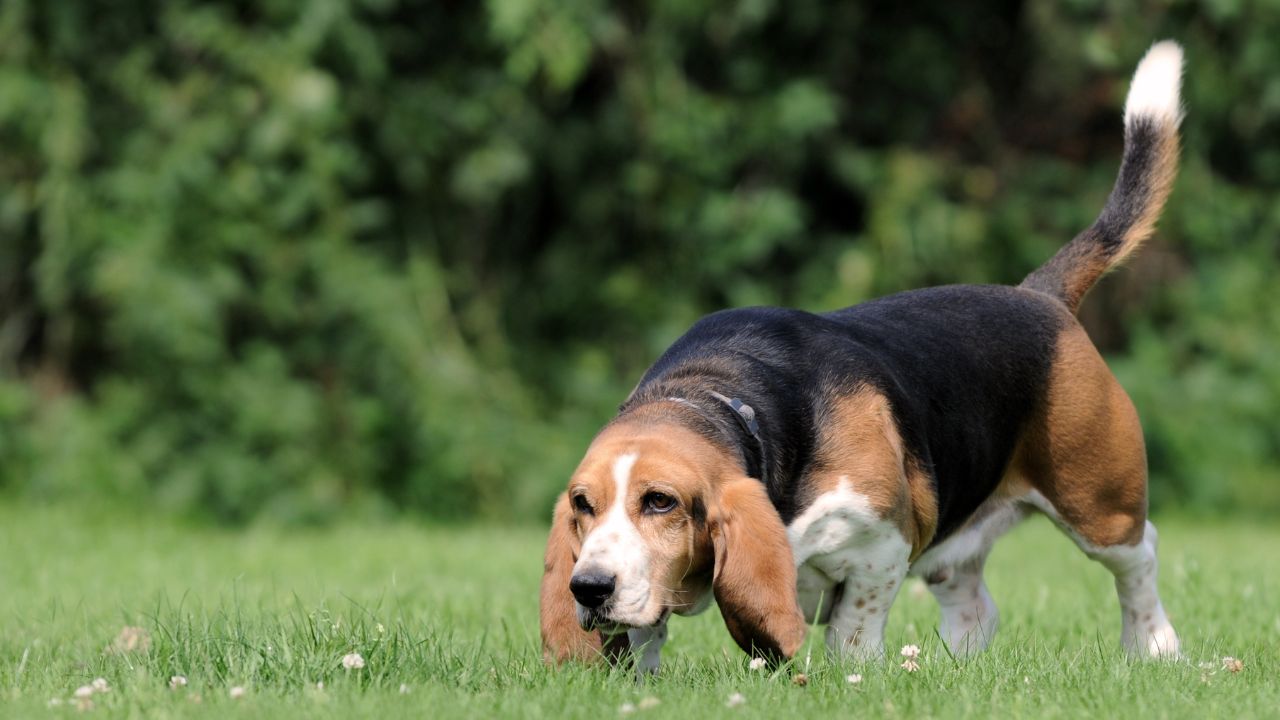
A beagle is basically a nose with legs and an opinion. In rabbit and hare cover, they’ll push through briars, brush piles, and swampy edges with zero concern for your comfort. And when they open up on a hot line, it turns a normal afternoon into something you remember.
They refuse to quit because scent is their whole world. Cold mornings, wet ground, and thick tangles don’t stop them; sometimes it almost seems like it fires them up. The challenge is that beagles can follow their nose right into trouble if you hunt near roads or near neighbors who don’t appreciate hounds. Good containment at home matters, too. But if you want a small dog that hunts like it’s twice its size, the beagle is a machine.
16. Mountain Cur
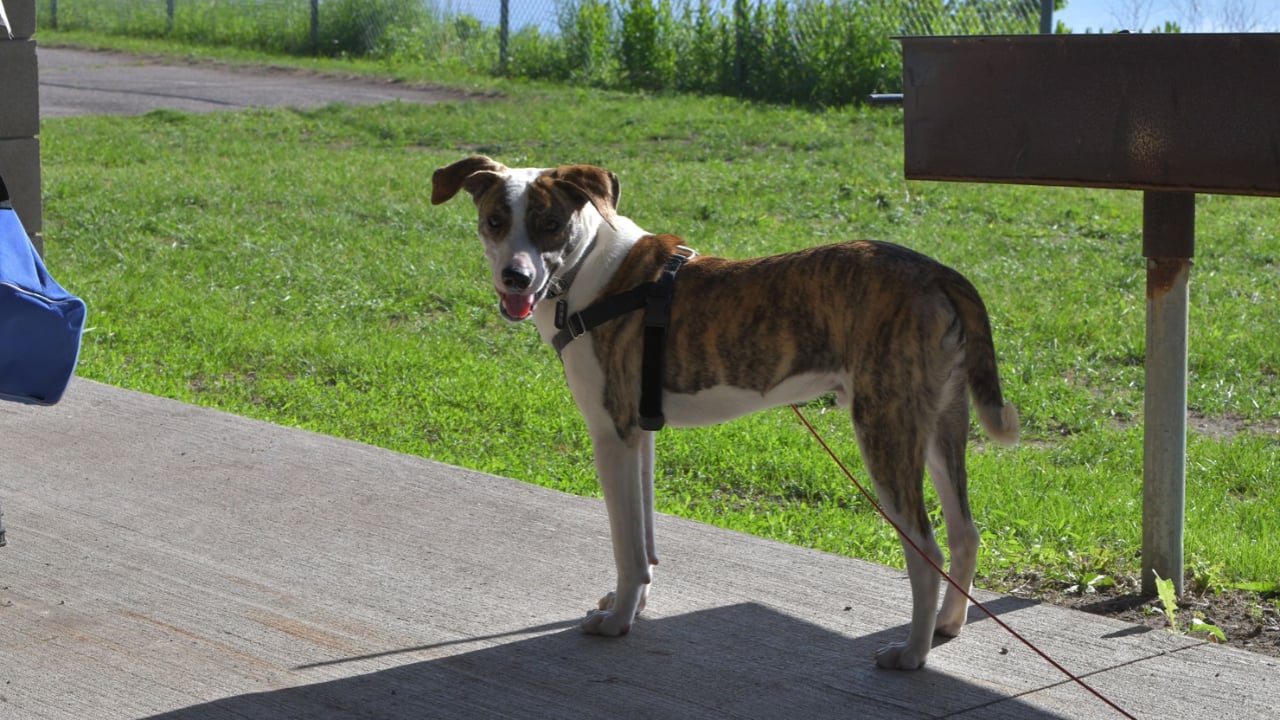
The Mountain Cur doesn’t get the spotlight like the bird dogs and retrievers, but in a lot of rural places they’re the dog that actually gets used. Squirrel hunters, hog hunters, and folks who want a versatile farm-and-woods dog know what they bring: grit, brains, and a serious work ethic.
They don’t quit because they’re not bred to be ornamental. They’ll hunt in heat, handle rough terrain, and keep checking back in like they’re part of your plan, not just doing their own thing. That said, they can be protective, and socialization matters if you’re around other dogs or visitors. If you want a tough, practical dog that lives for the woods and doesn’t mind doing it day after day, a Cur fits.
17. Catahoula Leopard Dog
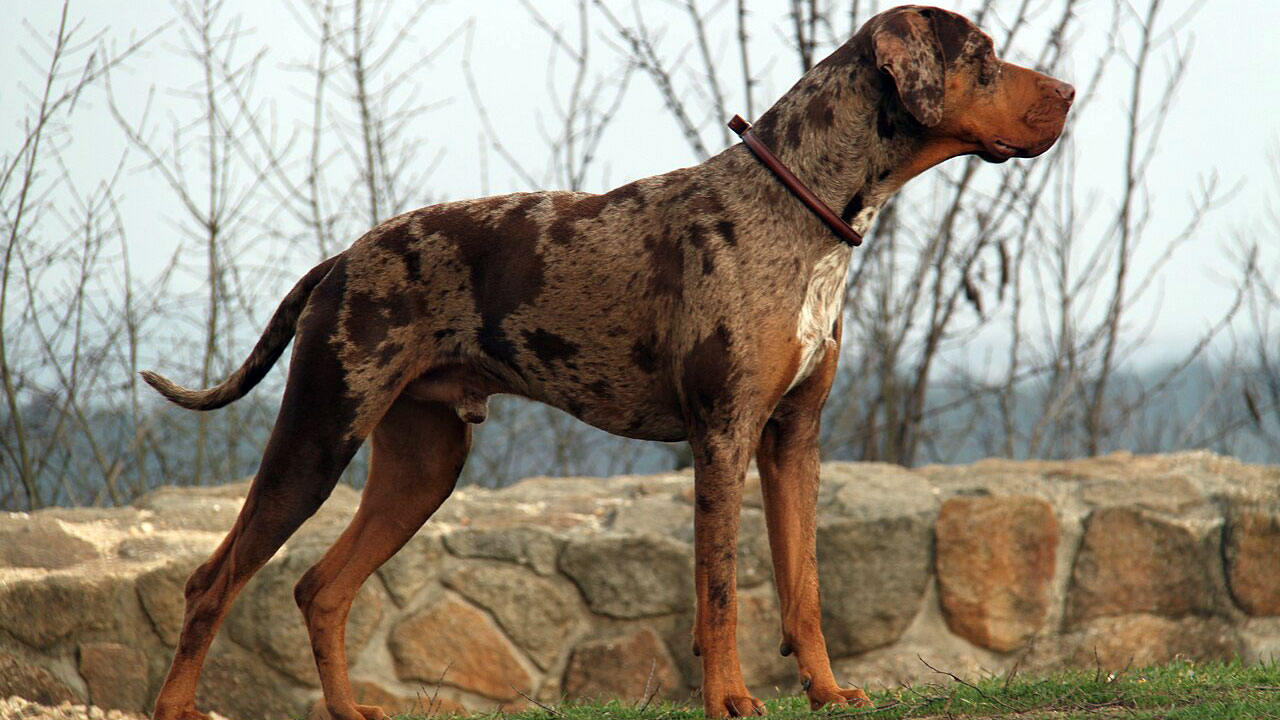
Catahoulas are intense. If you’ve been around one that’s working, you know they’ve got a gear most dogs don’t. They’re commonly used on hogs and for stock work, and they bring a mix of athleticism, grit, and problem-solving that’s hard to fake.
The “won’t quit” trait is why they get picked for tough jobs, but it’s also why they aren’t for everyone. They need training, structure, and a handler who can read a dog before things get sideways. They can go all day in heat and rough cover, and they’ll keep pressure on game when a softer dog backs off. If you need a dog with nerve and stamina, the Catahoula has it in spades.
18. Jagdterrier
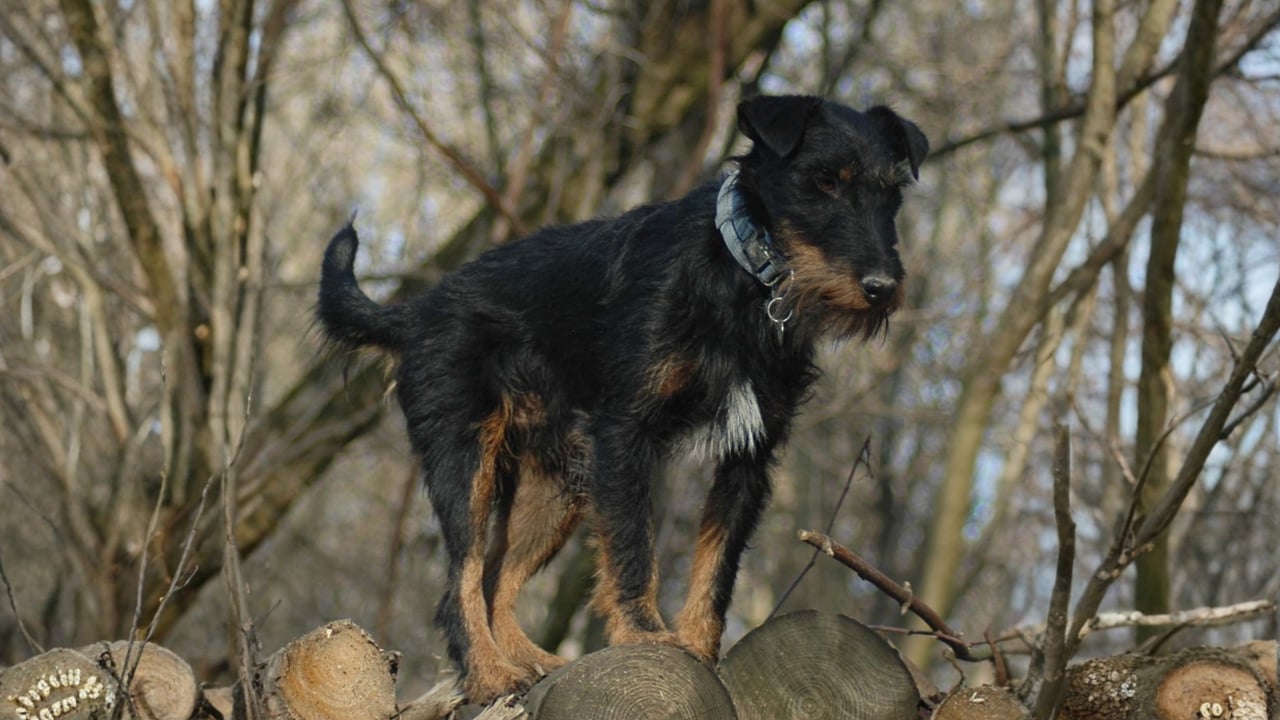
The Jagdterrier is small, tough, and relentless—sometimes to a fault. They were bred to hunt, period, and they tend to act like quitting is a personal insult. For certain types of hunting—varmint work, tracking, and tough cover—they’re a serious option in a compact package.
They refuse to quit because they’re high-drive and fearless. That also means you have to manage them carefully around other animals and in situations where you don’t want a dog escalating things. Training and control aren’t optional, and neither is exercise. Still, when you want a little dog that hits cover like it’s mad at it, the Jagdterrier is the definition of persistent.
19. Nova Scotia Duck Tolling Retriever

Tollers are energetic, smart, and built for work, even if they look like a smaller, redder retriever. They can retrieve in cold water, hunt upland, and keep their focus when things get repetitive. They’re not as common as Labs, which is exactly why some folks overlook them.
The no-quit side shows up in their drive and their eagerness to stay involved. They’ll keep moving, keep searching, and keep bringing birds back with enthusiasm. They can be vocal and intense, so they do best with owners who actually hunt and actually train, not someone who wants a couch ornament that sometimes retrieves. If you want a compact retriever that hunts like it’s got a timer running, a Toller will keep you honest.
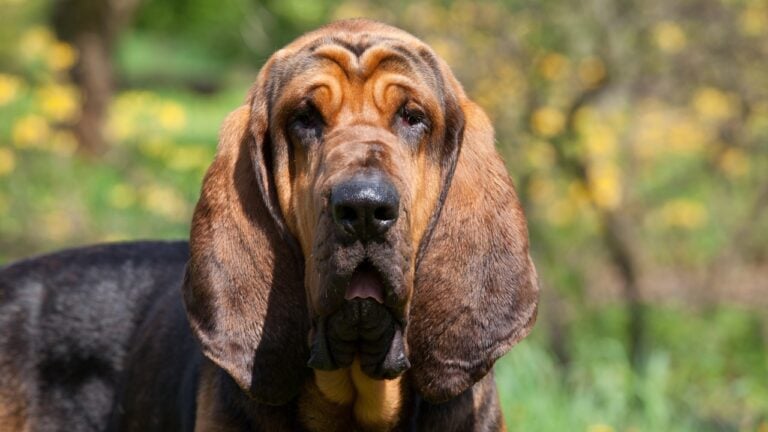
20. Bloodhound

A Bloodhound’s version of “won’t quit” is different. It’s not about flashy retrieves or wide-ranging casts. It’s about sticking to a track that’s hours old, through bad ground and worse distractions, and staying locked in like a detective that doesn’t sleep. For recovery work—especially finding wounded game—there’s a reason the breed has the reputation it does.
They refuse to quit because their nose and their brain are built for methodical tracking. It’s slow, it’s deliberate, and it can turn into a long walk when you’d rather be back at camp. Handling them takes patience, and they’re not the easiest dog to keep clean or keep in a small space. But when a track matters and you want the best chance of doing the right thing, a determined hound that won’t give up is hard to argue with.
There are plenty of great dogs that didn’t make this list, and a lot comes down to the individual dog in front of you. But if you want a hunting partner that keeps hunting when the weather turns, when the cover fights back, and when the track turns into a marathon, these breeds have a long track record of staying after it. Feed them right, keep them in shape, train them fair, and they’ll give you more honest effort than most humans manage on a Saturday.
Like The Avid Outdoorsman’s content? Subscribe to our newsletter so you never miss an article.
Here’s more from us: