Photo credit: LV Wookie/Youtube
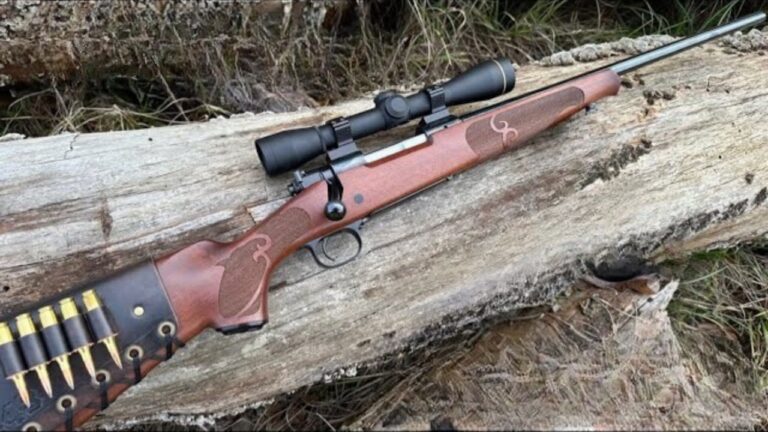
There are lever-actions that are fun to own and fun to talk about, and then there are lever-actions that end up being family members. They get carried behind truck seats, leaned in a corner during chore time, and dragged through wet November brush year after year. They are not always the newest or the prettiest. But they are the ones experienced rifle guys quietly keep, even when someone waves cash at them at deer camp.
This isn’t about “best of all time” arguments. It’s about the rifles that keep proving themselves in the real world—easy to live with, hard to replace with something that does the same job, and still relevant after the new-gun excitement wears off.
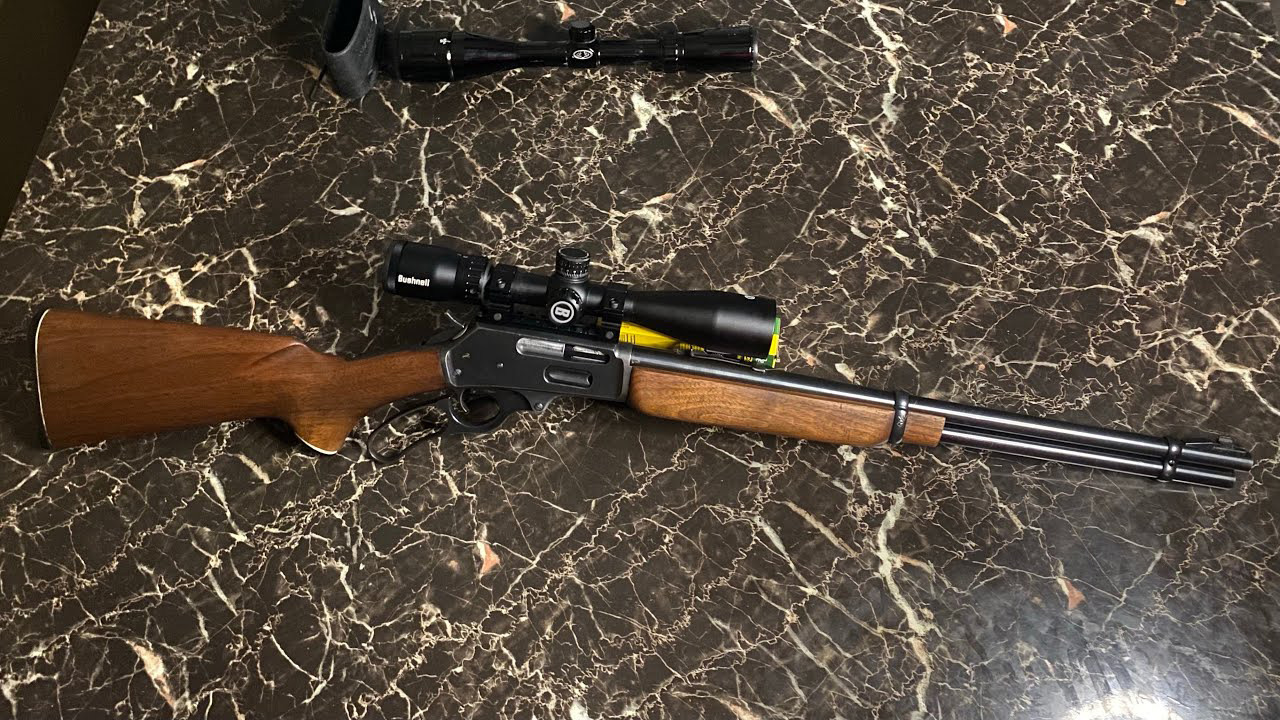
1. Marlin 336 (JM-stamped)
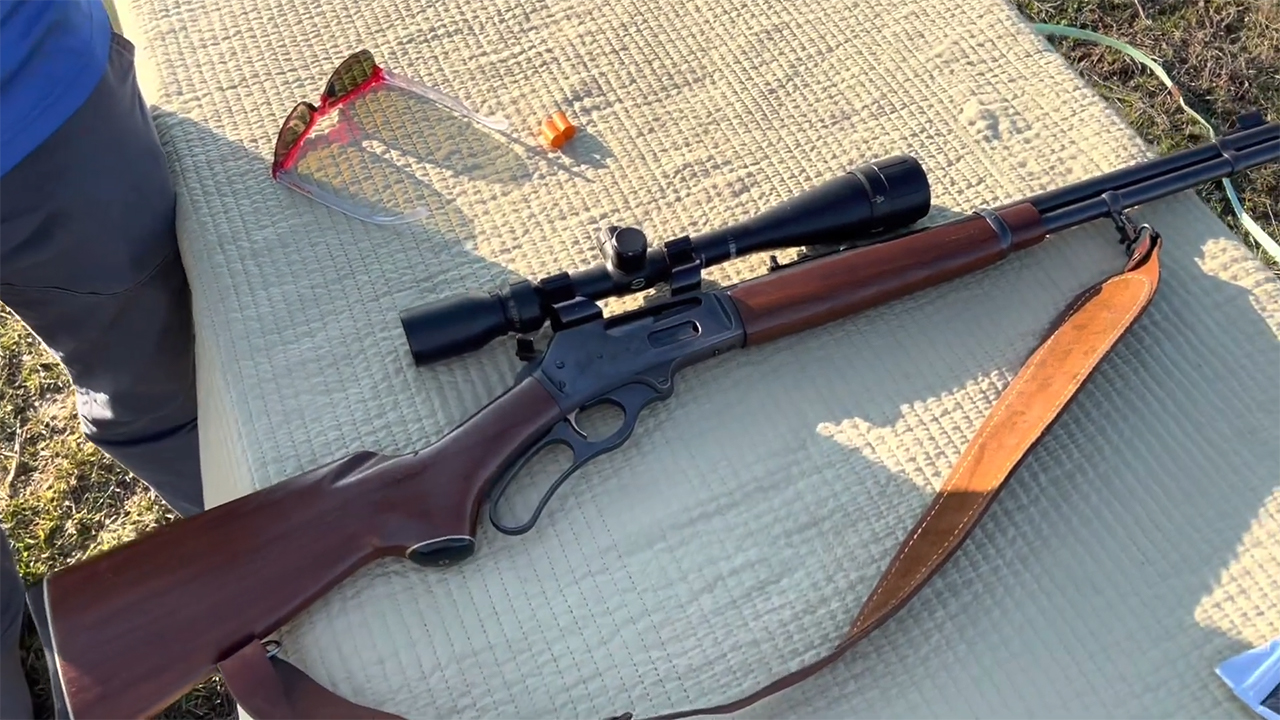
If you’ve ever worked a slick JM-stamped 336, you know why owners get protective of them. The balance is right in the hands, the lever throw feels honest, and it carries like a real woods rifle instead of a range toy. In .30-30, it’s the definition of “enough gun” for whitetails inside sane distances, and it does it without drama.
What makes these hard to let go of isn’t just nostalgia. It’s that they were made in an era when you could expect clean machining, good wood-to-metal fit, and an action that smooths out instead of loosens up. There are newer 336s that run fine, and there are plenty of alternatives, but a good JM gun has a feel you don’t forget. Ask me how I know.
2. Winchester Model 94 (pre-64)
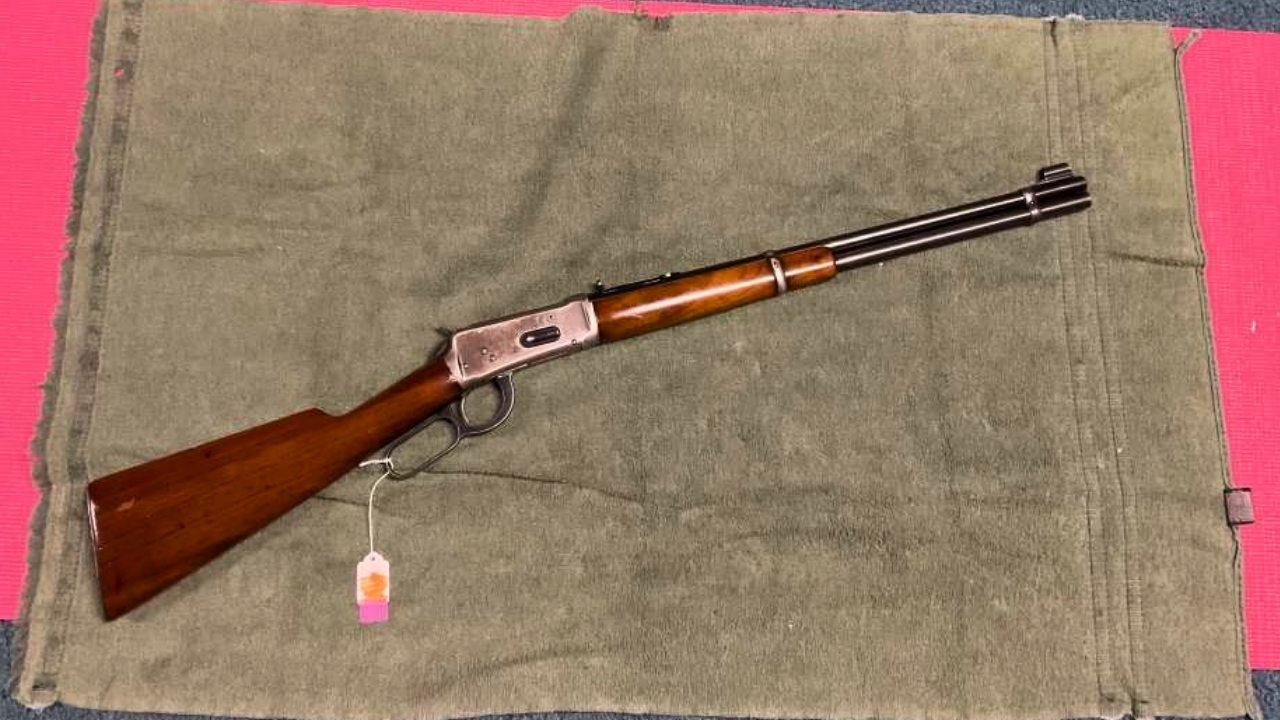
Pre-64 Model 94s are the lever guns that turned “truck rifle” into a cultural thing. They’re light, fast, and point like a finger. A lot of them show honest wear—thin blueing, dings in the stock, maybe an old sling stud job that isn’t pretty. None of that matters when you shoulder it and it’s just there, lined up, ready.
I get why people sell them. Values climbed, and sometimes a guy would rather have two new rifles than one old Winchester. Still, a straight pre-64 that hasn’t been messed with is tough to replace in spirit and in handling. The receiver profile, the way they sit in the hand, the way they come up in thick timber—it’s a specific magic, and it’s real.
3. Henry Big Boy Steel (in .357 Magnum)
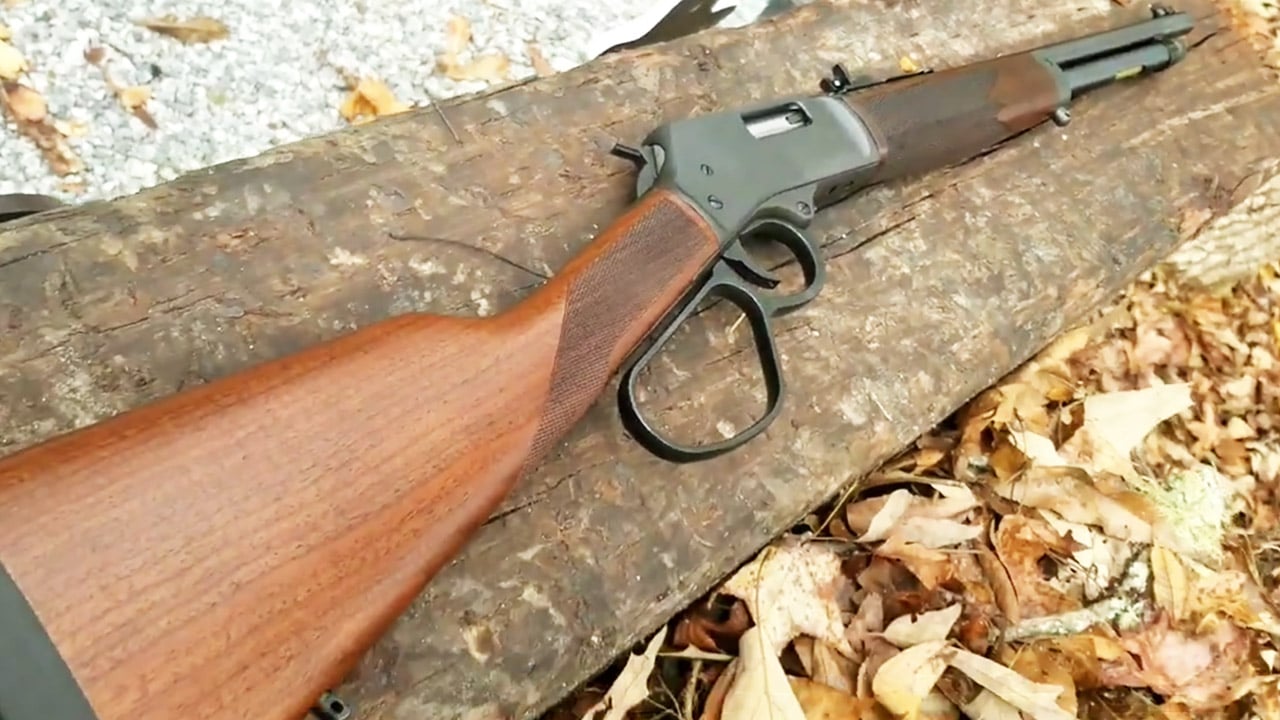
Not everyone loves Henry’s “modern classic” vibe, but the Big Boy Steel in .357 has won over a lot of serious shooters for one simple reason: it’s useful. With .38 Specials it’s calm, cheap(er) to shoot, and friendly for new shooters. With hot .357 loads it’s a legitimate deer-and-hog option in the woods, especially if your shots are inside bow-range-plus.
It’s also one of those rifles that makes sense on a property. Working around barns, running a trapline, checking fences—.357 in a carbine is handy, and it doesn’t beat you up. The tradeoff is weight; the Big Boy can feel like a chunk compared to a 94. But it’s a steady chunk, accurate enough, and the actions tend to be smooth right out of the gate.
4. Browning BLR (Lightning, .308 Winchester)

The BLR is for the guy who likes lever guns but doesn’t want to pretend it’s 1894. It feeds from a box magazine, locks up like a modern rifle, and it’ll run real rifle cartridges like .308 without the quirks you sometimes fight in older designs. In the field it handles quick, yet it still gives you reach across a cut bean field or a powerline.
These aren’t cheap rifles, and that’s a big part of why owners won’t let them go. A good BLR becomes the “one rifle” for a lot of hunters—fast follow-ups, practical accuracy, and no worry about pointy bullets in a tube magazine. The trigger linkage is different from most rifles and not everyone loves it. But if your BLR prints and cycles right, you tend to stop shopping.
5. Ruger No. 1S
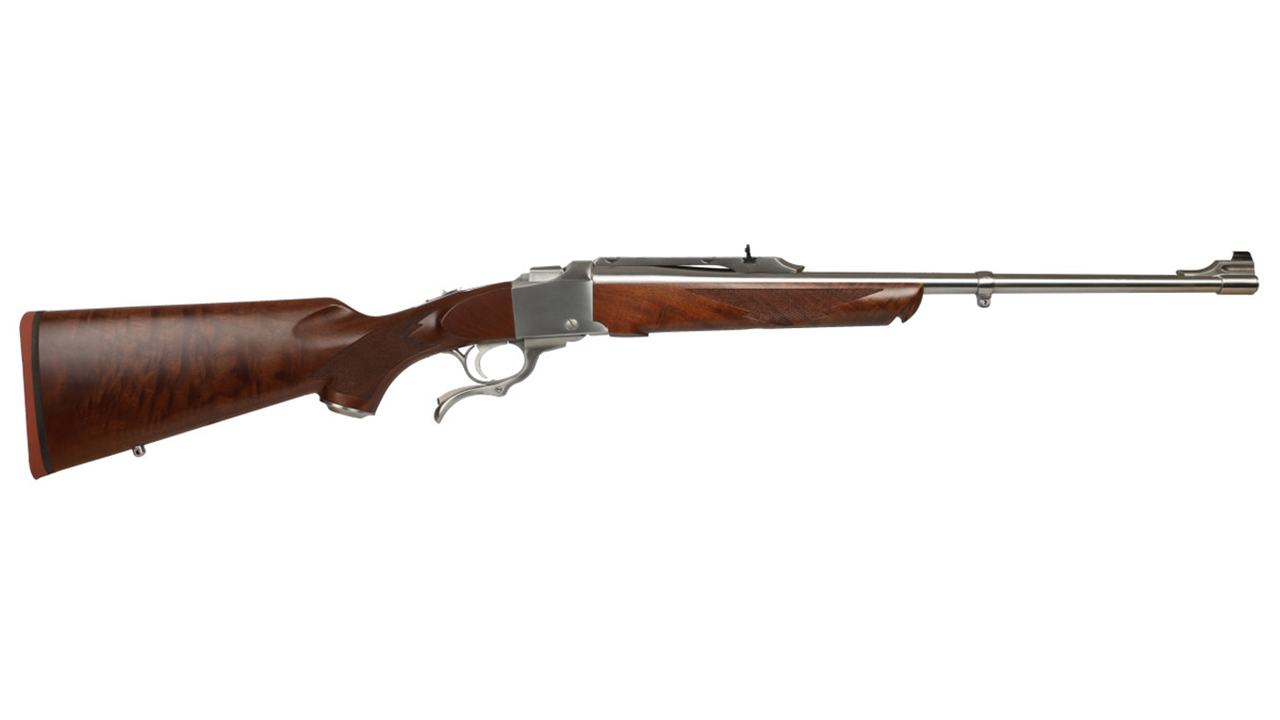
I know it’s not a lever-action. But bring up rifles people refuse to sell, and the Ruger No. 1 shows up in the same conversations at the same volume. It’s the rifle that makes disciplined shooters out of folks who “need” a quick second shot. It’s also compact for the barrel length, carries well, and looks like it belongs in the woods.
A good No. 1 is a personality rifle. Some shoot lights-out and some take tinkering with loads, fore-end pressure, and expectations. But when you find one that your shoulder likes and your hunting style fits, it becomes a keeper. There’s nothing fancy about taking one cold shot from a single-shot at a buck slipping through oaks. It’s pure, and it sticks with you.
6. Marlin 1895 (Guide Gun, .45-70 Government)
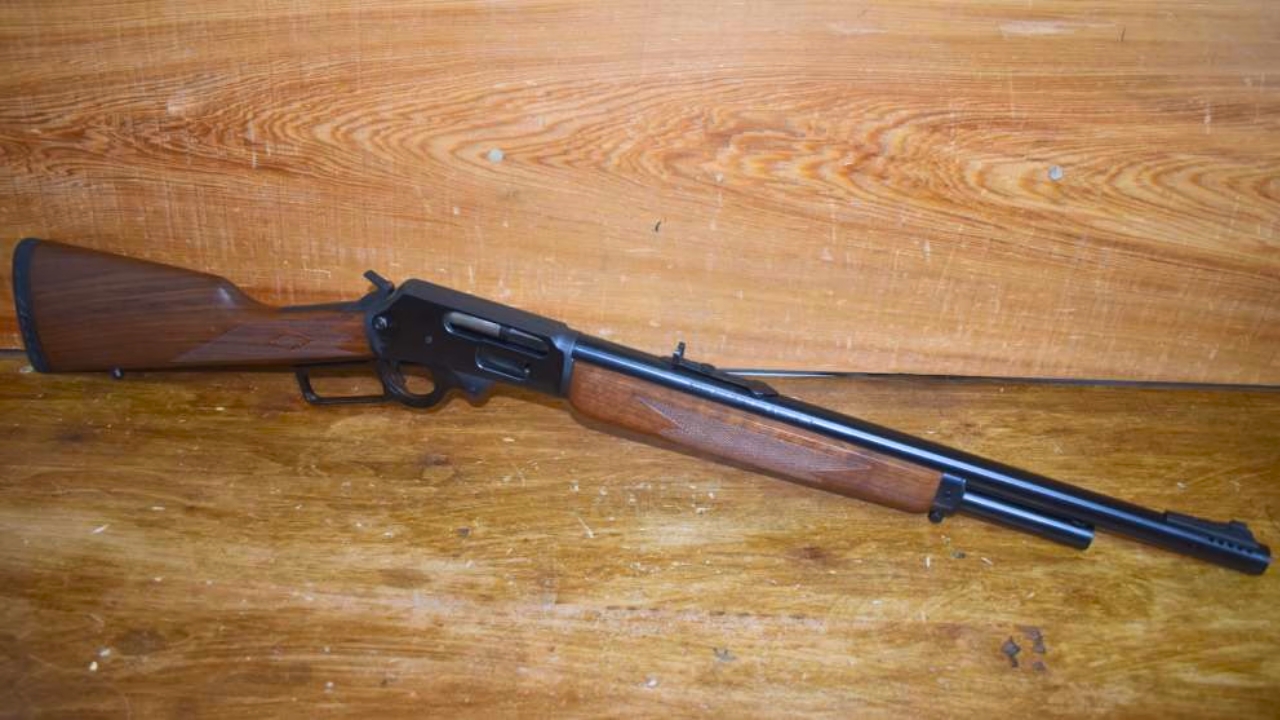
The Guide Gun is the lever-action that gets dragged into rough work. Short, loud, and not gentle, it still makes sense where things are close and heavy. In bear country, thick swamp edges, or brush-choked hog spots, a handy .45-70 that you can run fast is comforting in a way paper ballistics don’t explain.
It’s also one of those rifles that “graduates” with its owner. You start with mild loads, you learn the gun, and you end up with a setup you trust. The downside is recoil and cost—shooting full-power .45-70 all afternoon will humble you and your wallet. But the guys who keep them aren’t buying them for cheap range days. They keep them because they’ve seen what it does when the distance is bad-breath close.
7. Winchester Model 71 (in .348 Winchester)

The Model 71 is one of those rifles that makes even modern-gun guys stop talking for a second when you lay it on a bench. It feels like a serious piece of equipment—long, solid, and made for hunters who expected to walk a lot and shoot something big if they found it. The .348 isn’t a common cartridge, but it hits with authority and carries well in the woods.
This is a “people who know” rifle because it’s not trendy and it’s not convenient. Ammo isn’t on every shelf, and you don’t buy one because it’s practical in 2026. You buy it because it’s a top-tier classic that still hunts. The reason they don’t get sold is simple: once you have a clean one, you realize you may not see another in the same condition for a long time.
8. Savage Model 99 (in .300 Savage)

The Savage 99 is the thinking man’s lever gun. It doesn’t look like a Winchester or a Marlin, and that’s part of the charm. With its rotary magazine, you can run spitzer bullets safely, and in .300 Savage you get a sweet spot of recoil and performance that still kills deer like it always has.
These rifles also tend to have a “fitted” feel when they’re right—like the stock and receiver were shaped for a human, not a spec sheet. The safety and controls can feel odd if you grew up on more common levers, and some 99s have seen questionable scope mounting over the decades. But a clean 99 that feeds and shoots is a hard rifle to replace with something that has the same soul and the same utility.
9. Winchester Model 92 (original or quality clone, .44-40 or .357)
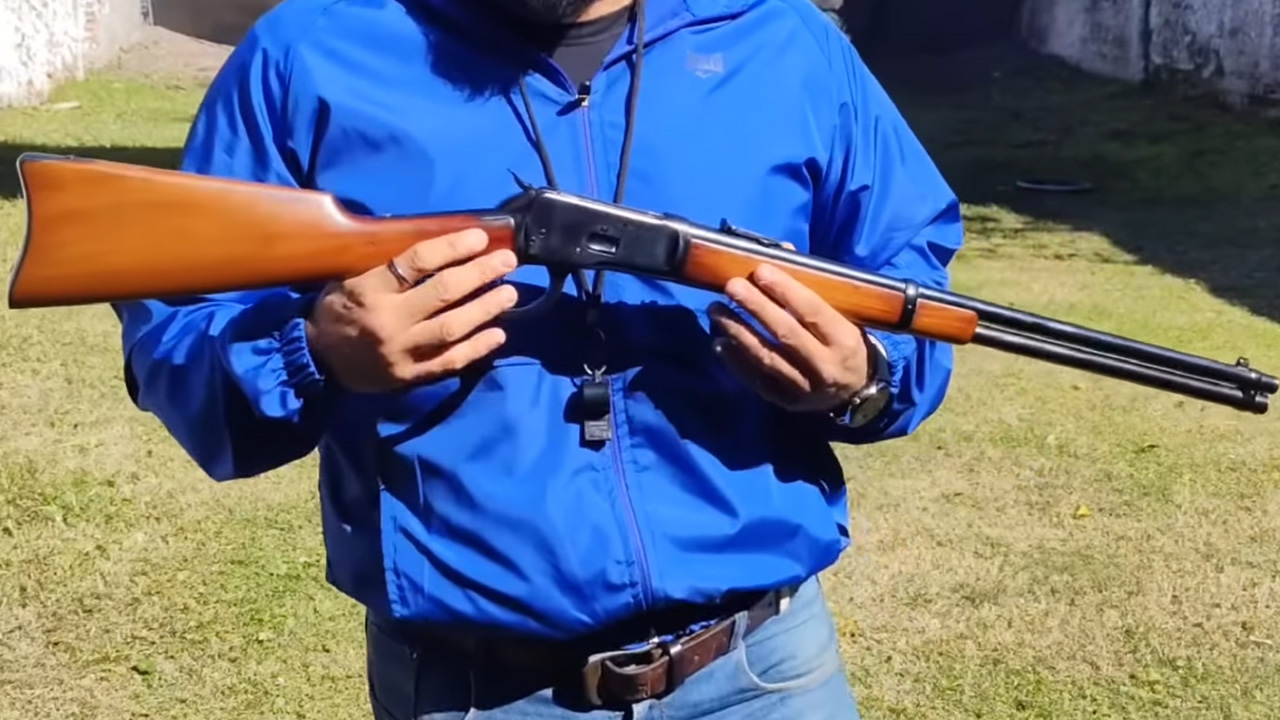
The Model 92 is what a lot of folks wish their lever gun felt like: compact, quick, and smooth once it’s broken in. In pistol calibers, it’s a joy. It’s also strong for its size, and that matters when you’re running .357 or .44-40 loads that actually get used outside of cowboy cosplay.
Originals can be pricey, and not everyone wants to baby an antique. That’s where good clones come in, but quality varies, and that’s why a proven 92 tends to stay put. When a rifle feeds slick, ejects right, and doesn’t chew up brass, you stop looking. It becomes the gun you hand to a buddy for a day in the woods because you know it’ll run and you know they’ll smile.
10. Marlin 39A (in .22 LR)
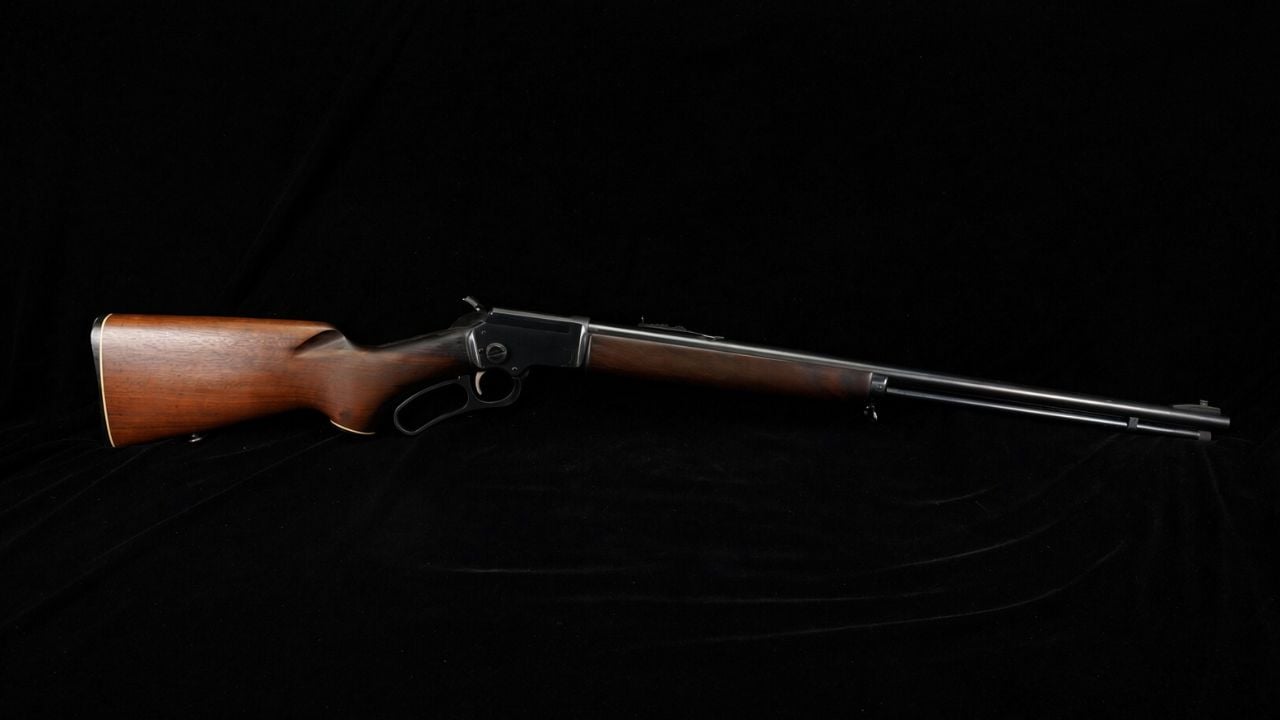
A lot of rifles come and go, but a Marlin 39A usually sticks around like your granddad’s pocketknife. It’s a .22 that feels like a real rifle, not a toy. The action is satisfying, the accuracy is often better than it has any right to be, and it’s the kind of gun that turns a quick plinking session into an afternoon.
What makes a 39A a “never sell” gun is what it does for a family. It’s a training rifle, a squirrel rifle, a knock-around camp rifle, and a confidence builder all in one. The takedown design is handy, but the real value is how long they last if you don’t abuse them. New .22s are everywhere, sure, but very few feel like they were built to be handed down twice.
If you’re staring at the safe trying to fund the next thing, lever guns can look like easy money. Sometimes that’s true. But the rifles on this list have a way of proving themselves in mud, snow, and hard seasons when you need something simple that just works. If you’ve got one that fits you, cycles right, and shoots where you look, I’d think twice before you put it on the chopping block.
Like The Avid Outdoorsman’s content? Subscribe to our newsletter so you never miss an article.
Here’s more from us: