Photo credit: TGunsmith5/GunBroker
If you hang around gun counters, pawn shops, and the back tables at little weekend shows long enough, you start noticing something. Certain shotguns don’t just “hold value.” They develop their own quiet little economy. Owners rarely brag about it because it sounds like you’re flipping guns for profit, or because they don’t want the next guy to know what they’ve got. But the pattern is real: discontinued models, oddball chamberings, pre-lawyer versions, police trade-ins, and “they don’t make them like that anymore” builds that keep getting traded hand-to-hand for more than most folks think.
Here are 20 shotguns that tend to do exactly that—guns with a secondary market that lives under the radar, even among the people who own them.
1. Remington 870 Wingmaster (older blued, walnut guns)
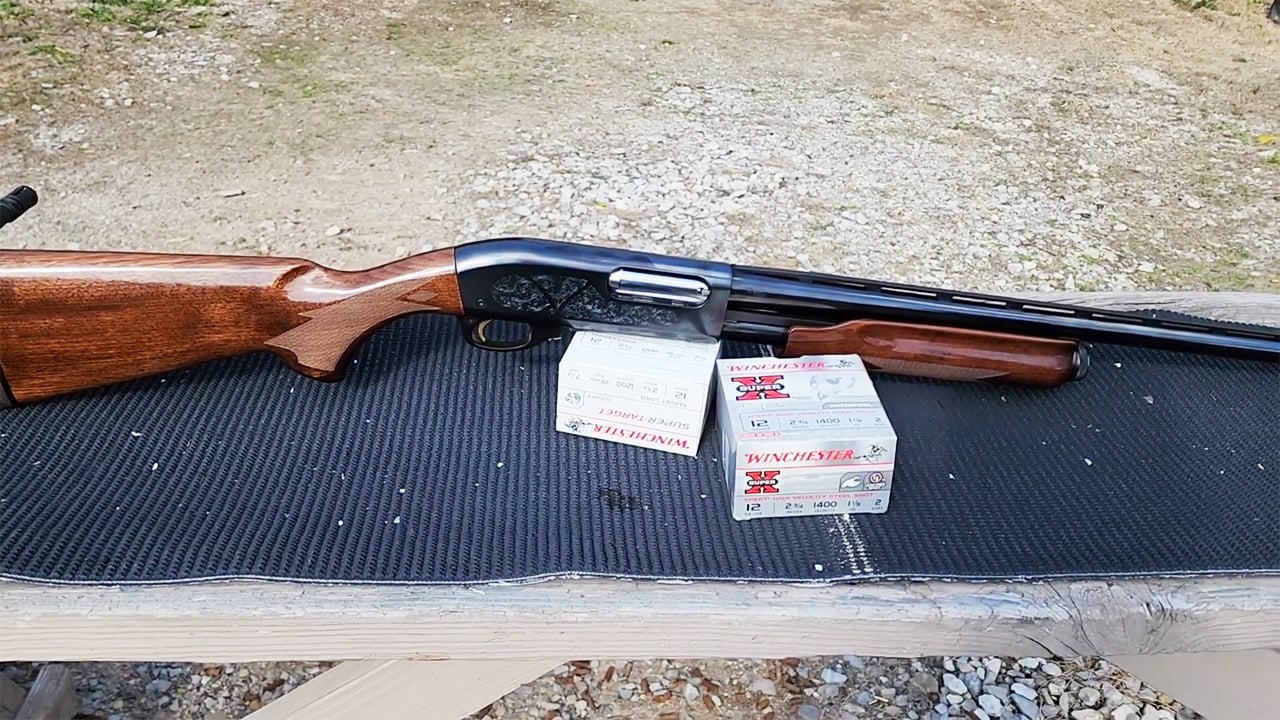
The Wingmaster isn’t rare, but the older ones with deep blue and smooth actions bring money in a hurry when they’re clean. You can feel it the first time you rack one next to a newer budget pump. The older gun just glides, and the steel parts wear in instead of wearing out. Hunters keep them because they point naturally and take a beating, and then one day they look up and realize replacing it isn’t as easy as walking into a big-box store.
The quiet secondary market is mostly about condition and era. Folks know which ones were built when Remington was really humming, and they’ll pay for that. Add a vent rib, a 26- or 28-inch barrel, and honest wear instead of abuse, and you’ve got a shotgun that sells fast without ever needing an online listing. Ask around and you’ll hear the same thing: “I’m not selling mine.”
2. Remington 870 Police Magnum (trade-in guns)
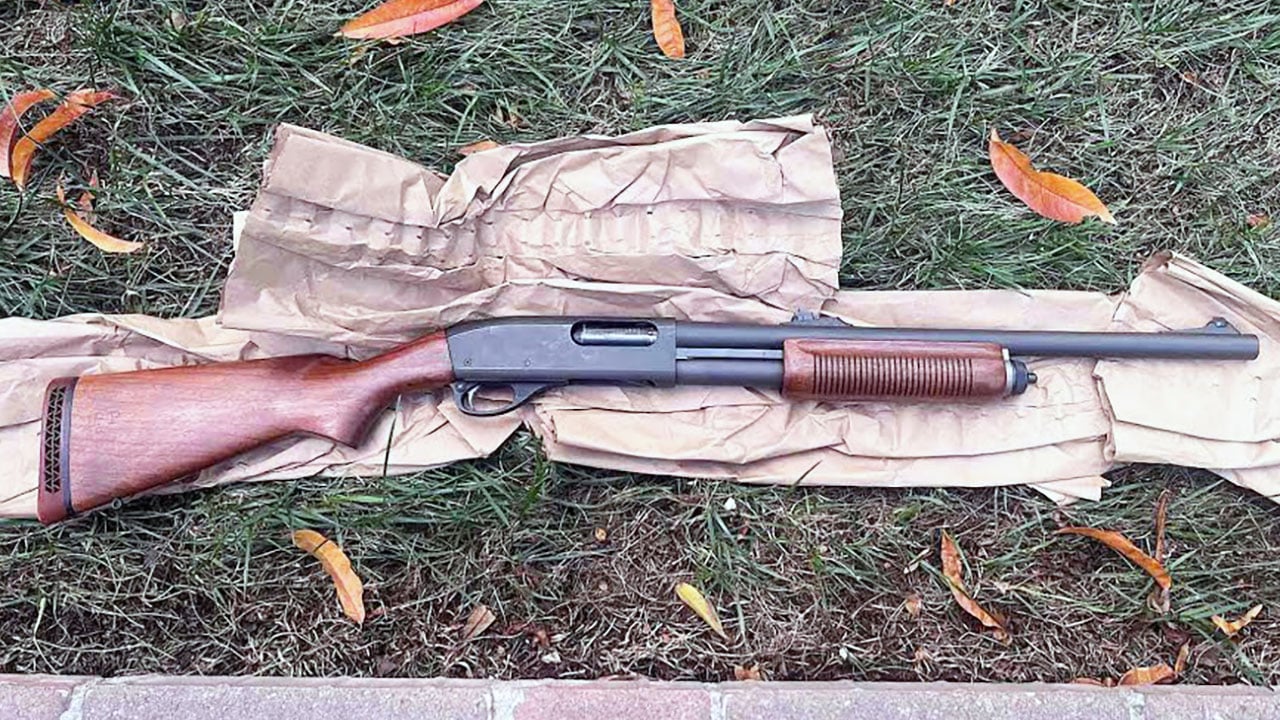
Police Magnums are their own thing. They’re not fancy, and most have rack numbers, dings, and that tired cruiser look. But they were built for hard use, usually with better internal parts and a no-nonsense setup. A lot of them came out of armories when agencies changed over, and that’s where the back-channel buying started.
What makes them sneaky valuable is that they’re still incredibly useful. They run. They pattern fine with buckshot. They accept common 870 parts and furniture. If you find one with the right barrel setup and it isn’t beat to death, the price can jump quick because buyers know exactly what they’re looking at. Owners don’t talk about it because it sounds like a police-trade brag, but they know what they’d ask if they ever had to sell.
3. Ithaca Model 37 (bottom-eject classics)
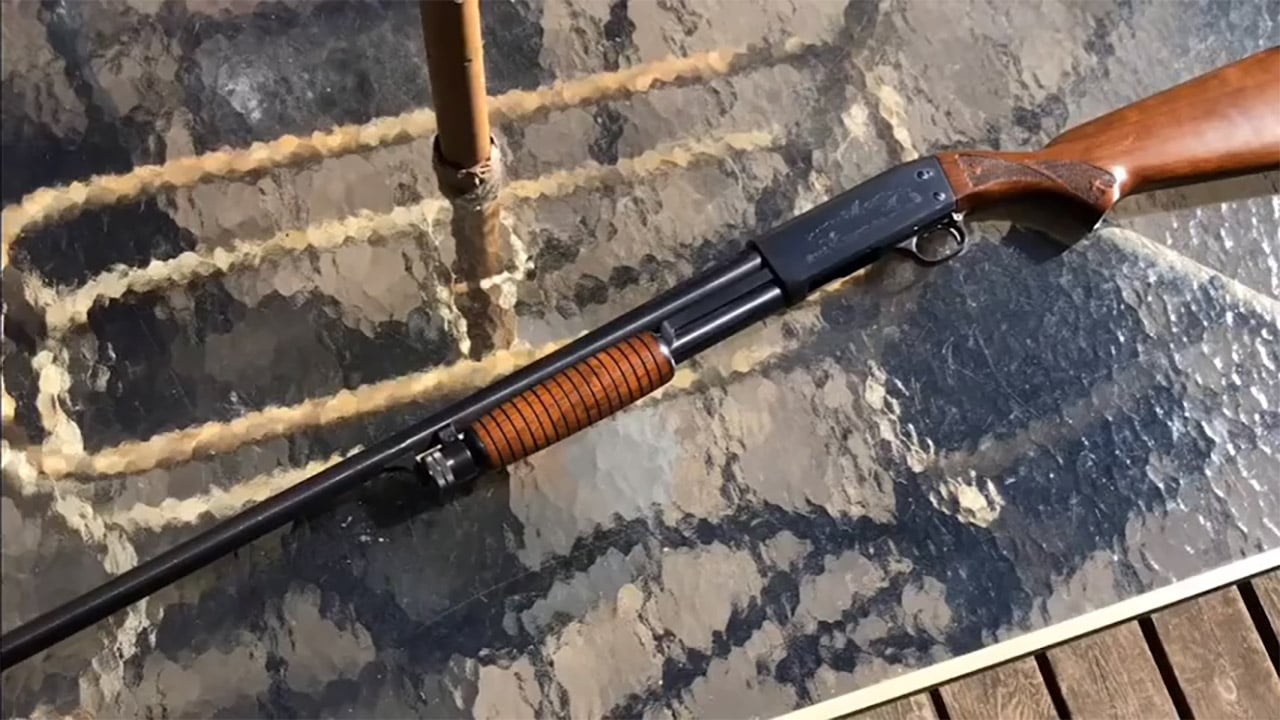
The Model 37 is one of those shotguns that feels like it was built by someone who actually carried it in the rain. Bottom ejection is more than a gimmick—lefties love it, and right-handed hunters appreciate not eating hulls in a tight blind. The gun carries slim, points quick, and the action has a different feel than modern pumps. It’s got personality.
The secondary market shows up when someone wants a clean, older 37 with a good barrel and tight lockup. They aren’t impossible to find, but the nice ones don’t sit around long. Parts and service are doable, but not as everywhere as an 870, so a good one gets treated like a keeper. Owners get quiet about value because it’s often a family gun, and putting a price on it feels wrong. Still, money talks when a clean one hits the table.
4. Browning BPS (older Japanese production)
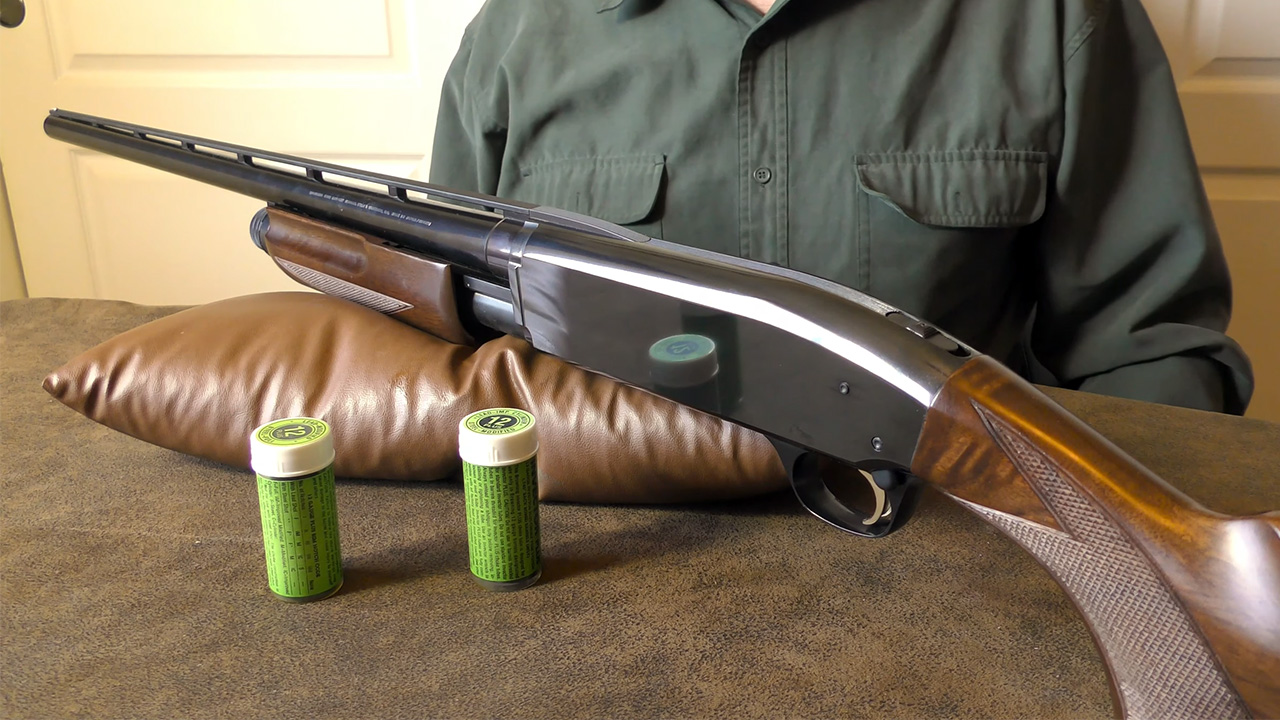
The BPS is a working man’s Browning, and the older Japanese guns have a following that doesn’t always show up in loud internet debates. They’re heavier than some pumps, sure, but that weight soaks recoil and steadies the swing on passing birds. Bottom eject keeps things clean in a duck blind, and the fit and finish on the older ones is hard to ignore.
Where the quiet market kicks in is with hunters who specifically want the older build quality and the traditional look. When somebody finds one with the right choke setup and it hasn’t been “customized” with questionable home gunsmithing, the price climbs. The BPS isn’t trendy, which is exactly why it sneaks up in value. It’s a serious field gun that doesn’t advertise itself.
5. Winchester Model 12 (field grade, honest condition)
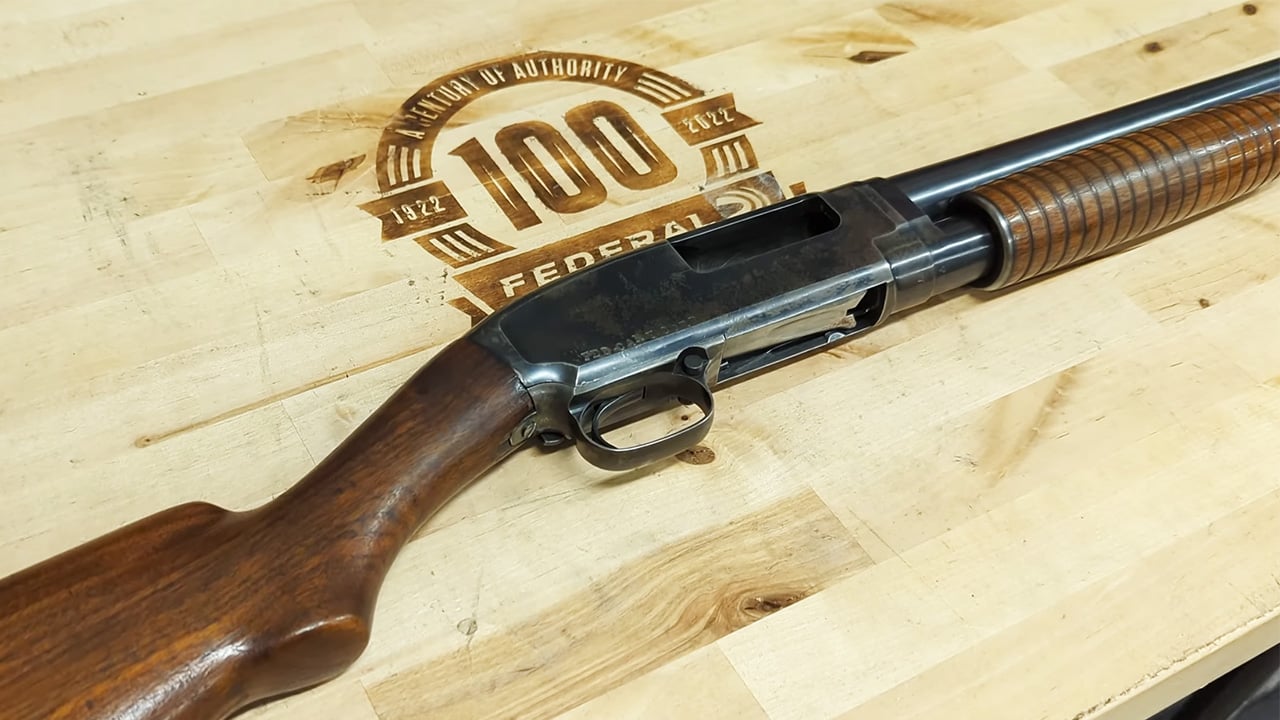
If you’ve ever run a good Model 12, you understand the reputation. It’s smooth in a way that makes modern pumps feel a little hollow. It’s also heavy enough to keep you honest—this isn’t a “carry it all day up the mountain” shotgun for most folks. But for pheasants, ducks, or a trap line on Saturday morning, it has a rhythm that’s hard to explain.
The secondary market is fueled by nostalgia and the fact they aren’t making them anymore. But it’s not just collectors chasing pristine examples. Plenty of hunters will pay real money for a solid field gun with good bones and a barrel that hasn’t been messed with. Owners don’t talk about the value because it sounds like you’re treating Grandpa’s shotgun like a stock portfolio. Still, those who know, know.
6. Winchester Model 1300 Defender (and Ranger variants)
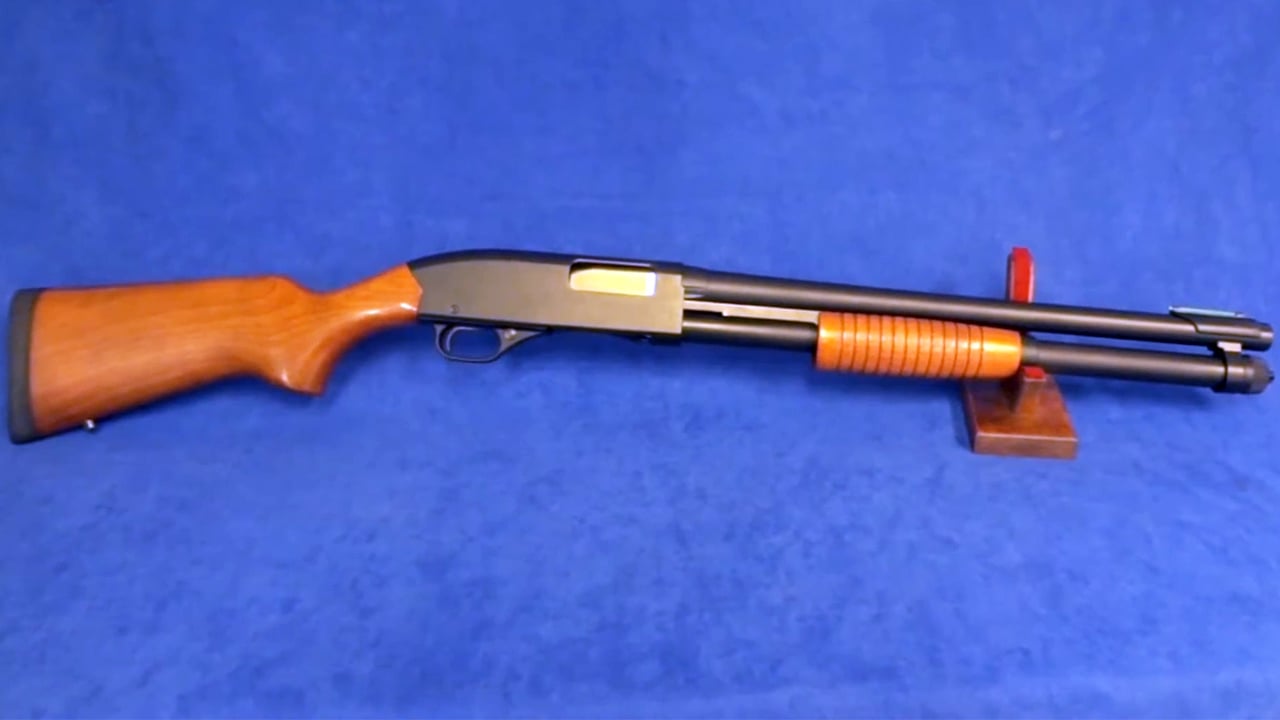
The 1300 doesn’t get the same love as the 870 or 500 in casual conversation, but anyone who has run one hard remembers the speed. That rotary bolt and slick action can feel fast, and in a defensive setup it just works. The “Defender” versions especially tend to get snatched up because they’re handy, simple, and discontinued.
What drives the quiet market is replacement difficulty. You can still find parts, but not on every shelf in every store. Guys who like them often buy a second one “just in case,” and that keeps prices firm on the good examples. When one shows up locally, it can be gone before lunch. Owners keep it quiet because they don’t want to invite the “why not just buy a new pump” argument. They already did the math.
7. Mossberg 590A1 (metal trigger guard, heavy barrel)
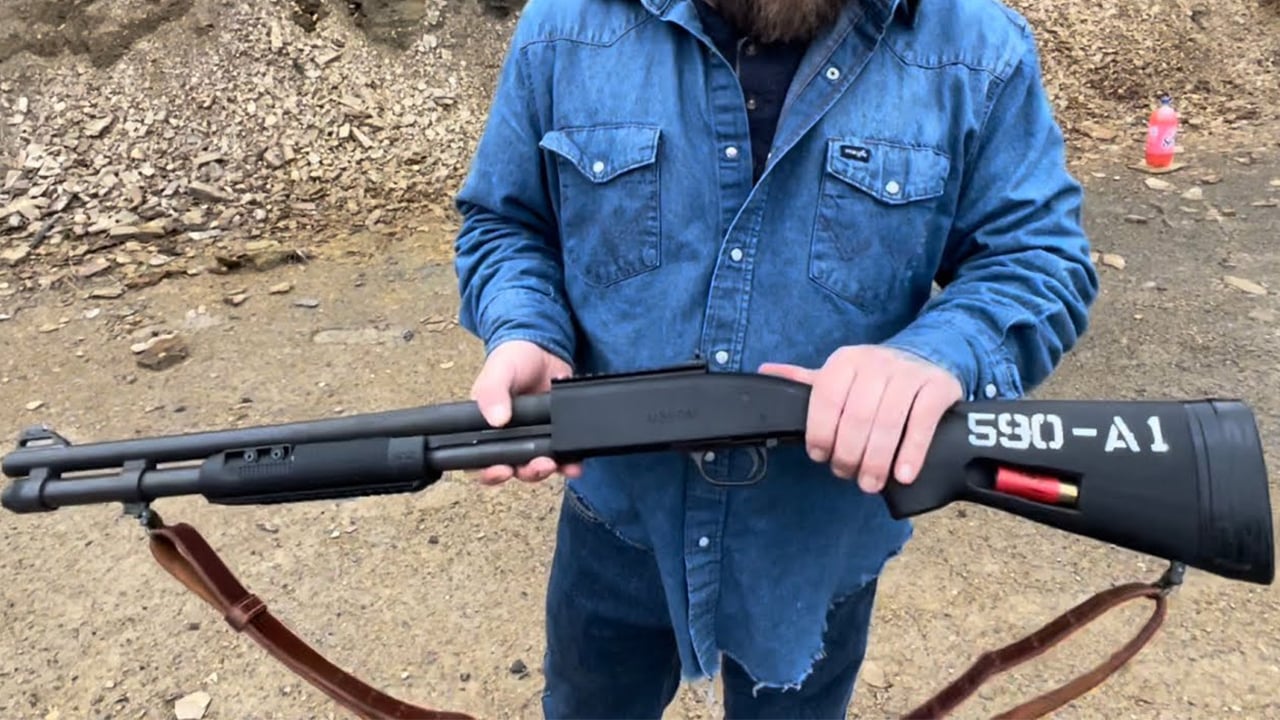
The 590A1 is the Mossberg that people buy when they’re done messing around. It’s heavier, built tougher, and has a track record that makes sense if you actually run shotguns instead of just talking about them. The safety location is great for a lot of shooters, and the gun is easy to keep running with common parts.
The secondary market isn’t about rarity as much as it’s about demand staying steady. When you find an older 590A1 that hasn’t been abused, it tends to command more than a standard 500 or 590. Folks who own them don’t chatter about resale because most of them bought it to keep, not to flip. But if they do sell, it’s usually quick and usually at a price that surprises anyone who thinks all Mossberg pumps are “cheap.”
8. Benelli M1 Super 90 (especially early imports)
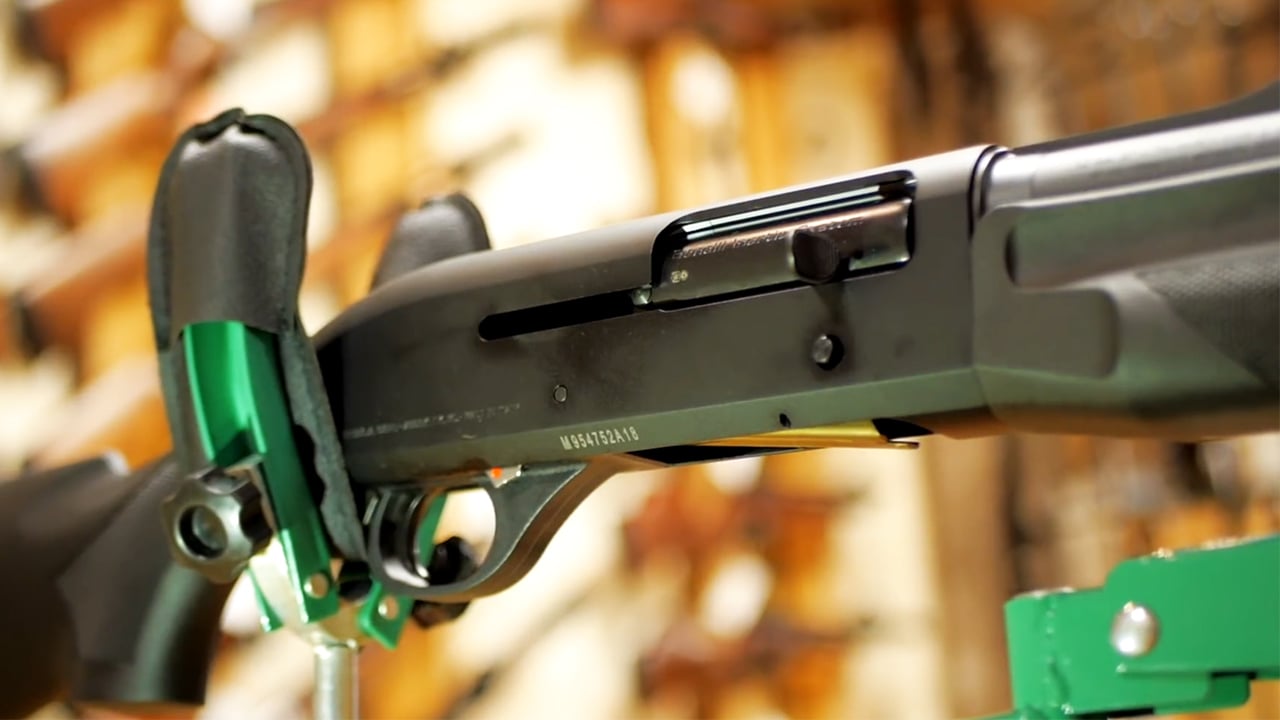
The M1 has a reputation for running dirty and running forever. It’s not the newest Benelli, and it doesn’t have the modern marketing push, but it’s a real-deal semi-auto that earned trust with waterfowlers and 3-gun types back when gear was simpler. The inertia system keeps it clean, and the guns tend to feel lively in the hands.
What makes it a quiet-market shotgun is the “I should’ve never sold it” factor. Older M1s in good shape don’t sit long because buyers know they’re getting a proven action without rolling the dice on an unknown used semi. The tricky part is condition—beat ones are common, clean ones aren’t. Owners rarely mention value because the M1 crowd isn’t chasing status. They’re chasing a gun that runs every time the weather is ugly.
9. Benelli M3 (dual-mode pump/semi)
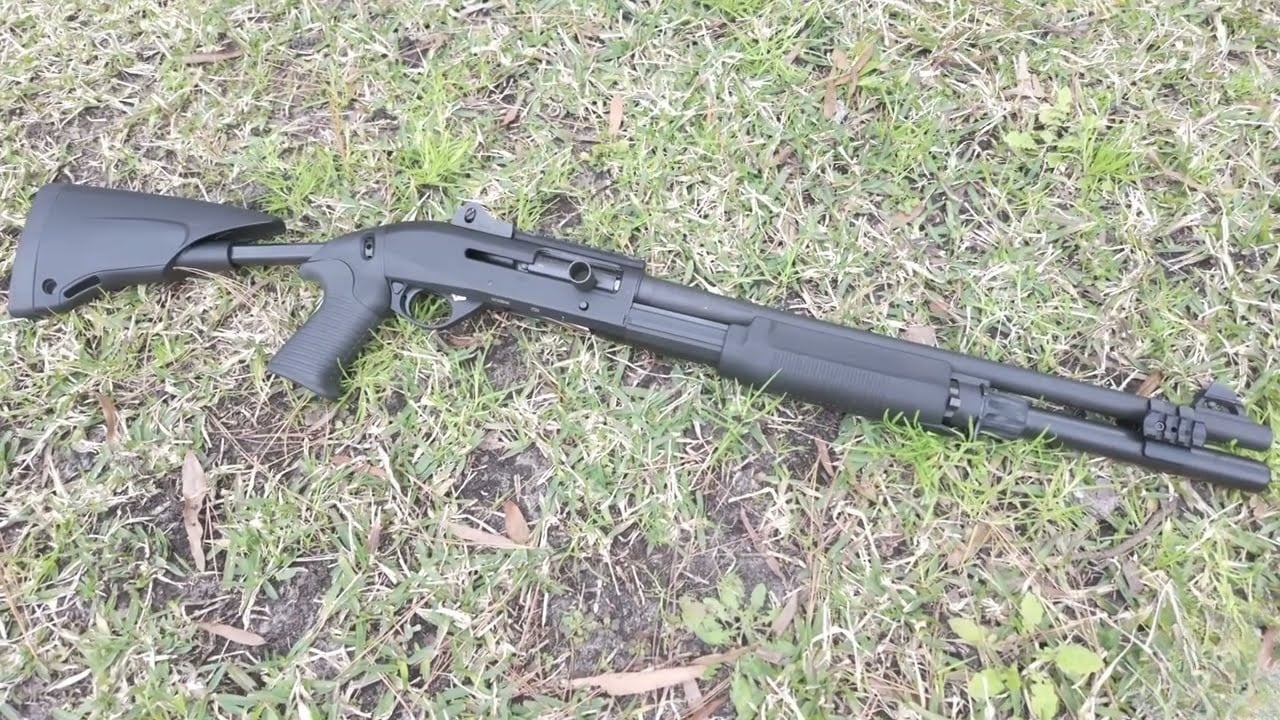
The M3 is one of those shotguns you either roll your eyes at or you understand immediately. Semi-auto when it should be semi-auto, pump when light loads or odd situations call for it. The concept is useful, but it’s not cheap, and it’s not something most folks stumble into by accident. That makes the used market interesting.
M3 owners tend to hang onto them, which keeps supply low. When one does come up locally, it often sells to someone who has been waiting. It’s also a shotgun that doesn’t photograph its value well—online pictures don’t convey how solid it feels. The people who own them don’t talk about what they’re worth because it sounds like flexing over a “weird” shotgun. But the price tags quietly say otherwise.
10. Beretta 1301 Tactical (early production, clean examples)
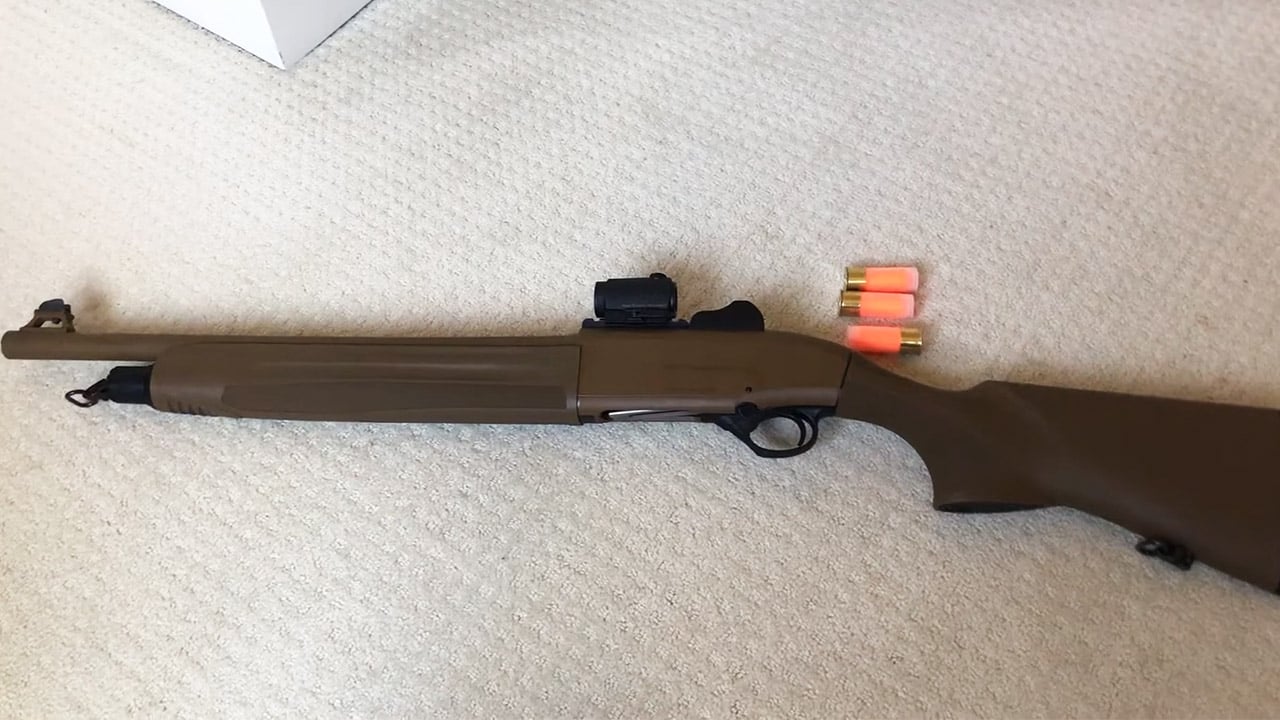
The 1301 Tactical has been popular enough that it’s not exactly a secret, but the used market can still be surprising. Clean examples don’t always discount much, and certain configurations seem to move fast. The gun shoots soft for what it is, cycles like it’s angry, and fits a lot of shooters right out of the box.
Where the quiet market shows up is when someone tries to buy one quickly and realizes the local shelves are empty or priced high. Then they start hunting used listings and discover owners aren’t eager to part with them. The 1301 is modern and practical, which means it gets bought for real reasons. When a gun is purchased to solve a problem, it tends to keep value better than guns bought for looks.
11. Beretta 391 (sporting and field variants)

The Beretta 391 is one of those semi-autos that just keeps getting recommended by folks who actually shoot a lot. Soft recoil, solid reliability, and a feel that works for clays and birds without needing to be babied. They aren’t the newest thing, but they’re not outdated either. That middle ground creates a strong used market.
Good 391s sell to shooters who want a proven gas gun without paying top dollar for the latest model. And once someone gets a 391 that fits, they tend to stick with it. That’s why the nice ones often change hands quietly—club-to-club, friend-to-friend, or through a gunsmith’s bulletin board. Owners don’t talk about what they could get for it because they know they’d have to spend a bunch more to replace how it shoots.
12. Browning Auto-5 (Belgian and early Japanese guns)
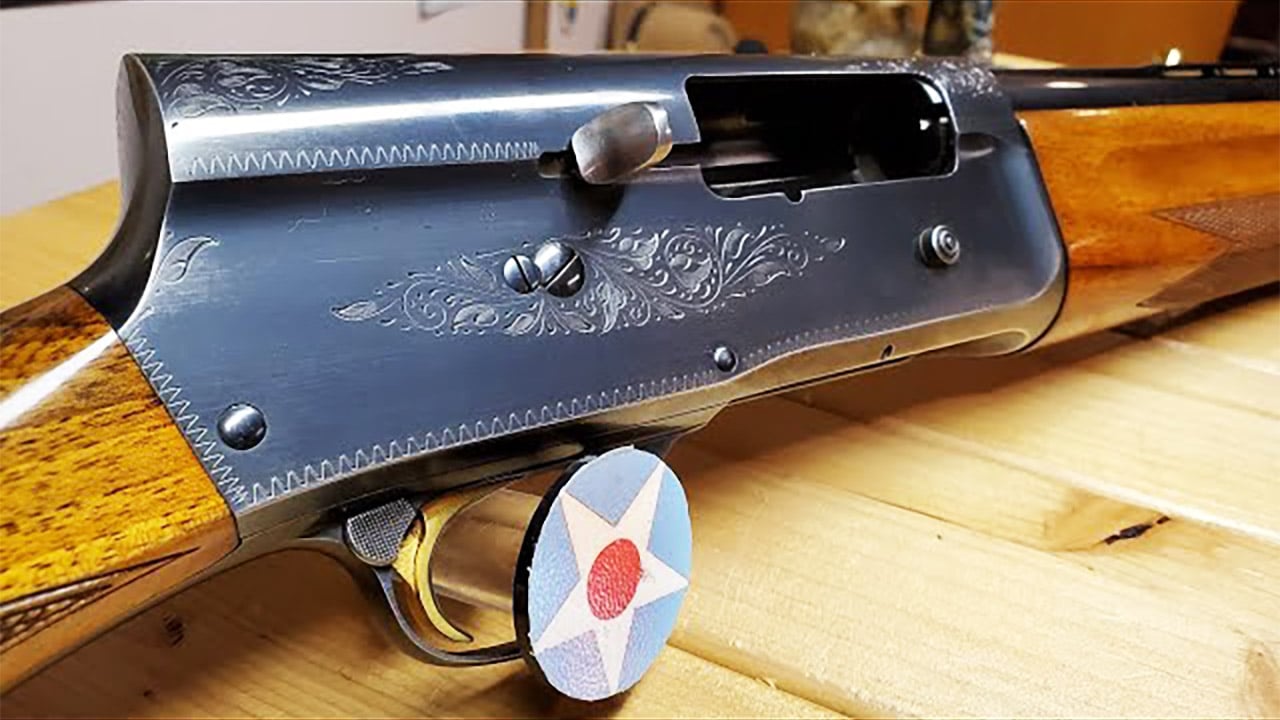
The humpback is iconic, but the real reason Auto-5s carry a quiet premium is that they still work and still feel like a serious shotgun. They have a recoil impulse that’s different than modern gas guns, and they’re not as plug-and-play with accessories. But for a lot of hunters, that’s part of the charm. There is nothing fancy about it, and that is kind of the point.
The secondary market is very condition-sensitive. A clean Belgian gun can bring real collector money, but even shooter-grade A5s hold value because the demand never really disappears. The guys who own them tend to be sentimental, and the guys who want one have usually wanted one for years. Nobody wants to admit what they paid at a small show for “just a field gun,” but it happens all the time.
13. Franchi SPAS-12 (original configuration)
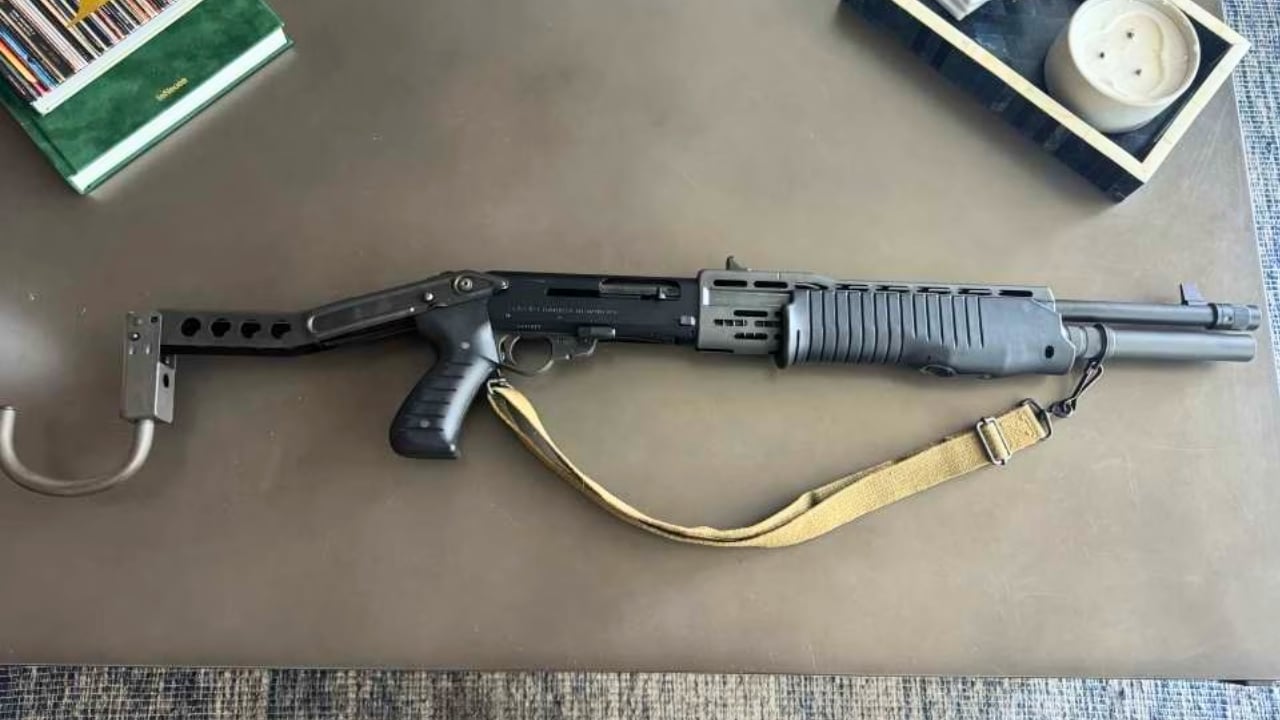
The SPAS-12 is the poster child for “not practical, still expensive.” Heavy, complicated, and not something I’d recommend as a first, second, or third shotgun. But it’s a real model with real history, and collectors chase them hard. They show up in safes more than they show up at ranges, which is part of why the market feels like it’s whispered about.
Prices get wild depending on completeness and originality. Missing parts and questionable modifications can tank it, while a correct example commands serious money. Owners don’t talk because it’s a lightning-rod gun—mention it and you get ten opinions you didn’t ask for. Still, the secondary market is real, and it’s not driven by hunters. It’s driven by scarcity, pop culture, and collectors who want one before they get harder to find.
14. HK-import Benelli M1 Super 90 (marked imports)
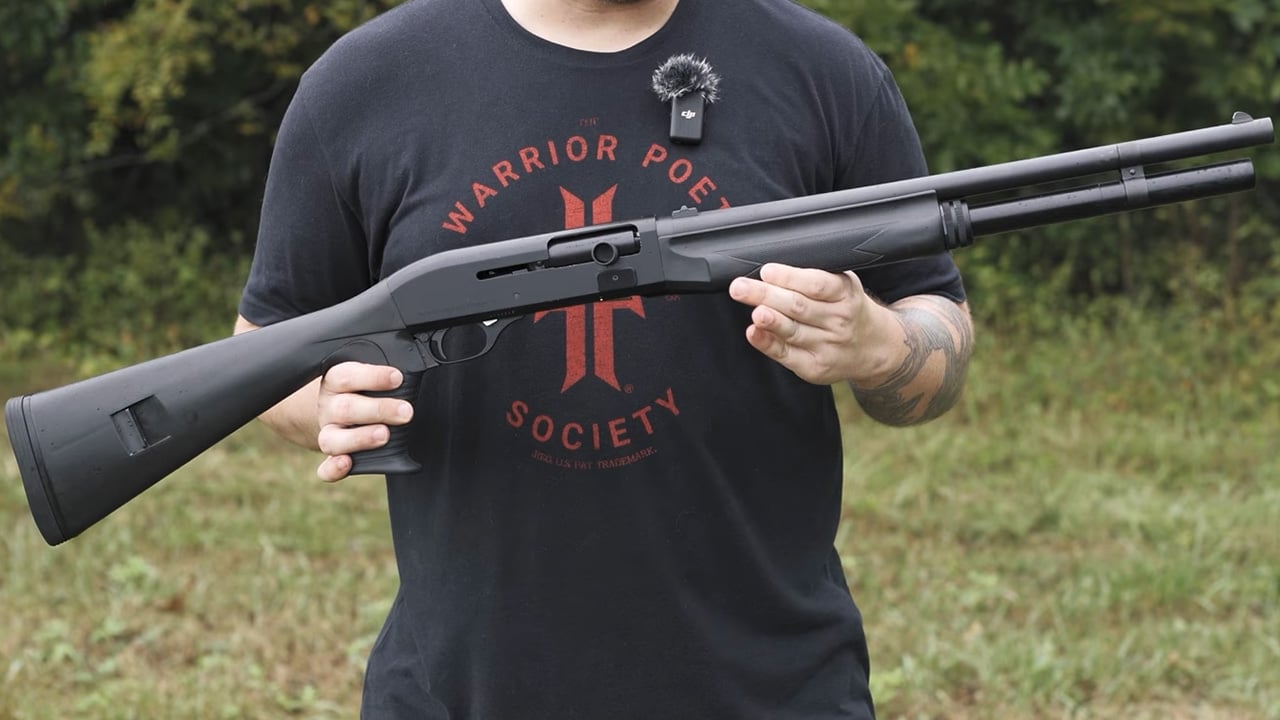
Here’s where the Benelli M1 gets even more specific. Certain import-marked guns, including the ones brought in under HK, have their own following. It’s partly “cool factor,” sure, but it’s also about perceived era and build consistency. Whether every story about them is true or not, buyers believe in them, and that belief moves prices.
These aren’t always dramatically different in function, but the market isn’t always rational. A clean example with the right markings can bring more than a plain-Jane used M1 sitting next to it. Owners don’t talk because they don’t want the inevitable “it’s the same gun” debate. But if you’ve ever watched two guys at a show quietly negotiate over one, you understand: details matter, and the right details bring cash.
15. Remington 1100 (classic 12 gauge sporting guns)
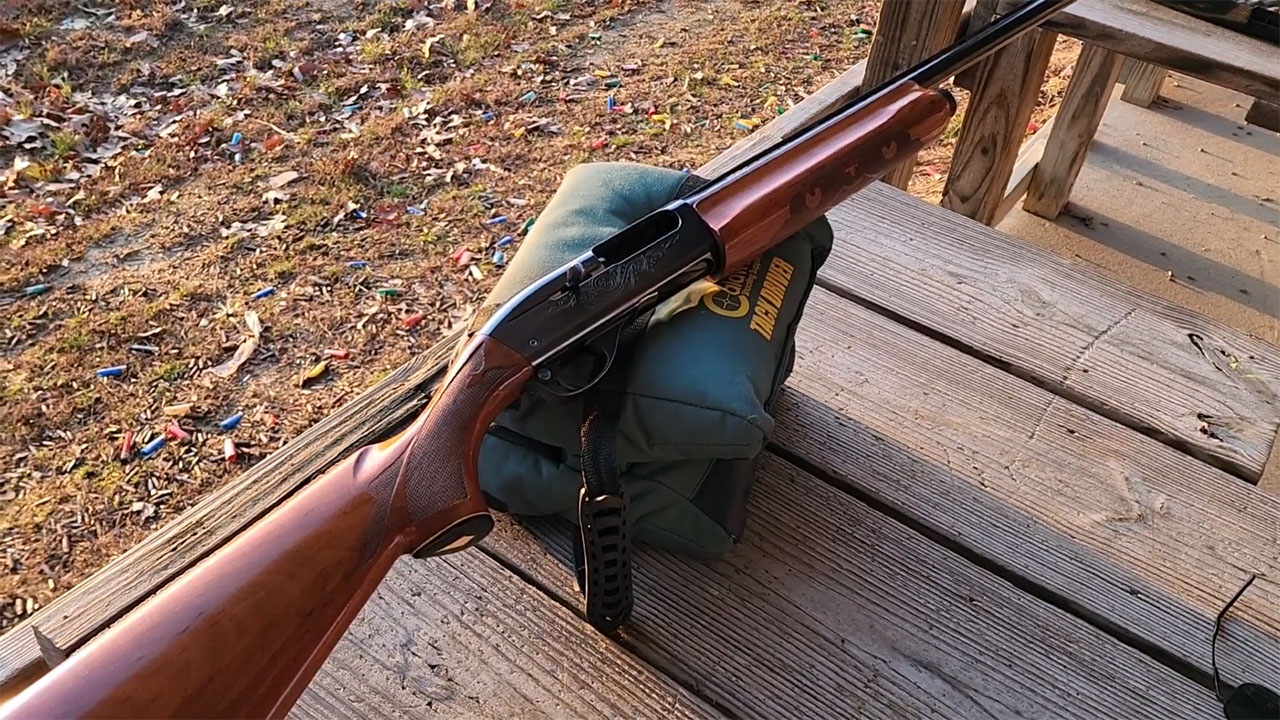
The 1100 is still one of the softest-shooting shotguns a lot of folks ever owned. It’s not perfect. O-rings and maintenance are part of the deal. But a good 1100 with a clean gas system and the right barrel is a joy on clays and a steady performer in the field. They balance well and they don’t beat you up.
The secondary market is strongest for the clean, un-hacked examples. Once someone cuts the barrel, drills things, or “tacticals” it up, the value usually drops. But a well-kept 1100 keeps moving because it fills a real role: affordable comfort and classic handling. Owners get quiet about value because it’s often the shotgun they learned to shoot on. Selling it feels like selling memories, and that tends to keep the good ones in the family longer than expected.
16. Remington 1187 (Police and early production)
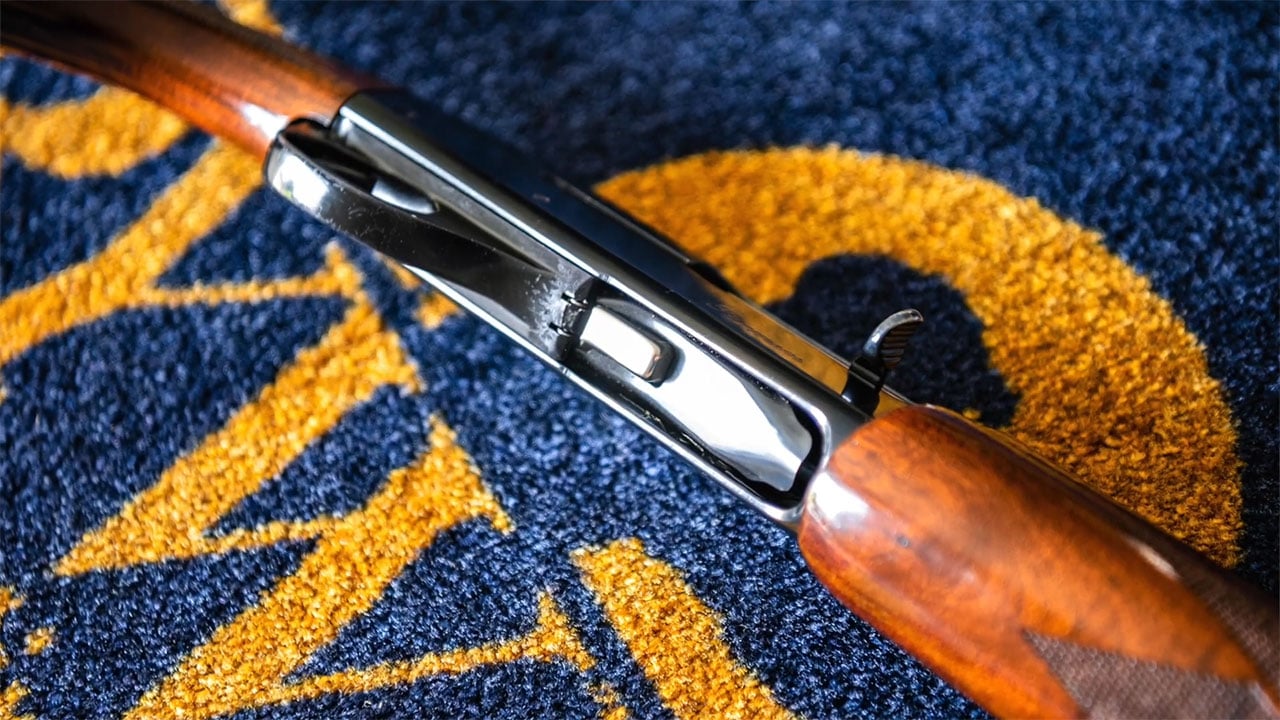
The 11-87 doesn’t get the same romance as the 1100, but it has its own little market, especially in certain configurations. The Police versions and early guns in good shape can be sleepers. They’re gas guns that can run well with the right care, and they make sense for someone who wants a semi-auto without paying new semi-auto prices.
What keeps the market quiet is that the 11-87 has a reputation that depends heavily on maintenance and setup. Some guys had trouble and never forgave it. Others ran them for years with no drama. That split means you can sometimes buy one reasonably—until you find the right buyer, and then the price firms up fast. Owners who have a good one don’t usually advertise it because they’ve heard all the jokes. They just keep shooting it.
17. Savage/Stevens 520 and 620 (old John Browning designs)
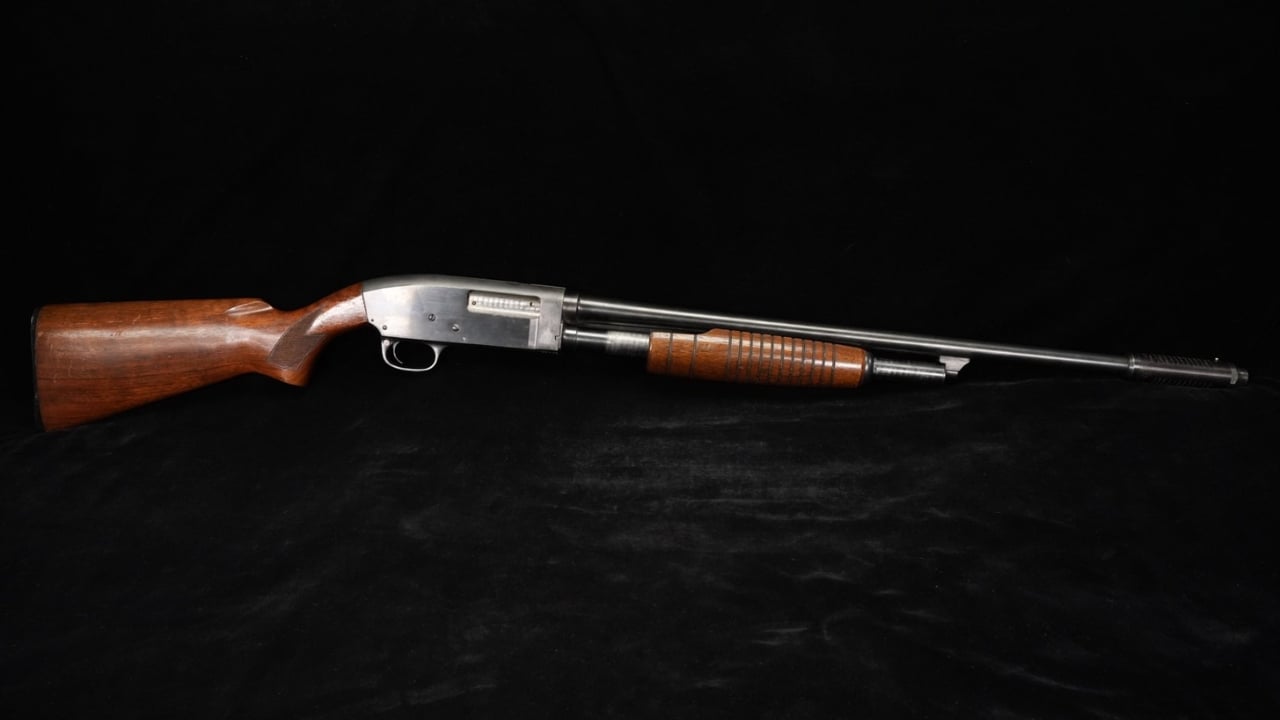
These old humpback-ish pumps don’t get talked about much, and that’s exactly why the secondary market exists. The 520 and 620 series have Browning DNA, and they were built in an era when steel and wood were the default. They can be slick, reliable, and surprisingly handy, especially the trench-gun style variants when they’re correct.
Condition and originality matter a lot, and that’s where owners go quiet. If you’ve got an honest old Stevens that still locks up tight and hasn’t been refinished badly, you’ve got something that will interest the right crowd. Parts aren’t as easy as modern pumps, which keeps casual buyers away and serious buyers focused. It’s not a shotgun you brag about at deer camp, but it’s one that can quietly bring strong money across a table.
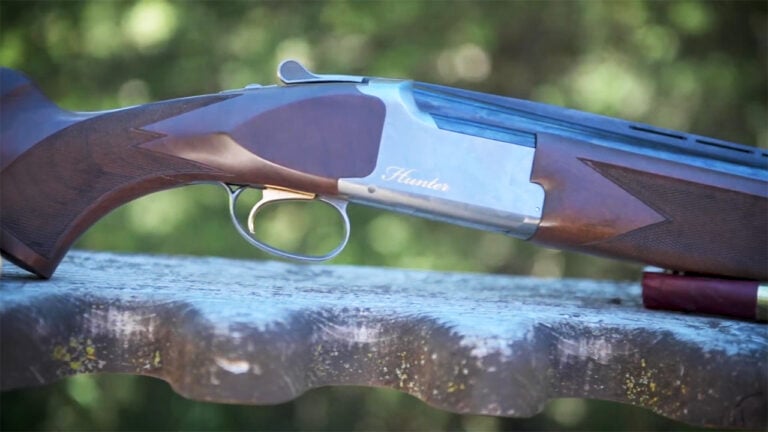
18. Browning Citori (older field and Superlight configurations)
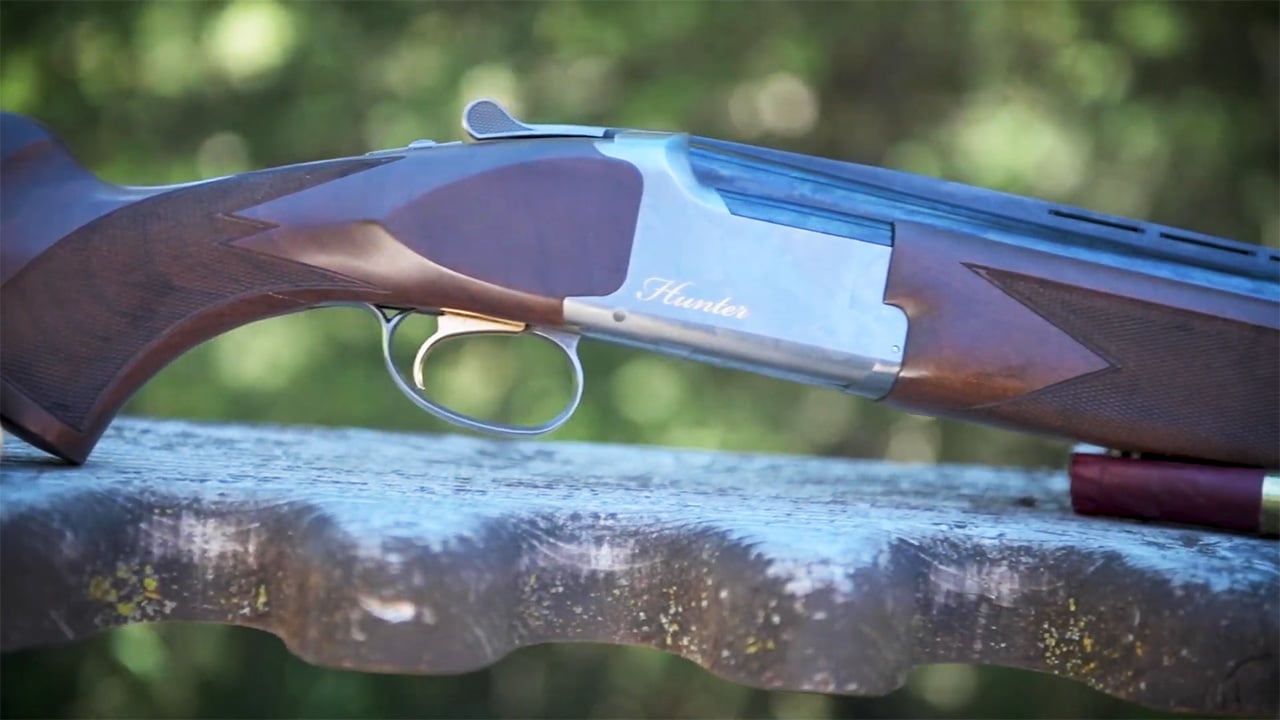
A good over/under is a “buy once, cry once” deal for a lot of hunters, and the Citori has been filling that role for decades. Older Citoris, especially lighter field setups, get traded quietly because they’re trusted. They’re not the cheapest way into an O/U, but they’re a safe bet when you actually hunt hard and don’t want a finicky gun.
The secondary market stays strong because fit and feel matter more than model-year hype. A Citori that balances right and locks up tight is hard to talk yourself out of. When someone finds one that fits, they’ll pay more than expected because they’re buying confidence. Owners don’t talk about it because it sounds like a rich-guy problem, but a used Citori that’s been cared for can be one of the smartest buys out there—and it rarely sits unsold for long.
19. Ruger Red Label (original production guns)
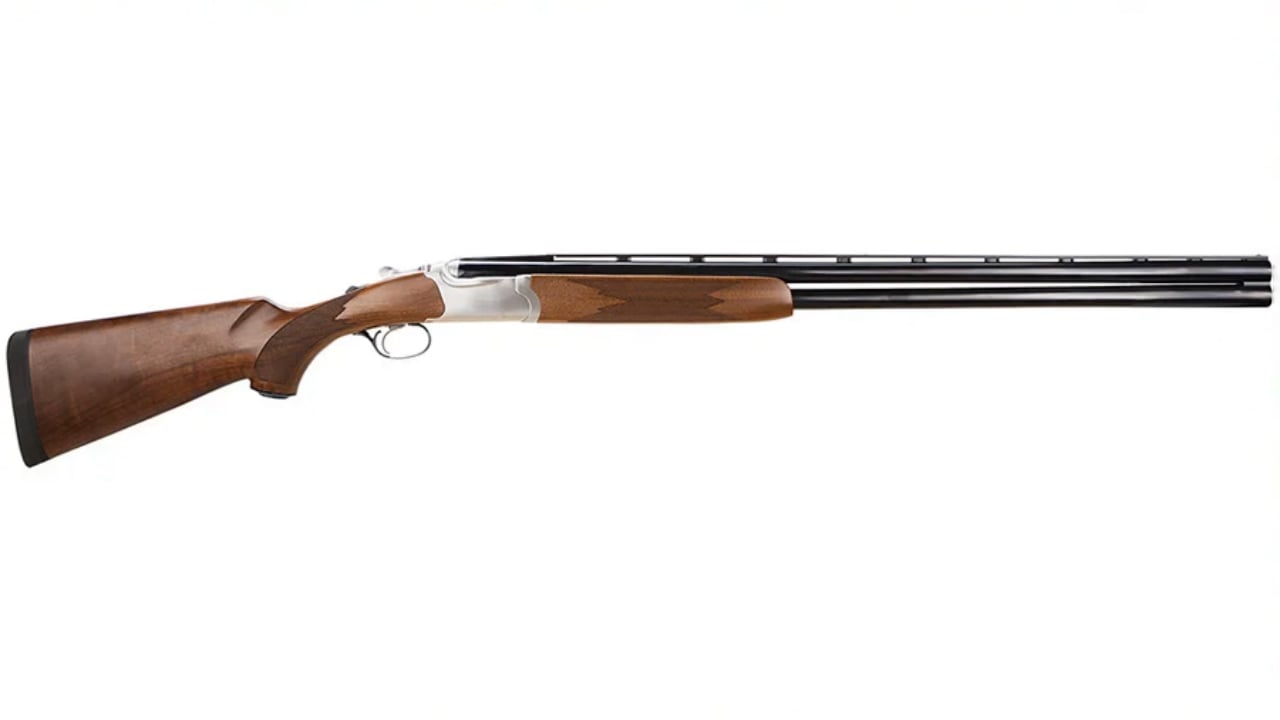
The Red Label is one of those American-made over/unders that got plenty of campfire debate over the years. They can feel chunky compared to some European guns, and they aren’t everyone’s idea of graceful. But they’re durable, they hunt well, and they have a loyal following—especially among folks who like buying American when they can.
Because production history has been uneven, clean original guns have a habit of bringing more than you’d expect when someone really wants one. They aren’t flooding the market, and buyers tend to be patient and specific. The quiet market shows up at small shops where a Red Label hits the rack and disappears before it ever gets posted online. Owners keep it to themselves because the gun is more “pride of ownership” than status symbol, and they don’t want a debate about whether it’s refined enough. It works.
20. Winchester Model 97 (original takedown and trench-gun interest)
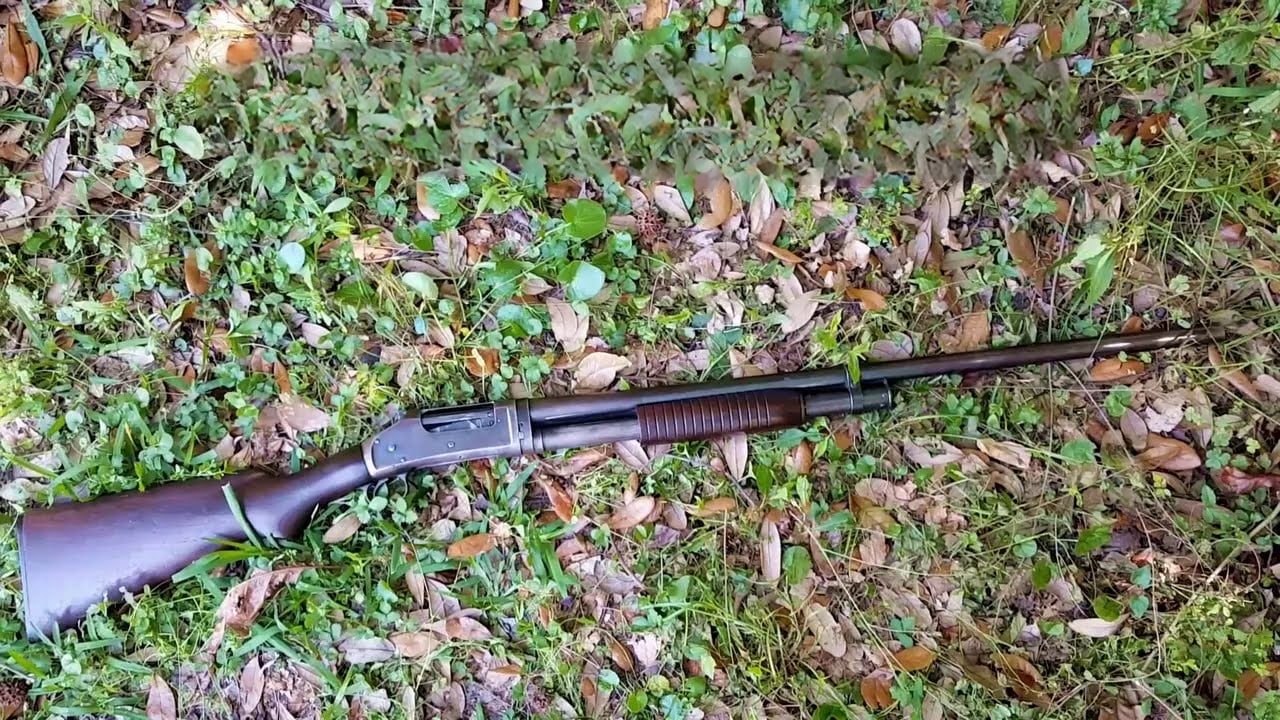
The Model 97 is not a modern-feeling shotgun. It’s got exposed mechanics, it can be rough around the edges, and it demands respect in handling. But it’s history you can shoulder, and that’s what fuels the market. Field guns bring one level of money, and correct martial-style configurations bring another. The gap between the two can be huge, and that’s where quiet deals happen.
The secondary market is driven by originality and verification. A clean takedown 97 with the right markings and parts draws attention from collectors fast. Even shooter-grade guns can sell well if they’re mechanically sound, because plenty of folks want a piece of the old days that still functions. Owners don’t talk about value because the moment you do, everyone starts “evaluating” it. If you’ve got one, you already know what it is, and you don’t need noise around it.
If you’ve got one of these sitting in the safe, you don’t need to turn into an amateur appraiser overnight. Just be honest about what you have, keep boxes and spare parts when you can, and don’t let somebody talk you into a lowball trade because “it’s just an old shotgun.” The quiet markets stay quiet for a reason: the people shopping in them already did their homework, and they’re ready to buy when the right gun shows up.
Like The Avid Outdoorsman’s content? Subscribe to our newsletter so you never miss an article.
Here’s more from us: