Photo credit: timotheos/Shutterstock.com
Deer are not armored animals, but they still deserve a real deer cartridge. A clean kill depends on enough bullet weight, penetration, expansion, and energy to reach the vitals from normal hunting angles. That is where some rifle calibers start looking shaky. They may work on paper, or they may have worked once under perfect conditions, but that does not make them smart deer-woods choices.
Some of these cartridges are excellent for small game, varmints, target shooting, or old-gun collecting. The problem is not that they are useless. The problem is that deer hunting gives hunters better options everywhere: .243 Winchester, 6.5 Creedmoor, 7mm-08 Remington, .270 Winchester, .308 Winchester, .30-30 Winchester, .30-06 Springfield, and plenty more. When those exist, there is no good reason to carry something marginal.
.17 HMR
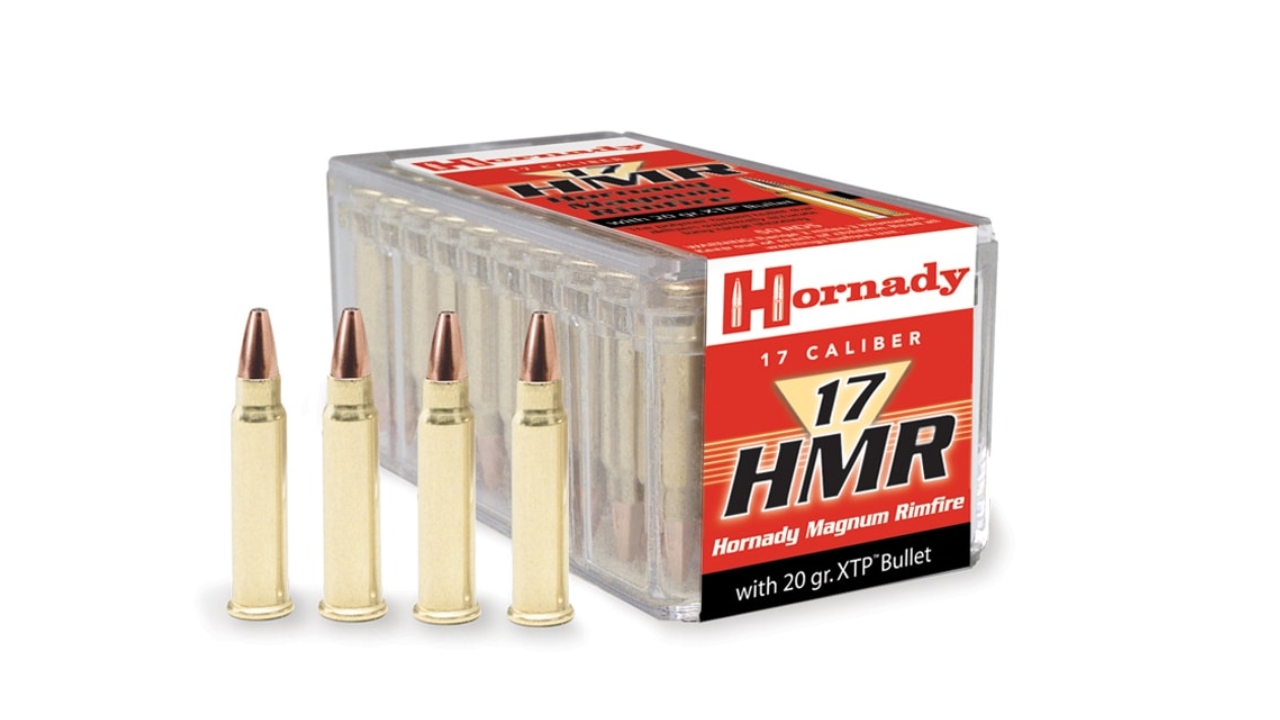
The .17 HMR is a great little varmint cartridge, but it has no place in the deer woods. It is flat-shooting, accurate, and nasty on squirrels, prairie dogs, rabbits, and small pests. That tiny bullet can make people overestimate what the round is capable of because it looks so impressive on small targets.
On deer, it is nowhere near enough. The bullet is too light, energy is too limited, and penetration is not built for reaching vitals through hide, muscle, and bone. A cartridge that performs beautifully on varmints can still be completely wrong for big game. The .17 HMR belongs in the small-game bag, not in a deer stand.
.22 Long Rifle

The .22 Long Rifle is one of the most useful cartridges ever made, but not for deer hunting. It is cheap, quiet, accurate enough, and perfect for small game and practice. That history sometimes causes people to talk about what a .22 can do with perfect placement, but that is the wrong standard for ethical deer hunting.
A deer rifle should give the hunter margin. The .22 LR gives almost none. It lacks the velocity, bullet weight, and penetration needed for reliable lung or heart shots under real field conditions. Even if it is legal somewhere for limited situations, it is still a poor choice. Deer deserve more than a tiny rimfire and a hope that everything goes perfectly.
.22 Winchester Magnum Rimfire

The .22 WMR hits harder than .22 LR, but that does not make it a deer cartridge. It is useful for small predators, raccoons, foxes, varmints, and certain farm or trapline tasks. It can be accurate and handy in a lightweight rifle, which is why some people want to stretch it.
That stretch is where the problem starts. The .22 WMR still fires light bullets with limited energy and penetration. On deer-sized animals, it does not provide the kind of consistent vital-zone performance responsible hunters should want. It may seem tempting for close shots, but close is not the same as adequate. This is still a small-game and varmint round.
.17 Winchester Super Magnum
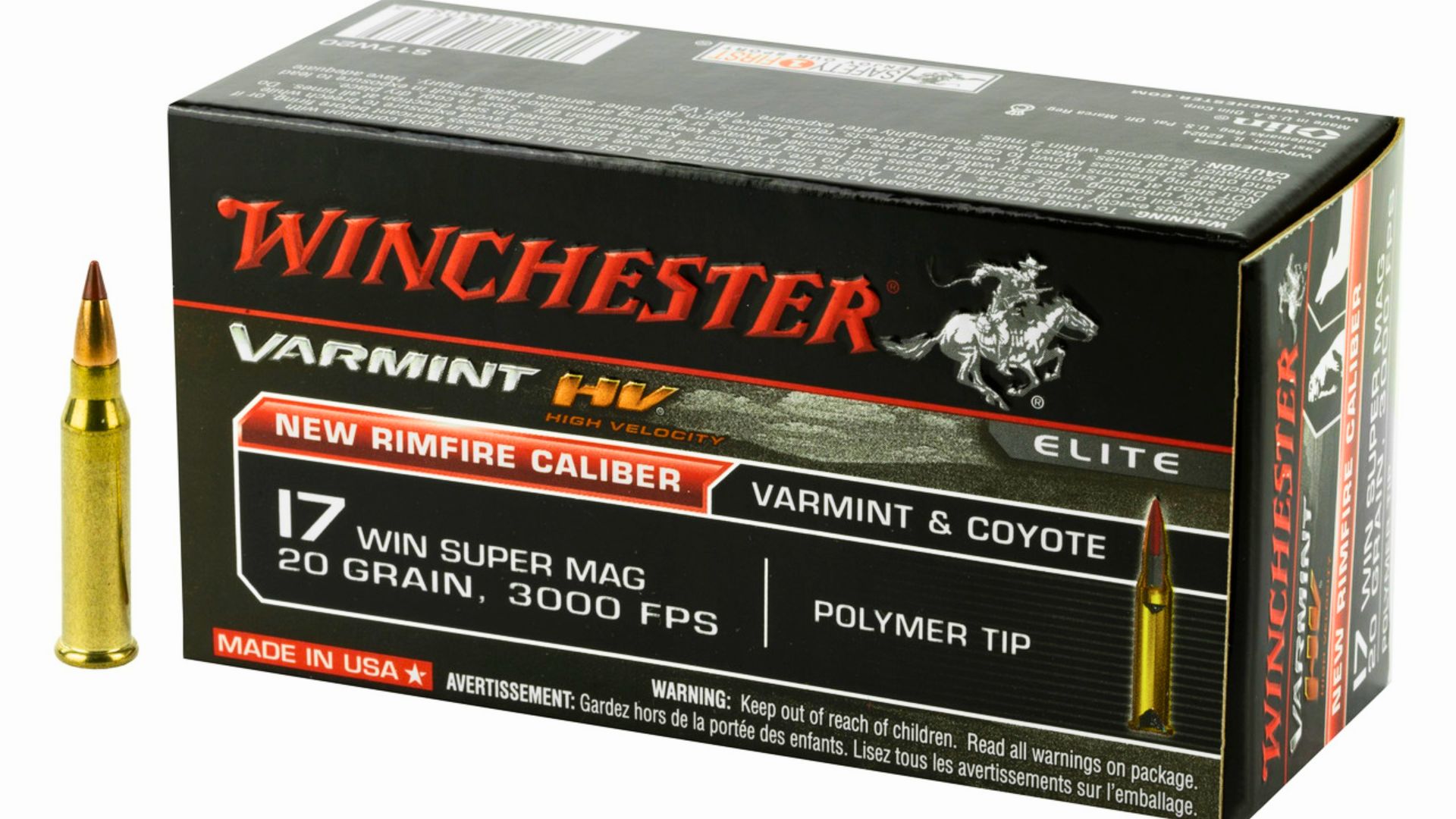
The .17 WSM is impressive for a rimfire. It shoots faster and hits harder than .17 HMR, and it extends the rimfire varmint role nicely. For prairie dogs, groundhogs, and small predators, it can be a very useful cartridge. That does not move it into deer territory.
The bullet is still tiny, and tiny bullets run out of authority quickly when they meet deer-sized animals. The .17 WSM can look powerful compared with other rimfires, but deer hunting should not be judged against rimfire standards. It is a good varmint round. It is a bad deer-woods choice.
.22 Hornet

The .22 Hornet has charm, especially in old rifles and light varmint guns. It is mild, quiet compared with bigger centerfires, and effective on small predators and pests at modest ranges. It feels more serious than a rimfire, which is why some hunters may wonder if it can do more.
For deer, it does not offer enough margin. The .22 Hornet starts with modest energy and uses light bullets that are not ideal for deep penetration. Shot placement would have to be perfect, range short, and bullet choice careful, and even then better options are everywhere. A deer cartridge should not require that many excuses before the hunt starts.
.218 Bee
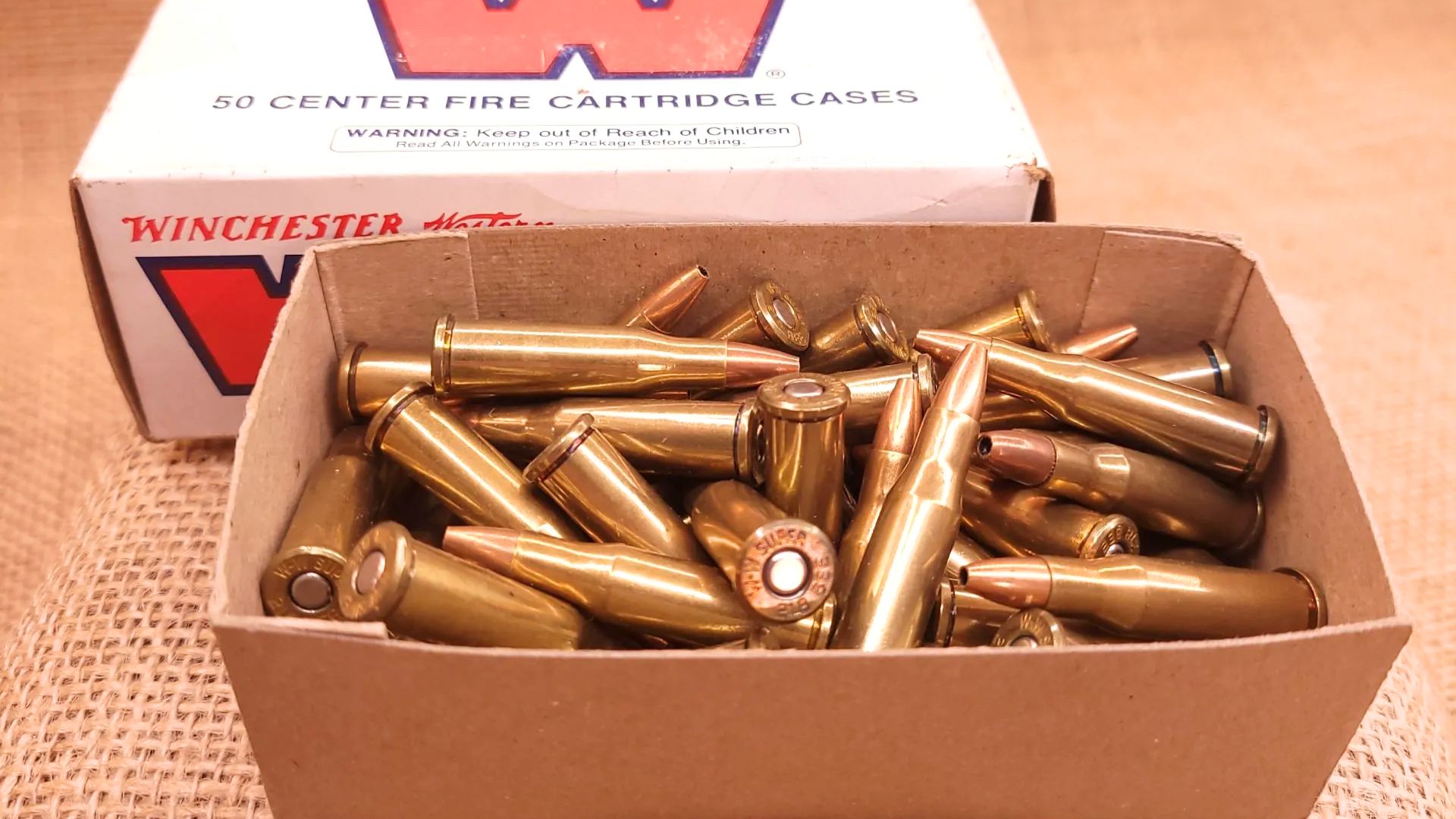
The .218 Bee is another old small-bore centerfire that works far better on varmints than deer. It has nostalgic appeal and can be fun in classic rifles, especially for hunters who enjoy older cartridges. On small game and pests, it can still do useful work.
But in the deer woods, it is simply too light. The cartridge does not bring the bullet weight, energy, or penetration needed for consistent, ethical kills. Its best qualities are low recoil, mild report, and small-game usefulness. None of those make up for the lack of authority on whitetails. The .218 Bee belongs in a varmint field, not over a deer scrape.
.25-20 Winchester

The .25-20 Winchester has historical value, but it should not be treated like a modern deer cartridge. It was once used for small game, pests, and light utility work. In old lever guns, it has plenty of charm. That does not mean it belongs in a deer blind today.
The problem is power and penetration. The .25-20 is modest even by old standards, and modern hunters have too many better choices to justify it on deer. Ammunition is also not exactly convenient or cheap for most people. If someone wants to carry a vintage rifle for nostalgia, that is one thing. For serious deer hunting, this cartridge is past its usefulness.
.32-20 Winchester

The .32-20 Winchester is another old cartridge that is better remembered than relied on. It can be enjoyable in vintage rifles and revolvers, and it had a real place in small-game and farm use years ago. But deer hunting has moved well beyond what it offers.
A .32-20 simply does not provide enough clean-kill margin on deer. Energy is limited, bullet choices are narrow, and ammunition availability is not strong enough to make it practical. It may be fun for collectors and old-gun shooters, but deer woods are not the place to prove a point with a cartridge that better options replaced long ago.
.25-35 Winchester

The .25-35 Winchester has killed deer, and that is part of why some people still defend it. In the right rifle, at close range, with careful shot placement, it can work. The issue is that “can work” is not the same as “should be in the deer woods.”
Compared with more common deer cartridges, the .25-35 gives up too much margin. It is mild, limited in energy, and not widely supported with modern ammunition choices. A hunter carrying one is choosing nostalgia over practicality. When .30-30 Winchester exists in the same classic lever-action world, the .25-35 becomes hard to justify.
.30 Carbine
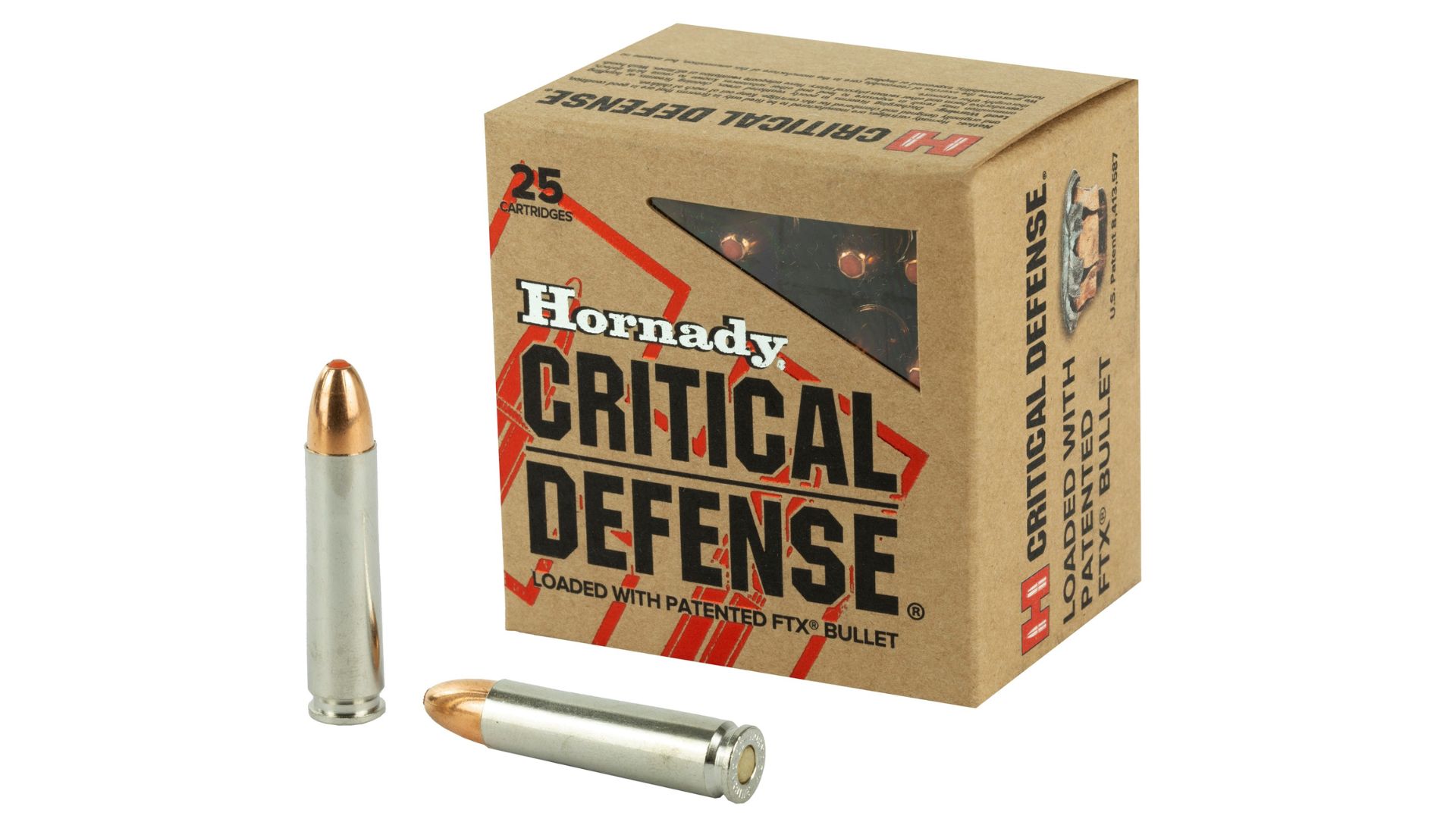
The .30 Carbine is fun and historically important, especially in the M1 Carbine. It is light recoiling, easy to shoot, and handy in the woods. Those traits can make it feel like a tempting short-range deer option to some hunters.
The problem is terminal performance. The .30 Carbine sits in an awkward space between handgun power and true deer-rifle power. Bullet selection is limited, and it does not offer the penetration or energy most hunters should want on whitetails. It may be enjoyable as a historical rifle cartridge, but it should not be chosen over proper deer rounds.
.223 Remington with lightweight varmint loads

The .223 Remington is legal for deer in some places and can work with the right bullets. That distinction matters. The cartridge itself is not automatically worthless on deer. The problem is carrying lightweight varmint loads into the deer woods and acting like speed alone solves everything.
Varmint bullets are often designed to expand violently on small animals. On deer, they can come apart too soon and fail to drive into the vitals from anything but ideal angles. If a hunter insists on using .223 for deer where legal, it should be with strong controlled-expansion or bonded bullets. Light varmint loads should not be anywhere near the deer stand.
.22-250 Remington with varmint loads

The .22-250 Remington is a fantastic predator and varmint cartridge. It is fast, flat, and devastating on coyotes and prairie dogs. But that speed can trick hunters into thinking it is automatically enough for deer. The bullet matters as much as the velocity.
With lightweight varmint bullets, the .22-250 can be a poor deer choice. Those bullets may expand too fast, fragment, and fail to penetrate deeply enough. Some hunters use tougher bullets where legal, but that is a very specific setup. The average .22-250 varmint load belongs in coyote country, not deer woods.
.204 Ruger
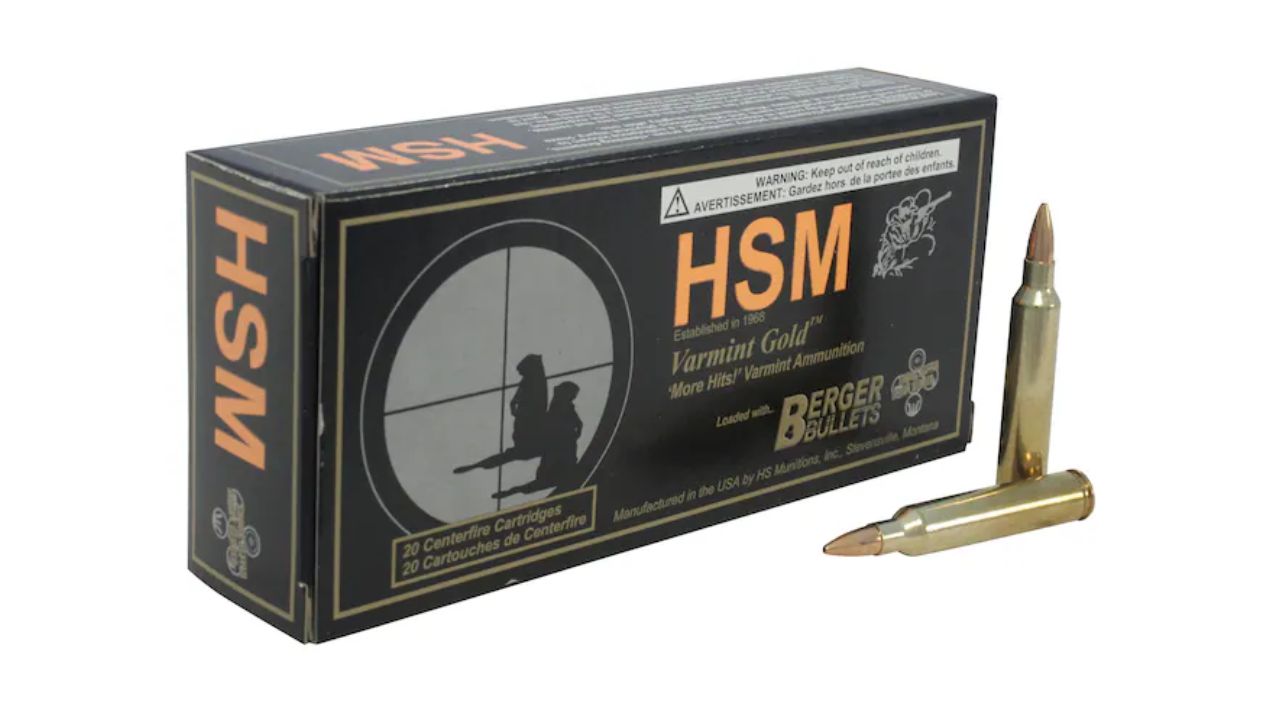
The .204 Ruger is a high-speed varmint cartridge, not a deer round. It is excellent for prairie dogs, coyotes, and small predators when a flat trajectory and low recoil matter. The cartridge was built for small targets, and it performs well in that lane.
On deer, the .204 Ruger is far too light. The bullet diameter, bullet weight, and terminal design are all wrong for dependable penetration on big game. It may be fast, but speed does not magically turn a tiny varmint bullet into a deer bullet. This is one of the clearest cartridges that should stay out of the deer woods.
.17 Remington

The .17 Remington is fast, interesting, and useful for certain varmint hunters who like tiny bullets at high velocity. It has a cult following among people who appreciate small-caliber centerfires. That does not make it a deer cartridge.
The bullet is much too light for the job. Even with impressive velocity, the .17 Remington is built around explosive performance on small animals, not deep vital-zone penetration on deer. Hunters should not confuse flat trajectory with killing authority. It is a specialized varmint round, and deer hunting is not its specialty.
.221 Remington Fireball

The .221 Remington Fireball is a neat little cartridge with real value for varmint shooting and compact rifles. It is efficient, mild, and accurate. It also has enough centerfire character to feel more capable than rimfires or tiny handgun rounds.
But it is still not a deer-woods cartridge. Bullet weight and energy are limited, and the round was never built for large-game penetration. A hunter could imagine perfect conditions where it might work, but ethical cartridge choice should not depend on perfect conditions. The .221 Fireball is interesting and useful, just not for whitetails.
.300 Blackout subsonic loads
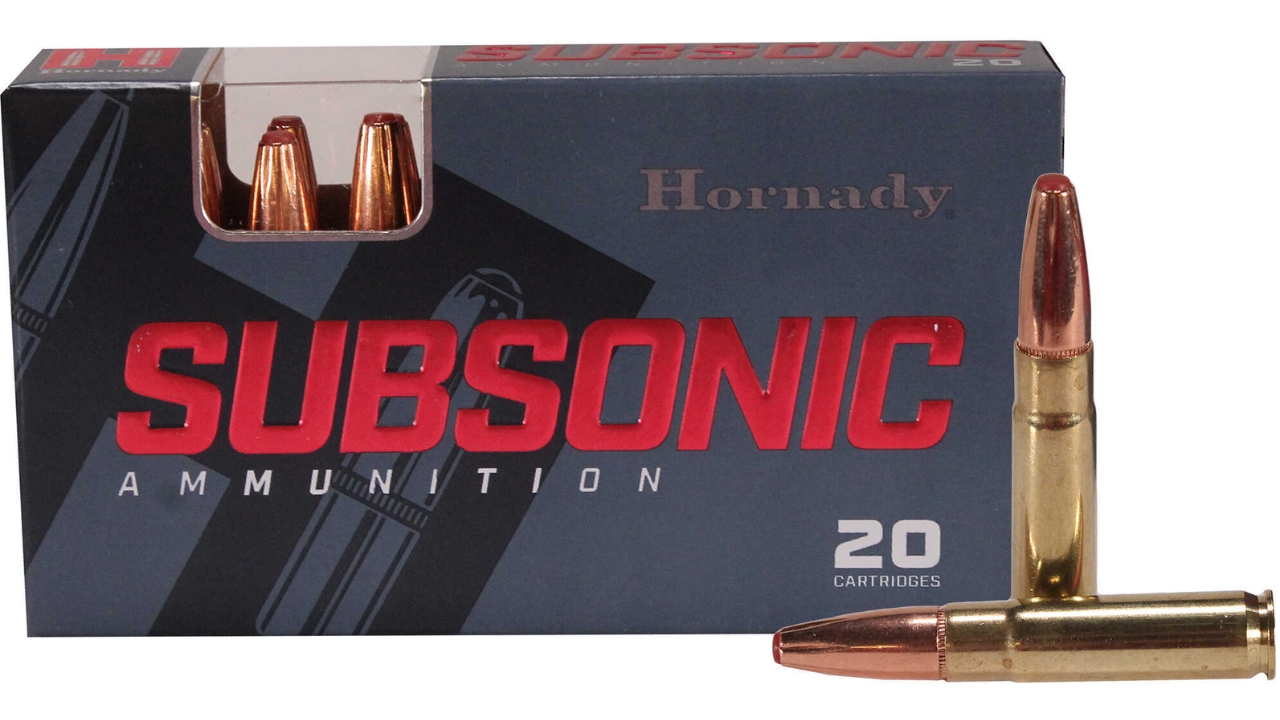
The .300 Blackout causes confusion because it fires a .30-caliber bullet, and that sounds deer-capable. With the right supersonic hunting load at modest ranges, it can be used effectively. Subsonic loads are a different story and should not be treated like normal rifle ammunition.
A heavy bullet moving slowly does not automatically create reliable deer performance. Many subsonic loads fail to expand consistently unless built specifically for that purpose, and even then range and shot placement matter heavily. Quiet does not matter if the bullet does not do enough damage through the vitals. Subsonic .300 Blackout should not be a default deer-woods choice.
7.62×25 Tokarev carbines

The 7.62×25 Tokarev is fast for a pistol cartridge, and in a carbine-length barrel it can seem more impressive than expected. It is fun, loud, and historically interesting. But it is still a pistol-class cartridge, not a deer round.
Velocity alone does not make up for light bullets and limited terminal performance. A carbine chambered in 7.62×25 might be enjoyable on the range or useful for niche collecting, but it should not be carried for deer. Whitetails deserve a cartridge built for penetration and clean expansion, not a surplus handgun round stretched into rifle use.
9mm carbines

A 9mm carbine can be useful for range work, home defense, and cheap practice. It is easier to shoot well than a handgun and can pick up some velocity from a longer barrel. That does not make it a responsible deer rifle.
The 9mm is still a pistol cartridge with limited energy and bullet design focused mainly on defensive use. It does not give the hunter the penetration, trajectory, or margin of a real deer cartridge. Even at close range, better options are easy to find. A pistol-caliber carbine may be handy, but handy is not enough for deer hunting.
.357 Magnum rifles with light defensive hollow points

A .357 Magnum rifle can be a legitimate short-range deer option with the right loads. Out of a carbine, the cartridge gains useful velocity, and heavy soft points or hard-cast bullets can do real work. The problem is using light defensive hollow points that were never meant for deer.
Those bullets may expand too quickly and fail to penetrate deeply, especially if shoulder or angle is involved. The rifle may be capable, but the wrong ammunition ruins the setup. If .357 Magnum is going into the deer woods, it needs proper hunting loads. Light defensive ammo should stay at home.
.44 Magnum rifles with light hollow points
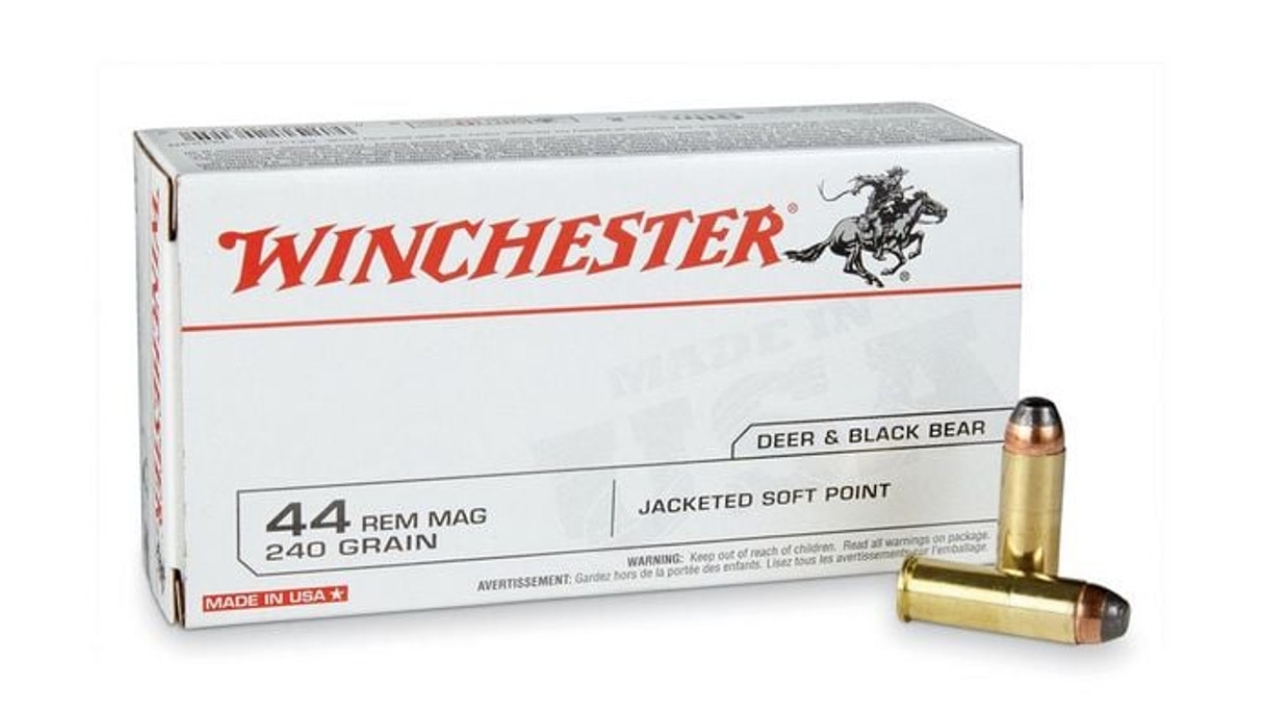
A .44 Magnum rifle can absolutely be useful for close-range deer hunting. In thick woods or straight-wall states, it has a real place. But like the .357, it depends heavily on bullet choice. Light hollow points designed for defensive use can be a poor match for deer.
The .44 Magnum has enough power, but power does not help if the bullet opens too fast and stops short. For deer, hunters should use controlled-expansion soft points, bonded bullets, or other loads designed to drive deep. A .44 rifle is not the issue. Carrying the wrong load into the deer woods is.
.45 Colt rifles with cowboy loads

A .45 Colt lever-action rifle can be a serious short-range hunting tool when loaded properly in a strong rifle. The cartridge has plenty of potential in modern loadings. The problem is mild cowboy-action ammunition, which is designed for soft recoil and fast shooting at steel targets.
Those loads are not deer loads. They are too mild, too slow, and too limited in terminal performance for responsible hunting. The .45 Colt name covers a huge range of power levels, and hunters need to know exactly what they are carrying. Cowboy loads belong at the range, not in the deer woods.
.410 bore slugs from small combo guns

A .410 slug can kill deer under close, careful conditions, but it is one of the weakest choices a hunter can make when better options exist. Small combo guns and lightweight .410 setups may be handy, but handiness does not solve the energy and projectile limitations.
The .410 slug gives very little margin for angle, distance, or bone. It may be legal in some places and useful in very narrow scenarios, but it is not a cartridge or bore that inspires confidence on deer. If the hunt is serious, a 20 gauge, 12 gauge, .30-30, .243, or straight-wall rifle cartridge makes far more sense.
Like The Avid Outdoorsman’s content? Be sure to follow us.
Here’s more from us: