

Photo credit: 22rim/GunBroker
Some pistols age well. They keep earning their price because the design still works, the support is strong, and owners keep trusting them. Others keep hanging around at prices that feel harder to defend every year. They may not be bad guns, but the market has moved, and better options now exist for the same money or less.
That is what makes full price hard to swallow. A pistol can be reliable, familiar, or even likable and still be overpriced for what it offers today. If a gun gives up capacity, shootability, optics support, trigger quality, parts availability, or long-term value, buyers should start asking why they are still paying new-gun money for an old argument.
Glock 43
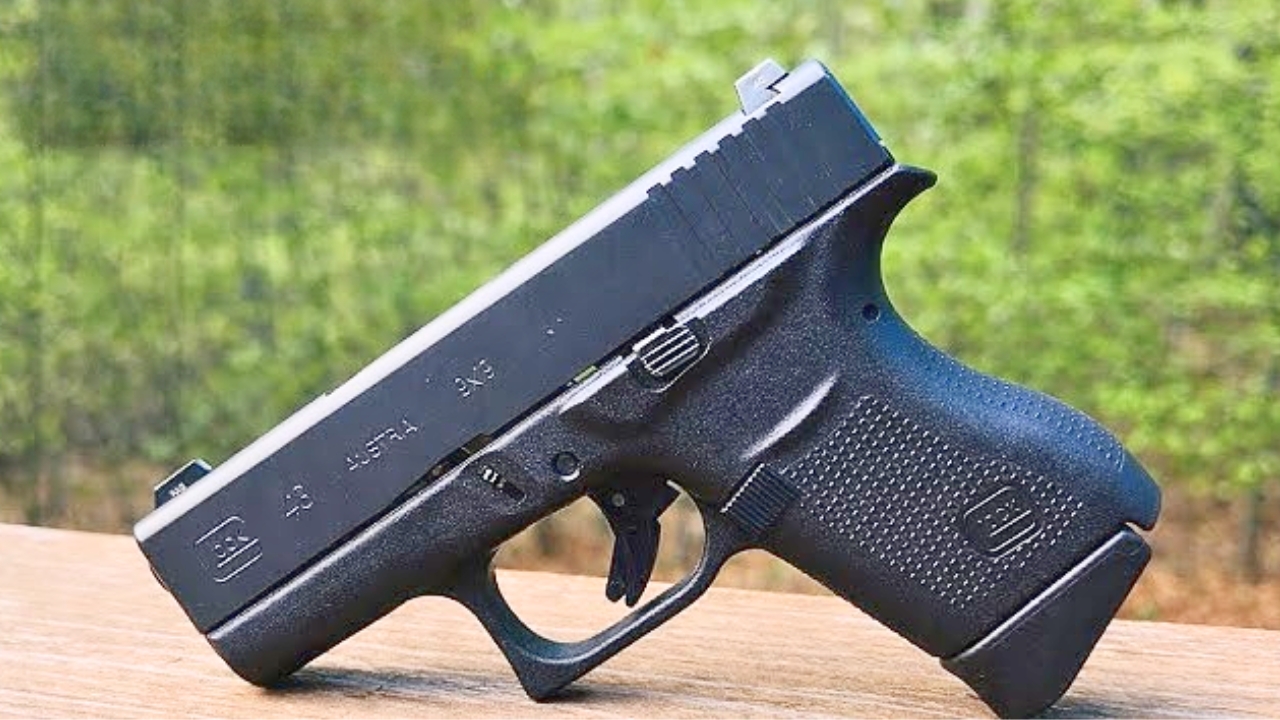
The Glock 43 made sense when it arrived because shooters had waited a long time for a slim Glock 9mm. It was reliable, easy to carry, and backed by the kind of holster and aftermarket support Glock owners expect. At the time, it filled a real gap in Glock’s lineup.
The problem is that the market has passed it hard. The standard magazine capacity looks weak beside newer micro-compacts, and the tiny grip does not make it especially fun to shoot. It is still a dependable little pistol, but paying full price for one today is tough when the SIG Sauer P365, Smith & Wesson Shield Plus, Springfield Hellcat, and other options give buyers more gun for the money.
Glock 43X

The Glock 43X is comfortable, slim, and easy to carry, but it is also one of the clearest examples of a pistol that gets too much help from the logo. It feels better in the hand than the original Glock 43 and gives shooters a longer grip, which makes it easier to control. Those are real advantages.
Still, the factory capacity is hard to defend at full price. In a world full of slim carry pistols with higher capacity from the factory, the 43X feels like Glock asking buyers to accept less because it says Glock on the slide. It can be a good carry gun, but it should not be priced like it is still ahead of the category.
Kimber Micro 9

The Kimber Micro 9 sells on looks, metal-frame appeal, and the idea of a classy small carry pistol. It is easy to understand why people pick it up at the counter. It looks nicer than most polymer carry guns and gives shooters a 1911-inspired feel in a tiny package.
That does not mean it deserves full price without question. Capacity is limited, the gun is small enough to be demanding, and plenty of modern carry pistols are easier to shoot, easier to support, and more practical. The Micro 9 has charm, but charm should not cost more than performance. For many buyers, the money is better spent on something less pretty and more useful.
SIG Sauer P938

The SIG Sauer P938 has a loyal following because it is small, metal-framed, and carries the SIG name. It feels like a premium pocket 9mm, and for shooters who like single-action controls, it has real appeal. It also looks and feels more refined than many tiny polymer pistols.
The issue is that the current carry market makes the P938 harder to justify at full price. Capacity is limited, the short grip can be hard to manage, and the manual safety requires consistent training. Newer micro-compacts offer more rounds and often better practical shootability. The P938 is nice, but nice is not enough when the price stays high and the competition keeps improving.
Springfield Armory XD-S Mod.2

The Springfield Armory XD-S Mod.2 still has fans, but it feels stuck in a previous carry era. It was built around the slim single-stack idea, and that made more sense before higher-capacity micro-compacts became normal. The pistol is easy enough to carry, but it does not offer the same value it once did.
At full price, the XD-S Mod.2 is hard to defend. Capacity is limited, the grip safety still turns off some buyers, and the pistol does not shoot so much better than newer options that the tradeoff feels worth it. It can work, but working is not enough anymore. A carry pistol needs to justify its place against stronger modern choices.
Walther PPS M2

The Walther PPS M2 is a good pistol that suffers from bad timing. It is slim, comfortable, and more pleasant to shoot than many tiny carry guns. If this were still the old single-stack carry market, it would look much stronger than it does today.
The problem is full-price value. The PPS M2 gives up capacity without being dramatically easier to conceal than newer higher-capacity pistols. It still has a nice trigger and good ergonomics, but buyers paying new-gun money are right to ask what they are gaining. It deserves respect, but it also deserves a discount in the current market.
Beretta Pico

The Beretta Pico was built around extreme thinness, and that made it interesting for deep concealment. It came from a respected brand and offered a very flat profile that pocket-carry buyers could understand immediately. As a concept, it had a clear purpose.
As a full-price pistol today, it is a rougher sell. The trigger, tiny grip, and overall shooting experience are not strong enough to compete with better pocket pistols and compact .380s. Being thin matters, but it is not the only thing that matters. A pistol that is easy to hide but hard to enjoy practicing with should not command premium attention.
Taurus Curve

The Taurus Curve was one of those pistols that got attention because it looked different. The curved frame was meant to fit the body better for concealed carry, and the built-in light and laser concept sounded futuristic. It was a pistol built around a hook.
That hook did not age well. The Curve is too odd, too limited, and too dependent on a gimmick that most shooters did not really need. At anything close to full price, it makes no sense when conventional carry pistols are easier to shoot, easier to holster, and easier to support. Different is not the same as better, and the Curve proved it.
Remington R51

The Remington R51 had an interesting concept, but the pistol’s reputation never recovered the way Remington needed it to. It looked distinctive, promised soft recoil, and brought back an old operating idea in a modern compact pistol. There was a moment where it seemed like it might become something special.
Then real-world confidence became the problem. Reliability complaints and quality concerns made buyers cautious, and that kind of reputation is hard to erase. At full price, the R51 is a bad bet because trust matters more than novelty in a defensive pistol. A clever design is not worth much if buyers are not confident enough to carry it.
Colt Mustang

The Colt Mustang has pocket-pistol charm, and the Colt name helps it more than people admit. It is small, light, and appealing to shooters who like tiny single-action pistols. As a collector-adjacent carry gun, it has a certain personality that polymer .380s lack.
As a practical full-price buy, it is harder to justify. Capacity is limited, the manual of arms takes commitment, and modern .380 and 9mm pistols offer more capability for the money. The Mustang is cool, but full price should buy more than cool. Unless someone specifically wants the Colt experience, there are smarter carry choices.
Smith & Wesson CSX

The Smith & Wesson CSX should have been a bigger deal. It offered an aluminum frame, good capacity, compact size, and a hammer-fired design in a market full of similar polymer strikers. On paper, it looked like something different in a good way.
The problem is that the execution did not fully match the promise for many shooters. Trigger feel became a common complaint, and the pistol never built the kind of momentum its specs suggested. It is not a bad gun, but full price feels optimistic when buyers can get more proven carry pistols with better support and stronger reputations.
SCCY CPX-2

The SCCY CPX-2 has sold because it is affordable, simple, and easy to find. For buyers with a strict budget, that matters. A low-cost defensive pistol can be better than no pistol, and the CPX-2 has appealed to people who just needed something they could afford.
That does not mean it should be selling at full new-gun price when better budget options exist. The trigger is long, the recoil feel is not great, and the pistol does not inspire the same confidence as stronger entry-level choices. If the price is extremely low, it has an argument. At full price, buyers should look hard at used Glocks, police trade-ins, Rugers, Caniks, or Smith & Wessons before settling.
Taurus G2C

The Taurus G2C became popular because it gave budget buyers a compact 9mm with decent capacity at a low price. It helped Taurus regain some attention, and plenty of owners have used them successfully. Its appeal was always value.
That is exactly why full price matters. If the G2C is not noticeably cheaper than better-supported pistols, its strongest argument fades. The trigger, finish, and long-term reputation still lag behind stronger options. It can make sense as a bargain, but it should not be priced like it is equal to more proven carry guns. The discount is part of the deal.
Ruger EC9s

The Ruger EC9s is a practical little pistol, but it was built to be affordable. The fixed sights, basic finish, and stripped-down design are part of the point. It exists for buyers who want a slim carry 9mm without spending much money.
At full price, that formula becomes less attractive. The EC9s works best when it is clearly cheaper than more refined carry pistols. If the price creeps too close to the Ruger Max-9, Shield Plus, or other stronger options, the value weakens fast. It is not a bad pistol, but it should be priced like the budget gun it is.
Ruger LCP II
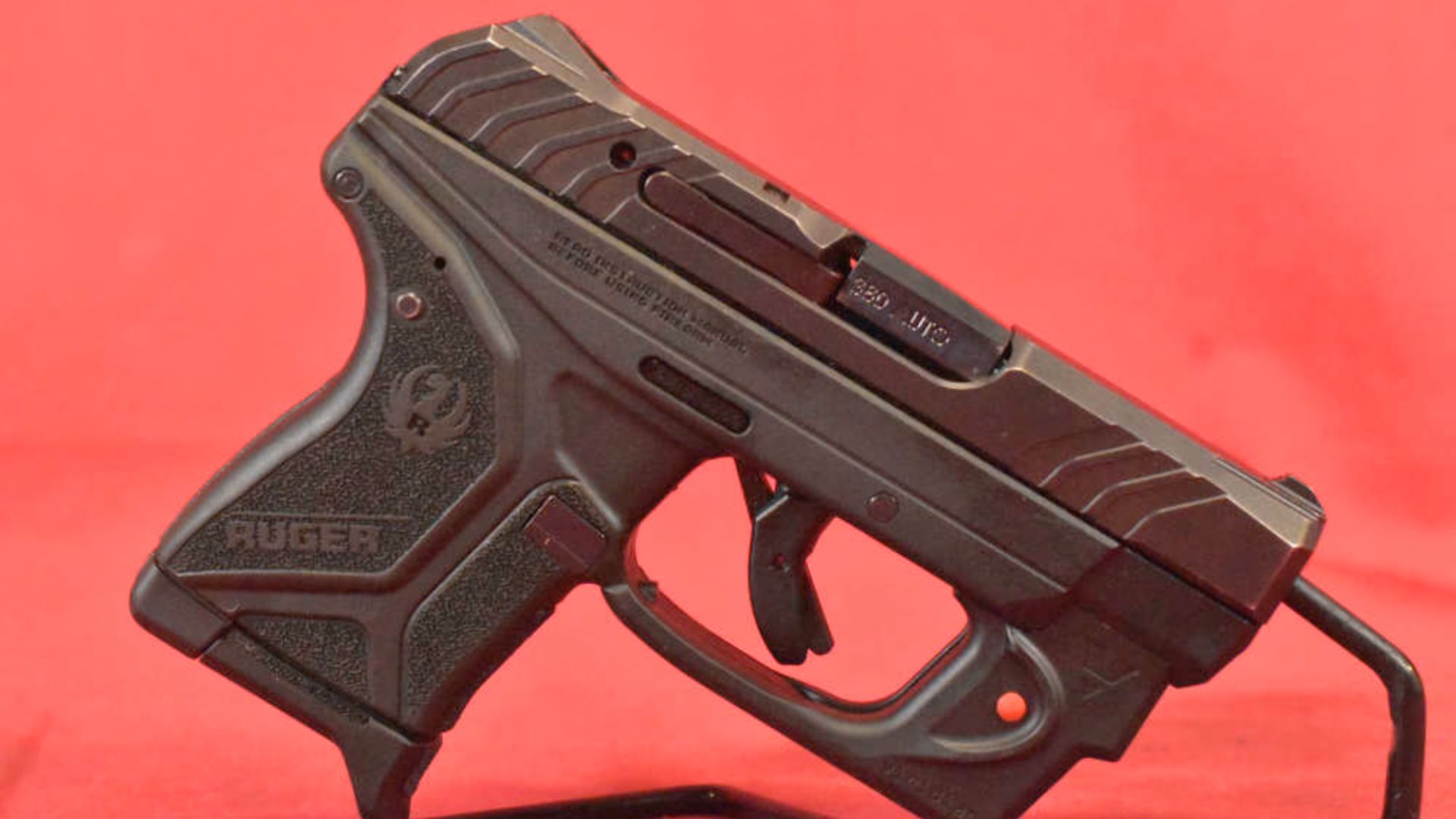
The Ruger LCP II improved on the original LCP with better sights, better trigger feel, and a more shootable design. It still makes sense as a tiny pocket .380 for deep concealment. The problem is that the LCP Max changed the conversation inside Ruger’s own lineup.
At full price, the LCP II is hard to choose over the Max. The LCP Max gives better capacity while staying pocketable, and that is a major advantage. The LCP II is still useful, but it feels like the older answer. Unless the price is clearly lower, buyers should not pay full money for the pistol that Ruger already improved on.
Bersa Thunder 380
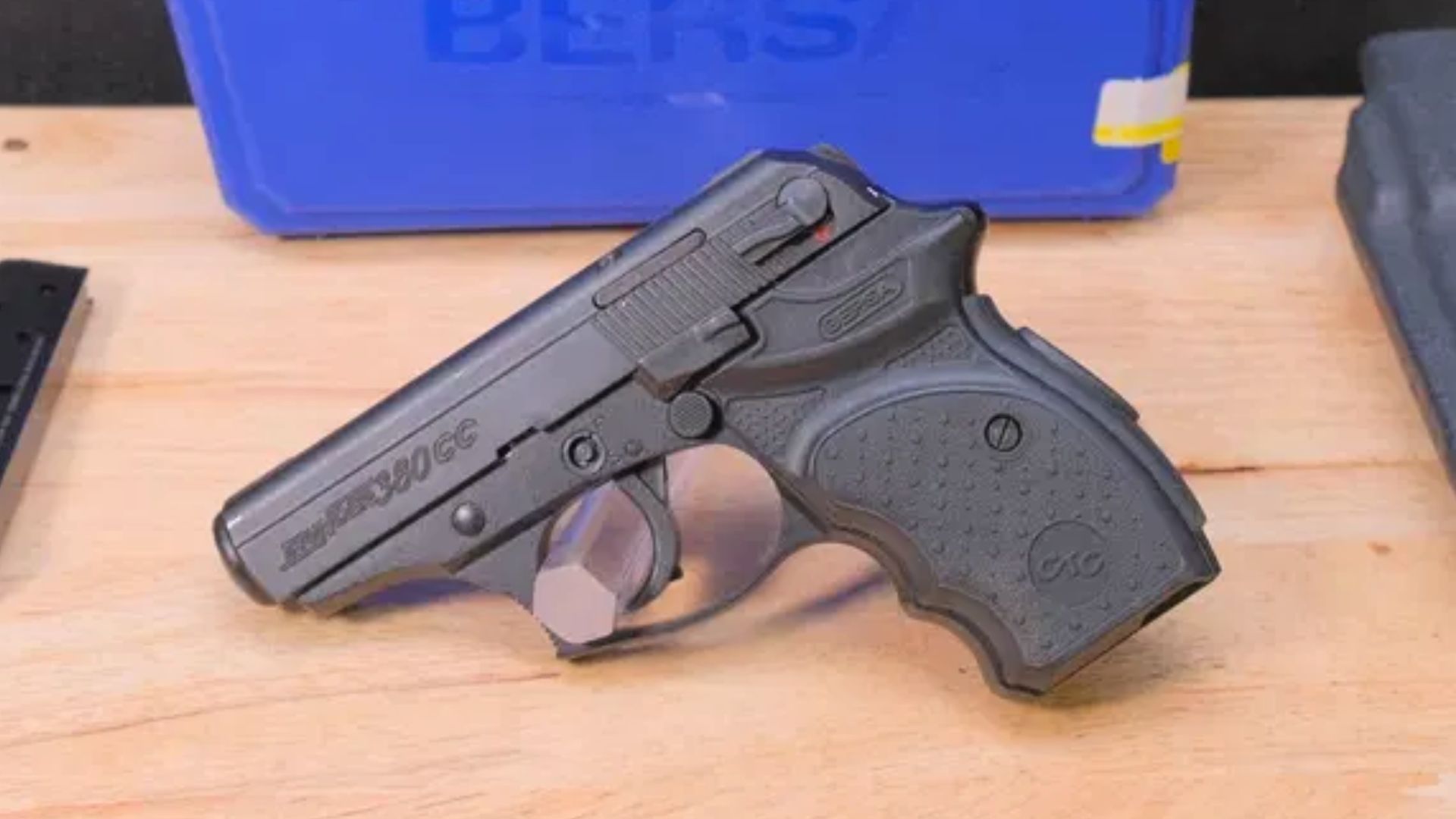
The Bersa Thunder 380 has earned a loyal following because it is affordable, soft-shooting, and more pleasant than many tiny .380 pistols. It has old-school appeal and works well for people who like DA/SA blowback pistols. It is a better gun than some critics admit.
Still, full price is where the argument gets weaker. It is larger than many modern carry .380s, heavier than pocket guns, and chambered in a round that now has to compete with small 9mm pistols. The Thunder 380 makes sense as a value buy. When it gets priced too close to newer, more capable carry guns, the nostalgia stops helping.
Kimber Solo

The Kimber Solo got attention because it looked like a premium small 9mm. It had smooth lines, a refined appearance, and the Kimber name behind it. For buyers tired of blocky polymer pistols, it seemed like a more upscale carry option.
The problem is that the Solo’s reputation never matched the image. Reports of ammunition sensitivity and reliability complaints made it a risky defensive choice for many shooters. At full price, that is unacceptable. A carry pistol can be pretty, but it has to earn trust first. The Solo is exactly the kind of gun that should be heavily discounted, not defended at premium money.
Springfield Armory 911
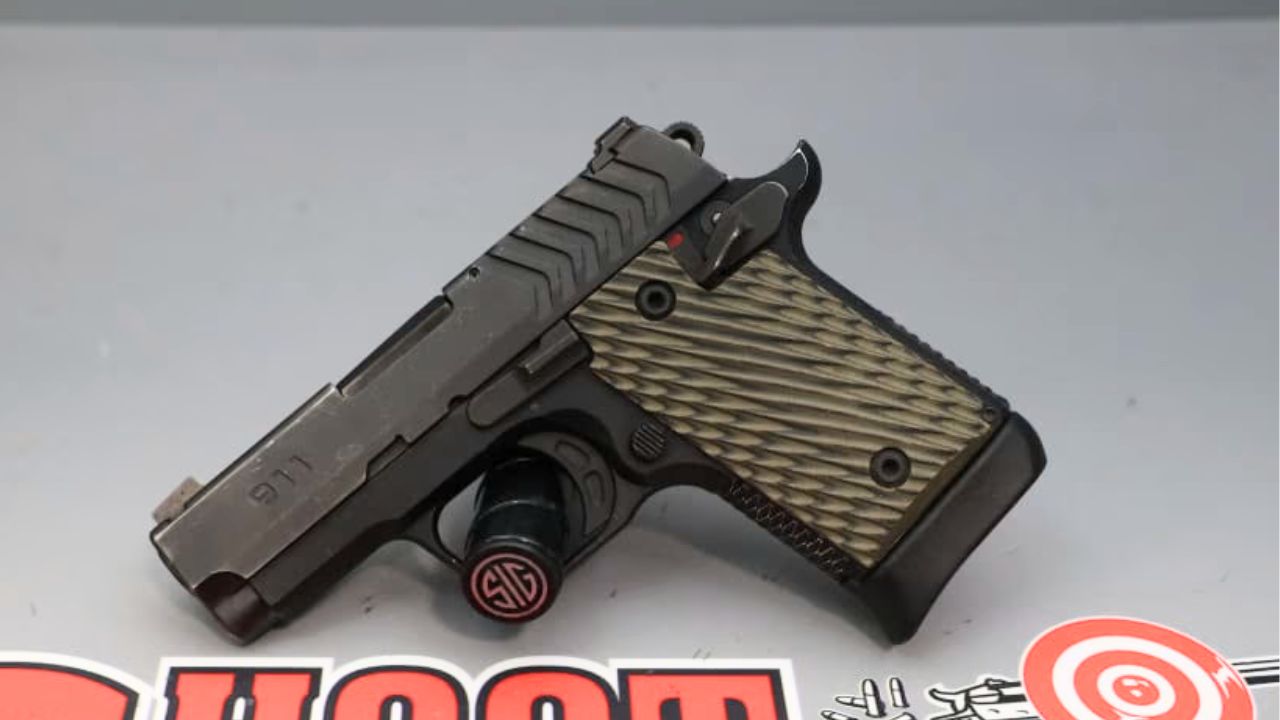
The Springfield Armory 911 is another small 1911-style pocket pistol that sells on familiarity and feel. It is easy to like at the counter because it is compact, metal-framed, and more stylish than many tiny polymer guns. For fans of pocket .380s and micro 9mm pistols, the appeal is obvious.
But full price is difficult to justify when the category has moved so far. Capacity is limited, the manual safety requires training, and larger micro-compacts now carry better while giving shooters more rounds and better control. The 911 may be charming, but charm should come with a lower price tag when performance is not leading the class.
FN 503
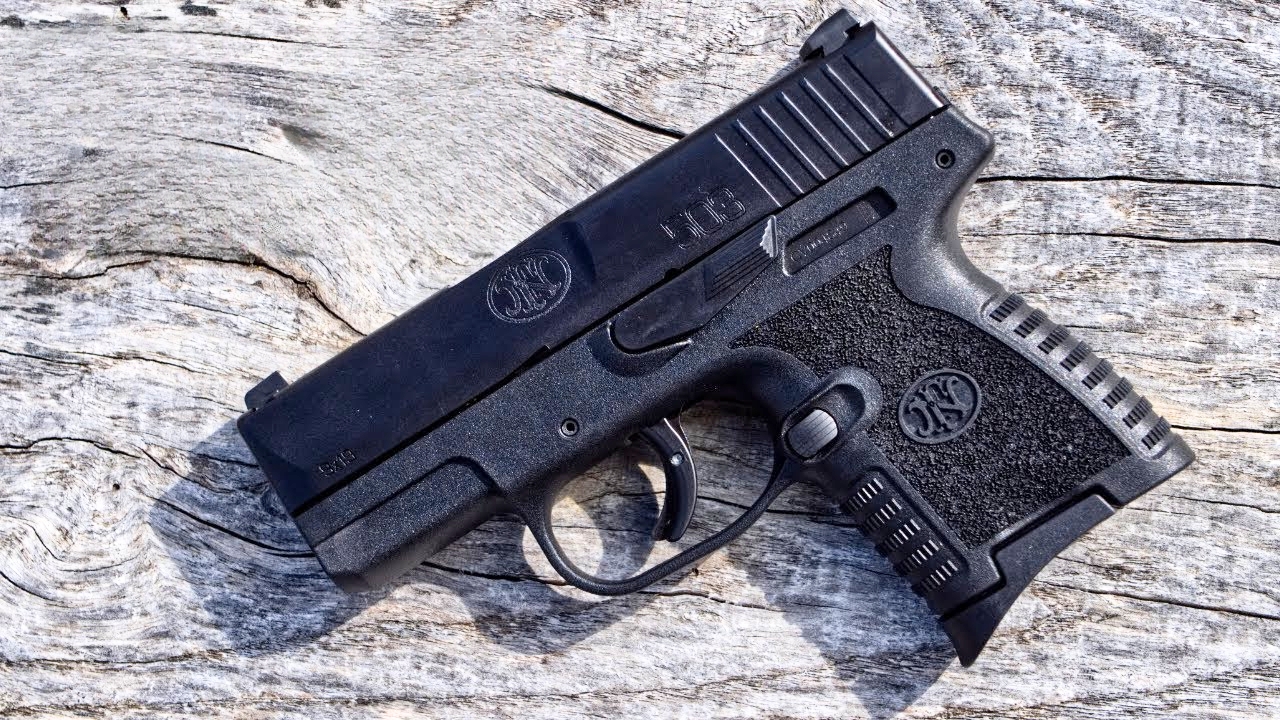
The FN 503 was FN’s slim single-stack carry pistol, and it arrived into a market that was already changing quickly. FN makes serious firearms, so buyers had reason to pay attention. The issue is that the pistol never brought enough to separate itself from stronger carry options.
Today, paying full price for a single-stack 9mm with limited capacity feels like buying yesterday’s solution. The 503 is slim and decently made, but it does not offer the same practical appeal as higher-capacity micro-compacts. FN’s name is not enough to make the value work. This is the kind of pistol that only makes sense at a steep discount.
Springfield Armory XD Mod.2 Sub-Compact

The Springfield Armory XD Mod.2 Sub-Compact was once a popular carry option, but it now feels bulky for what it offers. The grip safety, higher bore axis feel, chunky shape, and older design language make it harder to defend in a market full of slimmer, higher-capacity pistols.
It can still be reliable and useful, and owners who shoot it well may have no reason to dump it. Buying one at full price today is different. The pistol does not conceal as cleanly as newer options and does not offer enough upside to offset that. It should be priced like an older design fighting for attention, not like a top current carry choice.
Desert Eagle Mark XIX

The Desert Eagle Mark XIX is not a carry pistol or normal defensive pistol, but it keeps selling on image, size, and pop-culture status. It is dramatic, recognizable, and fun in the way ridiculous guns can be fun. Nobody buys one because it is the practical answer to a normal handgun problem.
That is exactly why full price is hard to defend. It is expensive, heavy, costly to feed, and useful in a very narrow way. As a range toy or collector piece, it has appeal. But buyers are paying heavily for spectacle. If someone wants one, that is fine. They should just admit they are paying for the experience, not value.
Like The Avid Outdoorsman’s content? Be sure to follow us.
Here’s more from us:


