Photo credit: Tex Mex/YouTube
Some rifle cartridges get pushed into the background because they are old, poorly marketed, overshadowed by newer rounds, or attached to rifles that are no longer fashionable. That does not mean they stopped working. In a lot of cases, the cartridge still offers an excellent balance of recoil, trajectory, bullet weight, and practical field performance that deserves another look.
A cartridge does not need to dominate social media or sit in every new rifle lineup to be useful. Some of the best choices for deer, hogs, varmints, woods hunting, and general-purpose shooting are cartridges that rarely get mentioned anymore. These 20 deserve more attention because they still solve real problems well, even if the market has largely moved on.
.257 Roberts
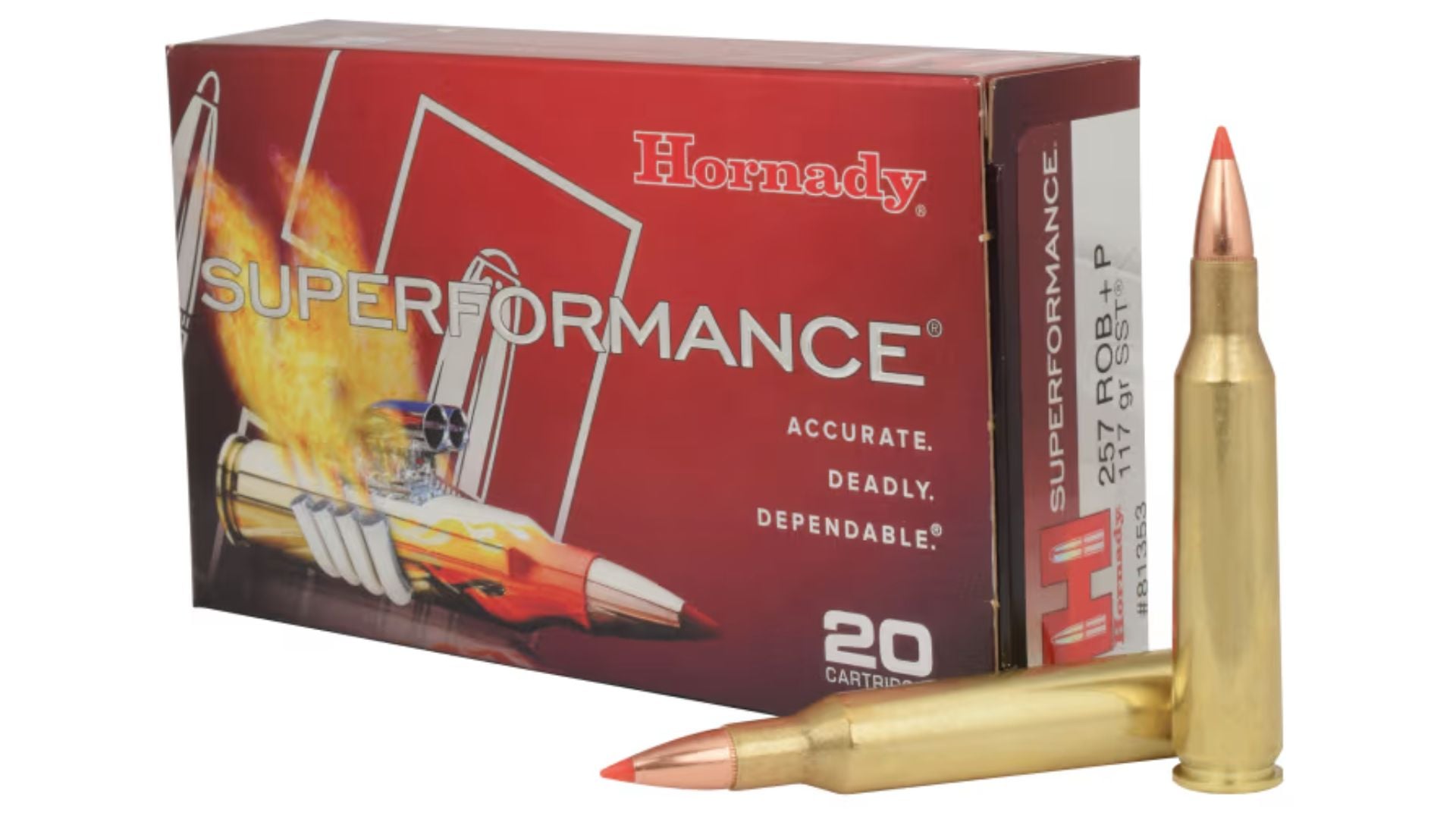
The .257 Roberts has always lived in the shadow of faster quarter-bore cartridges, but that is exactly why it deserves more credit. It offers mild recoil, excellent deer performance, and enough velocity to handle open-country hunting without beating up the shooter.
It also works beautifully with 100- to 120-grain bullets, giving it more versatility than people sometimes realize. The cartridge is especially appealing for smaller-framed shooters or anyone who wants a deer rifle that is easy to practice with. Factory ammunition is nowhere near as common as .243 or .270, which hurts it, but the underlying design remains excellent. In a good bolt-action rifle, the Roberts is still one of the sweetest-shooting hunting cartridges around.
.338 Federal
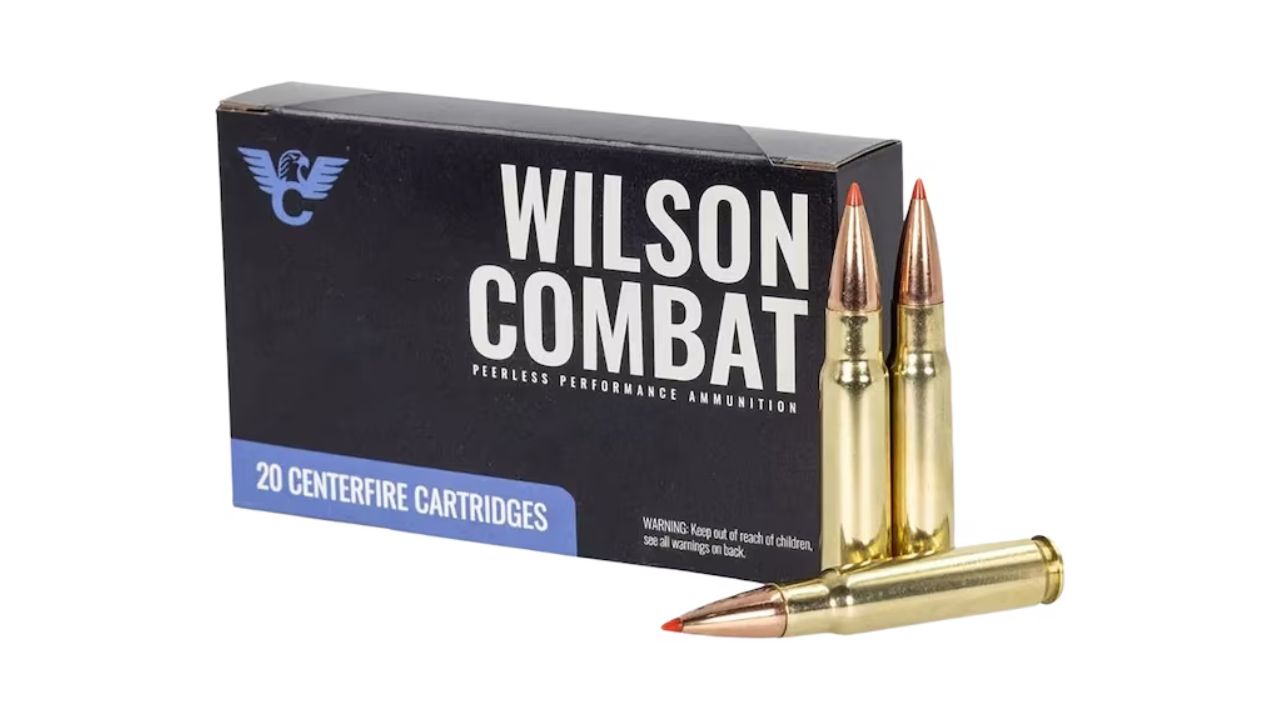
The .338 Federal never got the attention it probably deserved because it arrived in a market already crowded with proven deer and elk cartridges. That is unfortunate, because it gives you a lot of bullet weight in a short-action package without the punishment of a magnum.
Loaded with 180- to 210-grain bullets, it is a strong choice for elk, black bear, hogs, and woods hunting where shots are not extremely long. The cartridge gives up some flatness compared with faster .30-caliber rounds, but it makes up for that with frontal area and authority. For hunters who do most of their shooting inside 300 yards, the .338 Federal remains far more practical than its sales numbers suggest.
.358 Winchester

The .358 Winchester is one of the best woods cartridges almost nobody talks about anymore. It pushes heavy .35-caliber bullets from a short action and delivers serious close- to medium-range performance without requiring a magnum-length rifle.
That makes it especially useful for black bear, hogs, and deer in thick timber. Recoil is noticeable but manageable, and the cartridge works well with bullets in the 180- to 250-grain range. It is not built for extreme range, but most hunters never need that. If you want a compact bolt rifle with a lot of authority inside normal hunting distances, the .358 deserves far more attention than it gets.
.338-06 A-Square

The .338-06 is one of those cartridges that makes immediate sense once you look at what it does. It uses the .30-06 case necked up to .338 caliber, giving you heavy bullets and strong game performance without the blast and recoil of a .338 Win Mag.
For elk, moose, bear, and larger deer, that is an attractive combination. The cartridge is especially useful for hunters who want .338-caliber bullets but do not expect to take very long shots. It also works in standard-length actions and can be surprisingly efficient with moderate powder charges. Factory support is weak, but for handloaders the .338-06 remains one of the most sensible non-magnum big-game cartridges ever developed.
7×57 Mauser
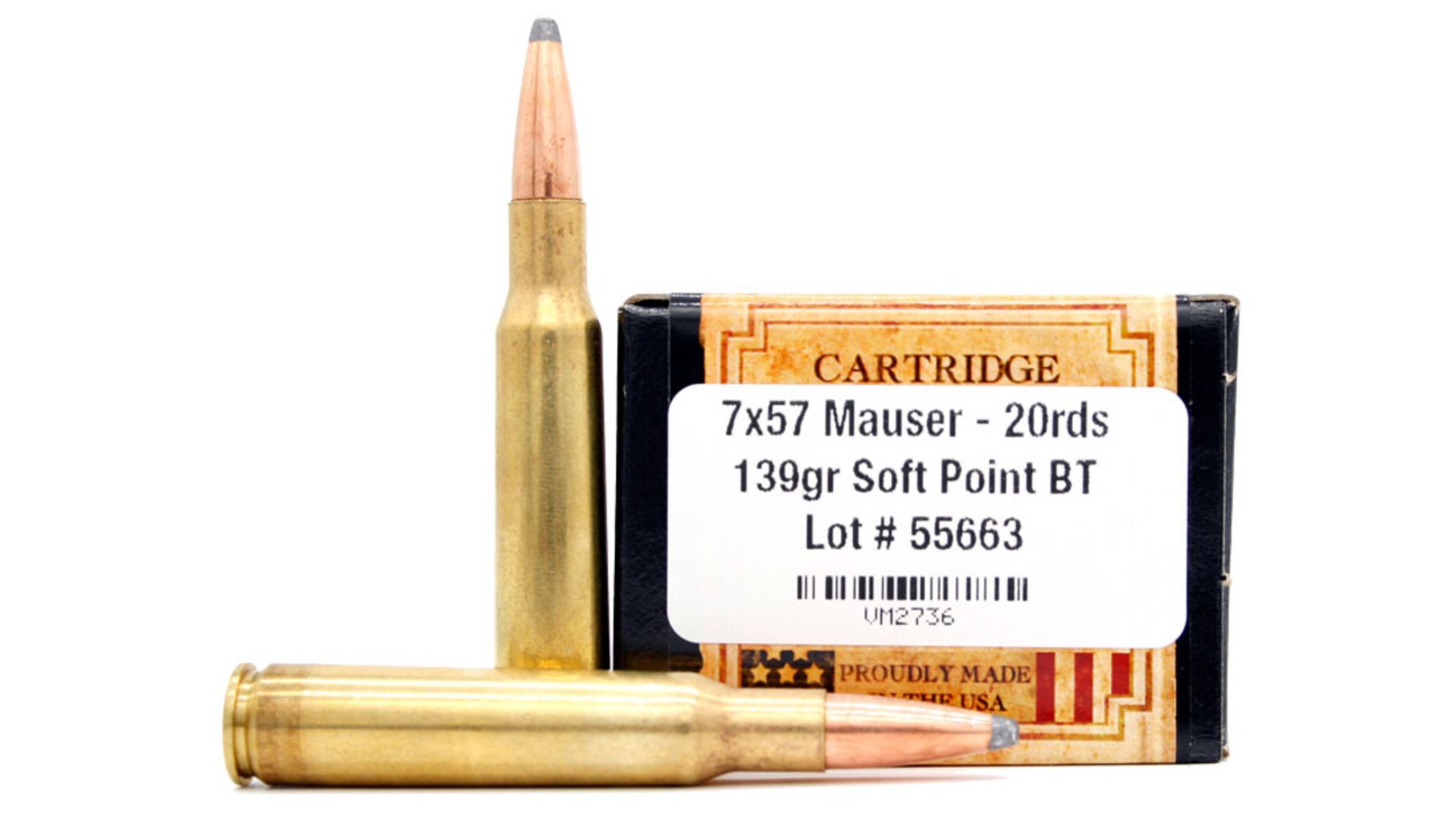
The 7×57 is old enough that many shooters assume it has been completely surpassed. In practical hunting use, that is not really true. It offers moderate recoil, excellent sectional density, and a long history of taking game far larger than its paper numbers might suggest.
Modern 7mm cartridges are faster, but speed is not the only thing that matters. With 140- to 175-grain bullets, the 7×57 remains effective for deer, antelope, and larger game at sensible distances. It also tends to be pleasant to shoot, which means hunters can actually practice with it. The biggest limitation is conservative factory loading in some markets because of older rifles. In a strong modern action, the cartridge has more potential than many people realize.
6.5×55 Swedish

The 6.5×55 Swedish deserves more attention for many of the same reasons the 6.5 Creedmoor became popular. It offers mild recoil, efficient bullets, and excellent practical accuracy.
The difference is that the Swede has been doing it for more than a century. With 120- to 156-grain bullets, it can handle everything from target shooting to deer and elk when used appropriately. The cartridge benefits from long actions and generous case capacity, and modern rifles can take advantage of performance that older military loads never showed. If it had arrived under a new name in the last decade, people would probably treat it like a major development.
.300 Savage
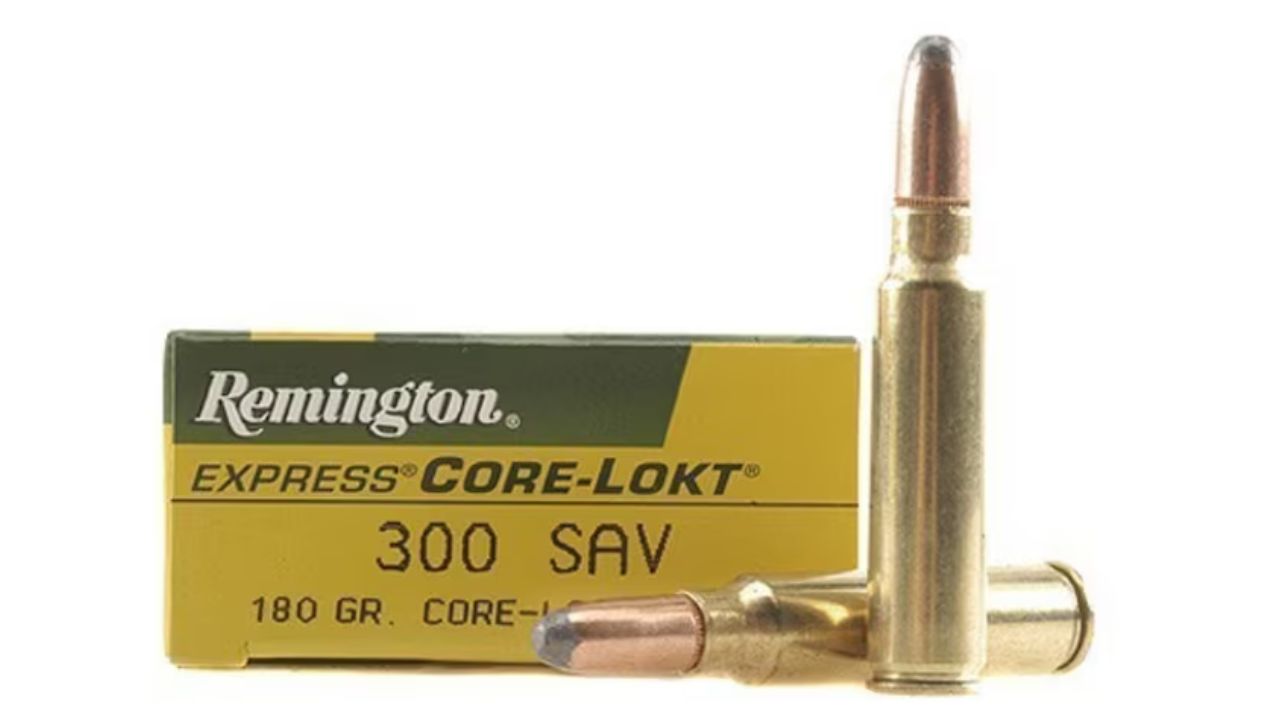
The .300 Savage gets dismissed as an old lever-gun cartridge, but it was remarkably advanced for its time. Its performance comes surprisingly close to .308 Winchester in a shorter case, and it remains entirely capable for deer and similar game.
The cartridge is especially appealing in older Savage 99 rifles, where it gives you a sleek, handy hunting setup with more power than traditional lever rounds. Ammunition availability is the main issue today, not capability. For hunters who already own a good rifle chambered in it, there is very little reason to retire the cartridge. It still does normal deer-rifle work just fine.
.35 Whelen

The .35 Whelen has a loyal following, but it still deserves broader attention because it offers serious big-game performance without requiring a magnum action or magnum-level recoil.
Based on the .30-06 case necked up to .358, it handles heavy bullets extremely well. Loads in the 200- to 250-grain range are excellent for elk, moose, bear, and large hogs. The cartridge is not flat enough to compete with modern long-range rounds, but that matters much less inside 300 yards. For hunters who value penetration and bullet weight over extreme velocity, the Whelen remains one of the best all-around choices available.
.280 Remington

The .280 Remington has spent decades being overshadowed by both the .270 Winchester and 7mm Remington Magnum. That is a shame because it sits in an excellent middle ground.
It can launch a wide range of 7mm bullets with less recoil and blast than a magnum while offering more bullet flexibility than .270 Winchester. For deer, elk, and general Western hunting, it is extremely capable. The rise of .280 Ackley Improved brought some attention back to the family, but the standard .280 still does the job very well. If factory ammunition were more common, more hunters would probably recognize how balanced the cartridge really is.
.284 Winchester

The .284 Winchester was ahead of its time. Its short, fat case was designed to give near-.270 or .280 performance in shorter actions, which sounds suspiciously like the design philosophy behind many modern cartridges.
The cartridge never gained broad hunting popularity, but its efficiency and case geometry have kept it alive in precision-shooting circles. With modern bullets, the .284 can deliver excellent long-range performance without needing a traditional magnum case. Factory support remains limited, which keeps it mostly in the hands of handloaders and enthusiasts. Still, from a design standpoint, the .284 deserves far more respect than its modest commercial history suggests.
.338 Winchester Magnum

The .338 Win Mag is not obscure, but it has lost attention as newer .338s took over long-range conversations. That can make people forget how practical it remains for actual hunting.
It delivers serious power with 200- to 250-grain bullets and has enough reach for nearly any reasonable big-game situation. Recoil is substantial, but it is still easier to manage than the largest .338 magnums. The cartridge is also widely proven on elk, moose, and bear. If your goal is hunting rather than shooting extreme distances, the older .338 Win Mag remains one of the most useful heavy cartridges around.
.222 Remington
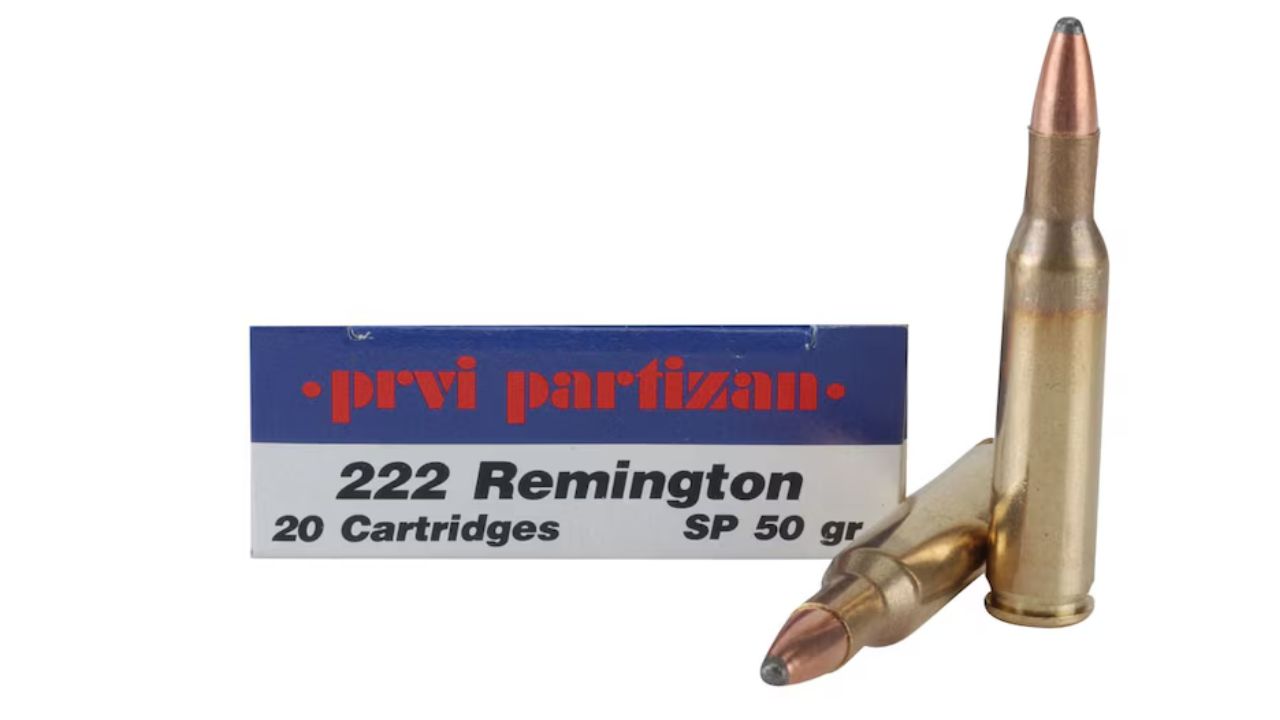
The .222 Remington was once one of the dominant small-caliber accuracy cartridges, but .223 Remington effectively pushed it aside. That does not mean the older round lost its charm.
It is mild, accurate, and pleasant to shoot, making it excellent for varmints, small predators, and recreational shooting. In many rifles, the .222 has a reputation for exceptional precision. The problem is simply availability. Rifles and ammunition are far less common than they used to be. For shooters who appreciate low recoil and efficiency, though, the .222 still offers something special.
.22 Hornet

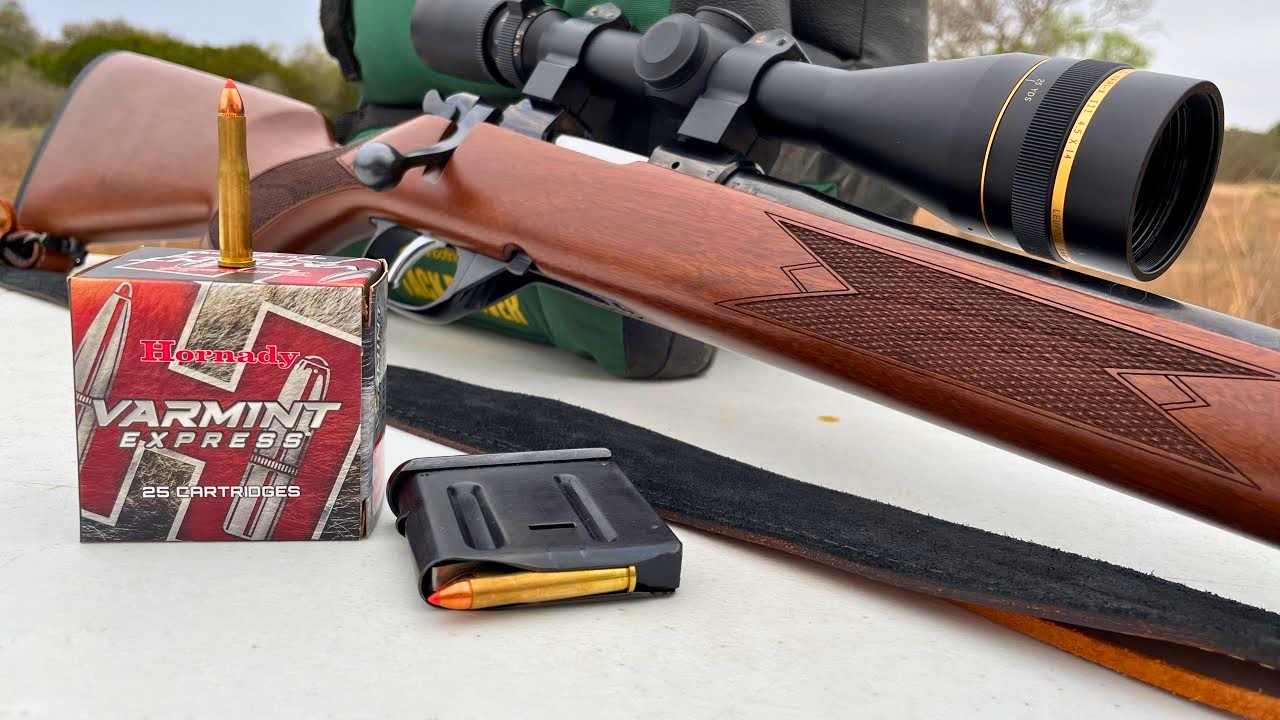
The .22 Hornet sits in a very useful space between rimfire magnums and full-power .223-class cartridges. It produces more reach and energy than .22 WMR while using less powder and creating less noise than larger centerfires.
That makes it ideal for small game, pests, and close-range varmint work around property where full-power rifle cartridges may be excessive. Recoil is almost nonexistent, and the cartridge performs well from compact rifles. It is not fashionable, but it remains one of the most practical light centerfire rounds ever designed. For rural property owners and small-game hunters, the Hornet deserves a lot more attention.
.204 Ruger
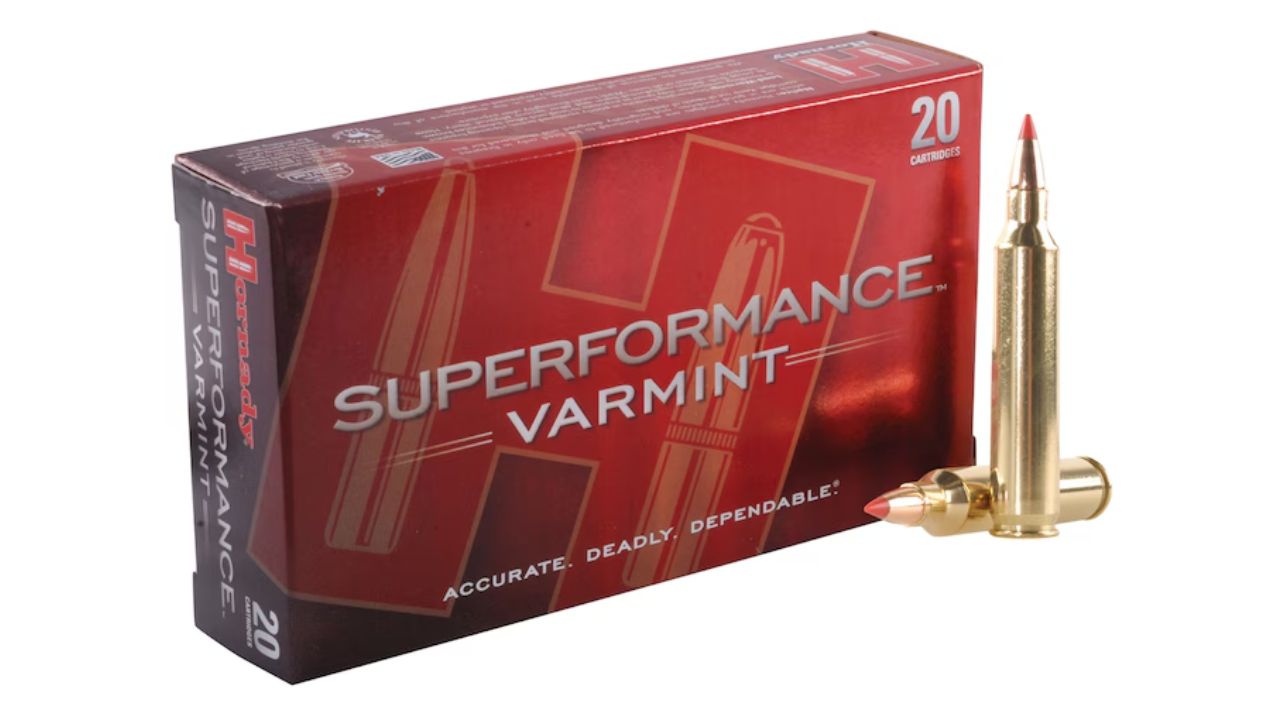
The .204 Ruger still has a following among varmint hunters, but it often gets ignored in broader rifle discussions. That is a mistake because it is one of the flattest-shooting, lowest-recoil small-caliber cartridges available.
The light bullets move extremely fast, making the cartridge excellent for prairie dogs, groundhogs, and coyotes at moderate ranges. Recoil is so low that you can often stay on target through the shot, which is useful for spotting impacts. Wind drift can become an issue with very light bullets, but inside its intended role the .204 is excellent. It deserves more attention from shooters who want varmint performance without .22-250 recoil and barrel heat.
6.5 Grendel

The 6.5 Grendel gets overshadowed by 6mm ARC and larger 6.5mm cartridges, but it remains one of the most balanced options for getting real hunting and distance capability from an AR-15-sized platform.
It carries energy far better than 5.56 and handles heavier bullets without requiring an AR-10. That makes it useful for deer, hogs, and medium-range target shooting. Magazine capacity is lower and bolt durability matters, but those are manageable tradeoffs. For hunters who want a light semiautomatic rifle that can do more than a standard 5.56, the Grendel still deserves serious consideration.
6.8 SPC

The 6.8 SPC has been pushed into the background by newer AR cartridges, but it still makes a lot of sense for short- to medium-range hunting. It gives you more bullet weight and frontal area than 5.56 while keeping the AR-15 platform.
With 110- to 120-grain bullets, it is effective on deer and hogs without generating much recoil. The cartridge is especially good from shorter barrels, where it can retain useful performance without needing extreme velocity. It does not have the long-range appeal of 6mm ARC or the broad support of 5.56, but for practical woods hunting, the 6.8 remains a very capable choice.
.375 Winchester

The .375 Winchester is often treated as a dead lever-gun cartridge, but its actual performance is very useful for woods hunting. It offers a meaningful step up from .30-30 without jumping all the way to .45-70 recoil and trajectory.
In strong rifles, the cartridge can push heavy bullets with enough authority for deer, black bear, and hogs at close to moderate ranges. It also works in relatively compact lever actions that are easy to carry through timber. Ammunition availability is the real problem. If factory support were stronger, the .375 Winchester would probably have a much larger following among hunters who value practical power over long-range ballistics.
.444 Marlin
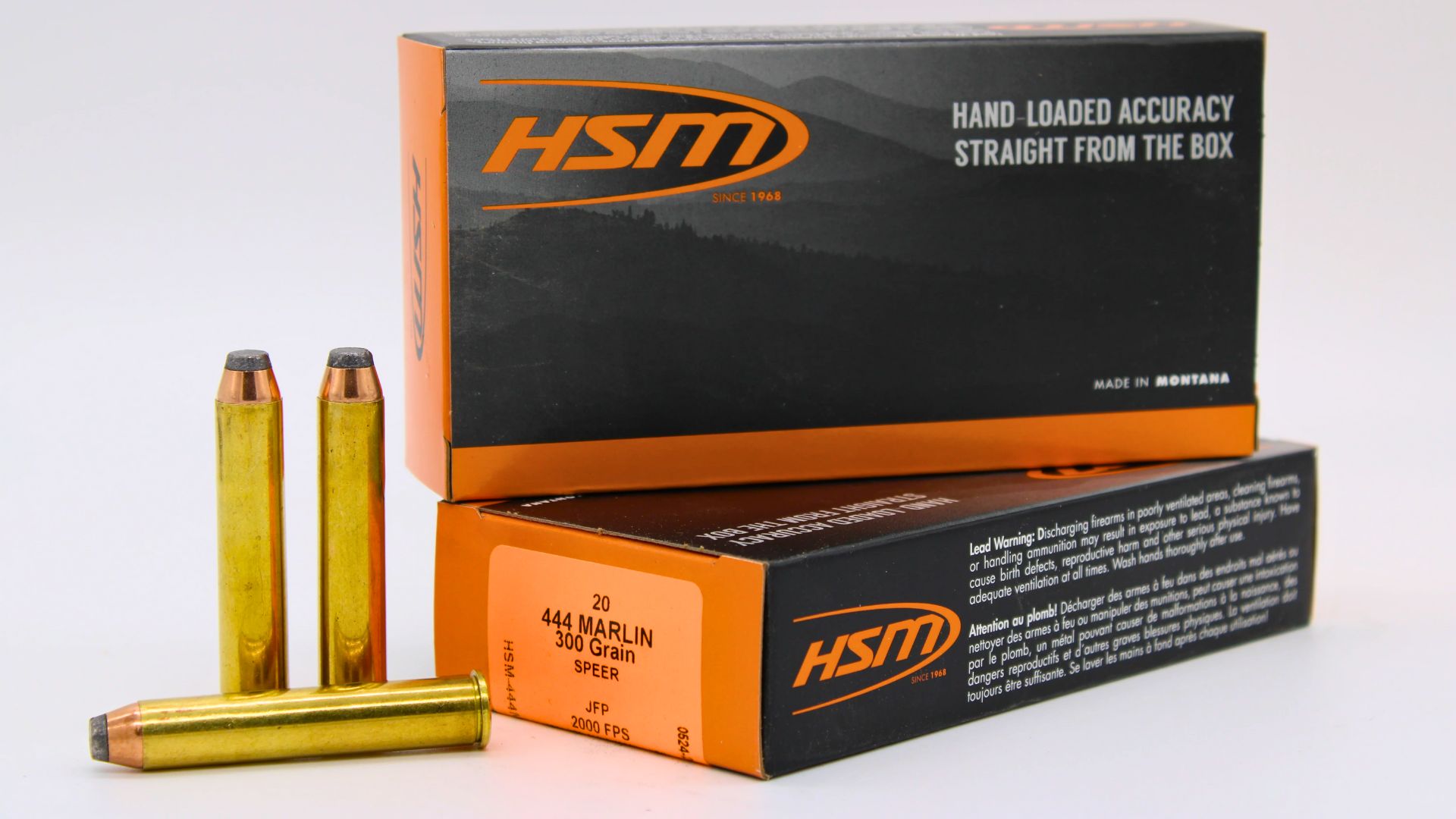
The .444 Marlin has always been overshadowed by .45-70, but that comparison does not do it many favors. The .444 can deliver excellent big-game performance with flatter trajectory and manageable recoil in the right rifle.
Modern .44-caliber bullets also give the cartridge more flexibility than it had decades ago. It is highly effective on deer, bear, and hogs inside normal lever-gun distances. The cartridge never had the historical appeal of .45-70, which probably hurt it more than performance ever did. For hunters who want a hard-hitting lever round without simply following the crowd, the .444 deserves more attention.
.348 Winchester
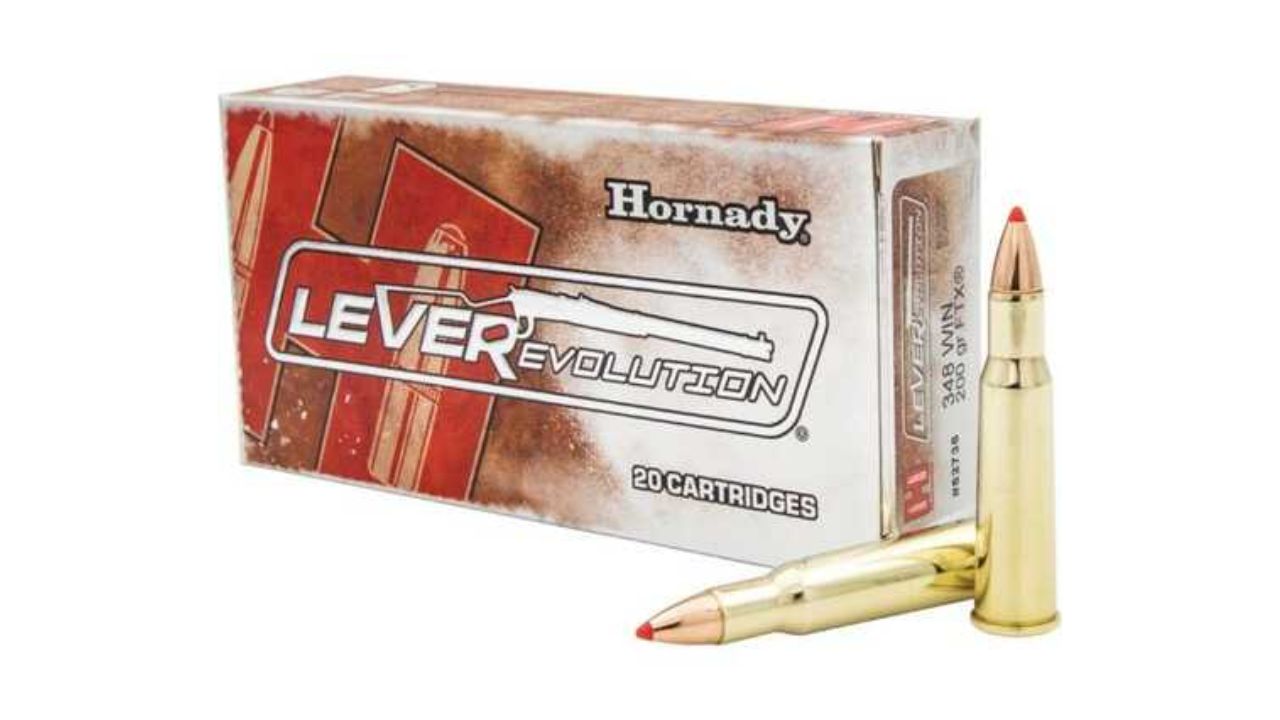
The .348 Winchester is closely tied to the Winchester Model 71, and that connection is both its strength and its weakness. The cartridge was a powerful, well-balanced lever-action round, but the limited rifle selection kept it from becoming widespread.
Ballistically, it remains impressive. Heavy bullets, good penetration, and strong woods-hunting performance make it capable on deer, elk, and bear. Factory ammunition is scarce and expensive, which limits practical adoption today. Still, as a cartridge design, the .348 is far better than its obscurity suggests. If more rifles had ever been chambered for it, the cartridge might have had a very different history.
7mm-08 Remington
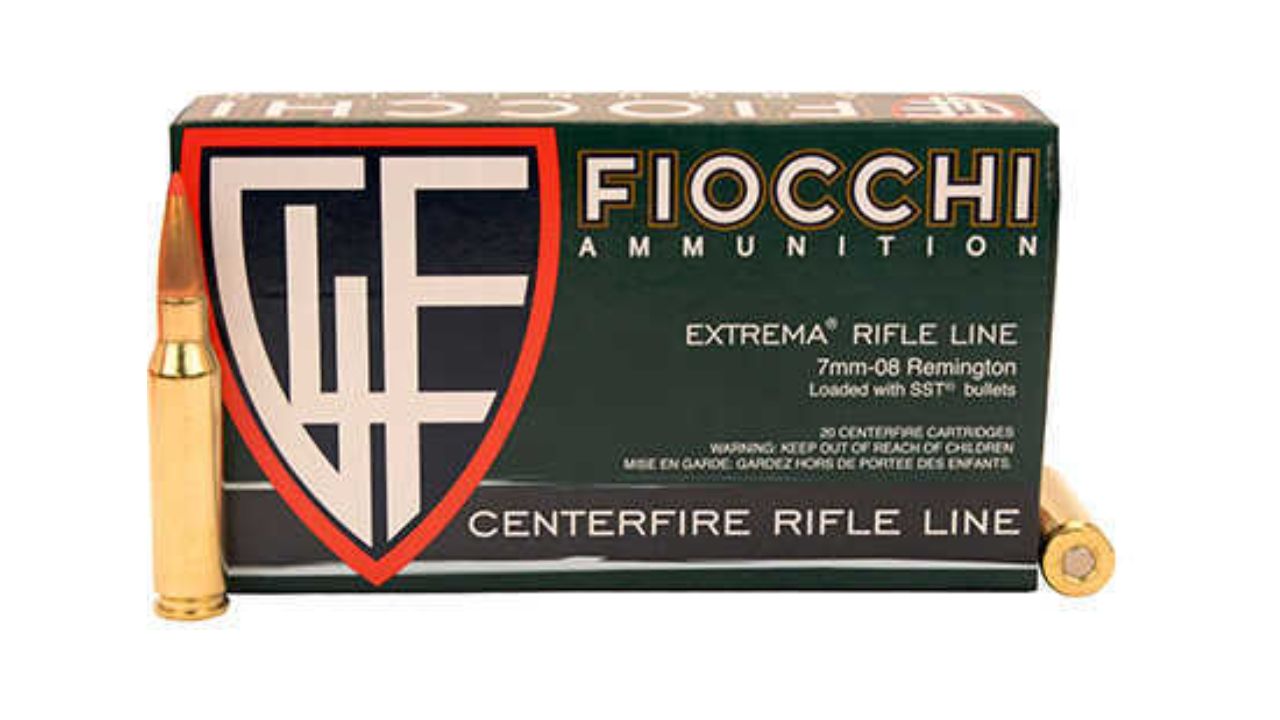
The 7mm-08 is not exactly forgotten, but it still deserves more attention than it gets. It offers mild recoil, excellent bullet selection, and enough power for most North American deer and elk hunting.
The cartridge is especially appealing for hunters who want something flatter and more versatile than .308 without stepping into magnum territory. It works well in short actions, performs efficiently from moderate barrel lengths, and is easy to shoot accurately. The rise of newer 6.5mm and 7mm cartridges has taken some attention away from it, but the 7mm-08 remains one of the most sensible general-purpose hunting rounds ever developed.
Like The Avid Outdoorsman’s content? Subscribe to our newsletter so you never miss an article.
Here’s more from us: