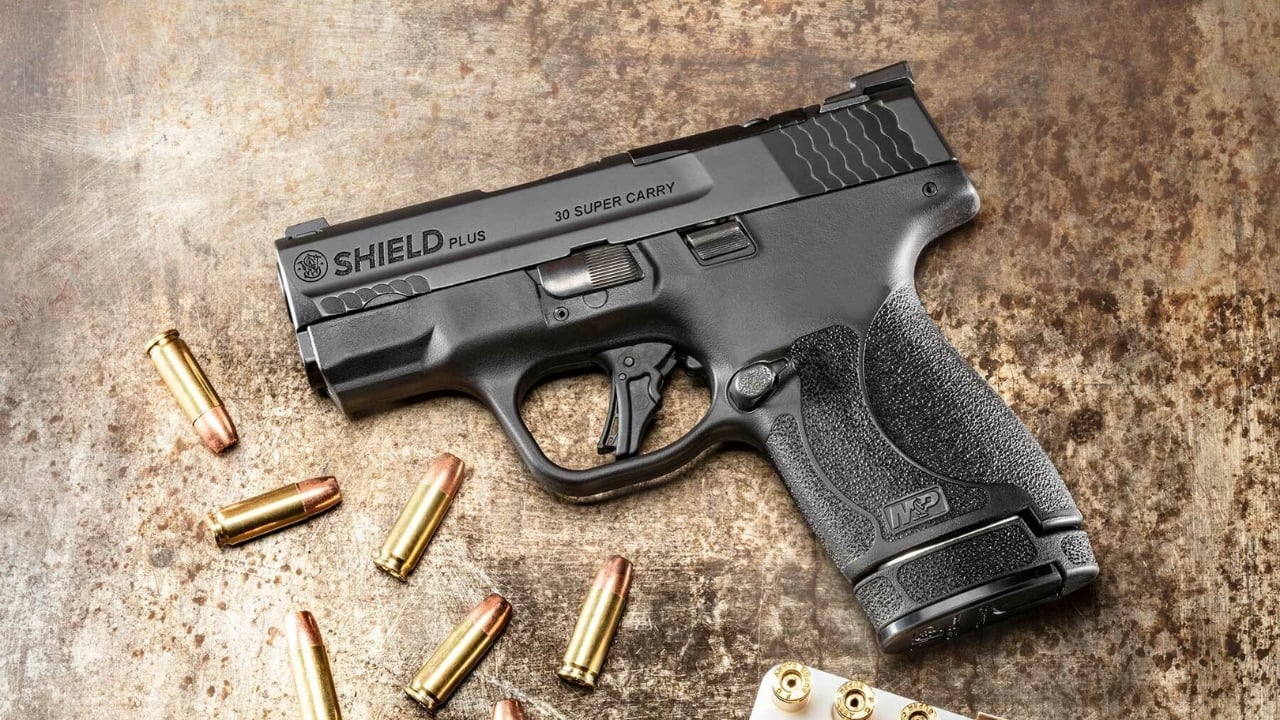
Photo credit: Smith & Wesson
A carry caliber does not have to be useless for instructors to stop recommending it. That is where a lot of people get defensive. Plenty of cartridges can work with the right gun, the right load, and a shooter who practices enough. The problem is that instructors are usually thinking about average students under stress, not the one guy online who can shoot a snubnose like a magician.
Modern defensive training has pushed people toward calibers that are easier to shoot, easier to find, and easier to load with proven hollow points. The FBI-style benchmark of 12 to 18 inches of penetration in calibrated gelatin still shapes a lot of defensive-ammo discussion, and many instructors care more about consistent hits and reliable penetration than caliber loyalty. These are the carry calibers plenty of self-defense instructors are less willing to recommend now.
.25 ACP
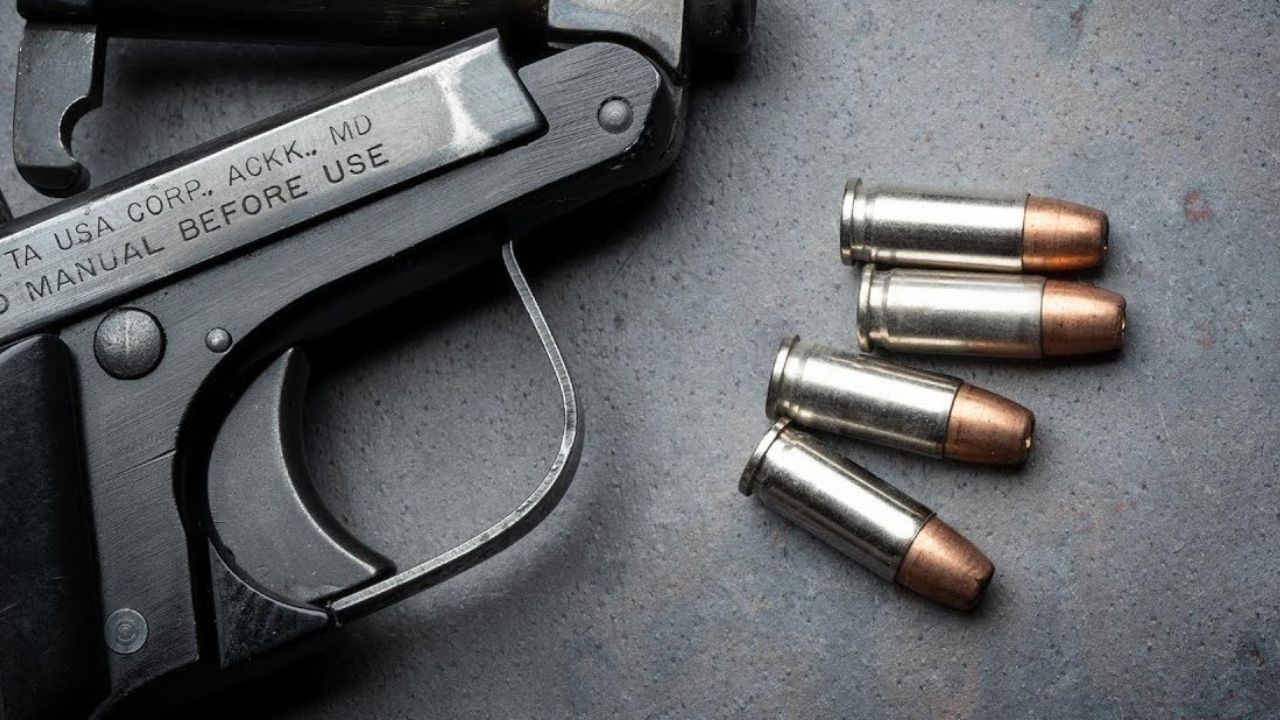
The .25 ACP is one of those calibers that instructors usually treat as a last-ditch option, not a serious first choice. It was built for tiny pocket pistols, and that is still where it shows up most often. The problem is that tiny guns are already hard to shoot well, and the .25 ACP does not bring much terminal performance to make up for that.
A .25 in the pocket is better than nothing, but that is a low bar. Instructors do not like telling students to bet their safety on a cartridge that offers weak penetration, tiny bullets, poor sights in most guns, and limited modern defensive ammo choices. If someone can carry anything larger, most trainers will push them that direction.
.32 ACP
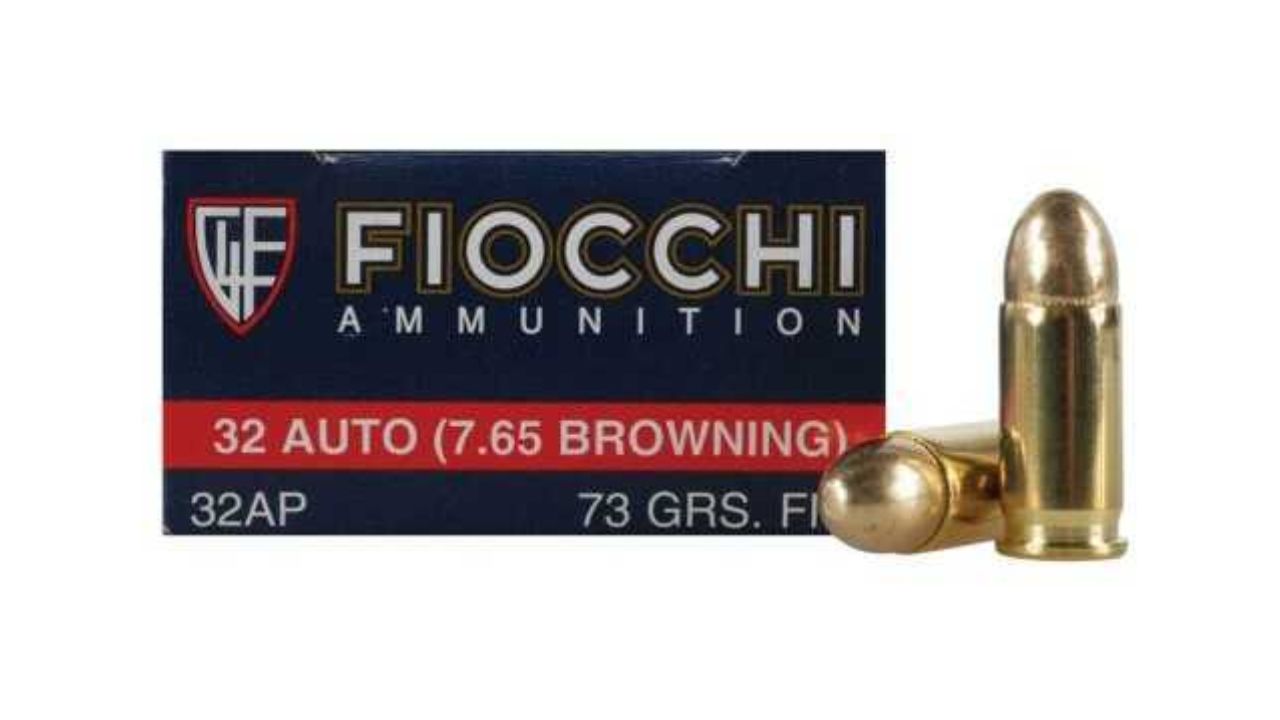
The .32 ACP has more fans than some people realize, especially among those who like old European pocket pistols. It is mild, pleasant to shoot, and can make sense for people who truly cannot handle recoil. But most self-defense instructors are not excited about it anymore because it still leaves very little margin.
The issue is not whether a .32 can hurt someone. Of course it can. The issue is whether it gives consistent penetration, reliable expansion, and enough disruption when everything goes wrong. With modern .380 and soft-shooting 9mm pistols available, the .32 ACP is harder to recommend as a main carry caliber.
.32 NAA
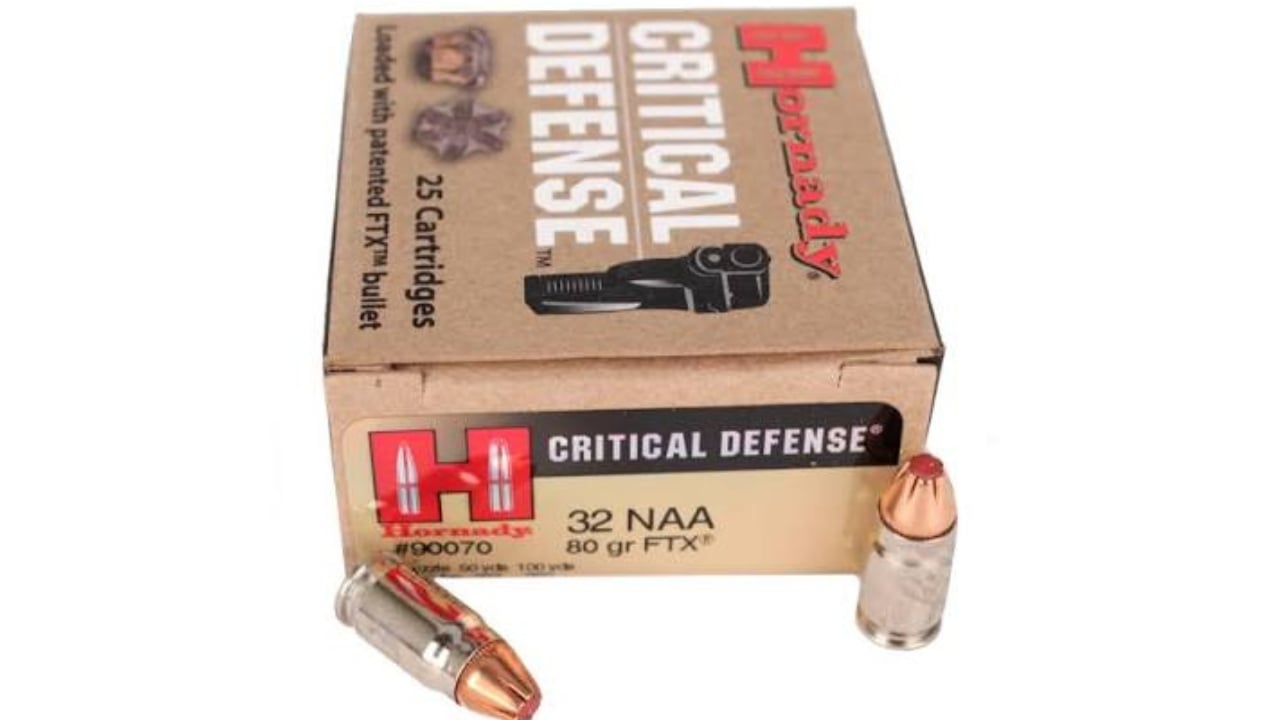
The .32 NAA was an interesting idea, but interesting does not always mean practical. It necked a .380 case down to hold a .32-caliber bullet, trying to give tiny carry pistols more velocity. On paper, that sounds clever. In real life, instructors tend to care about ammo availability, gun options, and repeatable performance more than novelty.
That is where the .32 NAA struggles. It is not common, not cheap, and not something most students can easily find at a local store. A carry caliber that is hard to practice with is a bad recommendation for most people. Even if the ballistics are interesting, the ecosystem around it is too thin.
.380 ACP from ultra-tiny pistols
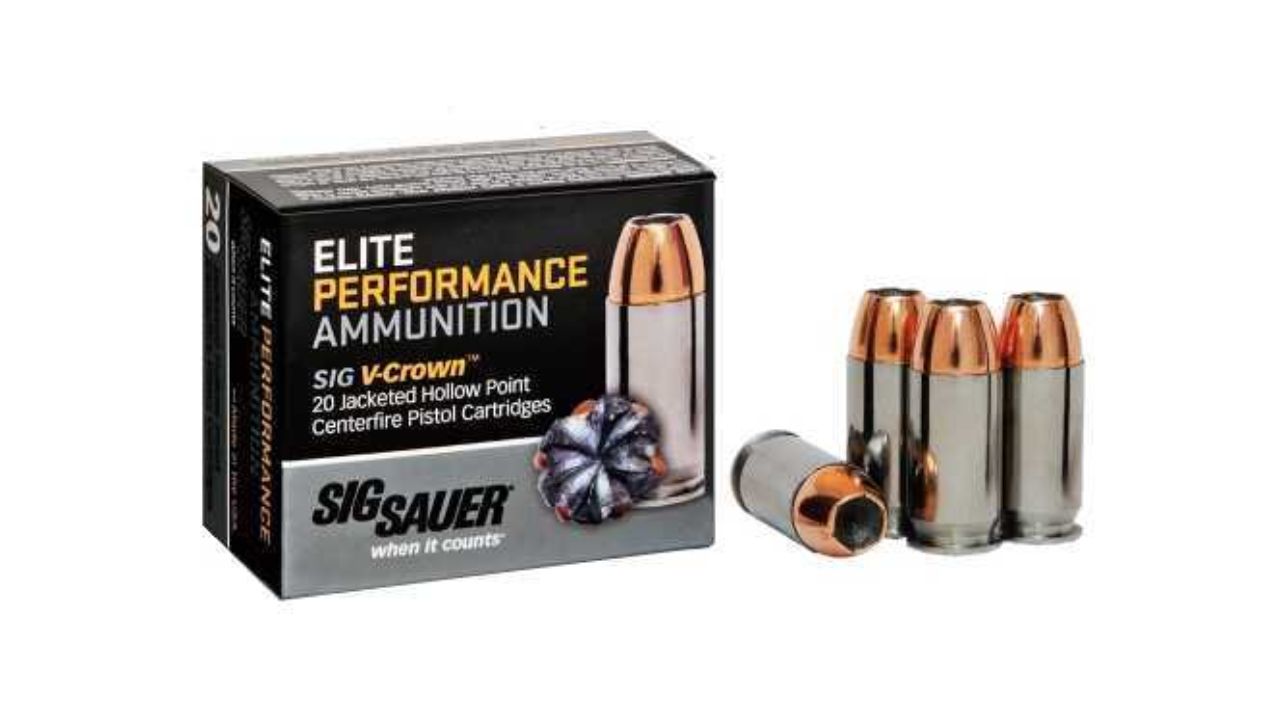
The .380 ACP is not automatically a bad carry caliber, but instructors often distrust it when it comes from the smallest pocket pistols. Barrel length matters, and so does shootability. A locked-breech .380 with real sights is a different conversation than a tiny pocket gun with a rough trigger and almost no grip.
That is the nuance people miss. Some modern .380 loads and pistols can be useful for self-defense, and .380 may be the right choice for recoil-sensitive shooters. But many instructors still hesitate because .380 loads can struggle to balance expansion and penetration, especially in very small guns. Even Massad Ayoob-style discussions around .380 often come back to using the best ammunition and understanding its limits.
.22 LR

The .22 LR is easy to shoot, cheap to practice with, and far more dangerous than people give it credit for. That still does not make it a strong carry recommendation. Rimfire ignition is one of the big concerns. Most instructors prefer centerfire cartridges for defensive use because they tend to be more reliable.
The other problem is terminal performance. A .22 pistol can be deadly, but self-defense is not about whether something can be deadly eventually. It is about stopping a threat as quickly as possible. Instructors may accept .22 LR for people with serious hand-strength or recoil limitations, but they usually do not trust it as a general carry choice.
.22 WMR

The .22 Magnum sounds better than .22 LR for carry, and in some ways it is. It brings more velocity and can work from small revolvers. But it still has many of the same instructor concerns: rimfire ignition, loud muzzle blast, inconsistent short-barrel performance, and limited bullet weight.
Some people carry .22 WMR revolvers because they are light, simple, and easy to keep on them. That is understandable. But as a recommendation, many instructors still prefer a centerfire option. The .22 Magnum can look better on paper than it feels in a defensive shooting problem, especially from tiny barrels.
.22 TCM

The .22 TCM is fun, fast, and attention-grabbing. That does not make it a great carry caliber. It throws a light .22-caliber bullet at high velocity, which can be exciting at the range. But defensive instructors tend to get skeptical when a cartridge has limited gun support, limited defensive-load history, and not much real-world track record.
The other issue is practicality. Carry calibers need ammo availability, reliable magazines, proven hollow points, and enough training support to make sense. The .22 TCM is interesting, but it feels more like a range and hobby cartridge than something most instructors would recommend to a new concealed carrier.
5.7x28mm

The 5.7x28mm has picked up a lot more attention in handguns, and it definitely has advantages. It is light recoiling, flat shooting, and easy to shoot quickly. The problem is that many instructors still do not trust it as a simple recommendation for everyday concealed carry.
Part of that comes down to bullet behavior and use case. The 5.7 was not originally designed around the same assumptions as common defensive handgun rounds like 9mm, .40, or .45. Good loads matter a lot, and so does understanding what the cartridge does well. For most students, instructors usually prefer the cheaper, simpler, more proven 9mm route.
.30 Super Carry

The .30 Super Carry was built around a smart idea: give shooters more capacity than 9mm while keeping better performance than smaller pocket calibers. The problem is that a carry caliber needs broad support to survive. Without a lot of pistols, a lot of ammo choices, and a lot of shooter adoption, instructors are not eager to push students into it.
That is the main reason some trainers distrust it now. It may be capable, but the market has not embraced it the way 9mm has. If a student buys into .30 Super Carry and later struggles to find ammo, magazines, holsters, or replacement gun options, the theoretical advantage starts to matter less.
.38 Special standard pressure
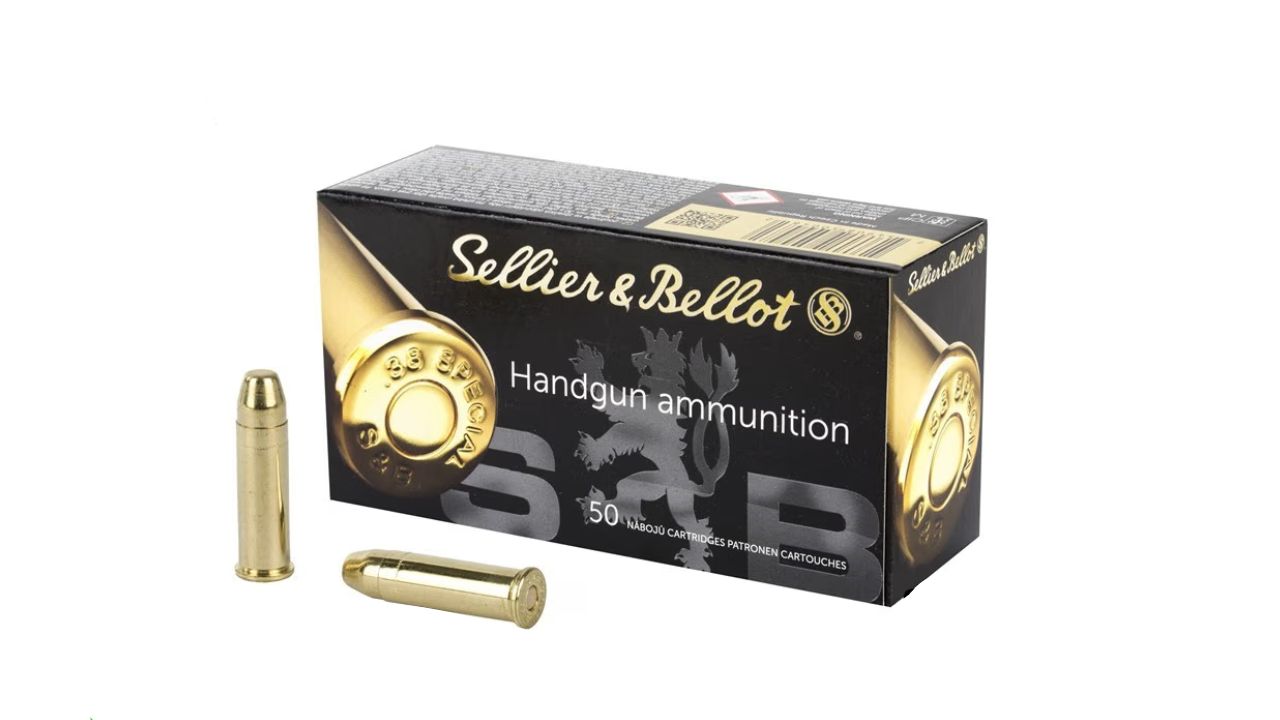
The .38 Special still has a place, especially in revolvers. The issue is standard-pressure .38 from short barrels. A small snubnose revolver is already one of the hardest common carry guns to shoot well. Add mild ammunition, tiny sights, a heavy trigger, and limited capacity, and instructors start to see problems.
This does not mean a .38 snub is useless. It means instructors are less likely to recommend it to beginners than they were decades ago. Modern compact 9mm pistols offer more rounds, easier reloads, better sights, and softer practical shooting for many people. The old .38 still works, but it asks more from the shooter than many realize.
.38 Special wadcutters
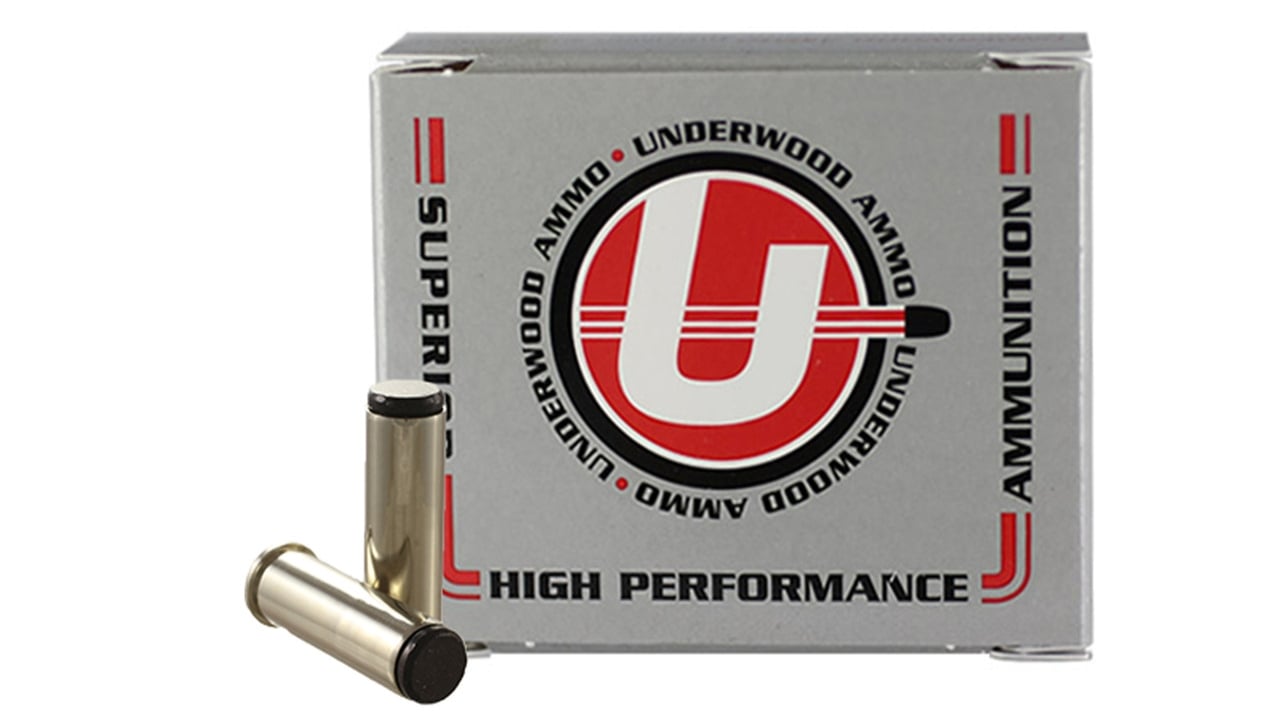
Wadcutters in .38 Special have a real following for defensive snubnose use, especially among shooters who value low recoil and straight penetration. They can be surprisingly practical in small revolvers. But many instructors still hesitate to recommend them broadly because the idea takes explanation and discipline.
A wadcutter is not a magic workaround for poor revolver skills. The shooter still has only five rounds in many carry guns, a slow reload, a heavy trigger, and minimal sights. For a skilled revolver carrier, wadcutters can make sense. For the average student asking what to carry, most instructors will still point toward a modern 9mm pistol first.
.38 Super
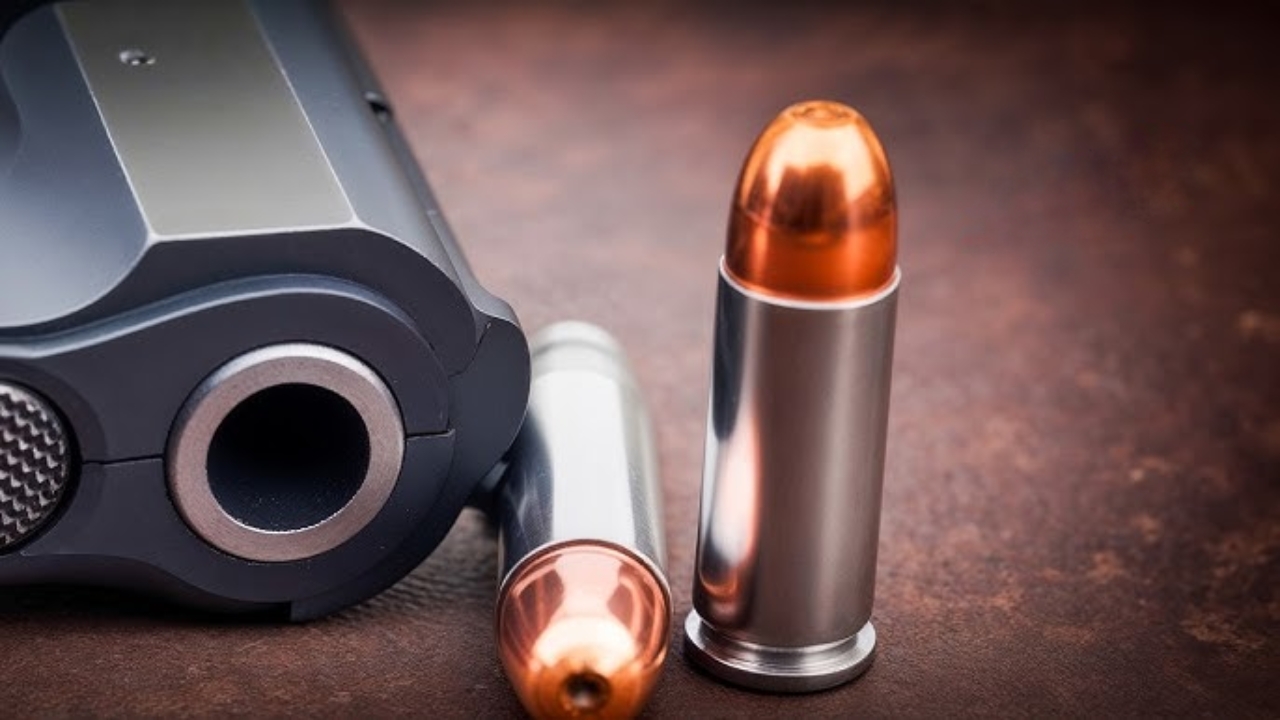
The .38 Super is a good cartridge with a long history, but it is not a common instructor recommendation for modern concealed carry. It offers speed, accuracy, and strong performance in the right pistol. The problem is that it mostly lives in 1911-style guns and competition circles, not everyday defensive training lanes.
Instructors like simple logistics. The .38 Super does not offer the ammo availability, pistol variety, or broad defensive-load support that 9mm does. For people who love the cartridge and know their gun, fine. But for most students, it creates more complications than benefits.
.357 SIG

The .357 SIG had a serious moment because it offered high velocity and a reputation for strong barrier performance. Some law enforcement agencies trusted it, and it still has defenders. But many instructors have cooled on it because 9mm ammunition improved, while .357 SIG kept the downsides of higher recoil, louder muzzle blast, higher cost, and less common availability.
The ballistic gap between good service calibers is often smaller than people expect when bullet design is similar. One comparative gelatin study found that bullet design made a bigger difference than the cartridge difference between tested 9mm and .357 SIG loads. That is bad news for a caliber that costs more, recoils more, and is harder to find.
.40 S&W
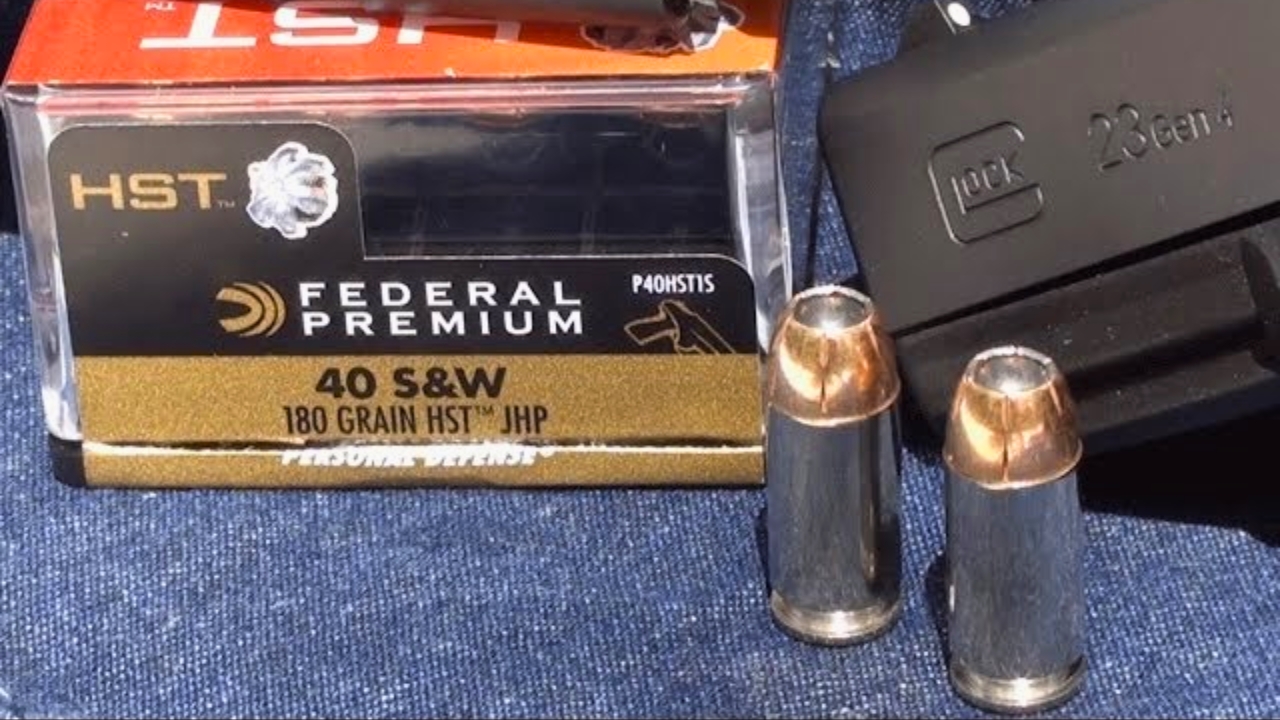
The .40 S&W is not dead, and it is not weak. But it has clearly lost a lot of instructor enthusiasm. It was once the default middle ground between 9mm capacity and .45 bullet size. Then modern 9mm loads got better, agencies moved back to 9mm, and many shooters realized they performed faster and cleaner with less recoil.
The problem with .40 is not that it fails to work. The problem is that average students often shoot it worse. It has a sharper recoil impulse than 9mm in similar-size guns, and practice ammo usually costs more. Instructors tend to care about fast, accurate hits under pressure. For most students, 9mm makes that easier.
.45 GAP

The .45 GAP was supposed to give .45-caliber performance in a shorter cartridge that could fit more comfortably in 9mm-size frames. It was not a foolish idea, but the market never truly needed it. Once .45 ACP pistols and 9mm defensive loads kept improving, .45 GAP became harder to justify.
Instructors do not want students tied to a cartridge that is hard to find and supported by only a limited number of guns. Even if the caliber works, the logistics are poor. Carry guns need regular practice, and regular practice requires ammunition you can actually buy without turning it into a scavenger hunt.
.45 ACP in tiny pistols

The .45 ACP remains a respected defensive cartridge, especially in full-size pistols that run well. But instructors often distrust it in tiny carry guns. Short-barreled, lightweight .45 pistols can be snappy, low-capacity, and more prone to reliability problems than larger designs.
The issue is not the cartridge’s history. The issue is the package. A small .45 may look comforting on paper, but if the shooter gets slower follow-up shots, fewer rounds, more recoil, and less practice, the advantage fades. Instructors often prefer students carry a 9mm they shoot well over a tiny .45 they barely tolerate.
10mm Auto for everyday carry

The 10mm Auto is powerful and useful in the right setting. Woods carry, animal defense, and certain full-size pistols are where it makes more sense. For normal concealed carry against human threats, many instructors do not recommend it to average students.
The reasons are simple: recoil, muzzle blast, overpenetration concerns with the wrong loads, larger guns, and slower follow-up shots for many shooters. Massad Ayoob has argued that 10mm can be legally defensible if the carrier can explain the choice, but that is different from saying every student should carry one. For most everyday carry, 9mm is easier to justify and easier to train with.
.357 Magnum in lightweight snubnose revolvers

The .357 Magnum is a proven fight-stopper, but lightweight snubnose revolvers make it ugly. A full-size steel .357 is one thing. A 12- to 15-ounce pocket revolver with full-power magnums is another. The blast, recoil, flash, and recovery time can punish even experienced shooters.
That is why instructors often distrust this combination. They know many people who buy a lightweight .357 end up loading it with .38 Special because magnums are miserable to practice with. A caliber only helps if the shooter can control it. In tiny snubs, full-power .357 often becomes more impressive than practical.
.44 Special
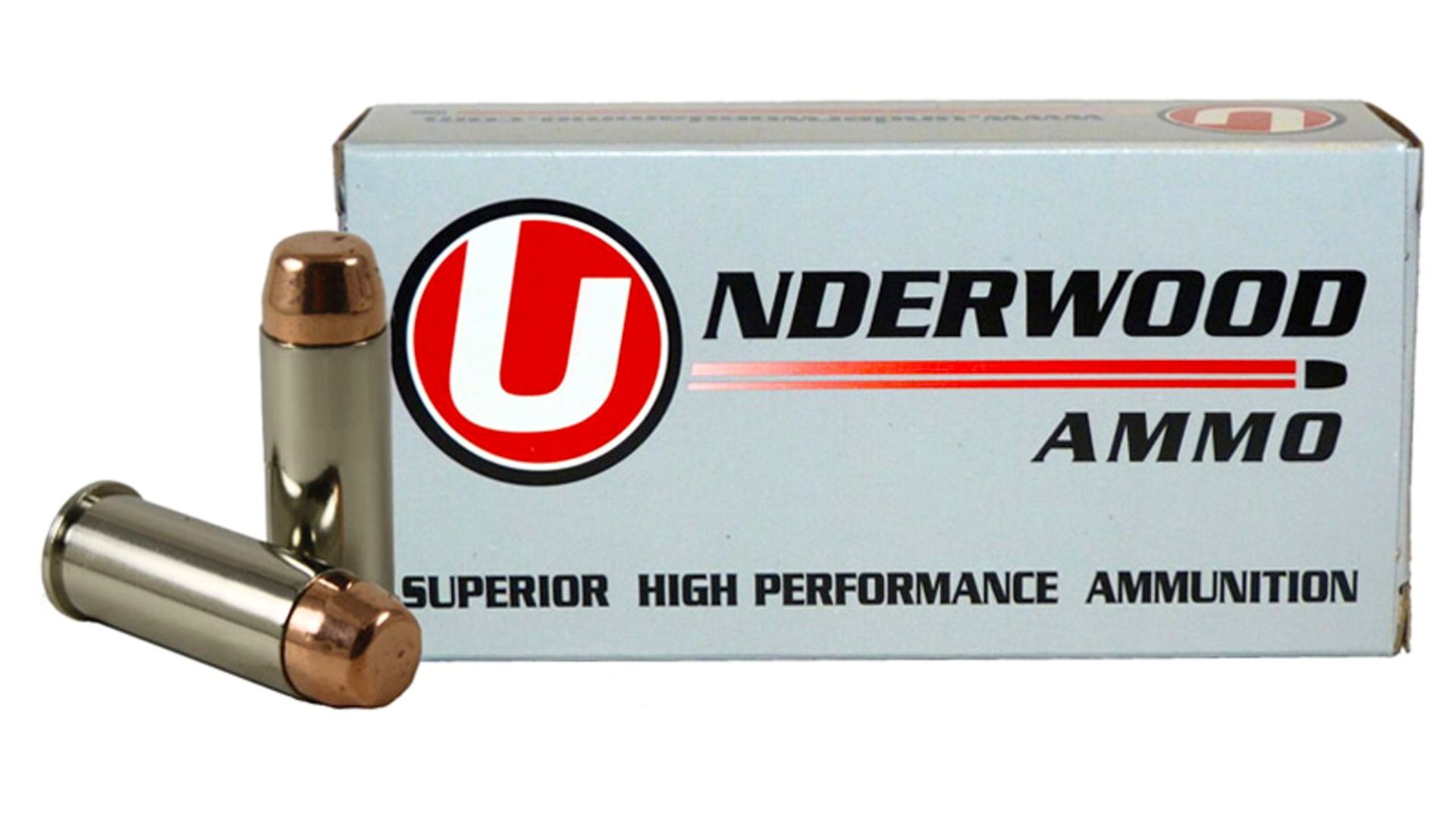
The .44 Special has a loyal fan base, and in the right revolver it can be a very shootable defensive cartridge. But it is not one most instructors recommend today. The guns are usually larger than modern carry pistols, capacity is low, reloads are slower, and defensive ammo choices are not nearly as broad as 9mm.
It is a cartridge for revolver people who know exactly why they like it. That is different from being a smart default recommendation. Instructors tend to steer newer carriers toward platforms that are easier to train with, easier to support, and easier to reload under stress.
.44 Magnum for concealed carry

The .44 Magnum is far more cartridge than most concealed-carry situations call for. It has power, but power is not the only issue in defensive shooting. A carry gun also needs to be controllable, concealable, fast to present, and realistic to practice with.
Instructors do not trust .44 Magnum as an everyday carry recommendation because it solves the wrong problem. It brings huge recoil, blast, heavy guns, and overpenetration concerns with many loads. For woods defense against animals, it has a role. For ordinary concealed carry, it is usually too much gun and too little practicality.
.410 shotshell handguns
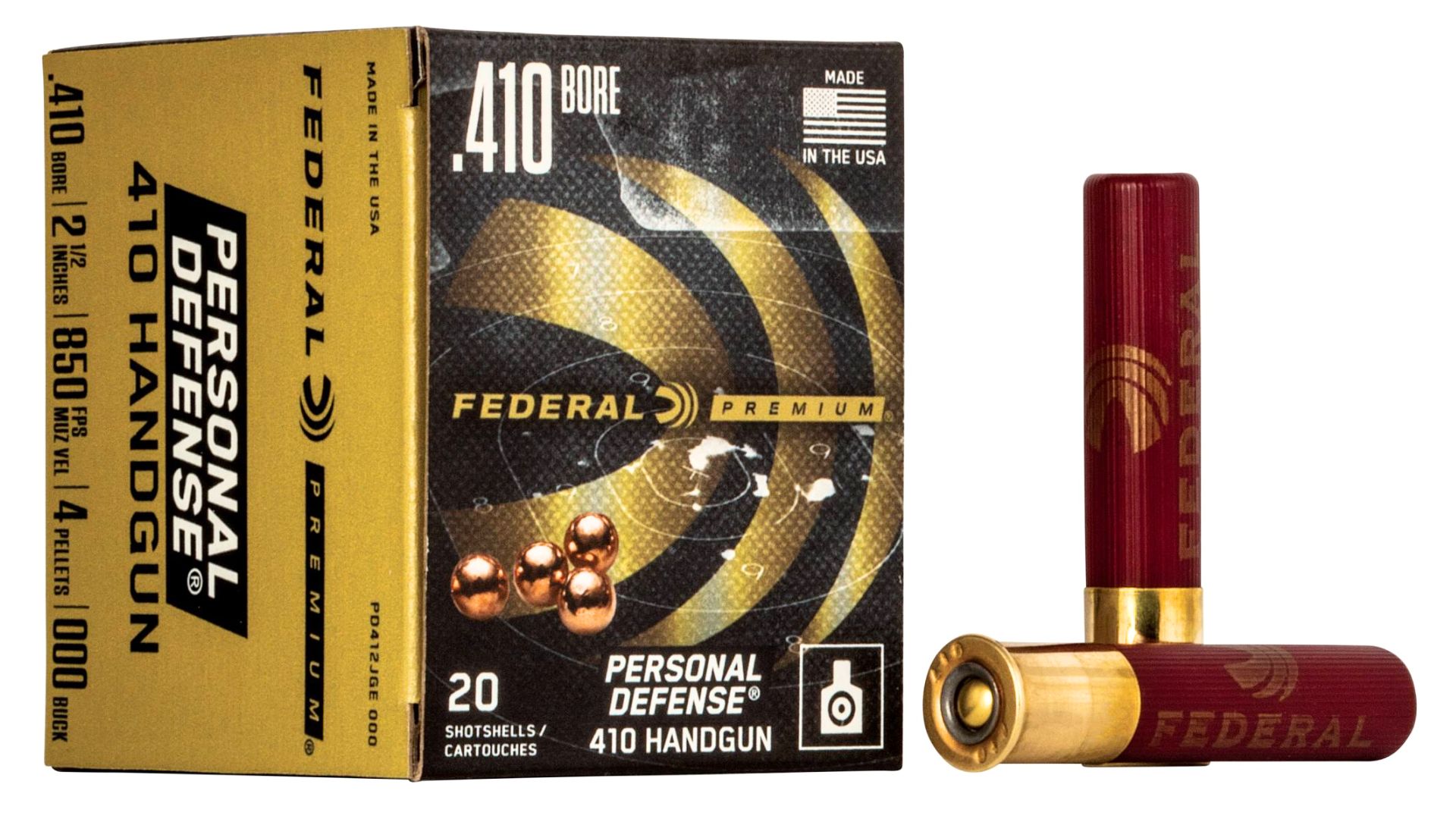
The .410 revolver trend sold a lot of people on the idea of a simple point-and-shoot defensive handgun. Instructors are usually much more skeptical. A .410 shell from a short handgun barrel does not behave like a shotgun from a full-length barrel. Pattern spread, penetration, and pellet performance can be disappointing.
The other issue is that these guns are often bulky, heavy, and slow compared with normal defensive pistols. They look intimidating, but intimidation is not a training standard. Most instructors would rather see a student carry a reliable 9mm or a proper revolver load than bet on handgun-fired birdshot or gimmicky mixed loads.
Like The Avid Outdoorsman’s content? Subscribe to our newsletter so you never miss an article.
Here’s more from us: