Photo credit: farleyjj1/YouTube
A lot of hunters go through the same cycle. They buy the rifle with the louder ad copy, the sharper stock lines, the lighter claimed weight, or the new cartridge everybody swears is the future. For a season or two, it feels like the smart move. Then the groups start wandering, the rifle feels harsher than expected, the stock feels cheaper in cold weather, or the whole thing just never settles into the kind of trust a hunting rifle is supposed to earn. That is when the lesson starts sinking in.
The rifles hunters come back to are usually not the ones that won the internet. They are the ones that carry right, feed right, shoot honestly, and stop demanding excuses once the weather turns bad and the miles start adding up. These are the rifles hunters come back to after wasting time on trend-driven disappointments.
Browning A-Bolt II Hunter

The Browning A-Bolt II Hunter is one of those rifles a lot of hunters appreciate more after getting burned by something newer that looked smarter on paper. It does not need much explaining. The action is smooth, the rifle handles well, and the whole package feels like it was built by people who expected it to spend more time in the field than in a product video. That matters once the honeymoon with trendier rifles wears off.
Hunters come back to the A-Bolt II because it feels finished. It is not trying to impress you with some new angle on rifle design. It just shoulders naturally, shoots with enough consistency to keep your head clear, and carries the kind of quiet competence many newer rifles still struggle to deliver. After a few bad seasons, that starts looking pretty valuable.
Ruger M77 Mark II
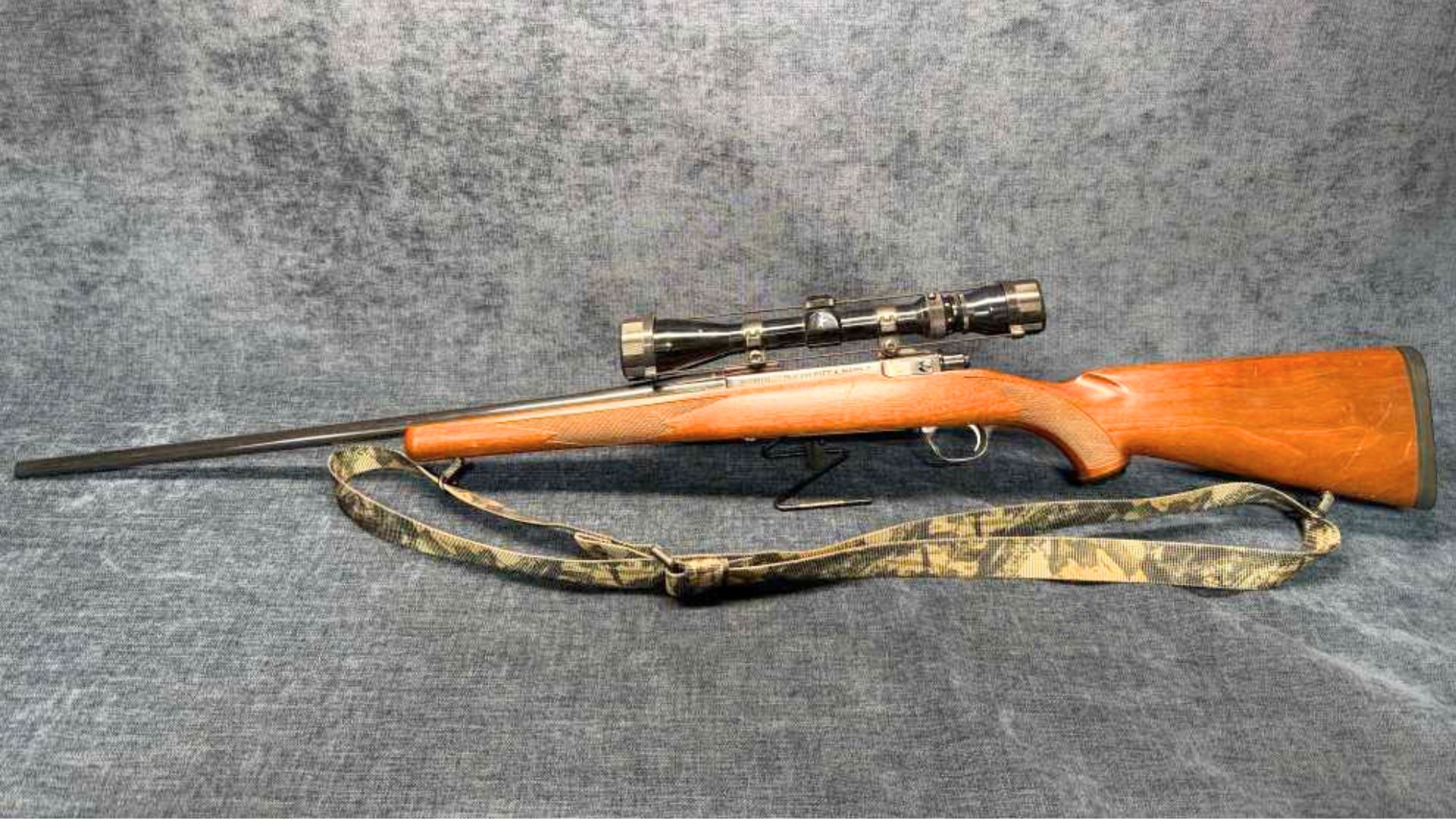
The Ruger M77 Mark II has a way of making a lot of newer rifles feel a little flimsy once you spend enough time around it. It is not flashy, and it never needed to be. Hunters often circle back to it after dealing with rifles that were lighter on the scale but heavier on excuses. The Mark II feels solid in the hands, cycles with real authority, and usually gives off the kind of confidence that matters more the worse conditions get.
What brings people back is how grounded it feels. The rifle does not seem fragile, overthought, or built around trends that will look dated in five years. It feels like a hunting rifle first. When hunters get tired of chasing the newest thing and start wanting something that just settles down and works, the old Ruger suddenly makes a lot more sense.
CZ 550 American

The CZ 550 American is one of those rifles hunters often understand too late. At first glance, it can seem too traditional and too calm to compete with louder, more aggressively marketed options. Then those options spend two seasons making promises they cannot keep, and the CZ starts looking a lot smarter. Controlled-round feed, real stock shape, and a no-nonsense feel go a long way when the novelty is gone.
Hunters come back to the 550 American because it feels like a rifle with priorities in the right order. It does not beg for attention, but it earns trust quickly once you carry it enough. After dealing with thin-feeling stocks, shaky feeding, or rifles that seem more like products than companions, the old CZ feels like a reset back to common sense.
Remington Model Seven CDL

The Remington Model Seven CDL is the kind of rifle hunters return to after realizing that not every light rifle is actually a handy rifle. Plenty of trend-driven hunting guns promise mountain-rifle magic and then turn out to be awkward, twitchy, or miserable once a real shot presents itself. The Model Seven CDL usually avoids all that. It is compact, balanced, and far more useful than some of the louder lightweight options people waste time on first.
What makes it stick is how natural it feels in actual hunting country. It carries easily without feeling nervous in the hands, and it still feels like a proper rifle instead of a stripped-down compromise. Hunters who drift back toward the Model Seven usually do so because they remembered that field handling matters just as much as catalog specs, and often more.
Sako 75 Hunter

The Sako 75 Hunter is the kind of rifle people come back to once they get tired of pretending every new rifle concept is an improvement. It feels refined without being delicate, accurate without being fussy, and practical without looking cheap. That combination gets more attractive after a few years of trend chasing. Many newer rifles try to win the argument before they ever see the woods. The Sako just goes hunting.
Hunters return to the 75 Hunter because it feels sorted out. The action is smooth, the stock feels like it belongs there, and the whole rifle gives you the sense that somebody actually thought through long-term ownership. After enough time with rifles that feel like temporary ideas dressed up as serious tools, the Sako starts to feel like a permanent answer.
Howa 1500 Walnut Hunter

The Howa 1500 Walnut Hunter tends to make more sense after a hunter spends enough time with rifles that looked exciting and felt hollow. The Howa is not trying to reinvent anything, which is part of the appeal. It has a stout action, honest field manners, and enough weight to feel steady without becoming a burden. That kind of usefulness gets easier to appreciate after a few rifles that promised the world and never quite settled down.
Hunters come back to the Howa because it gives them a lot of what they wanted all along: reliability, decent handling, and a rifle that feels more mature than trendy. It does not chase hype. It just keeps doing work. A lot of men waste time trying to convince themselves they need something flashier before they realize the old-fashioned answer was sitting there the whole time.
Winchester Model 70 Featherweight

The Winchester Model 70 Featherweight has a way of reminding hunters that light and lively do not have to mean flimsy or overdone. Plenty of people leave it behind for something supposedly more advanced, then come back after learning the hard way that many modern hunting rifles feel like they were designed around numbers instead of field use. The Featherweight still carries like a dream and shoulders like it belongs in the woods.
That is what hunters miss when they chase trends too hard. The Model 70 Featherweight feels balanced, deliberate, and calm in the hand. It does not need a sales pitch once you start walking serious country with it. After enough disappointment with rifles that sounded smarter than they hunted, a lot of men come back to the Winchester because it still feels like the rifle they should have trusted first.
Kimber 84M Classic

The Kimber 84M Classic is often where hunters end up after realizing that a lot of modern “performance” rifles forgot how a hunting rifle is supposed to feel. The Kimber is trim, lively, and elegant without becoming soft or silly. That matters more after you have spent time with rifles that were supposed to be lighter, faster, or more advanced and somehow still felt worse every time you carried them past the truck.
Hunters return to the 84M Classic because it feels intentional. It is one of those rifles that reminds you good design does not need to scream. It just needs to carry easily, point naturally, and stop getting in your way. Once you have burned enough time on trend-driven disappointments, the Kimber starts looking less like a luxury and more like the practical answer you overlooked.
Browning BLR Lightweight
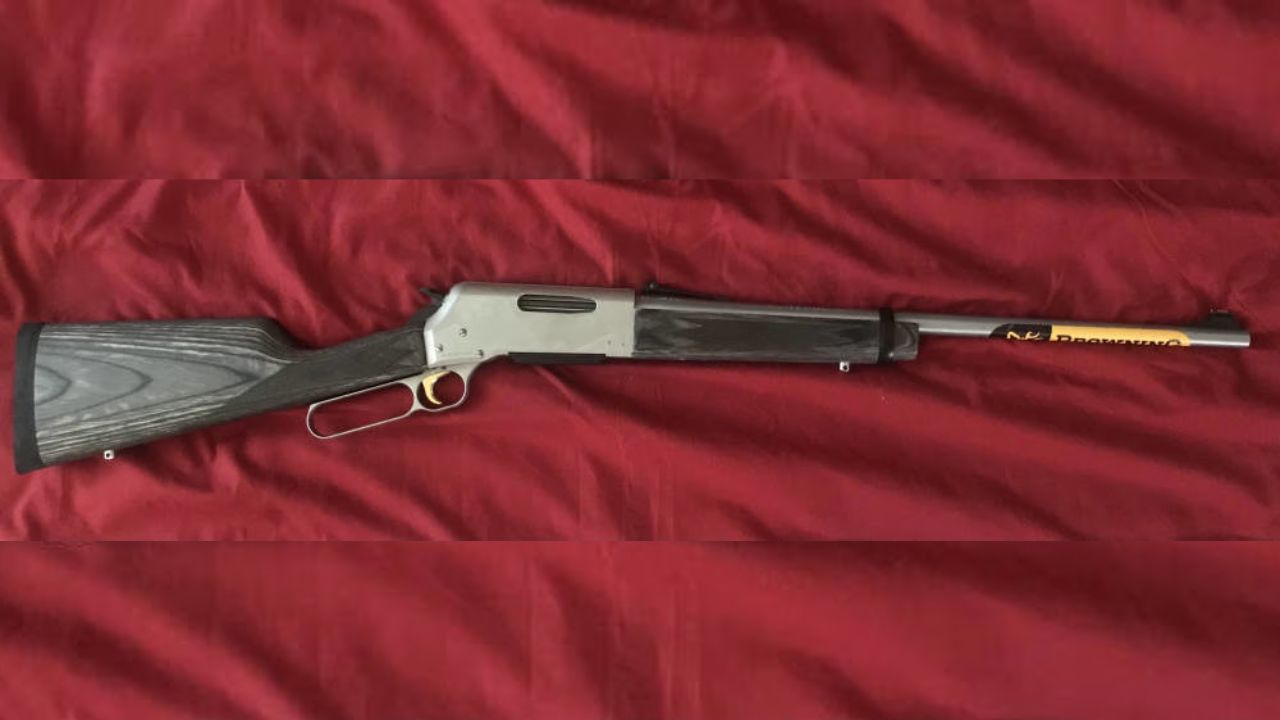
The Browning BLR Lightweight is a rifle many hunters do not fully appreciate until they have spent a few seasons with something that was supposed to be more “capable” and turned out to be more annoying instead. The BLR is quick, handy, and remarkably practical in the kind of country where awkward shots and moving game are more common than perfect range conditions. It never needed the market’s full approval to make sense.
Hunters come back to the BLR because it solves real problems. It carries like a lever gun, handles pointed cartridges, and feels faster in the woods than a lot of bolt rifles that were supposed to be the smarter option. After enough time with rifles that were built around trend language rather than field realities, the BLR starts to look like one of the smartest hunting tools in the safe.
Savage 116 Weather Warrior
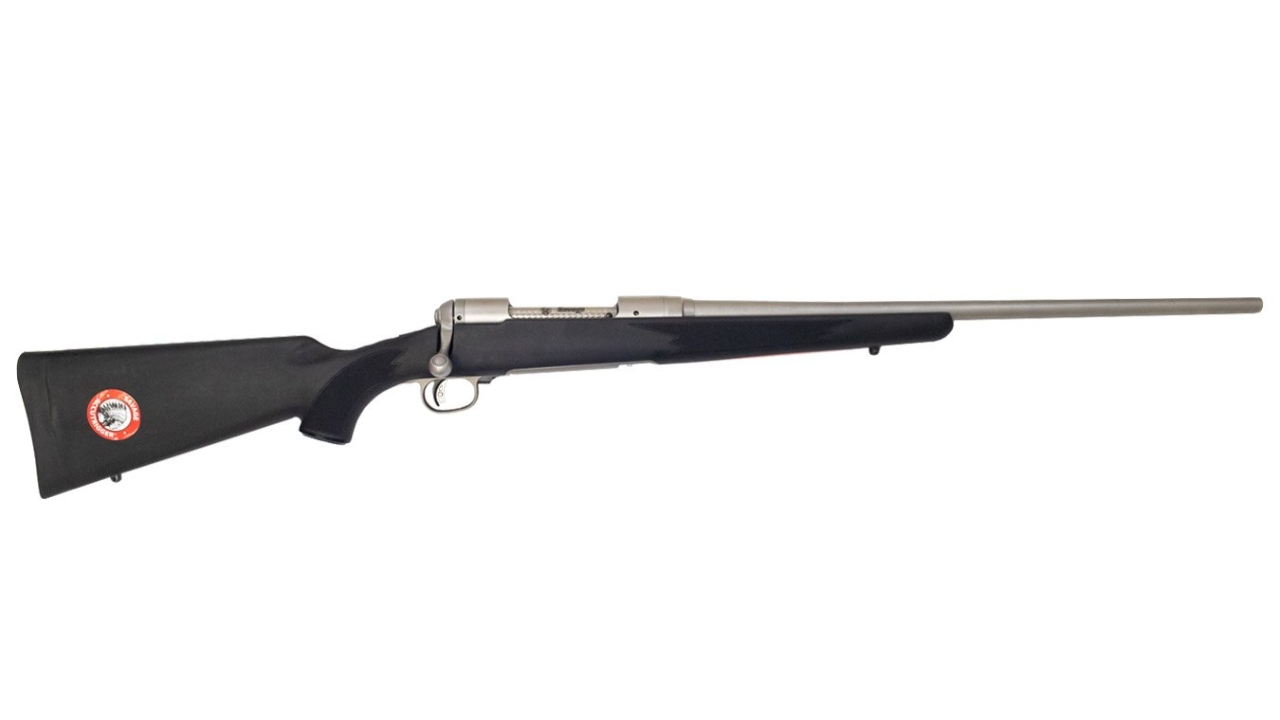
The Savage 116 Weather Warrior is not the rifle hunters brag about first, but it is often the one they circle back to after learning that ugly weather has no patience for fashion. A lot of newer rifles look and sound smarter until they get soaked, bounced around, and hunted hard. The Weather Warrior usually looks the same as it always did: plain, practical, and hard to bother. That turns out to be a strength.
Hunters return to it because it takes weather seriously and usually shoots well enough to quiet most complaints. It does not flatter the owner much, but it does make hunting easier. Once trend-driven rifles start demanding more care, more forgiveness, or more excuses than they should, the old Savage starts looking like exactly the kind of rifle a sensible hunter should have bought in the first place.
Tikka T3 Hunter

The Tikka T3 Hunter often becomes more appealing after a few seasons spent chasing louder ideas. It has the accuracy people expect, but what brings hunters back is how little nonsense comes with it. The action is smooth, the rifle carries well, and it still feels like a proper hunting arm instead of something designed mainly to check current-market boxes. That becomes more meaningful after enough disappointments.
Hunters return to the T3 Hunter because it bridges performance and practicality better than many rifles in its class. It gives you modern shootability without forcing you to accept a cheap-feeling experience in return. After time spent with rifles that looked smarter, sounded smarter, and somehow felt worse every time they came out of the case, the Tikka starts to look like a very adult decision.
Weatherby Vanguard Sporter

The Weatherby Vanguard Sporter is another rifle hunters often rediscover after learning that exciting is not always the same thing as useful. It never had the sharpest image in the lineup, and that made it easy to underestimate. But the rifle has a long habit of being steady, accurate, and refreshingly free of drama. That becomes much easier to admire after a trend-driven purchase starts needing constant forgiveness.
Hunters come back to the Vanguard Sporter because it feels dependable in a grown-up way. The action is solid, the rifle tends to shoot honestly, and the stock still feels like it belongs on a real field rifle. A lot of people waste time learning that “better” rifles are often just louder about what they are supposed to be. The Vanguard just keeps being useful.
Remington 7600

The Remington 7600 is one of those rifles many hunters only fully appreciate after trying to force trendier gear into the wrong kind of country. It gets brushed off by people who want to sound more refined than practical, right up until they spend enough time in thick woods, awkward terrain, or fast-moving deer conditions. Then the pump rifle suddenly makes perfect sense again.
Hunters come back to the 7600 because it points naturally, handles fast, and solves real hunting problems without asking the owner to explain anything. It is not glamorous, but it is deeply effective where it belongs. After a few seasons of fighting rifles that seemed built for bragging more than hunting, the old Remington starts to look like the kind of honest answer people should not have walked away from.
Marlin 336

The Marlin 336 is a rifle hunters often rediscover after wasting time on long-barreled, over-scoped, over-pitched rifles that never really fit the woods they actually hunt. The 336 does not sound special enough for some buyers at first. It is a plain old lever gun in a plain old cartridge, and that lack of drama is exactly why people talk themselves away from it until the hard lessons show up.
Hunters come back because the rifle carries right, points quickly, and stops making them think so much. In real brush country and real deer woods, that is worth far more than a trend chart. After enough disappointment with rifles that wanted to be admired more than used, the Marlin starts feeling like the answer that was sitting there all along.
Ruger Hawkeye All-Weather

The Ruger Hawkeye All-Weather is the kind of rifle hunters return to when they are finally done pretending they need a hunting rifle to be stylish. Stainless and synthetic can look cold on the rack, and that pushes some buyers toward prettier options that feel more satisfying in the shop. Then those pretty rifles meet bad weather, hard use, and rough country, and the priorities change fast.
Hunters come back to the Hawkeye All-Weather because it feels like it was built for seasons, not impressions. It handles rough conditions without drama, carries real Ruger sturdiness, and usually keeps doing what it is supposed to do without much maintenance theater. After enough trend-driven disappointments, that kind of reliability starts looking better than just about anything else.
Like The Avid Outdoorsman’s content? Subscribe to our newsletter so you never miss an article.
Here’s more from us: