Photo credit: BHPfan26/YouTube
Some collector guns really are special. They have history, quality, rarity, or a genuine place in firearms culture that explains why people chase them. Then there is the other side of the market, where a gun starts climbing, the money gets committed, and suddenly every conversation around it sounds a little too defensive. That is when you start hearing more justification than enjoyment. The owner is not always lying exactly, but they may be trying a little too hard to prove the price made sense.
That is what happens when collector energy outruns practical honesty. A gun gets scarce, a few big sales wake everybody up, and now people who paid dearly for one feel obligated to talk like it is untouchable. Sometimes the praise is deserved. Sometimes the praise sounds like a man trying to protect his wallet from the truth. These are the collector guns buyers often keep talking up because the price tag now needs backup.
Colt Snake Eyes set
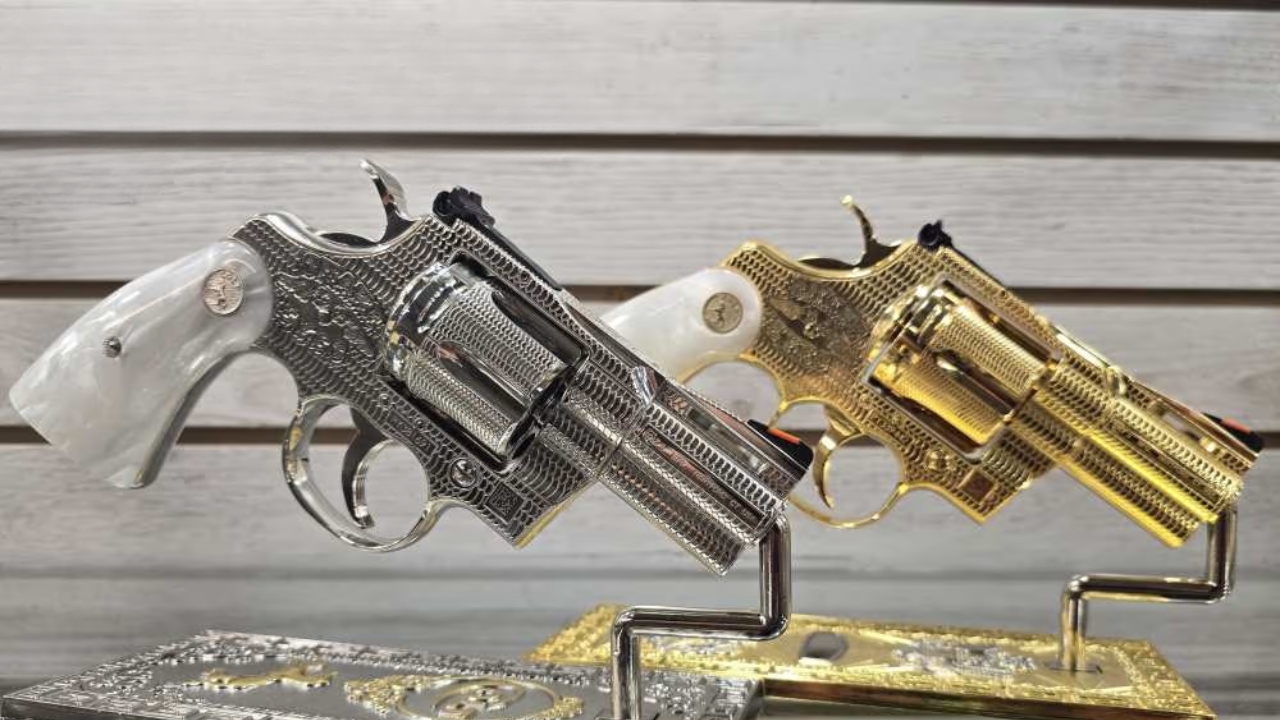
The Colt Snake Eyes sets are exactly the kind of collector package that gets defended harder than it gets shot. They have presentation value, limited-edition appeal, and enough Colt name power to make buyers feel like they bought something bigger than a pair of small revolvers. Once the money gets steep, the language around them starts changing. Suddenly they are not just neat Colt collectibles. They are “investment-grade” pieces that owners feel almost obligated to praise in grander terms than the guns themselves always justify.
That is the pattern with flashy commemorative-style collector packages. The value becomes part of the identity, and the owner starts protecting that value with every conversation. Nobody wants to admit they paid mostly for presentation, scarcity, and box appeal. So the talk gets louder. The guns become legends in the telling because the price already forced the issue.
HK P7M8

The P7M8 is a genuinely interesting pistol, but it also sits in that dangerous collector zone where buyers can start talking like every dollar attached to one is automatically beyond question. It has the squeeze-cocker mystique, German police-pistol credibility, and a design unlike almost anything else. All of that is real. What also becomes real is how often buyers speak about it like the rising price alone proves it is beyond criticism.
That is where the tone shifts from appreciation to defense. Owners who paid serious money do not always want to hear about heat buildup, parts concerns, or the simple fact that some of the appeal is tied heavily to rarity and mechanical novelty. So the conversation gets polished. The pistol stays excellent in some ways, but the praise often grows even faster than the practicality.
Colt Python Hunter
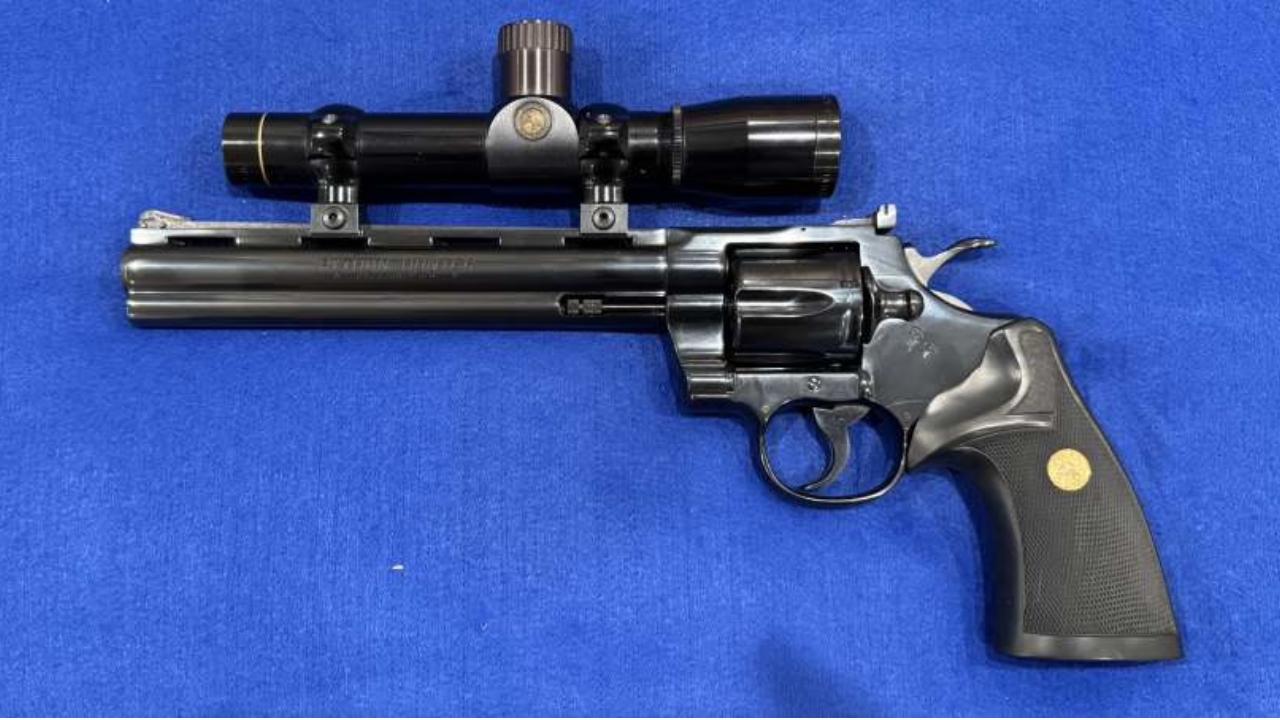
The Python Hunter has all the ingredients for expensive self-justification. It is a Python, it wears the hunting-package identity, and it has enough rarity to make buyers feel like they are playing in higher collector air. Once somebody writes that check, the revolver quickly becomes something they talk about with a little extra force. It is not just a nice variant anymore. It becomes a masterpiece that supposedly had to cost what it did.
That is how collector psychology takes over. A gun can be desirable without every price jump being sensible, but owners rarely want to separate those ideas once they are financially committed. The more the Python Hunter costs, the more sacred the talk around it becomes. That does not mean it is unworthy. It means the praise often starts carrying the weight of the invoice.
Remington 40X rimfires
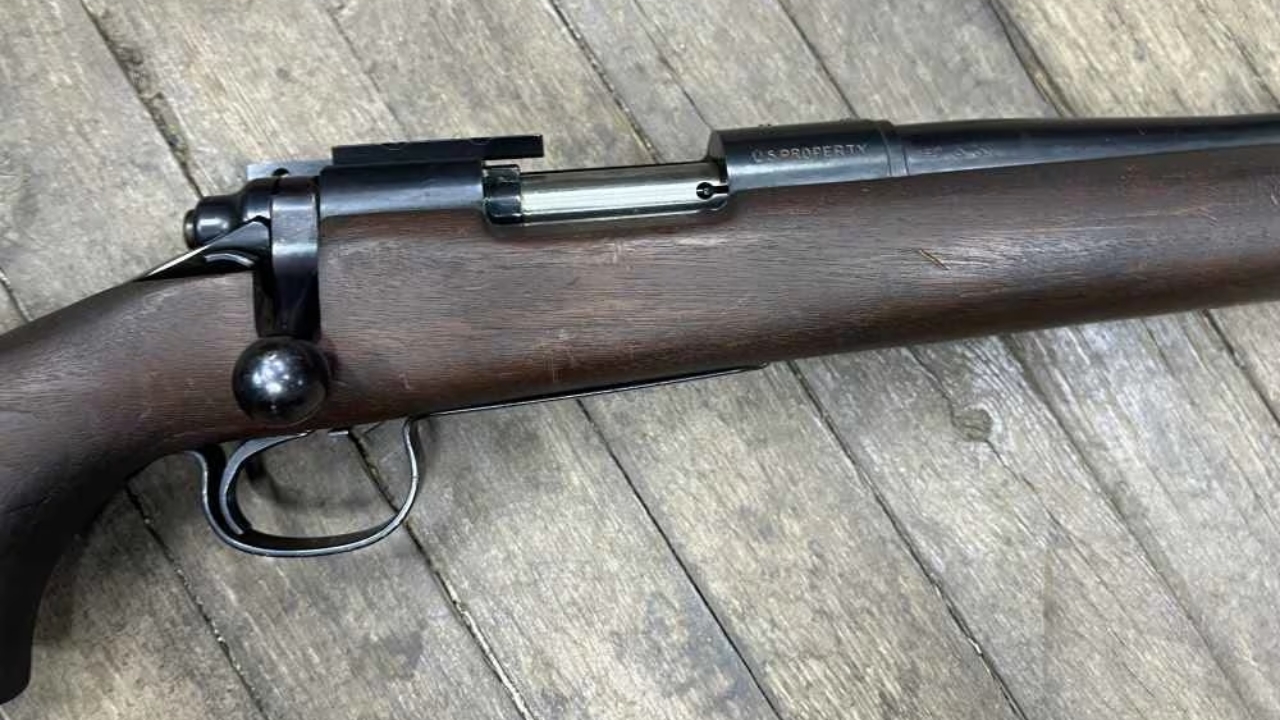
The 40X is one of those rifles that absolutely deserves respect, but it also attracts the kind of owner who can start defending price with tone alone. Once buyers cross into high-end target rimfire money, they rarely want to admit how much of the appeal is tied to reputation, old-school prestige, and the shrinking supply of well-kept examples. The rifle becomes something they speak about like it exists above ordinary criticism.
That is where collector defensiveness starts showing. Every nice old target rifle becomes a “true shooter’s rifle” in the telling, even if most of the value now lives in condition, originality, and market scarcity. The 40X is a fine rifle. It just also happens to be the sort of rifle people get very philosophical about once they have spent enough to feel the need.
Browning SA-22 Grade II and higher-grade variants

Higher-grade Browning SA-22 rifles have a way of turning practical little rimfires into emotional financial arguments. Buyers fall for the engraving, the finish, the Belgian or early-production charm, and the old-school takedown appeal. Then the prices go up, and suddenly every conversation about one starts sounding like a defense brief for why a fancy .22 deserved centerfire-money treatment.
That is the collector trap. A genuinely beautiful rimfire becomes something the owner talks up beyond all proportion because they now need it to be more than lovely. It has to be wise. It has to be serious. It has to be irreplaceable in spiritual terms, not just collector terms. The nicer the grade, the more likely somebody starts selling the story as hard as the rifle.
Smith & Wesson Registered Magnum
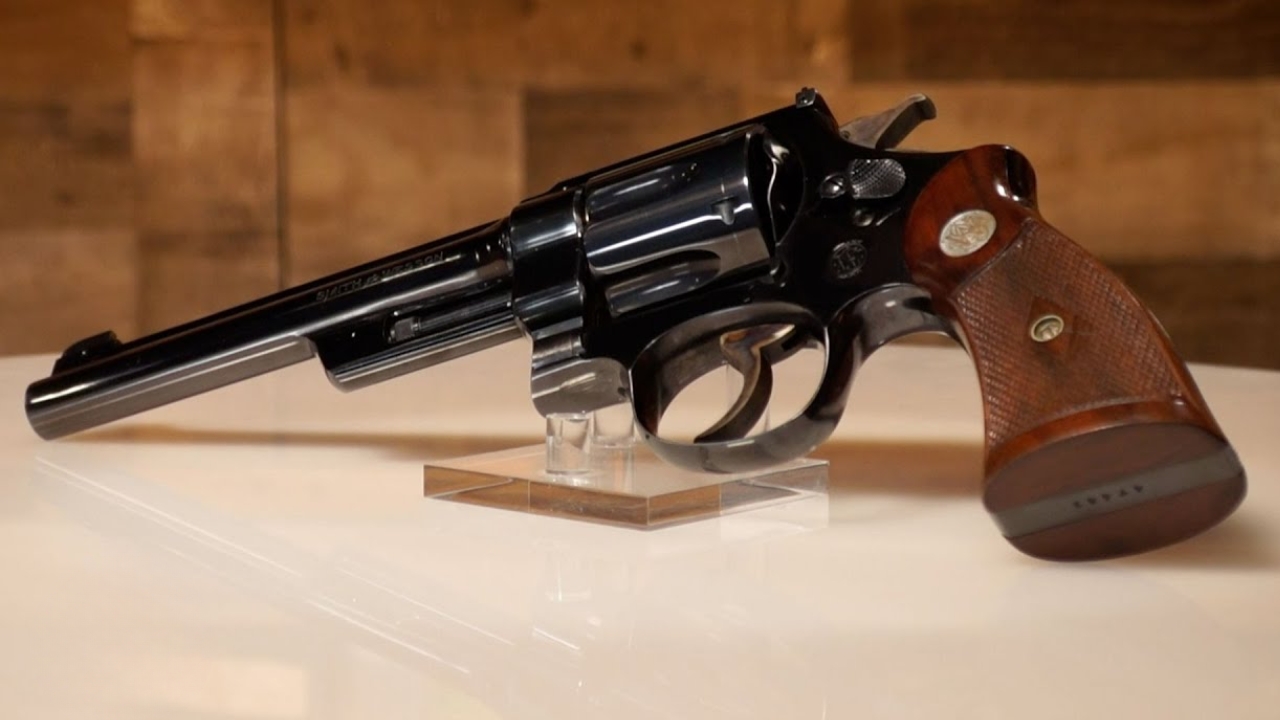
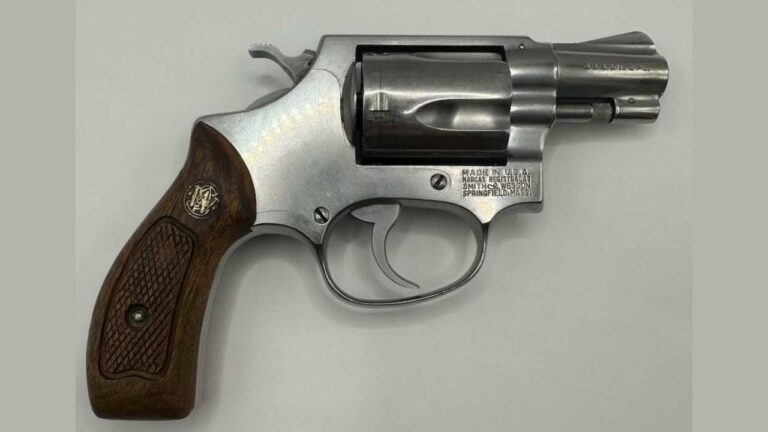
A Registered Magnum absolutely has historical importance, but it is also one of those revolvers where the money can start talking through the owner. Once somebody buys into that level of pre-war Smith & Wesson prestige, every detail becomes sacred. The craftsmanship, the registration certificate, the place in magnum history, all of it gets repeated with the kind of intensity that often suggests the price is part of the speech.
That is understandable, but it also changes the tone around the gun. Honest admiration becomes a little less honest once nobody wants to mention how much of the modern price tag is fueled by status, rarity, and the collector world’s habit of climbing over itself. The gun is important. The way people talk about it after paying for one is often just as revealing.
Colt Woodsman Match Target
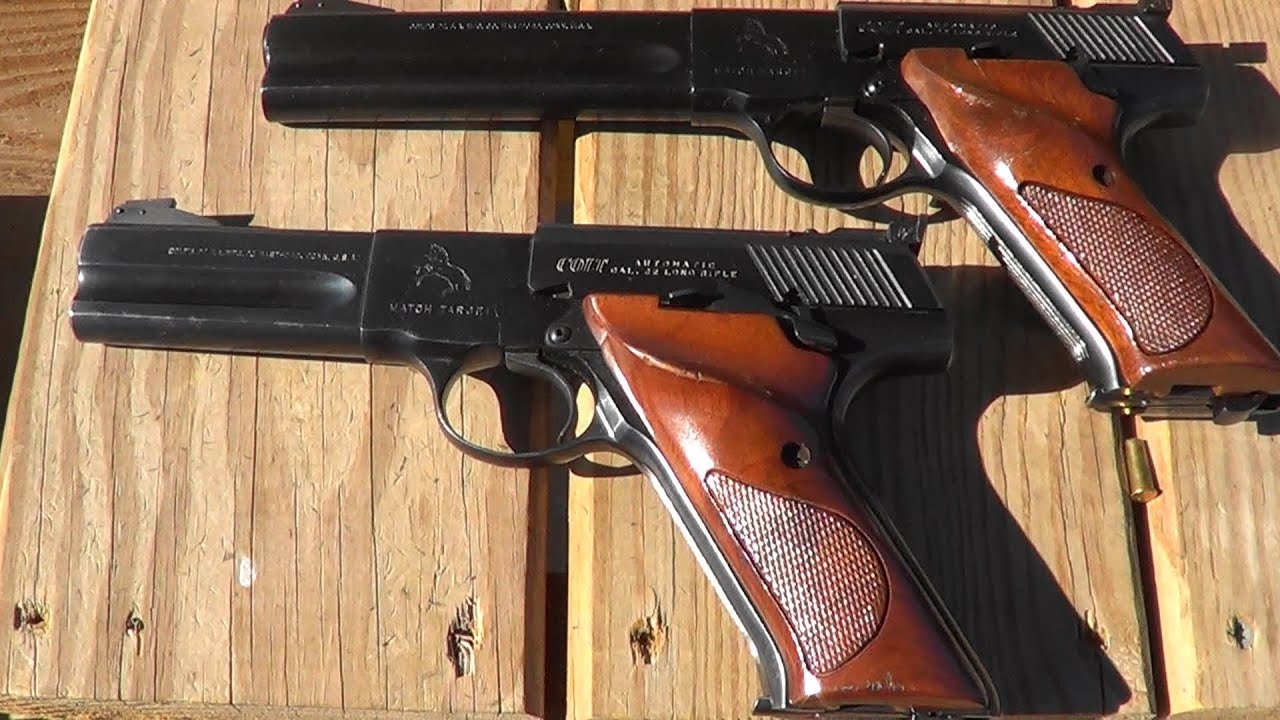
The Woodsman Match Target is one of those pistols buyers speak about like it contains the last pure form of civilized handgun shooting. Some of that talk comes from genuine affection. Some of it comes from the fact that a really nice one can cost enough to make the buyer feel obligated to sound poetic. Once the money gets serious, the pistol stops being just an elegant old rimfire and becomes something owners speak of like a moral correction to the modern world.
That tone usually tells you the price tag is now part of the legend. Nobody wants to say, “I paid a lot because these got scarce and I love old Colts.” They want the purchase to feel higher-minded than that. So the talk gets richer, the adjectives get grander, and the gun takes on a kind of curated holiness that conveniently matches the market.
Winchester Model 21
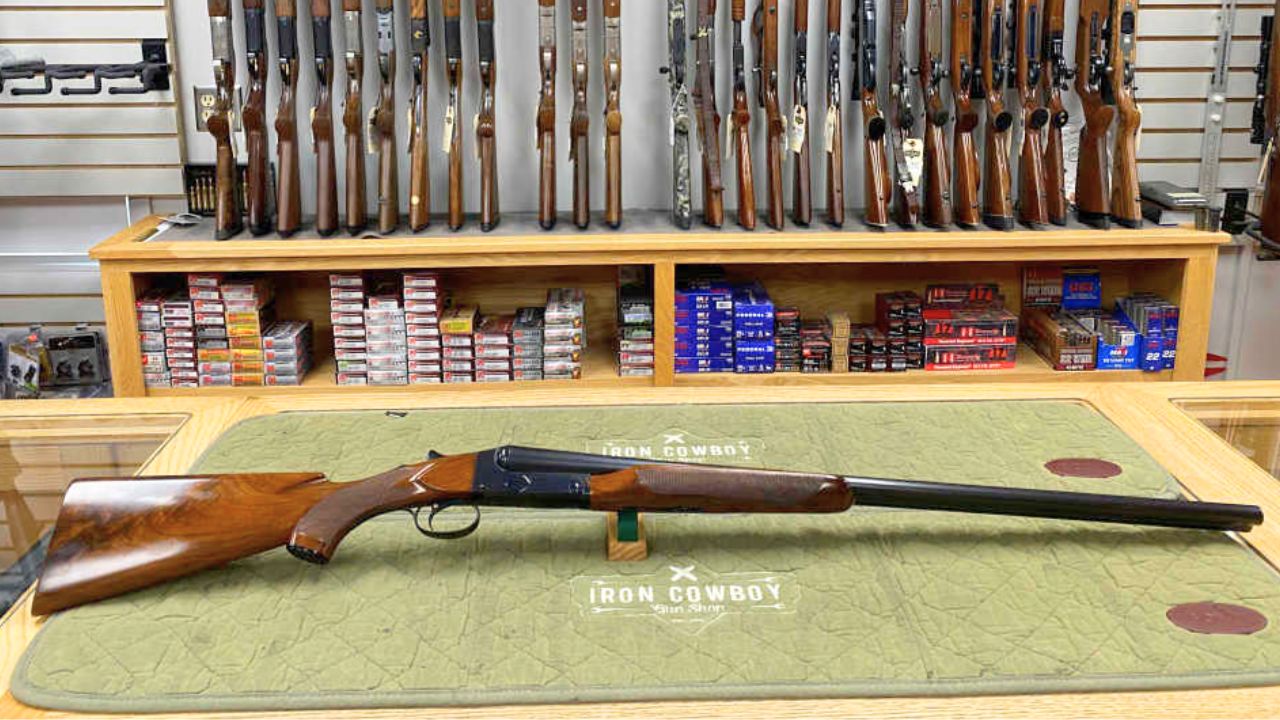
The Model 21 has long lived in that sweet spot where genuine quality and collector overstatement blend together almost perfectly. It is a serious shotgun, yes, but it is also one of those guns buyers start talking about with unusual firmness once they have paid deep money. The craftsmanship gets described like scripture, and every price jump somehow becomes proof that the market is simply recognizing what enlightened people already knew.
That is how expensive classics get defended. Nobody wants to admit that part of the price is prestige feeding prestige. So the shotgun gets talked up as if every dollar attached to it is anchored purely in merit. The Model 21 earns plenty of admiration on its own. The problem is that buyers who paid heavily often sound like they are also trying to reassure themselves.
SIG Sauer P210 military and early commercial variants
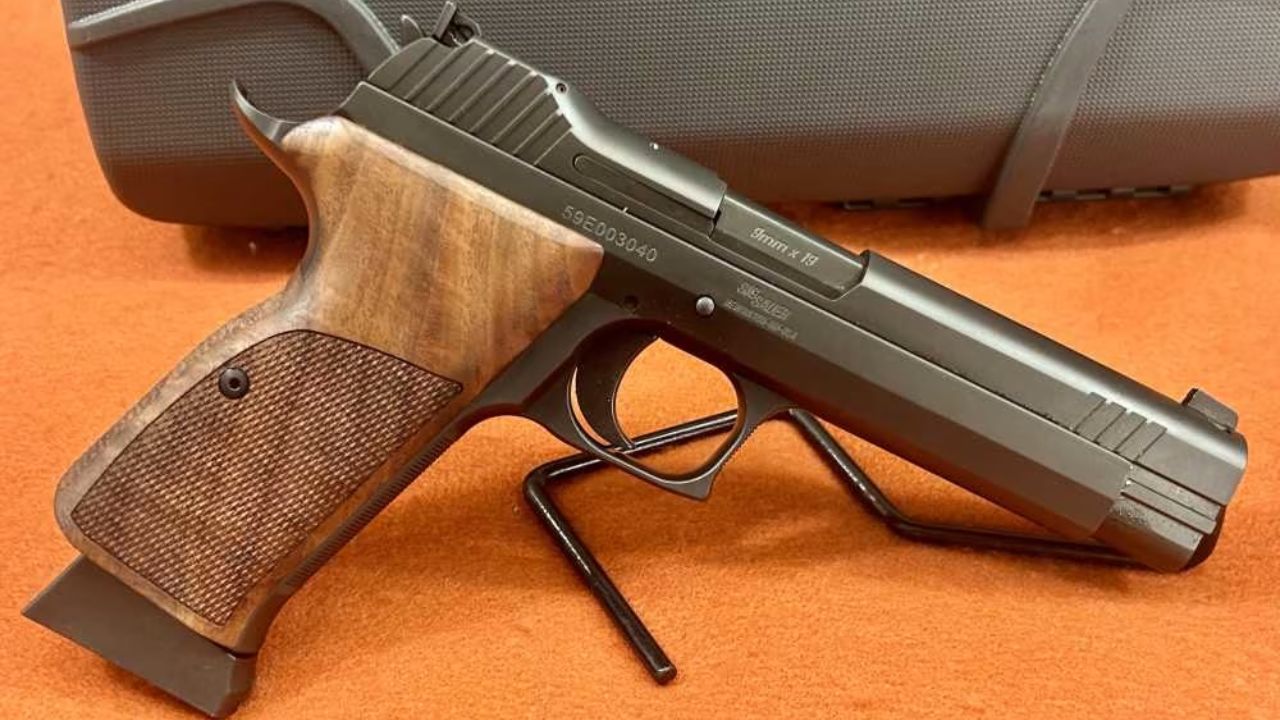
Older P210s are excellent pistols, but they are also prime examples of collector guns that get explained in increasingly elevated terms once the buyer has paid collector money. The precision, the Swiss workmanship, and the old-world fit are all real. So is the urge to describe them like no amount is too much once you already spent it. That is when reasonable appreciation starts edging into price defense.
Owners do not just want the gun to be good. They want it to justify the modern market around it. So every range impression starts sounding like a testimony, and every mention of cost gets answered with a lecture on standards, manufacturing, and refinement. Again, the qualities are real. The intensity often grows because the wallet got involved.
Colt Single Action Army first-generation guns
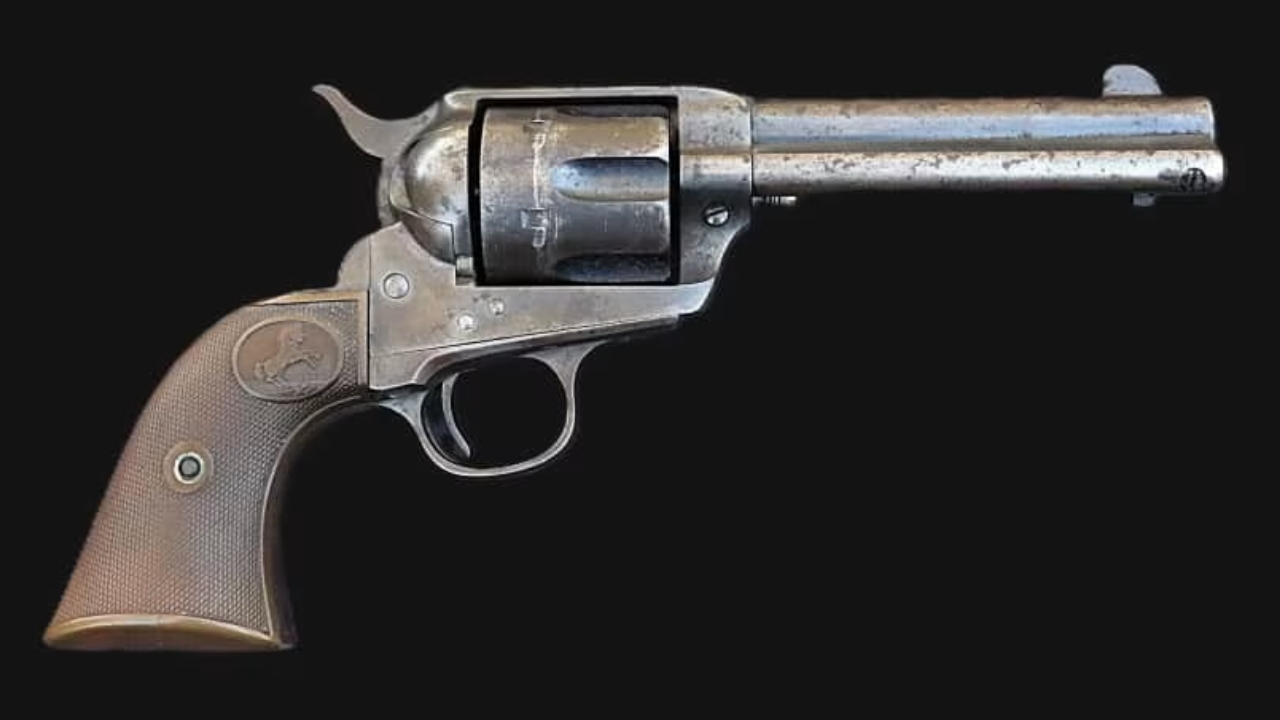
First-generation Single Action Army prices have pushed many buyers into a place where the romance has to do heavy lifting. Once a revolver costs that much, nobody wants to admit how much of the bill is tied to mythology, condition sensitivity, and collector fever. So the gun gets talked about like owning one is not just ownership but communion with the American frontier itself.
That is where the defense becomes obvious. The owner does not simply admire the gun. He often speaks as though any skepticism about the price reflects a lack of culture, history, or seriousness. That is usually a clue that the price tag has become emotionally active. The Colt matters. The way buyers talk once the money gets huge often matters just as much.
Browning High Power Capitan or rare early Belgian commercial variants
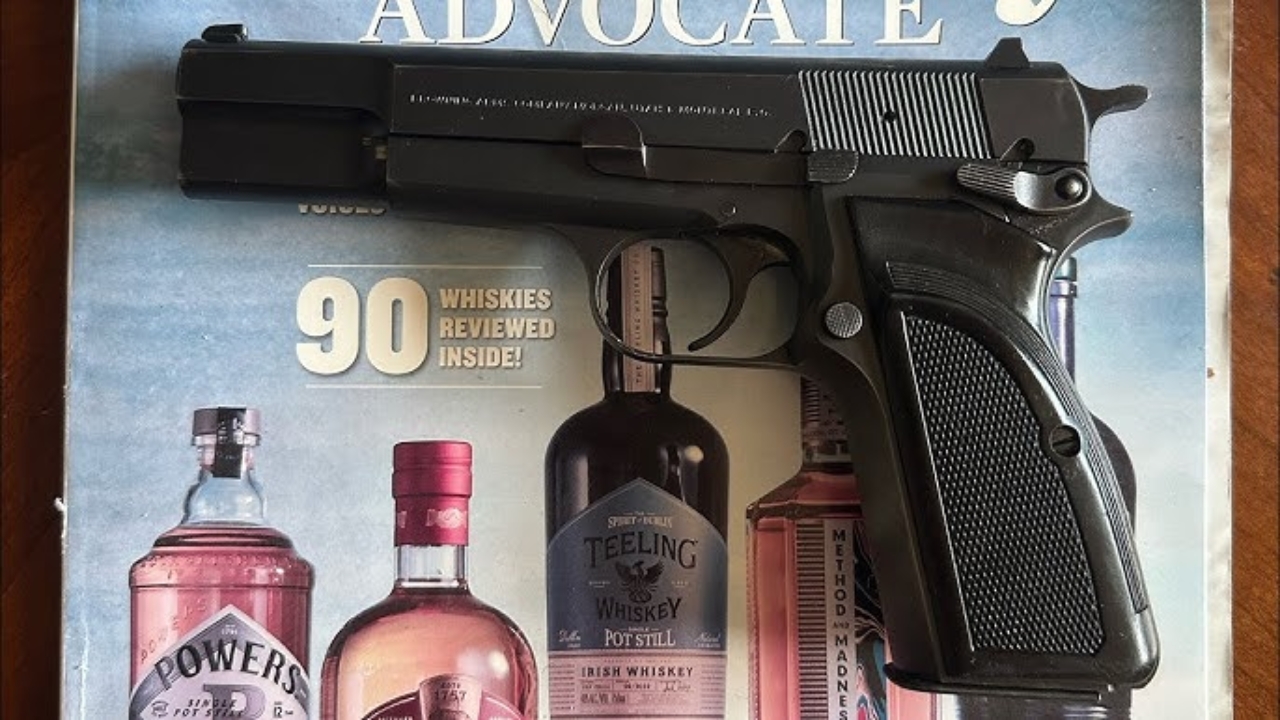
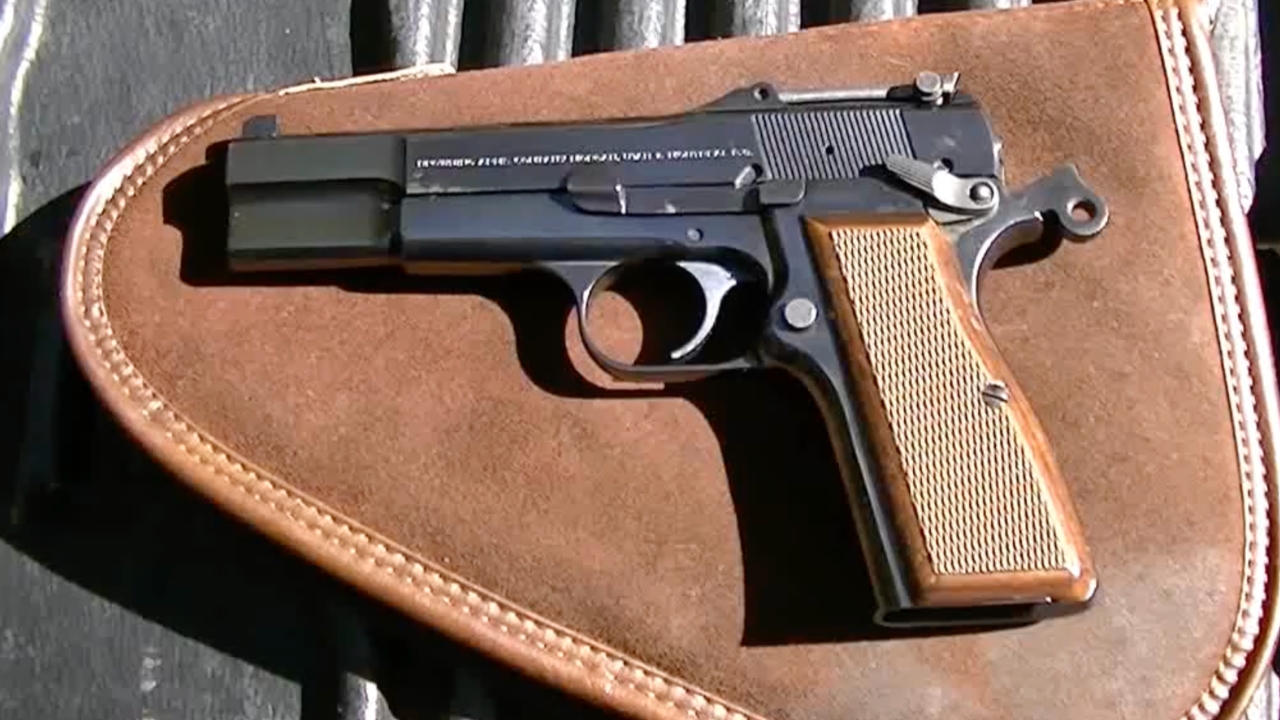
Certain rare High Power variants get talked up like they are the final answer to every question about classic service pistols. Some of that is deserved because the platform has real greatness behind it. But once buyers move into rare Belgian commercial money, the tone shifts. The pistol becomes not just collectible but spiritually superior, and the owner often sounds like he is arguing his way out of sticker shock in real time.
That is the thing about niche desirable variants. They can be excellent and still become over-defended once scarcity starts inflating the bill. A buyer who paid normal old-Browning money talks about the gun one way. A buyer who paid rare-configuration collector money usually talks about it like he has to win a case in front of a jury.
Remington Nylon 66 Mohawk Brown early-production examples
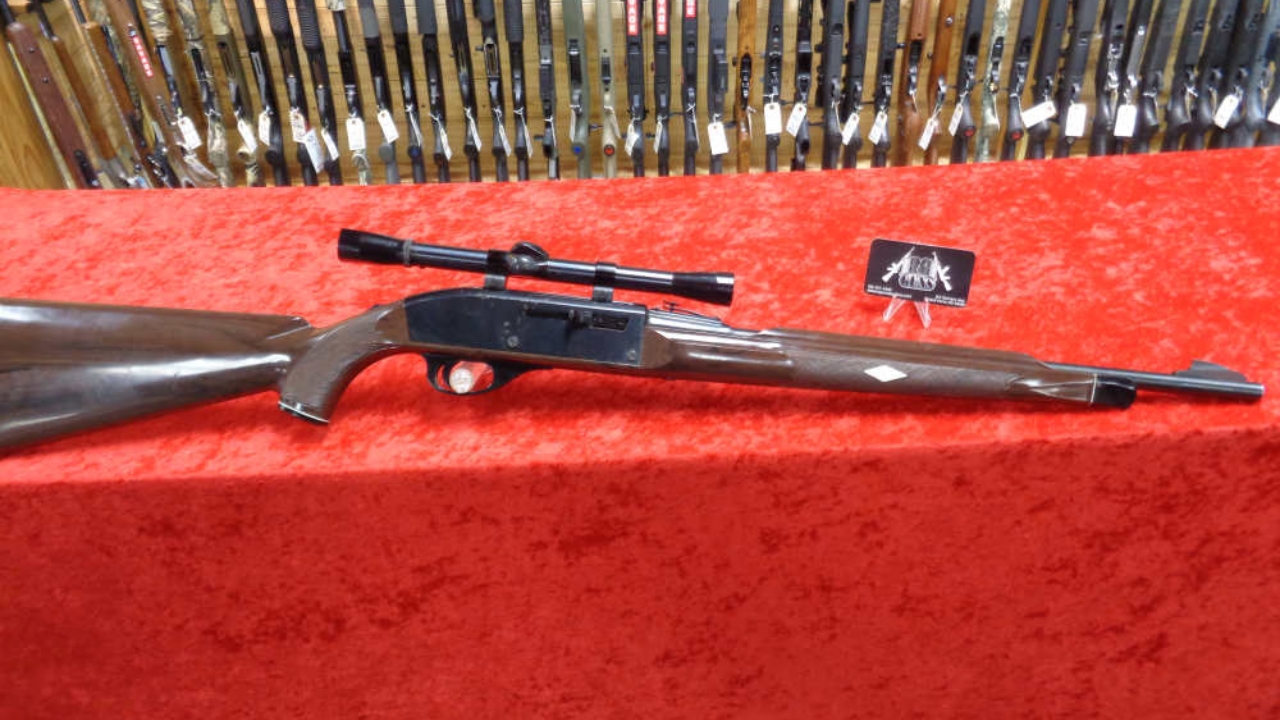
The Nylon 66 is a great example of a gun that spent years feeling casual and then began attracting collector language that gets a little richer every time the price rises. Once early guns in desirable colors and condition started moving hard, buyers began talking about them like they were untouchable design icons rather than clever, lightweight .22 rifles that happened to survive in collectible numbers.
That is when the defense starts creeping in. A buyer who paid strong money for one does not want to hear that part of the value is simply nostalgia colliding with scarcity. He wants the rifle to sound inevitable, brilliant, and underappreciated by lesser minds. The more the price rises, the more certain owners seem to need the rifle to represent.
Smith & Wesson Model 52
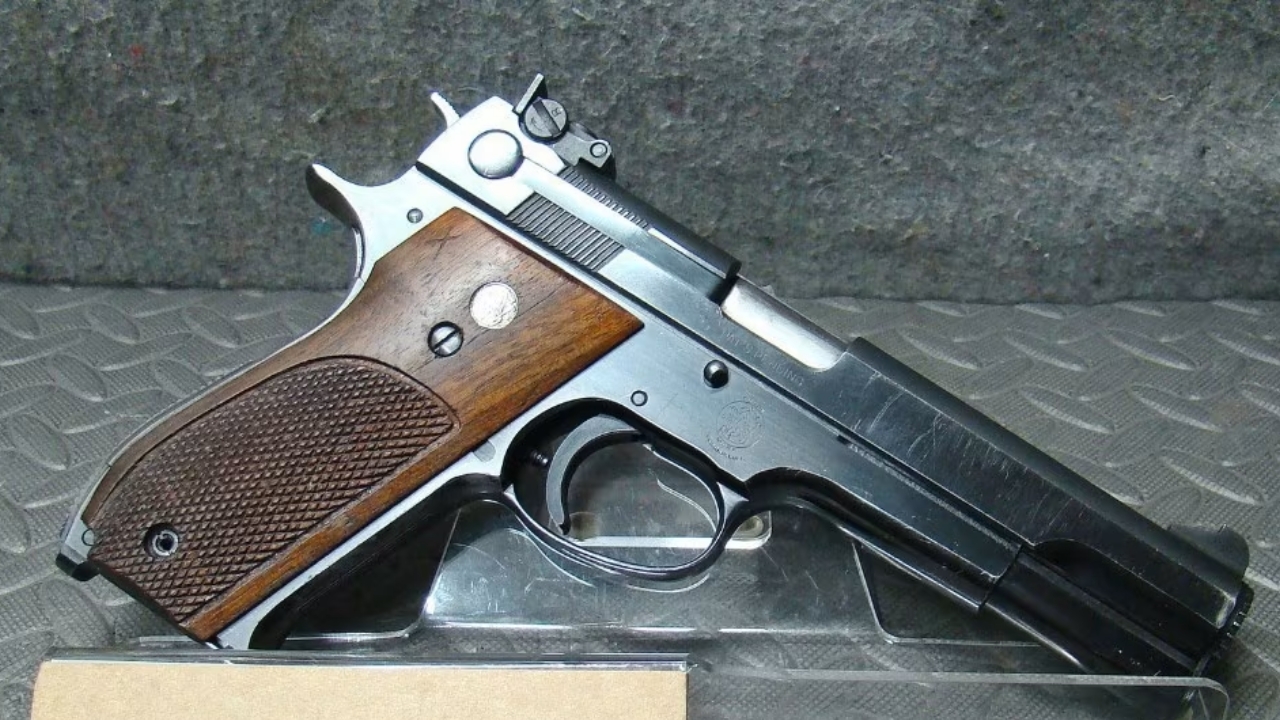
The Model 52 is a deeply cool pistol, but it also lives in that collector category where the owner’s tone often reflects what he spent. A beautiful wadcutter target pistol from another era can absolutely deserve admiration. Still, once the asking prices start climbing, owners often begin talking as though every one of them is a sacred object rather than a specialized competition pistol with a niche place in the modern world.
That shift usually tells you the market has gotten inside the language. The pistol becomes a symbol of refinement, standards, and lost craftsmanship, which may all be partly true. It also becomes a convenient way to explain why a very specific old target gun now costs more than a lot of buyers ever imagined it would.
Winchester 61

The Winchester 61 gets talked up like crazy once someone has paid top-shelf pump-rimfire money. It is a slick, handsome, well-made rifle, but the way buyers describe it after writing the check often sounds like they are trying to prove there is no such thing as overpaying for a classic Winchester pump. Every smooth stroke becomes evidence. Every finish detail becomes proof of destiny.
That is what collector defense sounds like when it wears a friendly face. Nobody says, “I got emotional and bought a beautiful old rimfire.” They say the rifle is from a vanished age of excellence and therefore cannot be judged in ordinary terms. Sometimes that is partly right. Sometimes it is just expensive reassurance dressed up as wisdom.
Colt Diamondback
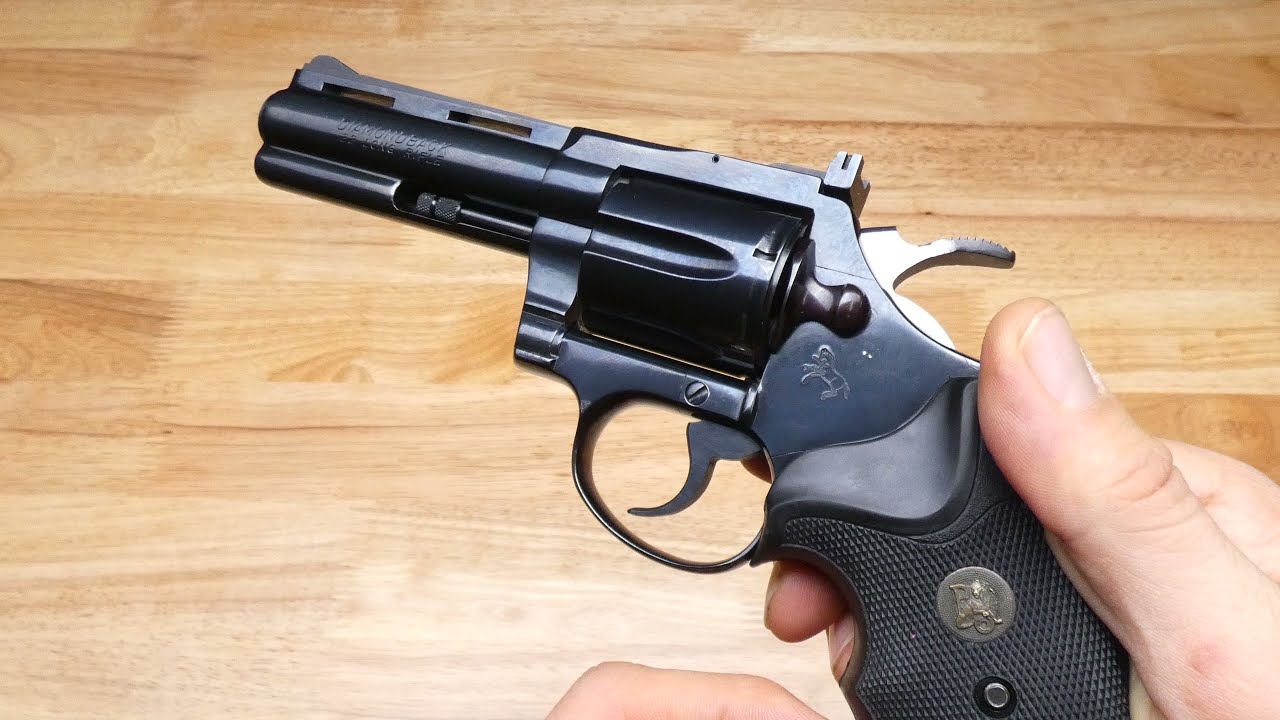
The Diamondback is one of the clearest examples of a revolver people keep talking up because the current price structure forces the issue. It is attractive, it has Colt snake-adjacent energy, and it taps perfectly into collector emotion. Once buyers start paying Python-adjacent enthusiasm for a smaller framed revolver, the praise becomes mandatory. Nobody wants to sound uncertain after spending that kind of money.
So the Diamondback gets described like the market discovered a forgotten masterpiece rather than a stylish Colt that benefited heavily from brand fever, scarcity, and image. It is a fine revolver. The way buyers talk after buying one often tells you they need it to be a lot more than fine.
Like The Avid Outdoorsman’s content? Subscribe to our newsletter so you never miss an article.
Here’s more from us: