
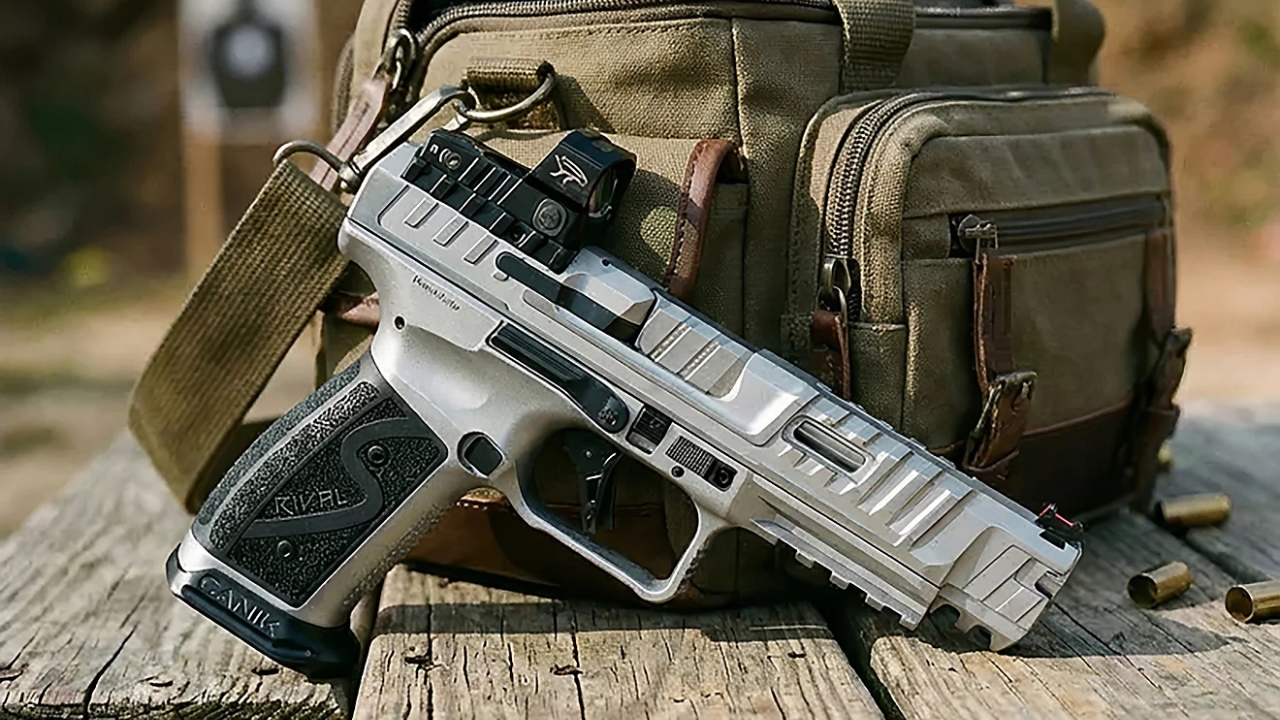
Photo credit: Academy Sports
Most pistols can survive a few hundred rounds a year. The real differences begin to appear when a handgun is used for weekly training, competition, professional instruction, or repeated high-volume range sessions. Springs weaken, small parts wear, magazines get tired, and shortcuts in manufacturing become much harder to hide.
A high-round-count pistol does not need to remain untouched forever. Recoil springs, magazine springs, extractors, and other wear components should be replaced as needed. The best designs make that maintenance predictable and continue operating long after lesser pistols begin developing cracks, loose parts, or recurring malfunctions. These 20 pistols are built around platforms that can handle serious use when kept properly lubricated and maintained.
Glock 17 Gen6
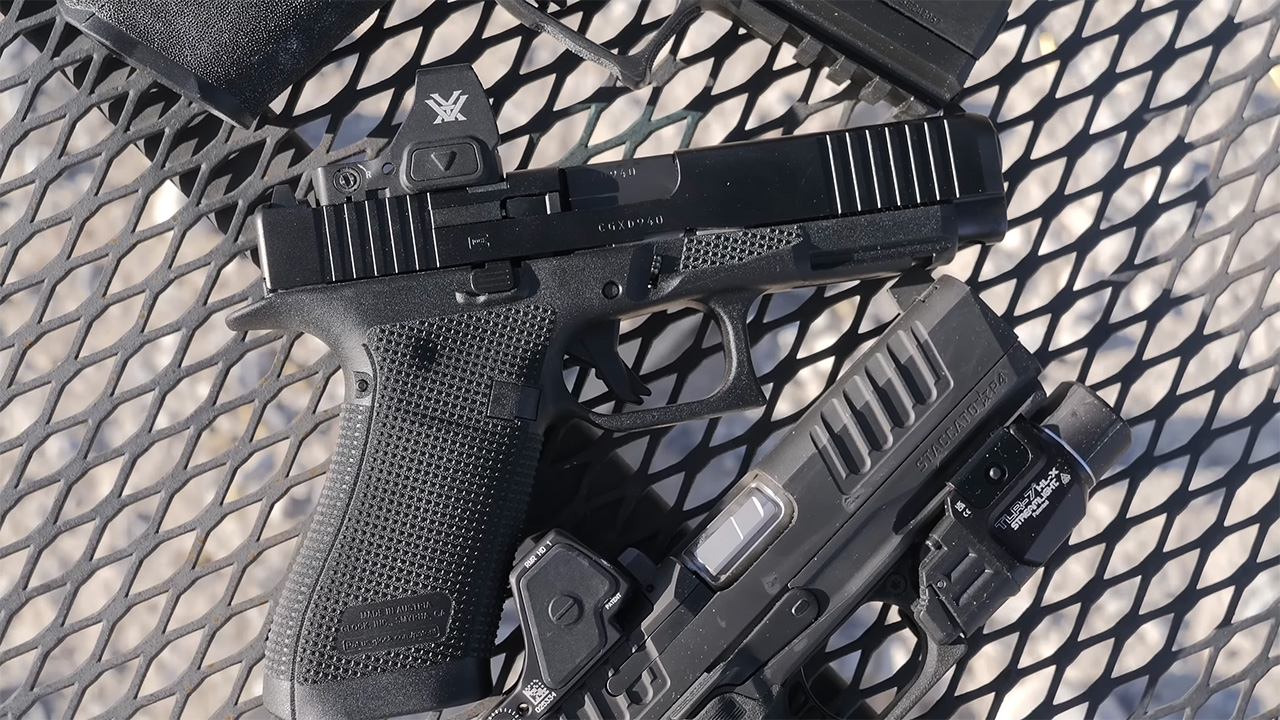
The Glock 17 Gen6 is the current version of a pistol platform that has spent decades proving itself under heavy use. Its full-size frame gives the slide and recoil assembly plenty of room to operate, while the simple striker-fired mechanism uses relatively few internal components. That reduces the number of small parts that can loosen, break, or fall out of adjustment.
The biggest advantage for a high-volume shooter is not that the Glock never needs service. It is that common wear parts are inexpensive, widely available, and easy to replace. Recoil springs, trigger components, extractors, and magazines can be kept on hand without spending much. A stock G17 with factory magazines is far more likely to survive years of training than one filled with lightened springs and questionable aftermarket internals.
Smith & Wesson M&P9 M2.0 Full Size

The full-size M&P9 M2.0 was built around duty use and extended training rather than minimum size. Its stainless-steel chassis provides structural support inside the polymer frame, while the full-length slide and recoil system distribute stress better than the short assemblies found in many micro-compacts.
Current M&P pistols also have a mature supply of factory magazines, recoil assemblies, extractors, and other service parts. The aggressive grip texture gives the shooter strong control as sessions become longer and hands become sweaty. The pistol may not attract the same attention as more exotic designs, but that conventional construction is part of why it holds up so well.
SIG Sauer P226
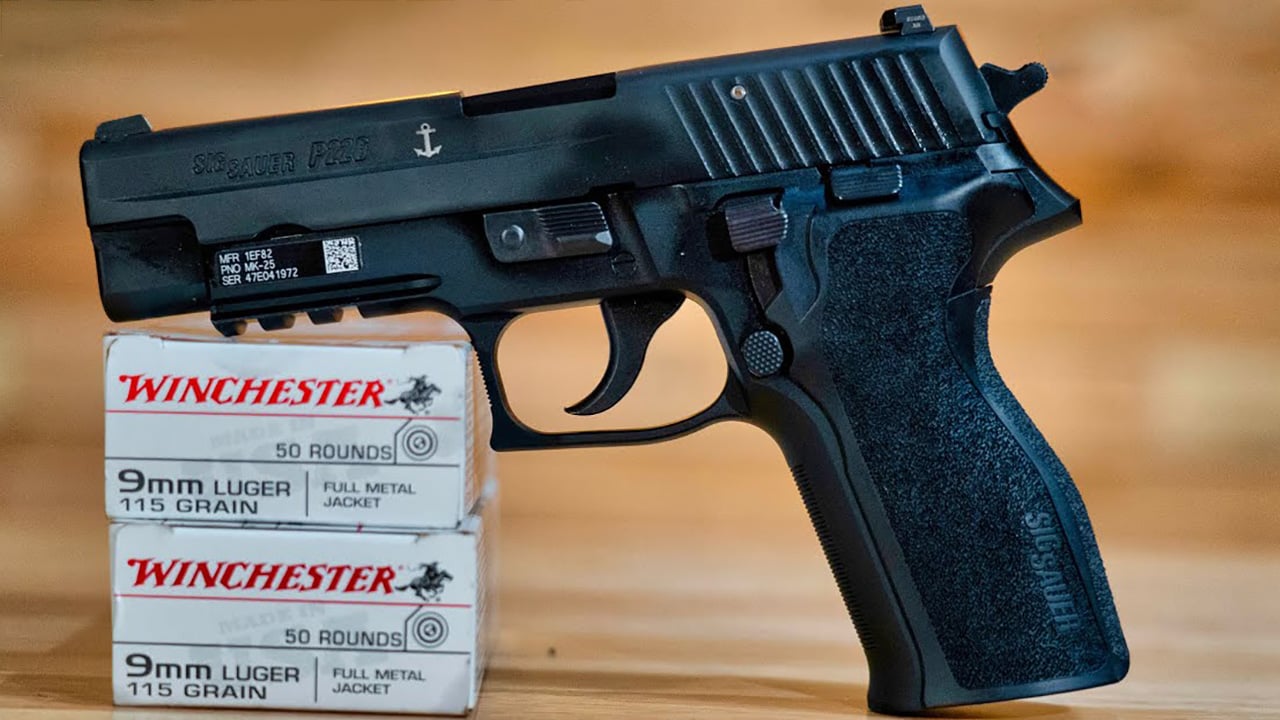
The SIG P226 earned its reputation through years of military, law-enforcement, competition, and training use. Its aluminum frame and steel slide are substantial without making the pistol unnecessarily complicated. The frame rails are long, and the locking system has enough material to absorb extended use with standard-pressure and defensive ammunition.
High-round-count P226 owners still need to replace recoil springs, trigger-bar springs, locking inserts on applicable variants, and other service parts at appropriate intervals. The design rewards preventive maintenance. A properly serviced P226 can remain smooth, accurate, and dependable after cheaper metal pistols have developed loose controls or visible frame wear.
Beretta 92X RDO Full Size

The Beretta 92X RDO builds on a platform with an extensive service history and a reputation for exceptionally long slide and barrel life. Its open-top slide reduces slide mass and gives fired cases a large ejection path. The locking-block system also spreads stress differently than the tilting-barrel arrangements used in most modern pistols.
The locking block is a wear item and should be inspected during heavy use, but replacing a known service component is far better than dealing with unpredictable frame damage. The full-size 92 also handles recoil gently, reducing strain on both the gun and shooter. Quality magazines and proper lubrication allow it to absorb long training schedules without feeling fragile.
CZ Shadow 2
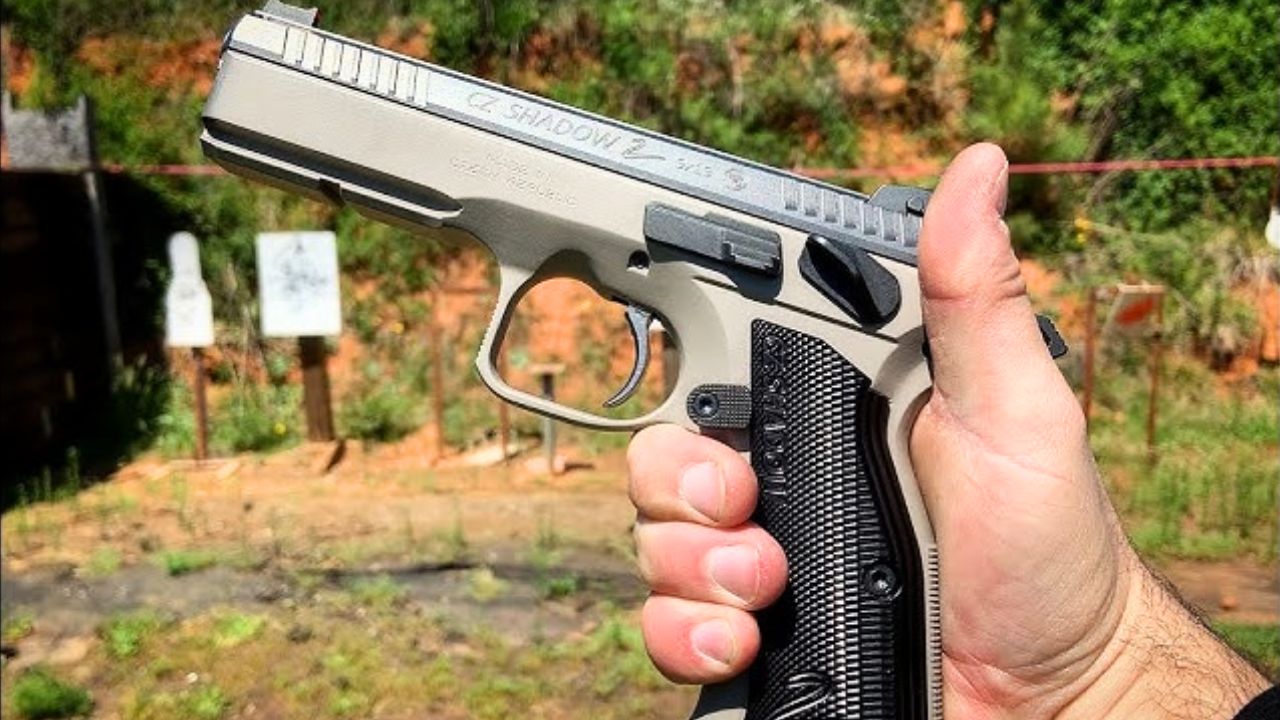
The CZ Shadow 2 is one of the most common high-volume pistols in practical competition. Its heavy steel frame, internal slide rails, and generous gripping surface make it easy to control during rapid strings. The gun was built to fire thousands of rounds in training and matches rather than spend most of its life in a nightstand.
Competition use can expose weaknesses quickly, especially when owners install very light springs or heavily modify the trigger system. A relatively stock Shadow 2 with sensible spring weights is extremely durable. Slide stops, trigger-return springs, and recoil springs should still be treated as replaceable maintenance parts. Keeping spares prevents a small component from ending an otherwise productive range day.
Walther PDP Steel Frame Match

The PDP Steel Frame Match combines Walther’s striker-fired trigger system with a heavy steel frame designed for repeated competition and range use. The additional frame mass reduces recoil movement and limits the battering that a lightweight polymer frame can experience during constant shooting.
Its optics-ready slide, large controls, and excellent trigger make it easy to shoot rapidly, which means owners can accumulate round counts quickly. The pistol is expensive, but its construction is intended for shooters who will actually use it. Recoil assemblies and striker components should still be monitored, especially when the gun is used with compensators or unusually hot ammunition.
Springfield Armory Echelon 4.5F
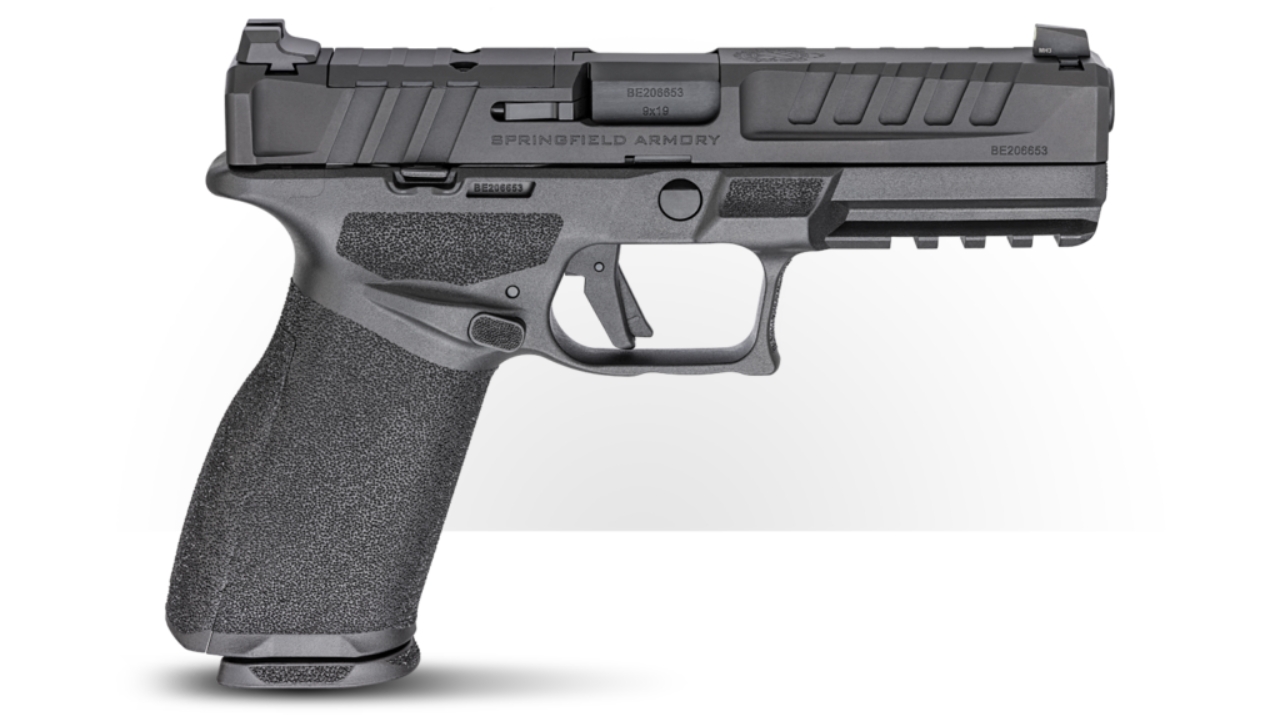
The full-size Echelon uses a removable serialized chassis that contains the primary operating components. This design allows the grip module to be replaced if it becomes damaged or heavily worn without retiring the entire pistol. The chassis also keeps the critical internal geometry contained in a rigid assembly.
Its full-size recoil system and substantial slide are better suited for sustained practice than the shortened systems used in tiny carry guns. The Echelon is newer than several pistols on this list, so it does not have the same decades-long record. Its construction, accessible service parts, and duty-oriented dimensions still make it a stronger high-round-count candidate than many highly compact alternatives.
Heckler & Koch USP 9
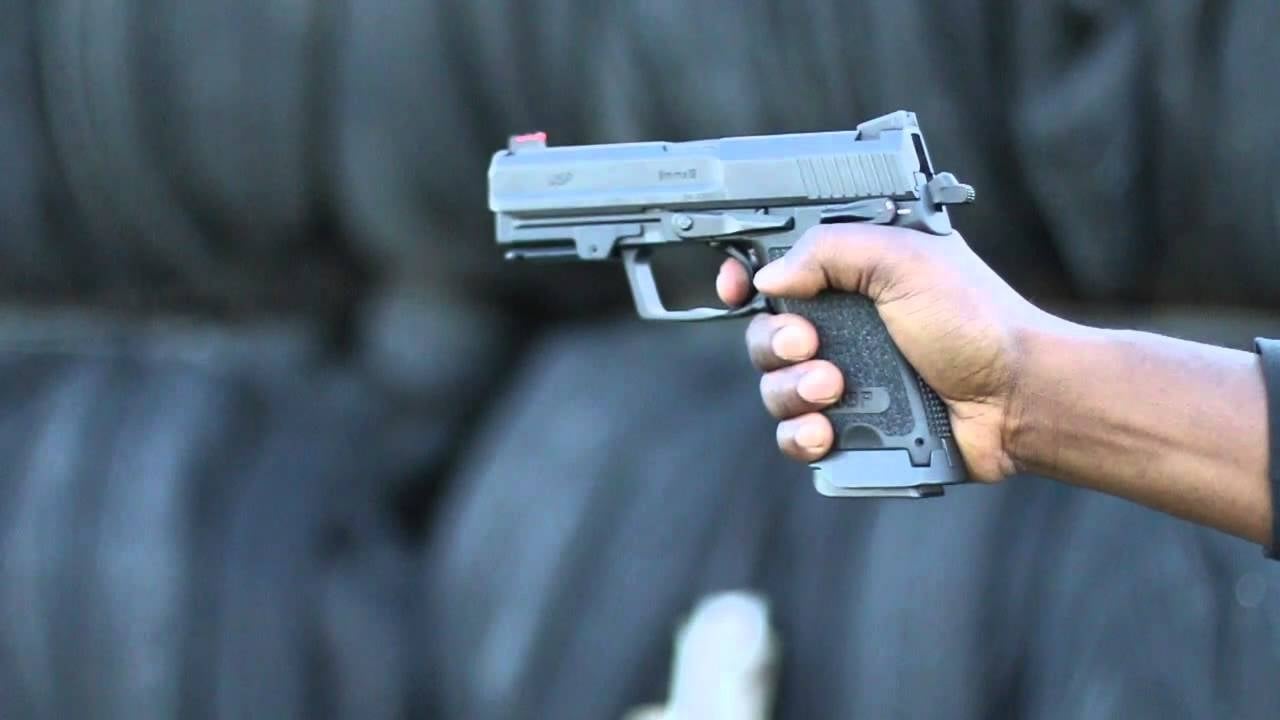
The HK USP 9 was designed during a period when military-style durability tests heavily influenced service-pistol development. Its thick slide, reinforced polymer frame, and buffered recoil system give it a level of mechanical overbuilding that is uncommon in newer pistols focused on reducing width and weight.
The USP feels bulky because there is a lot of material in the gun. That becomes an advantage when thousands of rounds are fired through it. The recoil-reduction assembly helps limit battering, and the hammer-fired system is built with substantial components. Its magazines and replacement parts are expensive, but the pistol itself is exceptionally difficult to wear out through ordinary training.
FN 509 Tactical

The FN 509 Tactical is designed around hard service use and arrives with features that support sustained training. Its extractor is large, the magazines are robust, and the slide has enough mass to function reliably with an optic and threaded barrel. The grip texture also remains secure when the pistol becomes hot or dirty.
Some shooters immediately replace the factory trigger, but aggressive trigger work can reduce the durability that makes the platform appealing. In stock or lightly modified form, the 509 handles high round counts well. The threaded barrel also gives owners flexibility, though suppressed use increases fouling and makes cleaning and lubrication more important.
Canik SFx Rival-S
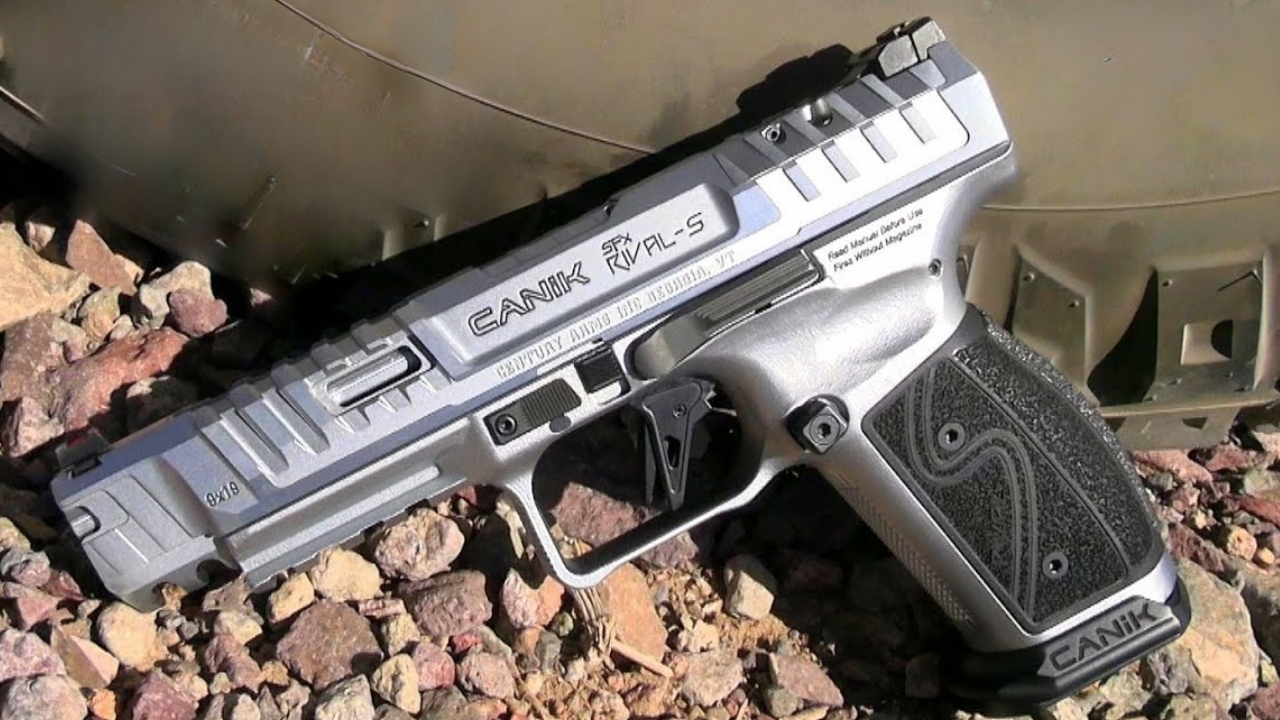
The steel-frame Canik Rival-S was built for competition shooters who may fire hundreds of rounds in a single practice session. Its heavy frame, long slide, enlarged controls, and excellent trigger make it easy to accumulate large round counts without the gun becoming exhausting to shoot.
Early examples of any competition-focused pistol can reveal magazine or fitment issues, so buyers should verify that their individual gun runs with its magazines and chosen ammunition. Once properly set up, the Rival-S offers substantial durability for its price. Springs and magazine components should be tracked carefully because high-volume competition use wears those parts faster than casual shooting.
Staccato P
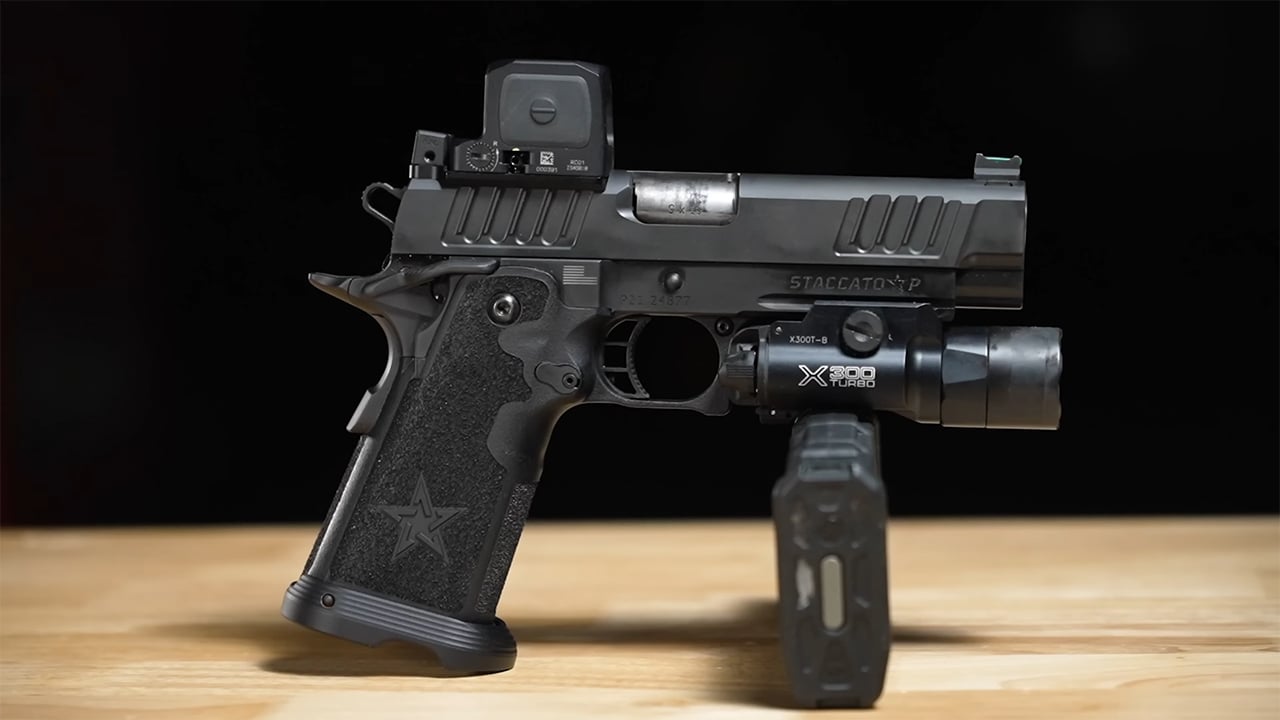
The Staccato P is built around a double-stack 1911-style system intended for duty, training, and competition. Its slide-to-frame fit is tighter than that of most polymer pistols, yet it is not fitted so tightly that a small amount of fouling immediately stops the gun. The design balances accuracy with enough operating clearance for serious use.
A Staccato requires more lubrication and attention than a Glock or M&P. It also has more small parts in the ignition system. Properly maintained examples can still handle very high round counts. Recoil springs, firing-pin springs, extractor tension, and magazines must be treated as part of a maintenance schedule rather than ignored until a malfunction occurs.
Tisas 1911 Duty B9R DS
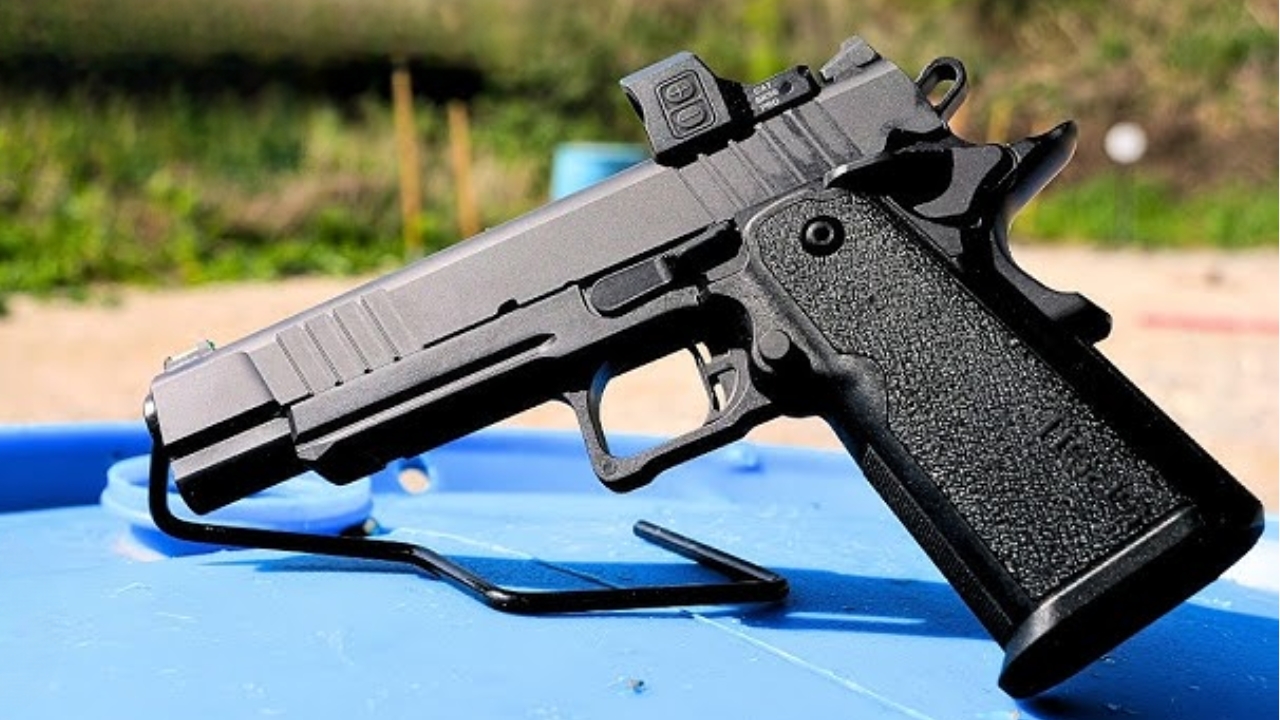
The Tisas Duty B9R DS gives shooters a more affordable double-stack 1911 platform that can be used for heavy range work without risking a much more expensive custom pistol. Its steel construction, common 1911-style components, and high-capacity magazines make it a practical training gun for shooters who prefer a single-action trigger.
It does not have the hand fitting or refined small parts found in premium double-stack pistols. That can actually make it less emotionally difficult to shoot hard and replace worn components when needed. Owners should pay close attention to extractor tension, recoil springs, magazine condition, and lubrication. With basic maintenance, it can absorb a significant amount of range use for the price.
Ruger RXM
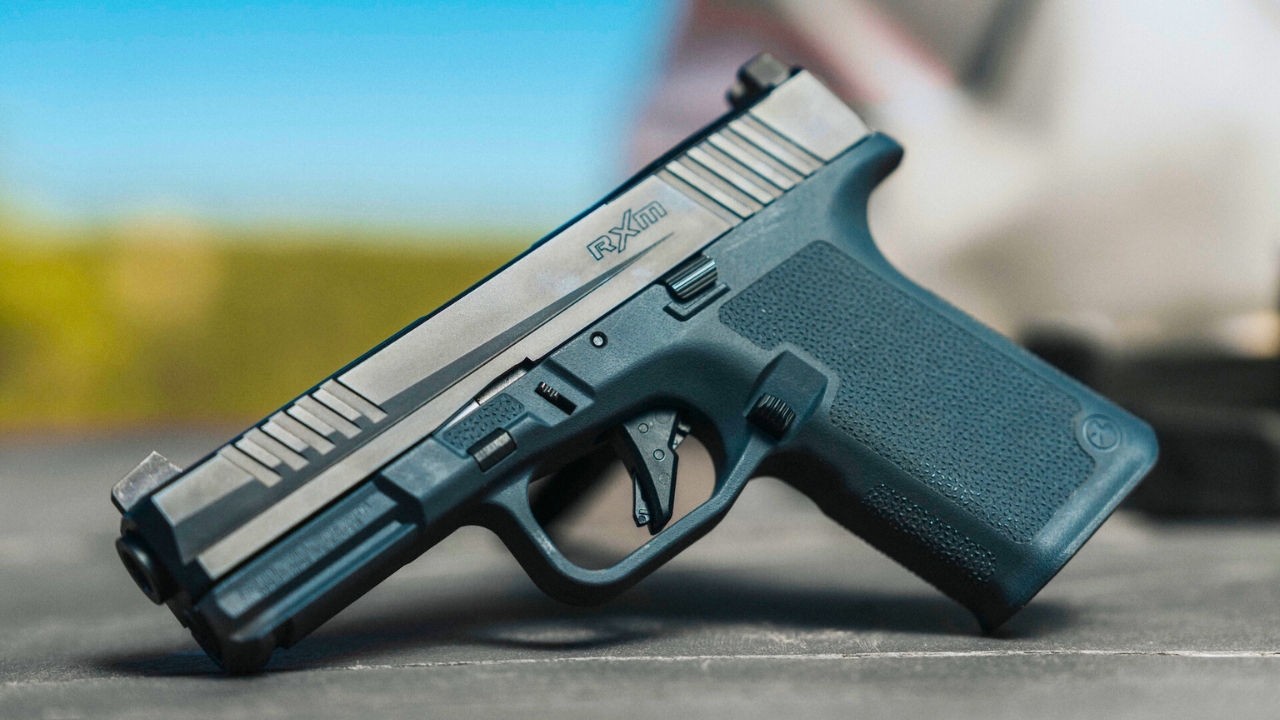
The Ruger RXM combines a removable fire-control insert with a grip frame developed by Magpul and broad compatibility with the Gen3 Glock pattern. That compatibility gives high-volume shooters access to a massive supply of magazines, recoil assemblies, sights, barrels, and replacement parts.
Its modular construction also means a worn or damaged grip frame does not necessarily end the life of the pistol. The platform is still relatively new, so it has not accumulated the same long-term history as the Glock pistols that influenced it. The use of established mechanical dimensions and easy-to-source components gives it a strong foundation for sustained training.
Beretta PX4 Storm Full Size
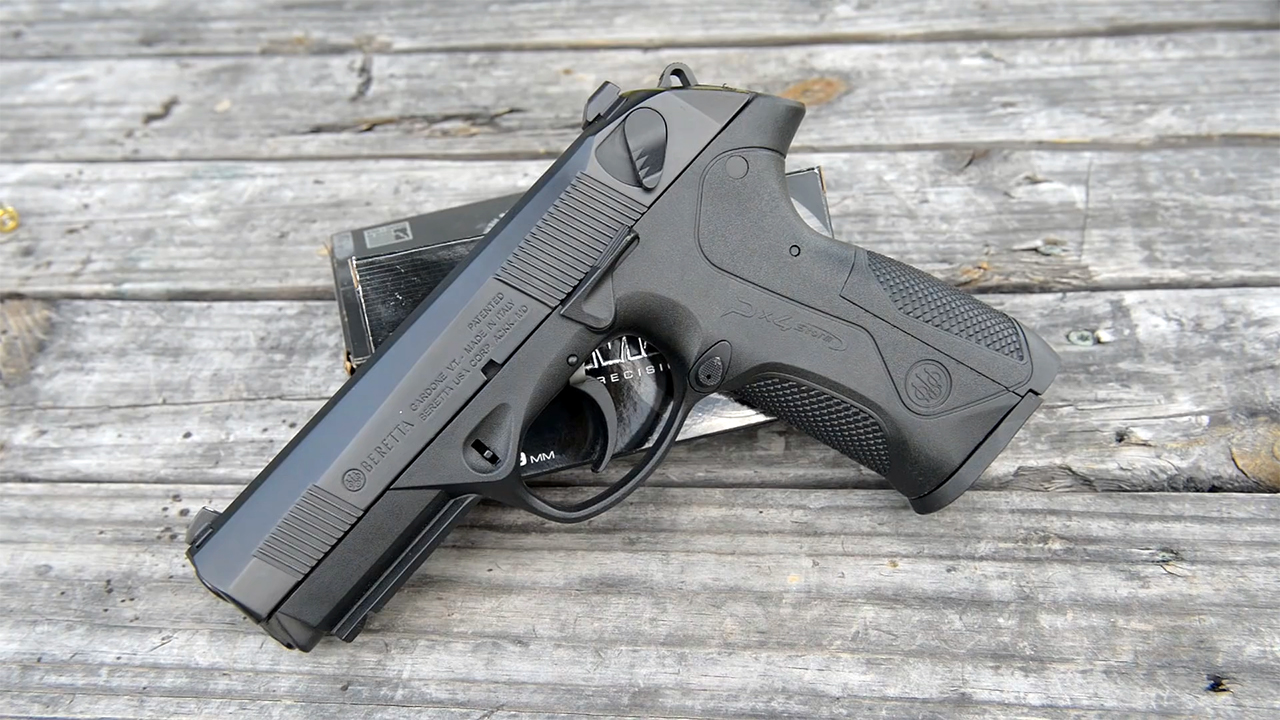
The PX4 Storm uses a rotating-barrel system that produces a smooth recoil impulse and spreads operating forces through the gun differently than a typical tilting-barrel pistol. The full-size version has a strong track record among instructors and shooters who put large numbers of rounds through their handguns.
The rotating assembly should be cleaned and lubricated properly, especially as fouling accumulates. When maintained, the pistol can run for extremely long periods without developing the loose, battered feel found in lesser guns. Its thick slide and unconventional appearance have limited its popularity, but those traits do not reduce its mechanical durability.
Grand Power K100
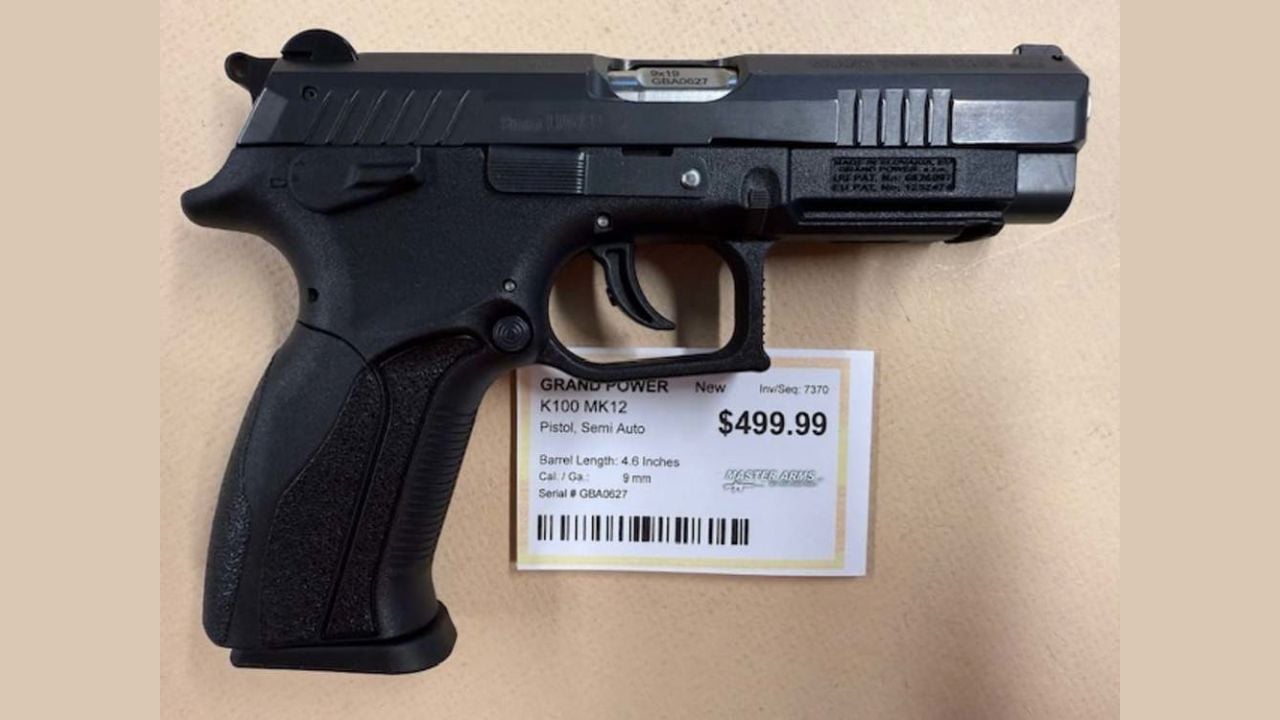
The Grand Power K100 also uses a rotating-barrel operating system. Its steel chassis and barrel cam are designed to absorb repeated cycling while keeping the slide movement smooth. Competitive shooters have used the platform extensively because the gun remains flat and controllable during long strings of fire.
The main concern is parts availability rather than basic durability. A high-volume owner should keep recoil springs, trigger components, and magazines available rather than assuming they can be purchased locally. The pistol itself can handle serious use, but uncommon platforms require more planning. With parts on hand, the K100 is an excellent high-round-count range pistol.
IWI Masada Full Size

The full-size Masada uses a modular serialized chassis, large grip, and service-size recoil system. Those dimensions give it a wider operating margin than small concealed-carry pistols. It is not excessively light, tightly fitted, or dependent on reduced-power springs to provide a good trigger.
The Masada does not have the aftermarket or local parts supply of Glock and Smith & Wesson. Mechanically, it is straightforward and well suited for repeated use. Shooters planning to push the round count should buy spare magazines and service parts early. The gun’s modest popularity should not be mistaken for limited durability.
Arex Zero 1
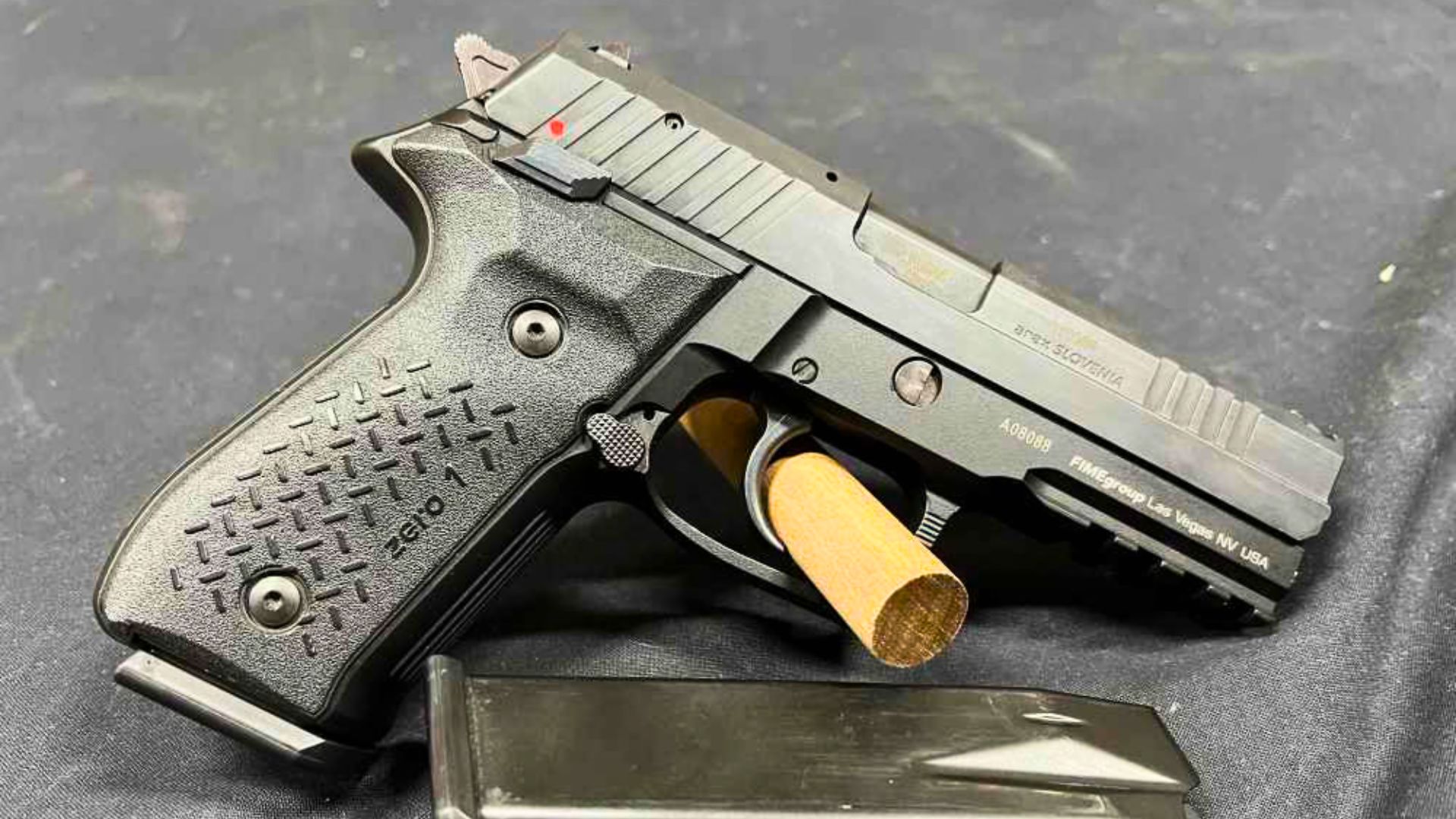
The Arex Zero 1 is a metal-framed, hammer-fired pistol with substantial frame rails and controls designed around service use. Its construction feels closer to a traditional European duty pistol than to an inexpensive import. The slide and frame have enough material to tolerate repeated firing without quickly developing excessive movement.
The double-action and single-action trigger system contains more parts than a basic striker-fired pistol, but the components are robust. High-volume owners should inspect the locking surfaces, recoil spring, trigger bar, and decocking components as the count climbs. The Zero 1 offers impressive longevity for shooters who want a metal gun without paying P226 prices.
SAR9
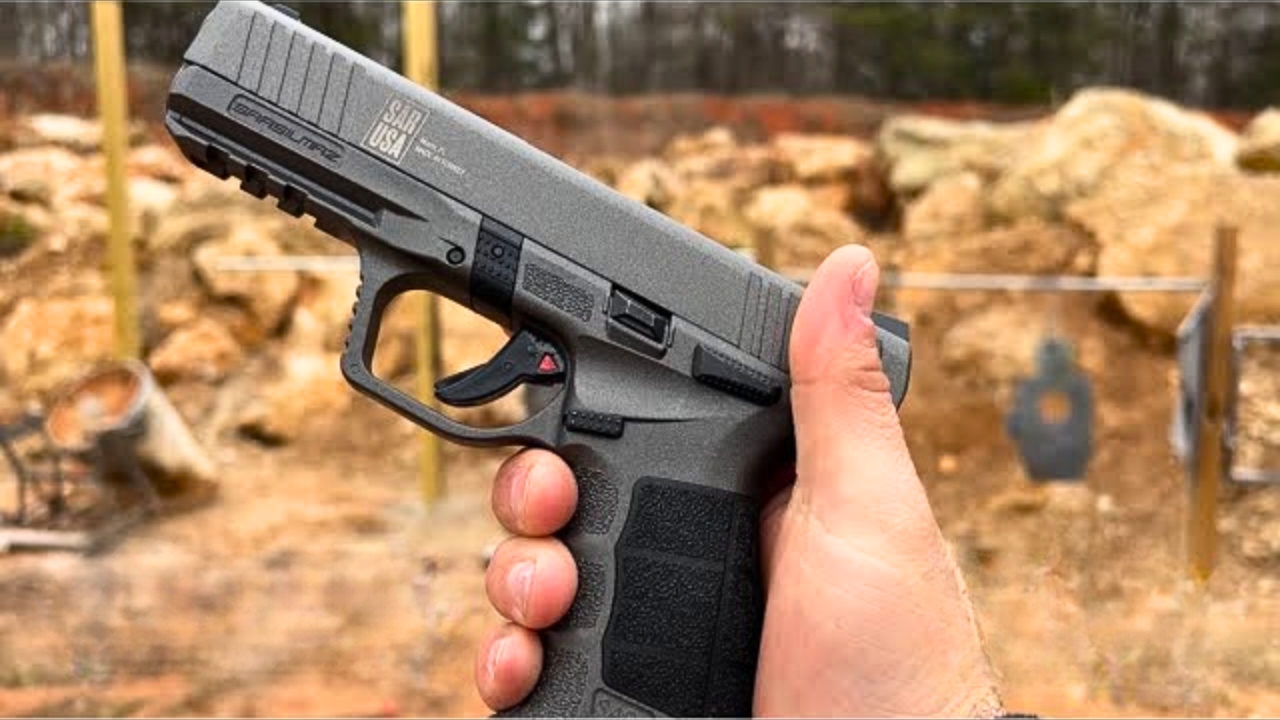
The SAR9 is a full-size striker-fired pistol with a service-oriented slide, adaptable grip, and conventional recoil system. Its lower price can cause shooters to assume it is intended only for occasional use, but the platform was built around military-style handgun requirements rather than the smallest possible commercial package.
Its trigger is ordinary, which may help preserve reliability by discouraging overly light factory spring weights. The full-size frame remains comfortable during extended sessions, and the magazines are sturdier than the price suggests. Parts support is not as broad as it is for American market leaders, so serious users should keep a recoil spring assembly and spare magazines available.
Steyr L9-A2 MF
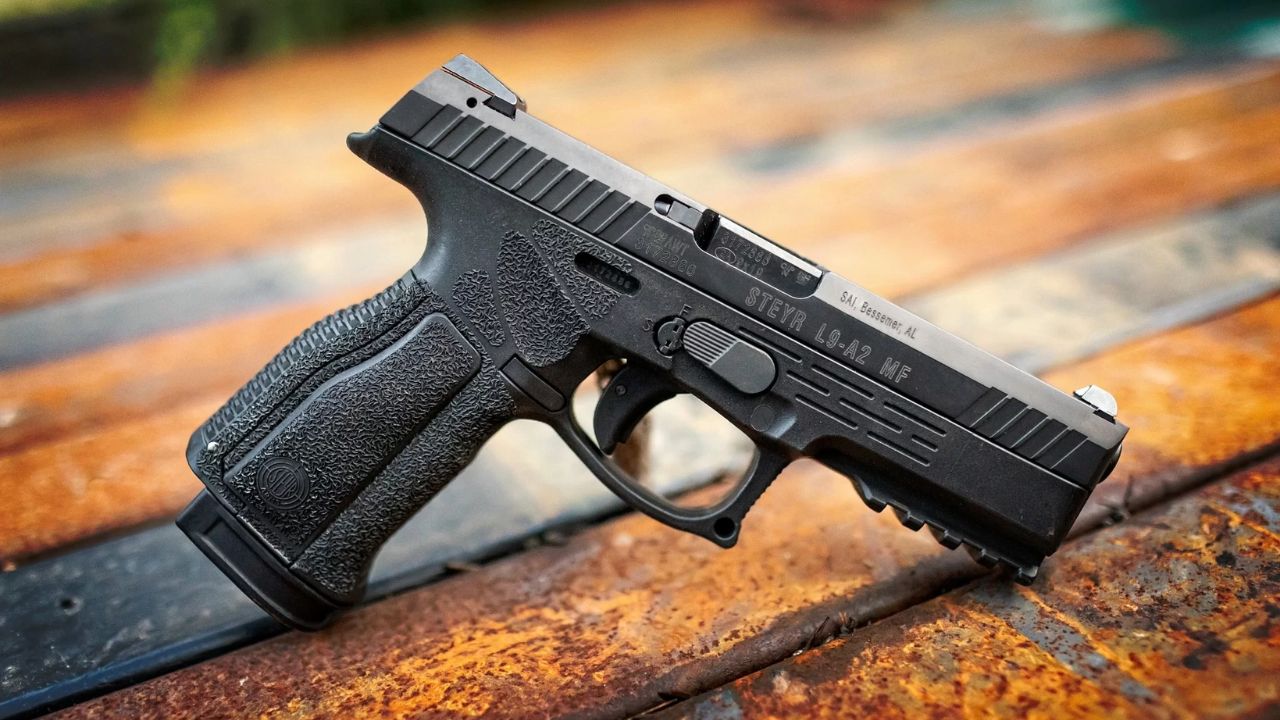
The Steyr L9-A2 MF places the shooter’s hand extremely high behind the slide, reducing muzzle rise and making long practice sessions less tiring. Its full-size grip, reinforced chassis, and substantial slide were designed around service use rather than deep concealment.
The pistol’s unusual sights and grip angle may require adjustment, but neither affects how well the gun tolerates repeated firing. Steyr’s enclosed striker system and strong internal rails give the platform a durable foundation. Magazines and replacement components are less common, making preventive parts stocking especially important for anyone planning serious training volume.
Colt Competition 1911 9mm
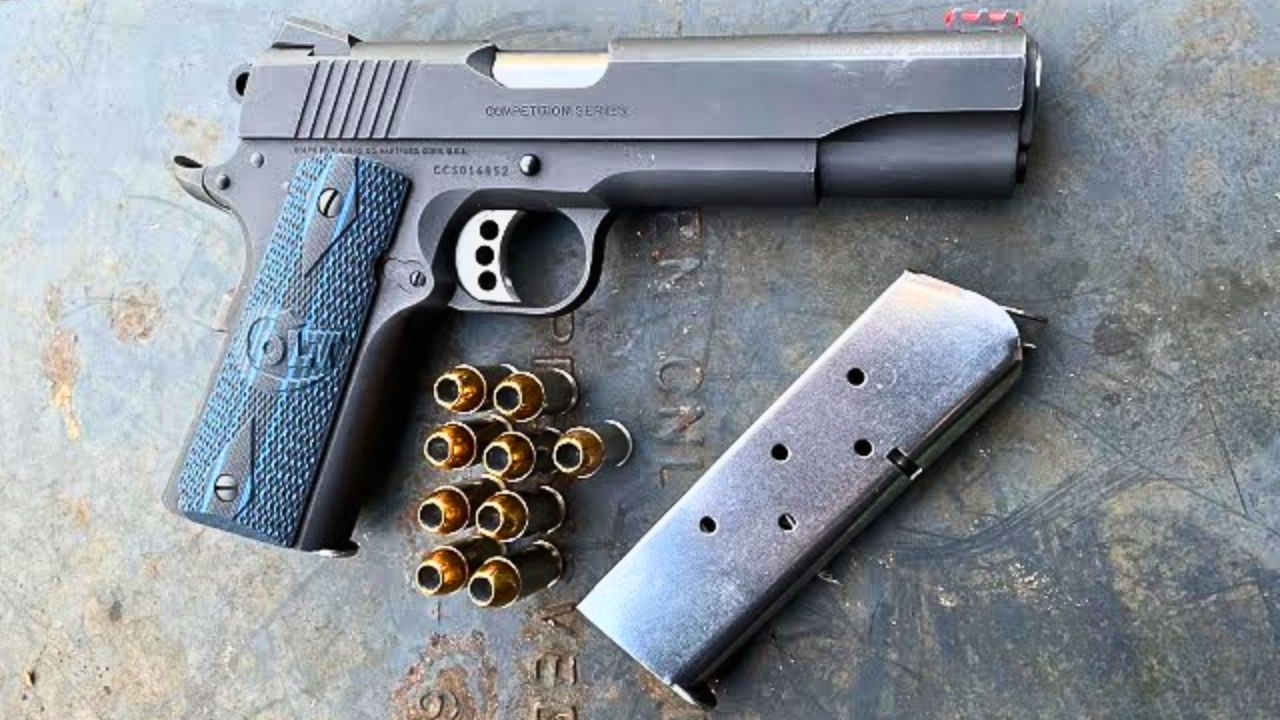
The Colt Competition 1911 in 9mm combines a full-size steel frame with the lower recoil and reduced slide velocity of the 9mm cartridge. That makes it easier on both the shooter and the gun than a lightweight .45 ACP carry pistol. The full-length frame also provides enough mass to absorb long range sessions comfortably.
A 1911 requires more maintenance awareness than a modern striker-fired pistol. Extractor tension, recoil springs, magazines, and lubrication have a major effect on performance. The advantage is that worn components are replaceable and the platform is understood by countless gunsmiths. A properly set up Colt can remain in service for decades instead of being discarded when the first small part wears out.
Like The Avid Outdoorsman’s content? Be sure to follow us.
Here’s more from us:


