Photo credit: Alexey Spehalski/Shutterstock
A rifle does not have to fall apart to lose a hunter’s trust. Sometimes it only takes one rough hike, one hard knock against a stand rail, one wet weekend, or one bad trip in the truck before the point of impact starts wandering. That is when a cheap setup stops looking like a bargain.
Not every rifle on this list is doomed, and some owners get good results from them. The problem is that weak stocks, cheap package scopes, loose mounts, questionable bedding, and budget construction leave less room for abuse. If a rifle has to be babied to stay zeroed, it is not the rifle most hunters want when the season gets serious.
Remington 770
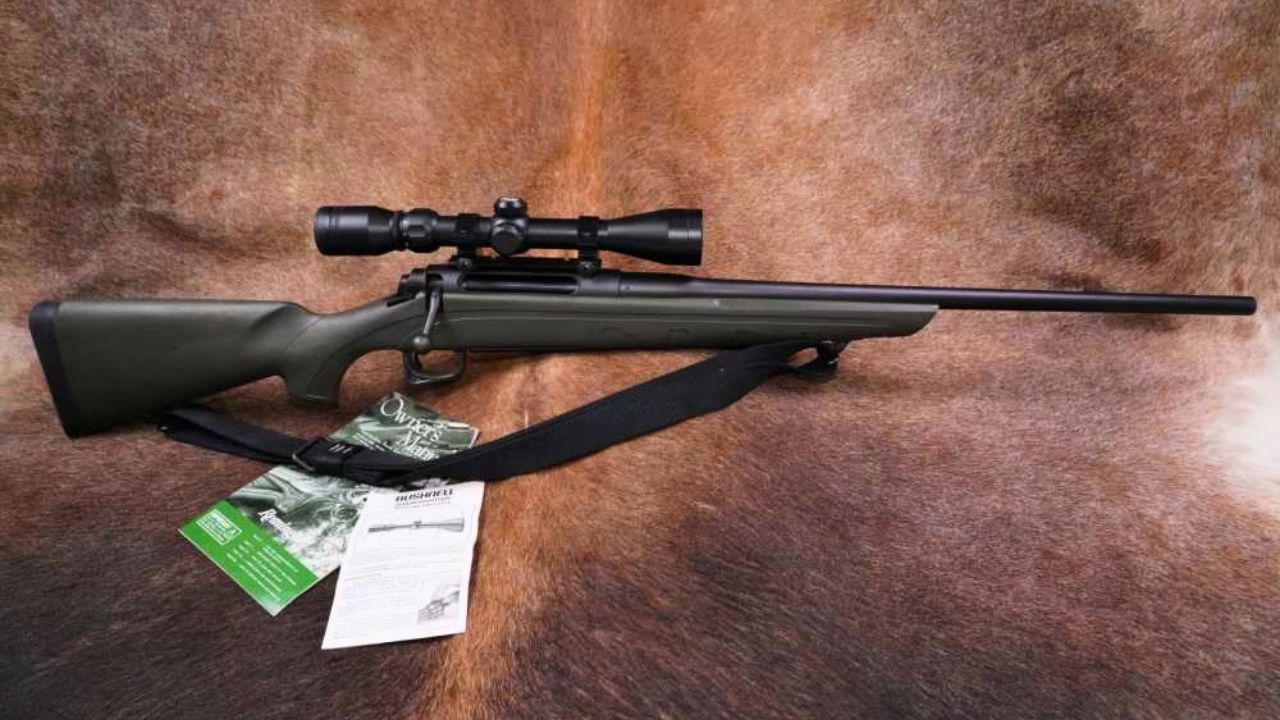
The Remington 770 has a reputation problem that starts with how cheap it feels in the hands. It was built to hit a low price point, and that shows in the stock, action feel, and overall construction. For a casual deer rifle that sits in a blind and gets checked before season, some owners have made them work.
The trouble comes when the rifle gets treated like a real field gun. A hard bump, rough sling carry, or wet hunt can expose the weak points in the setup fast, especially if the rifle still wears the original package optic. The 770 does not inspire the kind of confidence hunters want when they need the first shot to land exactly where it did at the range.
Remington 710
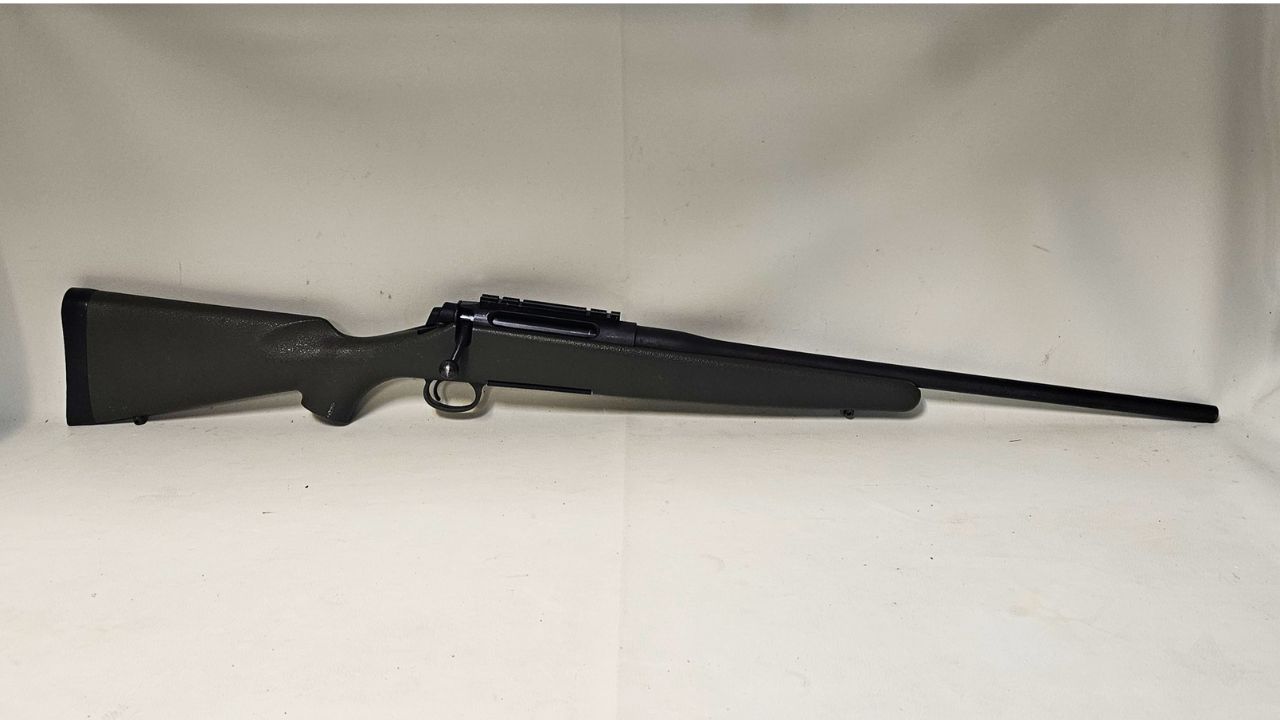
The Remington 710 is another budget Remington that many hunters learned not to trust too deeply. It was sold as an affordable entry-level rifle, but it never came close to the reputation of the Model 700. The action, stock, and general build quality all feel like they were designed around price before long-term field confidence.
A rifle like this may stay on paper if it is barely moved and checked often. But after a rough hunt, it is the kind of gun that makes a hunter wonder whether the miss was them, the scope, the mounts, or the rifle. That doubt is the problem. A hunting rifle needs to remove questions, not add more of them after one hard weekend.
Savage Axis XP

The Savage Axis XP can be accurate, but the package setup is where hunters need to be careful. The rifle itself often shoots better than its price suggests, but the entry-level stock and bundled optic do not always inspire confidence after rough handling. A light, flexible stock and bargain scope can become the weak links quickly.
For a hunter who upgrades the scope, checks the mounts, and confirms zero often, an Axis can do real work. But the XP package is not the setup to assume will shrug off abuse without attention. After bouncing around in a truck, dragging through brush, or taking a knock in a stand, it is smart to verify zero before trusting it again.
Mossberg Patriot Synthetic scoped combo

The Mossberg Patriot Synthetic scoped combo looks attractive because it gives hunters a complete setup at a manageable price. The problem is that package rifles often cut corners where hunters cannot afford failure. The rifle may be serviceable, but the factory-included glass and mounting setup are rarely what you would choose for a hard-use hunting rifle.
That matters once the rifle leaves the bench and starts getting knocked around. A basic synthetic stock, budget optic, and inexpensive rings can all contribute to shifting zero. Plenty of hunters get Patriots to shoot well, but the scoped combo should be treated like a starting point, not a field-proven setup. If the hunt is rough, that bargain package needs extra checking.
Winchester XPR scoped package

The Winchester XPR is a better rifle than some of the cheapest budget guns, but the scoped package versions can still disappoint hunters who expect too much from the whole setup. The rifle itself is generally practical, but a package optic is often the first thing to lose confidence after hard use. That is especially true if the mounts were never properly torqued or checked.
The XPR can be turned into a dependable hunting rifle with better glass and careful setup. The problem is assuming the factory package is ready for years of abuse right out of the box. After one hard hunt, the rifle may not be the real culprit. The cheap optic and rings may be. Either way, the hunter is still left chasing zero when they should be hunting.
Thompson/Center Compass scoped combo
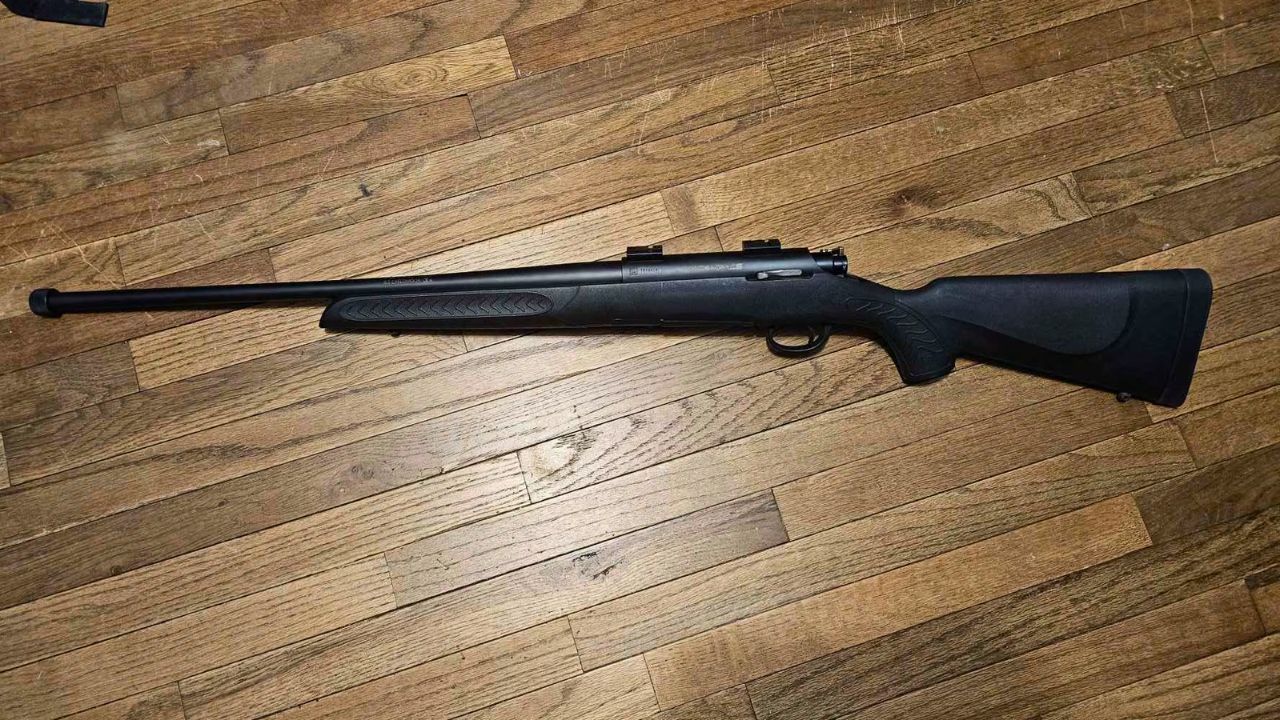
The Thompson/Center Compass earned attention as an affordable hunting rifle that could shoot well, but the scoped combo versions carry the same risk as other bargain packages. Accuracy at the range does not automatically mean the setup will hold zero through a rough season. Cheap scopes and basic mounting hardware are often the weak point.
The Compass can be a useful rifle when set up correctly. But if a hunter takes the out-of-box combo straight into rain, climbing stands, truck rides, and rough handling, they should not be shocked if the zero needs attention. The rifle may have potential, but the package setup often does not feel like something built for punishment.
Remington 783 scoped package
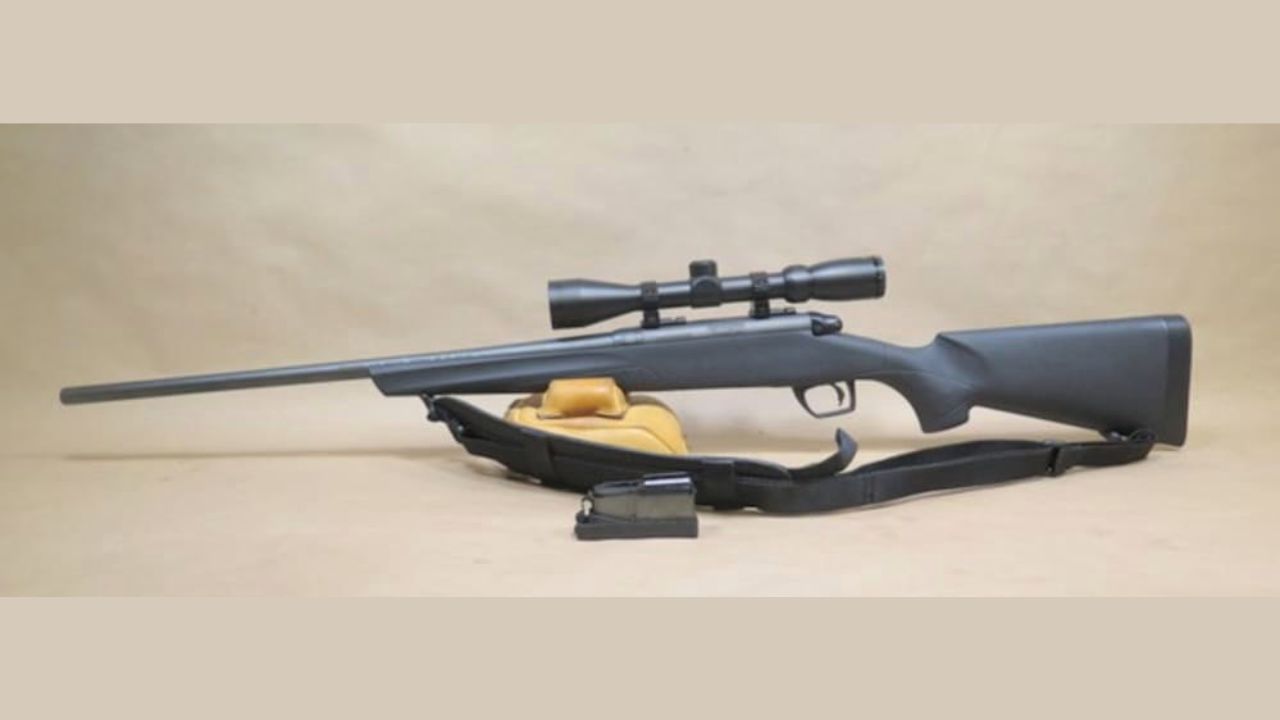
The Remington 783 is not as bad as the 710 or 770, and many examples shoot fine. The issue is that scoped package versions can create a false sense of readiness. A rifle that groups decently on the bench can still lose trust when the stock, mounts, and optic are all built around keeping the price low.
Hunters who upgrade the scope and check every screw may get good service from the 783. But the factory package is not the one to drag through a brutal hunt without confirming zero afterward. The 783’s reputation sits in that awkward place where it may work fine, but it rarely makes hunters feel like they can ignore the setup and trust it blindly.
Ruger American with bargain rings and glass

The Ruger American Rifle is generally one of the better budget hunting rifles, so the rifle itself is not the main problem. The problem is what some hunters put on top of it. A good-shooting rifle can still become a zero-shifting headache if it wears bargain rings, a cheap scope, or bases that were never installed correctly.
This is where many hunters blame the rifle when the setup is actually failing. The Ruger American can absolutely be a dependable field rifle, but it deserves decent glass and proper mounting. If it gets treated like a disposable budget build, it may act like one after a hard hunt. A strong rifle with weak optics is still a weak hunting setup.
Savage Axis II XP
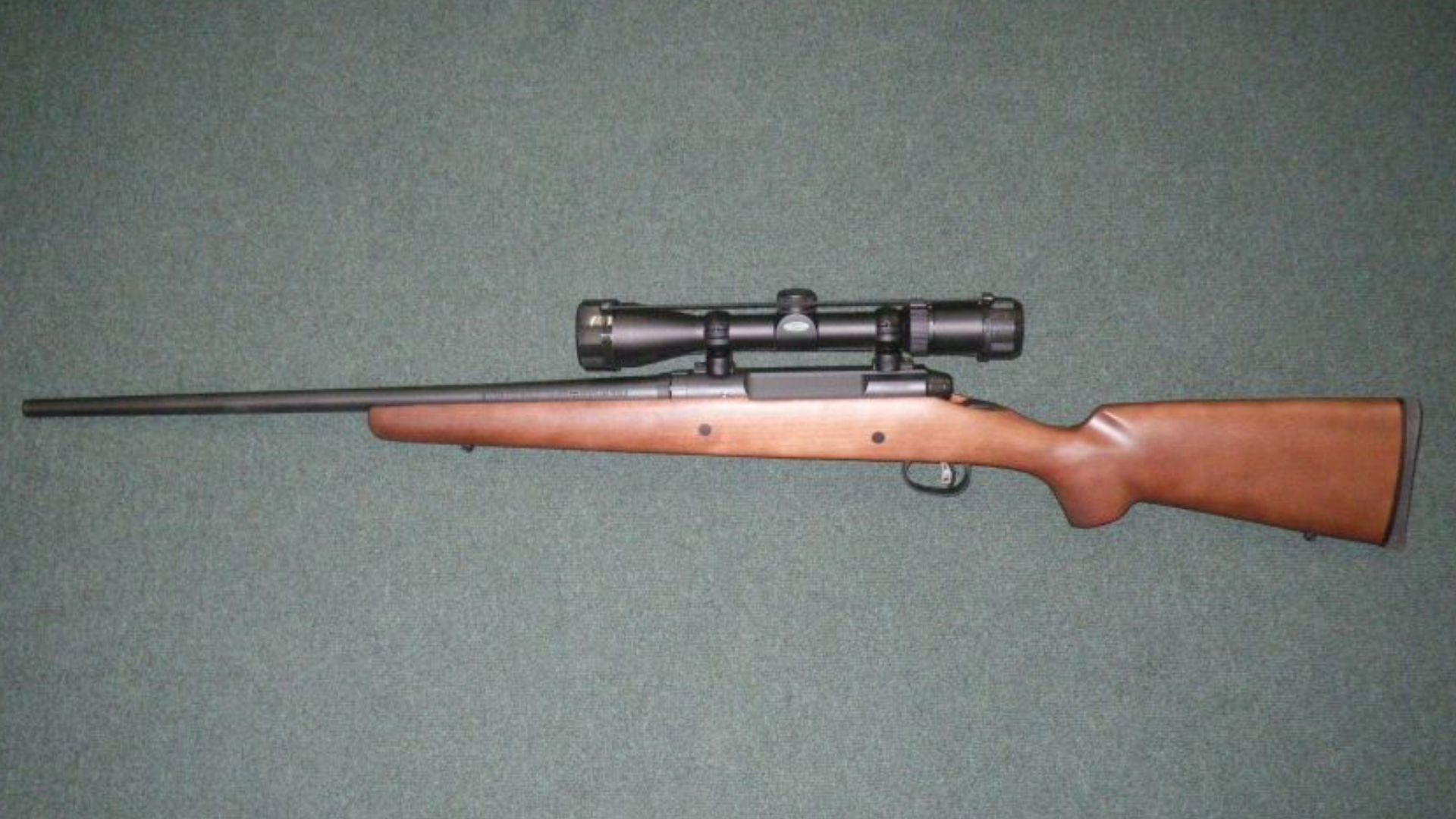
The Savage Axis II XP improves on the basic Axis by adding the AccuTrigger, but the package version still deserves caution. The trigger upgrade helps shootability, but it does not automatically fix every weakness in the budget setup. The stock is still plain, and the included optics are usually not the kind of glass hunters brag about trusting.
For normal deer-stand use, the Axis II XP can be perfectly adequate. The concern comes when the rifle gets knocked around, soaked, or carried hard. If the zero shifts, the first suspects are usually the scope, rings, and stock flex rather than the barrel. That does not matter much to the deer. If the point of impact moves, the setup failed the hunter.
Mossberg Patriot Predator
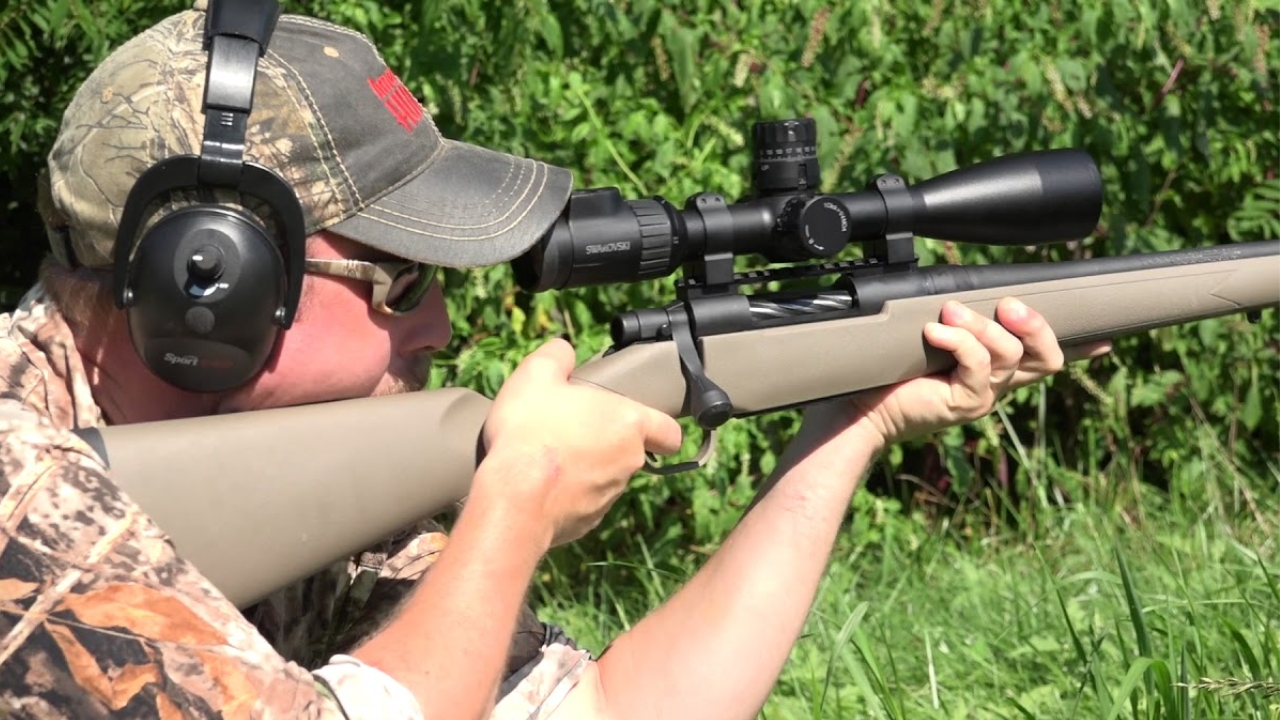
The Mossberg Patriot Predator offers useful features like a threaded barrel and predator-friendly chamberings, but it still lives in the affordable rifle category. Some examples shoot well, while others need more attention to setup than hunters expect. A rifle aimed at practical field use still depends heavily on stock stiffness, mounting quality, and optic durability.
Predator hunters often travel rough roads, shoot from improvised rests, and carry rifles in bad weather. That can expose weak points quickly. The Patriot Predator can work, but it is not the rifle to trust blindly without checking screws, bedding pressure, and zero. If the setup is built cheaply on top, one rough hunt can make the rifle feel less reliable than it looked at the range.
CVA Scout
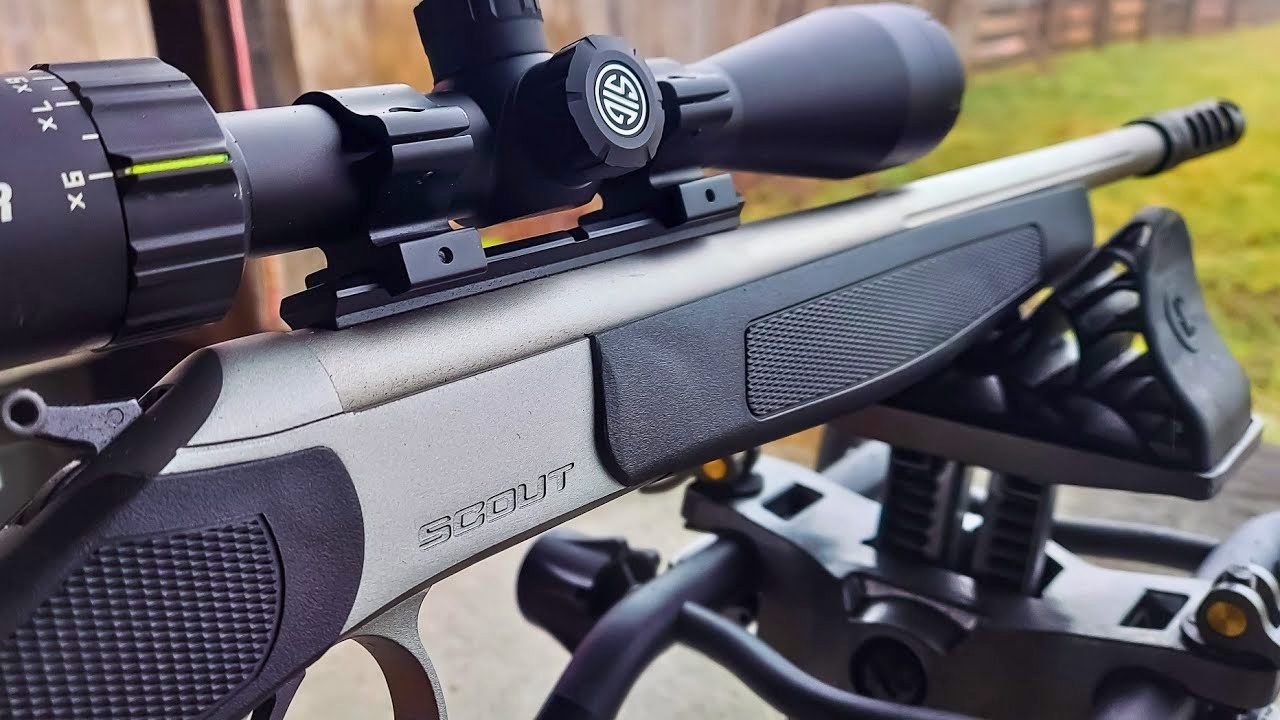
The CVA Scout is a compact single-shot rifle that fills a useful role, especially for straight-wall states, youth hunters, and simple deer setups. But single-shot simplicity does not automatically mean the rifle will keep zero through rough use. Lightweight builds, basic stocks, and budget optics can still cause problems.
The Scout is often purchased as an affordable hunting tool, and many owners mount equally affordable glass on it. That is where trouble can start. A hard knock or wet hunt may expose loose mounts or a scope that was never built for abuse. The rifle can be useful, but it should not be treated like a bombproof mountain rifle just because it is simple.
CVA Cascade SB
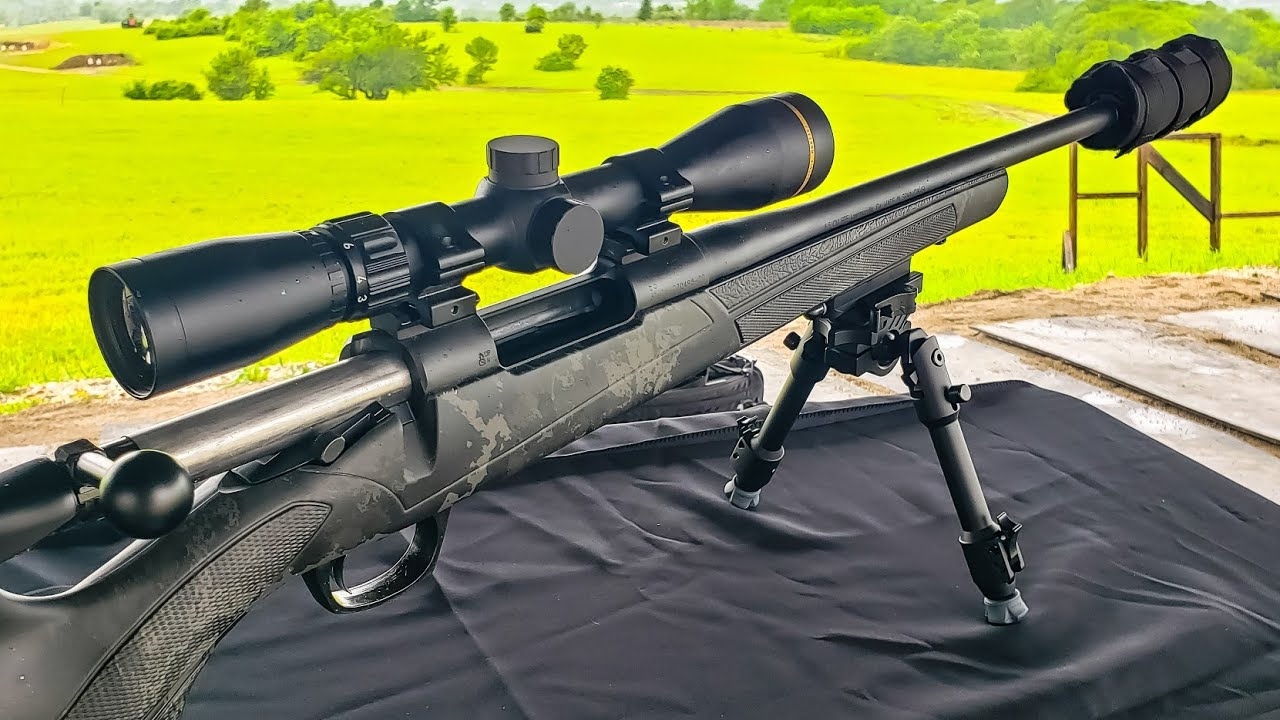
The CVA Cascade SB is a handy rifle with good features for the money, but the short-barreled, lightweight hunting setup can still be sensitive to how it is mounted and handled. It is the kind of rifle many hunters buy for practicality, often pairing it with mid-tier or budget optics. That makes the total package more important than the action alone.
A Cascade SB can absolutely shoot well, but hard field use will reveal whether the stock, bases, rings, and scope are up to the job. If corners are cut on the setup, zero confidence can fade quickly. Like many affordable modern rifles, it needs careful mounting and regular checks before a hunter assumes it is still dead-on.
Rossi Single Shot Rifle

The Rossi Single Shot Rifle is simple, affordable, and useful for certain hunting roles, but long-term zero confidence is not its strongest selling point. These rifles were often bought as low-cost deer guns, youth rifles, or utility rifles. That means they were commonly paired with inexpensive scopes and basic mounts.
The simplicity is appealing, but the overall package may not handle abuse as well as hunters hope. A rough ride in a truck, a hard bump in the woods, or changing weather can expose the limits of a bargain setup. A Rossi single-shot may work fine inside its lane, but it is not the rifle most hunters would choose for a hard hunt where zero cannot be questioned.
Henry Single Shot Rifle
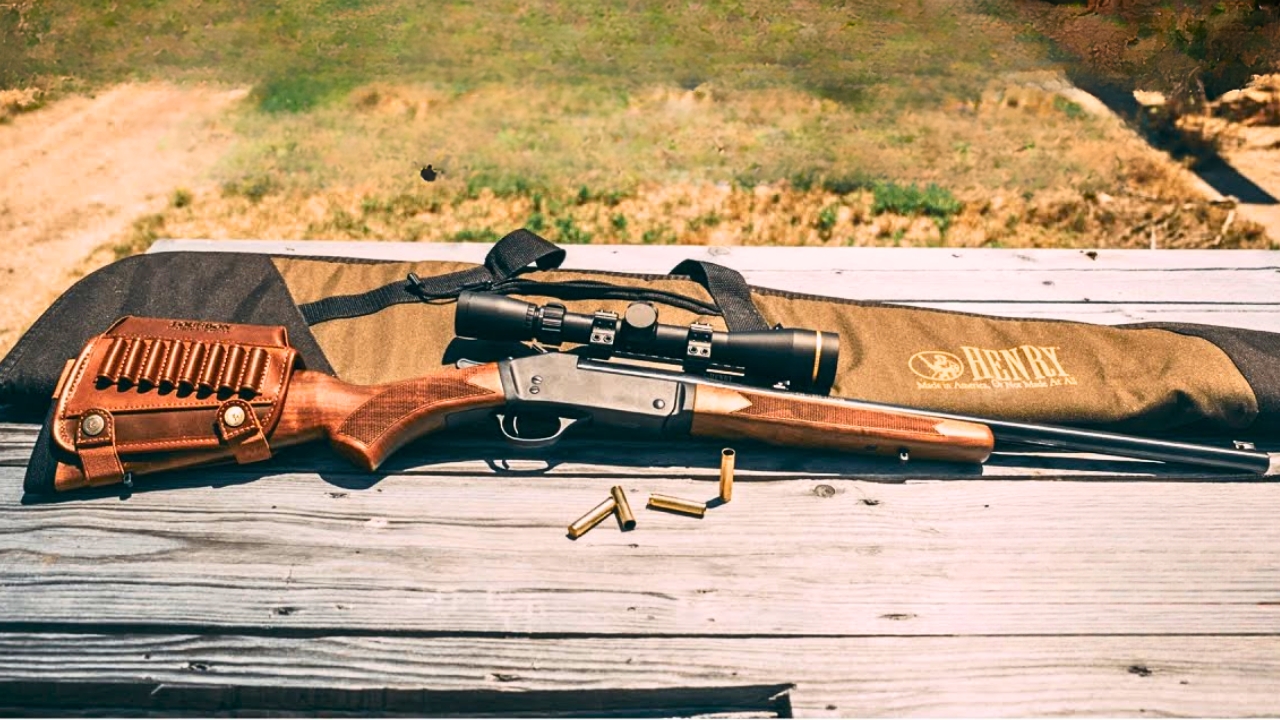
The Henry Single Shot Rifle is better finished than many bargain break-action rifles, but it still deserves caution if the setup is used hard. Break-action rifles can be accurate and dependable, but they rely on consistent lockup, solid mounting, and a scope that can handle recoil and field knocks. Any weakness shows up fast.
This is especially true in heavier chamberings. A .45-70 or .308 Henry Single Shot with a cheap optic can punish weak rings or low-end scopes. The rifle itself may be solid, but the total setup has to be built correctly. Hunters who treat it like a lightweight, low-maintenance beater may find themselves rechecking zero more often than expected.
KelTec SU-16
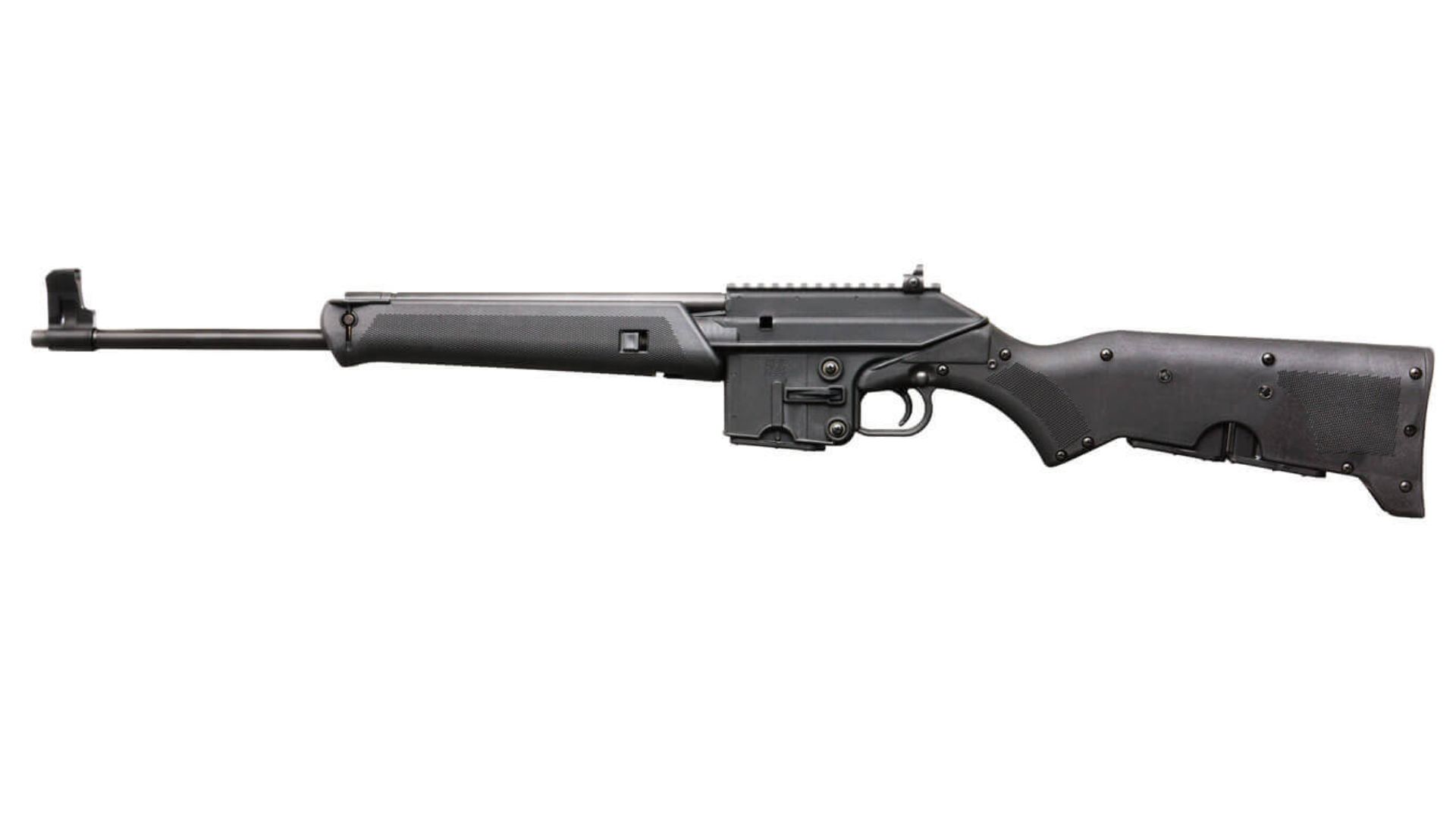
The KelTec SU-16 is light and clever, but it is not the kind of rifle most hunters would call a hard-use zero holder. Its folding design and lightweight construction are part of the appeal, but those same traits do not inspire the same confidence as a solid bolt gun or quality AR. It was built around portability more than rugged hunting abuse.
For casual use, the SU-16 can be interesting. For a hard hunt, rough truck use, or serious field conditions, it is less convincing. Optics mounting, polymer construction, and overall platform stiffness all matter when the rifle gets knocked around. If a gun’s biggest strength is being light and packable, hunters should be realistic about how much abuse it can take before zero becomes a question.
Ruger Mini-14 with older factory rings

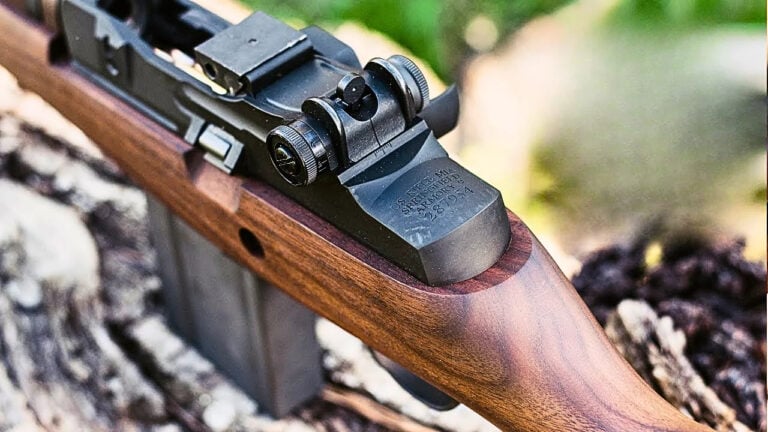
The Ruger Mini-14 is a useful ranch rifle, but older examples have a mixed reputation when it comes to consistency. Some rifles are solid, while others are not known for precision. Add older factory rings, budget optics, or rough handling, and a hunter may start wondering whether the rifle is still hitting where it should.
The Mini-14 can be a dependable field rifle in the right setup, especially newer production guns. But it is not the same as a carefully bedded bolt gun. If the optic mounting is not secure or the rifle is an older example with looser accuracy standards, a hard hunt can make confidence fade. It is a good rifle to verify often rather than assume.
Century Arms C308
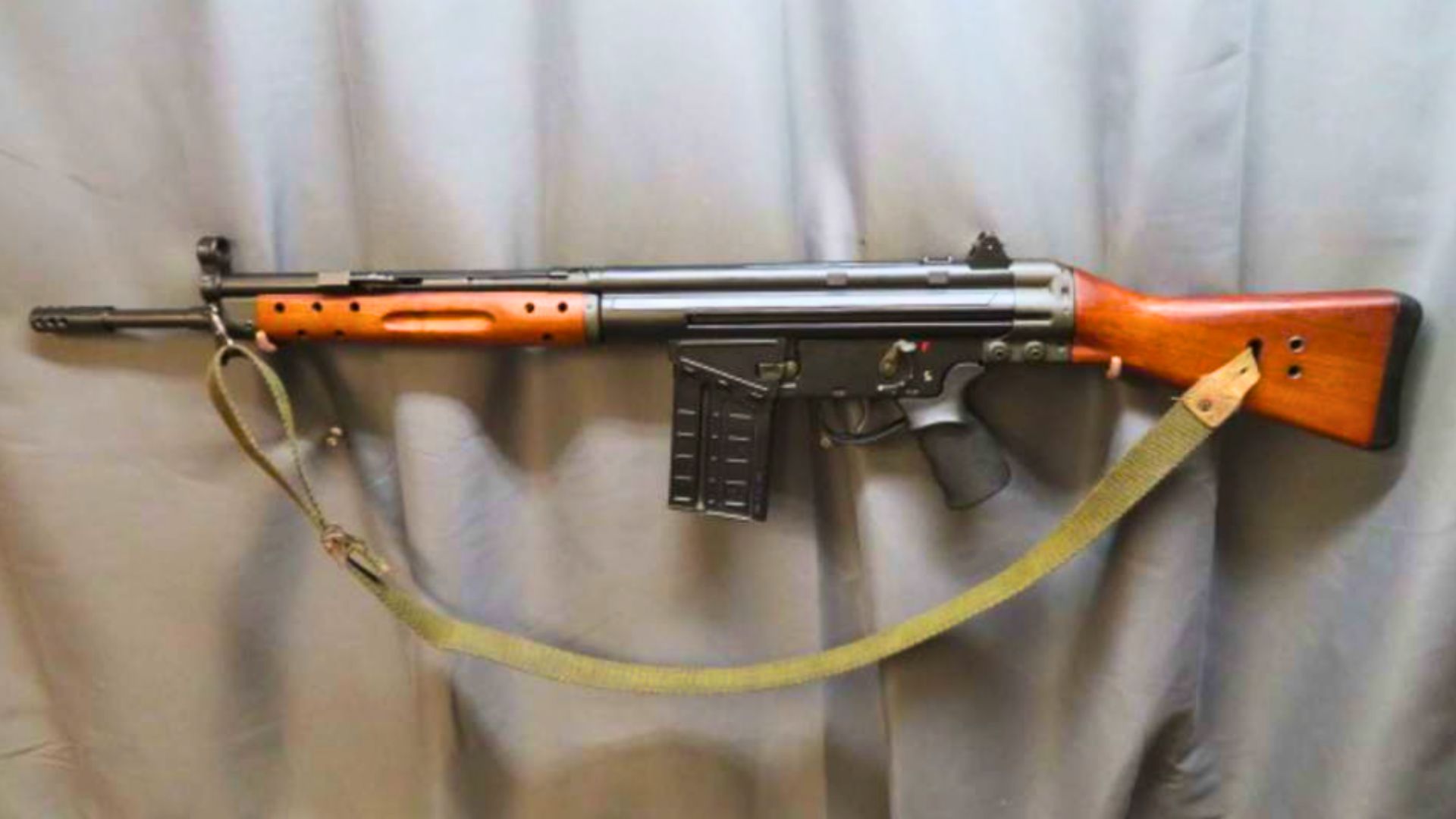
The Century Arms C308 is more of a range and battle-rifle-style gun than a traditional hunting rifle, but some shooters still press rifles like this into field roles. The problem is that used examples and budget builds can vary. When consistency and confidence matter, uneven build quality can make zero retention feel questionable.
A .308 semi-auto also puts more stress on optics and mounts than some hunters realize. If the rifle has bargain glass or a questionable mount, recoil and rough handling can start moving things around. The C308 may be fun, but it is not the rifle most hunters would pick when they need repeatable accuracy after getting knocked around in the field.
PSA PA-10

The PSA PA-10 gives shooters a more affordable path into an AR-10-style .308 rifle, but budget large-frame ARs can be demanding. They are heavier, harder on optics, and more sensitive to setup than many people expect. A rifle that groups well at the range can still shift confidence after being carried, bumped, and fired hard.
The PA-10 can be a good value if it is assembled well and equipped properly. The problem comes when hunters treat a budget .308 semi-auto like it should automatically hold zero through rough field use with cheap rings and a low-end scope. Large-frame ARs need solid mounting and quality glass. Without that, the setup can become frustrating fast.
AR-15 builds with bargain free-float rails

An AR-15 can be one of the most dependable rifle platforms around, but not every build deserves that reputation. Rifles assembled with bargain free-float rails, mystery barrel nuts, cheap mounts, and loose accessories can lose zero after hard use. The problem is not the AR design. It is poor assembly and weak parts.
A hunter using an AR for coyotes, hogs, or deer needs to know the handguard, optic mount, and barrel system are solid. If the rail shifts, the optic mount slips, or the barrel nut was never properly torqued, the rifle can wander after a rough hunt. Specific parts matter. A cheap build can make a good platform look bad.
Budget AR-10 builds with unknown parts

Budget AR-10 builds with unknown parts are risky if holding zero matters after hard use. Unlike AR-15s, large-frame ARs do not have the same universal parts standard across every manufacturer. That means mystery builds can have compatibility issues, questionable assembly, and uneven reliability. Add .308 recoil, and weak optics setups get exposed quickly.
A properly built AR-10 can be an excellent rifle. A cheap one assembled from unknown parts can become a guessing game. If the rifle rides in a truck, gets carried in rough country, or takes a hard bump, the hunter needs to trust the receiver fit, rail, barrel nut, and optic mount. With unknown parts, that trust may not be earned.
Marlin X7

The Marlin X7 was a decent budget bolt-action rifle that never built the long-term support of bigger platforms. Some examples shoot well, and it had practical features for the price. But it is still a discontinued budget rifle with limited aftermarket strength, which makes setup quality even more important.
The X7’s issue is not that it cannot shoot. It is that hard-use confidence depends on a rifle, stock, mounts, and optics all working together. Many X7s were bought as affordable hunting rifles and paired with equally affordable scopes. After rough use, that kind of setup can leave hunters chasing zero. A good one may work, but the margin is not as reassuring as stronger platforms.
Like The Avid Outdoorsman’s content? Subscribe to our newsletter so you never miss an article.
Here’s more from us: