Photo credit: Precision Gun Reviews – PGR/Youtube
Some guns don’t get a fair shake at first. They look odd, feel too plain, come from a brand people doubt, or arrive in a market already crowded with better-known options. Shooters take one glance and decide they know the whole story before the first magazine, shell, or group is fired.
Then the gun starts proving itself. Maybe it shoots better than expected. Maybe the awkward shape makes sense in the hand. Maybe the low price hides real performance. These guns beat their bad first impression by doing the one thing that matters most: working better than people thought they would.
Beretta PX4 Storm Compact
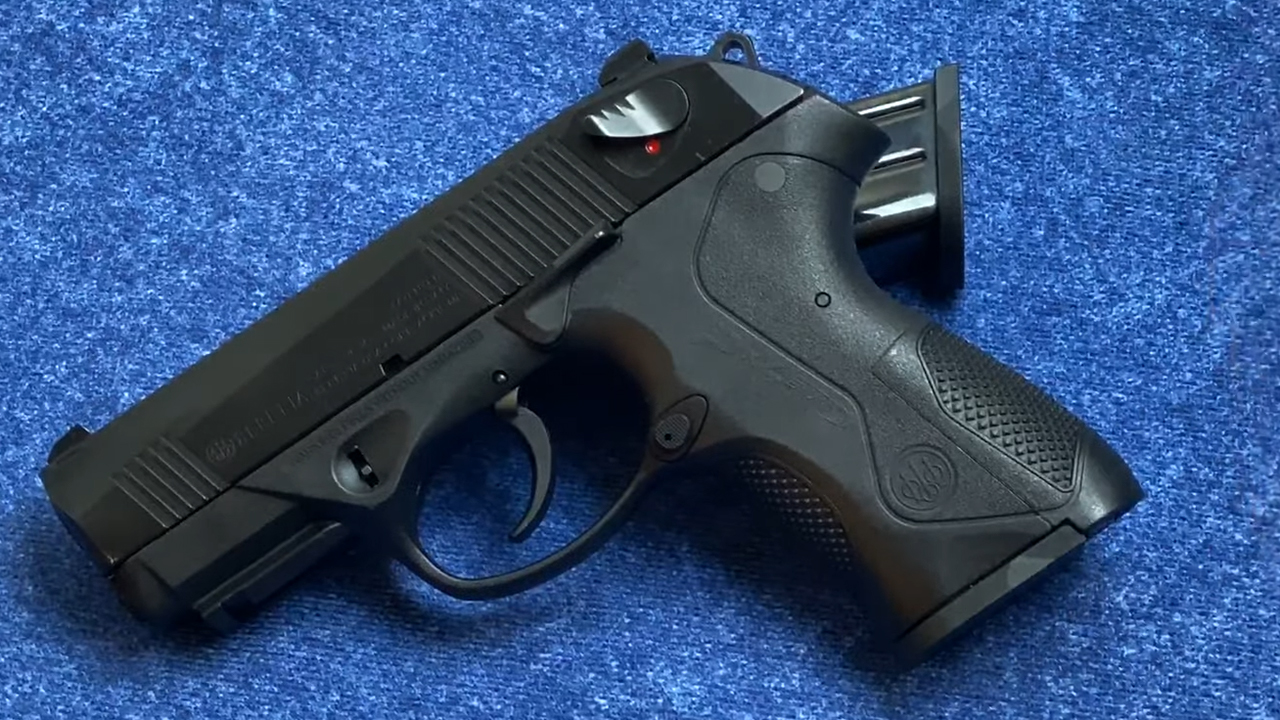
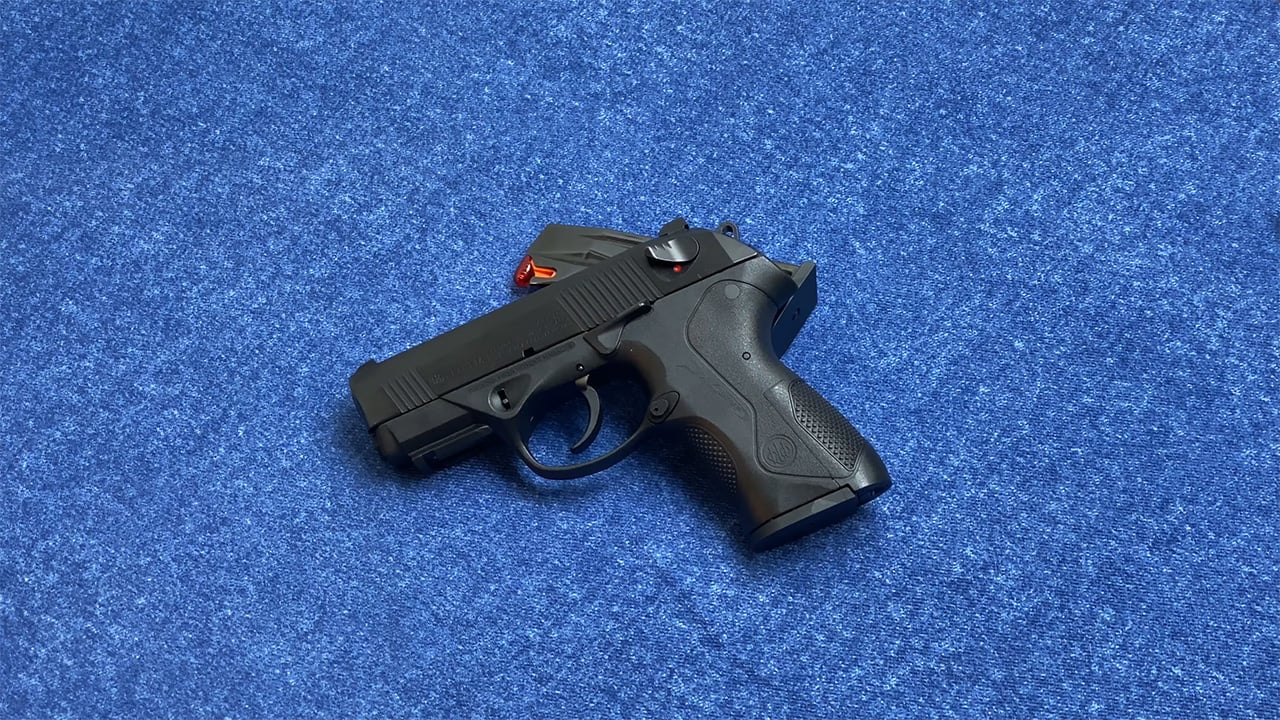
The Beretta PX4 Storm Compact has always had to fight its looks. The rounded slide, bulky-looking profile, and DA/SA trigger system make it easy for modern striker-fired fans to dismiss. It does not have the clean, flat-sided look many shooters expect from a carry pistol.
Then people shoot it and start softening up. The rotating barrel system gives it a smoother recoil impulse than many compact 9mms, and the grip feels better than the shape suggests. It carries more comfortably than many expect with the right holster, and the trigger system rewards practice. The PX4 Compact beat its first impression because it looked strange at the counter but felt smart on the range.
Ruger American Rifle
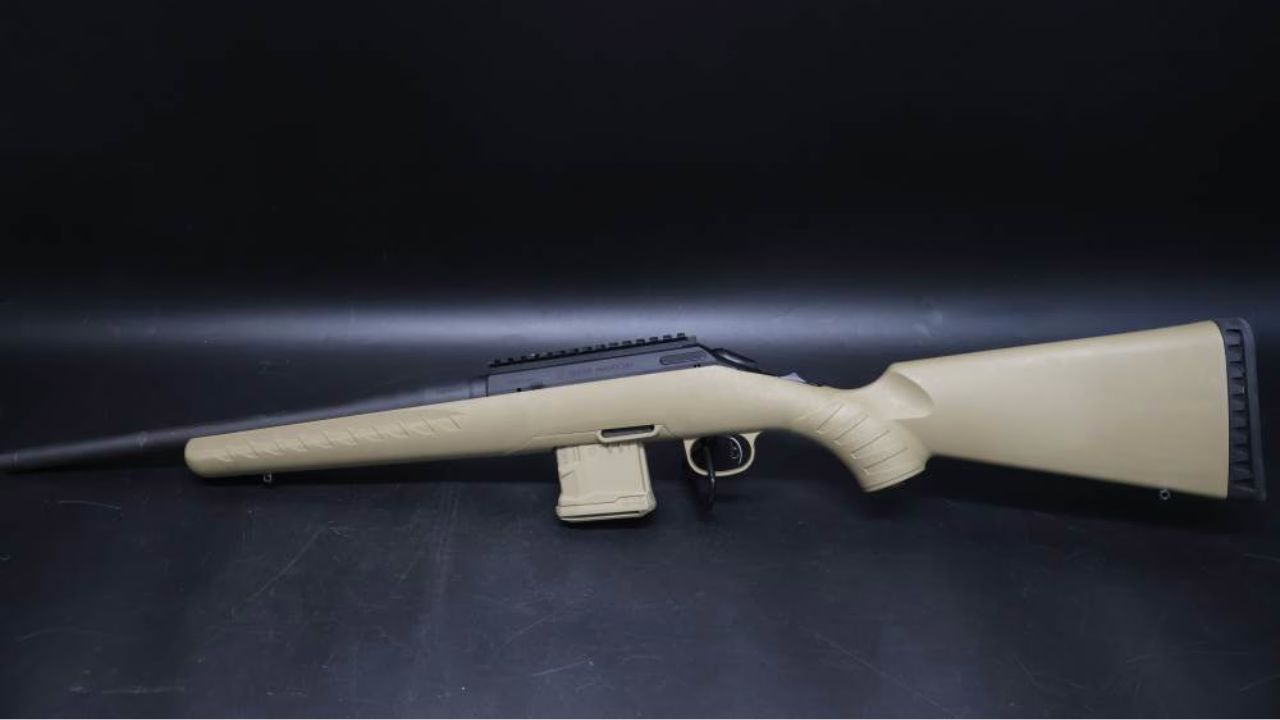
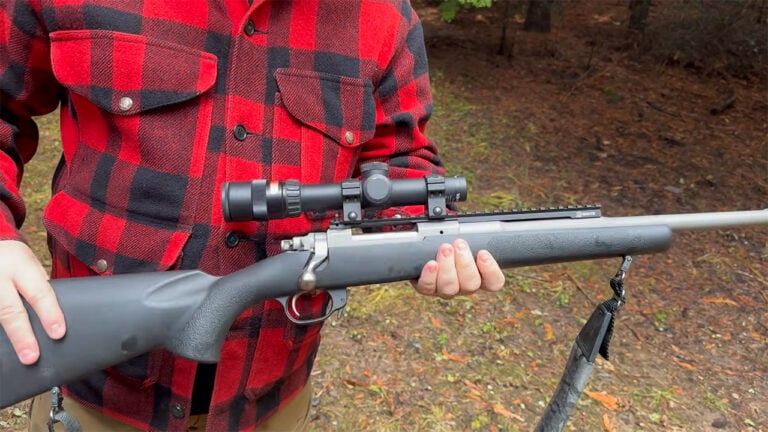
The Ruger American Rifle does not exactly look inspiring. The stock feels basic, the finish is plain, and the whole rifle gives off “budget tool” energy. Hunters used to polished wood or heavier traditional rifles could easily assume it was just a cheap option for people trying to save money.
The rifle beat that impression by shooting better than its price suggested. Many Ruger American rifles deliver very usable accuracy, and the adjustable trigger helps regular hunters get more from the platform. It is not refined, and the stock still feels like a cost-saving choice. But in the field, that matters less than whether the rifle holds zero and puts bullets where they belong. The American proved plain can still perform.
Taurus TX22
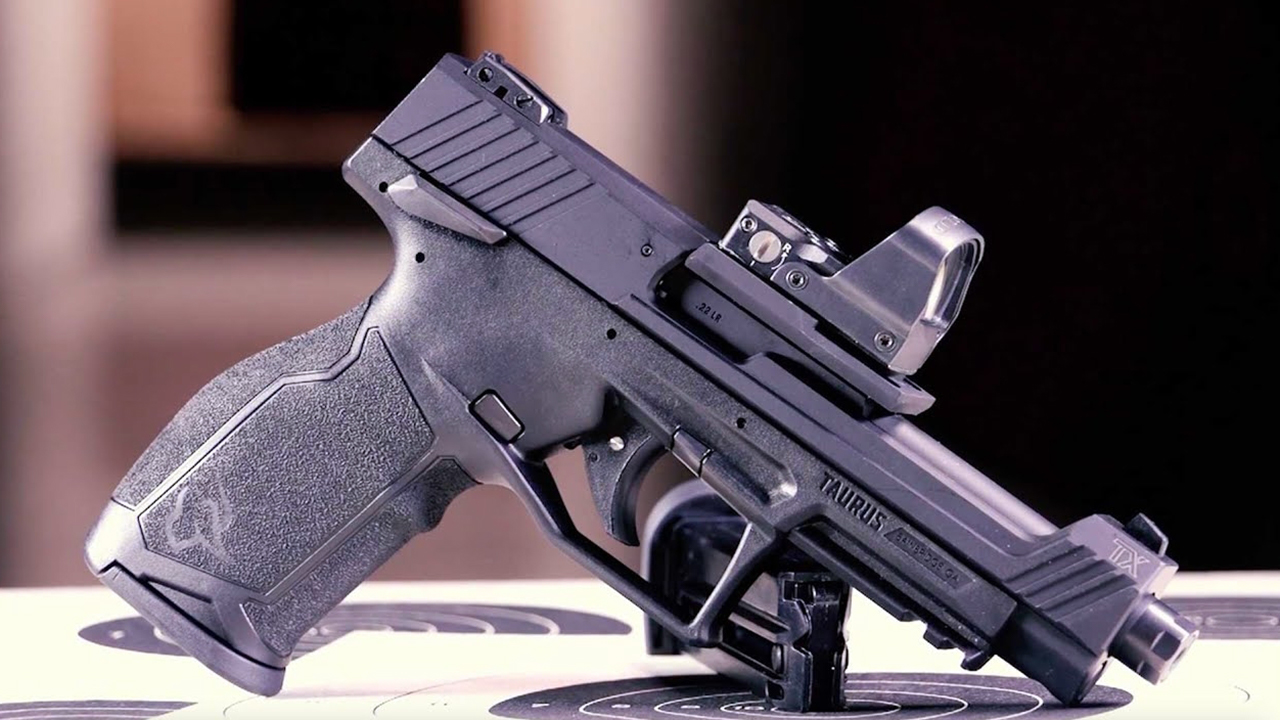
The Taurus TX22 had a bad first impression to overcome before people even handled it. Taurus’ uneven history made many shooters suspicious, and a polymer .22 pistol from the brand sounded like something that could easily be finicky, cheap-feeling, or frustrating.
Instead, the TX22 turned into one of the more pleasant surprises in the rimfire pistol market. It has good capacity for a .22, familiar controls, a comfortable grip, and a reputation among many owners for being fun and reliable with the right ammunition. It is not a premium target pistol, but it was never meant to be. The TX22 beat its first impression because it got people shooting more, and that is exactly what a good rimfire should do.
Mossberg 940 Pro
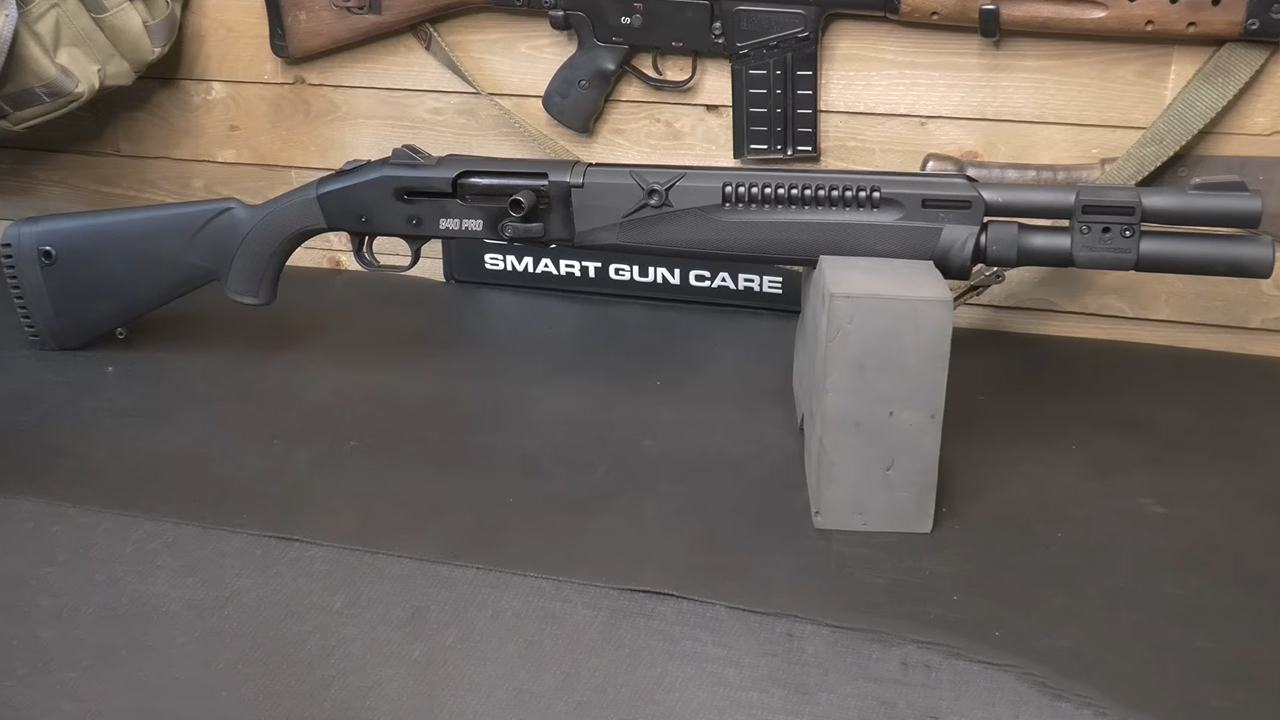
The Mossberg 940 Pro had to overcome skepticism from shooters who remembered mixed opinions around the older 930. Mossberg owns a lot of trust in pump shotguns, but semi-autos are a different world. Some people expected the 940 to be a modest update rather than a real improvement.
The 940 Pro made a better impression once people saw the practical changes. The gas system, loading port, controls, and maintenance details were all improved in meaningful ways. Depending on model, it works for hunting, competition-style shooting, or defensive setups. It still doesn’t have the prestige of premium Italian semi-autos, but it doesn’t need to. It beat its first impression by showing Mossberg had actually listened.
Springfield Armory Echelon

The Springfield Armory Echelon arrived in a brutally crowded striker-fired market. That alone gave it a bad first impression for some shooters. Another polymer 9mm duty pistol? Another modular platform? Another company claiming it had solved the same problems everyone else was solving?
Then the gun started making a stronger case. The optics mounting system, modular chassis, grip texture, and overall duty-size feel gave it more substance than a quick glance suggested. It did not feel like a rushed pistol built only to check trend boxes. It felt like Springfield tried to build a complete modern service handgun. The Echelon beat its first impression by being more thoughtful than skeptics expected.
Smith & Wesson SD9VE
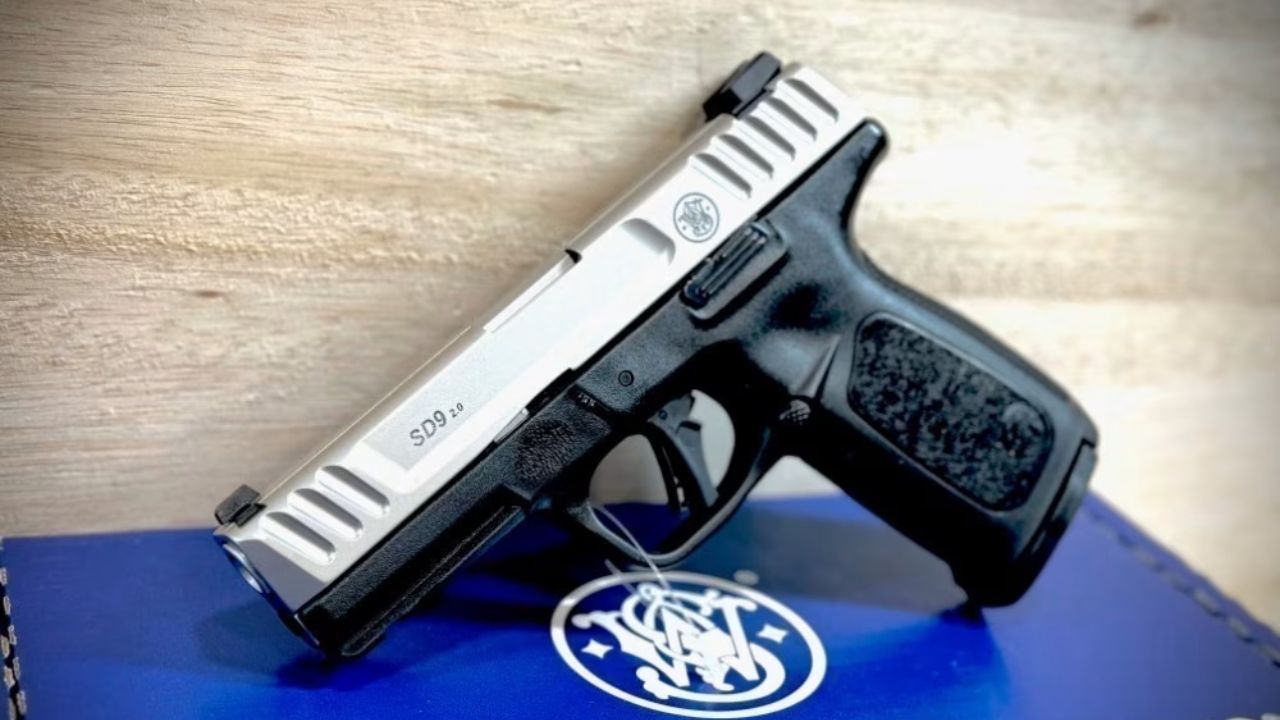
The Smith & Wesson SD9VE has always looked like a compromise. It is inexpensive, plain, and known for a trigger many shooters immediately criticize. Compared with the M&P line, it can seem like the budget option someone buys only because they cannot spend more.
That first impression is not totally unfair, but it is incomplete. The SD9VE gives budget-conscious buyers a full-size 9mm from a major manufacturer with decent capacity and simple operation. The trigger takes practice, and it is not as refined as more expensive pistols. But many owners have found it dependable enough for range use and home-defense roles after proper testing. It beat its first impression by being honest: affordable, basic, and more useful than snobs wanted to admit.
Savage Axis II
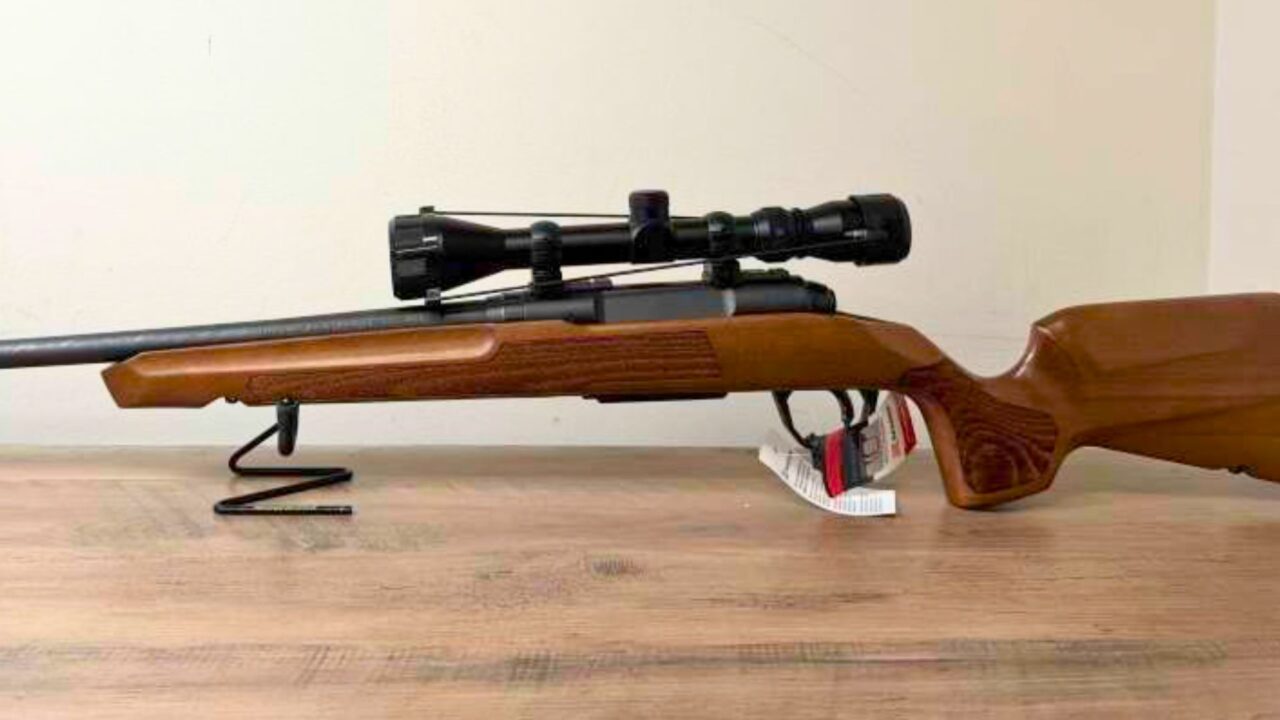
The Savage Axis II looks like a budget rifle because it is one. The stock is plain, the finish is plain, and the overall feel does not inspire anyone to whisper “heirloom.” Some hunters pick one up and immediately assume it is a starter rifle they will eventually outgrow.
Then they shoot it. The AccuTrigger makes a meaningful difference, and many Axis II rifles turn in practical hunting accuracy that surprises people. It is still not refined, and nobody should pretend the stock feels premium. But a deer rifle does not need to feel expensive to work. The Axis II beat its first impression because it reminded hunters that ugly groups matter more than ugly stocks, and many of these rifles do the important part well.
Canik TP9SFx

The Canik TP9SFx had a bad first impression for shooters who distrusted value-priced pistols with too many features. A long-slide, competition-style 9mm with a good trigger, accessories, and a low price sounded almost too good to be true. Some buyers assumed the brand name meant corners had been cut everywhere.
Range time changed that for a lot of owners. The TP9SFx has a strong trigger for the money, useful sights, a long sight radius, and enough weight and size to shoot comfortably. It is not built for concealed carry, and that is fine. It is a range and entry-level competition pistol. It beat its first impression because the value was not just marketing. The gun actually gave shooters a lot for the money.
Henry Homesteader

The Henry Homesteader sounded strange at first because Henry is so tied to lever-actions and rimfires. A 9mm semi-auto carbine from Henry felt like a brand identity crisis to some shooters. Others wondered why anyone would choose it over an AR-9 or a more tactical pistol-caliber carbine.
The Homesteader made more sense once its personality was clear. It is not trying to be an AR-9. It is a mild, traditional-looking 9mm carbine with simple handling and magazine compatibility options. That makes it approachable for range use, home-defense setups where appropriate, and shooters who want less recoil without a tactical look. It beat its first impression because the weird idea actually had a lane.
Ruger Max-9

The Ruger Max-9 arrived after the micro-compact market had already exploded, so plenty of shooters assumed it was late and forgettable. The SIG P365, Springfield Hellcat, Shield Plus, and other small carry pistols had already shaped expectations. Ruger had to prove the Max-9 was more than a “me too” gun.
It did that by offering practical capacity, compact size, optic-ready versions, and a price that made sense for regular buyers. It is still a small 9mm, which means recoil and grip control matter, but it gives budget-conscious carry owners a modern option from a major brand. The Max-9 beat its first impression by being useful, not revolutionary. Sometimes that is enough.
Weatherby Vanguard Series 2
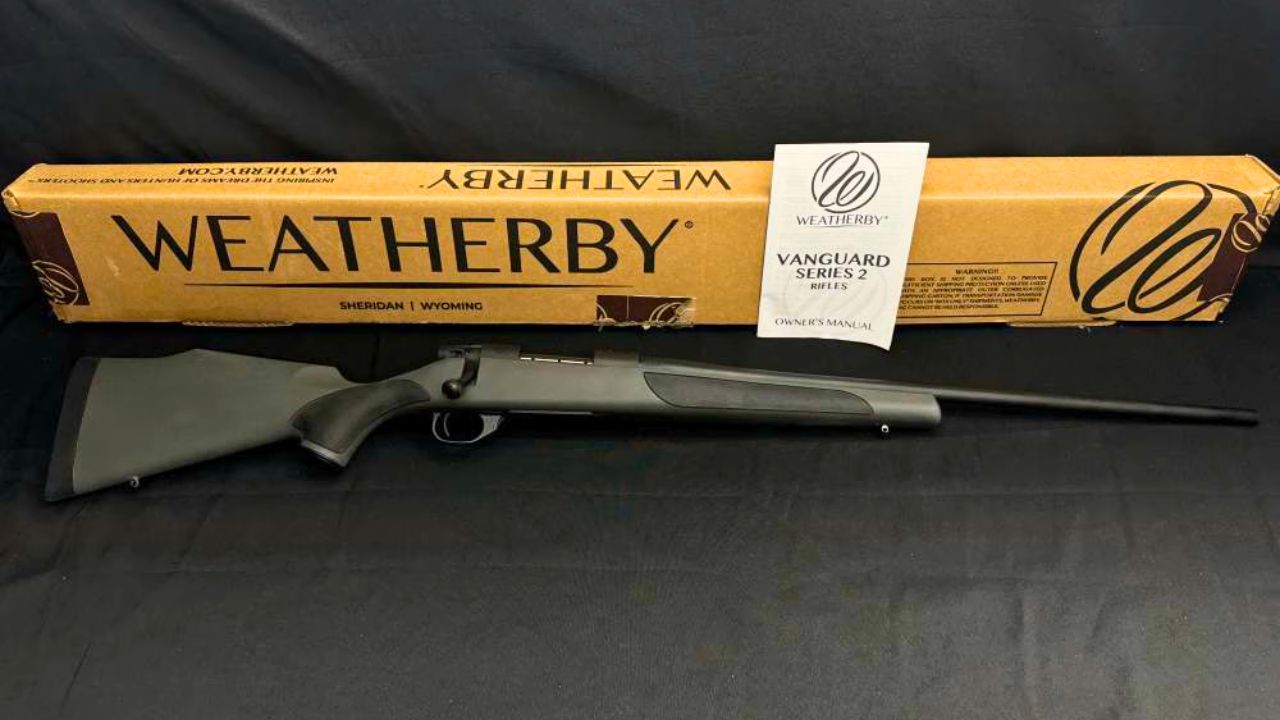
The Weatherby Vanguard Series 2 does not look like the glamorous Weatherby. It does not have Mark V prestige, and basic models can look like ordinary synthetic-stocked hunting rifles. That makes it easy for buyers to underestimate, especially if they associate Weatherby with glossy rifles and magnum mystique.
The Vanguard Series 2 beats that impression with substance. The Howa-built action is sturdy, the trigger is good, and many rifles shoot extremely well. It may be heavier than some competitors, but that weight can help with steadiness and recoil control. For hunters who care more about results than status, the Vanguard is one of those rifles that gets better the longer they own it. It looked plain, then proved it was practical.
KelTec Sub2000

The KelTec Sub2000 has a first impression problem because it looks like something built from folding hardware and spare ideas. The styling is unusual, the feel is not refined, and many shooters assume it has to be a gimmick before they ever shoot one.
The reason it survives is that the concept is genuinely useful. A folding 9mm carbine that accepts common pistol magazines depending on version can be handy for storage, range use, backpacking where legal, and low-recoil practice. It is not a refined rifle, and expectations need to stay realistic. But it beat its first impression because the folding design is not just a party trick. It solves a storage problem in a way few carbines do.
CZ 600 Alpha

The CZ 600 Alpha disappointed some traditional CZ fans the moment they saw it. People loved the old-world feel of rifles like the 527 and 550, and the Alpha’s modern synthetic stock and utilitarian look did not scratch the same itch. It looked like CZ had abandoned charm.
Judged as a working rifle, though, the Alpha makes more sense. It has a practical stock, adjustable trigger, useful chamberings, and a field-ready personality. It does not replace the older CZ rifles emotionally, and it probably never will. But it beat its first impression by being a capable modern hunting rifle rather than a failed nostalgia piece. Not every good rifle has to feel like granddad’s Mauser.
Glock 45
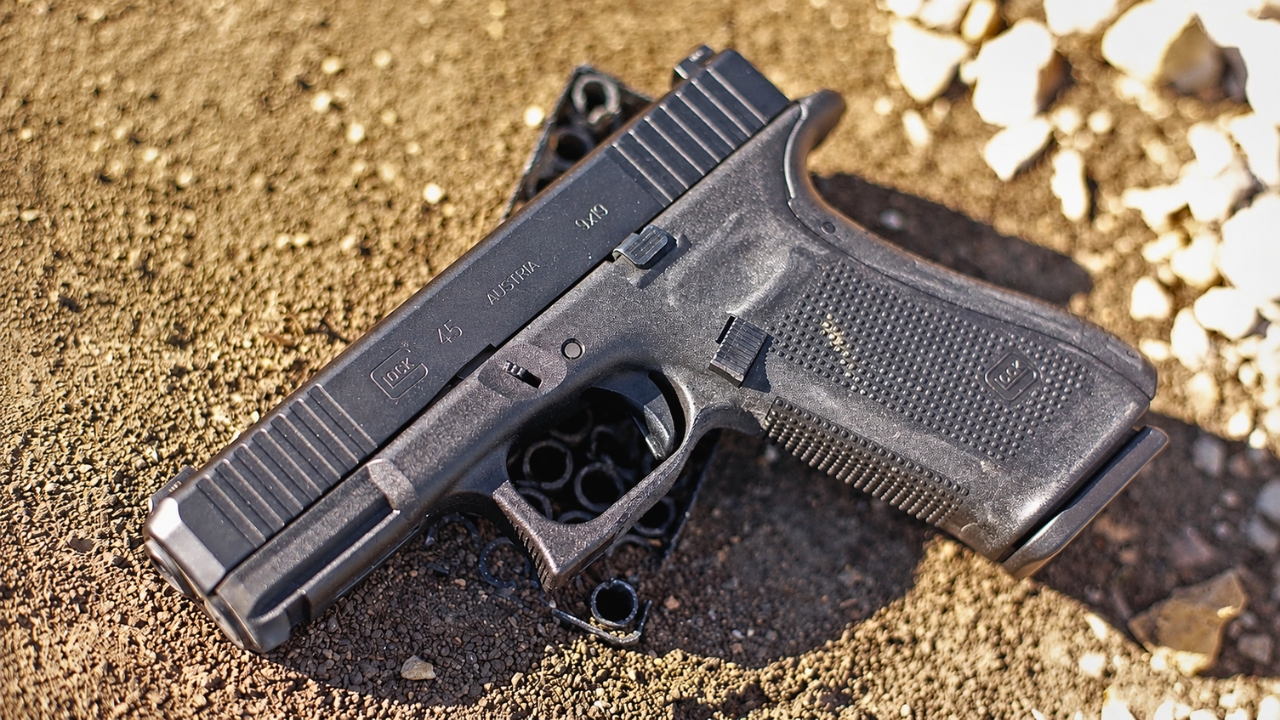
The Glock 45 got some confused looks because its configuration seemed backward to certain shooters. A full-size grip with a compact-length slide did not make sense to everyone at first. Why not just get a Glock 17 or Glock 19? The pistol seemed like a compromise without a clear purpose.
Then people started using it. The full-size grip gives better control and capacity, while the shorter slide makes the gun feel quicker and slightly easier to manage in certain carry or duty setups. It shoots well, handles naturally for many people, and benefits from Glock’s massive support system. The Glock 45 beat its first impression by proving the layout was not random. It was built around how a lot of people actually run a pistol.
Franchi Affinity 3
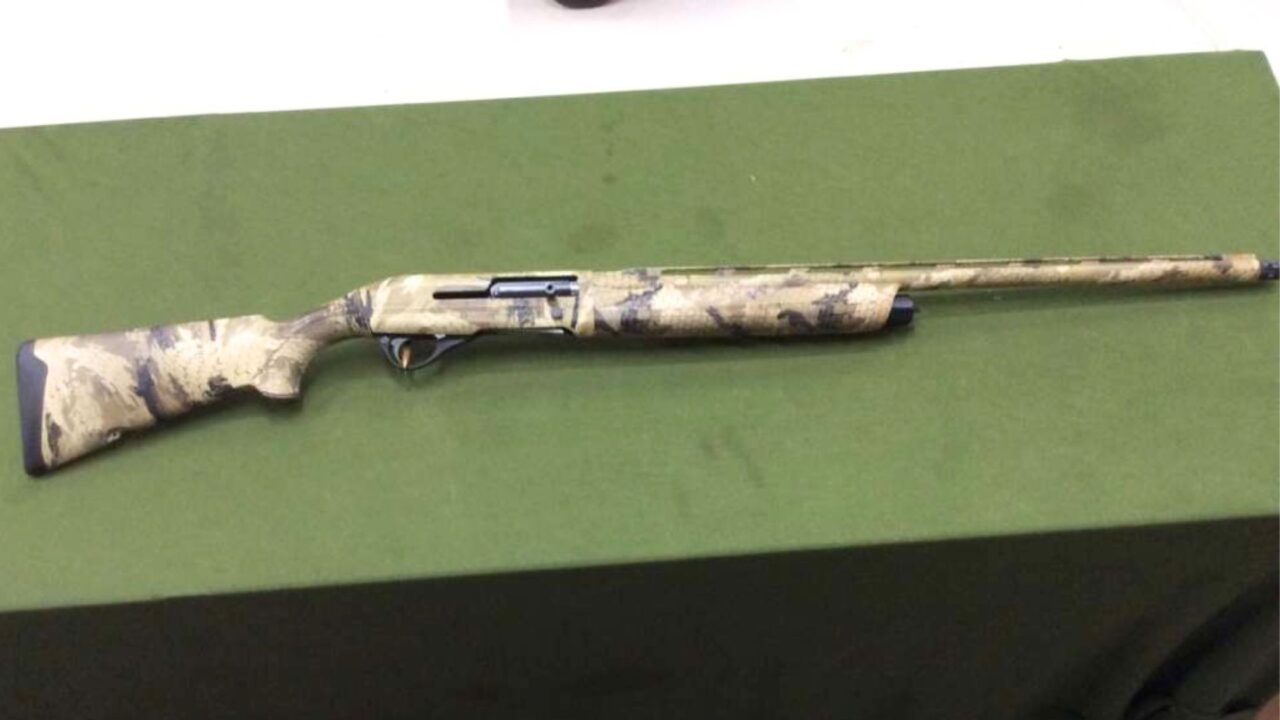
The Franchi Affinity 3 has a quiet first-impression problem. It sits between budget semi-autos and more famous Italian shotguns, which means some buyers overlook it from both directions. It is not cheap enough to be the obvious bargain and not famous enough to be the obvious premium choice.
That middle ground is exactly why it works. The Affinity 3 gives hunters a simple inertia-operated semi-auto with good field handling and a price below many higher-end options. It can kick more than gas guns, especially with heavier loads, but it is straightforward to maintain and dependable for many hunters. It beat its first impression by being the shotgun that does the job without needing to be the loudest name in the blind.
Like The Avid Outdoorsman’s content? Subscribe to our newsletter so you never miss an article.
Here’s more from us: