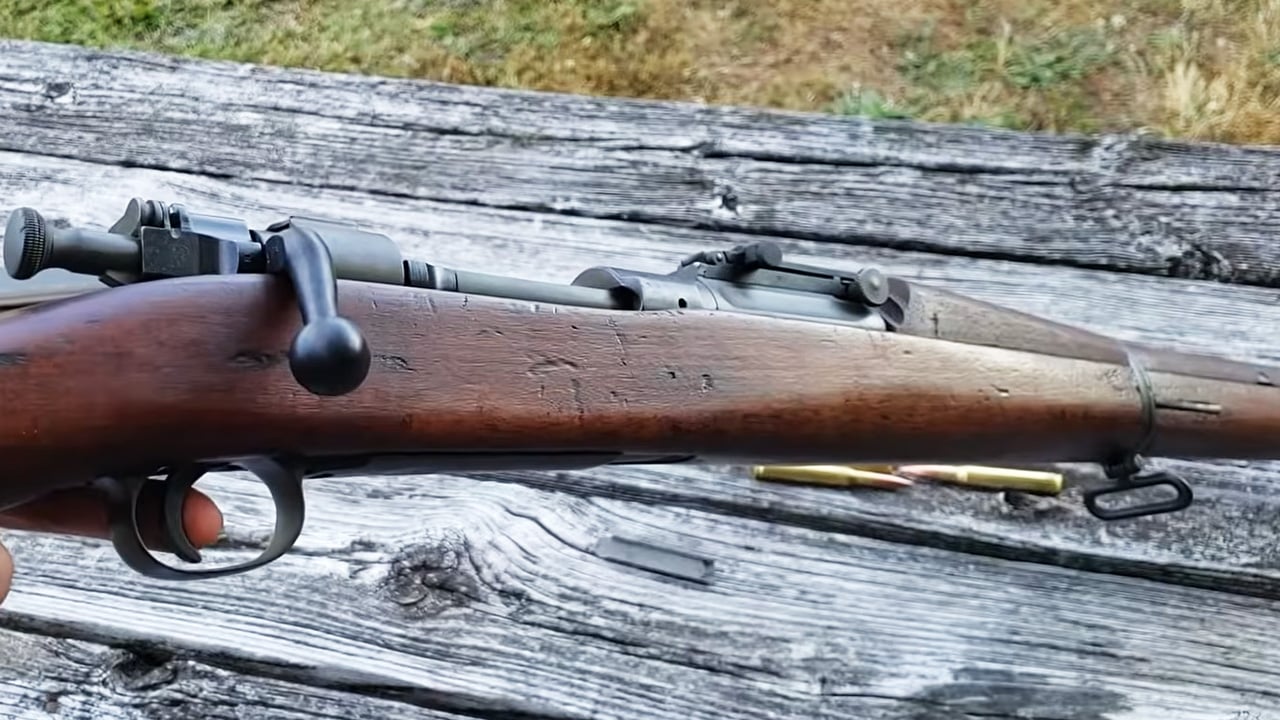
Photo credit: PilotPatriot/Youtube
I have stood in the back of more than one little shop and watched a pallet of “old deer rifles” get weighed like rusty brake rotors. No ceremony. No stories. Just a forklift, a scale ticket, and a guy doing math with a pencil behind his ear.
Back then, the thinking was simple: a rifle with no scope, a little freckling, and a cracked buttplate was “not worth messing with.” The sad part is a lot of those guns weren’t junk at all. They were just unfashionable for about ten minutes, and the scrap guy happened to show up at the wrong time.
Here are 20 rifles I watched get treated like metal weight that I would gladly pay collector money for now. Not because they’re all perfect. Because they’re real, they’re useful, and they’re getting harder to find in honest condition.
1. Winchester Model 94 (pre-64)
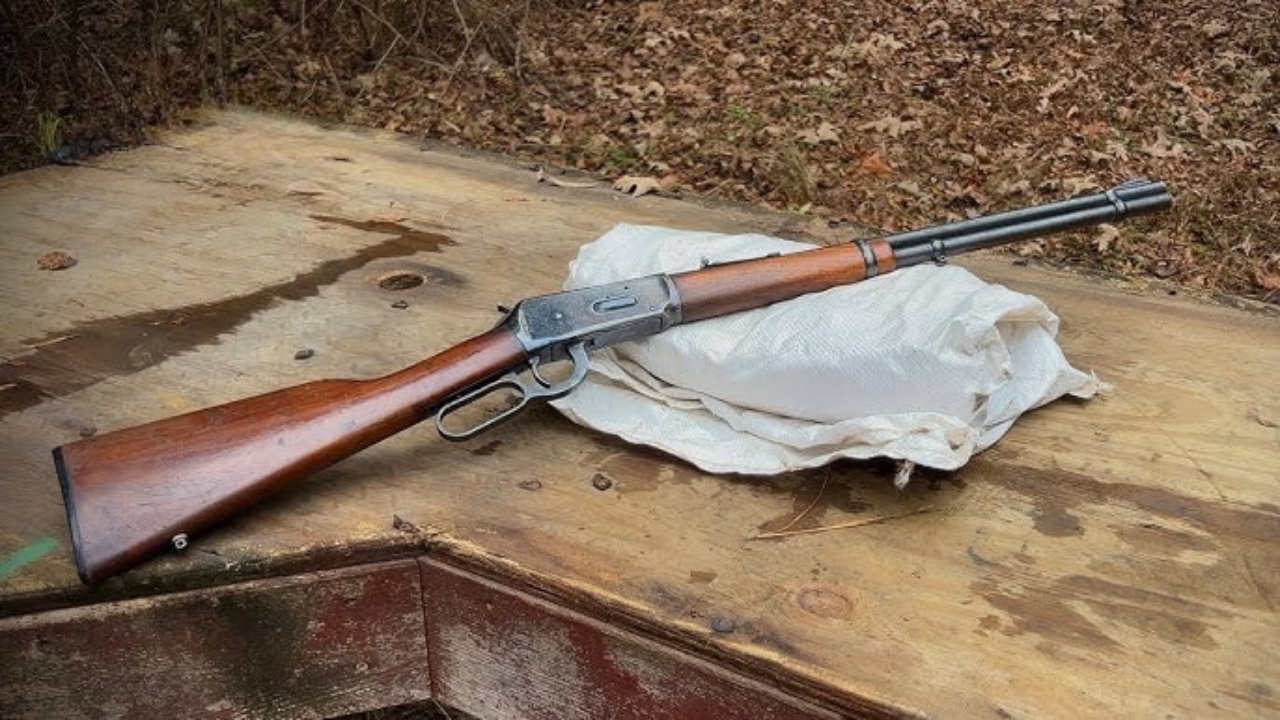
The levergun that taught half the country to hunt got tossed in a bin like it was nothing. A worn pre-64 with a smooth action feels different than the newer ones, and you notice it the second you run the lever. They carry like a walking stick, and they’re quick in the brush where most whitetails actually get killed.
Back then, folks called them “grandpa guns” and acted like .30-30 was obsolete. Now everyone wants one, especially if the screws aren’t buggered and the wood hasn’t been sanded to death. That one hurts.
2. Marlin 336 (JM-stamped)
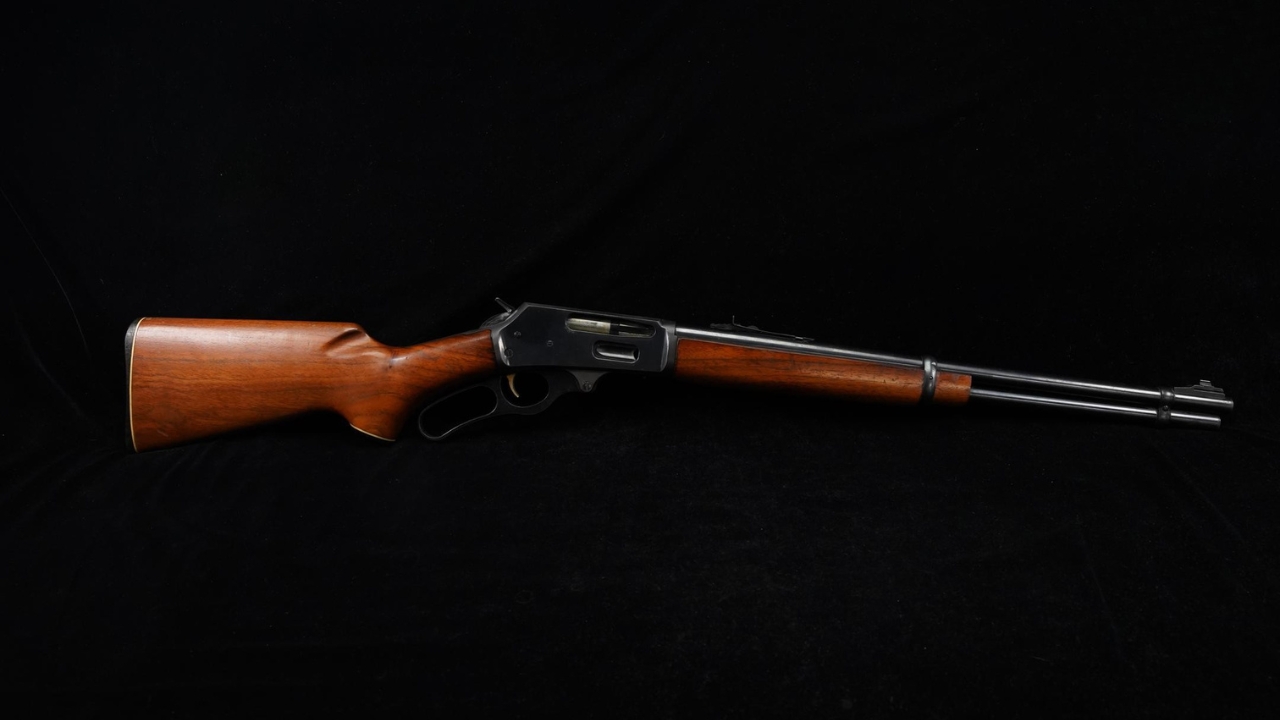
If you know, you know. Those little “JM” letters on the barrel became a big deal for a reason: fit, finish, and the way they tend to feed and shoot without drama. A 336 points naturally, and it’s one of those rifles that just feels right when you shoulder it.
I watched several go for “whatever the scrap rate is” because the bluing was thin and the stock had hunting dings. Those dings are the good part. Today, a clean JM 336 brings real money and doesn’t sit long.
3. Ruger M77 (tang safety)
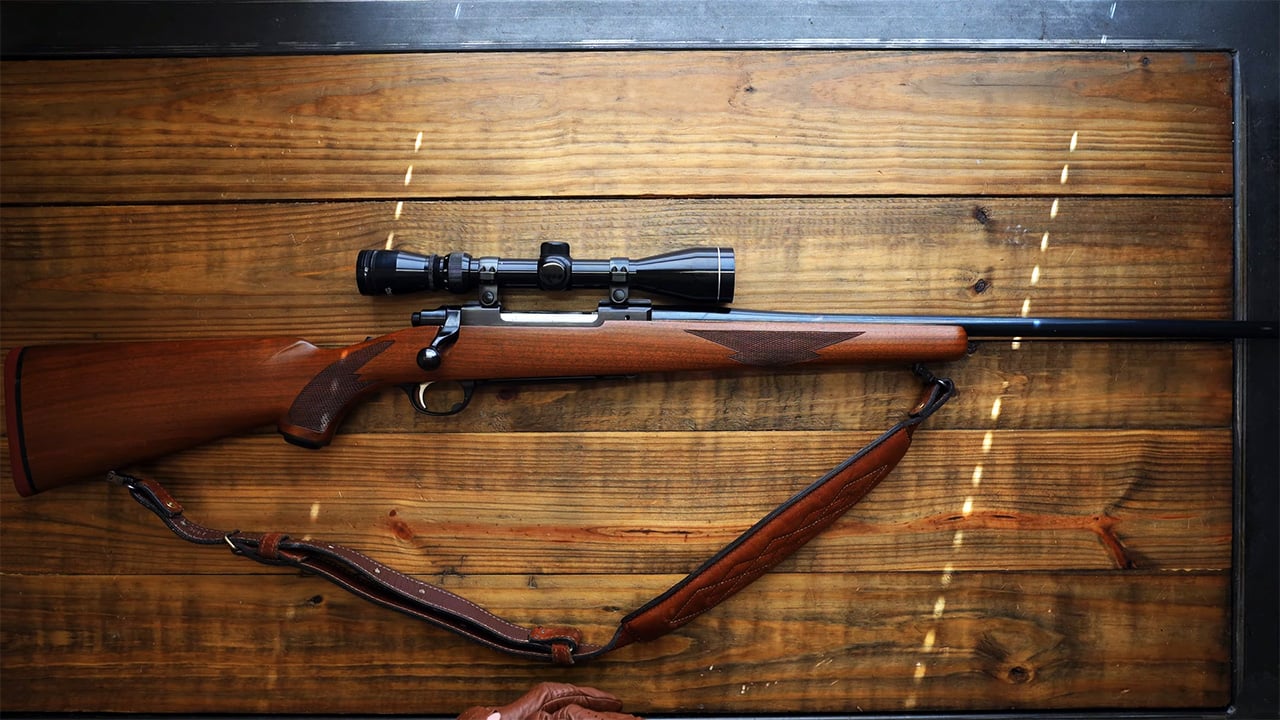
The tang safety M77 is one of the handiest bolt guns Ruger ever put out, and the safety position makes sense in the field with gloves on. They’re not fancy rifles, but they’re honest, solid, and usually accurate enough to make you look better than you are.
For years they were treated like “old Rugers” that didn’t have the right kind of cachet. Now guys are chasing them for nostalgia, sure, but also because they work and the design just feels like a hunting rifle should.
4. Remington Model 700 (BDL, older production)

I’m not here to argue internet debates. I’m telling you what I saw: older BDLs with decent walnut and that classic floorplate got pitched because they had a dinged scope or the owner passed and the family didn’t want to deal with it.
In the hand, a good 700 BDL balances well, carries flatter than some chunky modern rifles, and the parts and mounts are everywhere. Try finding an unmolested one now that hasn’t been “upgraded” into something it never needed to be.
5. Winchester Model 70 (pre-64)
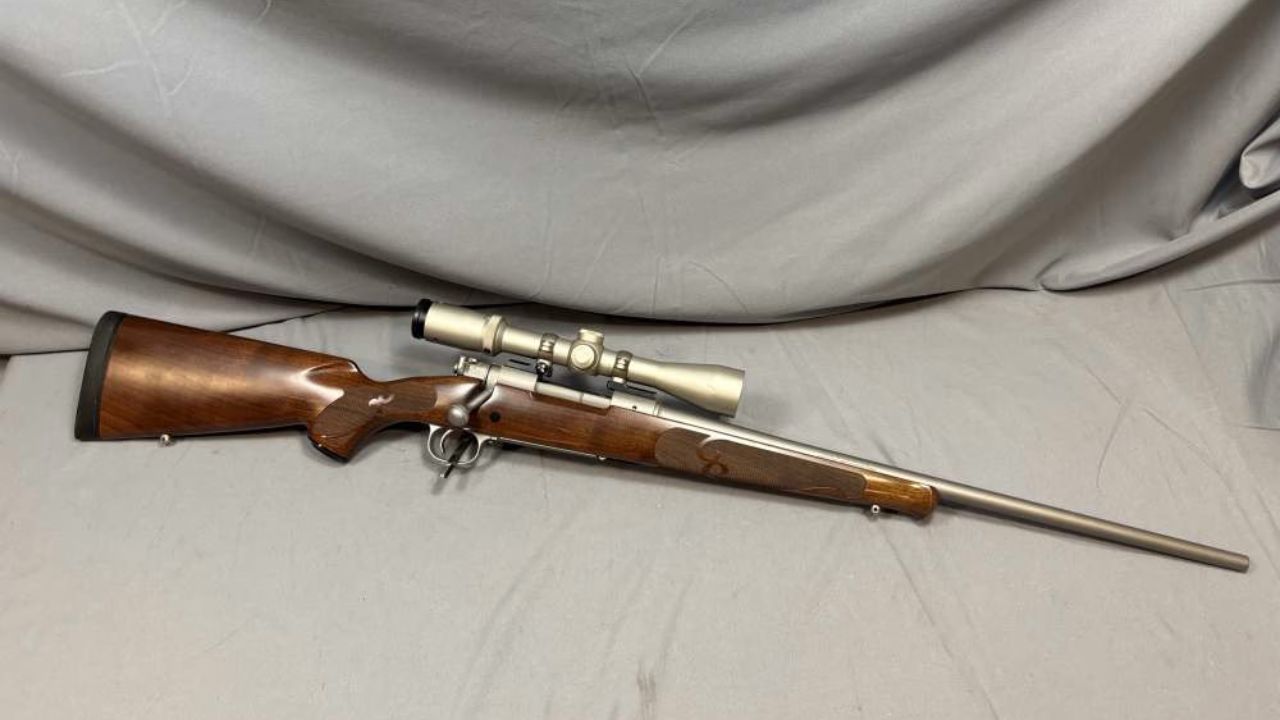
These were called “old bolt guns” by people who hadn’t cycled one. A pre-64 Model 70 has that controlled-round-feed feel that’s hard to explain until you run it a few times. It’s not just nostalgia; it’s confidence.
When one showed up with surface rust, guys would shrug. Now a pre-64 with decent bones gets attention fast, even if it needs a little careful cleanup and fresh oil.
6. Savage 99 (especially .300 Savage and .250-3000)
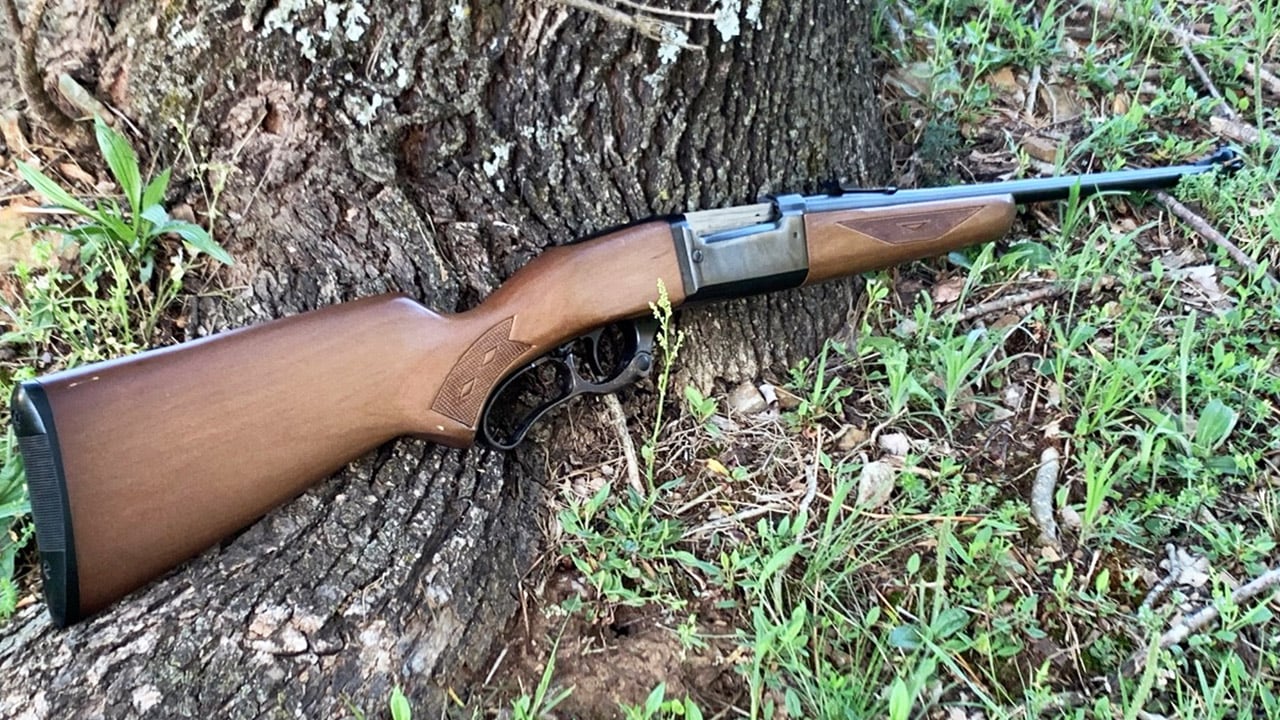
Rotary magazine, slick lines, and a levergun that can reach out farther than most folks give it credit for. The Savage 99 got dumped because it didn’t look “tactical” and it wasn’t a simple tube-mag .30-30.
Today, try replacing one that hasn’t been drilled to death or abused. They’re classy without being delicate, and they make a great still-hunting rifle if you like to move instead of sit.
7. Springfield Armory M1 Garand (CMP-era rifles)
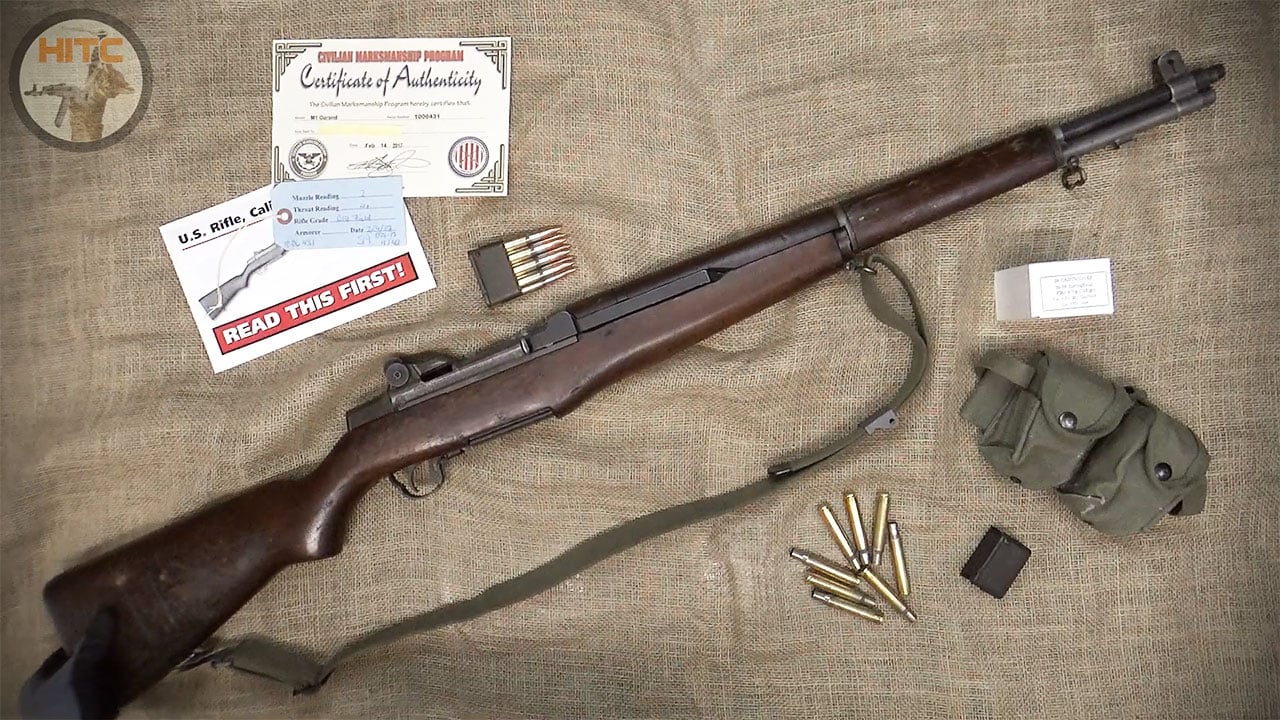
I watched a couple Garands get treated like boat anchors because they were heavy and “old war stuff.” Heavy is true. The rest is nonsense. Even a rack-grade rifle has a presence, and the ping isn’t just a noise—it’s a reminder you’re holding history that still runs.
Prices climbed, supplies tightened, and now everyone wishes they had bought one when they were stacked like cordwood. If you’ve ever carried one to the line, you understand why collectors chase them.
8. U.S. M1 Carbine (Inland, Winchester, etc.)
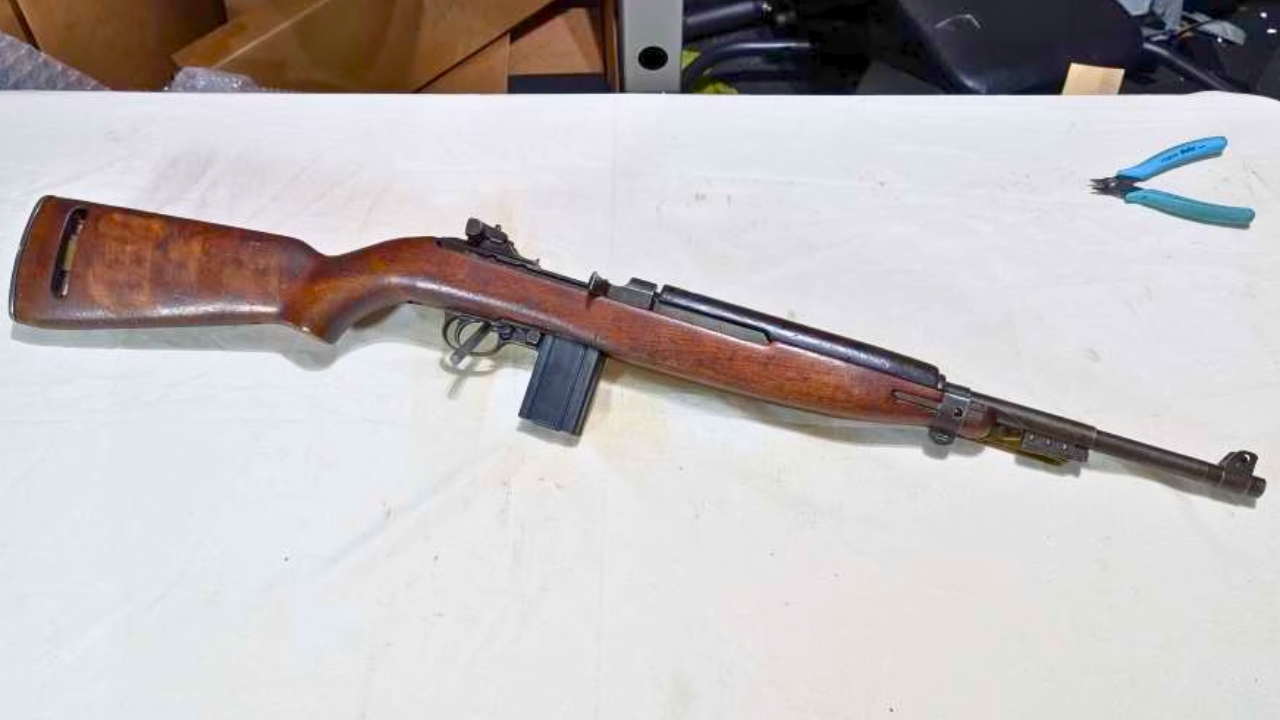
Small, light, handy. The M1 Carbine is the kind of rifle you can actually carry all day, and that matters more than people admit. A lot of them were beat up, missing parts, or mismatched, and folks wrote them off.
Now, even mixed-part examples get respect if they’re mechanically sound. Original magazines, correct hardware, and clean bores don’t just appear out of thin air anymore.
9. U.S. Model 1903 Springfield
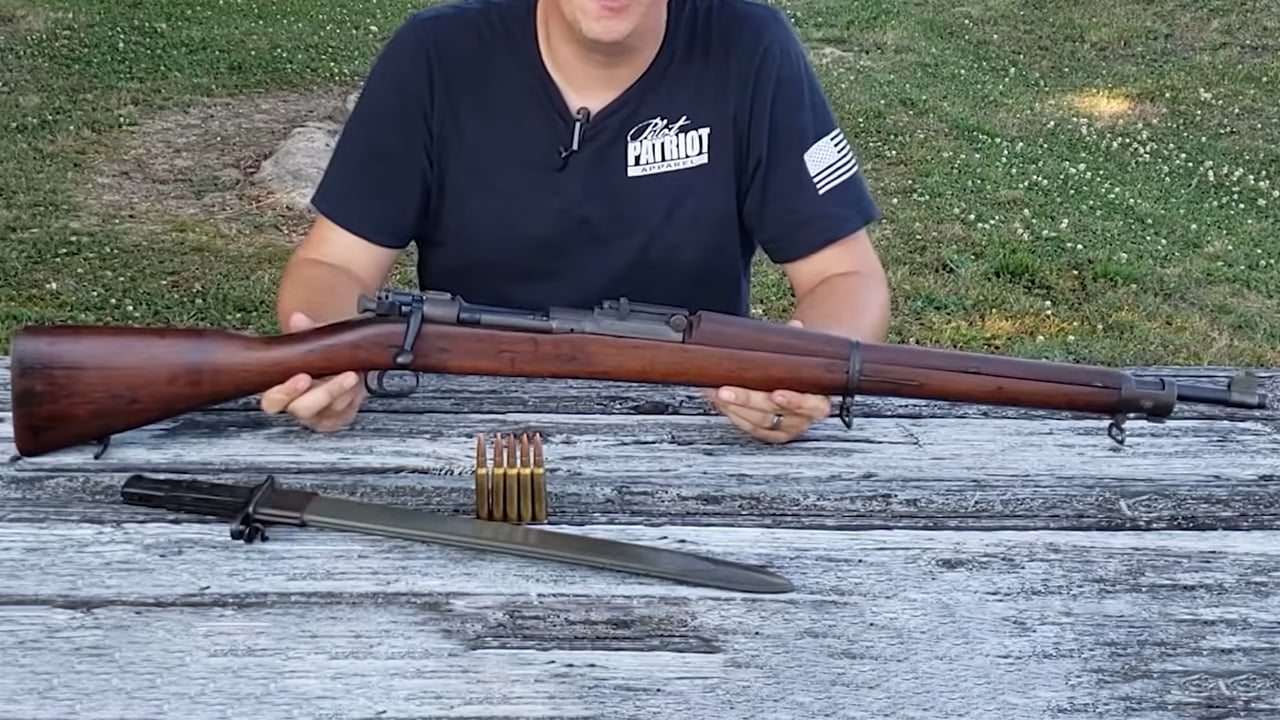
Long, old, and “too much rifle” for the guy who only wants a scoped plastic stock. I’ve handled 1903s with stocks worn smooth from honest use, and they still lock up like a bank vault. The sights aren’t for everyone, but they’re better than people think.
Once these got swept into “old military junk,” a lot of them disappeared into scrap loads. Today, even a rough example is worth saving if it hasn’t been sporterized into a shadow of itself.
10. Lee-Enfield No. 4 Mk I

If you’ve never run a Lee-Enfield fast, you don’t get it. The action is ridiculously smooth, and they point well for a full-size rifle. They got ditched because .303 British wasn’t sitting on every shelf for a while and people panicked.
Now .303 is around again, and No. 4 rifles in good shape aren’t cheap. A clean Enfield with a strong bore and intact wood is a rifle you can still enjoy without treating it like a museum piece.
11. Mauser Model 98 (original military configuration)
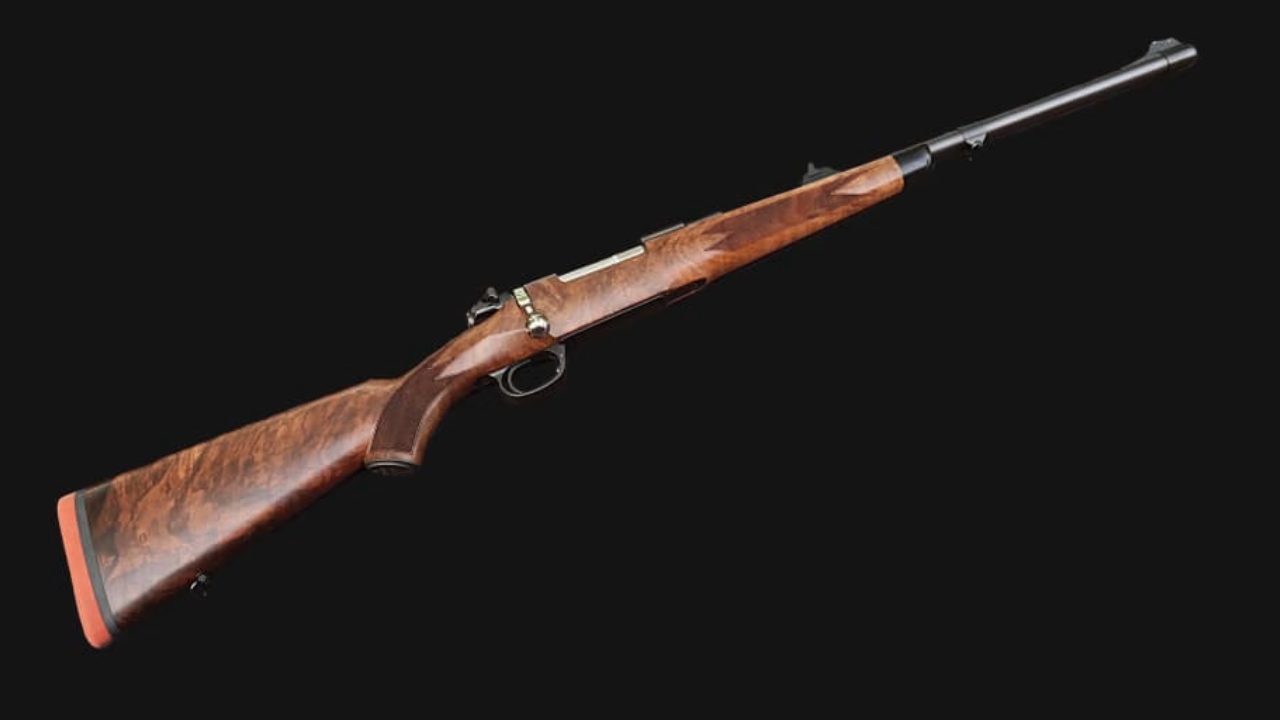
So many 98s were cut down and “deer rifled” that original examples should’ve been protected like hen’s teeth. I saw a couple true military configuration rifles go for scrap because someone only saw old wood and an odd crest.
A good 98 action is the backbone of a lot of modern hunting rifles for a reason. Original markings, matching numbers, and correct parts are the stuff collectors pay for now, not the “project gun” crowd.
12. Mosin-Nagant M91/30 (and Finnish variants)
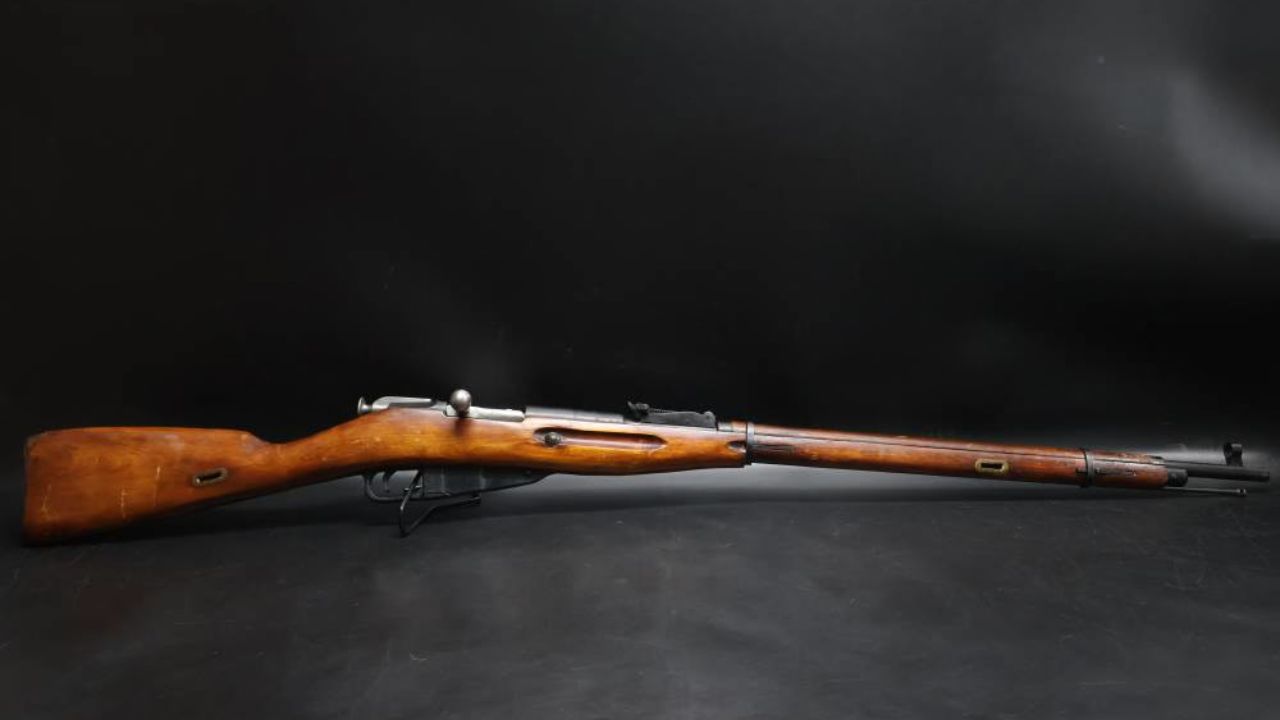
Yes, they were once cheap. Yes, they’re crude compared to a modern rifle. But they’re also a piece of history that still sends a bullet straight when the bore is decent. I watched stacks of them get cleared out when the “cheap surplus” wave dried up and the ammo got spotty.
Now you see what happens when something goes from $99 to “why is that $500?” overnight. Finnish rifles, especially, are the ones I wish I had grabbed and put away.
13. Ruger No. 1 (single-shot)
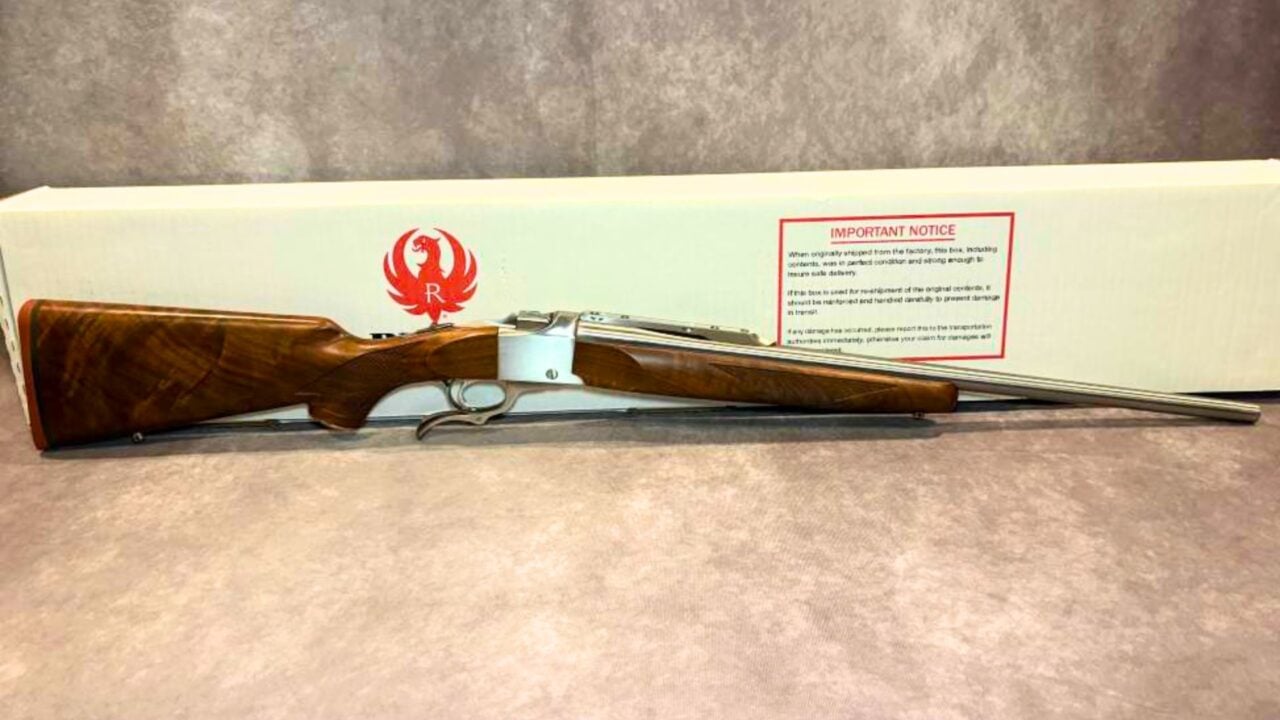
Single-shots make some folks nervous because there’s no easy follow-up. Fair enough. But the Ruger No. 1 is compact for its barrel length, balances beautifully, and just feels like a rifle made by people who cared.
They got scrapped because they were “one shot” and sometimes in oddball chamberings that the local store didn’t keep in stock. Today, those oddball chamberings are often the reason collectors want them.
14. Browning BAR (Belgian-made safari models)
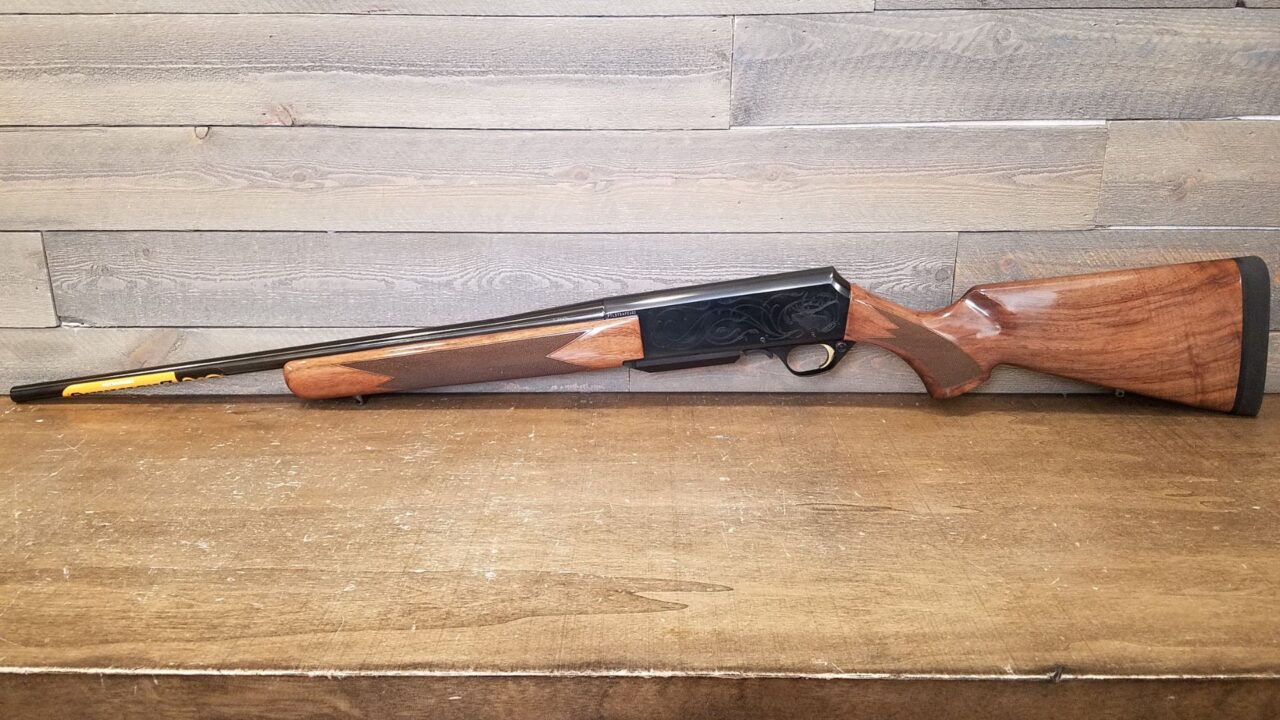
The old Belgian BARs aren’t light. And they aren’t trendy. But if you’ve ever hunted thick timber in cold weather and wanted a semi-auto that cycles like it should, you understand the appeal. They’re soft shooters, too.
When one showed up with a scratched receiver or worn checkering, guys acted like it was ruined. Now a clean Belgian BAR brings strong money, and even a worn one is worth more than a scrap pile.
15. Remington Model 742/7400 Woodsmaster (clean, uncracked examples)
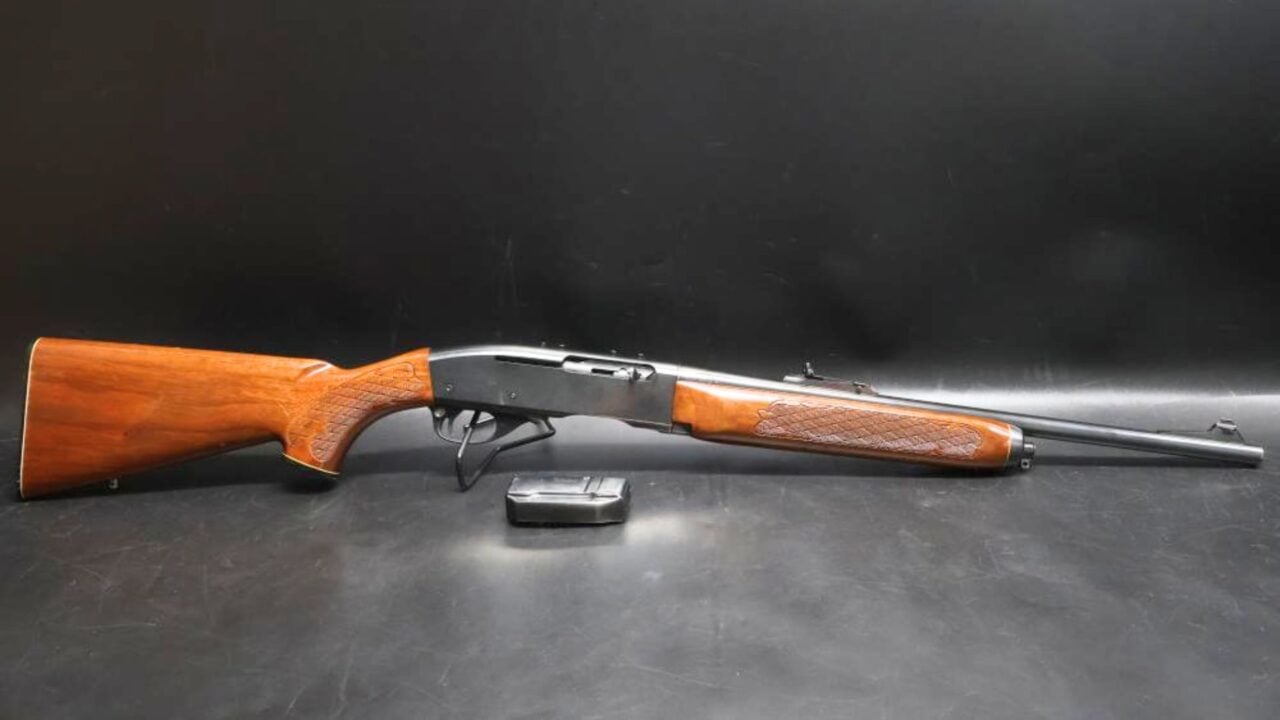
These get a bad rap because some of them were run dry, never cleaned, and fed a steady diet of bargain ammo. When they’re maintained and the owner didn’t treat them like a shovel, they can be solid deer woods rifles with great handling.
I’m not pretending they’re perfect. I am saying a clean one with good magazines and no issues is a lot harder to find than it used to be, and plenty of them got tossed when they simply needed a little attention.
16. Winchester Model 88

Lever action feel with a box magazine and spitzer bullets. The Model 88 is one of those rifles that seems odd until you carry it and shoot it. They shoulder fast and they’re flatter shooting than the old tube-mag crowd.
They got sacrificed because parts weren’t sitting in every gunsmith’s drawer, and some owners didn’t want to deal with a “weird levergun.” Now they’re a legitimate collector piece, and the price proves it.
17. Remington Model 600 (and 660)

The little 600 with its dog-leg bolt and vent rib was never going to win a beauty contest. But it packs easy, points quick, and makes a fine “walk all day” rifle. The 660, too, has a cult following for good reason.
I’ve watched more than one get dismissed as “ugly” and end up in a pile headed for the scale. Today, people pay extra for ugly if it’s the right kind of ugly.
18. Ruger Mini-14 (180-series and early Ranch rifles)

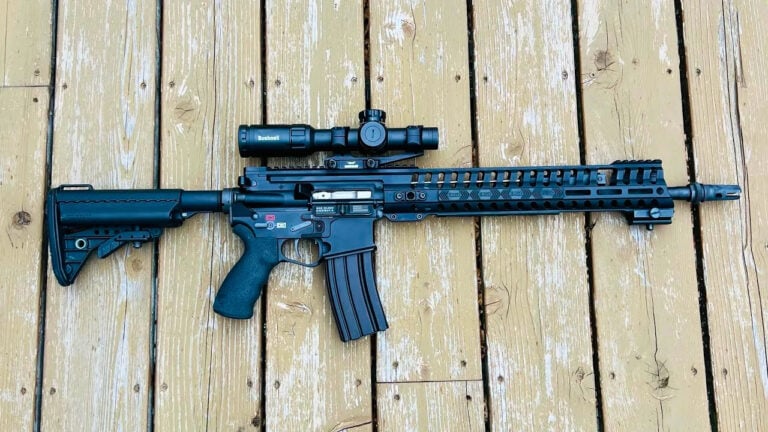
There was a time when the Mini-14 was just “that ranch rifle” and folks wanted ARs because the internet told them they had to. Minis got sold cheap when magazines were scarce or when someone decided the accuracy wasn’t benchrest-grade.
Here’s what I remember: they run. They carry well behind a truck seat, and they feel like a rifle instead of a parts kit. Early guns have their quirks, but the good ones are a joy, and factory mags are still gold.
19. Colt AR-15 SP1
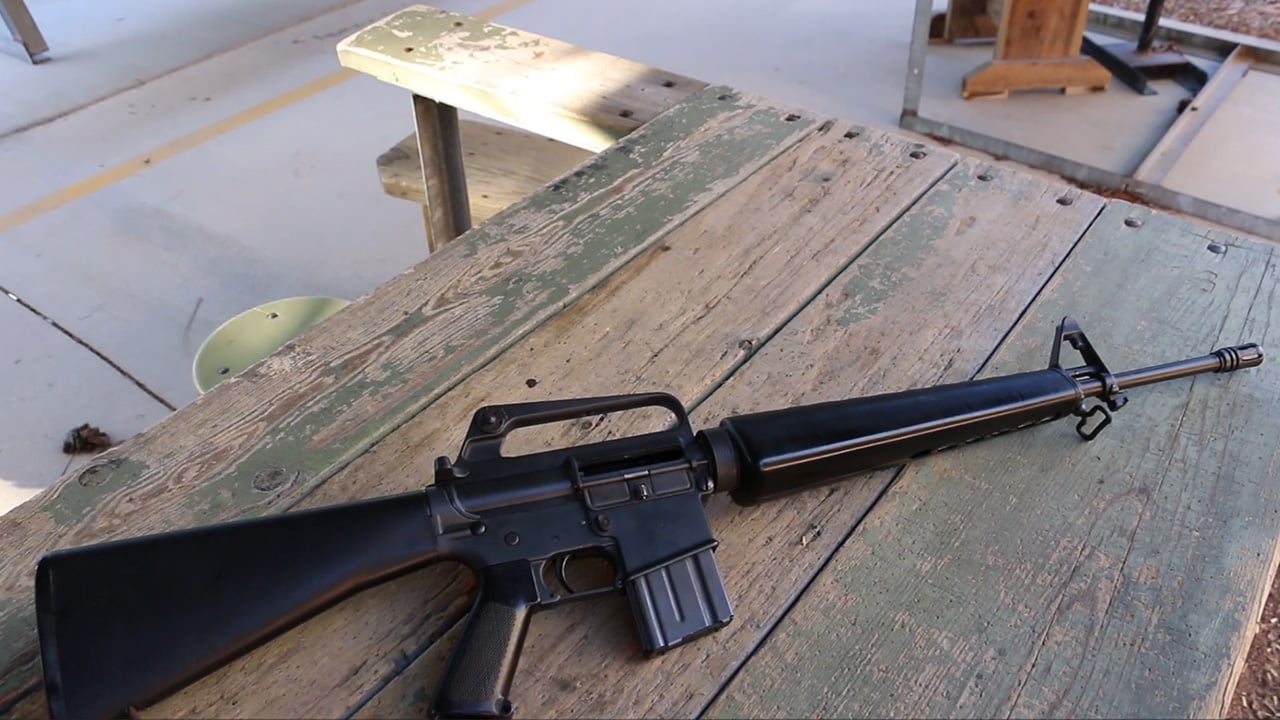
For a while, the SP1 was just “an old Colt” that didn’t have rails, a flat-top, or any of the modern stuff. Guys wanted to bolt accessories all over everything, and the SP1 didn’t play that game without changing what it was.
Now original furniture, original finish, and that lightweight feel are exactly what collectors chase. I’ve seen SP1s that were treated like just another used rifle, and looking back, that’s borderline painful.
20. CZ 452 (rimfire)
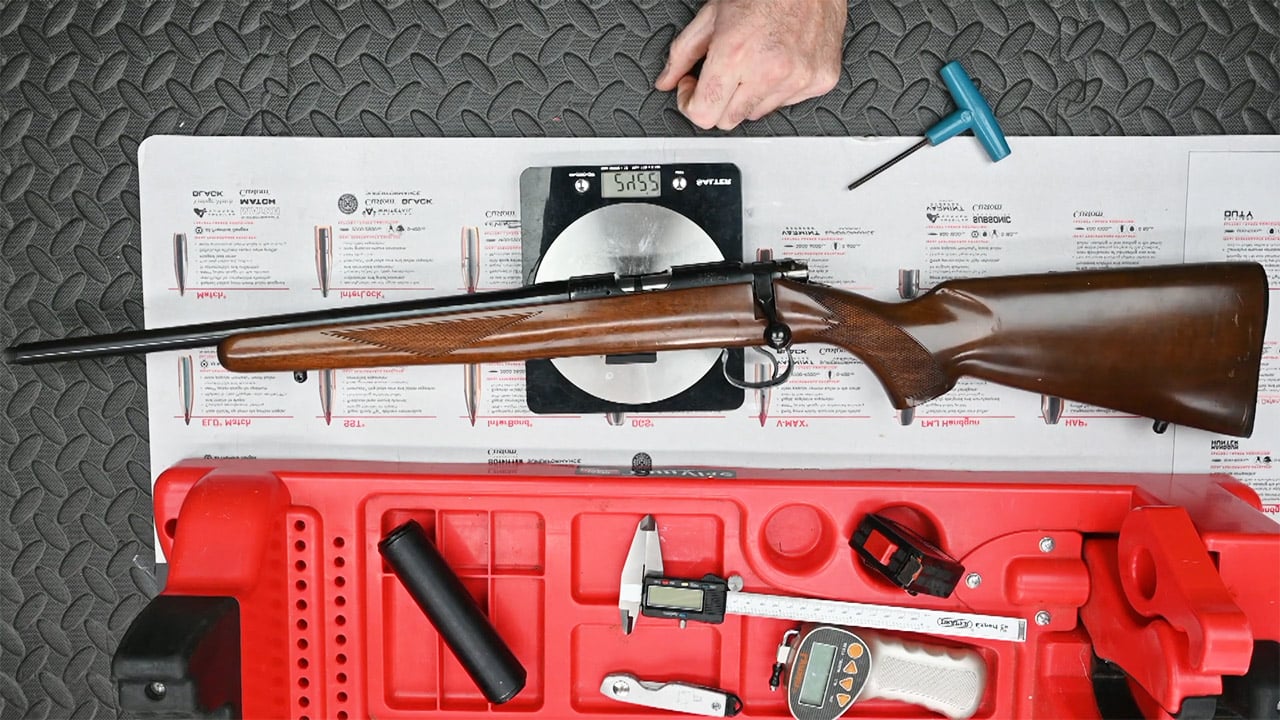
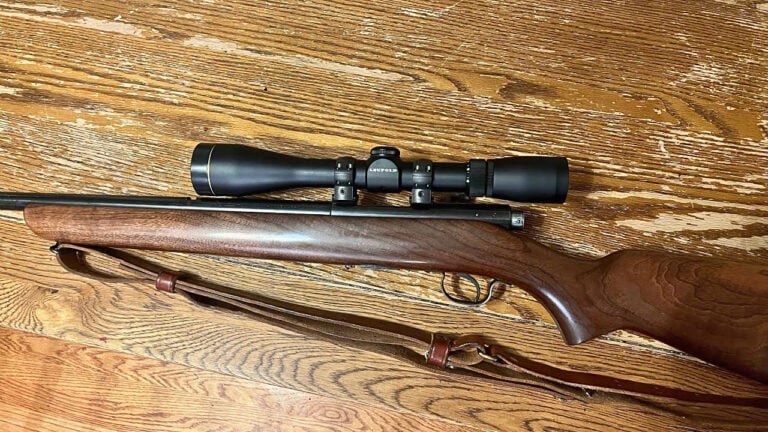
Not every heartbreak is a centerfire. A good CZ 452 is one of those .22s that makes you shoot better than you deserve, and the wood-and-steel vibe is getting rare in the rimfire world. They’re smooth, accurate, and easy to live with.
When cheap plastic-stock .22s flooded the shelves, some guys decided the old bolt .22s weren’t worth shelf space. Now the 452 line is done, and the clean ones get scooped up fast—especially if it still has the right sights and hasn’t been “customized.”
I get why it happened. Estates get cleaned out quick. Shops need space. Somebody needs cash, and an old rifle looks like dead weight compared to a shiny new one in a box. Still, if you’ve got something like this leaning in the corner, slow down before you call it scrap. You might be holding the exact kind of rifle you’ll miss later—because it’s not just a thing, it’s a tool with a soul.
Like The Avid Outdoorsman’s content? Subscribe to our newsletter so you never miss an article.
Here’s more from us: