Photo credit: AvidOutdoorsman
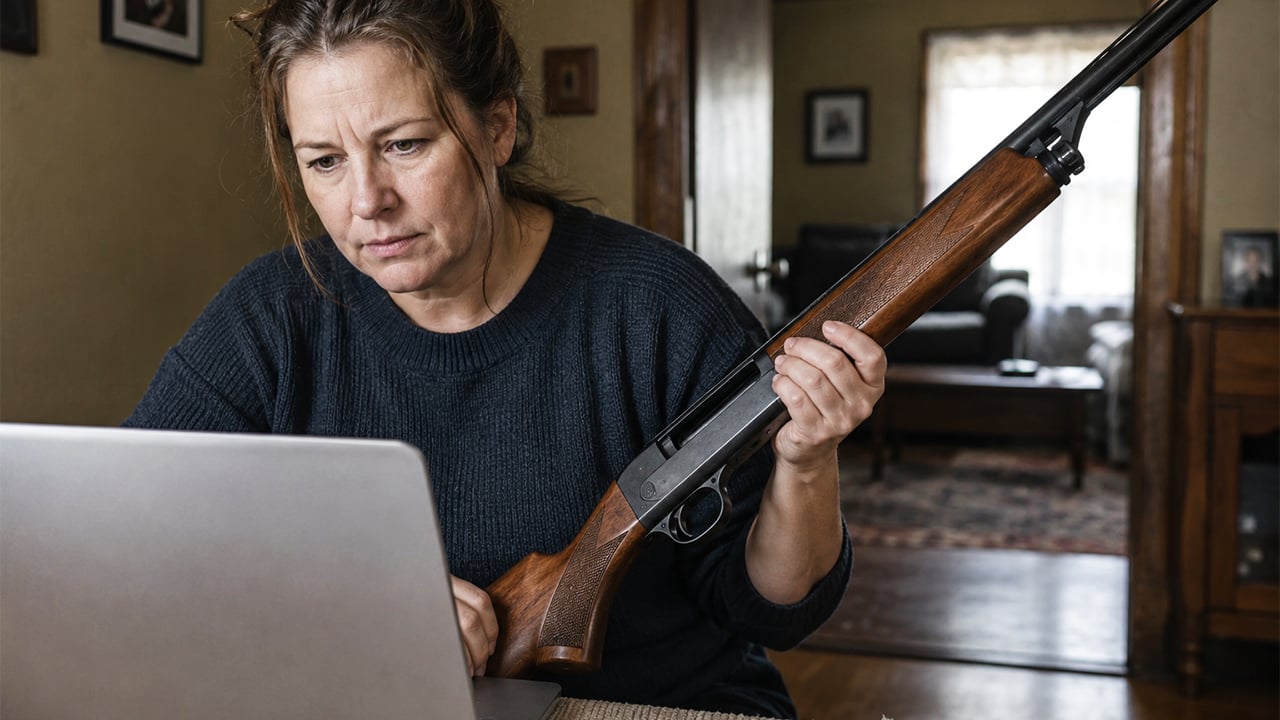
Cleaning out a parent’s gun cabinet is never just “stuff.” It’s memories, old tags, worn slings, and the kind of honest wear you only get from seasons in the field. For one woman trying to settle her late father’s affairs, a single shotgun became more complicated than she ever expected—because the moment she listed it online, a stranger reached out with a claim that stopped her cold.
A simple estate item turned into a red-flag moment
Like a lot of families, she was sorting through the practical side of loss: tools, vehicles, and a handful of firearms her dad had kept for bird hunting and around-the-house chores. The shotgun wasn’t anything flashy—an older, well-used pump that looked like it had spent plenty of time behind a pickup seat and leaned in corners of barns.
She did what many folks do now. She photographed it carefully, wrote down the make and gauge, and included the serial number because she’d been told serious buyers want to verify details. Within hours, she had the usual messages—trade offers, lowballers, and a couple “Is this still available?” notes. Then came one message that didn’t read like the rest.
The serial number tied it to a burglary report
The stranger didn’t ask about choke tubes or barrel length. He said the serial number matched a shotgun taken from his home during a break-in several years earlier. He had a record of it, along with photos and the paperwork he filed when he reported the theft.
That’s the part a lot of people don’t understand until it happens: serial numbers are the thread that can connect a gun to its past. A model name and gauge might describe a thousand identical shotguns. A serial number is unique, and a victim who wrote it down has something real to stand on when a stolen firearm pops back up.
From there, the tone changes fast. It’s no longer about a private sale or an heirloom. It’s about whether the gun in your possession is legally yours to sell—and how it got into your family in the first place.
What happens next usually involves a hard pause and a phone call
On the practical side, the safest move in a situation like this is to stop the sale immediately and avoid turning it into a back-and-forth argument online. A person can feel defensive—especially when the gun belonged to a parent who’s no longer around to answer questions—but the serial number claim isn’t something you “debate” in messages.
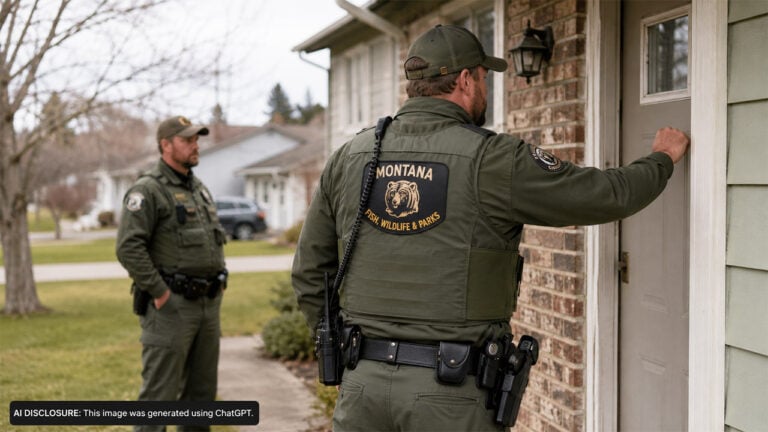
Most people end up contacting local law enforcement to document what’s going on. In many cases, an officer will want to see the firearm and the serial number in person, and then compare it to the theft report information provided by the claimant. If it does match, the gun can be seized as evidence and later returned to the original owner, depending on how the jurisdiction handles recovered property.
That’s a tough pill for an estate. Even if the woman did nothing wrong, she may still lose the shotgun because stolen property doesn’t magically become clean with time. And if her father bought it secondhand years ago with no paperwork, she may never know whether he was duped at a gun show, picked it up in a “buddy deal,” or made a purchase he shouldn’t have.
The outdoor reality: used guns change hands fast, and paperwork is often thin
Hunters and rural homeowners have been swapping shotguns for generations. A 12-gauge pump isn’t a collector’s piece to most folks—it’s a working tool. That “working tool” mindset is exactly how stolen guns slip through the cracks.
A stolen shotgun can bounce from a thief to a fence, then to a buyer who thinks he’s getting a deal, then to another trade, and eventually land in a gun cabinet that looks perfectly normal. Decades later, the only thing that exposes it is someone listing it publicly with clear photos and a visible serial number.
This is also why those old habits matter. If you buy used—private sale, pawn, gun show, neighbor—get a bill of sale and record the serial number. Keep it with your other important documents. If a gun is ever stolen from you, that’s the difference between “I think it was a Mossberg” and “Here is the exact firearm I reported taken.”
Commenters zeroed in on two things: proof and safe handling
Any time a story like this makes the rounds in gun circles, folks tend to split into camps. One group says, “Turn it over right now.” Another group says, “Make sure the claimant can prove it.” Both instincts come from the same place—nobody wants to be scammed, and nobody wants stolen guns floating around.
Plenty of people also point out a basic safety piece that gets overlooked when emotions are running high: don’t meet a stranger over a disputed gun. Not in a parking lot, not at a gas station, not “halfway between.” If there’s a legitimate theft claim, the handoff should be handled through law enforcement or an attorney, with a paper trail and a calm process.
There’s also the online listing lesson. A lot of experienced sellers avoid posting full serial numbers publicly. They’ll provide it to a serious buyer privately or share partial digits for verification. That doesn’t solve the stolen-gun problem, but it can reduce the odds of sketchy attention or someone copying a number for fraud.
The uncomfortable lesson for families settling an estate
This kind of surprise is exactly why estates with firearms need a little extra care. Families often assume a gun cabinet is straightforward—count the guns, sell a few, keep one for sentimental value. But ownership history matters, and older guns especially may have changed hands without much documentation.
If you inherit firearms, take a day and do it right. Record make, model, gauge/caliber, and serial number. Photograph each gun clearly. Store them securely while the estate is being handled. If you plan to sell, use legal channels in your area and don’t rush just because someone waves cash in a message.
And if a theft claim lands in your inbox, treat it like a real possibility—not an insult. The woman in this situation didn’t set out to cause trouble. She tried to do a normal thing after losing her father. But a serial number has a way of telling the truth, and sometimes that truth reaches back further than any family story.
In the end, this isn’t just an internet marketplace problem. It’s a reminder to every hunter and gun owner: keep your serial numbers documented, lock up your firearms, and don’t get casual about used-gun purchases. Because the day you least expect it—maybe years later, when a family member is just trying to close an estate—that missing paper trail can come back with a name attached to it.
Like The Avid Outdoorsman’s content? Subscribe to our newsletter so you never miss an article.
Here’s more from us: