Photo credit: Smith & Wesson/Youtube
Semi-auto pistols dominate the home defense conversation now, and for good reason. They usually offer more capacity, faster reloads, easier light mounting, and better support for modern defensive setups. But that does not mean revolvers have no place left. A good revolver can still make sense for the right person and the right home.
The key is choosing one that is controllable, reliable, easy to load, and chambered in something practical. Tiny snub-nose revolvers are great for carry, but they are not always the best choice beside the bed. For home defense, a little extra size and weight can be a good thing. These revolvers still belong in the conversation.
Smith & Wesson Model 686

The Smith & Wesson Model 686 is one of the easiest revolvers to defend for home defense because it balances power, control, and refinement so well. Chambered in .357 Magnum, it also gives owners the option of using .38 Special or .38 Special +P loads for less recoil and faster follow-up shots. That flexibility matters.
A 4-inch 686 is especially practical because it has enough weight to shoot well without becoming awkward. The sights are useful, the trigger is good, and the L-frame gives it enough strength for regular practice. It is not as high-capacity as a semi-auto, but if someone wants a serious home-defense revolver, the 686 remains one of the strongest choices.
Ruger GP100
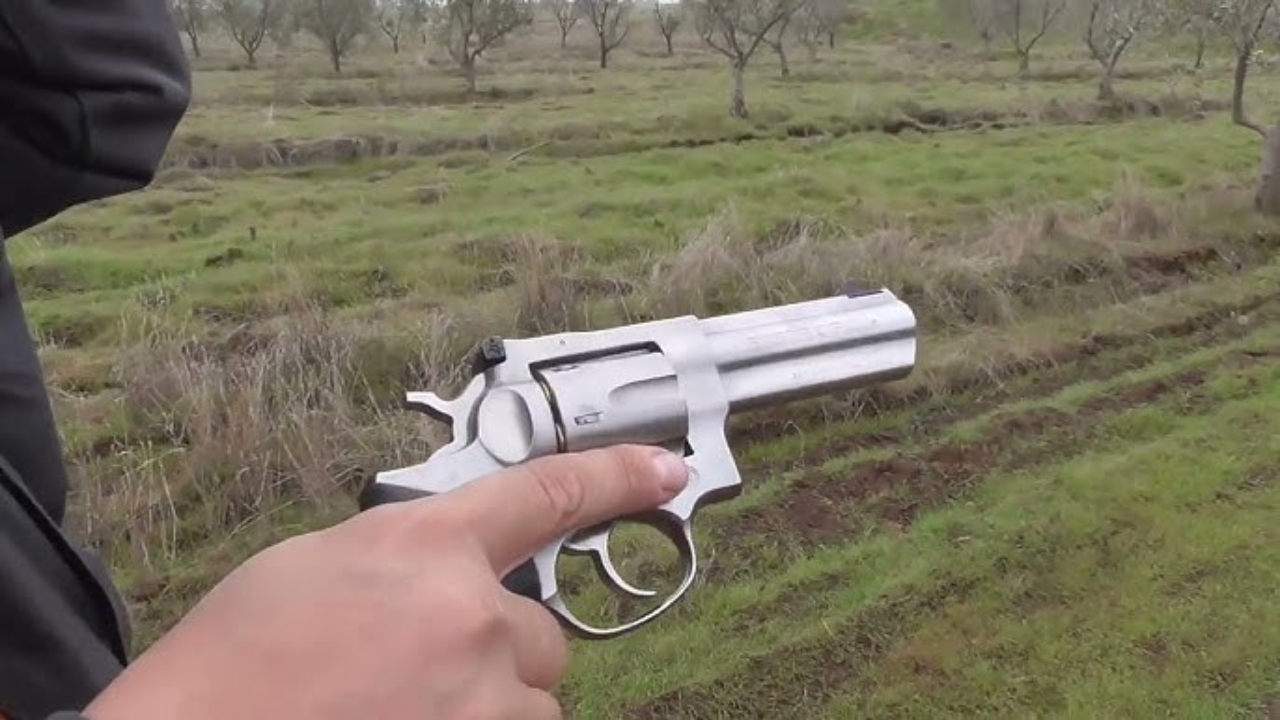
The Ruger GP100 belongs in home defense because it is built tough and easy to trust. It may not have the same polished trigger feel as some Smith & Wesson revolvers, but it makes up for that with strength and durability. This is a revolver that feels comfortable handling real use, not just sitting in a nightstand.
The GP100 also handles .357 Magnum well, but many homeowners would be better served with quality .38 Special +P defensive loads. They are easier to control, less punishing indoors, and allow faster recovery between shots. A 4-inch GP100 loaded with the right ammunition is a practical, rugged home-defense gun that does not need much explaining.
Smith & Wesson Model 19 Carry Comp
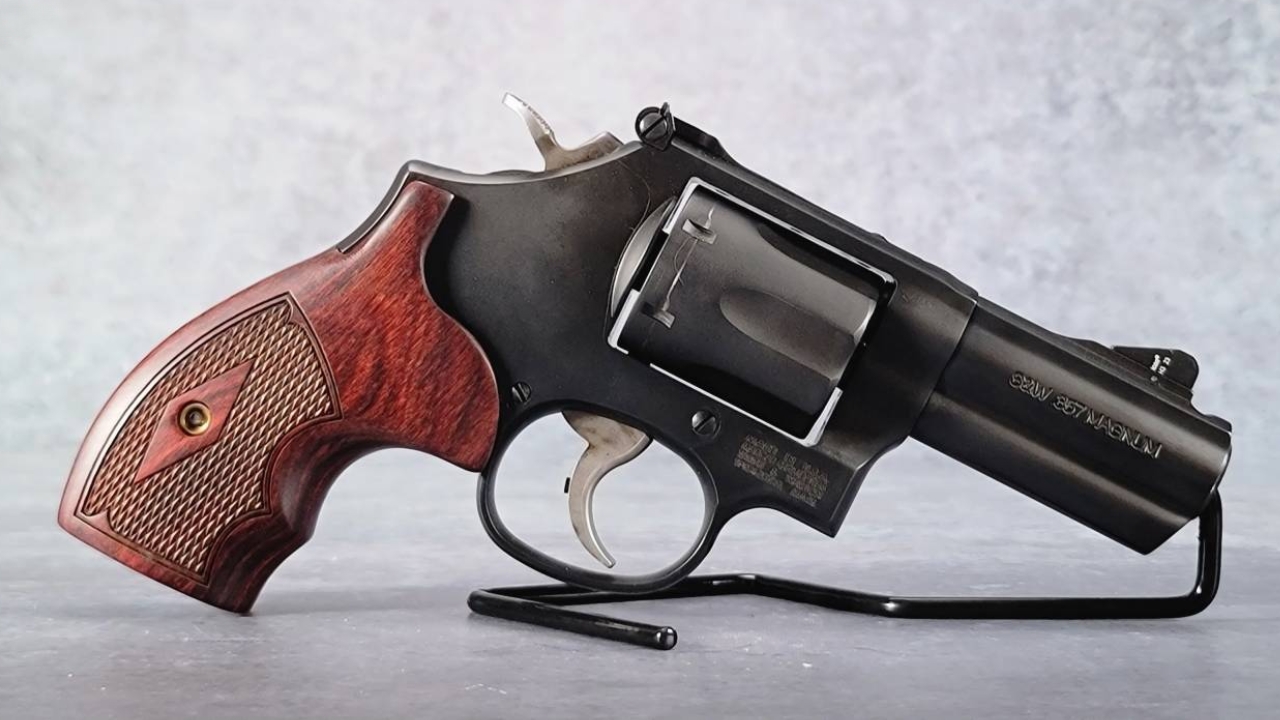
The Smith & Wesson Model 19 Carry Comp is more often discussed as a carry or field revolver, but it can still work well in a home-defense role. It gives shooters a K-frame .357 Magnum platform with good sights, a useful barrel length, and enough weight to be controllable without feeling oversized.
The compensated barrel may not be everyone’s first choice indoors because blast and flash can matter, but the revolver itself is very shootable. With .38 Special +P defensive loads, it becomes easier to manage while still offering serious performance. For someone who wants a lighter revolver than a 686 or GP100 but still wants real capability, the Model 19 Carry Comp is worth considering.
Smith & Wesson Model 66
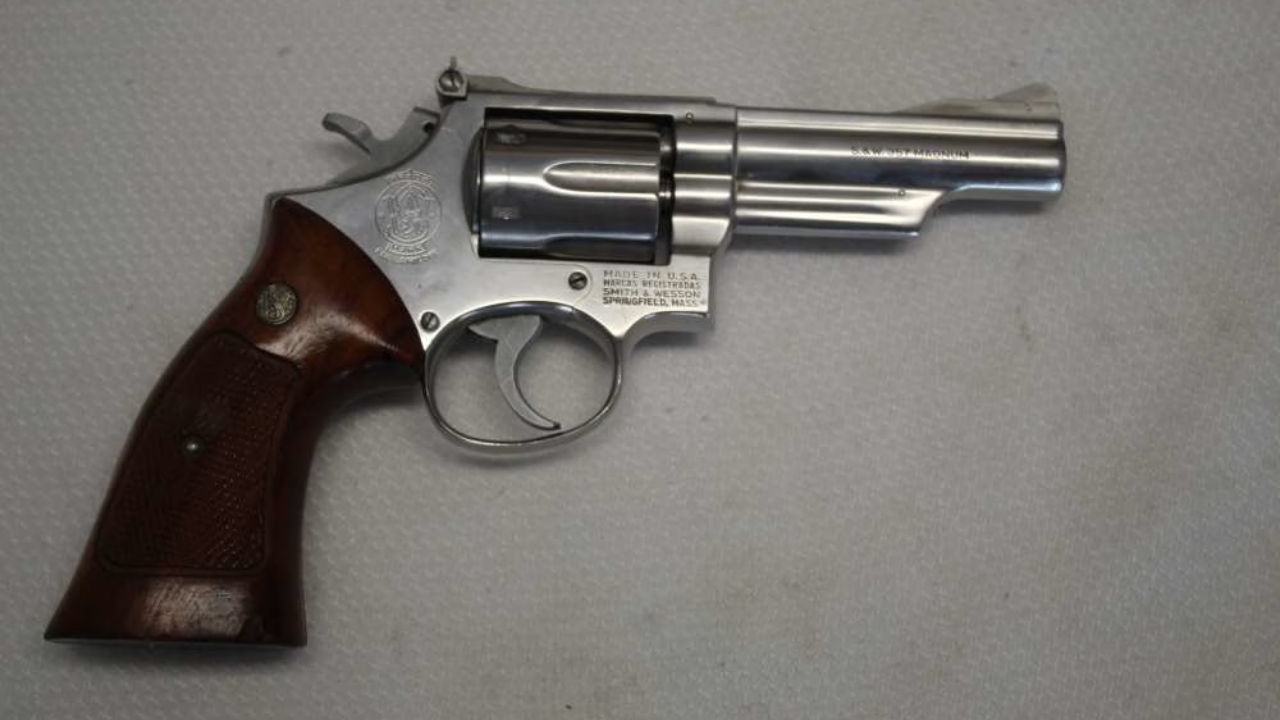
The Smith & Wesson Model 66 has always made sense as a practical defensive revolver. It is the stainless version of the classic K-frame .357 idea, which means it carries well, handles naturally, and gives owners the option of .357 Magnum or .38 Special ammunition. For home defense, that versatility is valuable.
A 4-inch Model 66 is probably the best fit for the role. It gives enough sight radius and weight to shoot well, while staying compact enough for quick handling around the house. Older examples are collectible, but current-production Model 66 revolvers can still fill a serious defensive role. It is one of the classic revolver designs that still has a place.
Colt King Cobra
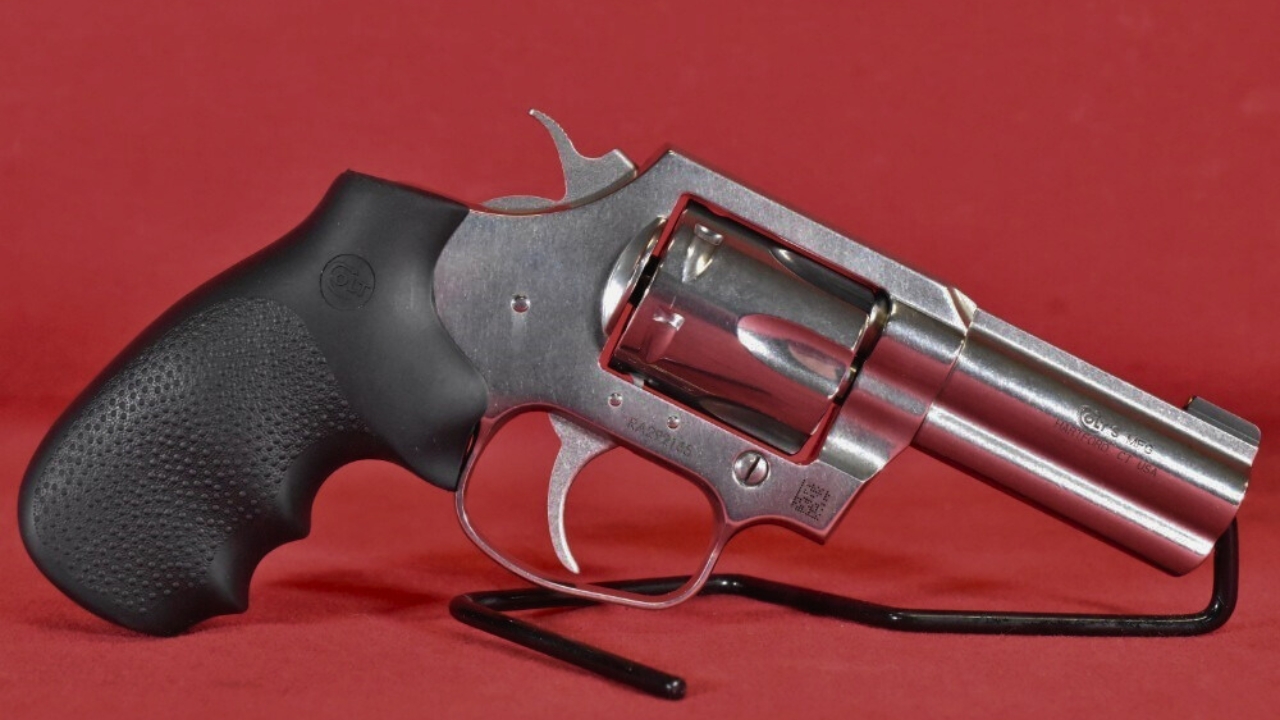
The Colt King Cobra deserves a place in the home-defense conversation because it gives shooters a modern .357 Magnum revolver with strong build quality and a manageable frame size. It is not as large as some heavy-duty magnums, but it is still substantial enough to shoot well with defensive loads.
The King Cobra also brings Colt’s current revolver trigger feel, which many shooters like. In a home-defense setup, smooth trigger control matters a lot. A revolver with a heavy, rough trigger can make accurate shooting harder under stress. The King Cobra is not the cheapest option, but it gives revolver fans a modern defensive wheelgun that feels serious.
Colt Python
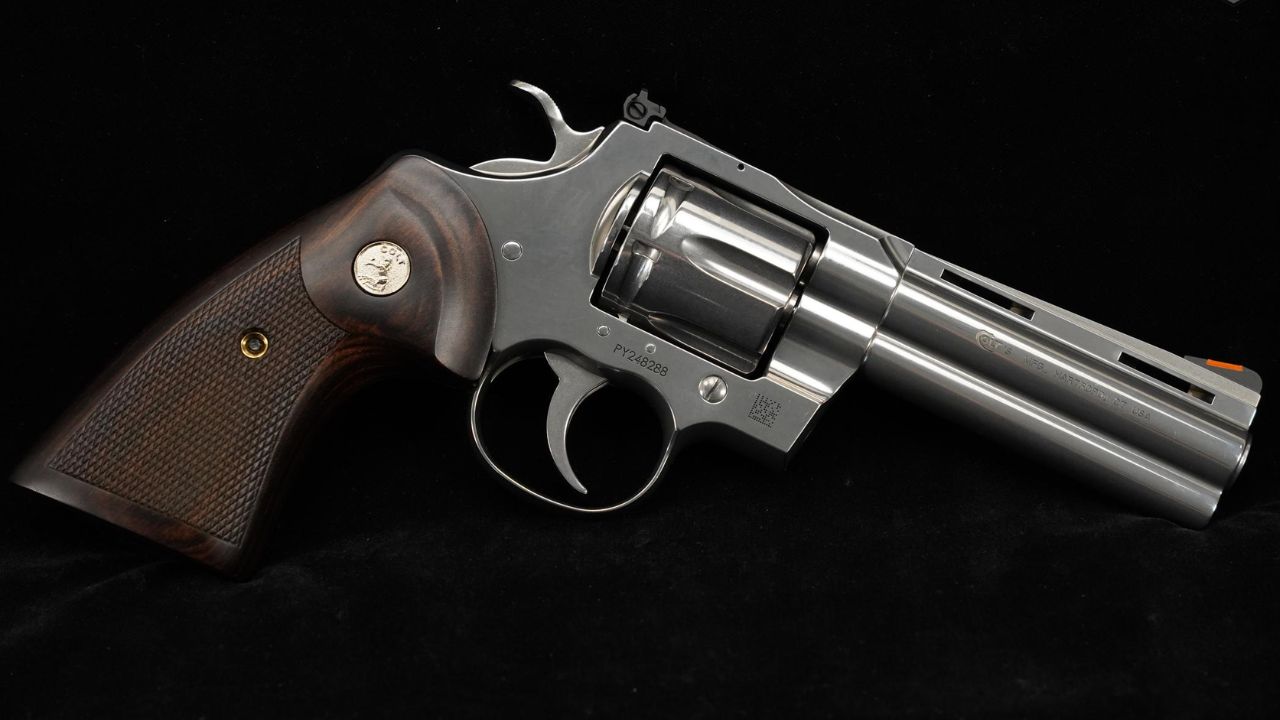
The Colt Python is expensive enough that many owners would rather keep it as a range gun or collector piece, but it still belongs in the discussion because it is genuinely capable. A 4.25-inch or 6-inch Python offers excellent balance, a smooth trigger, strong accuracy, and enough weight to control recoil well.
The reason some people hesitate is cost. A home-defense gun may get handled, bumped, exposed to evidence-room risk after an incident, or kept staged for long periods. That makes some owners prefer a less expensive revolver. But purely as a defensive tool, the Python still works. It is not just pretty. It is a serious .357 Magnum revolver with real shootability.
Ruger SP101 3-inch
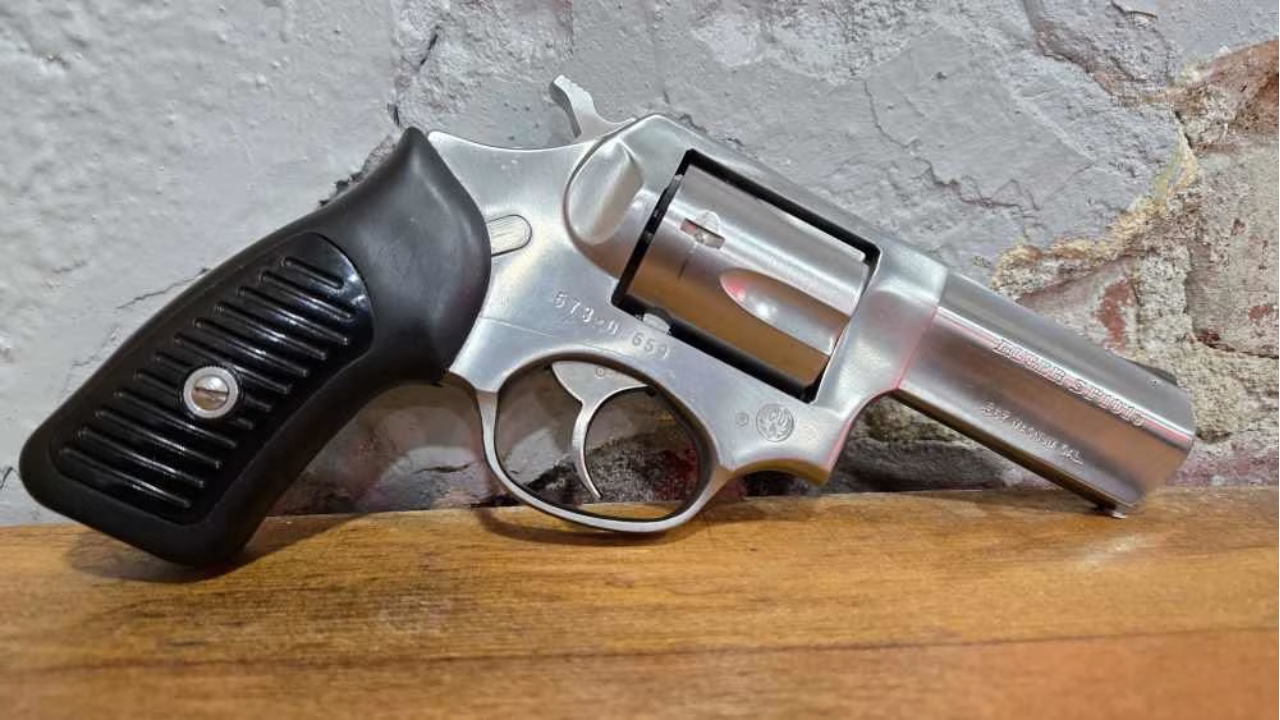
The Ruger SP101 in a 3-inch barrel is a better home-defense revolver than many tiny snubs because it gives the shooter more grip, more sight radius, and more weight. It is still compact, but it is much easier to shoot well than an ultralight pocket revolver. That matters when the gun may have to be used under stress.
It is chambered in .357 Magnum, but again, .38 Special +P may be the smarter home-defense load for many shooters. The SP101 is rugged, simple, and confidence-inspiring. It does give up capacity compared with larger revolvers, but for someone who wants a compact revolver that can still be controlled, the 3-inch SP101 makes sense.
Smith & Wesson Model 60 3-inch

The Smith & Wesson Model 60 with a 3-inch barrel is another small revolver that becomes much more practical when it is not cut down to snub-nose size. The extra barrel length helps sight radius and velocity, while the steel frame helps control recoil. It is still compact, but not as punishing as lighter pocket revolvers.
For home defense, the Model 60 is best viewed as a controllable small-frame .38 Special +P gun that happens to be chambered for .357 Magnum. Full-power magnums can be a handful in this size. With the right load, though, it gives homeowners a simple, reliable revolver that is easier to manage than the tiny J-frames many people buy first.
Kimber K6s 3-inch

The Kimber K6s 3-inch belongs here because it gives shooters six rounds in a compact .357 Magnum revolver. That extra round matters in a category where many small revolvers only hold five. The 3-inch version also adds enough sight radius and weight to make it more useful than the smallest carry models.
The K6s has a smooth profile and a good trigger for a defensive revolver. It is not a budget choice, but it is a serious one. For homeowners who want a compact revolver that still handles well, the K6s 3-inch is a better option than many tiny snubs. It feels like a revolver built for actual shooting, not just easy carrying.
Taurus 856 Defender

The Taurus 856 Defender is worth discussing because it gives budget-minded buyers a six-shot .38 Special revolver with a more useful barrel length than a traditional snub. The 3-inch barrel helps with control and sight radius, and the extra round over a five-shot J-frame is a real advantage.
Taurus revolvers can be a little divisive because brand reputation matters in defensive guns. Anyone choosing one should test it thoroughly with the ammunition they plan to use. Still, the 856 Defender makes sense on paper and in price. For someone who wants an affordable home-defense revolver and is willing to verify reliability, it deserves a look.
Ruger LCRx 3-inch
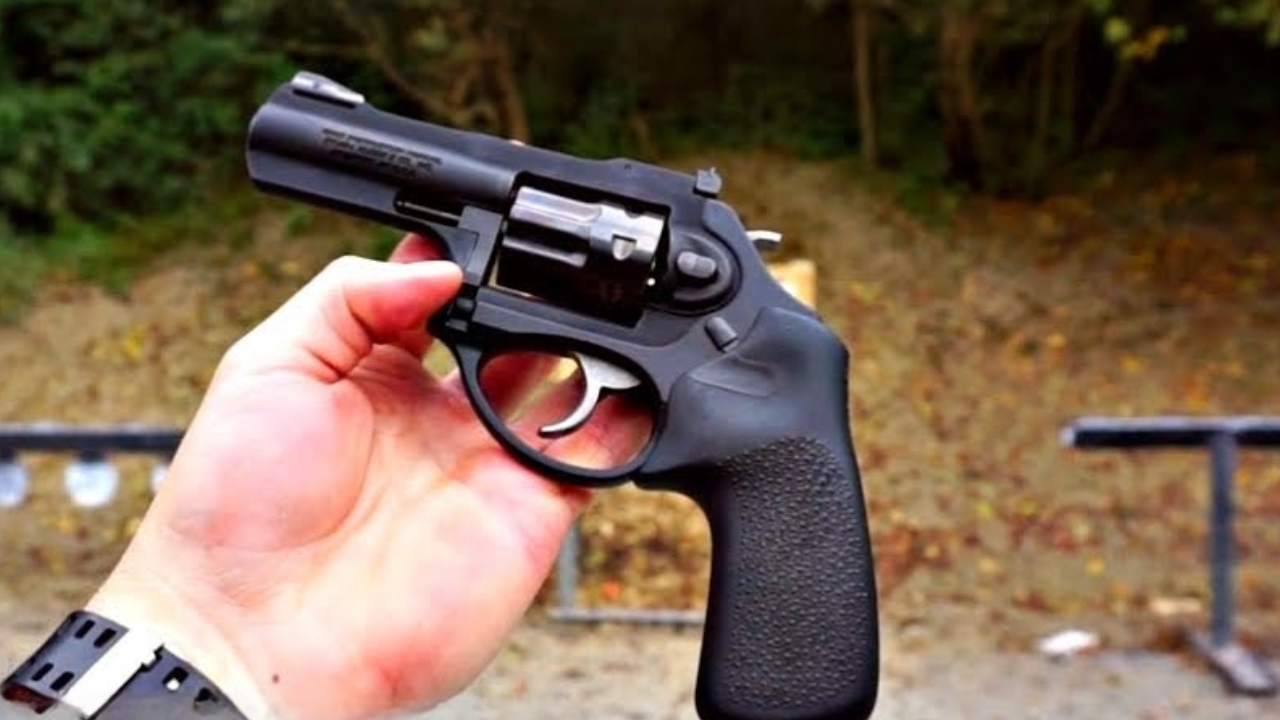
The Ruger LCRx 3-inch is a practical choice for people who want a lightweight revolver but do not want the limitations of a tiny snub. The 3-inch barrel, exposed hammer, and better sight radius make it more useful for home defense than the smallest LCR models. It is still easy to handle and store, but easier to aim well.
The LCR’s trigger is one of its biggest strengths. A smooth double-action pull can make a real difference for shooters who do not train constantly. In .38 Special +P, the LCRx 3-inch is manageable and practical. It is not the heaviest-duty revolver here, but it is one of the more sensible lightweight options.
Smith & Wesson Model 10
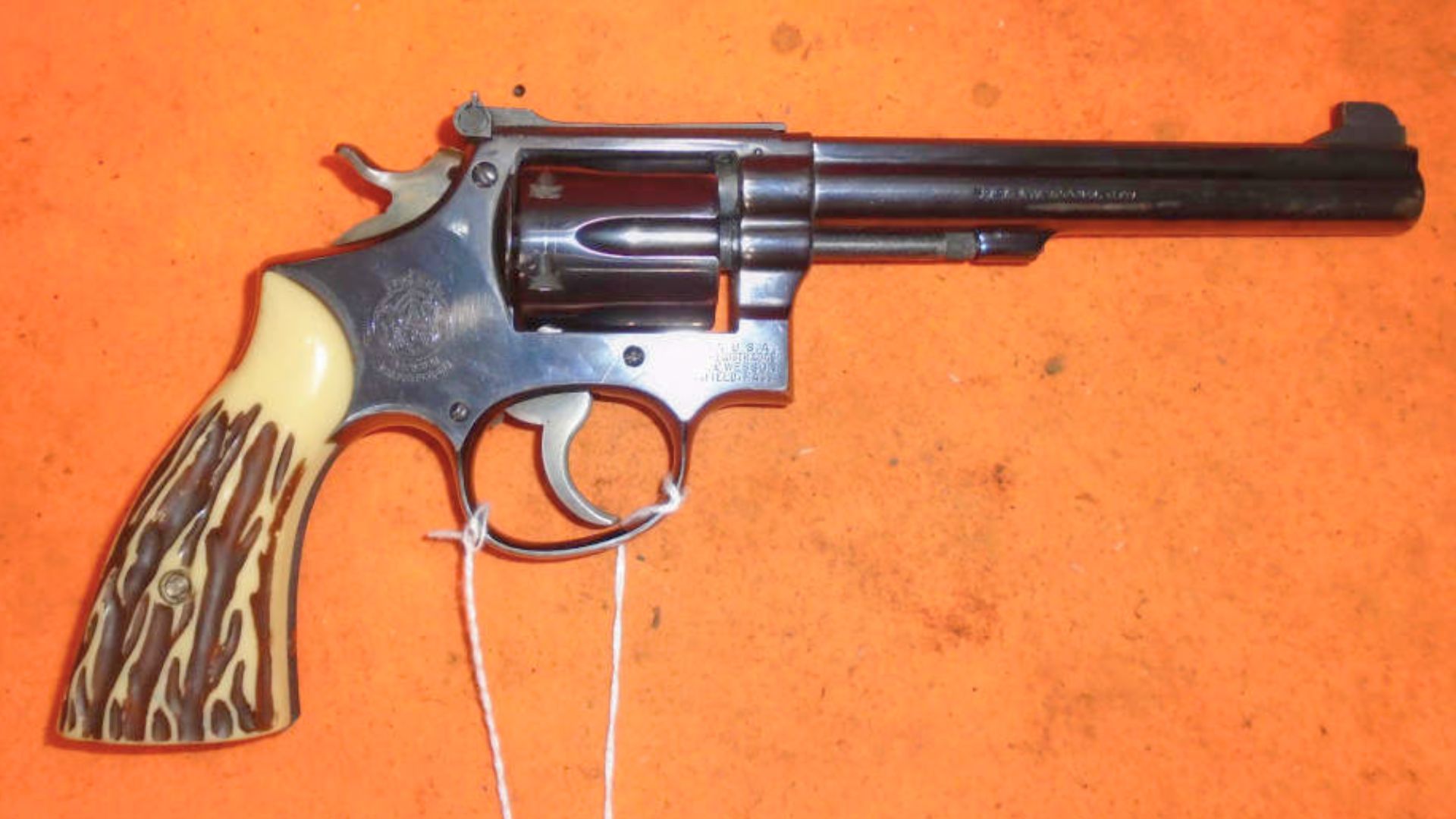
The Smith & Wesson Model 10 may look old-fashioned, but it still belongs in home defense if the gun is in good condition. A 4-inch .38 Special service revolver with fixed sights and a good trigger is simple, controllable, and easy to understand. That is why the Model 10 served for so long.
It does not offer magnum power, but that is not always a problem. Quality .38 Special +P defensive loads can be manageable and effective, especially from a 4-inch barrel. The Model 10’s biggest strength is how shootable it is. For someone who values simplicity and reliability over capacity, a clean Model 10 still makes sense.
Smith & Wesson Model 64

The Smith & Wesson Model 64 is basically the stainless service-revolver answer for people who like the Model 10 idea but want more corrosion resistance. It is chambered in .38 Special, usually has fixed sights, and has the same practical K-frame handling that made Smith service revolvers so popular.
For home defense, a 4-inch Model 64 is about as straightforward as it gets. Load it with quality defensive ammunition, practice with it, and there is not much to overthink. It is not flashy, and it will not impress people chasing modern tactical setups. But as a reliable nightstand revolver, it still belongs.
Smith & Wesson Model 13
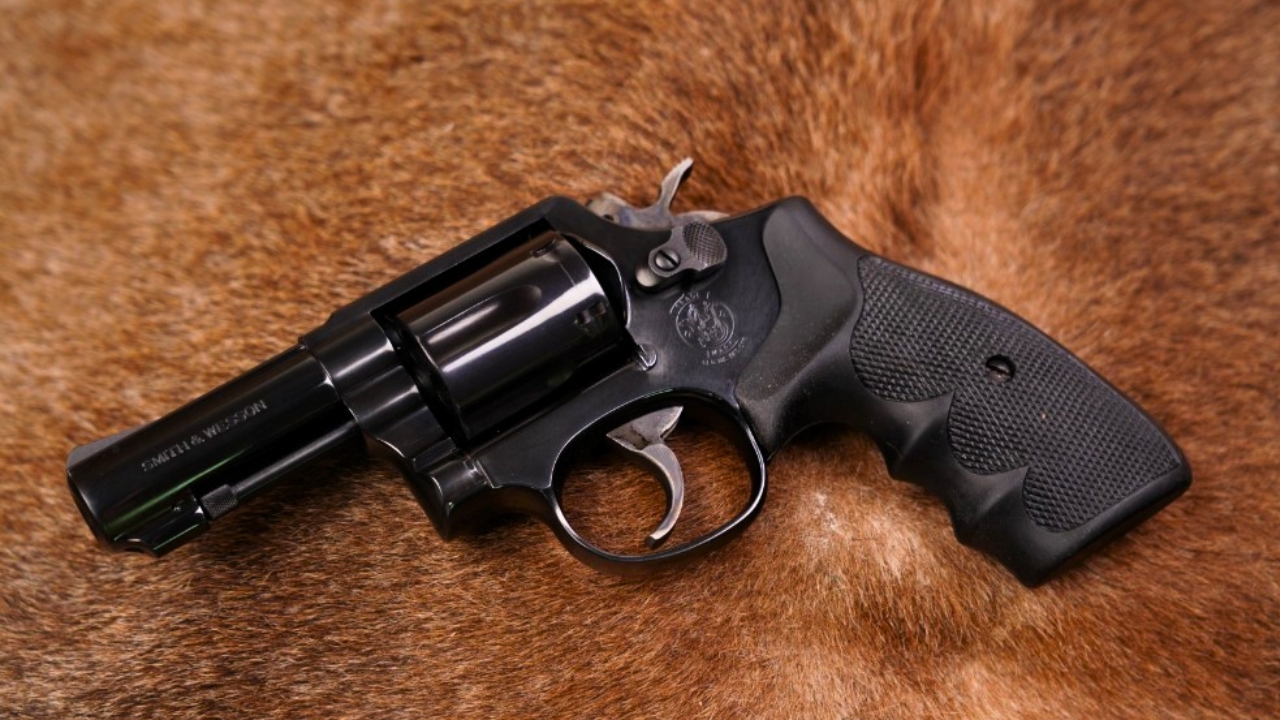
The Smith & Wesson Model 13 is a fixed-sight K-frame .357 Magnum that still makes sense for home defense because it keeps things simple. It does not have adjustable sights to snag or knock out of alignment, and it gives owners the ability to use either .357 Magnum or .38 Special loads. The 3-inch and 4-inch versions are especially desirable.
For home defense, the Model 13 works best when treated as a rugged defensive revolver rather than a range toy. It points well, carries enough weight to shoot comfortably, and keeps the controls simple. Clean examples are getting harder to find, but the design itself remains one of the best fixed-sight defensive revolver setups ever made.
Smith & Wesson Model 65
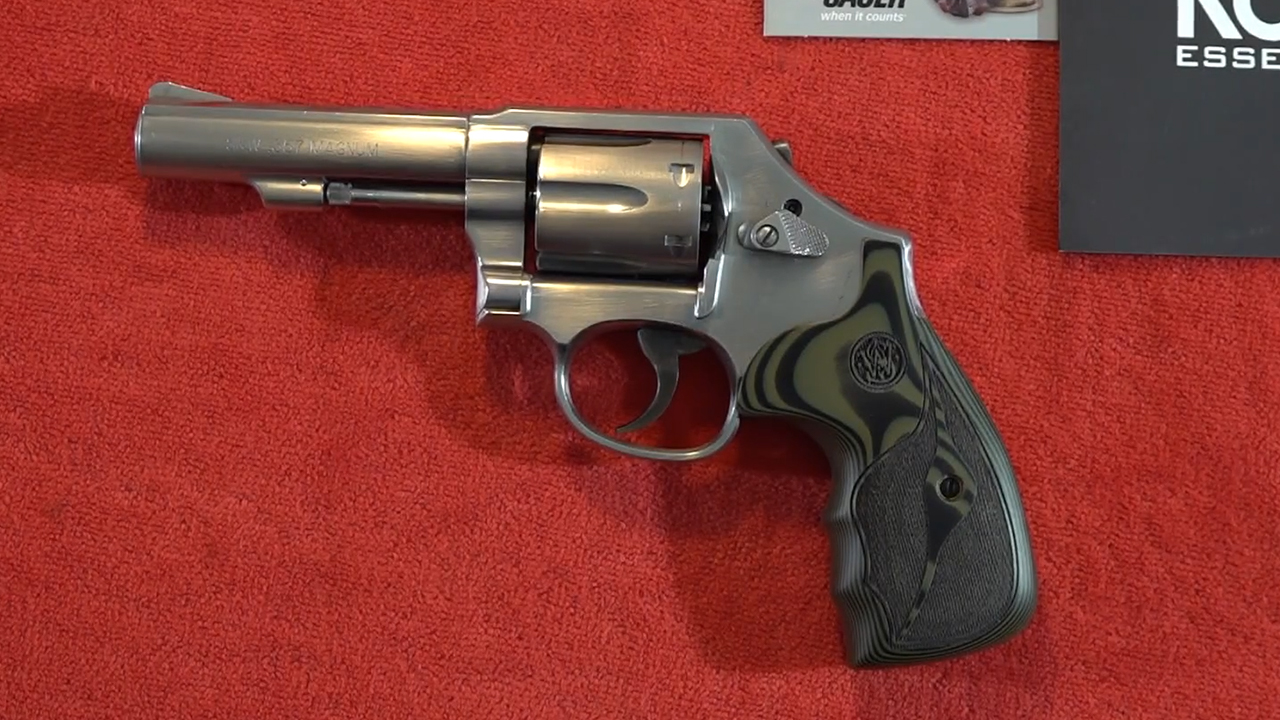
The Smith & Wesson Model 65 is the stainless version of the same basic idea that makes the Model 13 so useful. It is a fixed-sight K-frame .357 Magnum revolver built for work rather than show. The stainless finish makes it more practical for long-term storage and regular handling.
A 3-inch Model 65 is especially good, though prices reflect that now. For home defense, it offers a strong mix of size, simplicity, shootability, and cartridge flexibility. It may not be as easy to find as current-production revolvers, but it absolutely still belongs in the conversation. Some old service revolvers still make more sense than people admit.
Colt Official Police
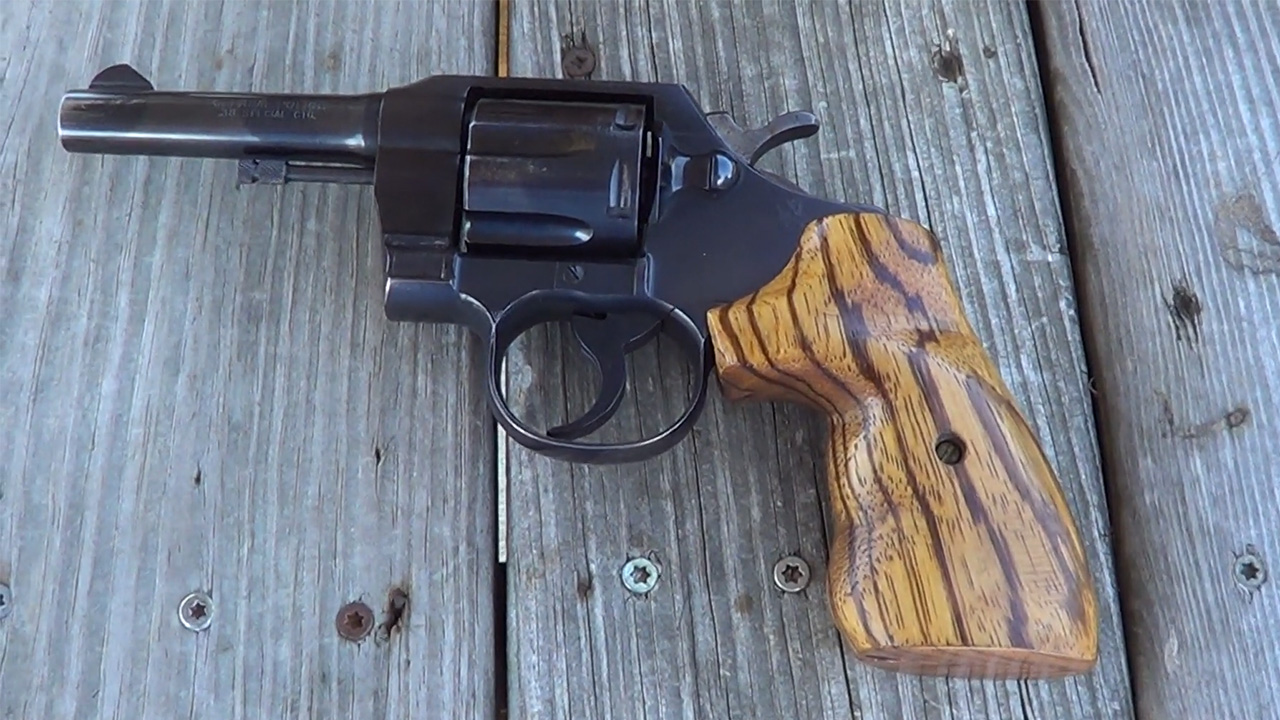
The Colt Official Police is an older revolver, but a good one can still fill a home-defense role. It is usually chambered in .38 Special, has a sturdy service-revolver frame, and was built during a time when revolvers were expected to be serious working guns. It is not modern, but it is not weak either.
The key is condition. An old revolver needs to be checked carefully before it is trusted. Timing, lockup, trigger function, and bore condition all matter. If the gun is mechanically sound, the Official Police can still be a simple and capable home-defense revolver. It is not the first choice for everyone, but it has not lost all practical value.
Ruger Security-Six
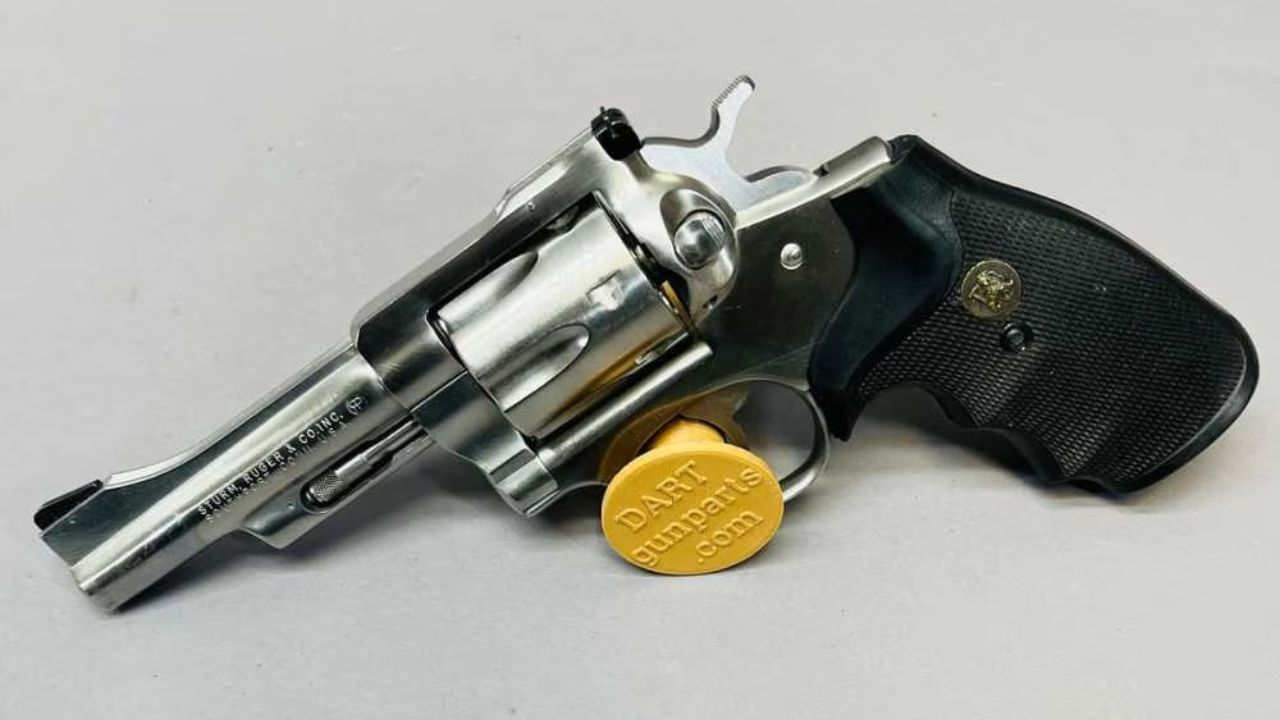
The Ruger Security-Six is discontinued, but it still belongs in home defense because it is strong, practical, and well balanced. It was a working .357 Magnum revolver before Ruger moved to the heavier GP100. Many shooters like the Security-Six because it feels handier while still being tough enough for serious use.
A 4-inch Security-Six loaded with .38 Special +P or moderate .357 Magnum defensive loads is a very practical setup. The revolver is simple, reliable, and easy to trust if it is in good mechanical condition. Used prices have climbed, but the gun still earns its reputation as one of Ruger’s best defensive revolvers.
Ruger Speed-Six
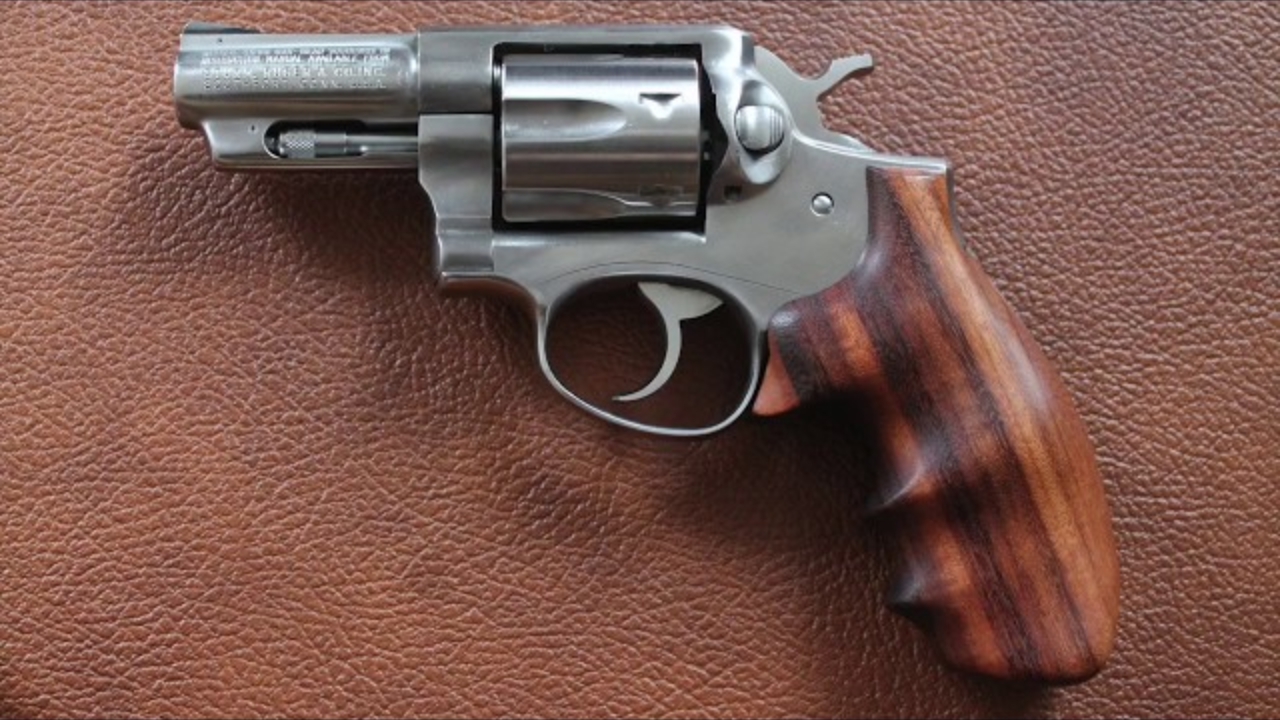
The Ruger Speed-Six deserves attention because it is a fixed-sight defensive revolver with real working-gun character. It is less bulky than a GP100 and simpler than adjustable-sight range revolvers. That makes it especially appealing for home defense, where ruggedness and simplicity matter more than target-grade features.
Like any discontinued revolver, condition is everything. But a good Speed-Six is still a serious tool. It handles .357 Magnum, works well with .38 Special defensive loads, and has the durable feel old Rugers are known for. It may not be easy to find cheap anymore, but it still belongs beside the best practical defensive revolvers.
Charter Arms Bulldog
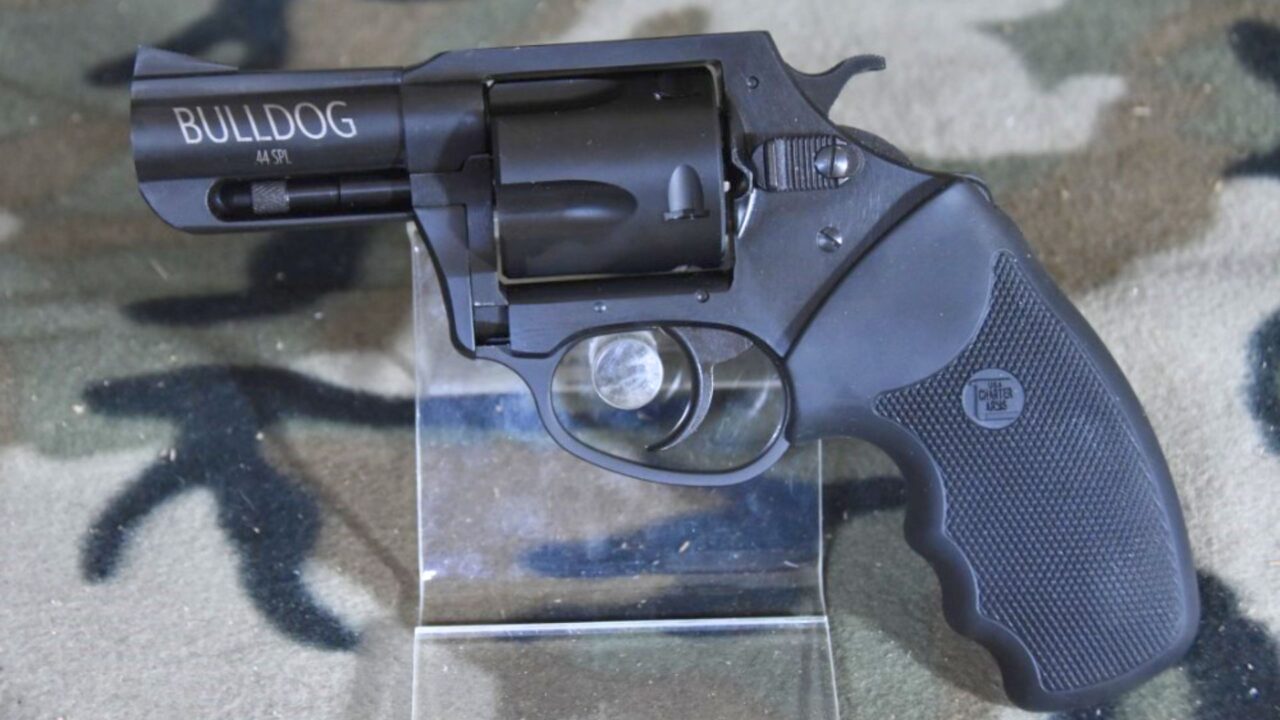
The Charter Arms Bulldog is a more controversial home-defense choice, but it still belongs for certain users. Chambered in .44 Special, it gives owners a big-bore revolver in a relatively compact package. It has been around for decades because the basic idea makes sense: simple revolver, large bullet, manageable size.
The downside is that it is not as refined or durable as heavier premium revolvers. It is also not a gun most people should feed a steady diet of hard-kicking loads. But with proper defensive .44 Special ammunition and realistic expectations, the Bulldog can serve a role. It is not the best revolver here, but it remains one of the few affordable big-bore defensive wheelguns.
Taurus 66
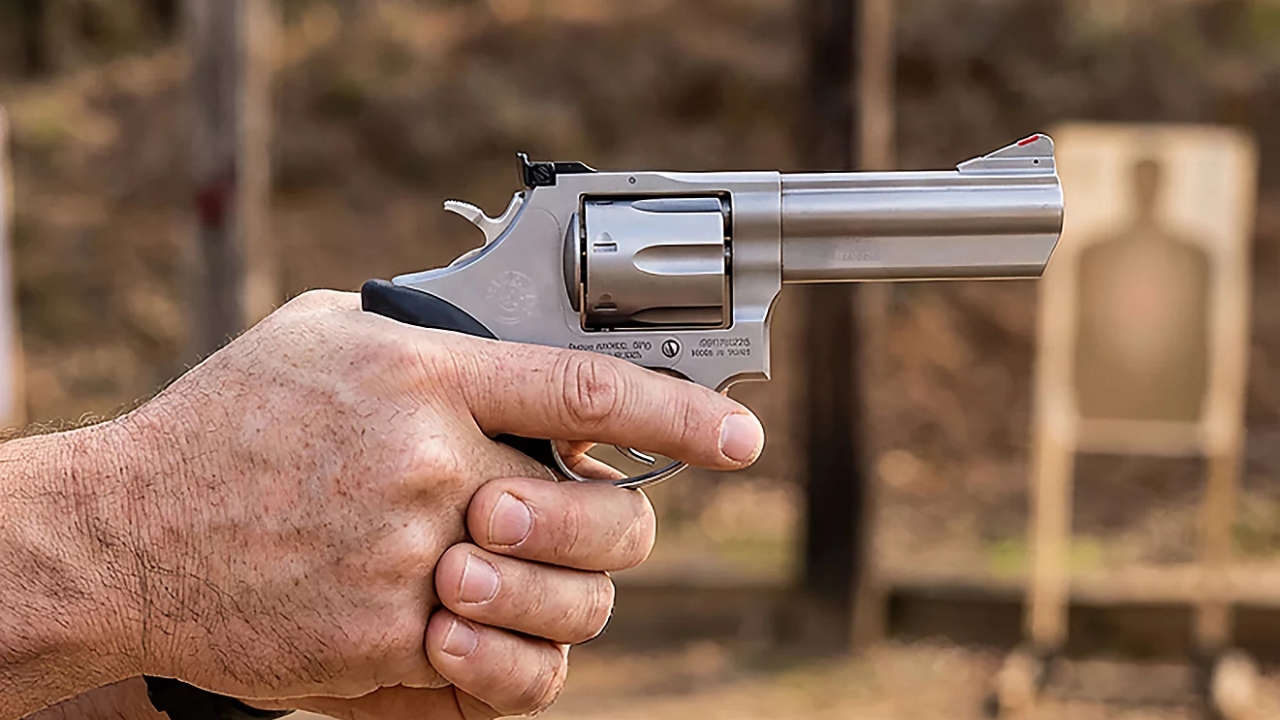
The Taurus 66 is a budget-friendly .357 Magnum revolver that can make sense for home defense if the owner tests it carefully. It offers a larger frame, adjustable sights, and enough weight to handle recoil better than small snubs. For someone priced out of a Smith & Wesson 686 or Ruger GP100, it can be tempting.
The caution is quality control and confidence. A defensive revolver has to be proven with the ammunition it will use. If a Taurus 66 checks out mechanically and runs reliably, it can be a practical nightstand gun. It should not be bought on price alone, but it also should not be dismissed when budget matters.
Smith & Wesson Model 327 TRR8
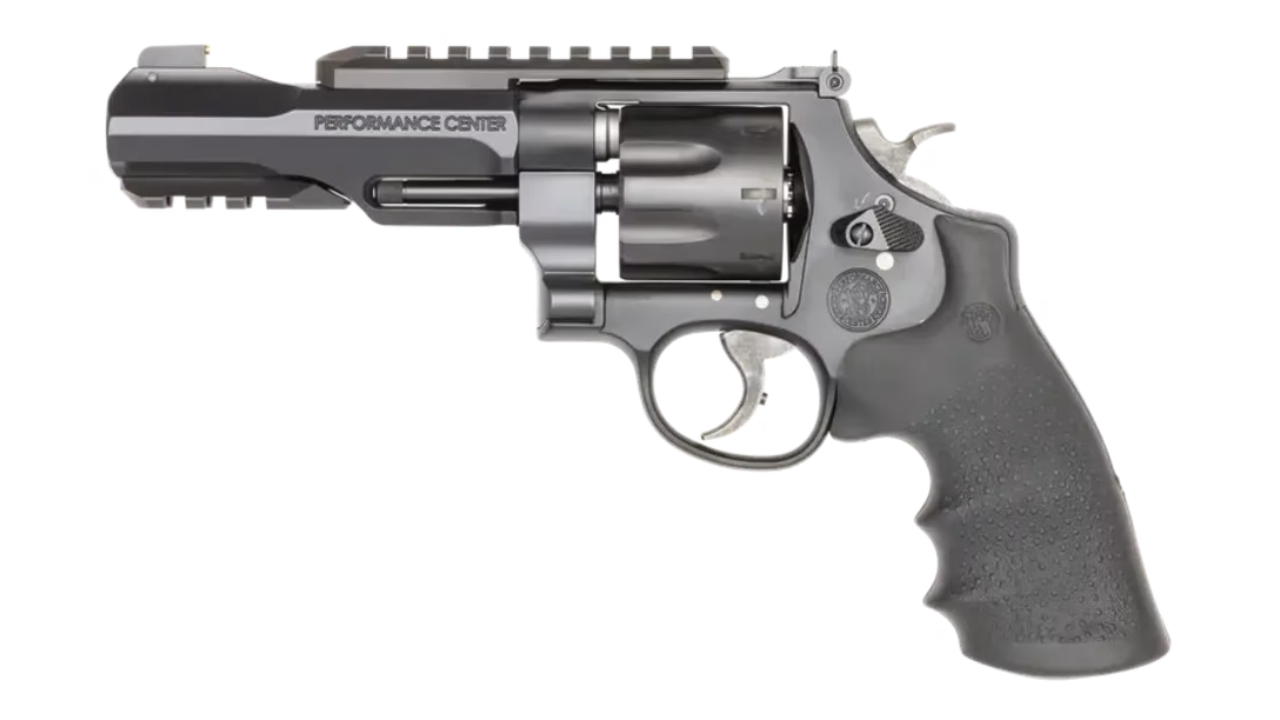
The Smith & Wesson Model 327 TRR8 is one of the more modern revolvers that still makes sense for home defense. It gives shooters eight rounds of .357 Magnum or .38 Special in an N-frame revolver, along with rails for mounting accessories. That makes it one of the few revolvers that actually tries to meet modern defensive needs.
It is expensive, and it is larger than many homeowners need. But the capacity advantage is real, and the ability to mount a light matters for home defense. If someone is committed to using a revolver and wants a modern setup instead of a classic service gun, the TRR8 is one of the best examples of the idea.
Like The Avid Outdoorsman’s content? Subscribe to our newsletter so you never miss an article.
Here’s more from us: