Photo credit: Mrgunsngear B Channel/Youtube
Most hunters have at least one “should’ve bought it then” story. It’s usually the same setup: you handle a rifle at the shop, tell yourself you’ll come back after season, and then the next time you see it the price tag looks like it got stung by a hornet. Sometimes it’s politics, sometimes it’s supply chain weirdness, sometimes it’s just the market waking up and deciding certain rifles aren’t “just hunting guns” anymore.
This isn’t a list of museum pieces. It’s the rifles that keep coming up around tailgates, in gun rooms, and at the range when guys start talking about what they regret passing on. A few of these are still out there at decent money if you hunt around, but the days of “cheap and everywhere” are gone.
1. Marlin 336 (JM-stamped)
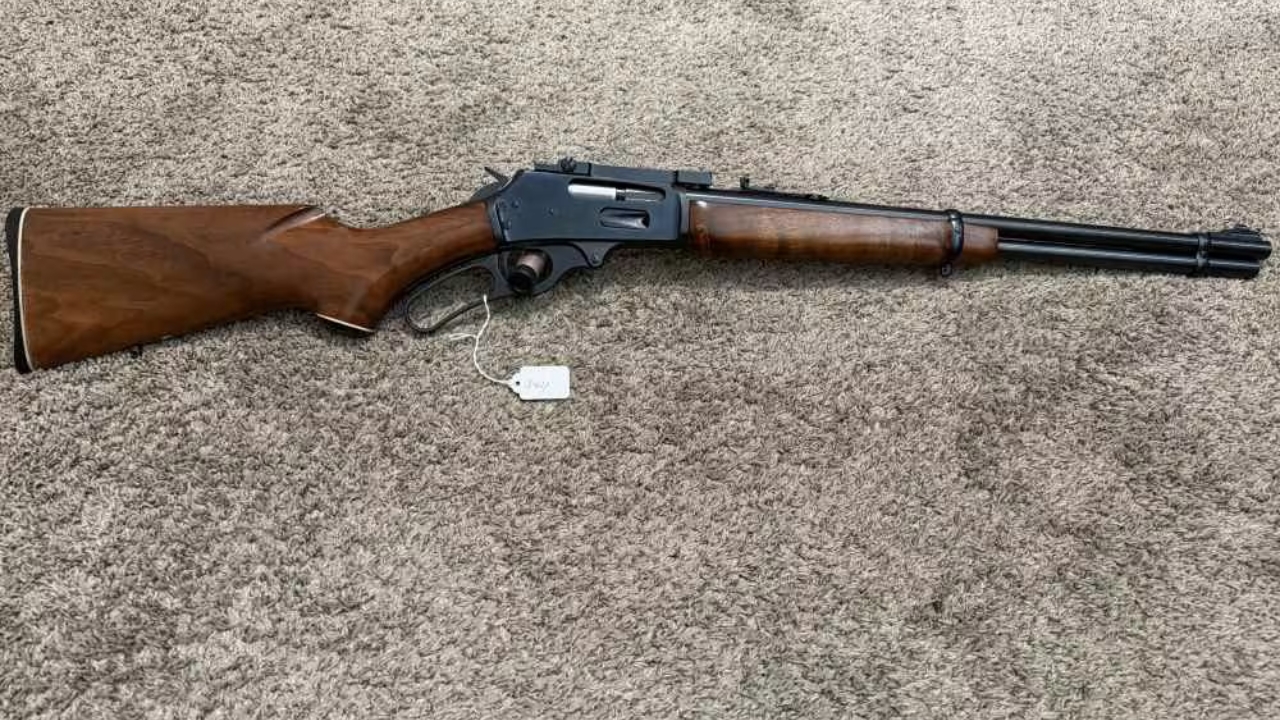
The classic deer woods lever gun that used to be leaning in a rack at every small-town shop. The older JM-stamped 336s aren’t magic, but they tend to be smooth, straight, and easy to trust. They carry like a walking stick and point fast in thick stuff.
When folks realized they weren’t being made the same way for a while, the whole market tilted. Now a clean one with honest wear costs real money, and the “I’ll just grab one later” crowd is the crowd paying later.
2. Winchester Model 70 (pre-’64)

For a long time, “pre-’64” sounded like collector talk. Then guys started actually cycling them and remembering what controlled-round feed feels like when it’s right. They’re not lightweight, and they’re not cheap to rebarrel if you get carried away.
Still, they have that no-nonsense fit that makes you want to slow down and shoot well. Prices didn’t creep up. They jumped.
3. Remington 700 BDL (older production)

I know, everybody has an opinion on the 700. But the older BDLs with decent wood and a slick bolt have filled more freezers than most “new for 2026” rifles ever will. They’re easy to scope, easy to find parts for, and easy to make shoot.
What stings is that they used to be the default “good rifle” you could snag used without thinking hard. Now the clean ones are treated like heirlooms, and the price tags act like it.
4. Ruger M77 Mark II
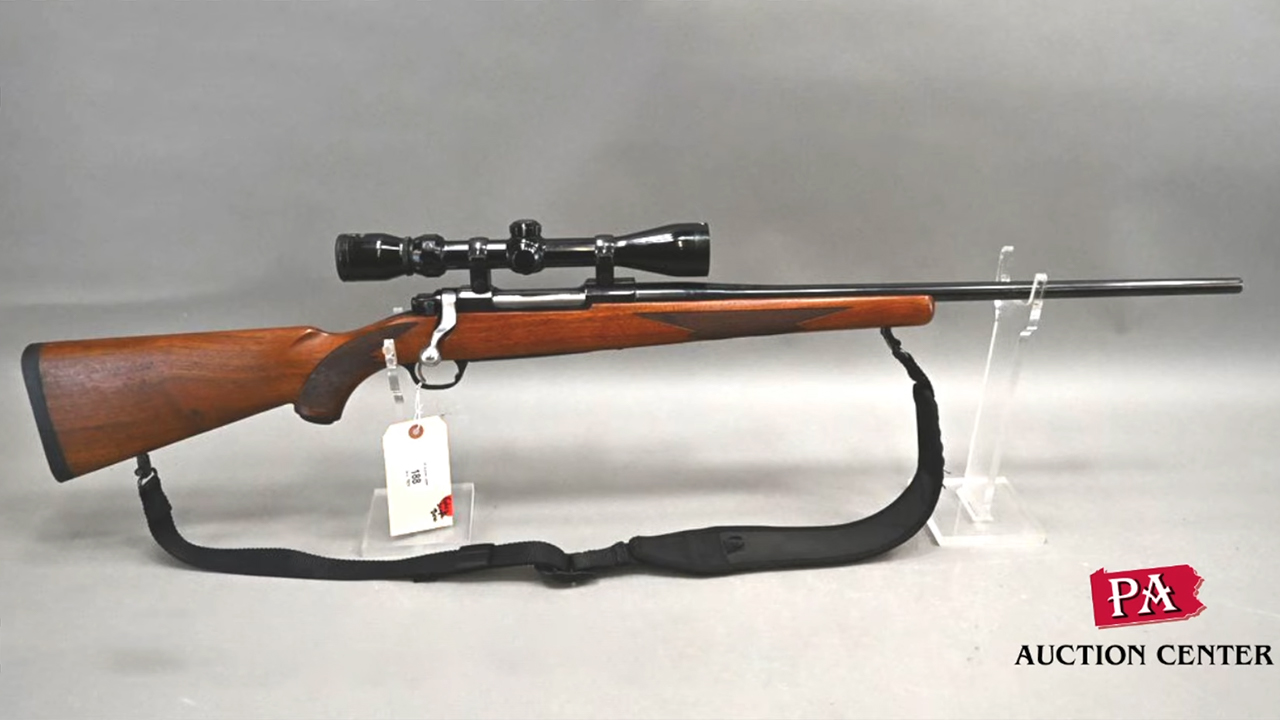
The Mark II is one of those rifles that doesn’t win internet beauty contests, but it’s a serious hunting tool. The controlled-round feed and the built-like-a-farm-implement vibe is exactly what you want when the weather is ugly and your gloves are wet.
They’re not all tack-drivers out of the box, but most shoot plenty good for hunting and just keep running. Guys sold them to “upgrade” and then realized their upgrade didn’t feel as solid.
5. Savage Model 99
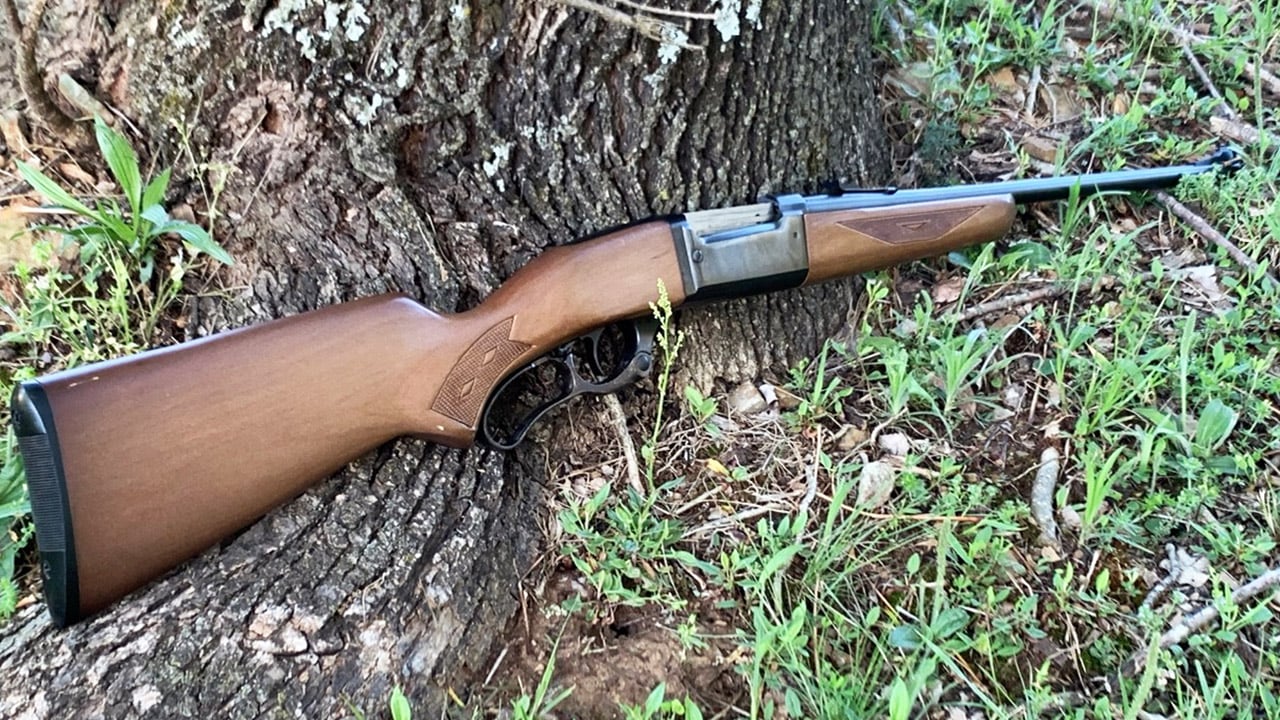
There’s nothing modern about a 99, and that’s why it’s cool. It’s a lever gun that feels like it was designed by a guy who cared about balance and engineering. When you pick one up, it sits in the hands differently than most lever actions.
The prices climbed because the supply is fixed and the demand isn’t. Hunters also figured out it’s not just nostalgia—it’s a real, practical rifle in the right cartridge.
6. Browning BLR (older steel-receiver models)

A BLR is what you buy when you want lever-gun handling but you don’t want to be limited to classic lever cartridges. They’re slim, quick, and surprisingly accurate when you get a good one. The magazine makes some purists grumpy, but it’s part of why the rifle works.
They used to be “a little pricey.” Now they’re “whoa.” Especially the nicer older ones that don’t feel like they were built to a spreadsheet.
7. Ruger No. 1
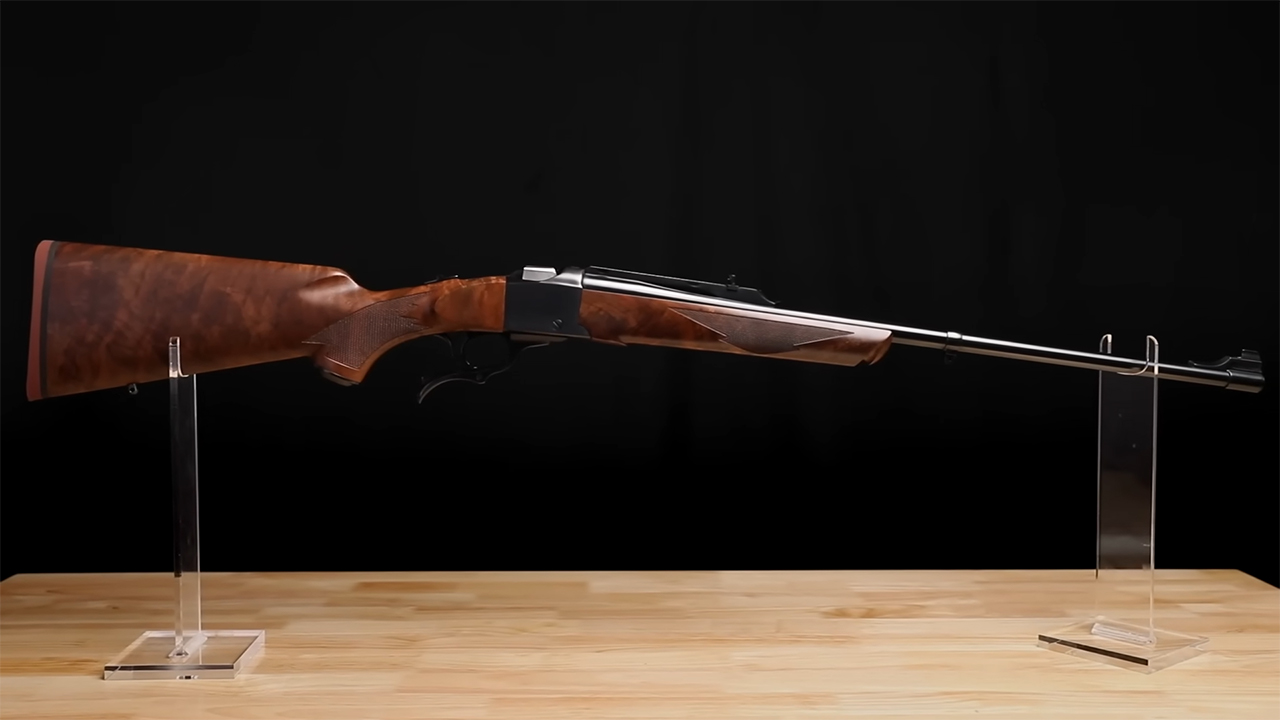
Single-shots aren’t for everybody, and I get why. But a Ruger No. 1 carries short for its barrel length, handles well in the woods, and has a charm that makes you practice. It’s hard to spray-and-pray when you’ve got one round in the chamber.
They’ve always been kind of a luxury hunting rifle. The difference now is the used market treats them like art, not just a rifle you might actually drag up a ridge.
8. Tikka T3 (early imports)
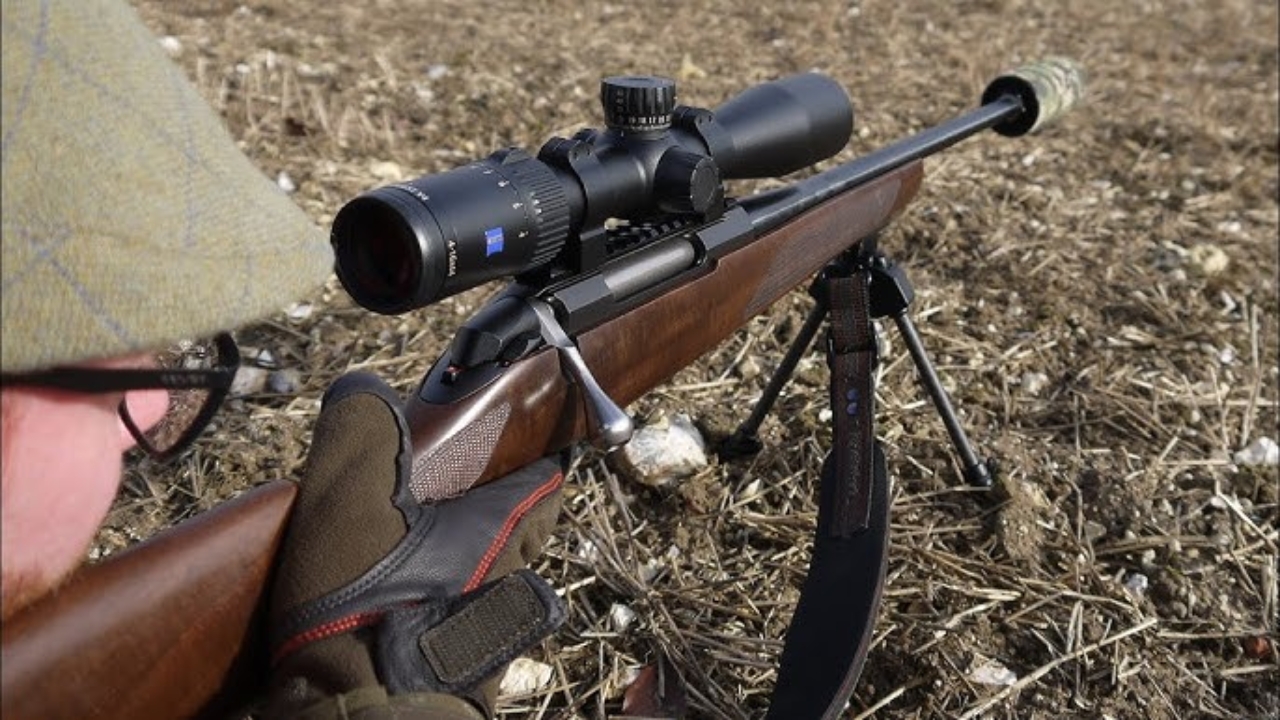
The T3 earned its reputation by being boring in the best way. Smooth bolt, good barrel, decent factory trigger, and it just shoots. There is nothing fancy about it, and that is kind of the point.
Once people caught on, “cheap Tikka” stopped being a thing. You can still buy them, but the days of stumbling into a steal because the shop thought it was “just a Tikka” are mostly gone.
9. Sako Finnbear (L61R)

This is one of those rifles you pick up and immediately understand why it costs more. The action feels like it’s on rails. The stocks, even when plain, tend to fit a shooter. They’re not immune to wear, but they age well.
Plenty of hunters used to walk past them because they could buy two other rifles for the same money. Now they can’t buy one Finnbear for what one Finnbear used to cost.
10. CZ 527

The 527 was a small-action sweetheart, especially in the little cartridges that make predators and varmints fun. Light, handy, and usually accurate enough to make you look better than you are. The detachable magazine stuck out more than some people liked, but it worked.
When they went away, the market did what it always does. The rifles didn’t change. The price did.
11. CZ 550
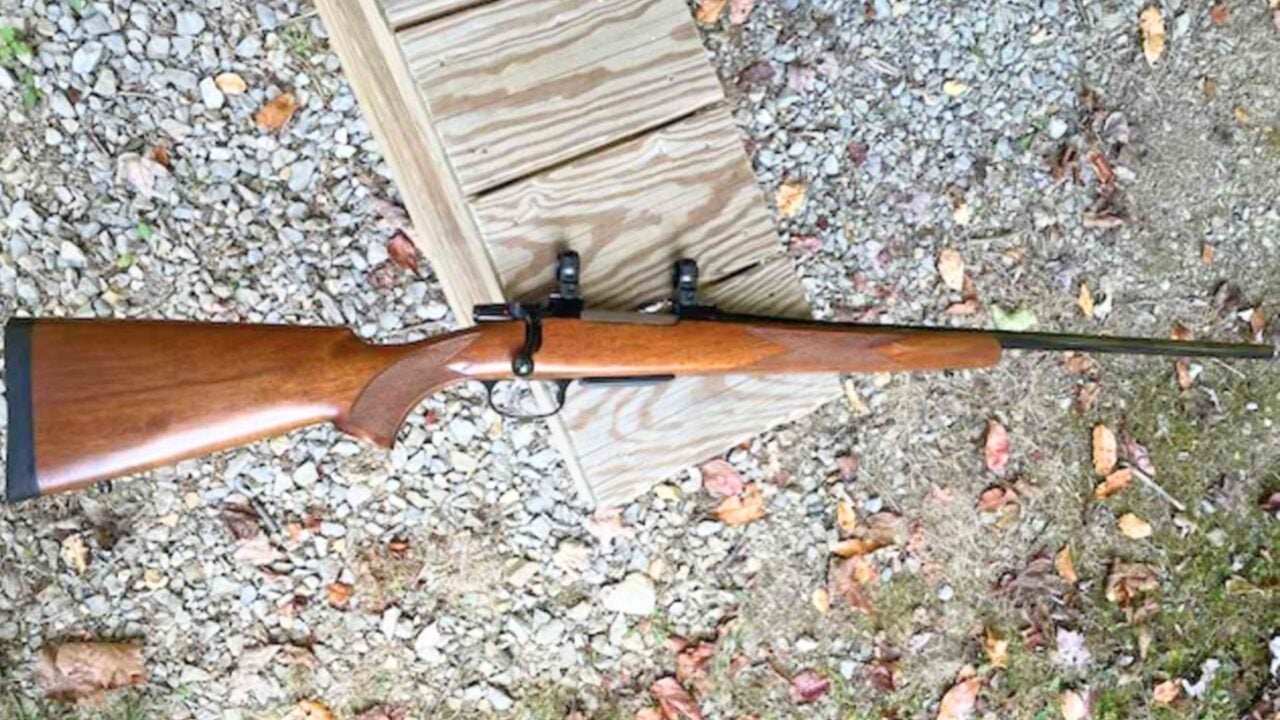
The 550 is another one that was never trendy, just competent. Big, controlled-round feed, built for serious hunting cartridges, and it has that old-world “this was made to be used” feel. They can be a touch heavy depending on the model, but weight is not always the enemy.
Once they were discontinued, the used ones quit sitting around. If you want a classic-style bolt gun without classic-style custom prices, you pretty much had your chance.
12. Springfield Armory M1A (standard models from earlier runs)
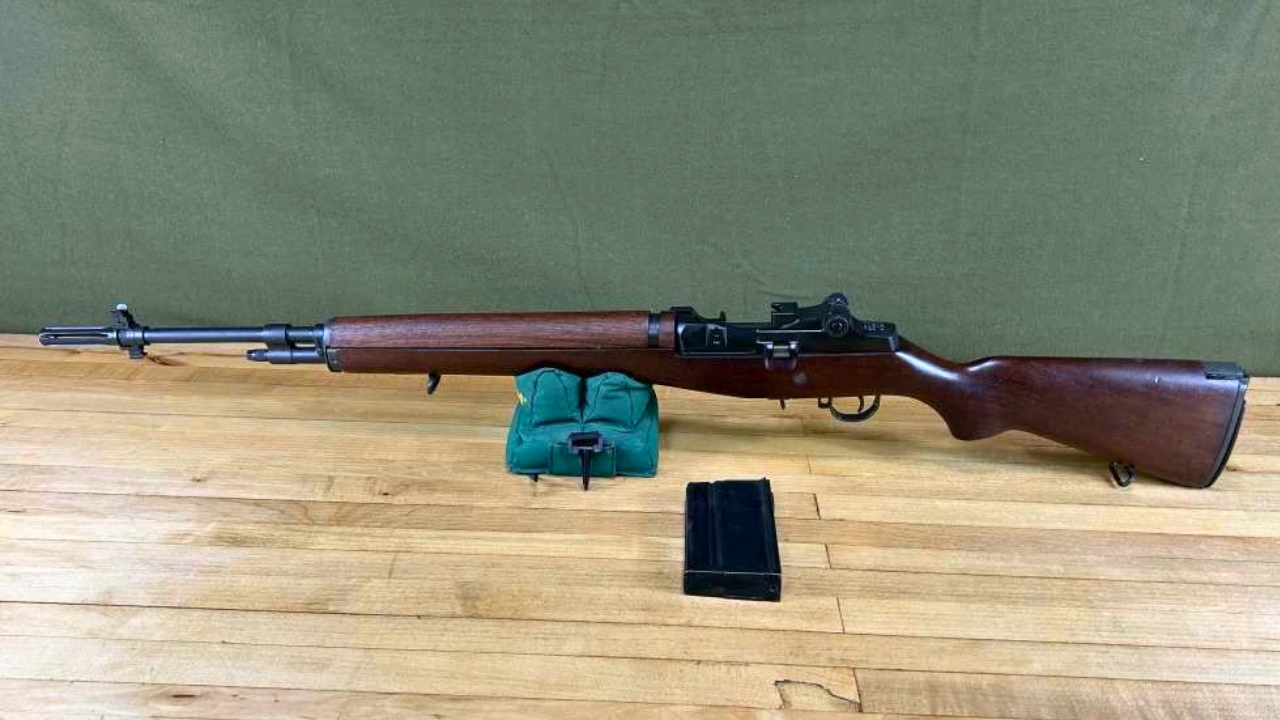
There are lighter ways to carry .308, and there are cheaper ways too. But the M1A scratches an itch: irons that make sense, a rifle that balances, and a system that feels like a real rifle instead of a parts list. When they run right, they’re a joy.
Magazines, accessories, and the rifles themselves all climbed. The guys who bought one “just because” and kept it are not the ones complaining.
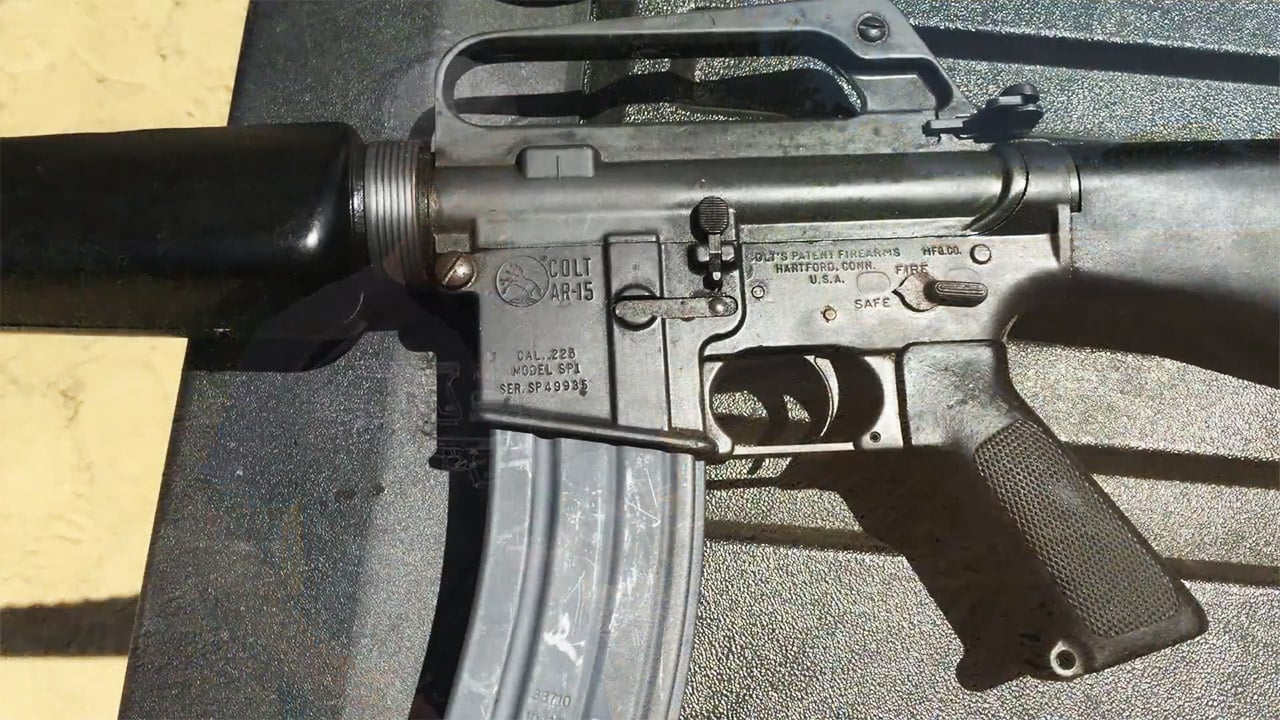
13. Colt AR-15 SP1
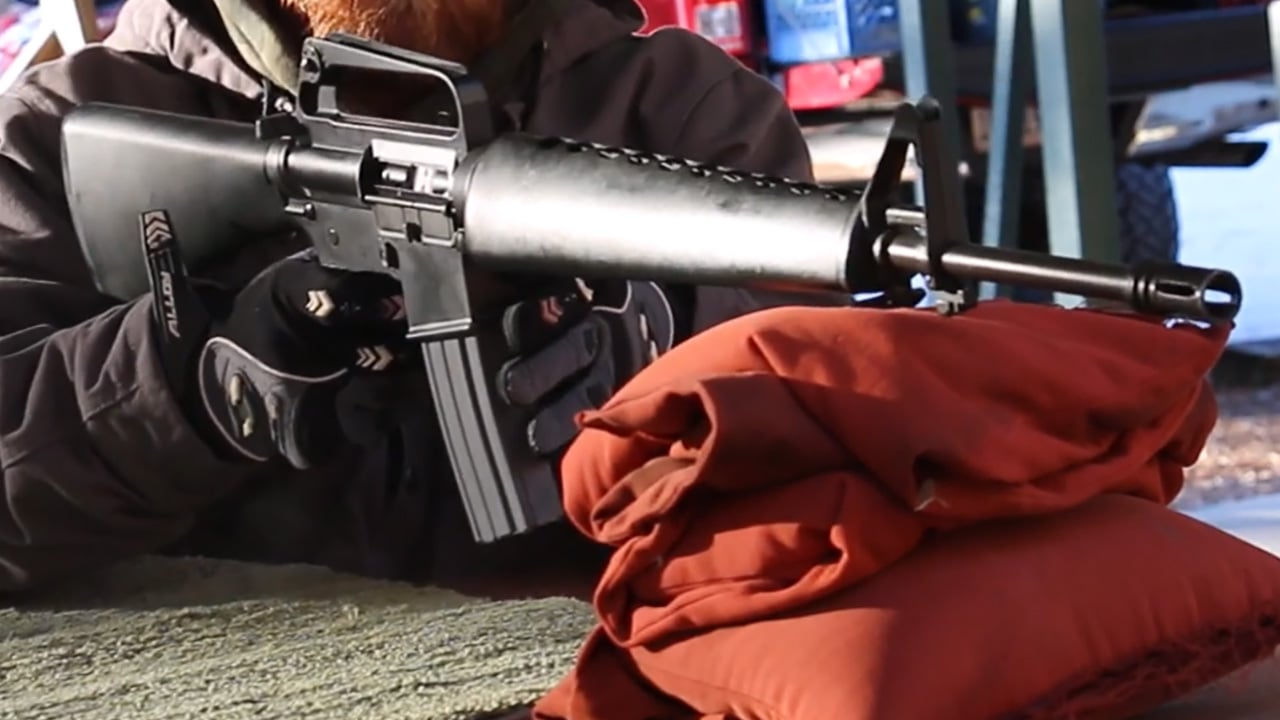
The SP1 used to be the AR that old timers shrugged at. Lightweight, simple, and not trying to be anything. Then retro became a thing, and suddenly the rifle that looked “dated” started looking “correct.”
Now it’s expensive enough that a lot of owners treat them gently, which is kind of funny for a rifle built to be carried. If you wanted one for a classic lightweight setup, you should’ve grabbed it when it was just an “old Colt.”
14. Ruger Mini-14 (180- and 181-series)
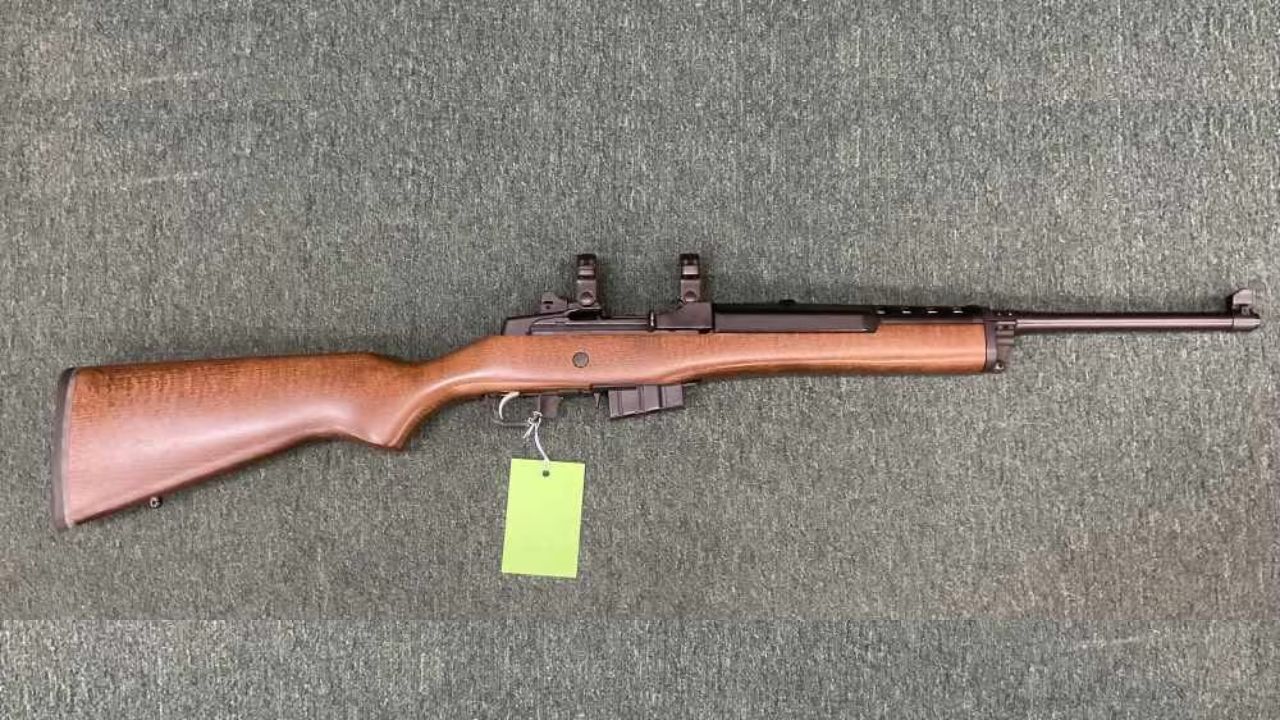
Early Mini-14s aren’t known for target-rifle accuracy, but plenty of them shoot fine for woods ranges. What they are known for is handling. They carry easy, they point like a bird gun, and they don’t scream “tactical” to everybody who sees them.
Once the market got weird and anything semi-auto got attention, Minis stopped being the “alternative.” They became their own expensive lane, especially the older ones in nice shape.
15. Norinco SKS (standard Chinese imports)
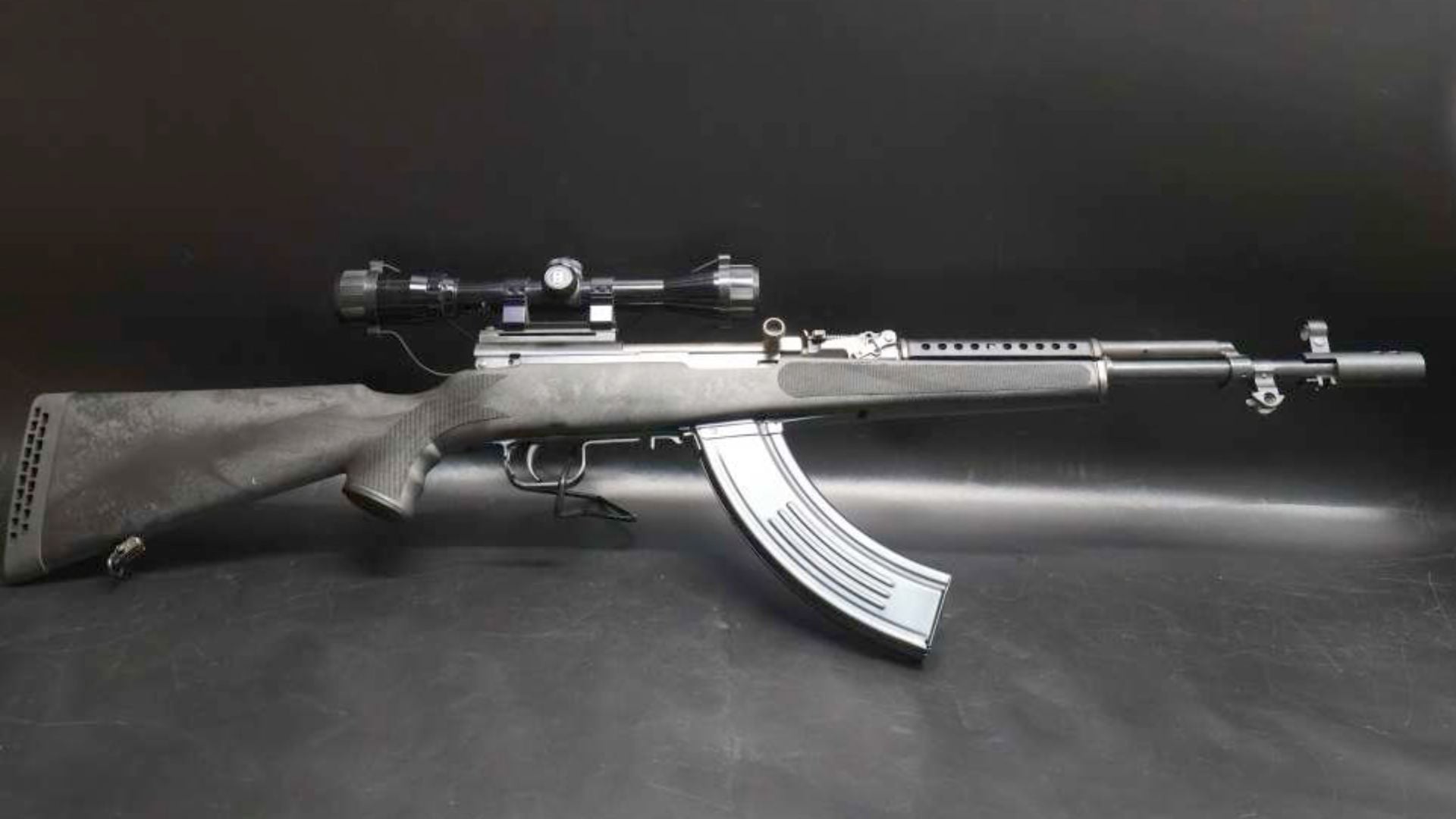
The SKS used to be the rifle you bought when you wanted something that went bang without draining your wallet. Simple, reliable, and it will eat ammo that makes some rifles choke. It’s also just fun, and fun matters.
Between import shifts and collector interest, the days of cheap SKSs are mostly a memory. The guys who bought them by the crate look like geniuses now.
16. Saiga AK (IZHMASH imports)
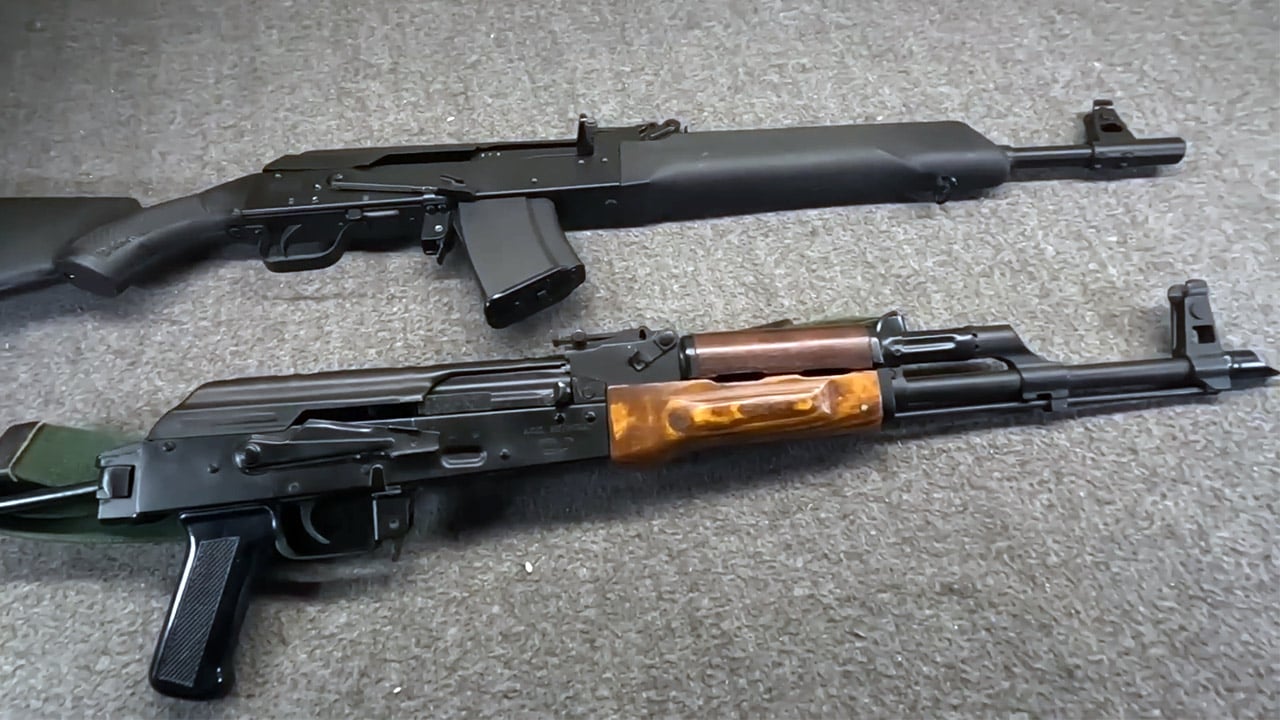
For a while, Saigas were the “sensible” AK buy. Real Russian guns, decent fit, and a good base rifle even if you left it alone. They weren’t glamorous, but they were legitimate.
Then the supply dried up, and that was that. If you’re trying to buy one now, you’re not just shopping—you’re negotiating with a market that knows exactly what it has.
17. Swiss K31 (Schmidt-Rubin)

The K31 is one of the best “old military rifle” values that ever existed, and that window closed fast. Straight-pull action, excellent barrels, and accuracy that embarrasses a lot of modern rifles with bargain scopes. The length can be awkward in brush, but on a range it shines.
Surplus drying up changed everything. The guys who grabbed one “to try it” and then bought three more weren’t wrong.
18. Mosin-Nagant 91/30 (wartime rifles)
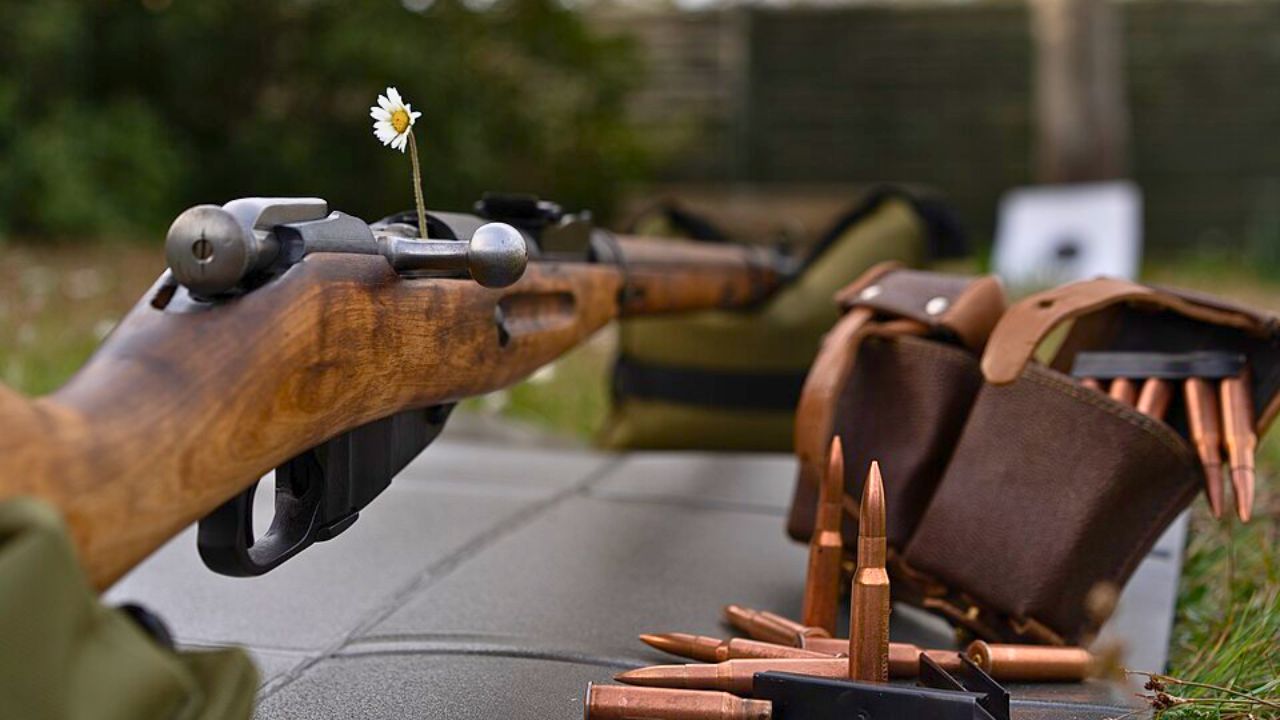
I’m not going to pretend the Mosin is refined. The bolt can be sticky, the ergonomics are from another century, and some of them look like they lived hard. But they were once so cheap that you could justify owning one just to understand history.
Now even rough examples cost enough that you think twice. It’s less about “I need it” and more about how fast a cheap surplus rifle turned into a priced-up collectible.
19. Ruger 10/22 (older walnut-stock carbines)

The 10/22 is the rifle most of us should own, because it does everything a .22 should do. The older walnut-stock carbines have a feel that the newer plastic-stuffed versions just don’t. They’re handy, they balance, and they ride behind a truck seat without complaint.
It’s not that they’re impossible to buy now. It’s that the nice old ones that used to be “just a .22” are suddenly “a nice old Ruger,” and the price follows that logic.
20. Marlin 1895 (.45-70, older production)
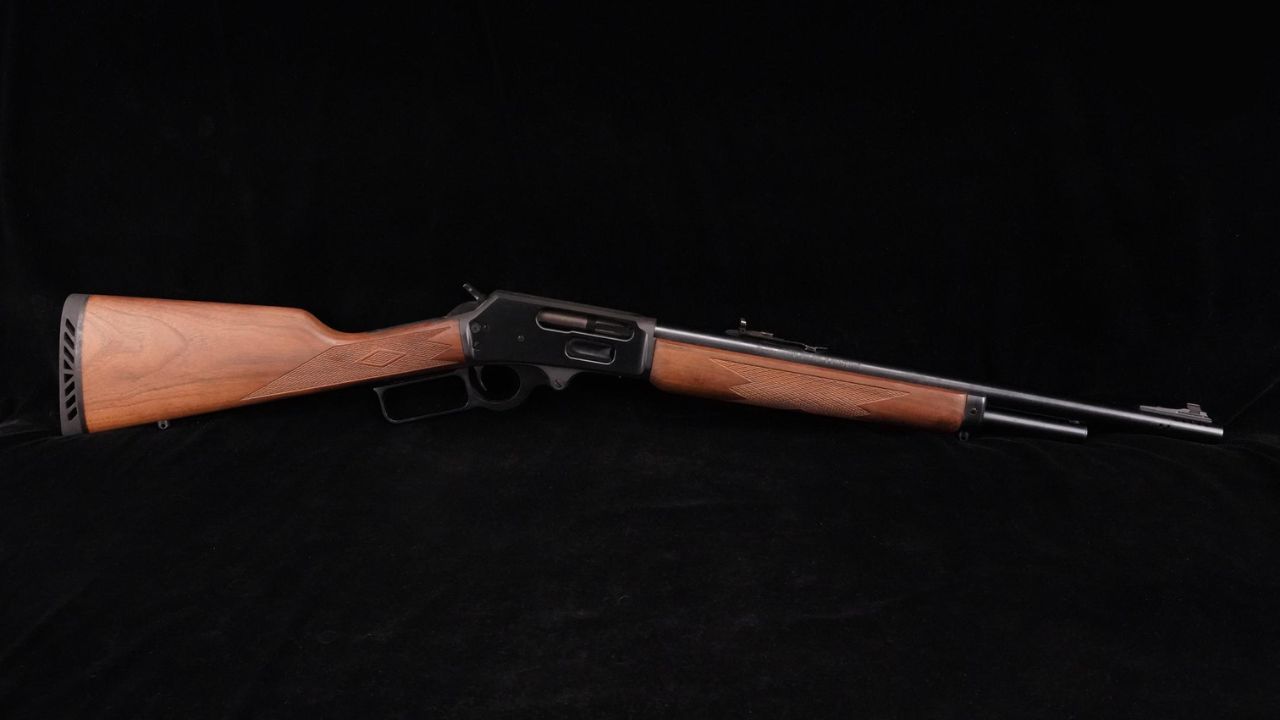
A .45-70 lever gun isn’t for paper punching all day unless you enjoy shoulder abuse. But in the timber, on hogs, in bear country, or anywhere you might want a big slow hammer, the 1895 makes sense. It’s also one of those rifles that makes you grin when you work the action.
When demand surged, these got hit hard. Between the rifle price and the cost of ammo, getting into .45-70 now takes commitment. Ask me how I know.
If you’re staring at your safe thinking about what to sell, this is your reminder: the “replace it later” plan is usually where regret starts. If a rifle fits you, feeds reliably, and you’ve got a load it likes, it’s already doing its job. The market doesn’t care about your plans, and it definitely doesn’t care about next season.
Like The Avid Outdoorsman’s content? Be sure to follow us.
Here’s more from us: