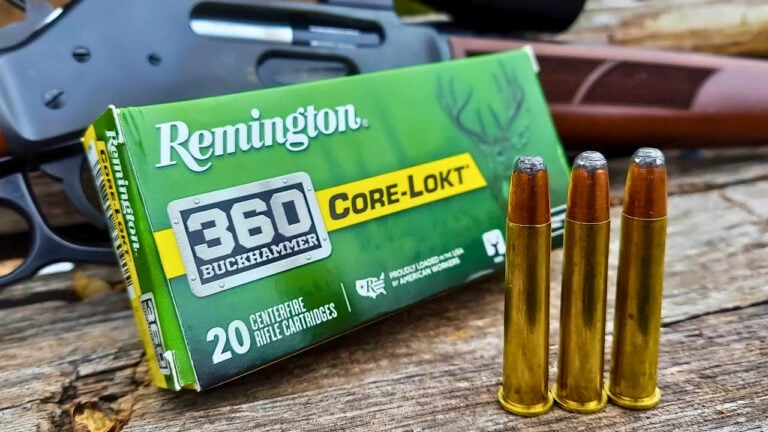
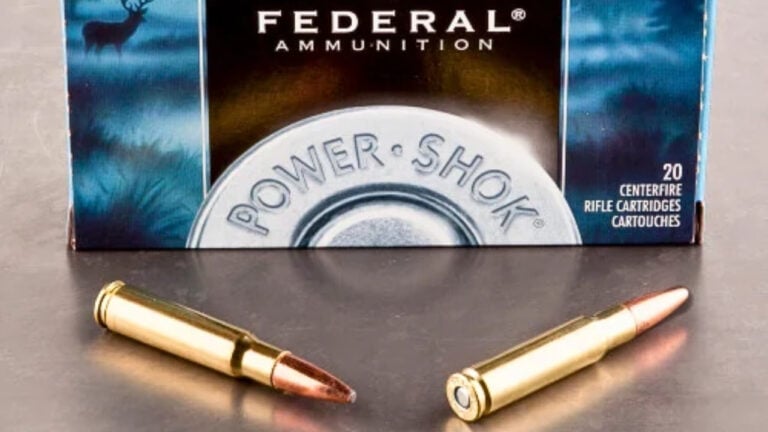
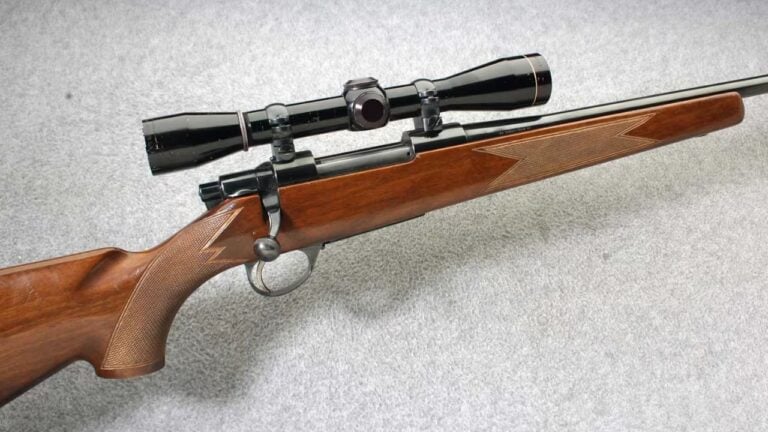
Photo credit: WHO_TEE_WHO/YouTube
A lot of deer hunters are drawn to speed. Lighter bullets shoot flatter, look better on ballistic charts, and can make sight-in numbers feel easier. But that does not always mean they are the best choice once the bullet actually reaches a deer. In several cartridges, the heavier hunting bullets give you a much better balance of penetration, impact behavior, and confidence on quartering shots.
That is especially true inside normal deer-hunting distances, where a slightly more arched trajectory usually does not matter much. A heavier bullet often carries more momentum, holds together better, and is less likely to behave violently at close range. Some cartridges are almost transformed by moving up in bullet weight. These 20 are good examples of deer rounds that often make more sense when you resist the temptation to go light.
.30-06 Springfield

The .30-06 can shoot everything from light varmint bullets to very heavy big-game loads, but for deer I think the cartridge really hits its stride once you move into the 165- to 180-grain range. That is where the round starts showing why it has remained so useful for so long. You still get more than enough velocity for normal deer distances, but the bullet tends to behave in a more controlled way than the lighter, faster options.
A 180-grain hunting bullet especially makes sense in thicker cover or when quartering shots are common. You get deeper penetration, a little less tendency to blow up at close range, and more margin if the bullet has to pass through shoulder. The extra recoil over a 150-grain load is usually modest enough that most hunters can still shoot it comfortably.
.308 Winchester

The .308 is often paired with 150-grain deer loads because that is such a familiar combination, but the cartridge can be even more convincing with 165- and 180-grain bullets. At normal whitetail distances, you are not giving up enough trajectory to matter, and the heavier bullet gives you more confidence on less-than-perfect angles.
The .308 also does not need extreme velocity to work well. A 165-grain bonded or controlled-expansion bullet is one of the better all-around deer combinations you can build, while a 180-grain load makes sense for larger northern whitetails, black bear, or hunting in timber. You get a slower impact that can be easier on meat while still carrying plenty of penetration. For hunters who never shoot past 200 yards, heavier .308 bullets often make more sense than chasing speed.
.300 Winchester Magnum

The .300 Win Mag is one cartridge where going too light can work against you. Light .30-caliber bullets leave the muzzle at extremely high speed, which can produce very violent expansion at close deer ranges and potentially more meat damage than many hunters want.
Moving to 180- or 200-grain bullets gives the cartridge a much better personality. You still have excellent trajectory, but the bullet carries more sectional density and is usually better suited to the velocity the cartridge generates. That means stronger penetration and more predictable performance when the shot hits shoulder or comes from a steep quartering angle. The .300 Win Mag still brings plenty of recoil, but if you are going to carry that much cartridge, the heavier bullets let you take better advantage of what it actually does well.
.300 Weatherby Magnum

The .300 Weatherby is another cartridge that can simply be too fast with light bullets at ordinary deer distances. The high velocity looks impressive, but impact speeds can get extreme enough that bullet construction becomes critical.
Heavier bullets help tame that problem. A 180- or 200-grain hunting bullet gives you excellent retained energy, better penetration, and a more controlled expansion window without sacrificing meaningful trajectory inside most hunting ranges. You also get more of the deep-driving performance that makes the Weatherby worthwhile in the first place. A 150-grain load can certainly kill deer, but a heavy premium bullet usually gives the cartridge a better balance of speed and terminal behavior.
.300 Remington Ultra Magnum

The .300 RUM is built around velocity, and that makes bullet weight especially important. Light projectiles can leave the barrel at outrageous speeds, but that does not always translate into better deer performance.
The cartridge is much more convincing with 180- to 210-grain bullets. Those heavier bullets handle the RUM’s velocity better, retain energy farther downrange, and give you much more dependable penetration. At close range, they are also less likely to behave as explosively as lighter options. If a hunter is going to accept the recoil, blast, and ammunition cost of the .300 RUM, it makes sense to use bullets heavy enough to take advantage of its case capacity rather than simply turning it into an oversized varmint round.
.270 Winchester

The .270 Winchester has always been closely associated with 130-grain bullets, and that load has killed an enormous number of deer. Even so, the cartridge becomes more versatile when you move to 140- or 150-grain hunting bullets.
The heavier choices penetrate better, hold up more reliably on shoulder hits, and still shoot flat enough for any normal whitetail situation. A 150-grain .270 bullet has excellent sectional density, which is one reason the cartridge can handle larger game so effectively despite its relatively small diameter. For deer in woods, broken country, or mixed terrain, I would often rather have the heavier bullet than the extra speed of a 130-grain load. You give up very little and gain more confidence when the angle is not perfect.
.270 Winchester Short Magnum
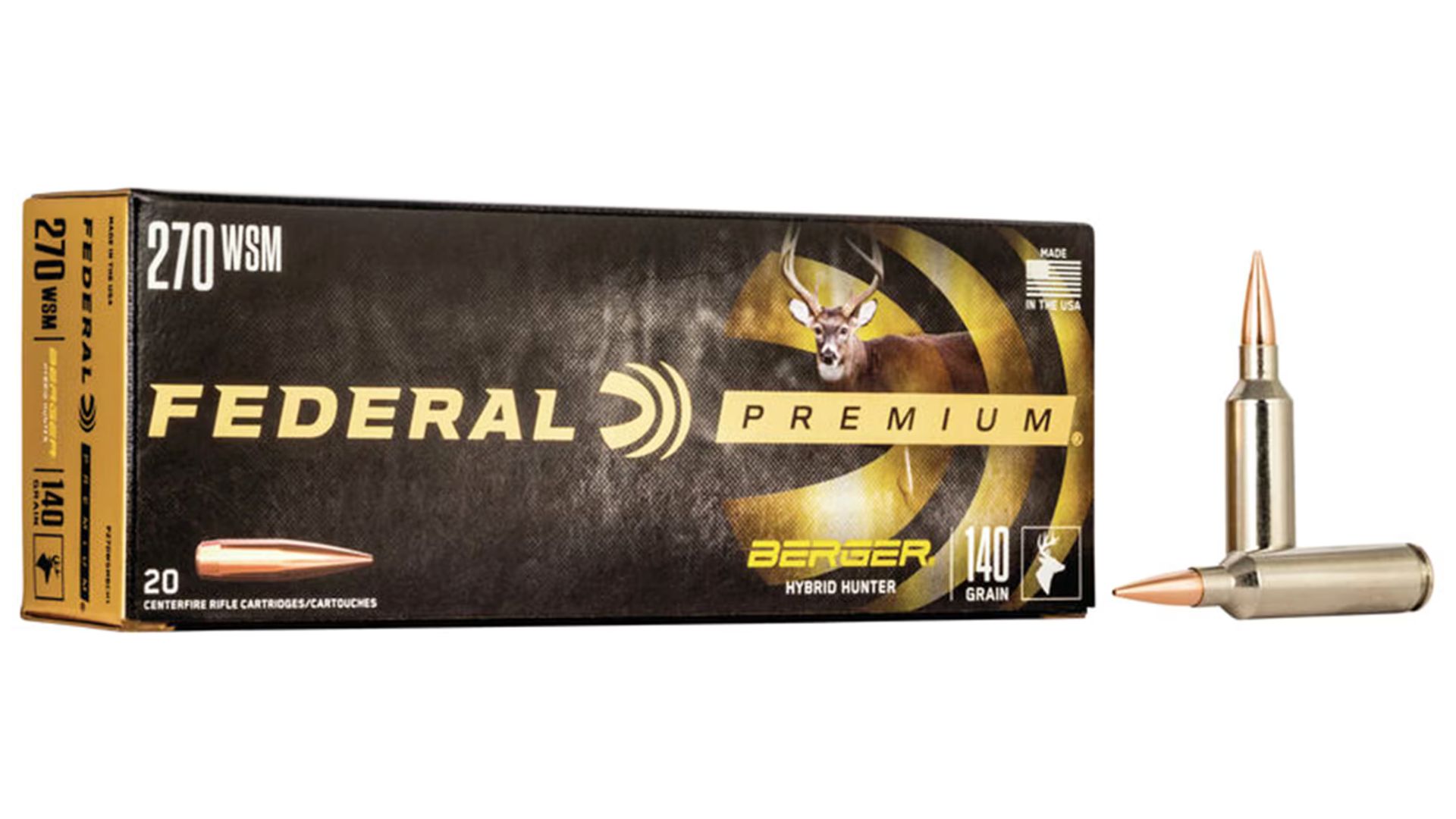
The .270 WSM pushes .277-caliber bullets fast enough that the heavier options make a lot of sense. With light bullets, you can end up with extremely high impact speeds at close range and little practical benefit beyond a flatter trajectory.
A 150-grain hunting bullet lets the WSM settle into a better role. You still have excellent speed and reach, but the bullet carries more momentum and tends to hold together better. That makes it more useful on large-bodied deer and gives you more margin on quartering shots. The .270 WSM is not exactly a mild cartridge, so using a heavier bullet helps justify the extra recoil and blast by turning it into a more authoritative all-around hunting round rather than just a faster .270.
.280 Remington
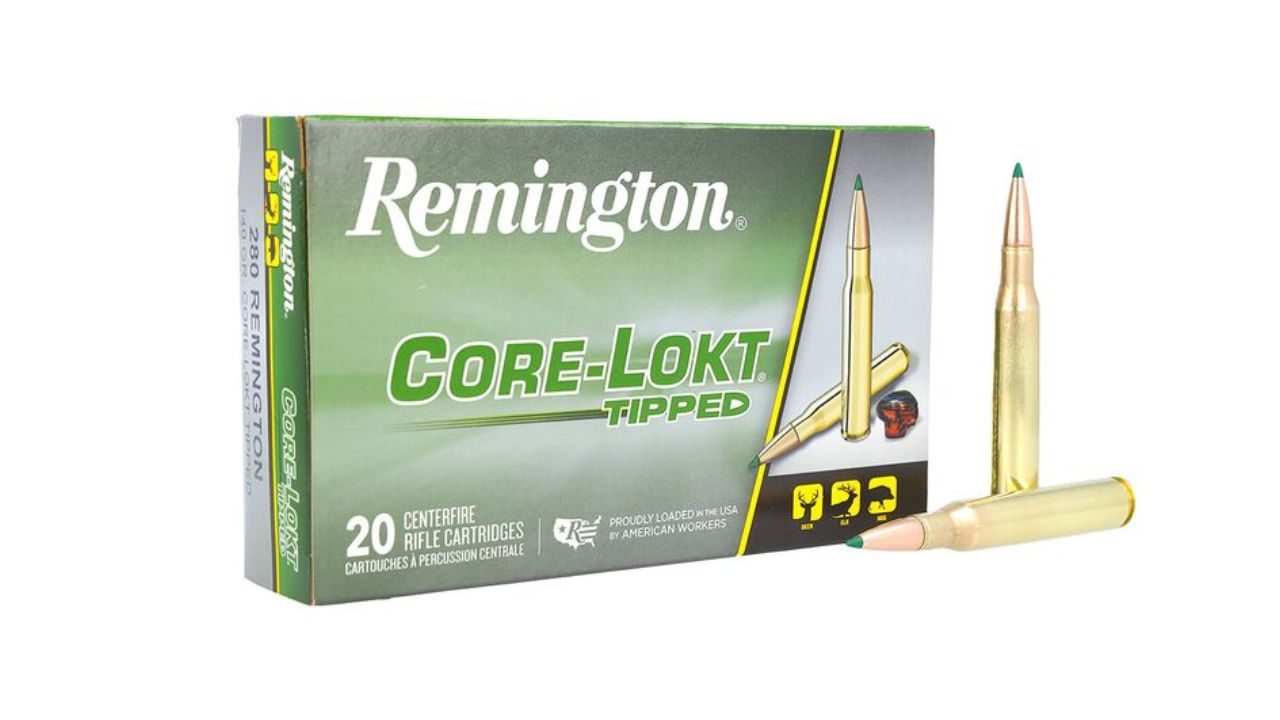
The .280 Remington has always been one of those cartridges that becomes more impressive the heavier the bullet gets. It can shoot 140-grain bullets well, but 160- and 175-grain 7mm bullets really show what the case can do.
Those heavier bullets offer excellent sectional density and penetrate very well without needing magnum velocity. For deer, that means you can take quartering shots with more confidence while still maintaining a very useful trajectory. The .280 also stays much easier to shoot than the big 7mm magnums. If you are hunting woods, hills, or mixed terrain where shots stay under a few hundred yards, the heavier bullets fit the cartridge beautifully.
.280 Ackley Improved

The .280 AI gets a lot of attention for velocity, but I think its real strength is how well it handles heavier 7mm bullets without stepping all the way into magnum recoil.
With 160- to 175-grain bullets, the cartridge gives you excellent penetration and strong retained energy while still shooting flat enough for open-country hunting. On deer, those bullets are not required, but they give you a very stable terminal-performance window across a wide range of distances. You are less dependent on sheer impact speed and more on bullet weight and construction. That makes the .280 AI feel more mature with heavy bullets than with light ones pushed as fast as possible.
7mm Remington Magnum

The 7mm Rem Mag can launch lighter bullets very fast, but the cartridge becomes much more useful once you move into the 160- to 175-grain range.
The heavier 7mm bullets carry excellent sectional density and hold their velocity well, which gives them deep penetration and dependable performance on larger deer. They also make better use of the case capacity. Instead of burning a lot of powder just to drive a light bullet extremely fast, you get a heavier projectile that remains effective over a broader range of impact speeds. For hunters who may encounter deer at both 50 and 300 yards, a heavier bullet gives the 7mm Rem Mag a more balanced and forgiving personality.
Free for gun owners: If something happened to you tomorrow, would your family know where the guns are, who has the safe combination, or what to do first? Our free Gun Owner’s Family Checklist walks them through it. It takes about 15 minutes to fill out. Get your free copy here.
7mm PRC

The 7mm PRC was designed around long, efficient bullets, so it naturally favors the heavier end of the 7mm spectrum. That is one of the biggest reasons the cartridge works as well as it does.
With 170- to 180-grain hunting bullets, you get high sectional density, excellent retained velocity, and strong penetration without needing the extreme muzzle speed of older magnums. For deer, the cartridge is more than enough, but the heavier bullets make the performance more predictable across a wide distance range. They also give you better resistance to wind and more authority on quartering shots. The cartridge simply feels more complete with heavy bullets than it does when treated like a high-speed 140-grain launcher.
.35 Remington

The .35 Remington is almost defined by heavy bullets. The classic 200-grain loads are a big part of why the cartridge earned such a strong reputation in the woods.
Lighter bullets can work, but the 200-grain class gives you the deep, steady penetration that makes the cartridge so effective on deer and black bear. At the moderate velocities involved, you do not need a lightweight projectile to force expansion. The larger frontal diameter and heavy bullet already do plenty of work. Inside 150 yards, the .35 Remington with a 200-grain hunting bullet is one of those combinations that looks slow on paper and performs much better than expected in the field.
.358 Winchester

The .358 Winchester makes the most sense when you lean into what makes it different from .308. That means using real .35-caliber bullet weight rather than trying to make it behave like a flatter-shooting small-bore round.
A 200- or 225-grain hunting bullet gives you excellent penetration and strong close-range performance while keeping recoil below the big magnums. Those heavier bullets also make the cartridge very forgiving on deer when the angle is less than ideal. Inside normal woods distances, the trajectory penalty is small enough to ignore. The .358 Winchester is at its best when it is allowed to be a heavy-bullet short-action cartridge rather than being pushed toward unnecessary speed.
.35 Whelen
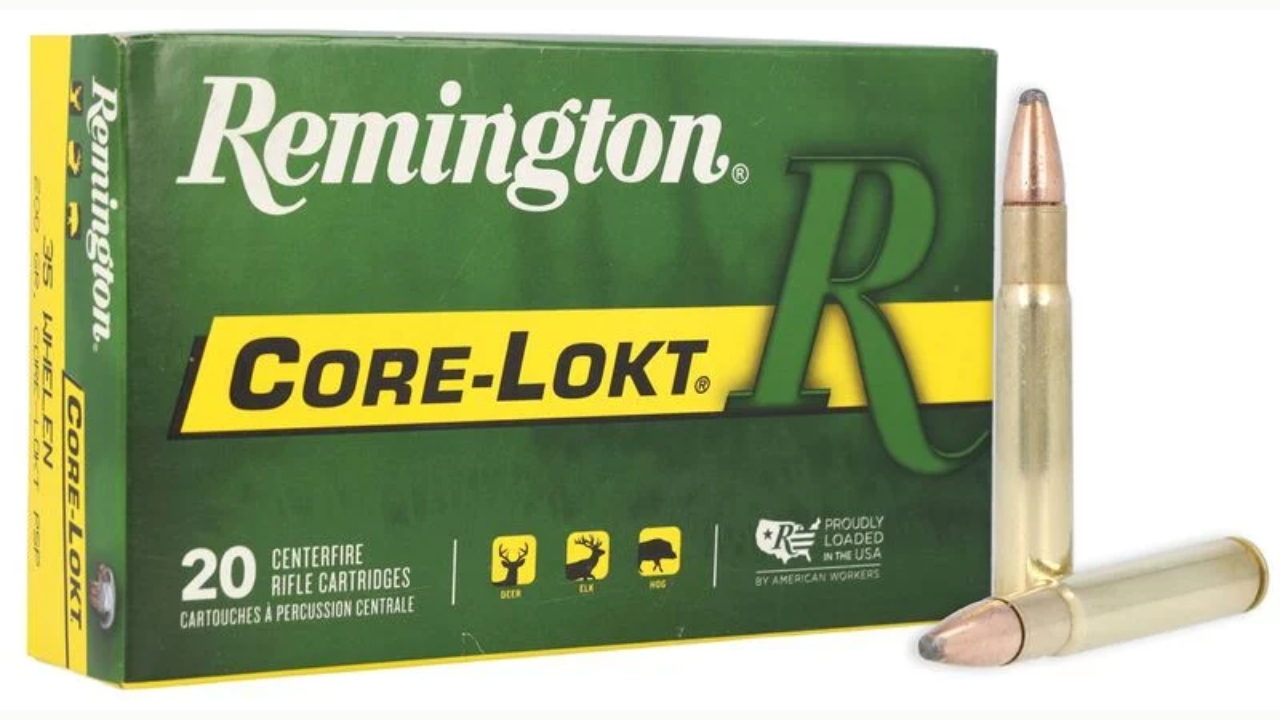
The .35 Whelen has enough case capacity to drive lighter .35 bullets very fast, but I think the cartridge makes far more sense with 225- or 250-grain bullets.
Those loads give you the kind of penetration and momentum that justify carrying the Whelen instead of a .30-06. On deer, they can seem excessive, but the heavier bullets tend to perform very predictably and are especially useful when hunting larger-bodied animals or in country where black bear and elk may overlap with deer season. You get a broad wound channel and deep penetration without the violent impact behavior of a lighter bullet moving much faster. The Whelen is simply a better expression of itself when the bullet has some weight behind it.
.338 Federal
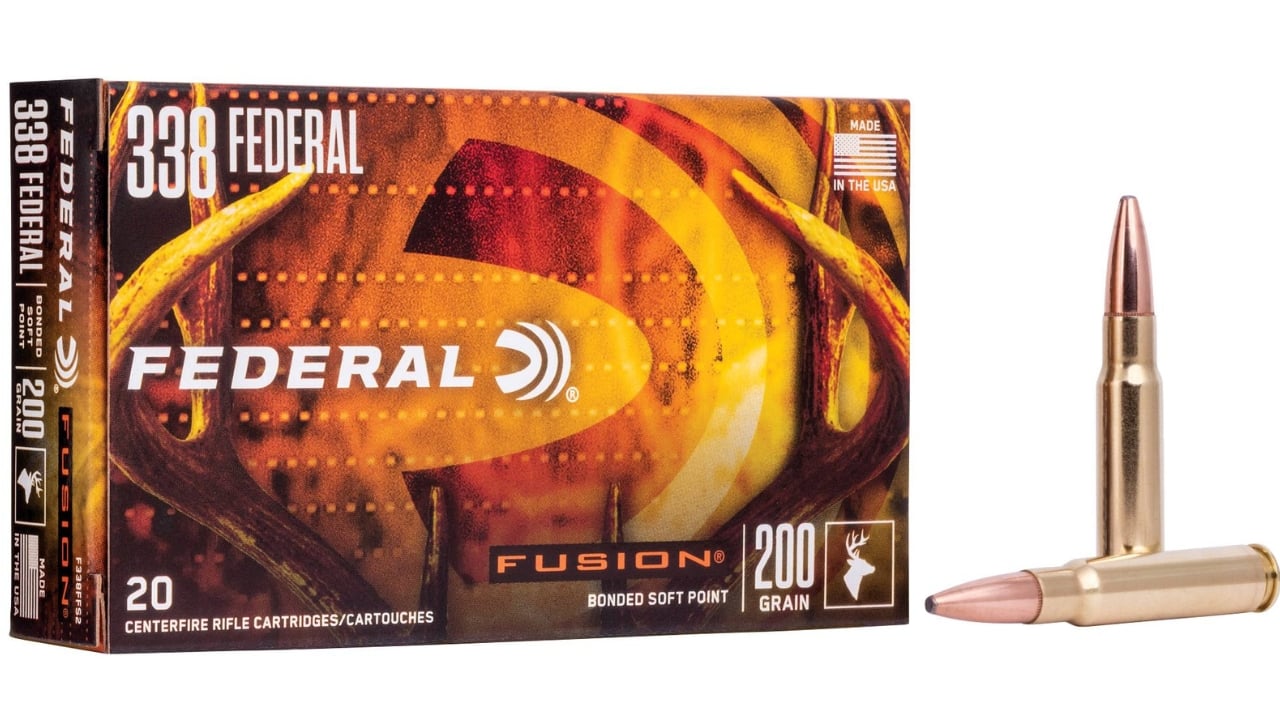
The .338 Federal was never built around speed. Its whole advantage is pushing heavier bullets from a compact short-action case with manageable recoil.
That is why 200- and 210-grain bullets fit the cartridge so well. They offer strong sectional density, excellent penetration, and enough frontal area to handle deer decisively without requiring magnum velocities. You can go lighter, but then the cartridge starts giving up some of the reason to choose .338 in the first place. Inside 200 yards, a heavy .338 Federal load hits with authority, handles quartering shots well, and still comes in a rifle that can remain relatively short and handy.
.444 Marlin
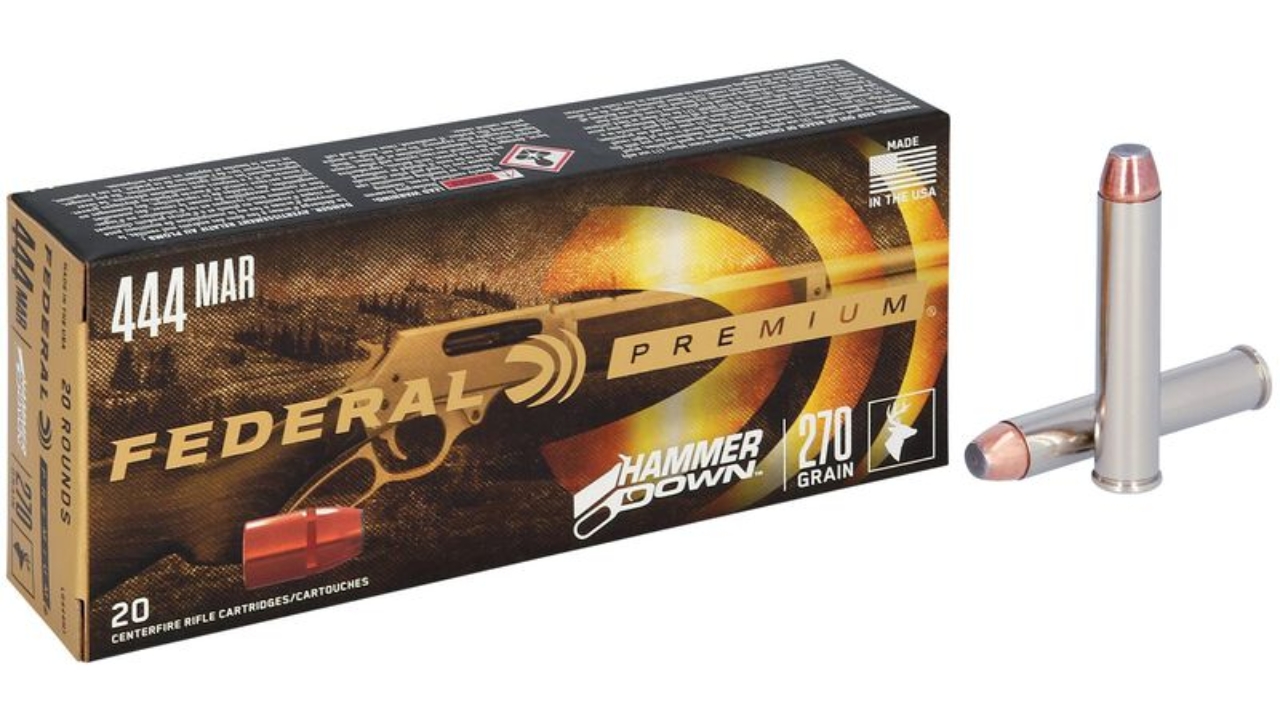
The .444 Marlin can drive relatively light .44-caliber bullets very fast, but the heavier 265- to 300-grain hunting bullets are where the cartridge becomes much more convincing.
Those bullets are better suited to the velocity range and give you far stronger penetration on deer, hogs, and black bear. They are less likely to fragment or expand too violently at close range, and they carry the kind of momentum that makes the .444 feel like a true big-bore hunting cartridge. Trajectory is never going to be the cartridge’s strength anyway, so there is little reason to chase lightweight bullets just to flatten things slightly. Heavy bullets play directly to what the .444 does best.
.45-70 Government
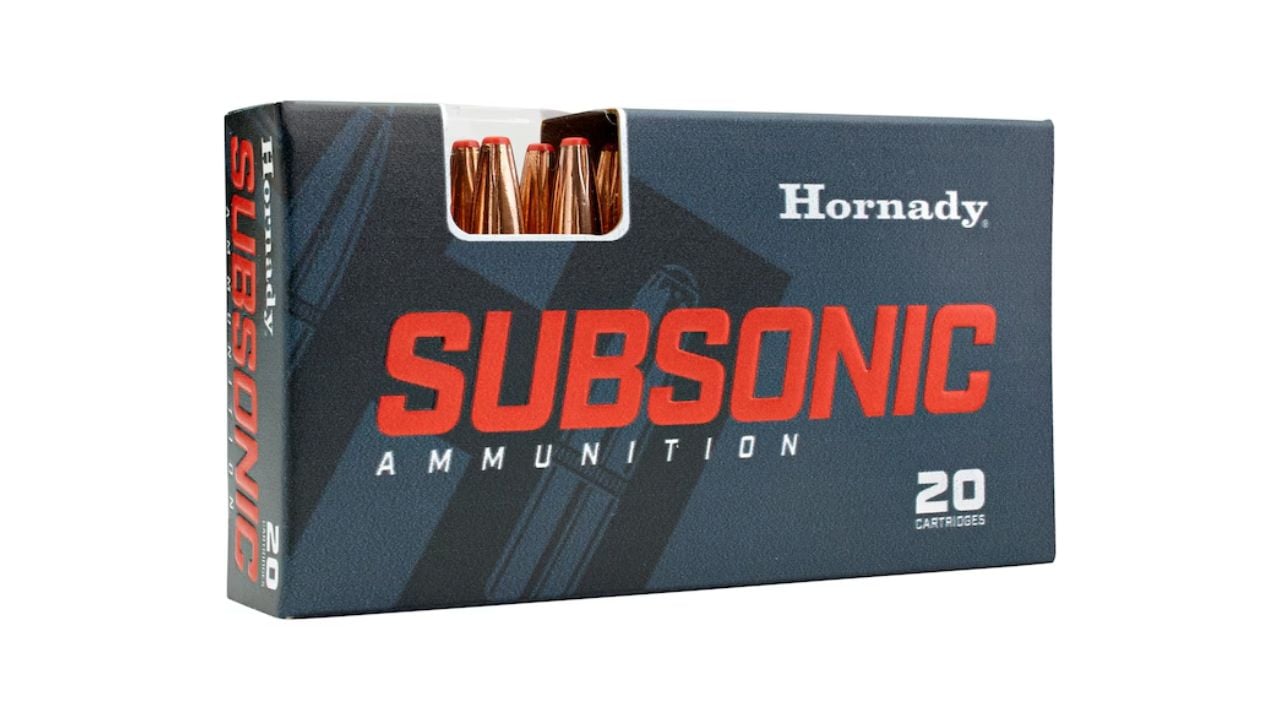
The .45-70 has such a broad loading range that bullet weight completely changes the character of the cartridge. For deer, lighter 300-grain loads work, but heavier 350- to 405-grain bullets often give the cartridge a smoother and more predictable hunting personality.
You do not need maximum velocity with that much bullet. Moderate loads penetrate deeply, expand well with the right construction, and can be easier on meat than some lightweight high-speed options. They also retain the deep-driving performance that made the .45-70 famous. Recoil can rise quickly if you push heavy bullets too hard, but there is rarely any reason to do that for deer. Heavy and moderate is usually a better combination than light and fast.
.450 Marlin

The .450 Marlin was designed around serious lever-gun performance, and heavy bullets are the reason the cartridge makes sense at all.
A 350- or 400-grain projectile gives you excellent penetration and lets the cartridge work the way it was intended. Lighter bullets can produce more velocity, but they do not add much to a round that is already limited primarily by trajectory rather than power. On deer, the heavy loads are certainly more than necessary, but they tend to deliver consistent performance without needing to be pushed as hard. If you are going to carry a .450 Marlin, the heavier bullets make better use of the rifle’s strengths.
.44 Magnum

The .44 Magnum is another cartridge where rifle performance changes dramatically with bullet choice. Lightweight bullets can be fast, but 240- to 300-grain hunting bullets are usually better suited to deer.
From a carbine barrel, those heavier bullets gain plenty of velocity while still retaining the sectional density and penetration needed for dependable results. A 240-grain soft point is a proven deer load, while 270- to 300-grain bullets make even more sense for hogs or tougher angles. You do not need a screaming-light bullet to make the rifle effective. The heavier projectiles give the cartridge a more controlled, reliable terminal profile while still keeping recoil very manageable in a rifle.
.32 Winchester Special

The .32 Winchester Special was built around heavier bullets than many modern hunters are accustomed to seeing in medium-bore rifles, and that is exactly where it performs best.
A 170-grain .32-caliber bullet at moderate velocity gives you solid penetration and very dependable short-range deer performance. Trying to lighten the bullet and chase speed misses the point of the cartridge. It was designed for lever rifles, woods distances, and a steady punch rather than flat trajectory. Inside 150 yards, the traditional heavier loads give you everything the cartridge needs to do its job. The old numbers may not look exciting, but the combination remains highly effective on deer.
Like The Avid Outdoorsman’s content? Subscribe to our newsletter so you never miss an article.
Here’s more from us: