Photo credit: TFB TV/Youtube
If you spend any real time in big-bear country, you learn pretty quick that a sidearm is not a talisman. It is a tool, and it is a last-ditch tool. Your first line is your head on a swivel, clean camps, smart meat care, and not pushing into nasty stuff at bad times just because you “drove all the way up here.” Still, plenty of hunters and guides have carried revolvers for decades because they ride well in the brush, they do not care about pocket lint or a little rain, and they handle hard-cast loads without drama.
This isn’t a “one gun solves it” list. These are specific wheelguns that keep showing up on belts, in chest rigs, and in muddy holsters because they’ve earned trust the boring way: by working when hands are cold and the adrenaline is doing its thing.
1. Smith & Wesson Model 29
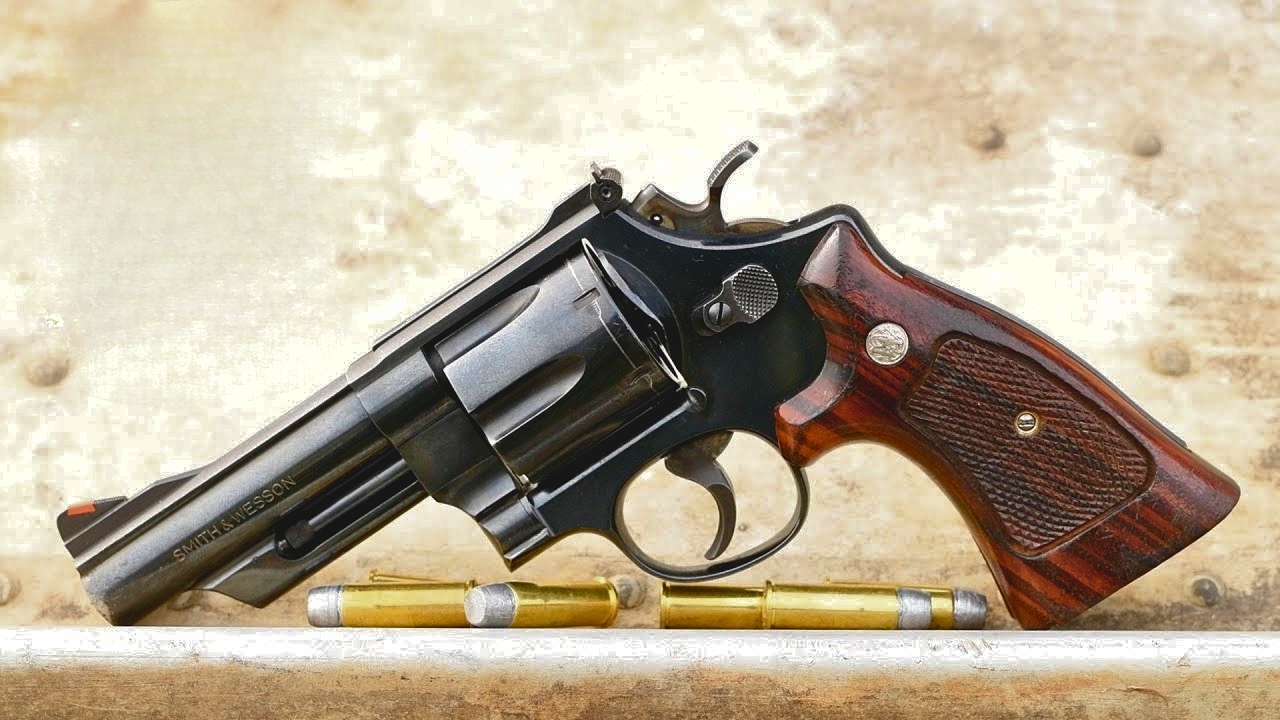
The classic .44 Magnum that put a lot of folks onto the idea of a serious woods revolver. With the right grips and a decent holster, it carries better than you’d think for its size, but it is still a chunk of steel.
Where it shines is controllability with real hunting-weight loads and a trigger that can be excellent if you get a good one. Older examples have a feel that is hard to fake. The downside is you will pay for a clean Model 29 now, and you’ll baby it more than a working gun deserves.
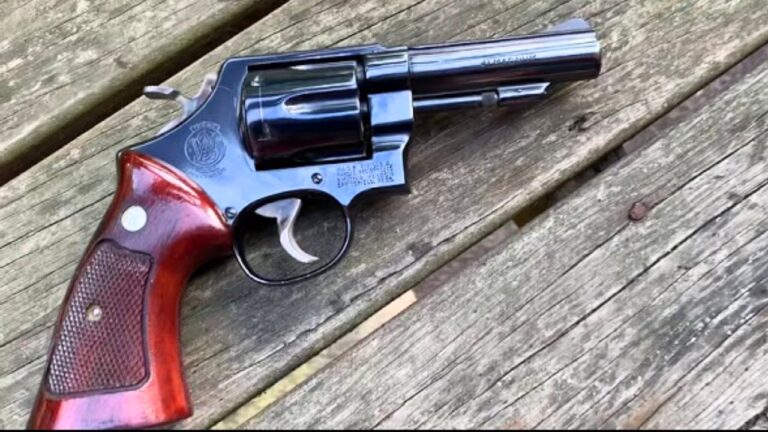
2. Smith & Wesson Model 629
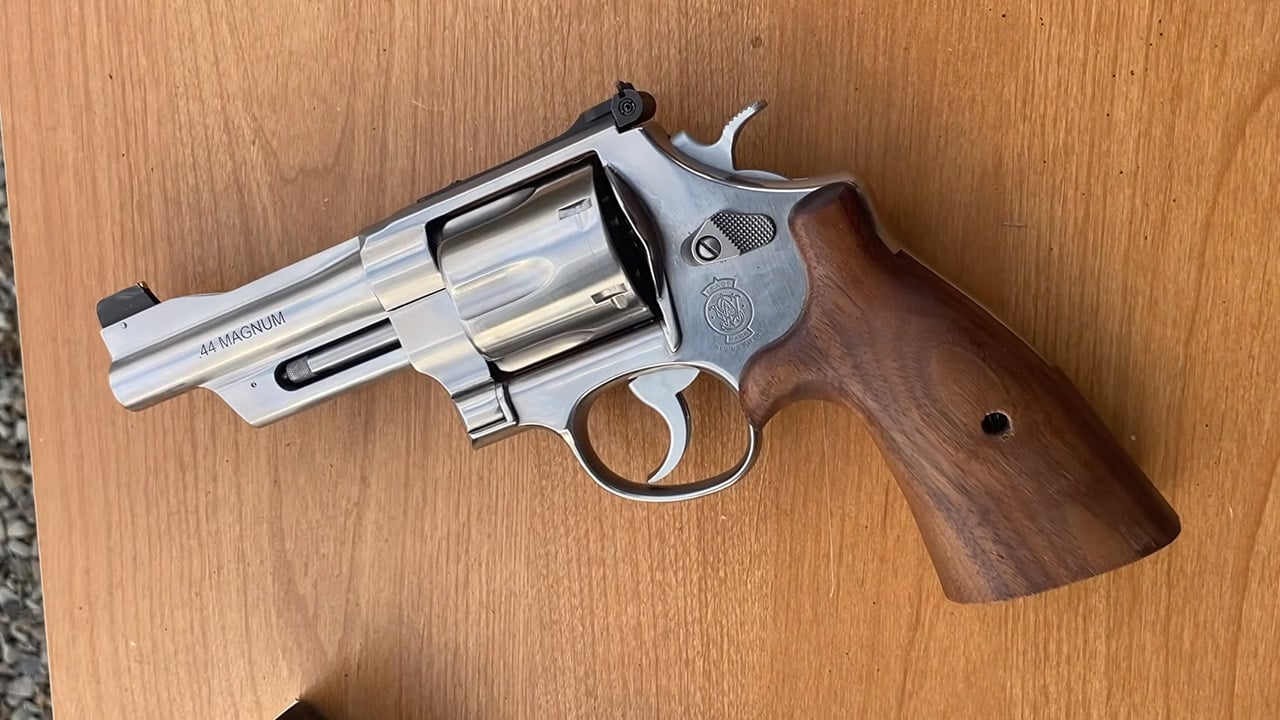
Same basic idea as the 29, but stainless, which matters when you’re living in wet alder tangles and everything you own smells like rain. A 629 in a chest holster disappears under a bino harness and stays accessible when you’re wearing a pack.
It’s also one of those guns that “just makes sense” if you’re going to actually carry it for seasons, not pose with it once. The recoil with full-house .44 Magnum is still real. Anyone telling you otherwise is either tougher than me or lying.
3. Ruger Redhawk
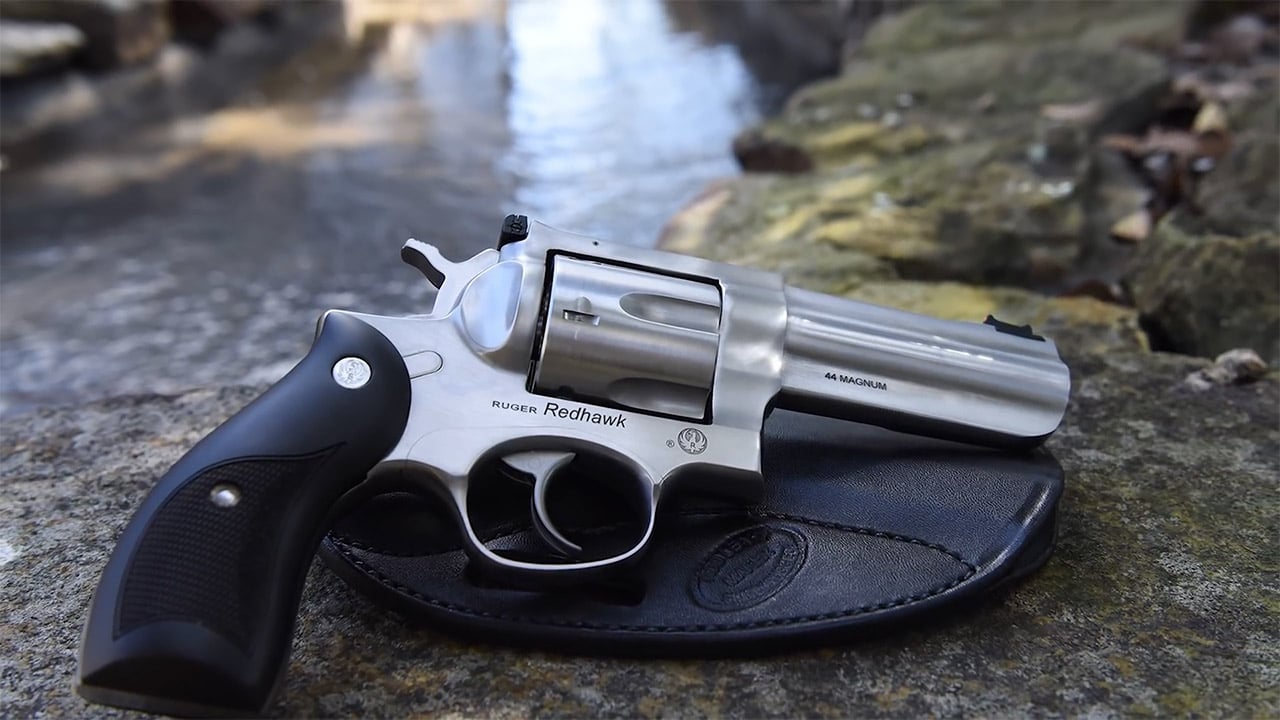
The Redhawk is not graceful, and that is exactly why it’s here. It’s overbuilt, it digests heavy loads, and it does not act precious when it gets knocked around getting in and out of a boat or climbing deadfall.
The factory trigger can be a little stiff compared to a good Smith, but it’s predictable, and predictable matters under stress. If you’re the type who shoots a lot of hard-cast .44 Magnum, this is the revolver that won’t make you feel like you’re slowly beating it to death.
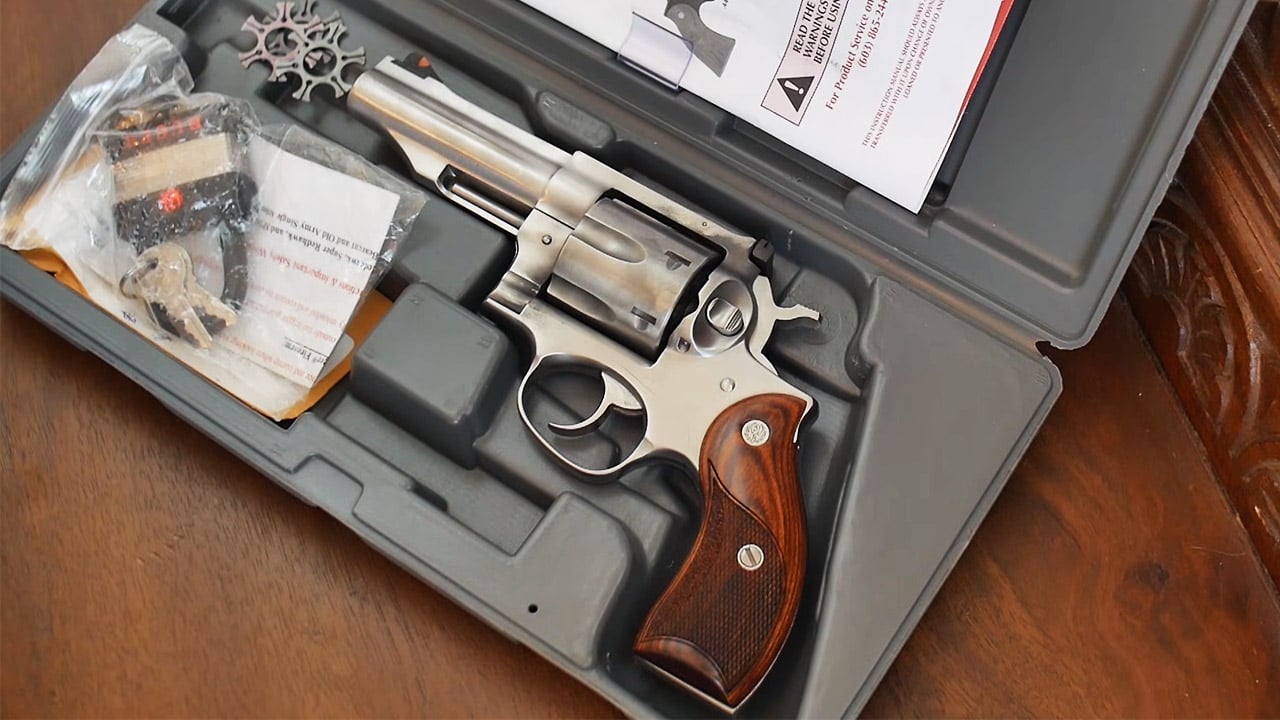
4. Ruger Super Redhawk Alaskan
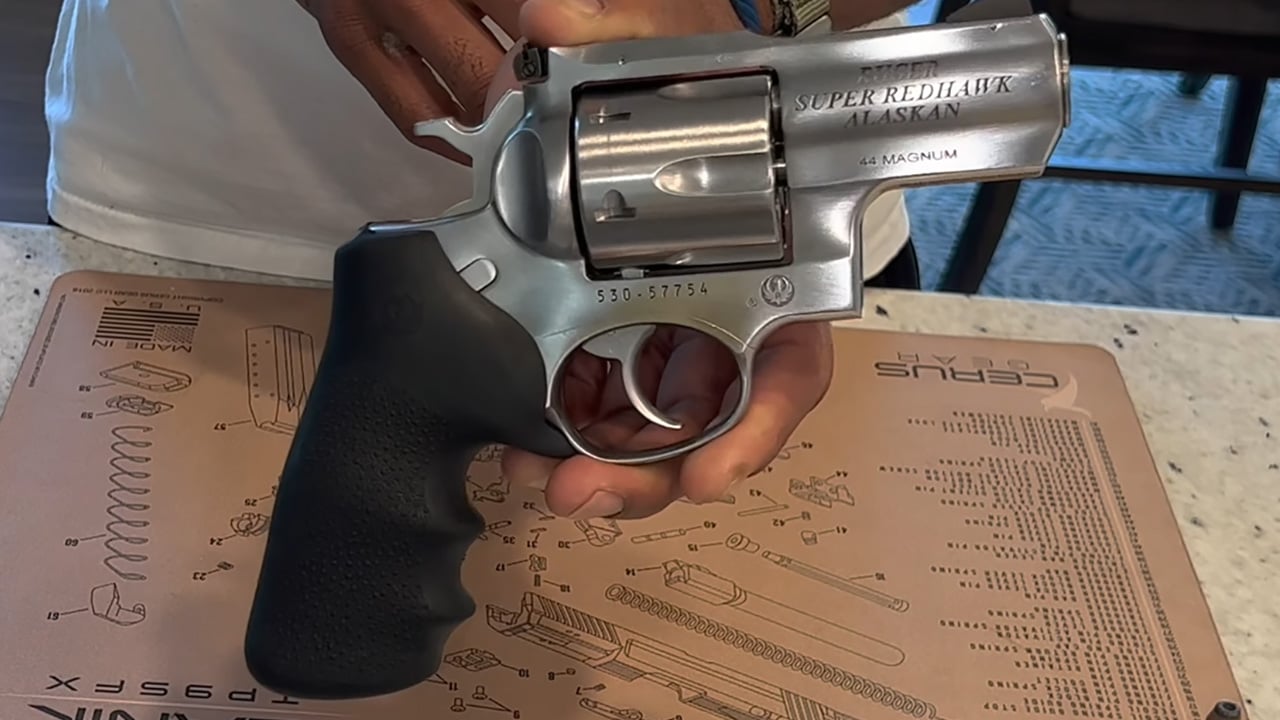
Short barrel, big cylinder, and an attitude problem. The Alaskan is one of the few big-bore revolvers that actually makes sense to carry all day because it doesn’t jab you in the ribs like a long-barrel hunting gun.
You give up sight radius and velocity, sure. But for a defensive revolver that might come out at bad-breath distance, the priority is “draws clean and points fast,” not “prints tiny groups at 50.” It’s a handful, though. You need to practice, not just own it.
5. Ruger Blackhawk (in .41 Magnum or .45 Colt)
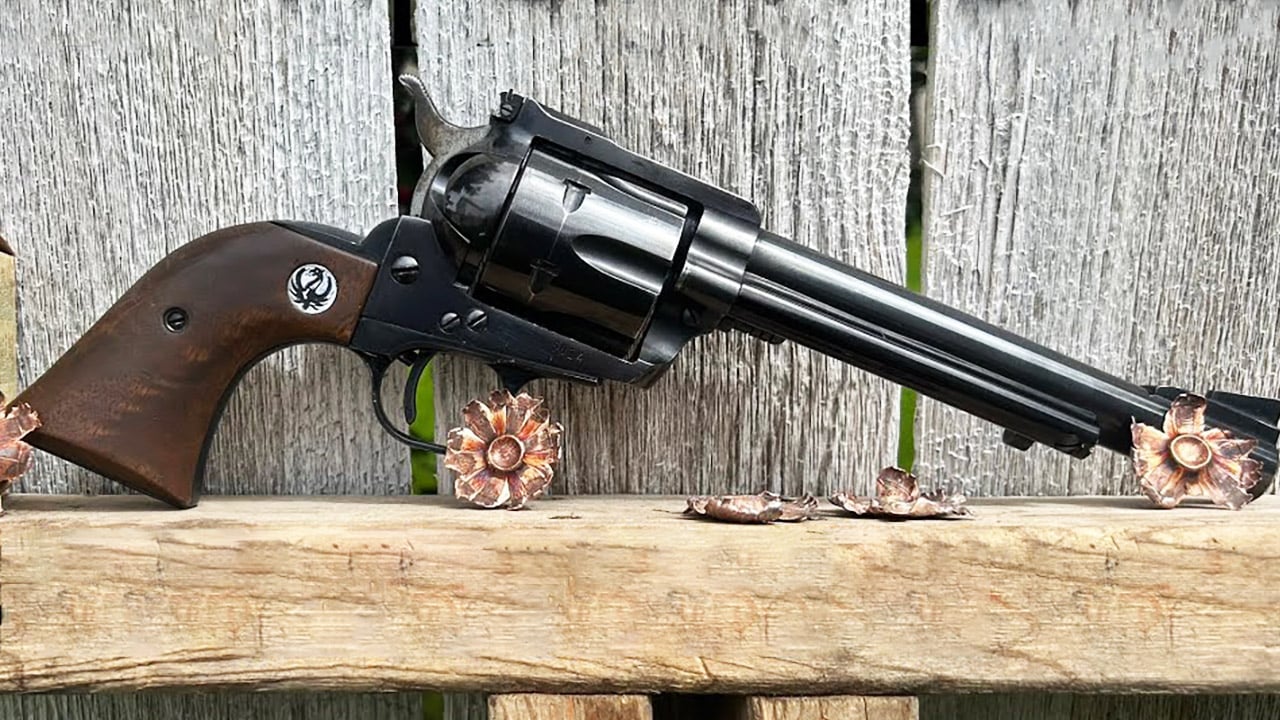
Single-actions still ride on plenty of belts out West, especially with hunters who grew up with them and shoot them well. A Blackhawk is simple, tough, and it carries flatter than many double-actions in the same power class.
It’s not as quick to reload, and that matters to some folks. But for the guy who wants a steady, accurate revolver that can push heavy bullets, the Blackhawk keeps getting the nod. If you know, you know.
6. Ruger Super Blackhawk

If your idea of a “woods gun” leans more toward hunting revolver than emergency backup, the Super Blackhawk has been doing that job forever. Long barrels balance well, and they shoot like they mean it.
It’s not the most convenient carry in thick brush, and it’s not the fastest gun to run. Still, it’s one of those revolvers that builds confidence because it feels like a real piece of iron, not a delicate mechanism.
7. Ruger GP100 (in .357 Magnum)
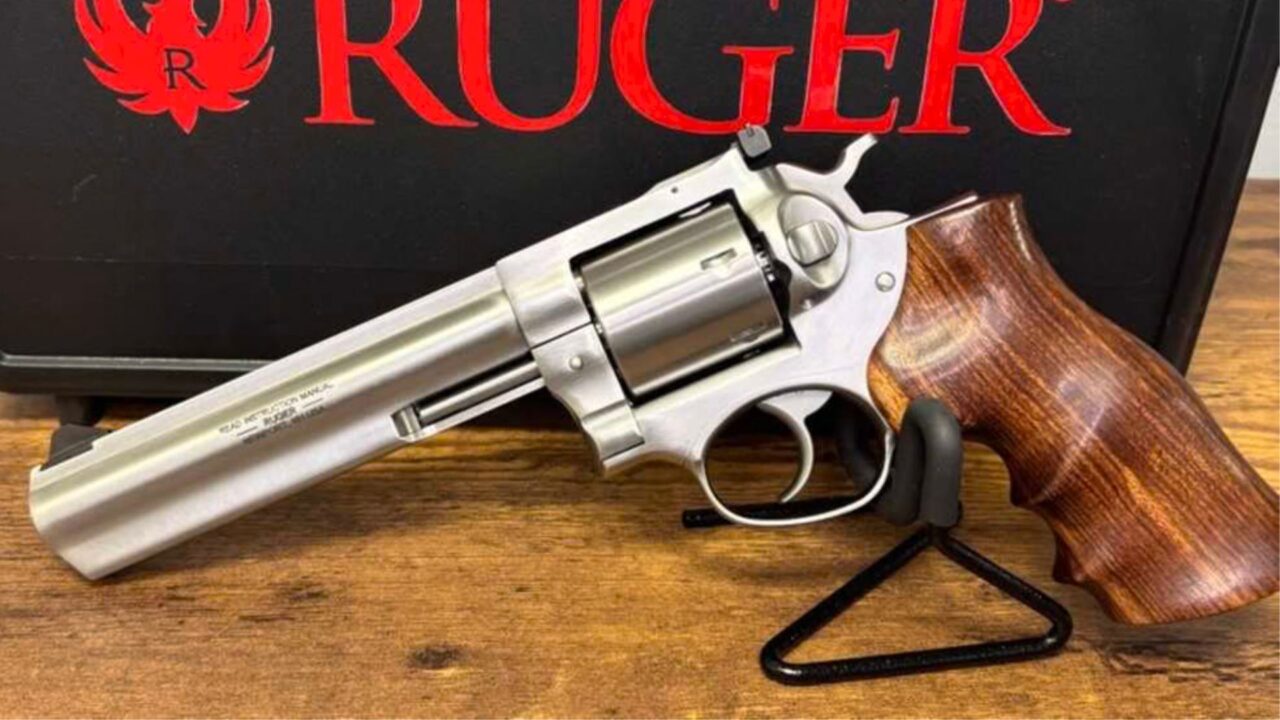
Not everybody wants a cannon, and not everybody can shoot one well. A GP100 with stout .357 loads is a very realistic choice for hunters who actually practice and want a revolver that’s easy to live with.
The GP100 is durable, easy to maintain, and the grip options are endless. Is it a .44? No. But if a revolver is the one you’ll actually carry and actually shoot, that counts for a lot.
8. Ruger SP101 (2.25-inch .357 Magnum)
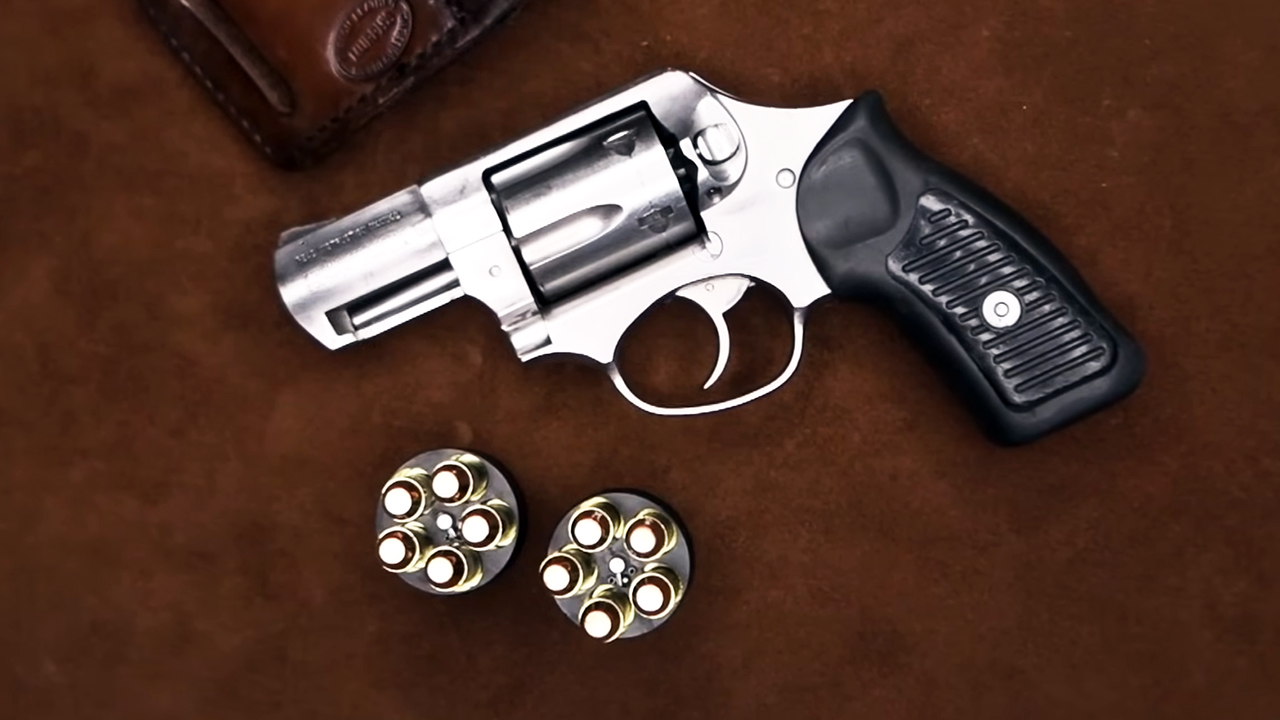
This is one of those “it’s with me more than anything else” revolvers. The SP101 is compact enough to disappear on the belt, and tough enough that you don’t worry about it, which is the whole point of a trail gun.
Full-power .357 in a small gun is snappy. You’ll feel it. But with a good holster and a little common sense, it’s a legitimate option for folks who prioritize carry comfort and constant access.
9. Smith & Wesson Model 686
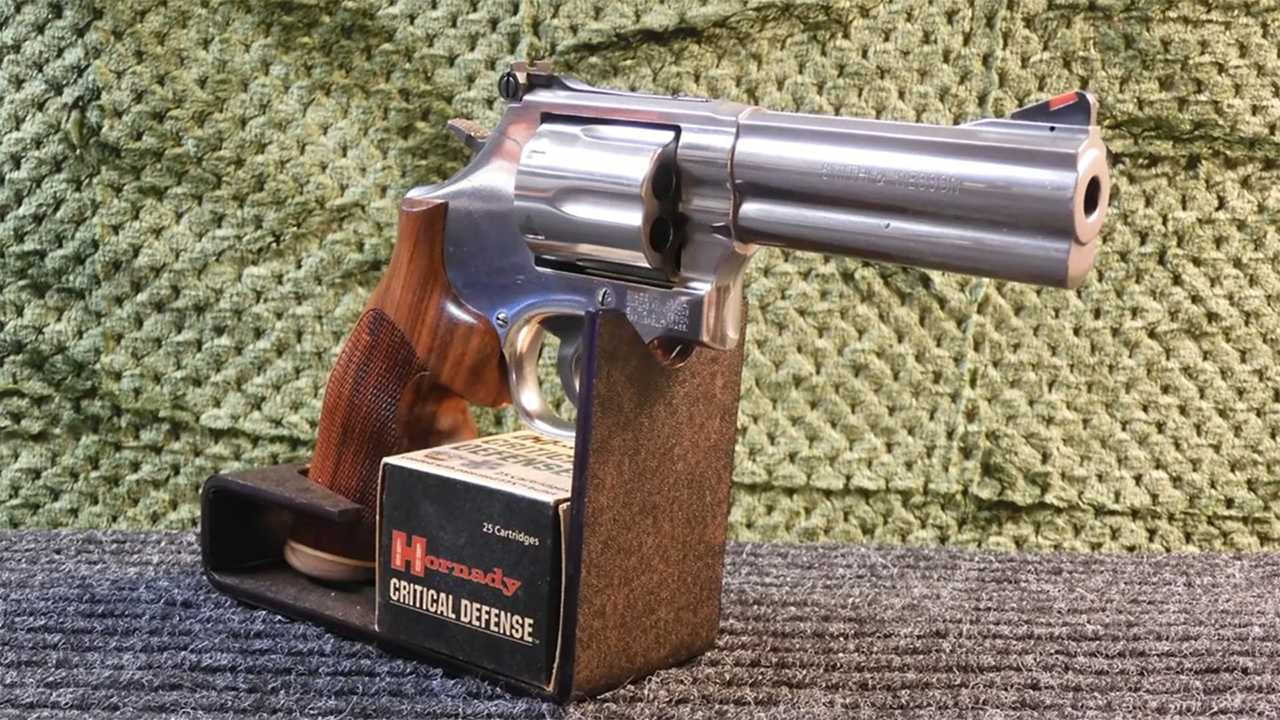
The 686 is a classic .357 for a reason. It points naturally, the trigger can be excellent, and the whole package feels “finished” in the way good Smiths do.
As a bear-country revolver, it’s usually carried by hunters who trust heavy .357 loads and value shootability. You can run it fast, you can hit with it, and it doesn’t beat you up in practice. That means you practice more. Ask me how I know.
10. Smith & Wesson Model 19
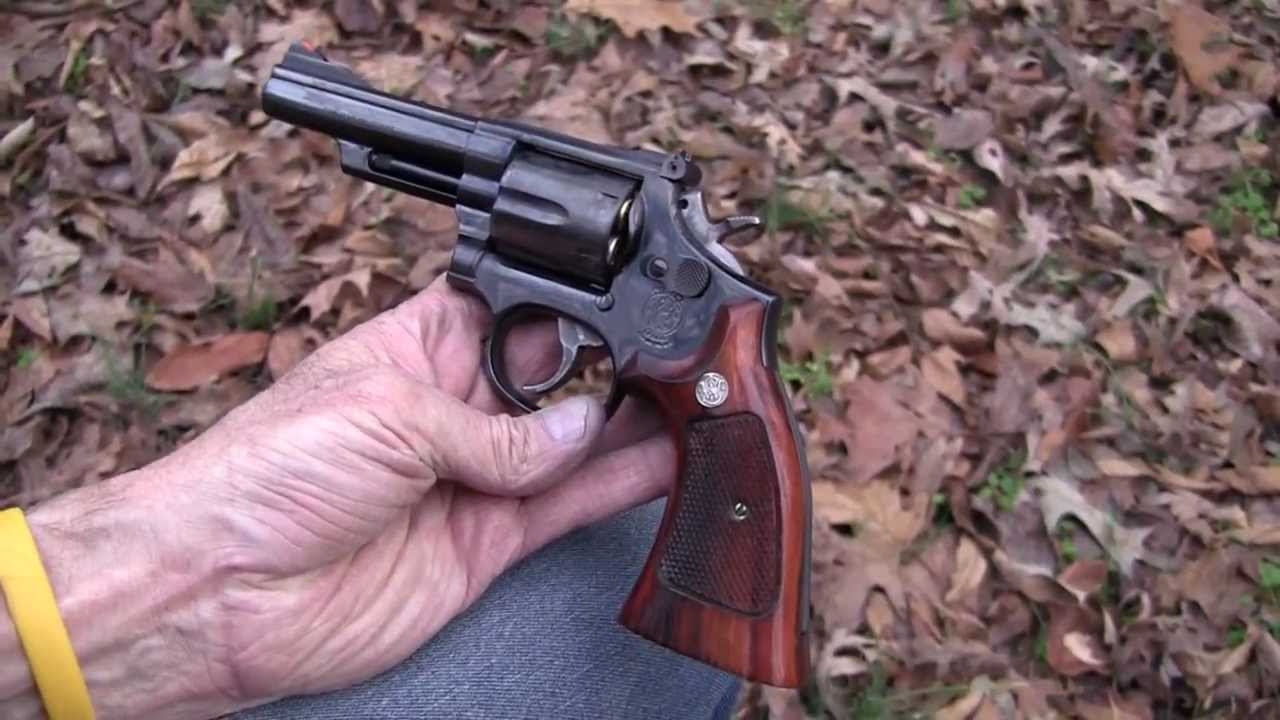
The Model 19 is lighter and handier than a lot of modern options, and it carries like it belongs there. Plenty of old-timers still strap one on because it’s familiar and it shoots where they look.
I’ll say it: it’s not the revolver I’d pick for a steady diet of the hottest .357 loads. But as a practical woods companion with sensible ammo choices, it has decades of real use behind it.
11. Smith & Wesson Model 66
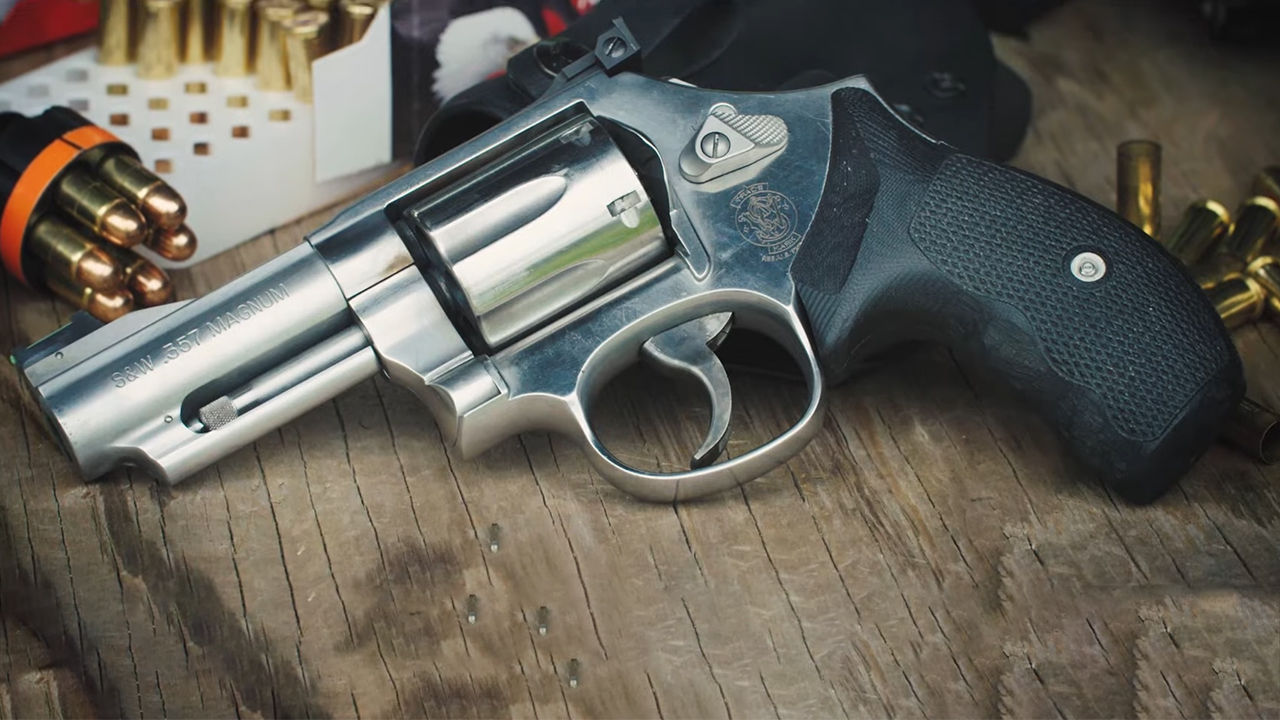
Think Model 19, but stainless. For wet climates, that’s a big deal, and it’s why the 66 keeps showing up in camp photos and on hip holsters that have seen better days.
It’s a great balance of size, weight, and shootability. If your bear-country hunting looks like long hikes, river crossings, and nonstop rain, stainless isn’t a luxury. It’s just smarter.
12. Colt Python (older blued guns)

Yes, the Python is famous, and yes, it’s expensive. But it also has a smoothness that is hard to explain until you run one in double-action and realize you’ve been working too hard with other revolvers.
Would I buy one today strictly as a working bear-country gun? Probably not. I’d be too worried about banging up something that costs what a decent rifle costs. Still, plenty of hunters carried them when they were “just a revolver,” and they did fine.
13. Colt Anaconda
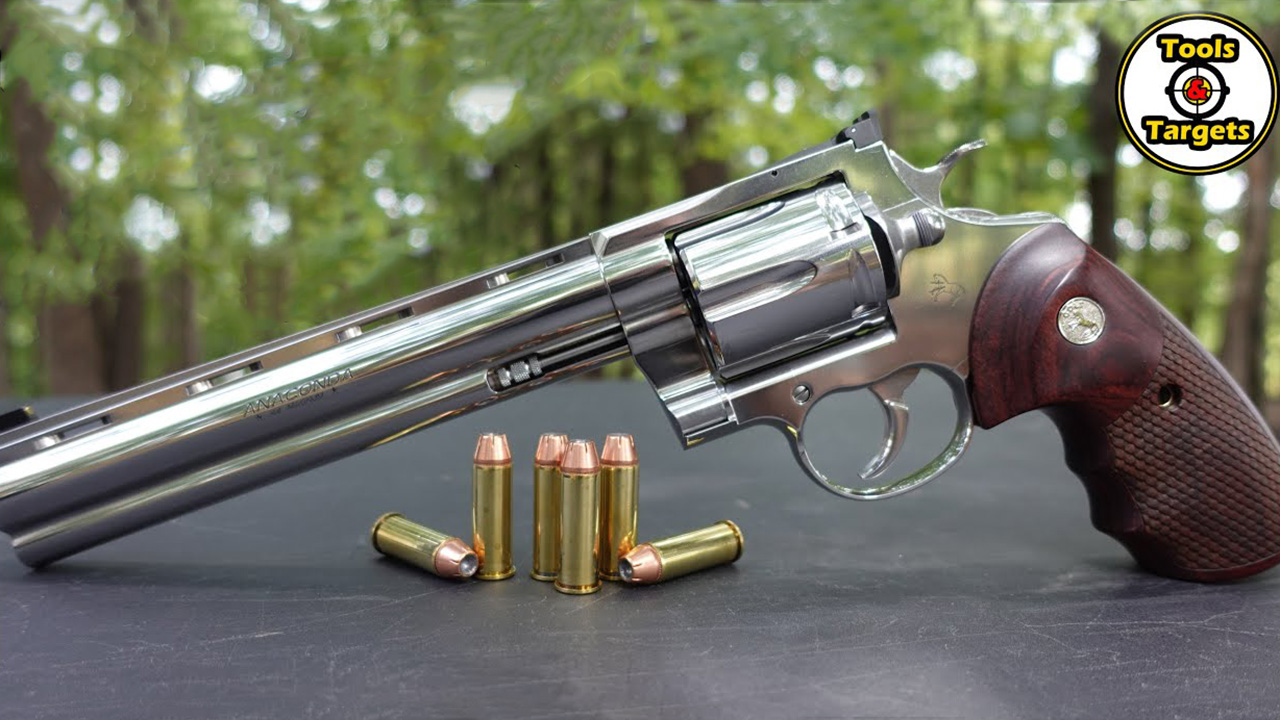
The Anaconda is Colt’s big-frame answer for .44 Magnum, and it has a loyal following among folks who like Colt lockwork and Colt feel. It’s a serious revolver, not a novelty.
It’s also not as common in the wild as Ruger or Smith, which can matter for holsters and parts. But the ones that are out there tend to be owned by people who shoot them and trust them, not safe queens.
14. Dan Wesson Model 44 (44 Magnum)
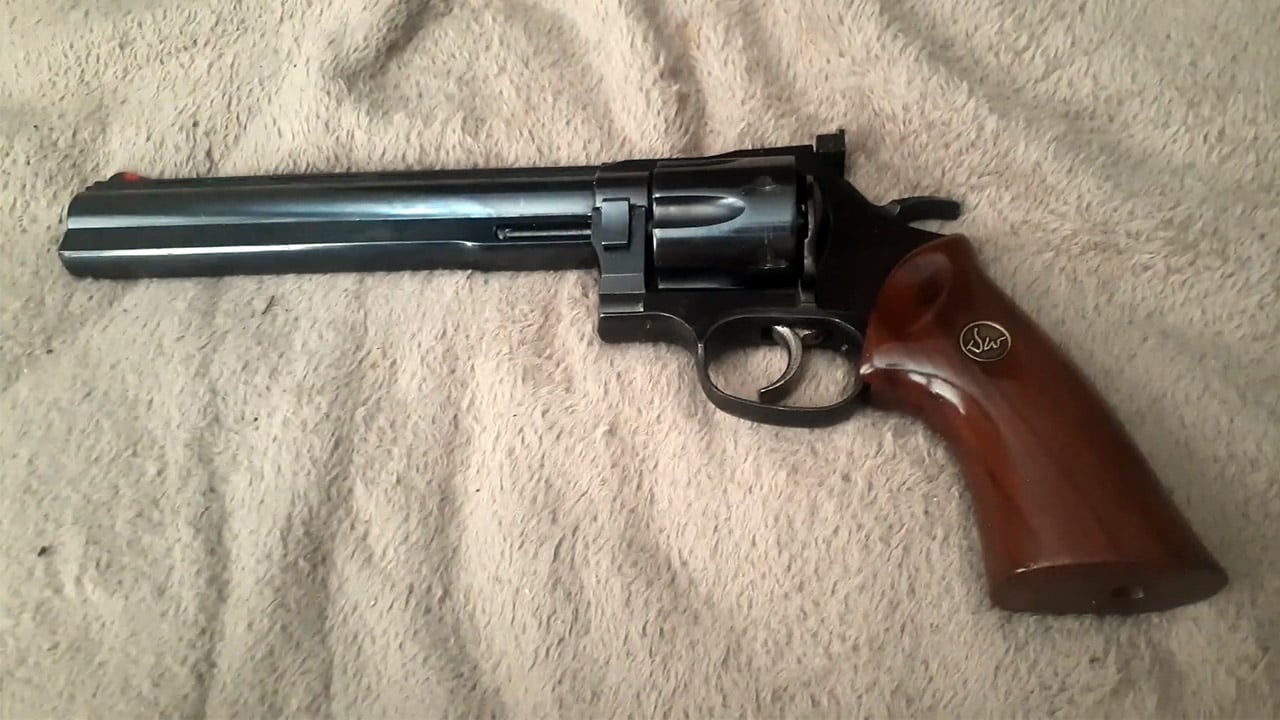
Dan Wesson revolvers have always been a bit of an insider pick. They’re strong, accurate, and built with a mindset that feels more “tool” than “showpiece.”
You don’t see them on every gun counter, but you do see them with hunters who stumbled into a good one and never let it go. The barrel system and overall build quality earned a lot of loyalty back when other brands had more ups and downs.
15. Taurus Raging Bull (in .44 Magnum)
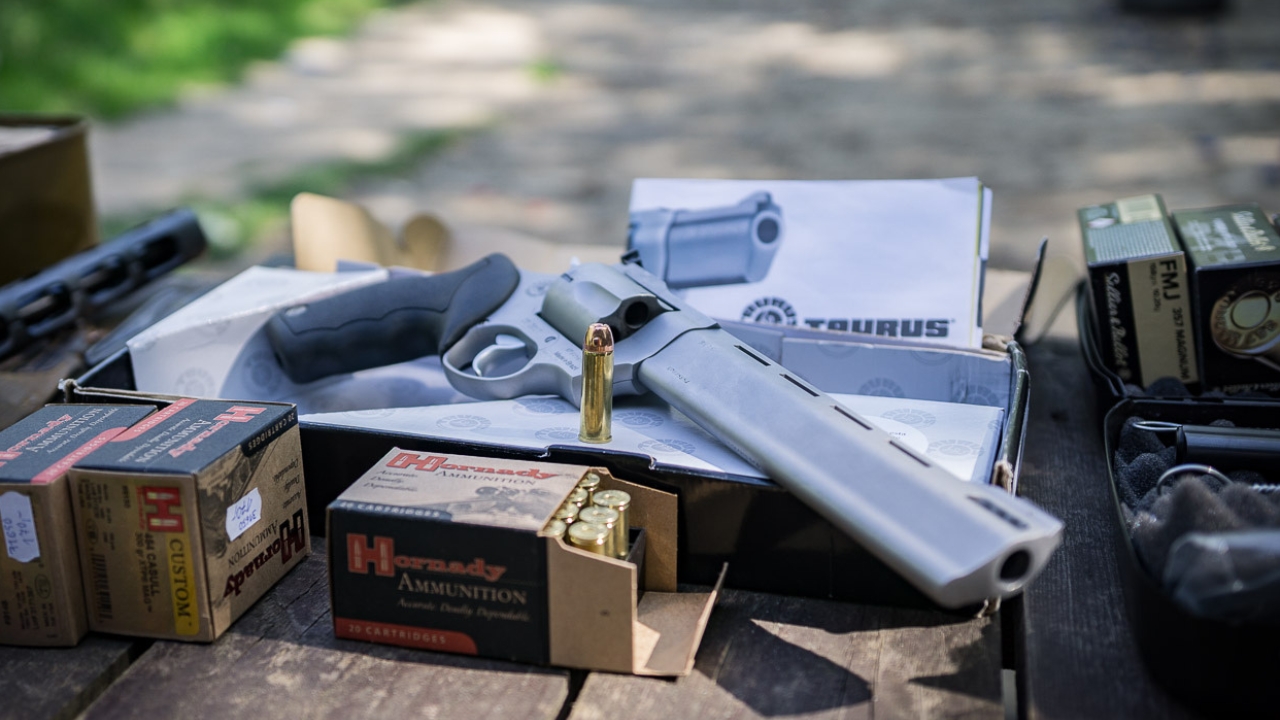
Here’s the honest version: Taurus is a brand that divides folks. But the Raging Bull has been carried and used, and some individual guns have proven themselves over years of hard shooting.
The grip and porting can make it more manageable for shooters who struggle with recoil. If you’ve got one that runs and you’ve vetted it with your chosen load, it can be a workable option. I still wouldn’t buy one sight-unseen and assume it’s perfect.
16. Ruger Security-Six

The Security-Six is one of those revolvers that got carried a ton, got used a ton, and somehow keeps going. It’s not trendy, it’s not fancy, and it’s easy to overlook until you actually handle one.
As a woods revolver, it’s a practical size with real durability. If you find a clean one that locks up right, it’s the kind of gun that ends up becoming “the one that’s always there.”
17. Smith & Wesson Model 57

The .41 Magnum crowd is a special bunch, and I get it. The Model 57 shoots flatter than you’d expect, hits hard, and often feels a little more controllable than comparable .44 Magnum setups for certain shooters.
Ammo availability can be the headache, especially in small towns where shelves are thin. But if you reload or keep a stash, the Model 57 is a legit bear-country revolver that doesn’t get talked about enough anymore.
18. Ruger Super Redhawk (7.5-inch .44 Magnum)

This is the “I might actually hunt with it” version of Ruger’s big double-action. With the longer barrel, it steadies well, and it’s easier to wring accuracy out of than the short guns.
It’s also heavy. No way around it. But that weight helps when you’re shooting full-power loads, and it soaks up recoil in a way lighter revolvers just can’t.
19. Smith & Wesson Model 500
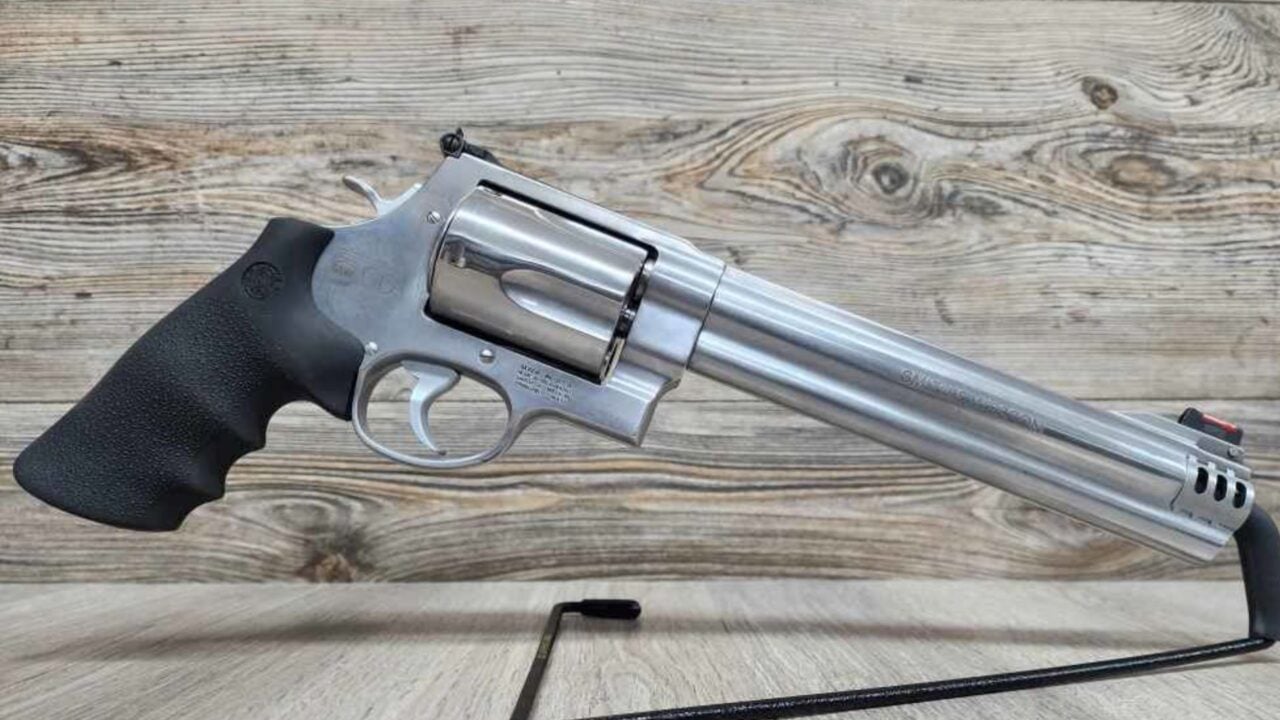
Yes, it’s ridiculous. Also yes, it has a real place for some hunters. The .500 S&W is more power than most folks need, but it’s not a gimmick if you can shoot it and you’re willing to carry it.
Here’s the thing: owning one is easy, practicing with it is the expensive part, and flinching is common. If you’re going this route, you need to be honest about your skill level. There is nothing wrong with choosing something you can run well.
20. Ruger Bisley Blackhawk (in .45 Colt)

The Bisley grip frame exists for a reason: control. With heavy .45 Colt loads in a strong revolver, that shape can make the difference between “manageable” and “I hate this thing.”
It’s a single-action, so it’s not everyone’s first pick for defensive work. But for hunters who know their way around one and want a powerful, accurate revolver that carries surprisingly well, it keeps earning its keep season after season.
None of these revolvers replace good bear habits, and none of them fix bad decisions in the field. The common thread is simple: they’ve been carried hard, shot enough to trust, and kept because they work. Pick the one you’ll actually strap on every day, feed it the right ammo for your situation, and then go practice until running it is as normal as shouldering your rifle.
Like The Avid Outdoorsman’s content? Be sure to follow us.
Here’s more from us: