Photo credit: NRApubs/YouTube
A rifle does not need a magnum chambering to beat you up. Sometimes the problem is not the cartridge at all. It is the way the rifle is built around it. Light overall weight, thin barrels, hard recoil pads, lively stock geometry, and narrow butt profiles can make an ordinary deer round feel sharper than it should. On paper, two rifles in the same caliber should feel similar. In the shoulder, that is often not how it plays out.
If you have hunted long enough, you have probably run into one. A rifle that looks handy, carries great, and shoots well enough, but somehow snaps you harder than another rifle chambered for the exact same cartridge. That does not always make it a bad rifle. It does mean the design asks more of you than expected. These are the rifles that tend to kick harder than they need to for the caliber, even when the chambering itself is not the real issue.
Ruger American Rifle

The Ruger American earns a lot of praise for value, accuracy, and plain usefulness, but some versions can surprise you on recoil. In standard deer chamberings, the cartridge itself is not the problem. The issue is that the rifle is often light, the stock is fairly basic, and the overall feel does not soak up much of the shot. That can make a common round like .308 Winchester feel sharper than it does in a heavier rifle with a better pad and more mass.
You notice it most from the bench, where that quick, abrupt push feels less forgiving than you expected. In the field, it may not matter as much on one shot at game, but at the range it can wear on you faster than it should. The rifle works, and works well, but it is a good example of how a budget, lightweight setup can make ordinary calibers feel less friendly than they ought to.
Tikka T3x Lite

The Tikka T3x Lite is respected for accuracy and smooth function, but it also has a habit of letting you know exactly how little it weighs. That is part of the appeal when you are climbing ridges or covering ground all day. It is less appealing when you settle in behind one chambered in something like .30-06 or .308 and realize the recoil has more sting than the cartridge usually carries in a heavier hunting rifle.
That sharpness is not because the Tikka is poorly made. It is because light rifles move more when the shot breaks, and the T3x Lite was built to stay trim. Add in a stock shape that does not always soften the hit for every shooter, and you can end up with a rifle that feels snappier than its chambering suggests. It is a very good rifle. It simply reminds you that portability and comfort rarely come free.
Remington Model 700 Mountain Rifle

The Remington 700 Mountain Rifle built its reputation on being easy to carry, and in steep country that matters. The tradeoff is that it can be a surprisingly lively rifle when the trigger breaks. In moderate chamberings, it often feels quicker and sharper than a standard-weight Model 700 because there is less rifle there to absorb the shot. That is especially noticeable in cartridges people normally think of as manageable.
A lot of hunters loved the Mountain Rifle because it handled beautifully in the woods and on the climb, but many also learned that range sessions could get old faster than expected. The rifle was never meant to be a heavy bench gun, and you feel that immediately. It is a classic example of a hunting rifle that carries like a dream and shoots accurately enough, yet still kicks a little harder than the caliber alone would lead you to believe.
Winchester Model 70 Featherweight

The Model 70 Featherweight has real appeal. It carries easily, shoulders well, and brings the kind of classic hunting-rifle feel a lot of shooters still prefer. But that lighter build can also make familiar chamberings feel a little more abrupt than they do in a standard Model 70. A cartridge like .270 Winchester or .30-06 does not usually sound punishing on paper, yet in a lighter rifle with less mass behind it, the recoil gets your attention sooner.
That is not a flaw so much as the cost of the design. The Featherweight was built to be handier than the full-weight rifle, and handier almost always means less recoil absorption. If you shoot one from field positions, it is often no big deal. If you spend time on the bench, you may start noticing that the rifle has more bite than the caliber really needs. It is elegant, useful, and sometimes sharper than expected.
Kimber 84M Montana

The Kimber 84M Montana is exactly the kind of rifle that makes sense in your hands and then talks back when you fire it. It is light, trim, and built for hunters who value carrying comfort more than benchrest manners. In short-action cartridges like .308 Winchester or 7mm-08, you might expect recoil to stay mild. Instead, the rifle’s low weight can make those chamberings feel fast and abrupt compared with heavier rifles shooting the same loads.
That is the price of a rifle built to disappear on your shoulder during a long day afield. The Montana was never trying to be a soft-shooting range companion. It was built to be carried far and shot when needed. That works, but it also means recoil tends to come straight back with more authority than many shooters expect the first time they touch one off. Handy rifles earn loyalty. They also often earn a sharper recoil pulse.
Kimber 8400 Montana

The Kimber 8400 Montana takes the same basic lightweight hunting idea and scales it into longer-action and harder-kicking cartridges, which is where the recoil issue becomes harder to ignore. Even in non-magnum chamberings, the rifle can feel lively because there is simply not much extra weight there to calm things down. That can make cartridges that feel reasonable in other rifles seem more aggressive than expected once the Montana sends one home.
A rifle like this makes a lot of sense if you hunt steep, rough country and truly value every ounce. But if you judge it by comfort at the bench, you may come away wondering why the chambering feels meaner than it should. The answer is simple: light rifles recoil faster. The 8400 Montana is a serious hunting tool, but it is one of those rifles that proves you can make a normal cartridge feel a lot less normal by stripping the platform down too far.
Browning X-Bolt

The Browning X-Bolt carries well and looks the part of a trim, modern hunting rifle, but it can feel a little brisk when fired in common deer calibers. The rifle is not extreme in weight, yet it is light enough that a chambering like .270 Winchester or .30-06 can produce a sharper recoil impression than many hunters expect from those rounds. It is one of those cases where the rifle is pleasant to tote and slightly less pleasant to bench.
Some of that comes from the rifle’s lively feel and relatively light hunting build. When you cut weight and keep the rifle quick in the hands, the shot has fewer pounds to move around. That does not make the X-Bolt a hard-kicking rifle in absolute terms. It does make it a rifle that can feel a little punchier than a heavier bolt gun in the same caliber. For some shooters, that difference shows up immediately.
Browning A-Bolt Micro Hunter

The Browning A-Bolt Micro Hunter was built to be compact and easy to manage, especially for smaller-framed shooters and hunters who wanted a shorter rifle. The catch is that short, light rifles can get snappy fast, even in chamberings that normally feel moderate. A reduced overall package can make a cartridge like .243 Winchester or .308 feel quicker and sharper than expected, especially when stock dimensions do not spread recoil as gently as a longer, heavier setup.
That is why compact rifles can be deceptive. They look friendly because they are smaller, but smaller does not always mean softer. The Micro Hunter was handy and fast in thick cover, which made it attractive in the field. On the bench, though, some shooters learned that a light, short rifle can punch above its weight in recoil feel. It is a good reminder that rifle fit and overall mass matter just as much as the caliber stamped on the barrel.
Ruger M77 Ultralight

The Ruger M77 Ultralight has long appealed to hunters who want a rifle that carries like almost nothing. That part it does well. The other side of that bargain is recoil that can feel sharper than expected, even when the chambering is not especially intimidating. In rifles this light, a common round such as .270 Winchester or .30-06 takes on a quicker, more abrupt character than it would in a standard sporter with a little more steel and walnut.
That does not mean the rifle is unpleasant for everybody. It does mean you feel the tradeoff immediately if you shoot from a bench or spend time practicing in longer strings. The Ultralight was built for one or two careful hunting shots, not leisurely range sessions. If you keep that in mind, it makes sense. If you judge it by comfort alone, you may come away thinking the rifle hits harder than the cartridge has any right to.
Remington Model Seven
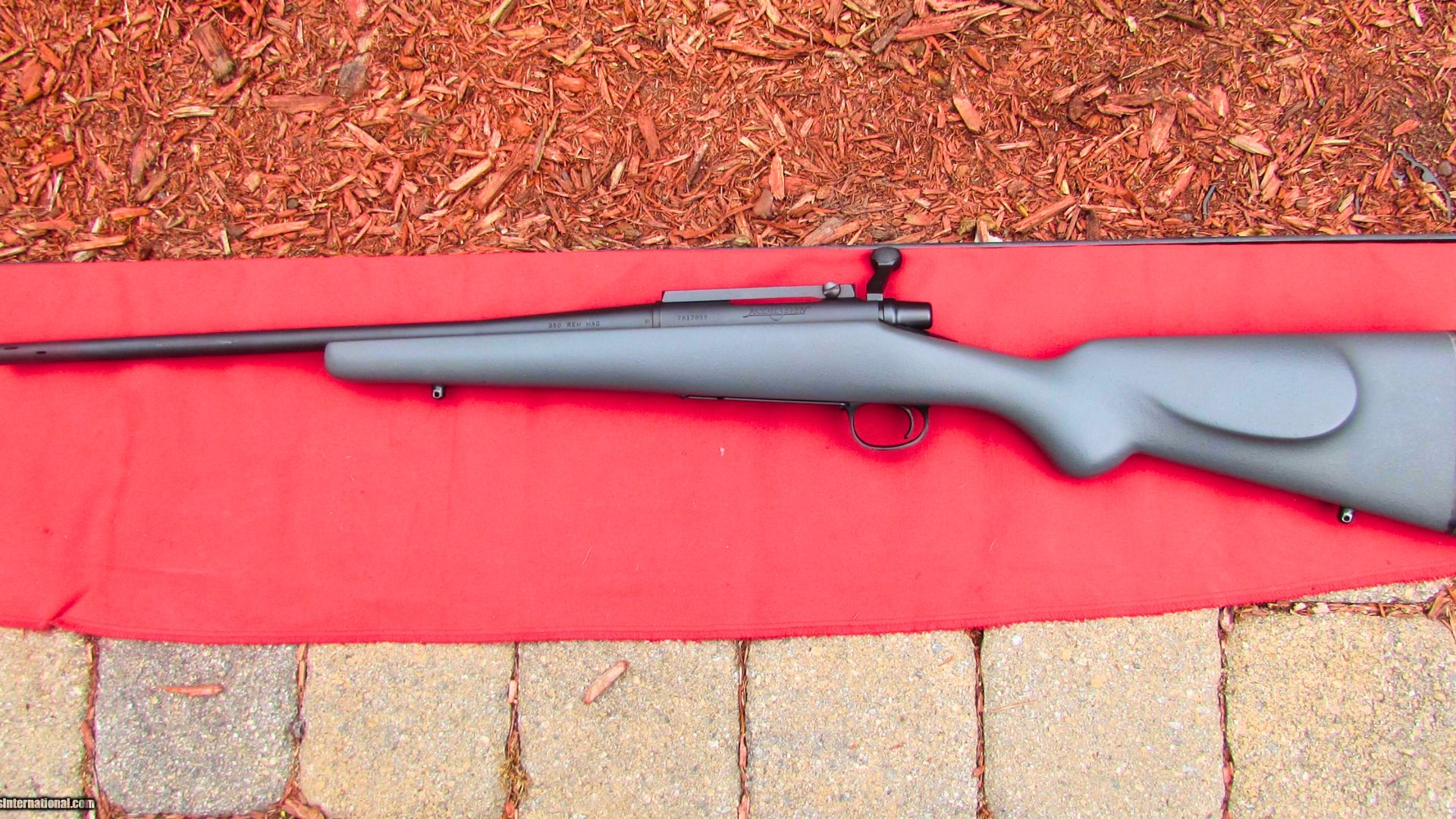
The Remington Model Seven is one of those rifles that gets a lot right in the field. It is short, quick, and easy to carry in brush, stands, and broken country. But because it is a compact, lighter rifle, it can make moderate chamberings feel a little more abrupt than they do in a full-size Model 700. That shows up most clearly in rounds like .308 Winchester, where the cartridge is not severe, but the rifle still manages to feel sharp.
Part of the reason is simple physics. The Model Seven trims weight and length, which helps handling and hurts recoil comfort. A smaller rifle gives you less material to absorb movement, and the result is a faster shove into the shoulder. Plenty of hunters accept that trade without complaint because the rifle works where it matters. Still, if you have ever shot one beside a heavier rifle in the same caliber, you probably noticed the difference right away.
Winchester Model 70 Extreme Weather SS

The Model 70 Extreme Weather SS is built as a tough, weather-ready hunting rifle, and it does that job well. But because it trims weight while staying geared toward mountain and rough-weather use, it can feel more lively than its chamberings might suggest. In cartridges like .30-06 or .300 WSM, the recoil often feels quicker than it does in heavier, more traditional rifles that carry more mass out front and settle the shot a little better.
That does not make it excessive for what it is. It makes it honest. A rifle designed for hard country usually gives up some shooting comfort in exchange for easier carry. The Extreme Weather SS is a practical tool, but it is also a good example of how even a solid, premium hunting rifle can kick harder than expected when the design leans toward portability. The chambering may be familiar, but the rifle can make it feel more energetic than usual.
Savage 110 Lightweight Hunter
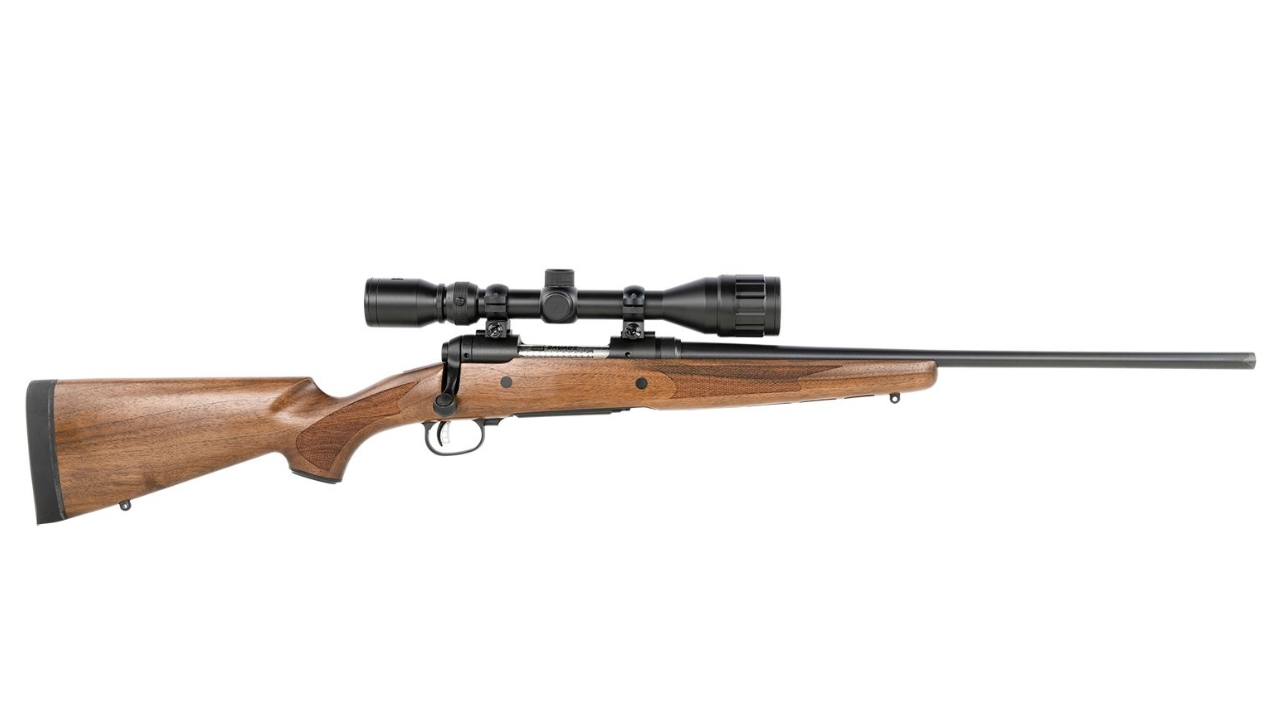
The Savage 110 Lightweight Hunter does exactly what its name suggests: it cuts weight for hunters who care more about miles than bench comfort. That makes sense in the field, but it also means recoil tends to feel sharper than it should for the caliber. A familiar chambering in a rifle this light can develop a quick snap that surprises shooters who are used to heavier 110 variants or more traditional sporters with a little extra heft.
You notice that difference when you compare it side by side with a standard hunting rifle. The cartridge has not changed, but the rifle moves faster, and your shoulder gets a clearer message. The Lightweight Hunter still offers the practical benefits that make it attractive: easy carry, good handling, and useful accuracy. But it also proves a common point that lightweight rifles keep teaching over and over. If you shave pounds off the gun, you usually add felt recoil back in.
Weatherby Mark V Ultra Lightweight

The Weatherby Mark V Ultra Lightweight is built for hunters who want premium construction in a rifle that does not drag them down in steep country. That combination is appealing, but it can come with a sharp recoil pulse even in chamberings that are not supposed to feel brutal. When you take a rifle this light and pair it with a faster standard cartridge, the result can feel more abrupt than many shooters expect from the chambering alone.
That is especially true because lightweight rifles tend to recoil not only harder, but faster. The push becomes a snap, and that changes how your shoulder reads it. The Ultra Lightweight is not pretending to be a soft, range-friendly sporter. It is built to be carried far and shot when it counts. Still, if comfort is a priority, it can surprise you. It is a very good example of a rifle that makes ordinary calibers feel less ordinary the moment the shot breaks.
Sako Finnlight

The Sako Finnlight has earned respect as a serious lightweight hunting rifle, and with good reason. It is trim, well made, and easy to carry in the kind of terrain where heavy rifles get old fast. But light rifles have a habit of speaking plainly under recoil, and the Finnlight is no exception. In everyday hunting chamberings, it can feel punchier than a heavier Sako or another full-weight bolt gun firing the exact same cartridge.
The reason is not mysterious. A lighter rifle gives recoil less mass to work against, so the movement feels quicker and more direct. For a rifle built around mountain and all-weather practicality, that is a reasonable trade. You are getting portability in exchange for a little more shoulder punishment. Most hunters who buy one accept that. Still, if you go in expecting the caliber alone to tell you how it will feel, the Finnlight can wake you up.
Barrett Fieldcraft

The Barrett Fieldcraft was built around the idea of an ultralight, highly portable hunting rifle, and it absolutely delivered on that front. The downside is the same one that follows nearly every rifle in this class: recoil feels sharper than the chambering would suggest. In standard cartridges, the rifle can be more abrupt than many shooters expect simply because there is so little weight there to smooth out the shot.
That does not make the Fieldcraft a bad rifle. It makes it specialized. If your priority is carrying a rifle all day in steep or remote country, the design makes sense. If your priority is comfort during long range sessions, you will probably notice its limits quickly. The Fieldcraft handles like a rifle built for serious hunting, and that is exactly what it is. But like many ultralights, it turns moderate calibers into firmer reminders that physics does not care about marketing.
CZ 557 Carbine

The CZ 557 Carbine is a handy, compact hunting rifle with a shorter overall profile that many shooters find appealing in the woods. That handiness, though, can come with a sharper recoil feel than you might expect from the cartridge. Carbines tend to carry less weight and often direct recoil into the shoulder a little more abruptly than longer, heavier rifles. In moderate chamberings, that can make the rifle feel more lively than the caliber has any reason to.
That is part of the trade with carbines in general. They move fast, carry well, and point naturally in tight cover, but they often give you a little more kick in return. The 557 Carbine fits that pattern. It is not a punishing rifle, but it can feel snappier than a standard-length sporting rifle in the same chambering. If you have ever wondered why a familiar round suddenly feels sharper, a light, compact carbine is often the reason.
Like The Avid Outdoorsman’s content? Subscribe to our newsletter so you never miss an article.
Here’s more from us: