Photo credit: MidayUSA
If you’ve hunted both deer and hogs, you already know they’re not built the same. A round that drops a whitetail in its tracks can leave a hog running like nothing happened. Deer are lighter-boned and easier to put down with moderate calibers. Hogs, on the other hand, carry thick hide, tough gristle, and an attitude that soaks up punishment. Their vital zone is smaller and often shielded by that dense “shield” over the shoulder. That means a cartridge that feels like more than enough on deer sometimes fails miserably when a hog is on the receiving end.
Let’s walk through the rounds that have no problem anchoring deer but often come up short on hogs. You’ll see why penetration, bullet construction, and shot placement matter so much when the target is tougher than a whitetail.
.243 Winchester
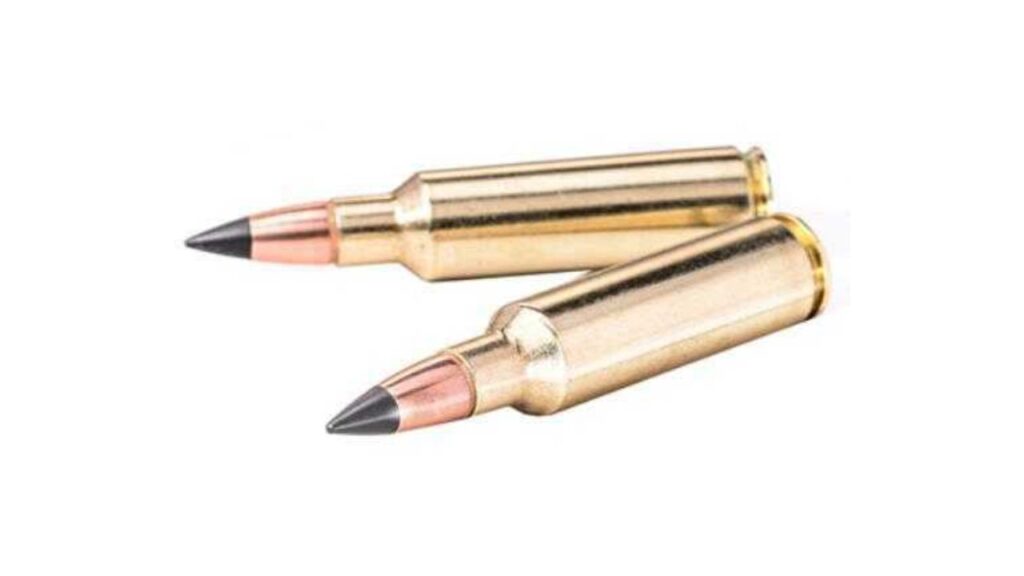
The .243 Winchester has put more venison in freezers than almost any other cartridge. Its mild recoil and flat trajectory make it a favorite for new hunters, and when you’re shooting at a deer’s ribs, it performs beautifully. A well-placed soft-point through the lungs will usually end things quickly without much meat damage.
But switch over to hogs and the story changes. While the .243 can absolutely kill a hog, it struggles to drive deep enough when you’re dealing with the shield and heavier bone. Many hunters report pass-throughs on deer that look picture-perfect but bullets breaking up too soon on hogs. Unless you’re limiting yourself to broadside shots on small pigs, this caliber tends to leave too much room for a wounded runner.
.25-06 Remington
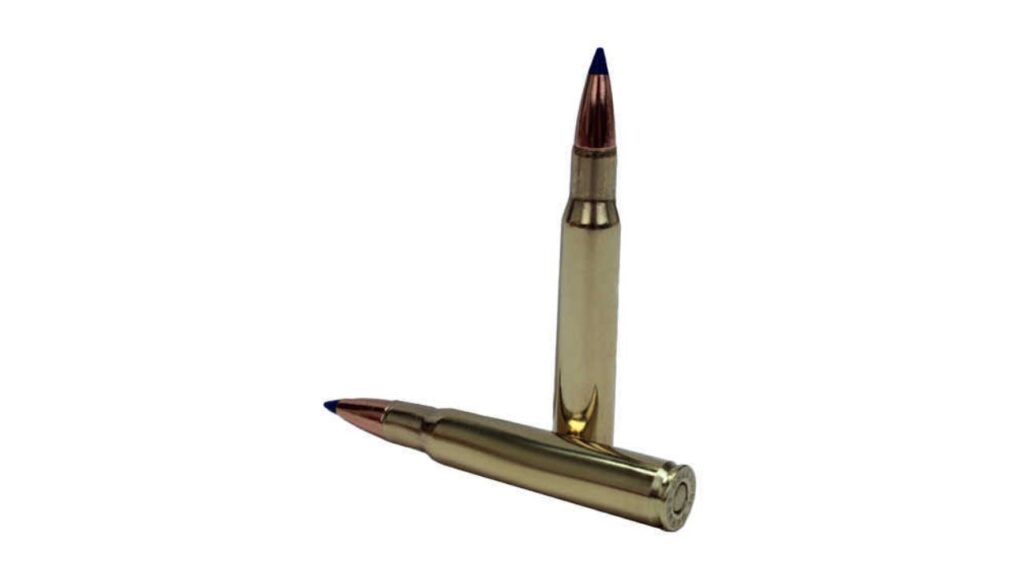
The .25-06 Remington shines in open country where you need reach and accuracy. On deer, it’s flat-shooting and fast, and it doesn’t take much for a 100-grain bullet at 3,200 fps to put a buck down quickly. It’s also a joy for long shots since it bucks wind better than smaller .22 centerfires.
Hogs present a problem, though. Those lighter, high-velocity bullets tend to expand violently on impact. They’re excellent on thin-skinned deer but often fail to push through the dense shoulder of a boar. Even with premium bullet designs, you’ll sometimes see shallow penetration, which is a recipe for losing a blood trail in thick cover. If hogs are your main target, the .25-06 feels underpowered compared to cartridges built around heavier projectiles.
.30-30 Winchester
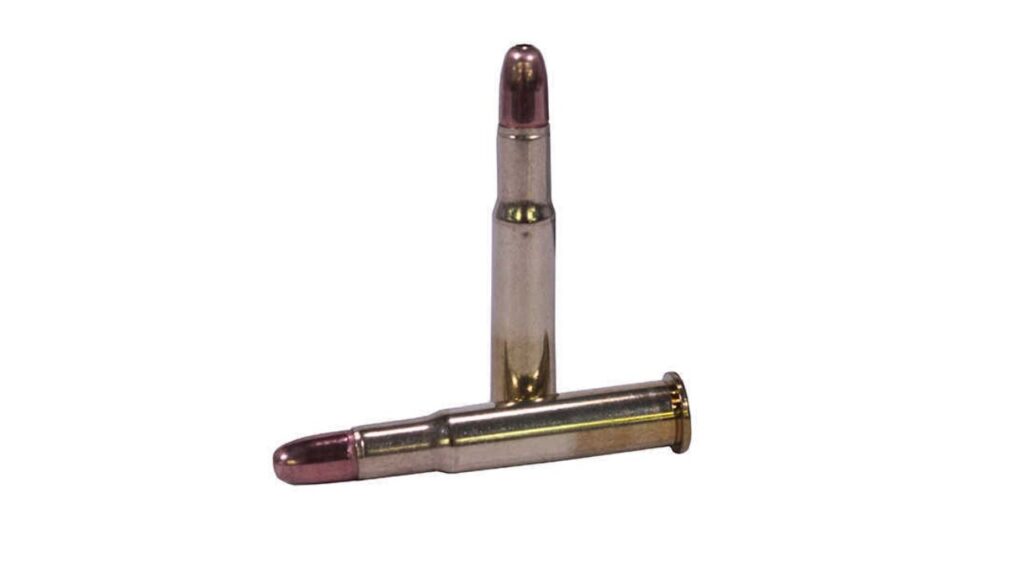
The .30-30 Winchester has been the classic deer woods round for over a century. Inside 150 yards, it’s nearly perfect for dropping whitetails. Its 150- and 170-grain bullets move slow compared to modern rounds, but deer rarely complain when they take one through the chest.
Hogs, however, are another matter. The round-nose bullets that work so well on deer often flatten too quickly on a boar’s tough hide. Energy is there, but penetration isn’t always consistent, especially when you’re shooting through that shoulder plate. Many hunters end up switching to harder bullets or heavier calibers altogether. The .30-30 will still take hogs if your shot placement is perfect, but it doesn’t give you much margin for error when compared to bigger .30-caliber rounds.
.257 Weatherby Magnum
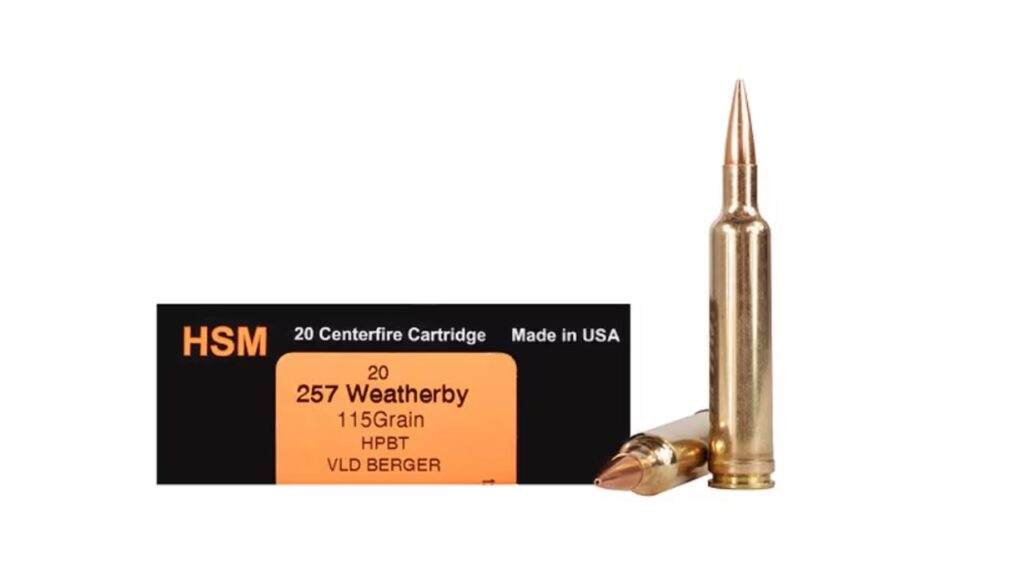
The .257 Weatherby Magnum is a speed demon. Its blistering velocity makes it deadly on deer across wide pastures. You’ll see flat trajectories and dramatic expansion that put whitetails down almost instantly. It’s one of those rounds that feels tailor-made for medium-sized game in open country.
But hogs are a different challenge. That same violent expansion that looks impressive on deer often limits penetration on a boar. Bullets that explode inside 8–10 inches of tissue may never reach the vitals. A lung shot on a whitetail doesn’t need to push through a shield, but hogs demand deeper penetration. Many hunters find themselves frustrated when their Weatherby leaves a hog wounded instead of anchored. It’s a prime example of too much speed paired with too little sectional density for tougher animals.
.270 Winchester
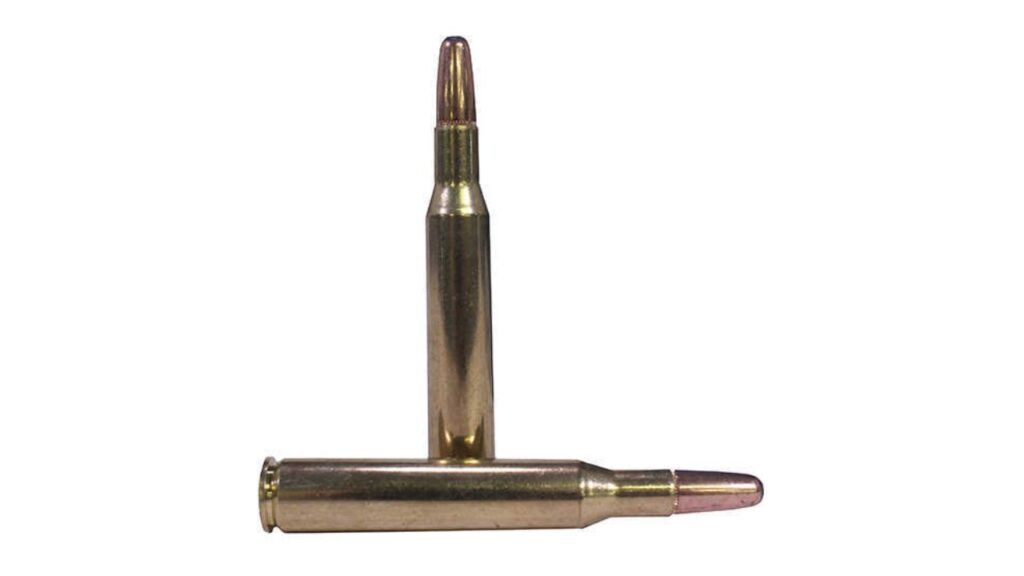
The .270 Winchester has an earned reputation as a classic deer cartridge. Whether you’re shooting a 130-grain soft-point or a 150-grain bullet, it has the velocity and energy to put deer down quickly with minimal fuss. Generations of hunters swear by it for its accuracy and reliability in the deer woods.
On hogs, the .270 can still get the job done, but it’s not as foolproof as you might think. Standard hunting bullets often expand wide and fast, limiting penetration when a hog’s thick shoulder is in the way. While a broadside rib shot may look good, a quartering-to shot often ends with disappointing results. If you’re running premium controlled-expansion bullets, you’ll fare better, but the average factory deer load doesn’t always have the staying power to break hogs down where they stand.
7mm-08 Remington
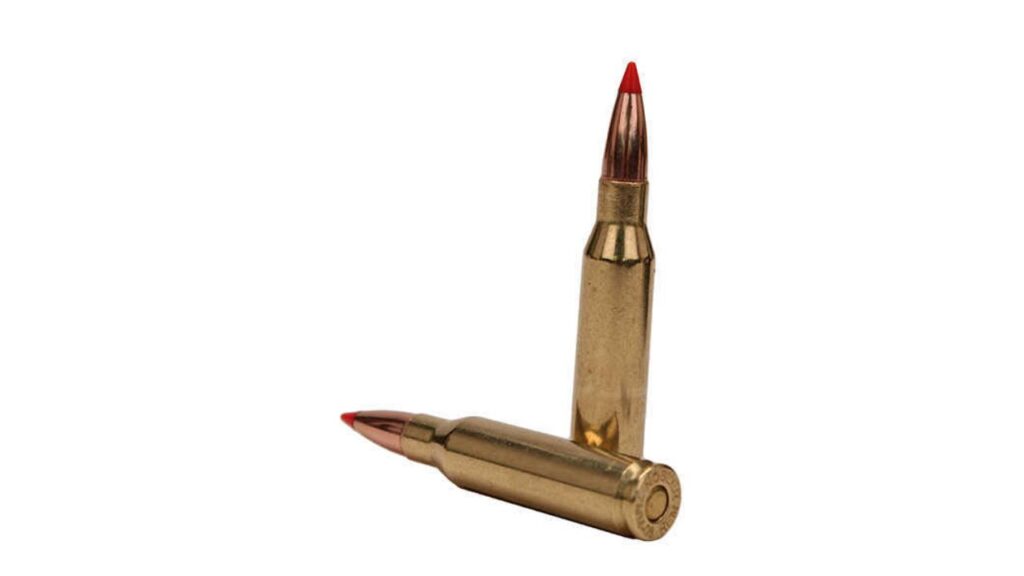
The 7mm-08 Remington is one of those calibers that’s easy to love for deer hunting. Light recoil, good ballistics, and plenty of bullet choices make it a versatile option for the whitetail woods. A 140-grain bullet through the ribs is more than enough to drop a deer without hesitation.
Hogs tell a different story. While the 7mm-08 has respectable energy, it often relies on lighter bullet weights that aren’t designed for heavy-boned animals. Expansion is dramatic, penetration less so, which can mean a hog runs much farther than you’d like. Hunters who use it for hogs often switch to premium bonded bullets, but even then, it doesn’t always match the performance of heavier cartridges. It’s a great deer round, but hogs tend to highlight its limitations.
.243 WSSM
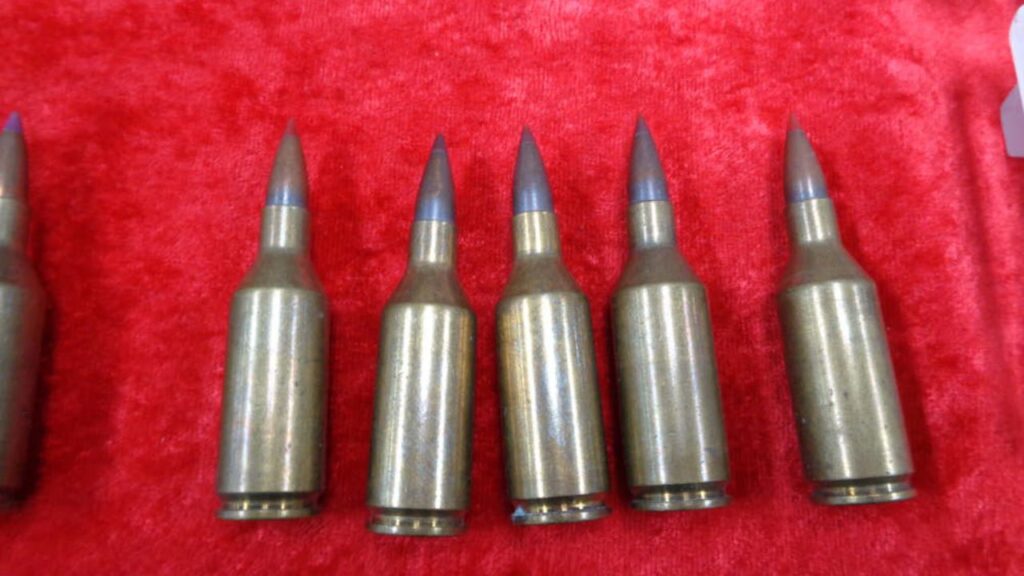
The .243 Winchester Super Short Magnum takes the classic .243 and cranks up the speed. On deer, that means even flatter trajectories and explosive energy on impact. It’s an effective round that makes whitetails collapse quickly with minimal recoil for the shooter.
But when you turn it on hogs, the drawbacks show up fast. The already light bullets are pushed even faster, leading to violent expansion and limited penetration. On a broadside deer, that’s perfect. On a hog with a thick shoulder, it often means the bullet blows up before reaching vitals. Even with a well-placed shot, you’ll see hogs running off after impact. The WSSM is overkill on deer in the best way but underwhelming when toughness is on the target list.
.22-250 Remington
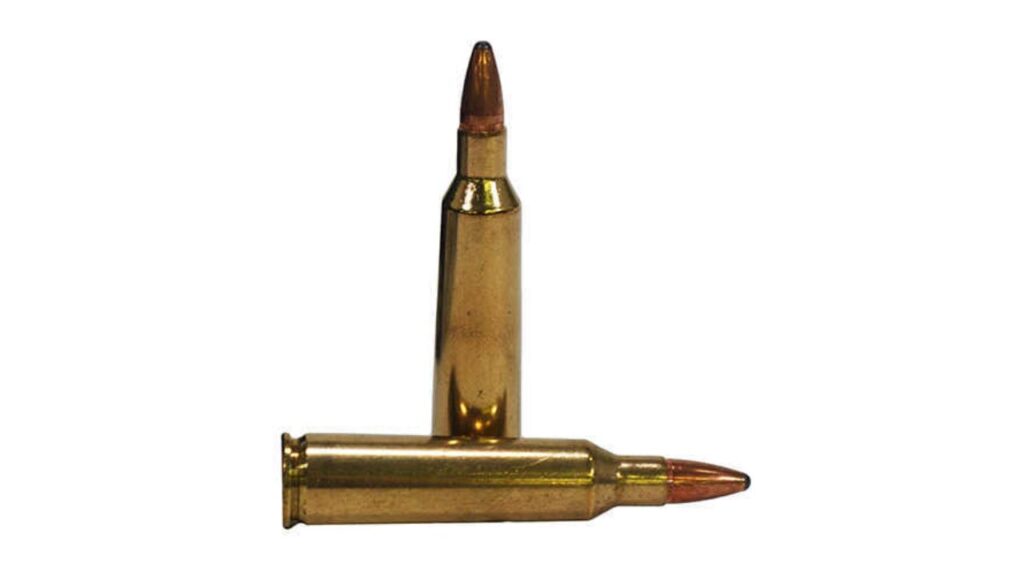
The .22-250 Remington is a flat-shooting varmint round that many hunters have used to take deer when regulations allow. On smaller whitetails, it can be surprisingly effective with the right bullet. Its accuracy and speed make it appealing in certain deer hunting setups where recoil sensitivity is a concern.
But put that same cartridge against a hog, and its shortcomings are clear. The light .22-caliber bullets lack the weight and penetration needed for reliable kills on thicker, tougher animals. Even with modern bonded or monolithic bullets, you’re stretching the limits of what the round was designed to do. On deer, it’s borderline. On hogs, it’s a recipe for wounded animals and long tracking jobs.
6mm Creedmoor
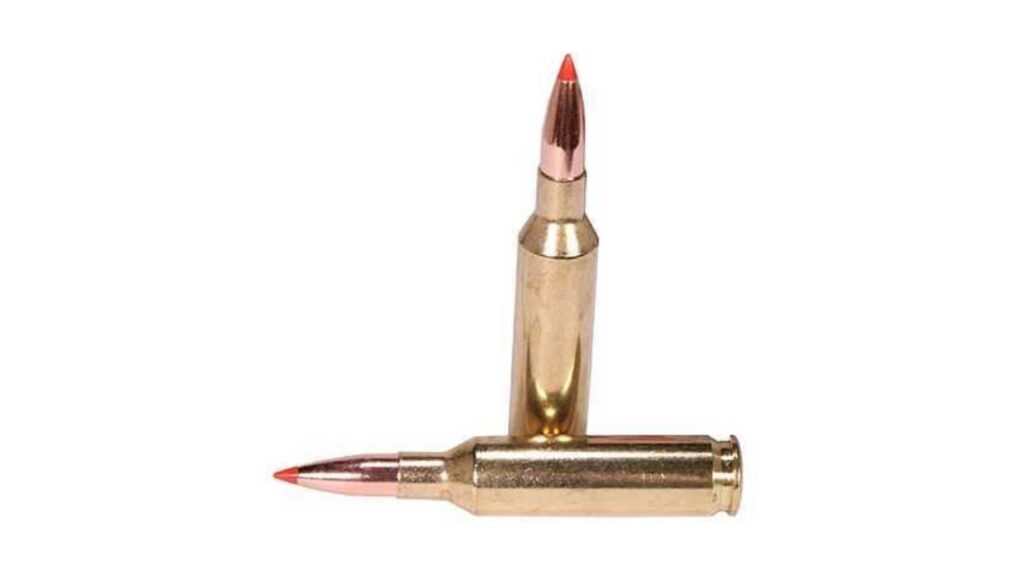
The 6mm Creedmoor has gained traction with deer hunters who like precision and mild recoil. Its ballistics are similar to the .243 but with a modern design that supports long-range shooting. With well-placed shots, it handles deer efficiently and gives shooters a lot of confidence in open fields.
Hogs, though, aren’t as impressed. Like the .243, it suffers from light bullet weights that expand too aggressively. Even with high-BC bullets, penetration doesn’t always cut it when dealing with a hog’s armor. Unless you’re targeting smaller pigs or keeping shots strictly behind the shoulder, the 6mm Creedmoor is underpowered for the bigger, tougher ones. It’s proof that what works on deer doesn’t always translate to hog success.
.300 Savage
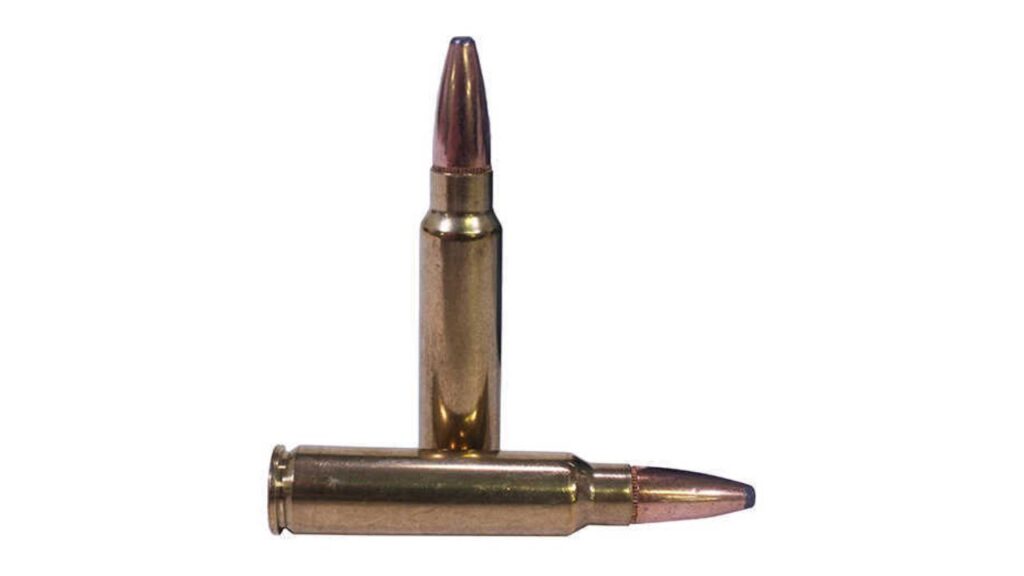
The .300 Savage has a long history as a deer cartridge. It delivers respectable power in a compact package, and for whitetails, it’s more than enough. Its 150- and 180-grain bullets hit hard at moderate ranges and have proven themselves for generations of hunters.
Hogs, however, push the limits of this old round. Factory ammo often uses soft bullets meant for deer, and those don’t hold up well against the hog’s armor. Penetration is hit or miss, and while broadside rib shots can be effective, tougher angles often stop the bullet short. Compared to modern .30-calibers, the .300 Savage doesn’t inspire confidence when hogs are the main quarry. It’s fine for deer season, but hog hunters usually move on to something stronger.
.35 Remington
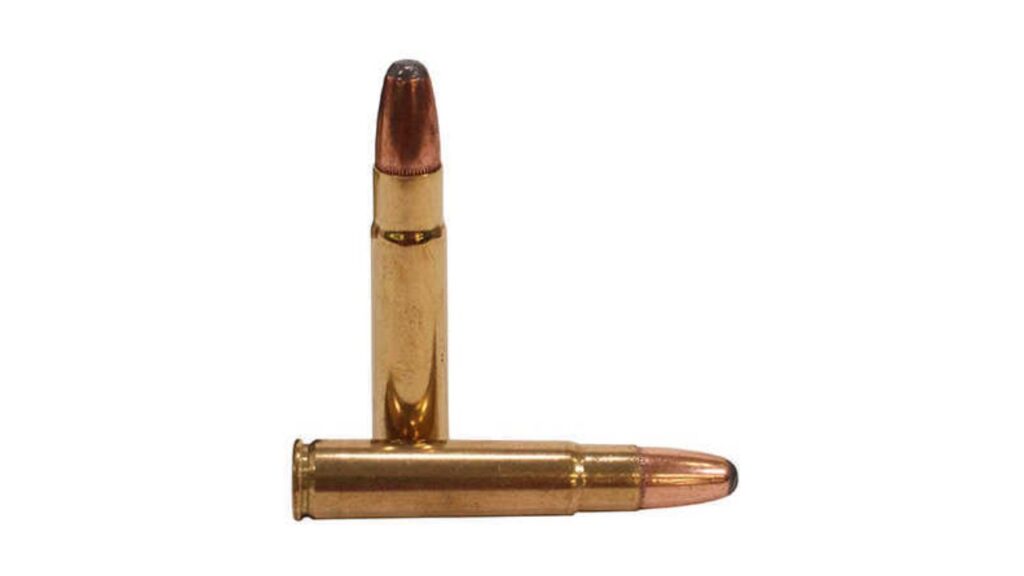
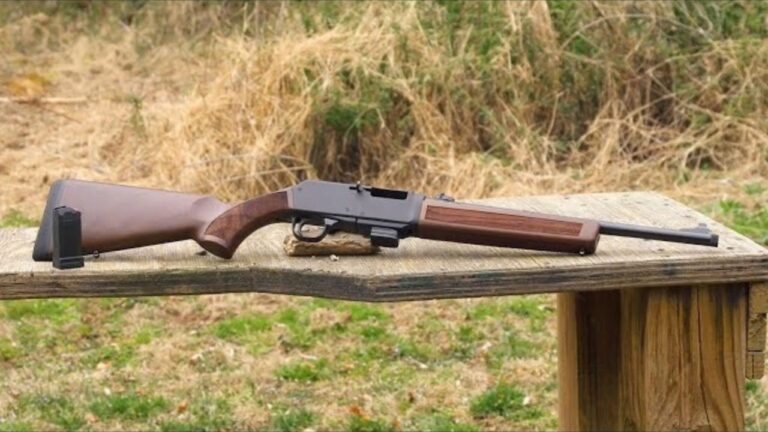
The .35 Remington has been the go-to brush gun cartridge for deer in thick woods. Its heavier 200-grain bullets hit harder than a .30-30 and often leave a big wound channel in whitetails. Within 100 yards, it’s a reliable option that many lever-gun hunters swear by.
When it comes to hogs, though, things get complicated. While the caliber has enough weight, many of the traditional bullets are designed for deer, meaning they expand too quickly. On big boars, that can mean limited penetration and a hog that soaks up the hit before running off. Shot placement is everything here. Some hog hunters handload tougher bullets to make the .35 Rem more capable, but off-the-shelf ammo often falls short.
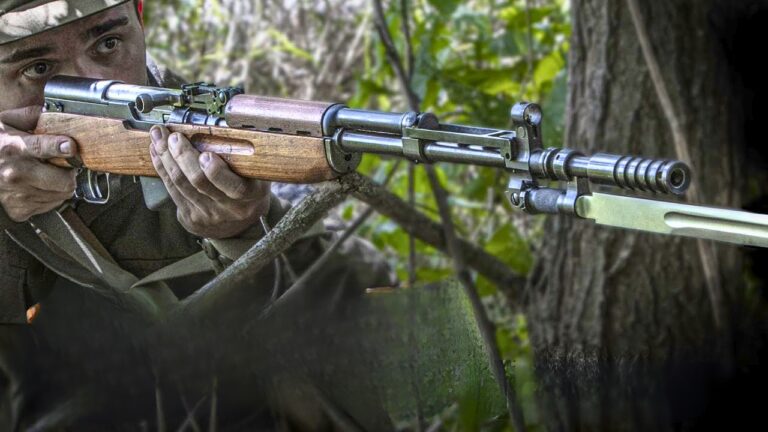
.30 Carbine
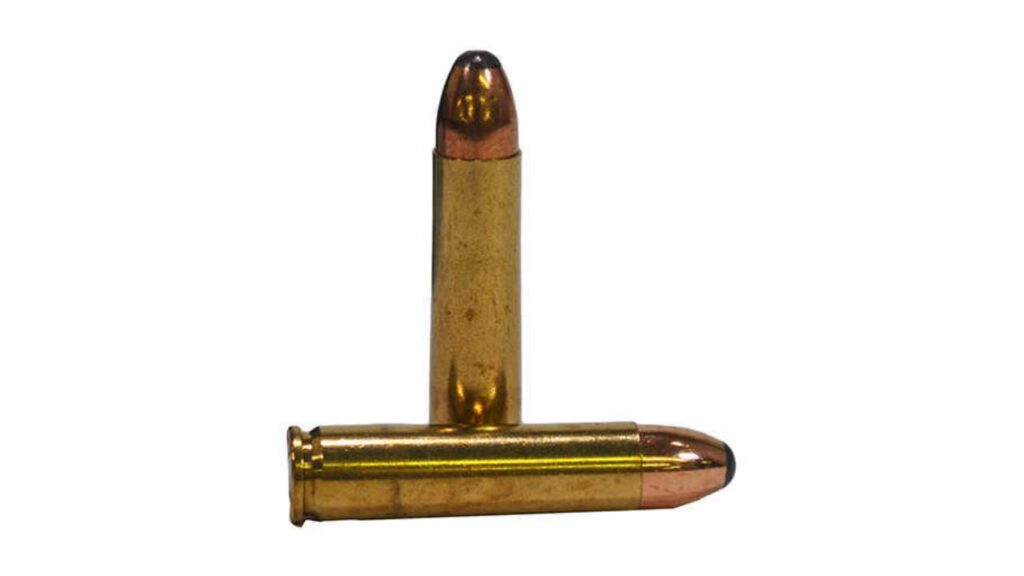
The .30 Carbine has a strong following thanks to its history and the M1 Carbine’s popularity. On small-bodied deer at close range, it can be surprisingly effective, especially with soft-point loads. It’s light recoiling and handy in the woods, which is why some hunters still use it on deer.
Against hogs, the .30 Carbine’s limitations are glaring. Its modest velocity and light bullet weight simply don’t deliver the penetration you need for a thick-skinned, heavy-boned animal. Even at close range, it struggles to break shoulders or punch through the gristle shield. While it can anchor a small whitetail without issue, it’s far from reliable when turned on a hog. Most hunters agree it’s underpowered for the task, leaving it best suited for deer in light cover.
*This article was developed with AI-powered tools and has been carefully reviewed by our editors.