Photo credit: 9-Hole Reviews/YouTube
Collectors do not spend years chasing rare firearms because they need another gun in the safe. They do it because some pieces sit at the crossroads of history, design, scarcity, and plain old obsession. Once a firearm becomes hard enough to find, and important enough to matter, it stops being a casual purchase and turns into something people watch, wait for, and talk themselves into for years. That is especially true when the gun also carries a real military, frontier, or developmental story behind it.
What makes a firearm truly rare is not always age alone. Sometimes it is limited production. Sometimes it is a short-lived contract, a discontinued variation, or a model most owners altered, wore out, or lost over time. That is why the guns collectors chase hardest are often the ones that almost never surface in honest, original condition. If you spend enough time around serious collectors, these are the kinds of names that keep coming up.
Winchester Model 1873 One of One Thousand

If you spend any time around serious lever-gun collectors, the Winchester Model 1873 One of One Thousand sits near the top of the wish list. Winchester selected these rifles for exceptional accuracy during testing and marked them as premium-grade guns, which immediately made them scarce. Production numbers were extremely low, and surviving originals are even harder to find because many rifles saw real use, not museum treatment.
That is what keeps people chasing them. You are not looking at a common rifle with a nice story attached. You are looking at a special-grade 19th-century Winchester with factory-recognized accuracy and strong collector pedigree. When one appears with correct markings, original configuration, and solid documentation, it gets attention fast. For lever-action collectors, it is one of those rifles that stays in the back of your mind whether you can afford it or not.
Colt Walker Revolver

The Colt Walker is one of those revolvers that collectors never really stop thinking about. Built in 1847 in collaboration with Captain Samuel Walker, it was massive, powerful, and made in limited numbers compared with later Colt revolvers. A surviving original is not only old, it is tied directly to the early expansion of Colt’s reputation and the history of mounted military sidearms in the American frontier period.
That combination is what makes it so desirable. The Walker is not a gun people chase because it is practical today. They chase it because it represents a major turning point in American handgun history. Original examples saw hard use, and many did not survive in strong condition. When a real one shows up with proper markings and matching features, it draws the kind of attention only a few black-powder handguns ever command.
Colt Single Action Army Cavalry Revolver

A standard Colt Single Action Army is collectible on its own, but an original U.S. cavalry-issued example is another level entirely. These revolvers are tied to some of the most recognizable years of American military history, and authentic martial guns with correct inspection marks and finish details are far more scarce than many people realize. A lot were altered, refinished, or rebuilt over the years, which narrowed the pool of truly desirable survivors.
That is why collectors keep chasing them so hard. You are not only buying an old revolver. You are buying one with a direct link to the Indian Wars era and the early U.S. military use of the Peacemaker platform. Provenance matters here more than almost anything else. A verified cavalry gun with honest wear and original features is the kind of revolver that can hold a room’s attention the moment it comes out of the case.
Winchester Model 1886 Deluxe Takedown

The Winchester Model 1886 is respected already, but a true deluxe takedown version is where things get serious for collectors. John Browning’s design gave Winchester a strong lever gun for larger cartridges, and the deluxe rifles added factory upgrades that make surviving originals highly desirable. Features like special-order wood, checkering, pistol grips, and takedown configuration create the kind of scarcity that turns a very good rifle into a collector obsession.
The important part is originality. Plenty of old Winchesters have stories, but a factory-lettered deluxe takedown with correct special-order features is much harder to come by. That is especially true when condition has not been wrecked by decades of hard use, poor repairs, or refinishing. For collectors who care about high-end antique Winchesters, this is the kind of rifle that combines mechanical appeal, Western-era history, and real scarcity in one package.
Henry Rifle

A real Henry rifle is one of those guns that almost every American arms collector would love to own. Built in the early 1860s, it was one of the first successful lever-action repeating rifles and helped lay the groundwork for the Winchester line that followed. Production was limited compared with later lever guns, and originals that remain in solid, honest condition are scarce enough to keep serious collectors watching auctions closely.
What makes the Henry so powerful in the collector world is the combination of innovation and Civil War-era history. This is not a rifle people admire only because it is old. It changed what a repeating shoulder arm could be at the time. When you find one that has not been heavily altered, cleaned to death, or otherwise compromised, it becomes a centerpiece firearm. For lever-action history, it is one of the big ones.
Singer M1911A1

The Singer M1911A1 has become one of the most famous rare U.S. military pistols for a reason. Singer Manufacturing Company produced only a very small number of M1911A1 pistols under contract during World War II before shifting fully into other wartime production. Because the number was so low, and because these pistols were standard service sidearms rather than presentation pieces, surviving originals are exceptionally hard to find and heavily scrutinized.
That scarcity has made the Singer almost mythical among 1911 collectors. It looks familiar at a glance, which is part of what makes it so tricky and so fascinating. The details matter, and correct examples bring enormous interest because so few legitimate pistols exist. If you collect U.S. martial handguns, the Singer is one of those names that keeps coming up for life. Most people will never own one, but plenty never stop thinking about them.
Luger P08 American Eagle Test Pistol

Collectors can spend years around Lugers and still never handle one of the scarce American Eagle test pistols tied to early U.S. military trials. These Lugers were part of efforts to interest the American military market before the 1911 took over that role, and surviving examples from those trial and commercial crossover periods are highly sought after. The American Eagle chamber marking gives them instant recognition, but the real value comes from specific configuration and documented rarity.
That is where the chase begins. Not every American Eagle Luger is the same, and collectors know the rarest examples are the ones tied closely to the test and trial history. These pistols matter because they represent a road not taken in U.S. sidearm development. When a truly correct one shows up with strong originality, it pulls in both Luger collectors and U.S. martial handgun collectors at the same time.
Colt 1907 Military Trials Pistol

Before the M1911 became the American service pistol, the U.S. military evaluated earlier semi-auto handgun designs, and the Colt 1907 is one of the most important of them. These pistols were part of the developmental path that eventually led to John Browning’s refined 1911 design. Because they were produced in limited numbers for trials and testing, original examples are far scarcer than the service pistols that came after them.
That history is exactly why collectors chase them. You are looking at a transitional handgun, a piece of the design process rather than the final standard-issue result. For people who care about how the 1911 came to be, the 1907 matters in a big way. It is not as instantly recognizable to casual buyers, but among advanced collectors, that almost helps. It is the kind of rare, historically important pistol that rewards people who know what they are looking at.
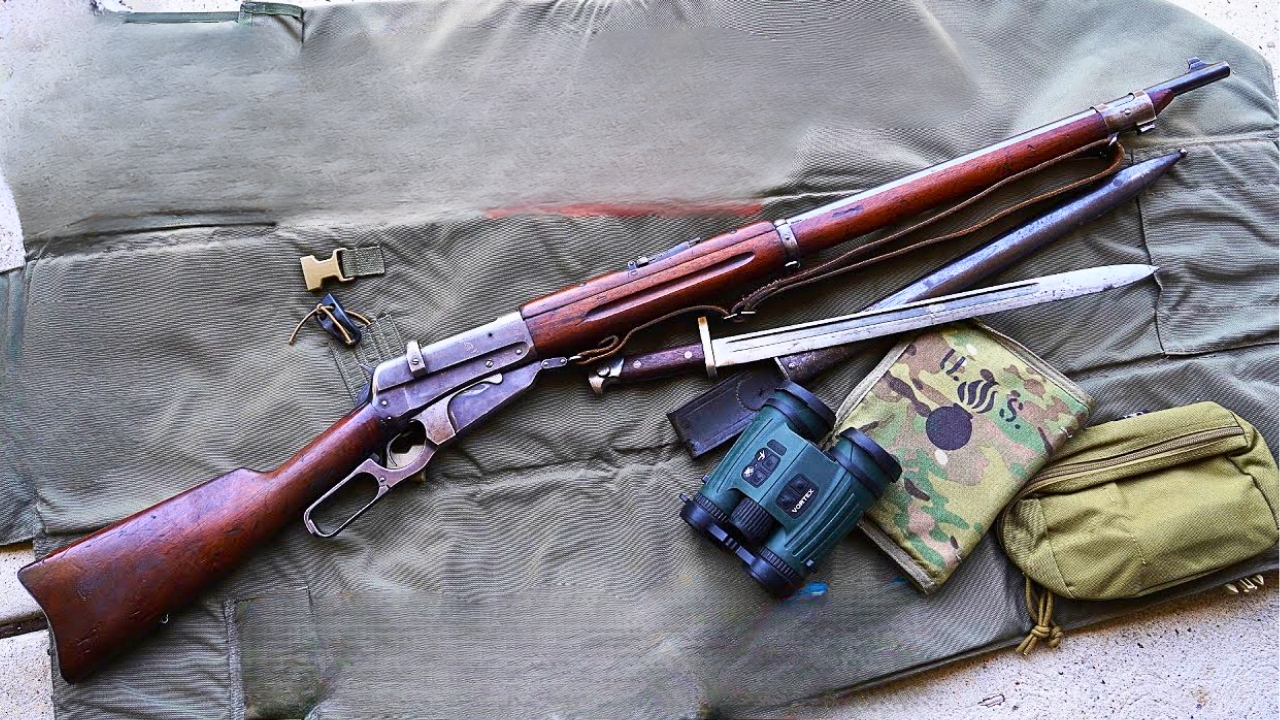
Winchester Model 1895 Russian Contract Musket

The Winchester Model 1895 is a respected rifle anyway, but the Russian contract muskets occupy a very different corner of the collector world. These rifles were produced in large numbers for Imperial Russia during World War I, yet truly correct, original examples that made it through war, revolution, export, and later use without being heavily altered are much harder to find than many people expect. Surviving condition separates the ordinary from the serious.
Collectors stay after them because they tie together Winchester, international military history, and one of the more unusual lever-action service rifle stories ever told. The longer military pattern, the charger-guide setup, and the Russian contract details make them stand apart from standard sporting 1895s. When one appears in honest shape with the right markings and configuration, it grabs attention quickly. It is a military lever gun with real history, and there are not many stories like that.
Remington-Lee U.S. Navy Rifle

The Remington-Lee U.S. Navy rifles do not get the same mainstream attention as Springfields or Trapdoors, but advanced collectors know exactly what they are. These bolt-action rifles were early adopters of detachable box magazine design in U.S. service, and they represent a transitional period in American military arms development that often gets overlooked. Production was limited, and surviving examples with correct naval markings and strong originality are not easy to find.
That rarity is what keeps knowledgeable collectors interested. The rifle sits in that sweet spot where design history and scarcity meet. It is important enough to matter, uncommon enough to stay difficult, and unusual enough that it stands out in any military collection. If you care about the evolution of American service rifles, the Remington-Lee deserves more attention than it gets. And for collectors who know the field, it is one of those rifles worth chasing hard.
Volcanic Repeating Pistol

The Volcanic repeating pistol has a hold on collectors because it represents an early, awkward, fascinating step toward the lever-action arms that came later. Produced before the Henry and Winchester rifles that became household names in firearms history, the Volcanic was part of the developmental line that helped shape the future of repeating arms. Production was limited, and surviving examples are scarce enough that even seasoned collectors may go years without seeing one in person.
What makes it so compelling is that it is not rare by accident alone. It is rare and historically important. You can look at one and see ideas that were not fully mature yet, but were headed somewhere important. That gives it a special kind of appeal. It is not the most practical antique arm, and it is not the most common conversation piece either. That is exactly why collectors keep chasing it.
Like The Avid Outdoorsman’s content? Subscribe to our newsletter so you never miss an article.
Here’s more from us: