Photo credit: Oleksandr Shatyrov/Shutterstock.com
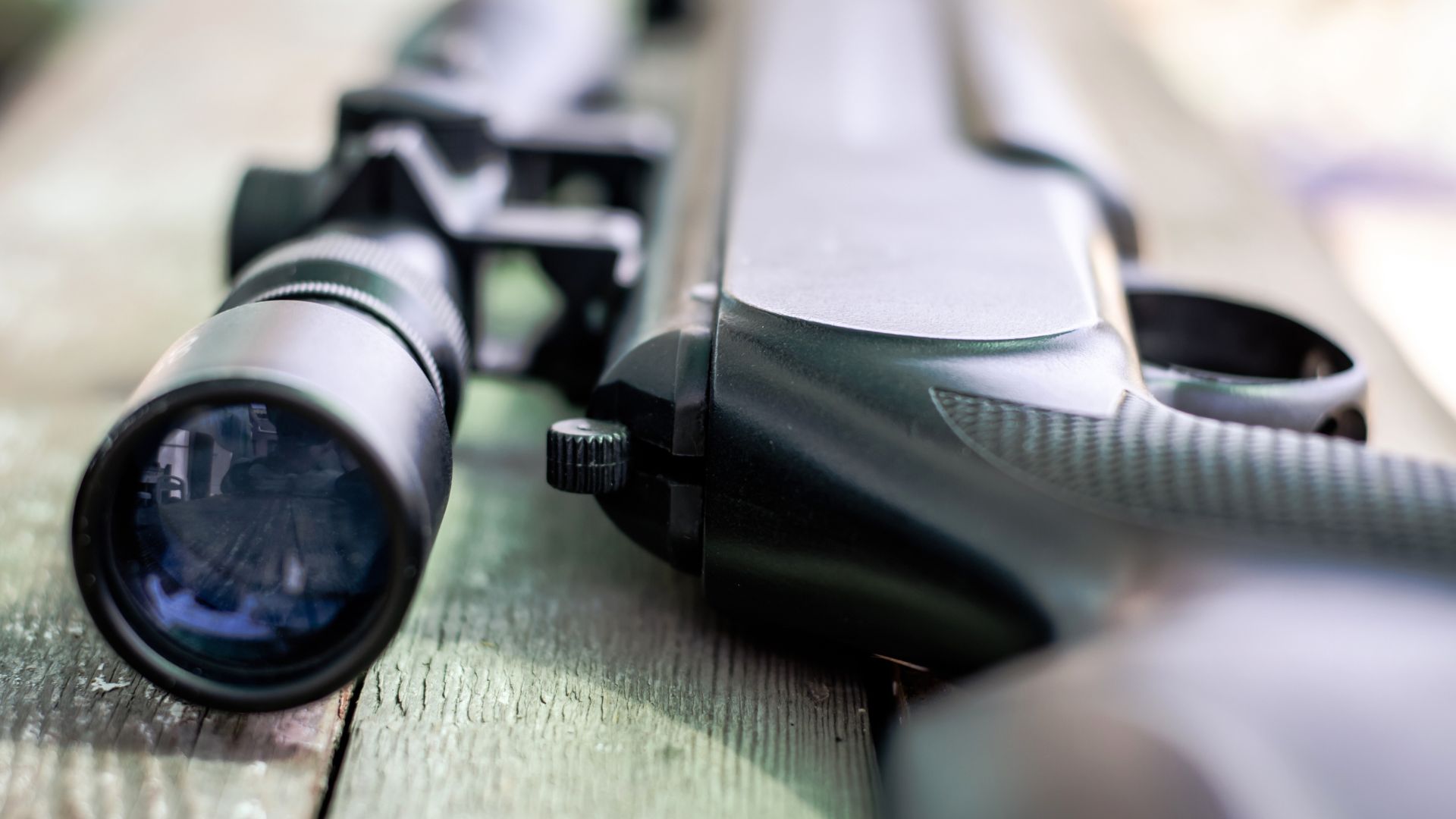
Every rifle deserves decent glass, but some rifles never bounce back once you saddle them with a bargain-bin scope. A cheap optic doesn’t just make you miss—it can shake apart, lose zero, or worse, damage the rifle’s mounting threads or receiver. Some rifles have delicate bedding or thin rings that don’t tolerate stress, and once you twist down on the wrong hardware, you’ve scarred a setup that’ll never group the same again. You might save a hundred bucks at first, but you’ll pay for it in time, frustration, and wasted ammo. A good rifle with bad glass is like a fine truck on bald tires—it’ll go somewhere, but not far, and not straight. Here are the rifles that rarely recover from being paired with cut-rate optics.
Remington Model 700

The Remington 700 is accurate by design, but its precision bedding and slender receiver threads don’t forgive poorly mounted optics. Cheap rings can gouge the finish or torque the receiver unevenly, and weak scopes tend to lose zero under the recoil of heavier calibers. Once those mounting holes strip or deform, the rifle’s accuracy often never comes back.
Plenty of 700 owners learn the hard way—spend money on the rifle, skimp on the scope, and suddenly a gun that once shot half-inch groups can’t stay on paper. A quality optic and properly torqued mounts are the only way to keep a 700 shooting like it was meant to.
Tikka T3x

Tikkas are known for their smooth actions and outstanding accuracy, but they’re sensitive to improper ring torque. The aluminum receiver doesn’t take kindly to cheap rings that crush or slip under recoil. Pair that with a bargain optic that won’t track consistently, and you can ruin a rifle that was built to print tiny groups.
Once the receiver grooves or mounting holes get stressed, accuracy can wander for good. These rifles are built with precision in mind, and that precision depends on solid glass. The T3x doesn’t need a $2,000 optic—but it won’t stay happy under a $99 one, either.
Ruger American

The Ruger American is a budget rifle that punches above its class, but it’s also one that cheap scopes tend to ruin fast. The soft receiver metal and molded stock don’t tolerate heavy over-torquing, and low-quality rings can shift after just a few dozen shots. Once the rail threads pull out or the stock compresses unevenly, groups open up permanently.
Plenty of shooters bolt on a bargain optic thinking it matches the rifle’s price point, but that’s a mistake. A decent scope and proper mounts turn a Ruger American into a reliable tack driver. A cheap setup makes it a paperweight.
Savage Axis

The Savage Axis can shoot surprisingly well, but the rifle’s budget-friendly construction doesn’t hold up to poor optics. Many shooters crank down cheap ring screws too tight, warping the receiver or stripping threads. Combined with flex in the stock and inconsistent glass, the whole setup shifts zero with every range trip.
Once those threads go or the scope base starts moving, the rifle’s accuracy never really returns. Spend a little more on mounts and a solid mid-tier optic, and you’ll have a rifle that surprises you. Go cheap, and it’ll spend more time chasing groups than hitting them.
Winchester XPR

The Winchester XPR’s steel receiver and polymer stock combo can handle recoil, but not the stress of poorly aligned mounts. Inexpensive rings often don’t match the receiver radius, creating uneven tension that throws alignment off. Add a bargain optic that can’t handle shock, and your zero will walk with every shot.
Once that bedding block gets stressed or the base threads strip, accuracy takes a permanent hit. The XPR is a great rifle for the money, but it’s one that demands proper setup. It doesn’t need fancy glass—just something that won’t self-destruct after the first box of ammo.
Weatherby Vanguard
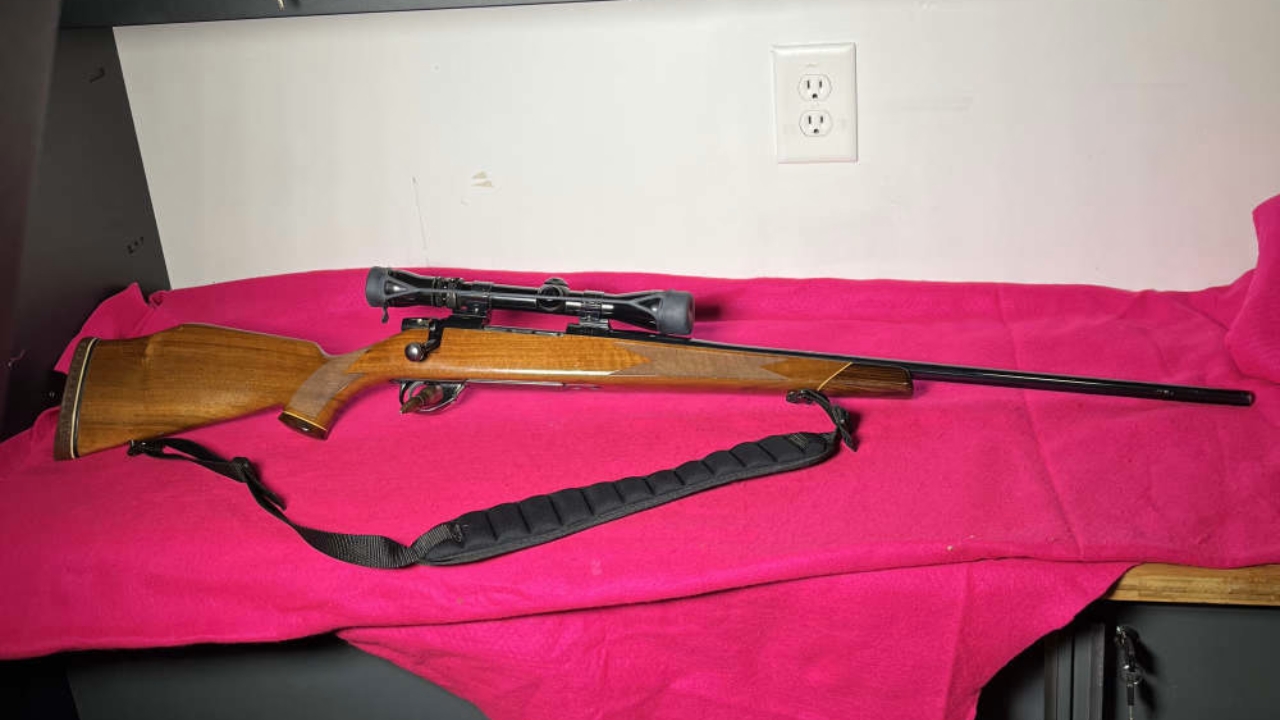
The Vanguard action is strong and consistent, but its precision-machined receiver doesn’t play nice with sloppy mounts. A misaligned cheap scope base can stress the receiver or twist the action enough to change bedding contact. Once that happens, accuracy drifts and often never settles again.
Owners who cheap out on optics often end up blaming the rifle, when the real issue is a wobbly scope that can’t hold zero past three shots. These rifles are capable of sub-MOA accuracy, but only if you treat the glass as seriously as the barrel.
Browning X-Bolt
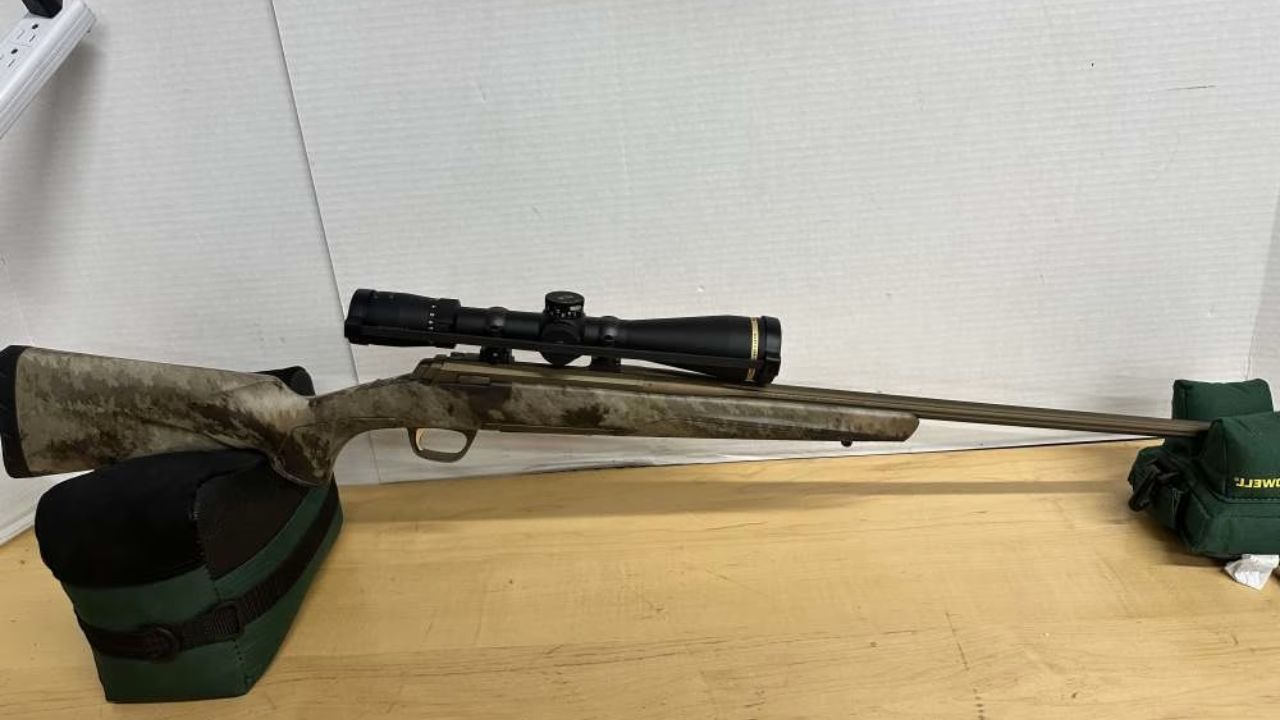
The Browning X-Bolt uses a unique four-screw scope base pattern that requires careful mounting. Poor-quality rings often don’t line up cleanly with the receiver, and tightening them down too much can distort the fit. That distortion shows up on paper fast, with groups doubling in size seemingly overnight.
The X-Bolt’s smooth action and crisp trigger make it a shooter’s favorite—but if the optic shifts or the mounting holes strip, that performance vanishes. It’s one of those rifles that rewards careful setup and punishes shortcuts.
Remington 783

The 783 is an affordable workhorse, but its weak mounting screws and softer metal don’t pair well with over-torqued rings or cheap bases. Add a bargain optic that can’t hold zero, and you’ll chase accuracy forever. Once the receiver threads deform or pull, you’re looking at a gunsmith fix—if it can be saved at all.
Plenty of these rifles shoot great until a shaky scope and bad mounting job destroy their consistency. Spend the extra cash on decent glass, and you’ll keep the rifle’s potential intact for years.
Mossberg Patriot

The Mossberg Patriot is light, accurate, and built for hunters on a budget—but it doesn’t tolerate abuse from low-end optics. The action screws and aluminum scope bases can strip easily if cheap rings are overtightened, leading to a loose, wandering zero.
Once those threads give out, there’s no easy fix without re-tapping or sleeving the receiver. The Patriot deserves better glass than what most big-box bundles include. Give it solid mounts and dependable optics, and it’ll deliver. Give it cheap gear, and it’ll never group the same again.
Savage 110

The Savage 110’s barrel nut system makes it easy to rebarrel, but that precision alignment depends on everything staying tight and straight—including the scope. Cheap optics that lose zero under recoil can cause shooters to overcompensate, adjusting and re-adjusting until the barrel nut and bedding take stress they shouldn’t.
Once that stress sets in, the rifle’s point of impact can start drifting for good. The 110 is a proven design, but only when topped with glass that tracks true and stays stable under recoil.
Howa 1500

The Howa 1500’s receiver is as solid as they come, but that doesn’t make it immune to problems caused by poor optics. A bad scope mount or cheap rings can shift enough to torque the receiver unevenly, creating bedding issues that ruin consistency.
Once the bedding starts to deform, accuracy fades fast. The Howa is a rifle that rewards careful setup—use quality rings, lap them properly, and it’ll outshoot most rifles in its price range. Treat it like a budget gun, and it’ll start shooting like one.
Marlin XL7

The Marlin XL7 was an underrated hunting rifle, but many of them fell victim to poor scope setups. The factory bases were soft aluminum, and cheap rings or over-torqued screws stripped them easily. Once the threads pulled, the scope started shifting, and the rifle never grouped the same again.
It’s a reminder that even an affordable rifle can shoot like a precision piece—if you give it a fighting chance. The XL7 can deliver excellent accuracy, but not under glass that fogs, drifts, or shakes apart after a few magazines.
Like The Avid Outdoorsman’s content? Be sure to follow us.
Here’s more from us:
The worst deer rifles money can buy
Sidearms That Belong in the Safe — Not Your Belt
*This article was developed with AI-powered tools and has been carefully reviewed by our editors.