Photo credit: MrBigKid/YouTube
Some rifles earn a weird kind of reputation. They shoot fine for a week, then you start chasing little problems that never fully go away. The scope base loosens, the groups open up, the feeding gets picky, or the trigger feels like it belongs on a stapler. Next thing you know, you’re swapping parts, trying new mags, changing ammo, bedding the action, re-torquing screws, and telling yourself it’ll be perfect after one more tweak.
A lot of that “one more fix” cycle isn’t because you’re lazy or clueless. It’s because certain rifles invite tinkering. Some have quirks that show up only after real use. Some are built to hit a price point, so the first thing you notice is what you wish was better. And some are great rifles that are so moddable you can’t leave them alone. If you want less drama and more shooting, these are the kinds of rifles that tend to keep you busy.
Ruger 10/22

A 10/22 is the king of “I’ll leave it stock” lies. It runs, it’s fun, and it’s accurate enough at first. Then you see a tighter group online, and you start changing one part at a time. A lighter trigger becomes a new stock, then a barrel, then a bolt handle, then different mags, then you’re chasing a rimfire build that never feels finished.
Rimfire ammo makes it worse. One load runs clean, another gets gritty, and suddenly you’re polishing, cleaning, and tuning instead of shooting. None of it is hard, but it’s constant. The 10/22 is less a rifle and more a hobby that happens to fire .22.
Remington 700 ADL

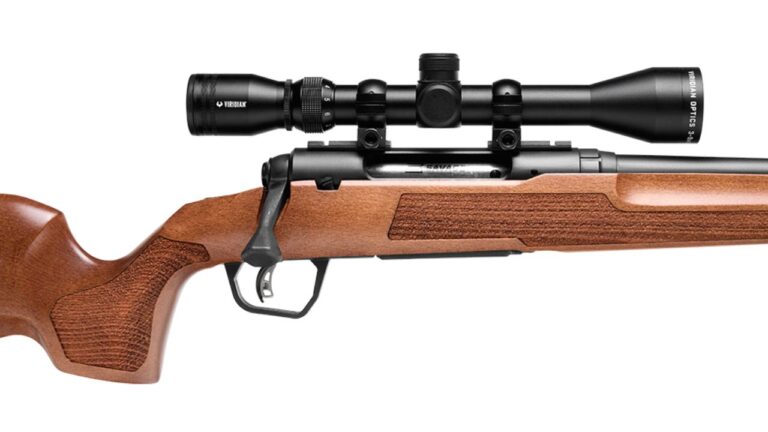
The 700 ADL is a classic foundation rifle, which is exactly why it turns into a project. You buy it planning to hunt, then you start thinking about better consistency. Bedding, a stiffer stock, a trigger upgrade, and rings that actually stay put all start sounding like “smart improvements,” and the list grows fast.
The platform has endless parts support, so there’s always another solution on the shelf. If you’re not careful, you spend more time turning it into what you wanted than using it as-is. A 700 can be a great rifle, but it’s also a magnet for “one more thing” spending because it’s so easy to change.
Ruger Precision Rifle

The Ruger Precision Rifle was built to be adjustable, and that adjustability can turn into constant fiddling. You change the cheek height, then the length of pull, then you decide the muzzle device needs an upgrade, then you start chasing a different trigger feel. It can shoot well, but it also encourages you to tweak every variable instead of learning the rifle.
Then the ammo testing starts. Different loads, different seating depths if you reload, different dope, different bipod pressure, different bags. Nothing is broken, but you’re always “tuning.” If you want a rifle that stays the same month after month, a chassis-style precision gun can turn your range time into a never-ending adjustment session.
Palmetto State Armory PA-15
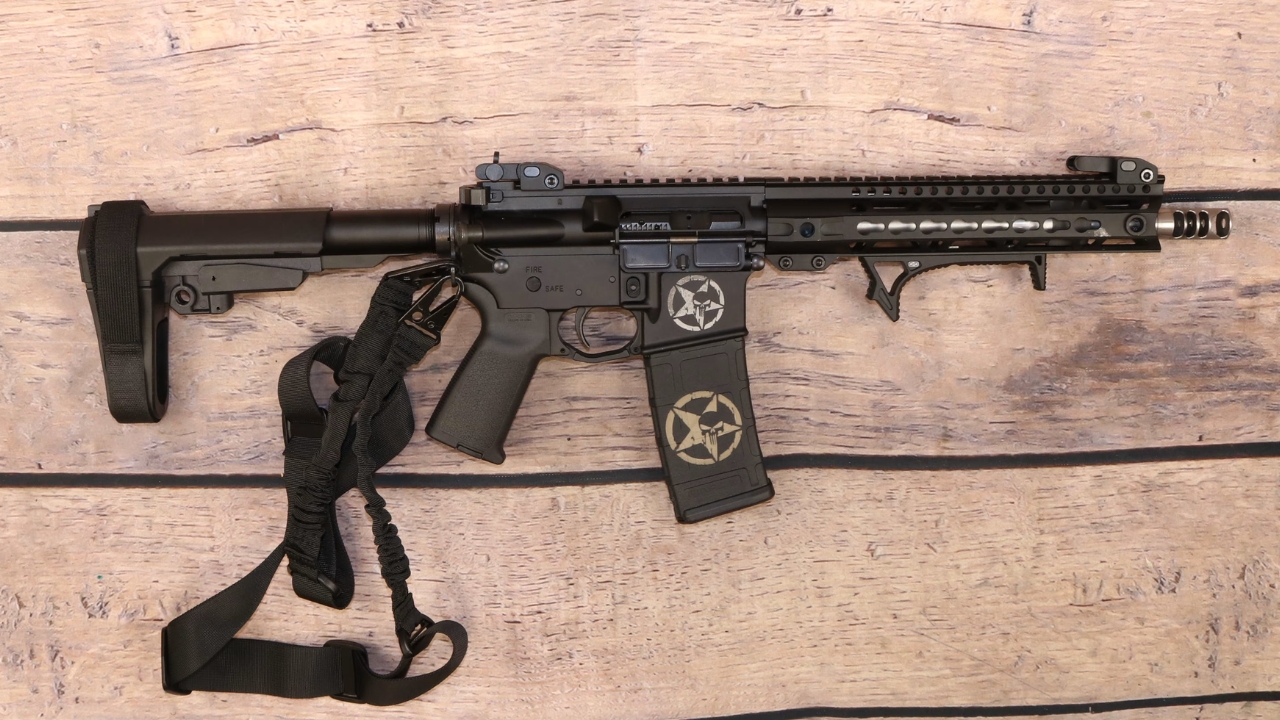
A budget AR like a PA-15 often runs fine, but it’s also where small annoyances send you down the rabbit hole. The trigger feels heavy, so you swap it. Then the buffer setup feels snappy, so you change it. Then you decide the handguard needs to be longer, then you add a light, then you want a different gas feel, and suddenly you’re chasing a build instead of owning a rifle.
ARs make this easy because everything is modular. If the rifle has a minor hiccup with a specific mag or load, you start changing parts to “solve” it. Sometimes the real fix is better mags and more reps. The platform makes it tempting to buy your way out of problems that practice would handle.
Aero Precision M5
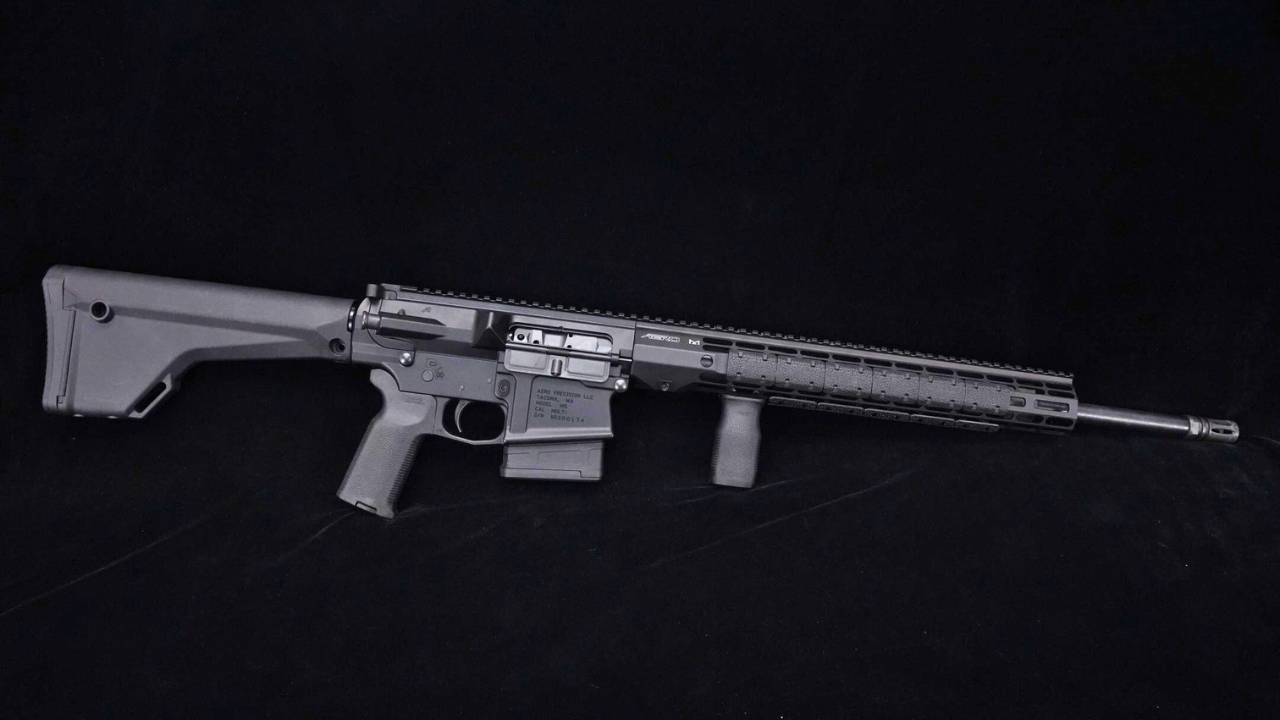
AR-10 pattern rifles like the Aero M5 are notorious for turning into tuning projects. Between gas system setup, buffer weight, spring choice, and magazine preference, you can end up diagnosing little behavior quirks for weeks. The rifle might run with one load and short-stroke with another, or lock back inconsistently until you get the balance right.
Parts compatibility adds to it. “AR-10” is not one true standard the way people assume, so you can find yourself swapping small pieces to get the feel and function you want. When an AR-10 is dialed, it’s a great shooter. Getting it dialed is where the “one more fix” habit usually starts.
Springfield M1A
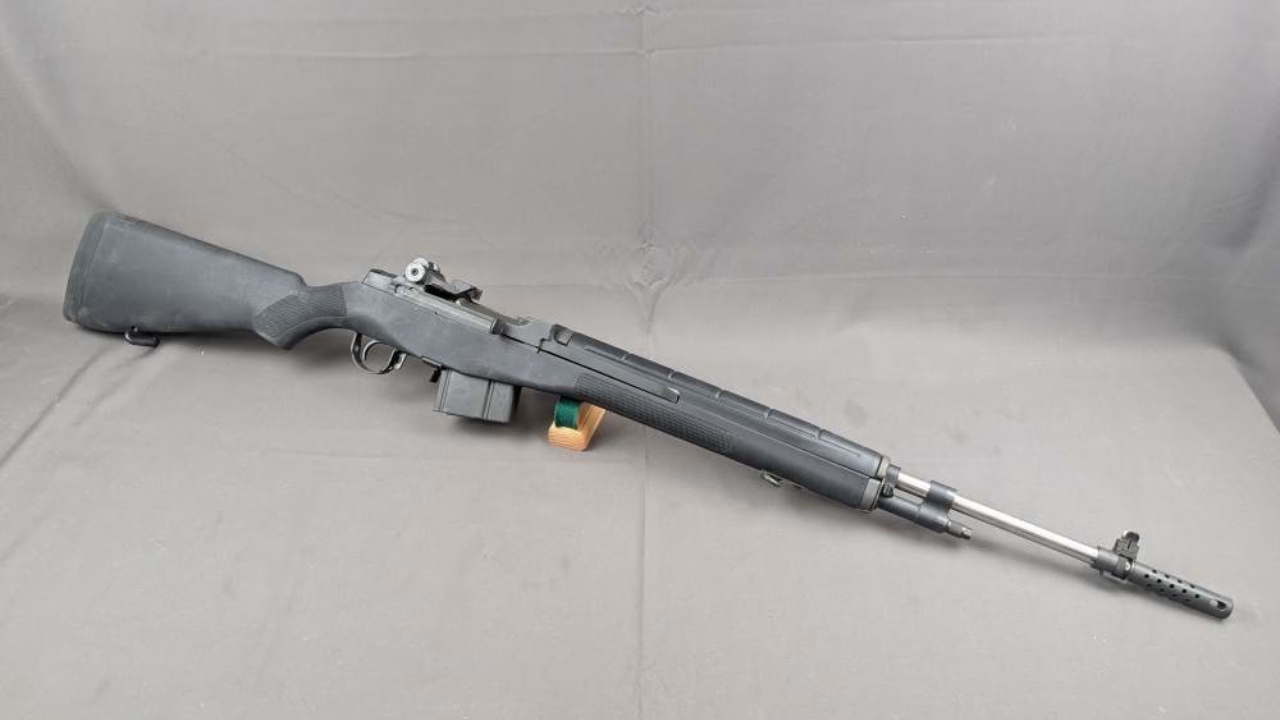
The M1A is a great example of a rifle that can shoot well while still making you work for consistency. Bedding, stock fit, and torque can matter more than you expect, and optics mounting can become its own mini-project. You get it running, then you chase a slightly better group, and the next thing you know you’re changing mounts, rings, and setup.
The rifle also reacts to small changes in ammo and technique. Sling tension, rest pressure, and even how you load the magazine can affect the feel. None of that means it’s a bad rifle. It means the M1A rewards a certain kind of owner, and that owner usually cannot stop tinkering long enough to leave it alone.
Ruger Mini-14

The Mini-14 is reliable in the “go bang” sense, but it’s famous for sending owners on a quest for better precision. You try different ammo, then you start thinking about barrel harmonics, then you look at struts, bedding tricks, and sight upgrades. The rifle can do solid work, but it has a way of making you chase that one-inch group you swear is in there.
Optics can add another layer. Mount choices, ring height, and how the rifle behaves as it heats up can turn a simple range day into a troubleshooting session. The Mini often ends up as a rifle you enjoy for what it is, after you’ve burned time and money trying to make it something else.
PTR-91

Roller-delayed rifles like the PTR-91 are rugged, but they can drag you into “setup” territory fast. The rifle throws brass hard, so you start thinking about buffers and brass deflectors. The trigger is serviceable, so you start looking at trigger work. Then optics mounting becomes a project because you’re working around a design that wasn’t built with modern glass in mind.
Magazines are usually not the problem, but the overall shooting experience pushes you toward tweaks. You can end up changing small things trying to soften recoil feel, improve ergonomics, and tame the ejection pattern. It’s a rifle that runs, but it also encourages you to keep adjusting it until it fits the way you shoot.
SKS (Norinco pattern)

The SKS is a classic “leave it alone” rifle that people rarely leave alone. The moment you try to modernize it, the fixes start stacking. You change the stock, then the rifle feels different in recoil. You add detachable mags, then feeding becomes the new hobby. You mount an optic, then you’re dealing with loose mounts and shifting zero.
The SKS is happiest in its original form. Once you start chasing modern features, you’re fighting the platform. You can make changes work, but it often takes more trial and error than you planned. It’s not that the SKS is fragile. It’s that it punishes unnecessary modifications with constant little problems.
Mosin-Nagant 91/30

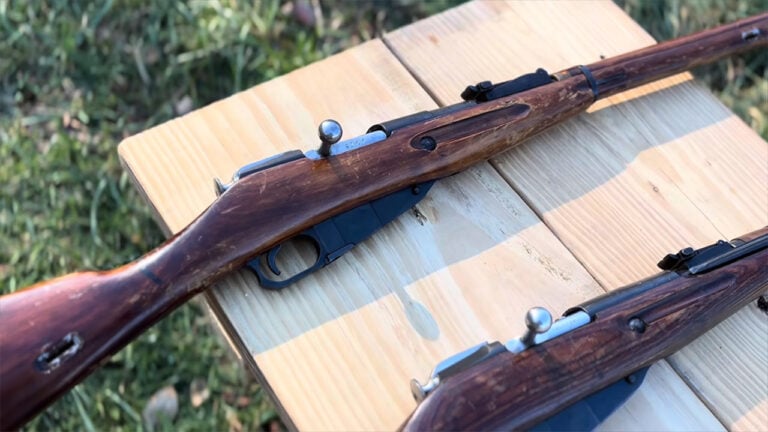
A Mosin can be a fun rifle, but the “fix” cycle usually starts the moment you try to scope it. Mounting options vary, and many setups are more optimistic than solid. Then you fight bolt clearance, eye relief, and inconsistent results that make you think the rifle is the issue when the mount is really the culprit.
After that, you’re chasing ammo behavior. Surplus loads, modern loads, varying bore condition, and age-related wear all show up on paper. The rifle might shoot better than expected one day and worse the next, and you start changing things to stabilize it. A Mosin is a history piece that can hunt, but it’s rarely a “set it and forget it” shooter.
Lee-Enfield No.4 Mk I

Enfields have their own personality, and the “one more fix” urge often comes from trying to modernize a rifle built for irons and battlefield use. You start with bedding questions, then you chase consistency with different ammo. If you try to scope one, you can end up deep in mount choices that never feel as solid as a modern receiver setup.
The rifle itself can be excellent, especially when it’s in good shape. The challenge is that you’re working with an older system, older tolerances, and sometimes mismatched parts from decades of service life. You can absolutely get good performance, but it often takes more sorting and testing than you want for a rifle that’s supposed to be relaxing fun.
Zastava ZPAP M70
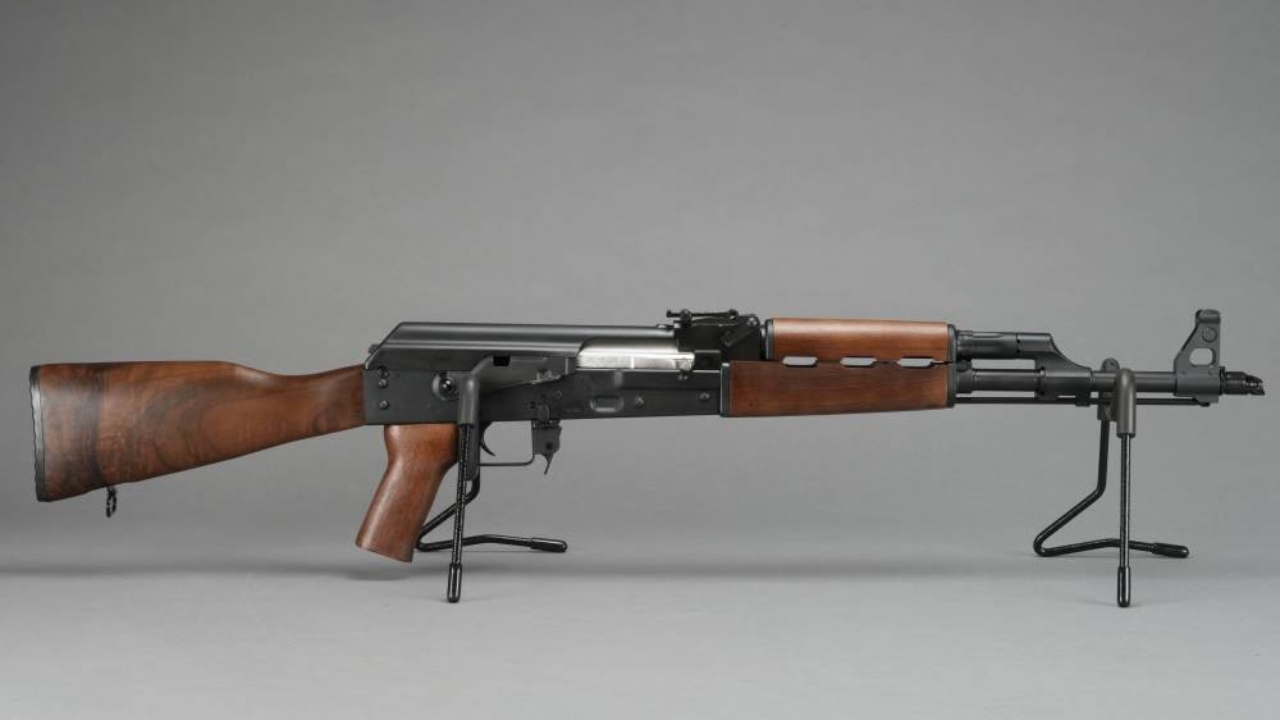
AK-pattern rifles like the ZPAP M70 tend to run, but accessories are where the fixes begin. Optic mounting, rail fit, and stock setup can turn into a constant adjustment loop. You add a mount, it sits a little high, then your cheek weld changes, then you chase a better stock, then you chase a better optic position.
The M70 is also heavier than many AKs, which can be good for shooting but pushes you toward “make it lighter” changes. Then you add a handguard, a light, a sling setup, and you’re back where you started. The rifle isn’t failing. The platform is simply so modular now that you can spend months trying to perfect an AK that was never meant to be a precision accessory host.
T/C Compass
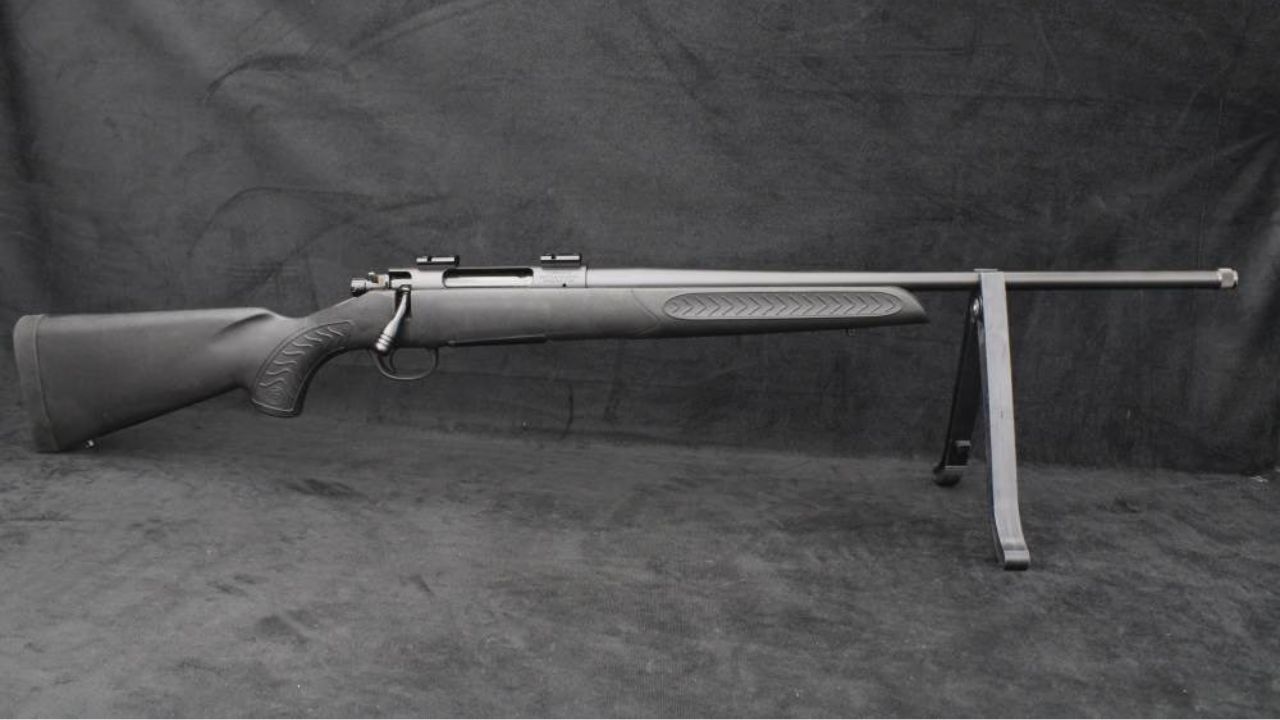
The Compass can be a good budget hunting rifle, but it often sparks “upgrade itch” early. The stock can feel flexible, the trigger feel might not be what you prefer, and people start thinking about small changes to tighten things up. Then you add a better scope, then you decide the rifle deserves better rings, and suddenly the cheap rifle is wearing a lot of expensive decisions.
When groups open up, you start second-guessing everything. Action screws, torque, ammo, and bedding all get blamed. Sometimes the rifle is fine and the setup needs attention. Sometimes you’re asking a budget rifle to behave like a premium one. Either way, it’s a common place where the “one more fix” mindset starts.
Remington 742 Woodsmaster

Older semi-auto hunting rifles like the Remington 742 can become constant maintenance rifles as they age, especially if they’ve seen a lot of seasons. Wear issues, parts availability, and the reality of an older design can turn small problems into repeated trips to the bench. You might get a stretch of good function, then a new quirk pops up and you’re back to diagnosing.
A lot of these rifles are also carried more than they’re cleaned. Once problems start, owners often try to fix them with quick tweaks instead of a full inspection. That’s when the cycle begins: one more cleaning trick, one more mag check, one more ammo change. They can be great deer rifles, but they’re not always forgiving when time catches up with them.
Henry Long Ranger

The Long Ranger is a lever gun built around modern cartridges, and it can be a solid performer, but it can also trigger the “make it perfect” habit. You start with optics and ring height because you want the rifle to mount naturally. Then you start chasing the right load to match the barrel and your hunting distances. Then you start tweaking sling position and stock fit to get it to carry like you want.
Lever guns also encourage you to tinker with handling details, because you feel every change. If your optic setup isn’t ideal, you notice immediately. If your ammo choice changes point of impact, you notice immediately. Nothing is broken, but the rifle invites small adjustments until it feels exactly right. That process can turn into a long project if you let it.
CZ 527 (in .223 or 7.62×39)

The CZ 527 is beloved, and that love often turns into endless “small improvements.” The rifle is accurate, handy, and light, but owners frequently tweak rings, optics, and magazines trying to get the feed feel and balance exactly the way they want. In 7.62×39 especially, people can get particular about ammo and how it prints compared to expectations.
Because the rifle is discontinued, parts and mags can become a fixation. You find what works, then you chase spares, then you try a different setup to protect your originals. The 527 is a great little rifle, but it’s also the kind you keep fussing over because you like it so much. The “one more fix” isn’t always frustration. Sometimes it’s affection that never shuts off.
Like The Avid Outdoorsman’s content? Subscribe to our newsletter so you never miss an article.
Here’s more from us: