Photo credit: Lucky Gunner Ammo/YouTube
Handgun trends change faster than real-world needs do. Every few years, buyers get told that some new cartridge finally solved the problems older rounds somehow left hanging. Sometimes the pitch is lighter recoil. Sometimes it is more speed, more energy, more capacity, or more “modern” performance. Some of those newer cartridges are useful. A few are genuinely strong. But the reason certain handgun calibers never really disappear is simple: they still do the job people actually need them to do.
That matters more than hype. A practical handgun caliber stays relevant because it remains available, effective within its role, and easy enough to live with that ordinary shooters keep trusting it. These are the handgun calibers that never stopped making practical sense, no matter how many newer ideas tried to convince people they had already been replaced.
9mm Luger

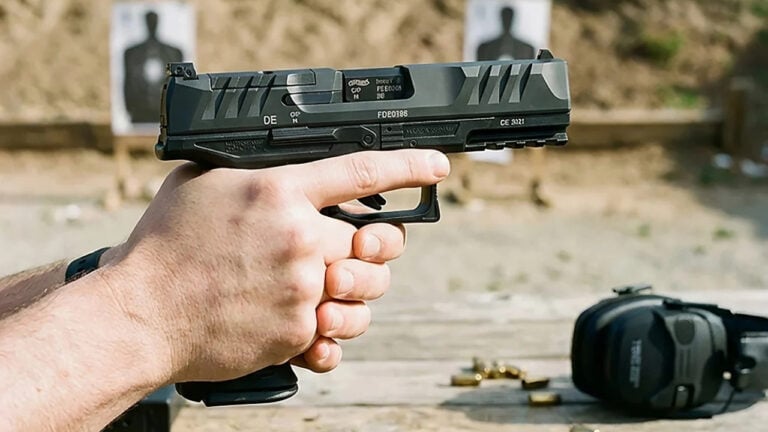
The 9mm never stopped making practical sense because it solves more handgun problems at once than almost anything else. It gives shooters manageable recoil, broad ammo availability, good capacity in service-size and compact pistols, and enough defensive credibility that nobody has to make excuses for carrying it. That is a hard combination to beat. A lot of newer cartridges tried to sound more advanced, but most of them only improved one part of the picture while making another part worse.
That balance is what keeps the 9mm on top. It works for training, carry, duty roles, home defense, and general range use without forcing the owner into some narrow equipment lane. It is also one of the easiest serious handgun calibers to actually practice with in volume, and practice matters more than cartridge mythology. The 9mm stayed practical because it stayed useful in everyday hands, not just in advertising language.
.38 Special
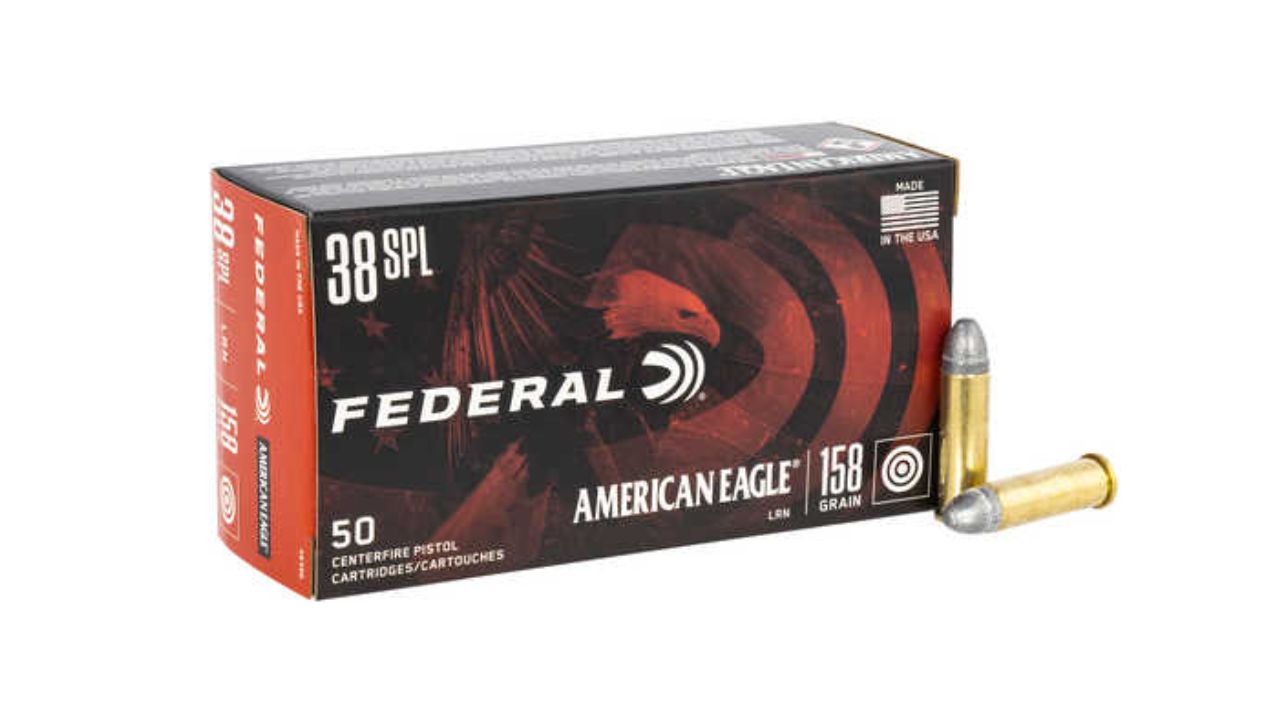
The .38 Special never stopped making sense because revolvers never completely left real life, no matter how hard the market tried to act like they had. In a good medium-frame revolver, it is mild enough to shoot well, proven enough to trust, and flexible enough to fill everything from easy range work to serious defensive roles with the right load. That is a lot of value from a cartridge people keep trying to file away as old-fashioned.
What keeps it practical is how forgiving it can be. In snub revolvers it can still be serious, and in larger guns it becomes one of the most pleasant centerfire handgun rounds to shoot regularly. That is not a small advantage. Cartridges survive because people can actually live with them, and the .38 Special remains one of the easiest serious handgun rounds in the world to keep shooting well over time.
.357 Magnum

The .357 Magnum never stopped making practical sense because it remains one of the cleanest answers for people who want one revolver caliber that can still do a lot. Defensive use, trail use, range work, and even some hunting roles all stay on the table, especially because the same guns can usually run .38 Special too. That flexibility alone gives it a practical edge many newer handgun cartridges never really matched.
It also keeps making sense because it still offers real authority without turning into a novelty round. Yes, it can be loud and sharp, especially in smaller guns, but it continues to solve real problems for shooters who want a revolver caliber with broad usefulness. It may not be trendy, but trendiness is not what kept it alive. Real-world capability did.
.45 ACP

The .45 ACP never stopped making practical sense because it stays easy to understand. It is not trying to be mysterious, futuristic, or mathematically seductive. It throws a heavier bullet at moderate velocity, tends to shoot in a very manageable rhythm in a full-size pistol, and has enough long-term service and defensive credibility that the burden of proof has never really shifted onto its fans. That kind of established confidence matters.
What keeps it practical is that it still works well in the sorts of handguns built around it. A good .45 can be very shootable, very confidence-inspiring, and very satisfying for people who want a larger-bore sidearm without chasing magnum recoil or boutique ammo. The market has spent years trying to either replace it or over-romanticize it, but the real reason it survives is simpler than either of those things. It still fills its role very well.
.22 Long Rifle

The .22 LR never stopped making practical sense because no serious handgun world exists without cheap, low-recoil practice and plain old enjoyable shooting. Training, introducing new shooters, pest control, small game, and just spending time on the range without burning through centerfire money all still matter. That is what keeps the .22 LR practical. It solves the most common shooting problem of all: how to keep shooting often.
Its usefulness is even broader in handguns than many people give it credit for. A good .22 pistol can become one of the most-used guns a person owns simply because it lowers friction. Less recoil, less cost, less fatigue, more repetition. That kind of practicality is hard to overstate. People do not keep .22 LR alive out of nostalgia. They keep it alive because it remains one of the smartest ways to actually shoot more.
.44 Magnum

The .44 Magnum never stopped making practical sense because there are still roles where a serious revolver cartridge matters. Hunting, woods carry, animal defense, and the simple need for a sidearm with real power all keep it relevant. It is not a general-purpose answer for everyone, but practicality is not always about broad popularity. Sometimes it is about continuing to solve a specific problem better than softer alternatives do.
That is why the round has held on. In the right revolver, with the right shooter, it still provides a level of authority many handgun cartridges never approach. It also carries enough flexibility that lighter loads and .44 Special compatibility in some guns make ownership more manageable than outsiders often assume. The .44 Magnum stayed practical because the people who actually need what it offers still genuinely need it.
.22 Magnum
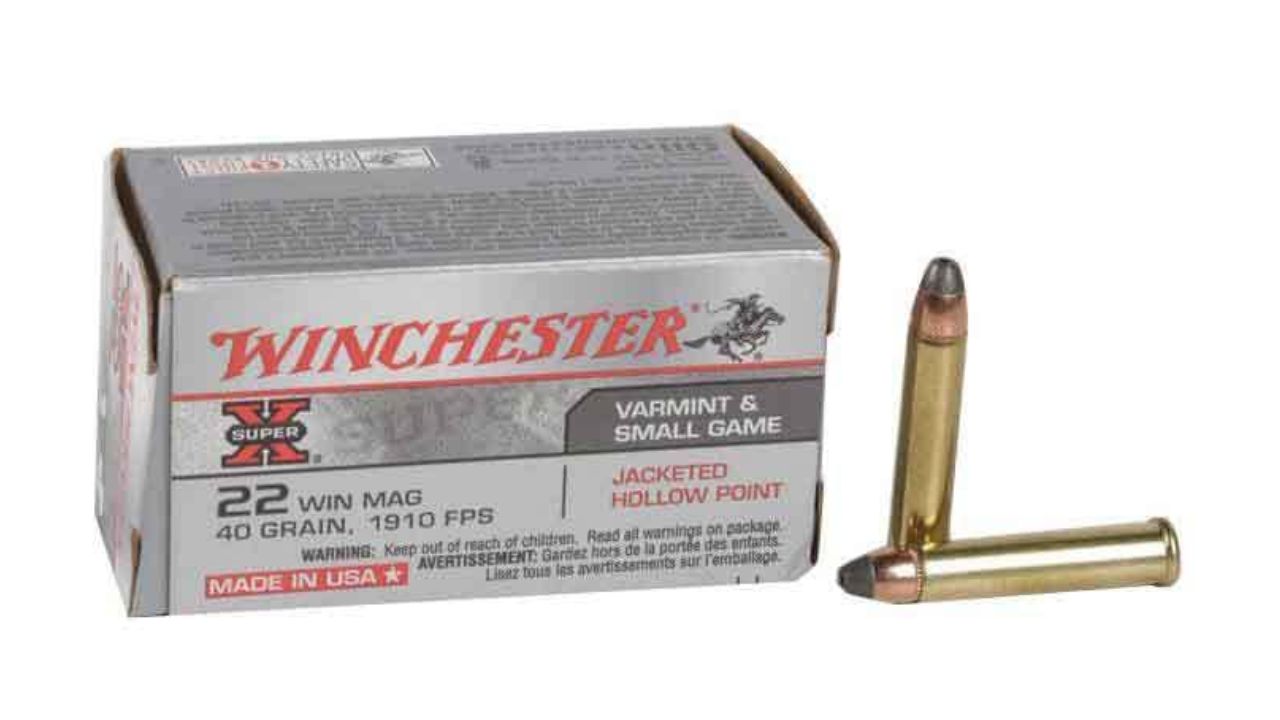
The .22 Magnum never stopped making practical sense because it offers more performance than .22 LR while staying low in recoil and easy to control in many platforms. It has always lived in a slightly awkward spot, but awkward does not mean useless. It remains attractive for people who want a rimfire with more reach, more bite, and a little more field or trail capability than standard .22 LR can give them.
What keeps it practical is that it fills a specific lane cleanly enough to matter. It is not trying to replace service calibers. It is serving shooters who want a little more from rimfire handguns without stepping into centerfire recoil, cost, or noise. Those needs never completely disappeared, which is why the cartridge did not either.
.32 H&R Magnum
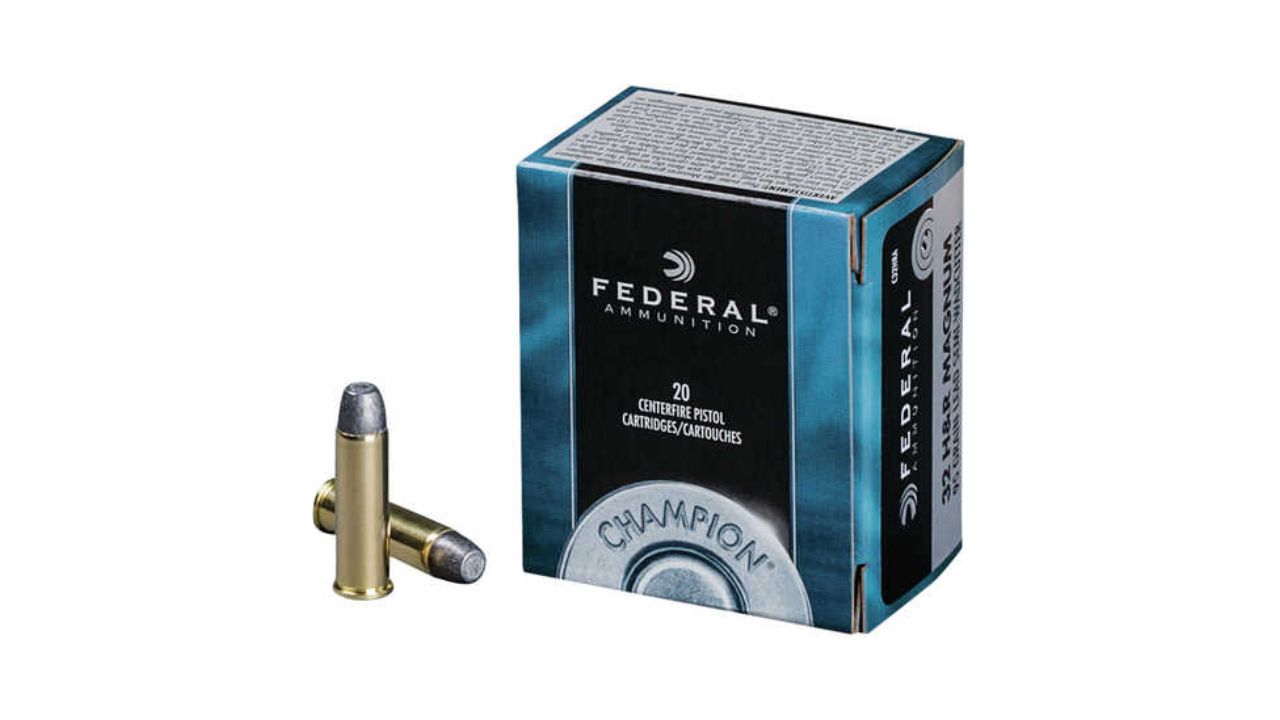
The .32 H&R Magnum never stopped making practical sense because it gives revolver shooters a very useful middle ground that many people only appreciate after some real range time. It offers more energy than the softer old .32s, less recoil than .357 Magnum, and a generally pleasant shooting experience that makes small and medium-frame revolvers easier to live with. That is a smart trade for more people than the market likes to admit.
It also benefits from the fact that practical does not always mean mainstream. Some cartridges remain worthwhile because they do exactly what a certain slice of shooters need, even if they never dominate shelf space. The .32 H&R stayed practical because it kept delivering a controllable, effective revolver option for shooters who wanted something less punishing than a magnum and more serious than a plinking round.
.32 ACP

The .32 ACP never stopped making practical sense because small handguns never completely stopped mattering, and there are still buyers who value manageable recoil, compact size, and straightforward carry over cartridge machismo. It has lived through wave after wave of dismissal, but the basic logic behind it never entirely went away. In the right pistol, it remains easy to shoot, easy to carry, and easier to control than many tiny pistols chambered in harsher rounds.
Its practicality comes from realism. Not everybody wants or can comfortably run the smallest 9mms or more aggressive pocket calibers. For some shooters, the .32 ACP continues to make more sense than trendier answers because it encourages better control and more confident shooting. A cartridge does not have to dominate the market to remain useful. It only has to keep fitting real people and real carry needs.
.380 ACP
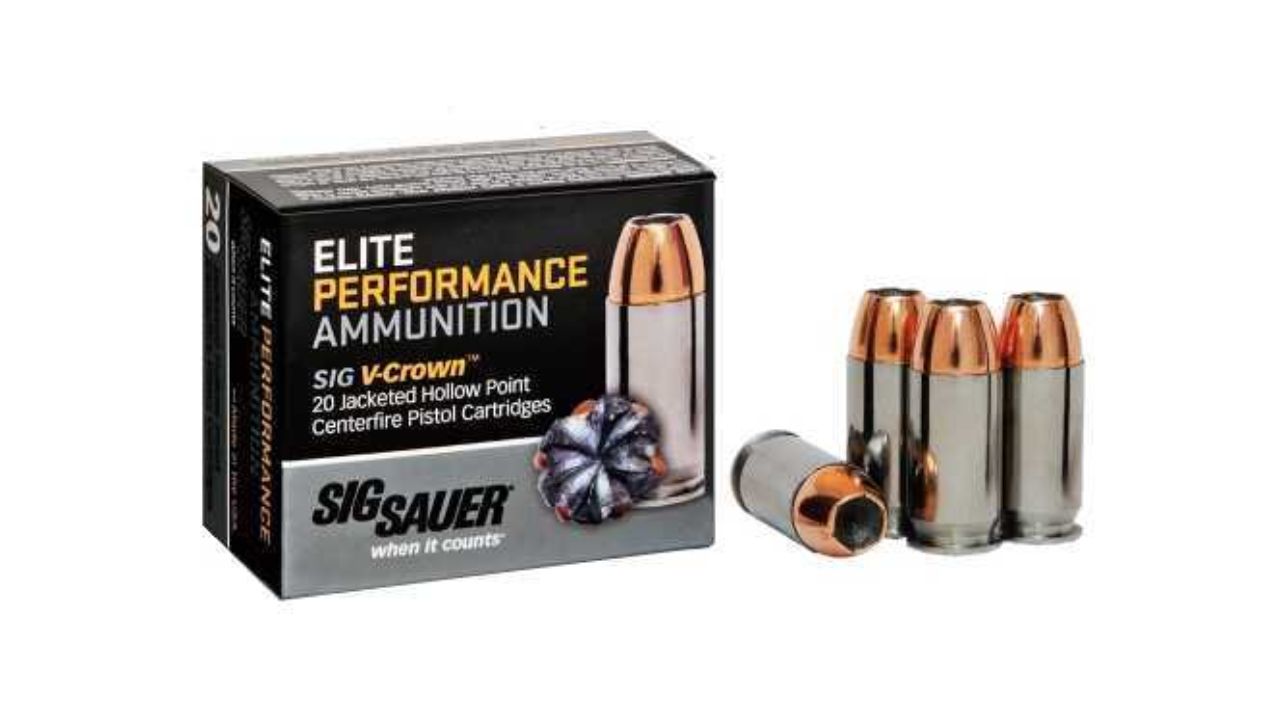
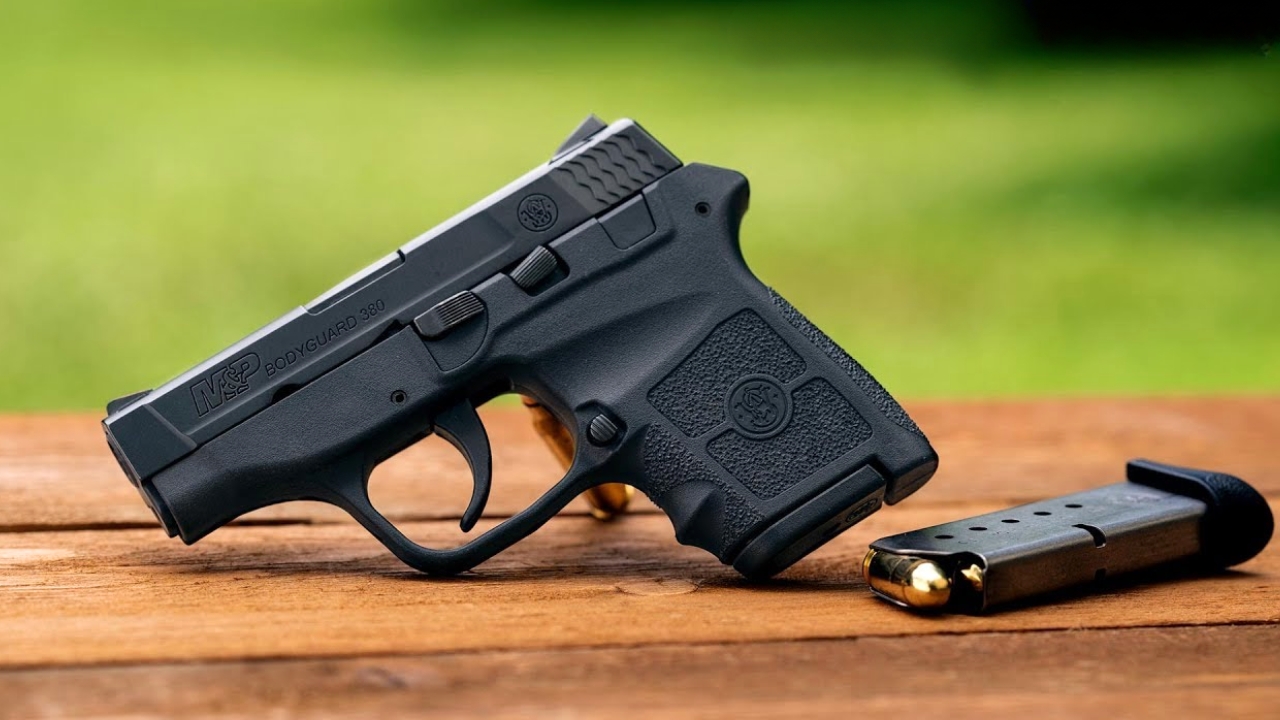
The .380 ACP never stopped making practical sense because there has always been a market for pistols that are truly easy to carry. Even as micro 9s got better, the .380 held onto a real place by keeping recoil softer in many compact guns and by staying relevant for shooters who want or need something lighter-handling in a very small package. That practical niche is not a fad. It is rooted in how people actually carry.
The cartridge also remains widely supported, widely available, and tied to a huge range of handguns. That alone gives it staying power. The internet likes to argue about whether it should still matter, but the real market answered that question years ago. It still matters because enough people still have real use for exactly what it offers.
10mm Auto

The 10mm never stopped making practical sense because there are still shooters who want a semi-auto cartridge with real field authority. Hunting backup, trail carry, defensive use against animals, and the simple desire for more power in a practical repeating handgun all keep it relevant. A lot of the market treats it like a macho statement first, but underneath that noise is a very real use case.
That is why it has endured. When someone genuinely wants more than 9mm or .45 ACP usually provides, but still wants a self-loader instead of a big revolver, 10mm remains one of the few serious answers. It is not the everyday answer for everyone, but it was never supposed to be. It stayed practical because it still occupies a real and useful lane.
.44 Special

The .44 Special never stopped making practical sense because it remains one of the most satisfying revolver cartridges for shooters who value controllability and big-bore confidence over raw magnum speed. It has a calm, usable quality in the right revolver that makes a lot of sense once people stop assuming every large-bullet handgun round needs to be pushed to the limit.
That is what keeps it alive. It gives shooters a big-bore experience that is easier to enjoy regularly than .44 Magnum, while still feeling serious and substantial. It is not trying to win a numbers argument. It is trying to remain useful and shootable, and that has always been a very practical thing for a handgun caliber to do.
.45 Colt

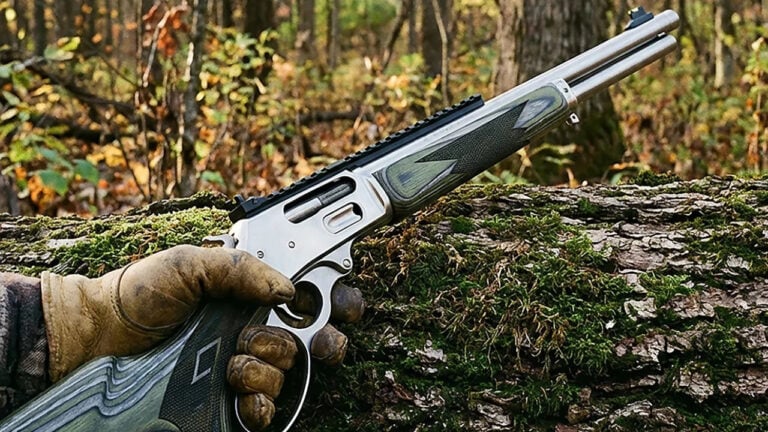
The .45 Colt never stopped making practical sense because it continued to matter in revolvers and carbines where people valued heavy bullets, moderate pressure, and long-established field usefulness. In strong modern revolvers it can cover a lot of ground, and even in more traditional loadings it still provides a very honest kind of handgun performance. That sort of staying power does not come from romance alone.
It also keeps surviving because it connects practical shooting with practical history. It remains useful in hunting, trail roles, and big-bore revolver ownership without needing to become some boutique curiosity. The market can laugh at old cartridges until they keep proving there is still a place for them. The .45 Colt has done that for a very long time.
.327 Federal Magnum

The .327 Federal Magnum never stopped making practical sense because it took an already useful idea, the lighter-recoiling, flatter-shooting small-bore revolver, and pushed it into a more serious performance lane. It gives shooters excellent velocity, solid defensive credibility, and often one extra round in compact revolvers compared with larger calibers. That is a genuinely practical trade.
What keeps it relevant is that it offers real flexibility too. Many revolvers chambered for it can also run softer .32-family cartridges, which gives the owner a lot of room to tailor the gun to practice, recoil tolerance, and purpose. That kind of versatility keeps a cartridge practical even if it never becomes a mass-market celebrity. The people who understand what it does well usually keep understanding it for a reason.
Like The Avid Outdoorsman’s content? Subscribe to our newsletter so you never miss an article.
Here’s more from us: