Photo credit: NRApubs/YouTube
A rifle that prints one tiny group can mess with your head. You start doing math on drop charts, shopping for tags, and telling yourself you finally cracked the code. Then the next range trip turns that “one-hole” brag into a 1.5-inch reality check. Most of the time, it isn’t magic and it isn’t broken. It’s a stack of small variables—barrel heat, stock pressure, action screw torque, scope mount settling, ammo lot changes, and how you support the rifle on the bench.
If you want repeatable groups, you chase repeatable inputs. You torque the action screws the same way every time, you keep the fore-end pressure consistent, you let a thin barrel cool, and you stop switching loads like you’re spinning a roulette wheel. The rifles below can absolutely shoot. The point is that these specific models often end up in that familiar story: one tiny group that convinces you, then a long stretch of “why won’t it do that again?”
Ruger American Predator
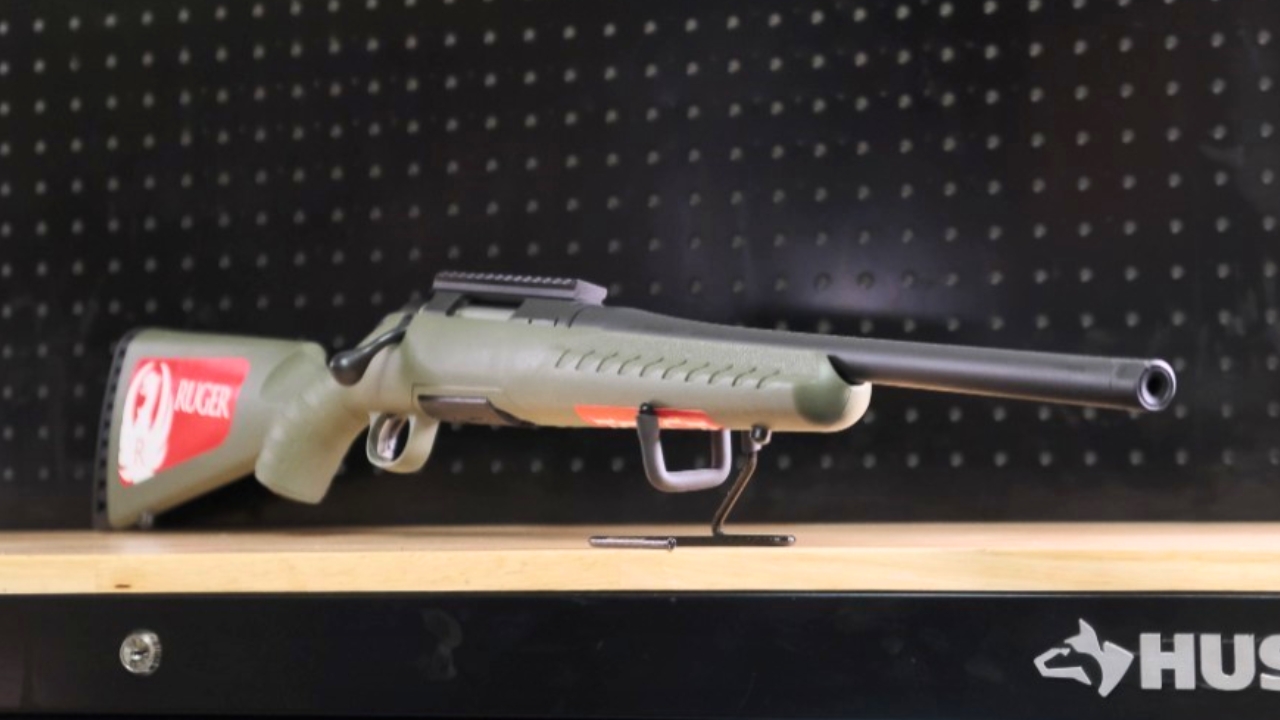
The American Predator will sometimes hand you a ragged-hole group early on, especially with the right factory load, and it’s easy to believe you scored a bargain tack driver. The barrel can be plenty capable, and the rifle often shoots better than its price tag suggests when everything lines up.
Where it gets frustrating is consistency. The factory stock can flex, and a slight change in rest pressure can change barrel contact or how the action sits. Action screw torque matters more than many people think, and you’ll see it when your point of impact shifts between range trips. The rifle can also be picky about specific loads and bullet shapes. When you control the variables—same bags, same support, same torque, slow cadence—it usually behaves. If you don’t, it’s the kind of rifle that will show you one tiny group and then make you work to see it again.
Remington 700 SPS

A 700 SPS can absolutely print a great group, and that’s why so many people keep buying them as a starting point. When you catch a good barrel and a load it likes, the rifle will stack three shots and make you feel like you’re done shopping.
The problem is the SPS often wears a flexible factory stock, and pressure points show up fast. Rest the fore-end differently, load a bipod harder, or shoot on a hot day, and the group can open or shift. The other common culprit is sloppy scope mounting or bases that settle after recoil. The 700 action is capable, but the whole system has to be stable. If you want it to repeat, keep your torque consistent, confirm the barrel isn’t touching under pressure, and don’t judge it by one lucky group shot with a cold barrel.
Savage Axis II
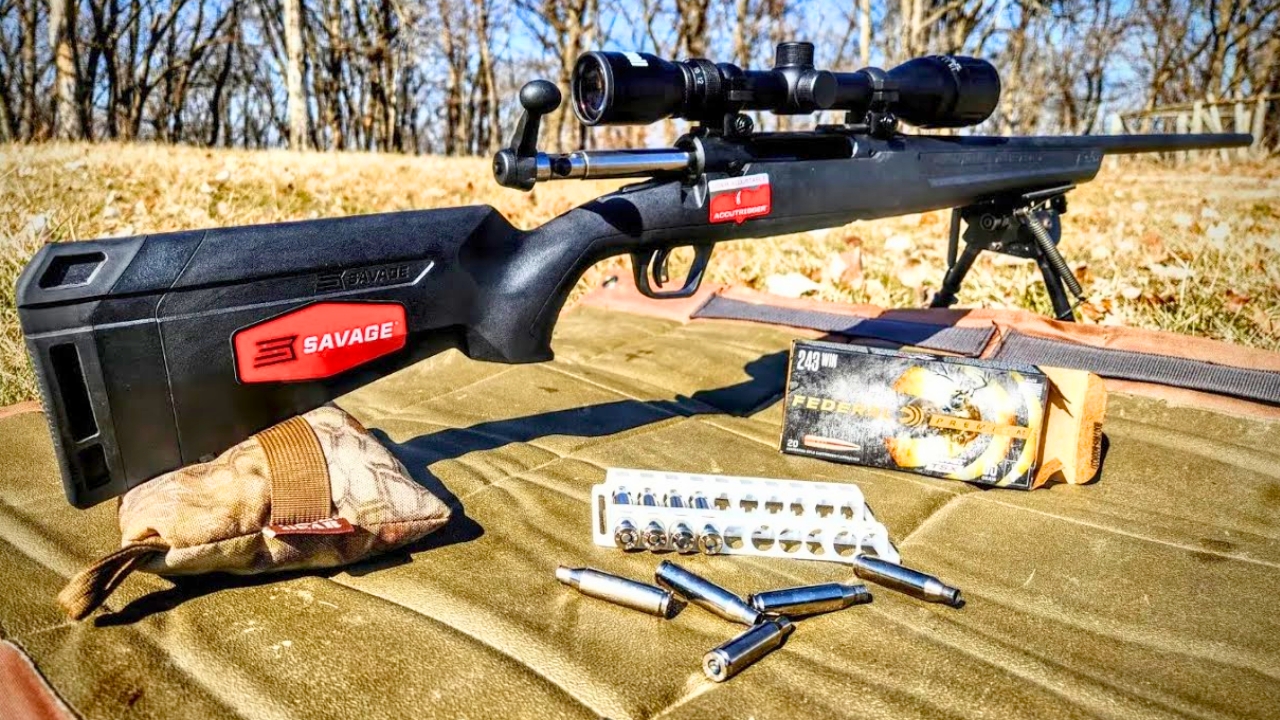
The Axis II has made a name by occasionally shooting far better than people expect. You’ll see a tight group with the factory ammo it happens to like, and it’s easy to walk away thinking you found a budget rifle that punches above its class.
Then the next trip doesn’t match the first because the platform can be sensitive to stock flex, heat, and support technique. Thin sporter barrels warm up quickly, and a warm barrel changes point of impact more than most hunters want to admit. The stock can also transmit rest pressure differently from session to session, especially if you’re shooting off different bags or benches. The Axis II can be accurate, but it doesn’t always repeat unless you’re disciplined. Slow your cadence, keep your support identical, and stick with the load that actually performs. If you keep changing variables, it will keep changing results.
Tikka T3x Lite

The T3x Lite earns its reputation because plenty of them shoot very well right out of the box. It’s common to see a Tikka post an impressive first group, especially with a load that matches the barrel’s preferences. That first tiny cluster is what turns casual owners into true believers.
The issue is that “Lite” means thin barrel and a light stock, and both can make the rifle sensitive. Heat builds fast, and point of impact can drift if you shoot too quickly. The stock can flex if you load a bipod hard or clamp the fore-end into a bag, which changes how the barrel behaves. None of that means the rifle is bad. It means you have to shoot it the same way every time. If you want repeatable groups, keep the barrel cool, keep rest pressure consistent, and stop chasing every new factory load.
Winchester Model 70 Featherweight

A Featherweight can shoot a tiny group that makes you think it has a custom barrel hidden inside. Many of them do very well with a cold barrel and a careful pace, and the rifle carries and balances so well that it’s easy to fall in love with it after one great target.
Where things fall apart is when you try to make it behave like a heavier bench rifle. The lighter barrel heats up and starts moving point of impact, and the rifle can be sensitive to how you hold it and where you rest it. Sling tension, fore-end placement, and even shoulder pressure can change what the rifle does. The Model 70 action can be solid, but the Featherweight format demands consistency. Shoot slow, let the barrel cool, and stick to one load once you find it. If you keep changing how you shoot it, it will keep changing what it gives you.
Browning X-Bolt Hell’s Canyon Speed
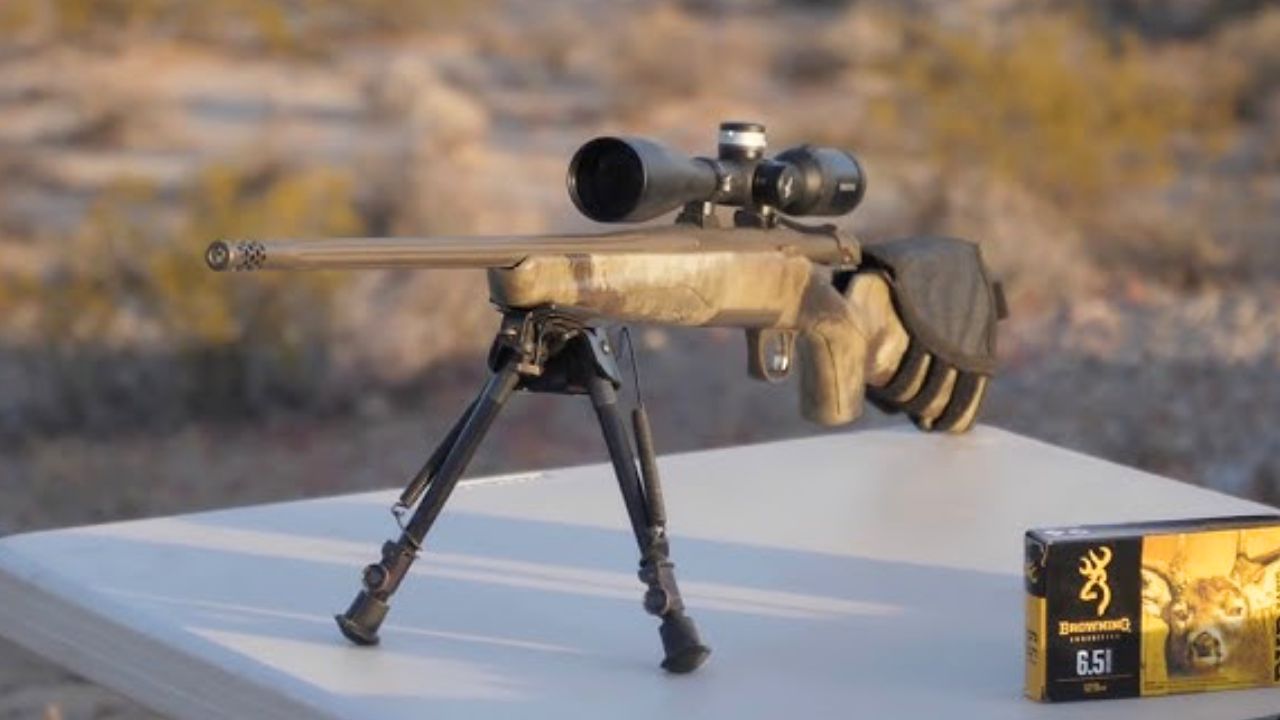
The Hell’s Canyon Speed is popular because it often shoots well while staying light and handy. You’ll sometimes see a tight first group and assume you’ve found a hunting rifle that does everything—carry easy, shoot tiny, and stay steady.
The catch is that lightweight hunting trims can be sensitive. Thin barrels heat quickly, and the rifle’s light weight makes recoil management more important than people expect. If your grip and shoulder pressure vary, your group will vary. Some X-Bolts also show strong preferences for certain bullet designs, so one load can look amazing while another looks average. You get the best results when you slow down, shoot consistent three-shot strings, and let the barrel cool between groups. The rifle can absolutely shoot, but it wants you to treat it like a hunting rifle with a repeatable routine, not a machine you can rush.
Kimber Montana

The Kimber Montana has a long history of producing “how did that happen?” groups in a rifle that feels like it weighs nothing. When a Montana is dialed with the right load and you do your part, it can print a small group that convinces you it’s the perfect mountain rifle.
Then you try to repeat it and learn what ultra-light really means. The thin barrel heats fast, recoil is sharper, and small changes in your hold show up on paper. Bedding and action screw torque can also matter more than you want to believe, because the system is so light that tiny changes shift how the rifle settles. The Montana can be accurate, but it demands consistency in setup and shooting style. If you want repeatable groups, shoot slow, keep the barrel cool, torque the screws the same way every time, and stop swapping loads once you find the one it likes.
Christensen Arms Ridgeline

The Ridgeline can shoot extremely well, and it’s not rare to see a Ridgeline post a tight early group that looks like a custom rifle result. That’s why people buy them—light enough to carry, accurate enough to make you confident, and modern enough to feel current.
The trouble starts when you chase that first group with range habits that don’t match the rifle. Light hunting rifles aren’t built for fast, long strings. Heat management matters, and point of impact can shift if you rush. These rifles can also show load sensitivity, where one factory offering is excellent and another is underwhelming. Add in scope mount settling or inconsistent torque, and you can end up with a rifle that feels like it “lost” accuracy overnight. If you want it to repeat, slow your cadence, confirm your mounting hardware is solid, and test like you hunt.
Weatherby Vanguard Sporter

A Vanguard Sporter can drop a tiny group when the barrel harmonics and ammo happen to match, and it’s a rifle that often shoots better than people expect when conditions are right. That first great group is what makes owners swear they’ve found a sleeper.
Repeatability can be the challenge because many rifles in this class are load-sensitive. You might find one load that it loves and everything else that it tolerates. The sporter barrel also warms up faster than you think, and a warm barrel changes impact if you don’t let it cool. Stock pressure and torque consistency matter, too. If you remove the action for cleaning and torque it differently, you can change what the rifle does. The Vanguard can be accurate, but it rewards a controlled routine: same torque, same support, slow strings, and a load you stick with instead of rotating through every box on the shelf.
Howa 1500 Super Lite

The Howa 1500 Super Lite can shoot a tight group that makes you forget it’s a featherweight. When you’re careful with cadence and you find a load it likes, the rifle can absolutely put three shots into a tiny cluster and make you think you’ve found your forever hunting rig.
Then the super-light format shows its teeth. The thin barrel heats fast, recoil feels sharper than a heavier rifle in the same caliber, and your position and grip matter more than they would on a heavier setup. The stock can also transmit rest pressure differently if you change bags, benches, or bipod loading. If you want that great group to repeat, you have to remove variables: same rest placement, same shoulder pressure, and plenty of cooling time. The rifle can be accurate, but it won’t cover your inconsistency. If you rush it, it will show you.
Bergara B-14 Ridge

The B-14 Ridge has earned a reputation for shooting well, and plenty of them do. It’s common to see a Ridge print a tight group early, especially with quality ammo, and it’s easy to believe you’ve found a rifle that will do that every time with no extra effort.
Where people get burned is assuming that one great group means the system is locked in. Scope bases and rings still need proper torque, and any settling will show up as “mysterious” accuracy loss. The rifle can also be picky about certain bullet shapes or weights, so switching loads can change point of impact and group size more than you expect. Bedding and action screw torque consistency matter, too, especially if you pull it apart and reassemble it casually. The Ridge can be a consistent shooter, but it wants a consistent setup and a consistent diet.
Mossberg Patriot
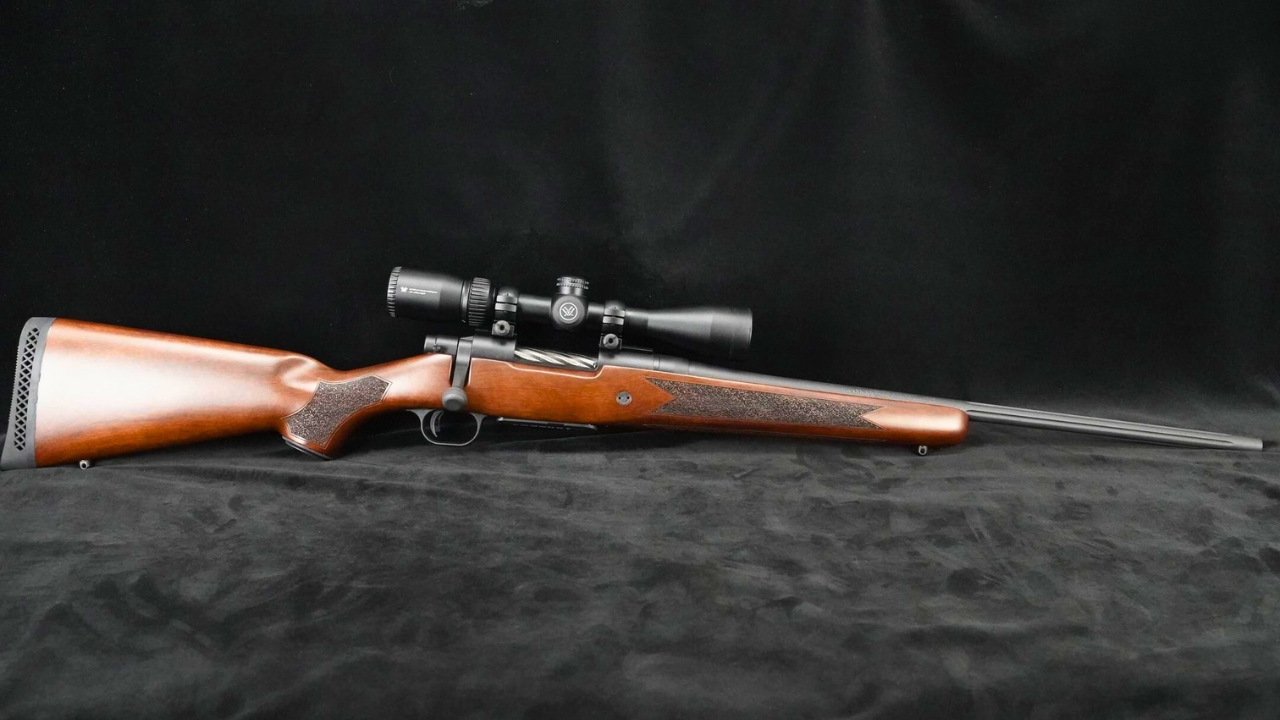
A Patriot will sometimes surprise you with a tight group that looks out of place for the price, and that first target is what keeps people rooting for them. When you catch the right load and a calm trigger press, the rifle can absolutely put a few rounds into a small cluster and make you think it’s solved.
The problem is that the Patriot can be sensitive to small changes. The stock and bedding interface can amplify differences in how you rest the rifle, and thin barrels can shift impact as they warm. The trigger press can also feel different enough that your shot break changes when you speed up or get tired, which shows up as “it won’t repeat.” If you want it to behave, shoot slow three-shot groups, let it cool, and keep your support technique identical. The rifle can deliver, but it doesn’t always deliver on demand unless you treat the whole setup carefully.
Thompson/Center Compass

The Compass has built its following by occasionally shooting far better than its price suggests. You’ll see a small group with the factory ammo it happens to like, and it’s hard not to feel like you found a hidden bargain. That first group can be real, not a fluke.
Then you go back and it doesn’t look the same because the rifle can be sensitive to load choice, barrel heat, and how the stock interacts with the barrel under pressure. A slightly different rest position can change what the rifle does, and fast shooting can warm the barrel enough to drift point of impact. The Compass can also show strong preferences for certain bullet designs, so switching to a different brand in the same weight can change everything. If you want repeatability, pick the load that works, buy enough, and stop changing things. Consistency makes these rifles look better than chasing miracles.
Ruger Hawkeye Featherweight

A Hawkeye Featherweight can print a tiny group that makes you think the rifle is a precision rig in hunting clothes. The action is solid, the barrels can shoot, and the handling is excellent. That first small group often happens when the barrel is cool and your support technique is steady.
Repeatability can get tricky because the Featherweight format is sensitive. The lighter barrel warms quickly, and the rifle can react to how the action is torqued into the stock. On some examples, the action screw system is sensitive enough that torque and sequence matter. Change either and you can change point of impact. The rifle can also show ammo preferences that are narrower than you expect, especially with modern bullet shapes. If you want it to repeat, keep torque consistent, keep the barrel cool, and shoot it the same way every session. It can shoot small, but it won’t always do it casually.
Savage 110 Ultralite

The 110 Ultralite can produce a tiny group that makes you wonder why you ever carried a heavier rifle. When you shoot slow and steady with a load it likes, it can look like a precision rifle on the target. That’s the moment that sells people on the whole ultralight idea.
Then you try to repeat it with a faster pace or sloppy support and the group opens up. Thin barrels and light weight make heat and shooter input matter more. Small changes in grip, shoulder pressure, or rest placement show up fast. The rifle can also be load-sensitive, especially if you’re bouncing between bullet weights and brands. If you want repeatable groups, treat it like a hunting tool: cold-bore focus, slow three-shot strings, and plenty of cooling time. Keep your torque consistent and your optics mounted correctly. The rifle can shoot, but it demands a repeatable routine.
Like The Avid Outdoorsman’s content? Subscribe to our newsletter so you never miss an article.
Here’s more from us: