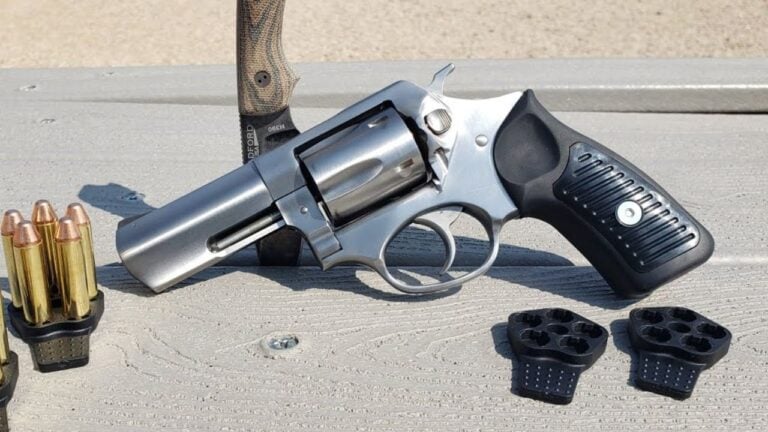
Photo credit: BearFotos/Shutterstock.com
Every hunter has bought a rifle that looked great on the rack, felt smooth in the hands, and promised more than it ever delivered. Sometimes it’s a slick marketing campaign, other times it’s a bad batch of design shortcuts—but either way, you end up regretting it. The rifles on this list aren’t “bad” in the sense that they can’t fire a round; they’re bad because they never lived up to what hunters expected. Poor accuracy, sloppy triggers, stock flex, or unreliable feeding—each of these models taught shooters that not every new rifle deserves a ride to deer camp.
If you’ve ever walked away from a rifle range shaking your head, you’ll recognize these. They’re the rifles hunters still complain about years later, and the ones that prove not everything that looks good behind glass should come home with you.
Mossberg ATR 100

The Mossberg ATR 100 looked promising for the price but didn’t hold up under field use. Its rough bolt operation and lightweight synthetic stock made it hard to shoot consistently. Accuracy often started fine but fell apart once the rifle warmed up or took a few knocks in the truck.
The factory scope mounts and hardware were prone to loosening, and the trigger was spongy and unpredictable. For hunters used to Mossberg’s reliability in shotguns, this rifle felt like a disappointment. Many who bought it as a “starter” rifle quickly moved on. It wasn’t unsafe—it just never inspired confidence. The ATR 100 tried to be the everyman’s deer rifle, but it ended up being one most hunters couldn’t wait to replace.
Remington 710

The Remington 710 carried the same DNA as the 770—and the same problems. It was built for affordability, but the cheap polymer receiver insert and rough bolt travel made it feel unfinished. Many rifles left the factory with misaligned barrels or bedding issues, leading to erratic accuracy.
Even when you could get it to shoot well, it rarely stayed that way. The bolt handle was prone to breakage, and the integral scope mounts often came loose after a few shots. Hunters who trusted the Remington name found themselves with a rifle that didn’t live up to decades of craftsmanship. The 710 was supposed to modernize the budget rifle category; instead, it became a warning label for what happens when quality takes a back seat to price.
Ruger American Predator (Early Runs)

The Ruger American Predator has since built a solid reputation, but the early production rifles had issues that kept them on the rack. The stocks were too flexible, often touching the barrel and ruining the “free-floated” claim. This caused accuracy problems that showed up after just a few shots.
The action, though smooth enough, felt loose, and the rotary magazines occasionally failed to feed properly. Ruger fixed these problems in later versions, but early owners were beta testers whether they knew it or not. Many hunters remember those first runs for wandering groups and poor consistency. It’s a reminder that not every version of a good rifle starts out that way—and some early Americans should’ve stayed right where they were, behind the counter.
Savage Axis (First Generation)

The Savage Axis is known as a budget-friendly rifle that can shoot—but the first generation had plenty of growing pains. The stock was so flimsy that even light sling tension would change your point of impact. The recoil pad was thin and hard, and the trigger felt like it was packed with gravel.
Accuracy out of the box was hit or miss, depending on how well the action was torqued. Hunters expecting Savage’s typical out-of-the-box precision were often disappointed. Later models fixed many of these problems with better stocks and triggers, but the early Axis rifles left a sour taste for anyone who wanted something more than “good enough.” If you bought one of the originals, you probably learned real quick that saving $100 doesn’t always pay off.
Thompson/Center Compass

The T/C Compass was marketed as a “feature-packed budget rifle,” but its reality was far less exciting. The rifle’s synthetic stock was too flexible to maintain consistent accuracy, and the rotary magazine design often caused feeding issues. The trigger, though adjustable, never felt crisp enough for precision shooting.
Its biggest downfall was inconsistency—some rifles shot sub-MOA groups, others couldn’t hit a pie plate twice in a row. The poor bedding and lightweight construction made it sensitive to every environmental change. For hunters who trusted T/C’s reputation from their Encore days, the Compass felt like a letdown. It wasn’t a total flop, but it didn’t hold zero or inspire the confidence a mountain rifle should.
Marlin X7

The Marlin X7 had potential on paper—a crisp trigger and affordable price—but the execution didn’t live up to the promise. The synthetic stock was too light and flexible, leading to poor accuracy consistency. Over time, even the bedding loosened, causing groups to spread wider with each box of ammo.
While it could be accurate under perfect range conditions, it didn’t hold up to the bumps and weather of real hunts. The recoil pad was undersized, and the stock design amplified felt recoil. It wasn’t an outright failure, but it wasn’t the rifle hunters were hoping would revive Marlin’s bolt-action reputation. It stayed affordable but forgettable—a rifle that might’ve been fine for paper targets, but not much else.
Remington 770

The Remington 770 might win the title for most returned rifle in modern hunting history. It was designed to be an affordable entry-level option, but it cut too many corners. The injection-molded stock flexes like a rubber boot, and the action feels gritty no matter how much you clean it. The result is inconsistent accuracy that drifts as the barrel heats or the stock shifts.
Even the included scope setup wasn’t much to brag about—it rarely held zero for more than a few boxes of ammo. Hunters who expected classic Remington performance were left with frustration and missed shots. It was an attempt at a budget rifle that forgot the “reliable” part. Most who bought one learned quickly that spending a bit more would have saved them a lot of headaches.
Winchester XPR

The Winchester XPR was meant to bring Winchester’s name to the modern budget rifle game, but its early reception was rocky. The action felt stiff and sometimes rough, and the bedding system was inconsistent. Hunters noticed that after a few hunts, their point of impact shifted, especially in changing temperatures.
The polymer magazine was another weak link—it felt cheap and occasionally failed to seat correctly. The rifle shot decently with the right load, but “decent” doesn’t cut it when you’re carrying a rifle with that famous red W. The XPR has improved since, but those early rifles made plenty of hunters wish they’d waited for reviews before buying. It looked like a winner in the shop, but in the field, it was anything but.
Remington Model 597 (.22 LR)

The Remington 597 looked like a solid step up from the 10/22 competition, but reliability issues buried it fast. The magazine design was inconsistent, causing frequent feeding and ejection problems. The result? A rifle that jammed at the worst times, especially when shooting bulk ammo.
While accuracy could be decent with match-grade ammunition, few wanted to deal with the constant tweaking required. The 597’s inconsistent performance turned many shooters away from Remington rimfires altogether. It could’ve been a contender—but instead, it became the rifle everyone warned new shooters to avoid.
Mossberg Patriot

The Mossberg Patriot’s early synthetic-stock models suffered from major quality-control issues. The stock-to-barrel fit was poor, allowing contact that destroyed consistency. Some rifles left the factory with misaligned scope bases, while others had triggers that broke unevenly or not at all.
Hunters who bought the Patriot for a budget-friendly .30-06 or .308 soon found themselves re-zeroing after every range trip. The rifle’s aesthetics and price were appealing, but the performance didn’t hold up under field use. Mossberg has since improved the line, but the first runs left many with a rifle that should’ve stayed where they found it—on the shelf.
CVA Cascade
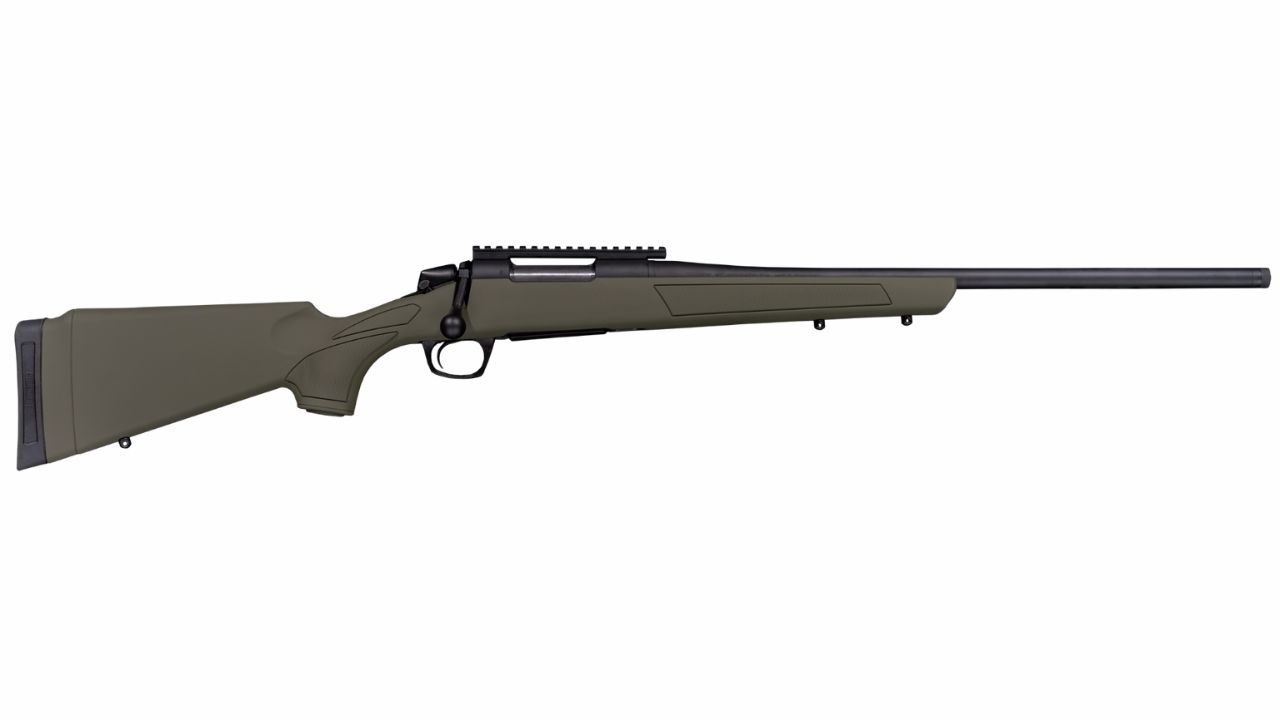
The CVA Cascade looked like a promising bolt-action entry from a company known for muzzleloaders, but early production models struggled with fit and finish. Triggers varied wildly, and accuracy often fell short of the “sub-MOA” claim. The plastic magazine was also prone to cracking in cold weather.
While CVA has made improvements, those first rifles were rough enough to keep many hunters away. They shot inconsistently and couldn’t maintain zero through a season of use. The Cascade eventually earned a better reputation, but the first ones through the door were not the rifles that built it.
Remington 783

The Remington 783 was supposed to redeem Remington’s budget rifle image—but it didn’t. Its accuracy potential was decent, but the trigger was heavy, the stock felt hollow, and the bolt lift was stiff and uneven. Even after a proper torque job and cleaning, many rifles wouldn’t group better than two inches.
Hunters who took it afield often reported scope issues and point-of-impact drift. The design borrowed ideas from competitors but lacked refinement. The 783 ended up feeling like a rifle that wanted to compete with the Savage Axis but didn’t understand why people liked the Axis in the first place. It was serviceable, but not satisfying—exactly the kind of rifle that ends up forgotten in the back of the safe.
Howa 1500 Hogue Stock Models
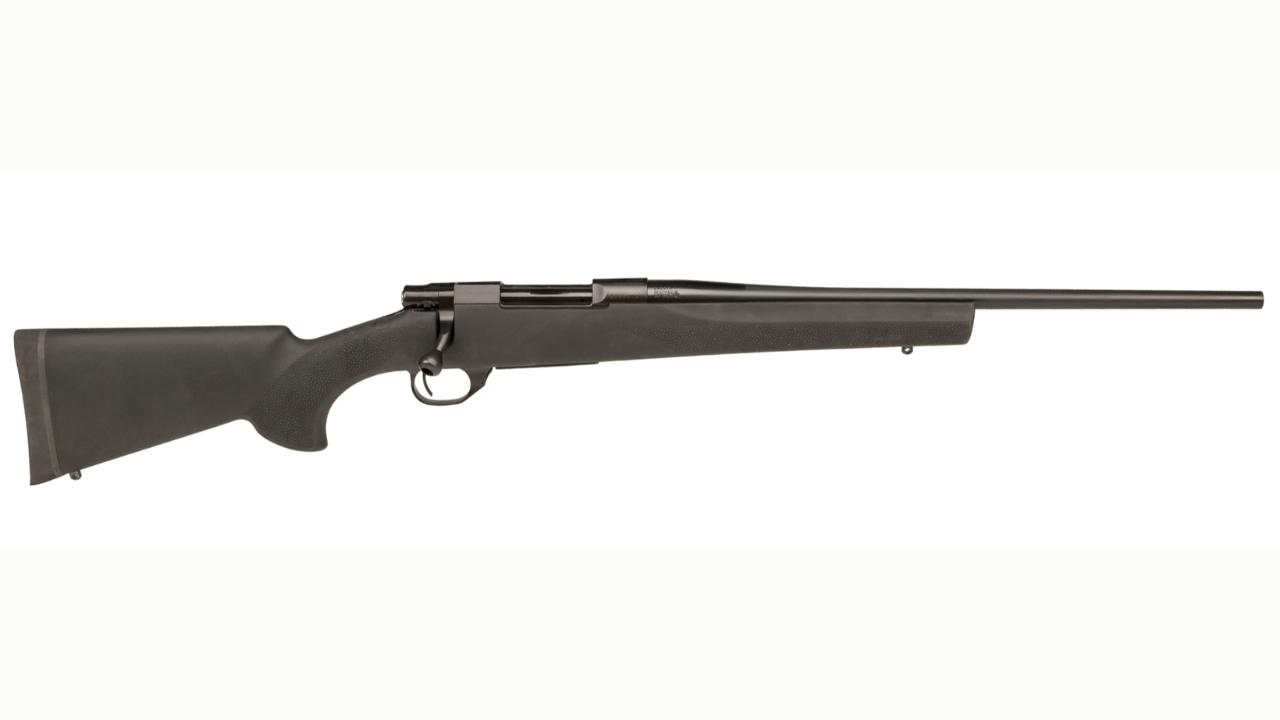
Howa actions are legendary, but the Hogue-stocked models gave them a bad name for a while. The soft rubberized stock looked and felt nice in the store, but under sling tension or bipod pressure, it flexed enough to touch the barrel. That contact ruined the rifle’s accuracy potential.
The rubber texture also grabbed clothing and dirt, making it awkward to handle in wet weather. Howa barrels are excellent, but that stock design choked the performance right out of them. Many hunters ended up replacing the stock entirely, which turned an affordable rifle into an expensive project. It was a rifle you had to fix before it could shine—something that shouldn’t happen on a brand-new gun.
Remington Model Seven (Synthetic Stock Versions)

The Remington Model Seven was light and handy, but the synthetic-stock versions had serious issues with rigidity. The thin fore-end flexed under any pressure, altering point of impact. Combined with a small recoil lug and inconsistent bedding, the rifle often struggled to hold zero through the season.
For hunters who loved the compact feel, it was a heartbreak. The Model Seven could’ve been a perfect mountain rifle, but the plastic stock turned it into a guessing game every time you sighted in. The wood-stocked versions were far better, proving the design had potential—it just shouldn’t have gone polymer without serious reinforcement.
Weatherby Vanguard Synthetic (Early Models)

The early synthetic Weatherby Vanguard rifles didn’t live up to the company’s premium name. The stocks were flimsy, and bedding quality varied wildly. That meant accuracy was inconsistent, especially as temperatures and humidity shifted. Even with Weatherby’s excellent barrels, the stock was the weak link that made the rifle unpredictable.
Hunters who bought it expecting Weatherby precision often ended up disappointed. The rifle shot well under perfect conditions but wandered badly once the stock began flexing. Later models with reinforced stocks solved the problem, but those first synthetics were enough to make many hunters hesitate before trusting the Weatherby name again.
Savage Axis XP Combo

The Savage Axis XP Combo looks appealing for its price—after all, you get a rifle and a scope in one box. But in practice, that combo package is often where accuracy goes to die. The scope is low-quality, the mounts are inconsistent, and the synthetic stock adds flex to every shot.
Even though the barrel and action are decent, the setup’s weak optics make it nearly impossible to take full advantage of the rifle’s potential. Most hunters who’ve used one either upgraded the glass immediately or regretted not buying the bare rifle instead. It’s not a bad gun on its own, but the combo package often delivers a frustrating experience right out of the box.
Kimber Hunter

The Kimber Hunter promised lightweight precision, but its reputation for inconsistent accuracy left many hunters unimpressed. The polymer stock was too flexible, and many rifles suffered from bedding issues that caused point-of-impact shifts between range trips.
The lightweight design amplified recoil and made the rifle hard to shoot consistently without perfect form. For a gun carrying the Kimber name and price tag, that didn’t sit well. Some rifles performed admirably, but too many didn’t. Elk and deer hunters who expected match-grade accuracy learned that the Hunter was more finicky than dependable. It looked great in the rack—but that’s exactly where many think it should’ve stayed.
*This article was developed with AI-powered tools and has been carefully reviewed by our editors.