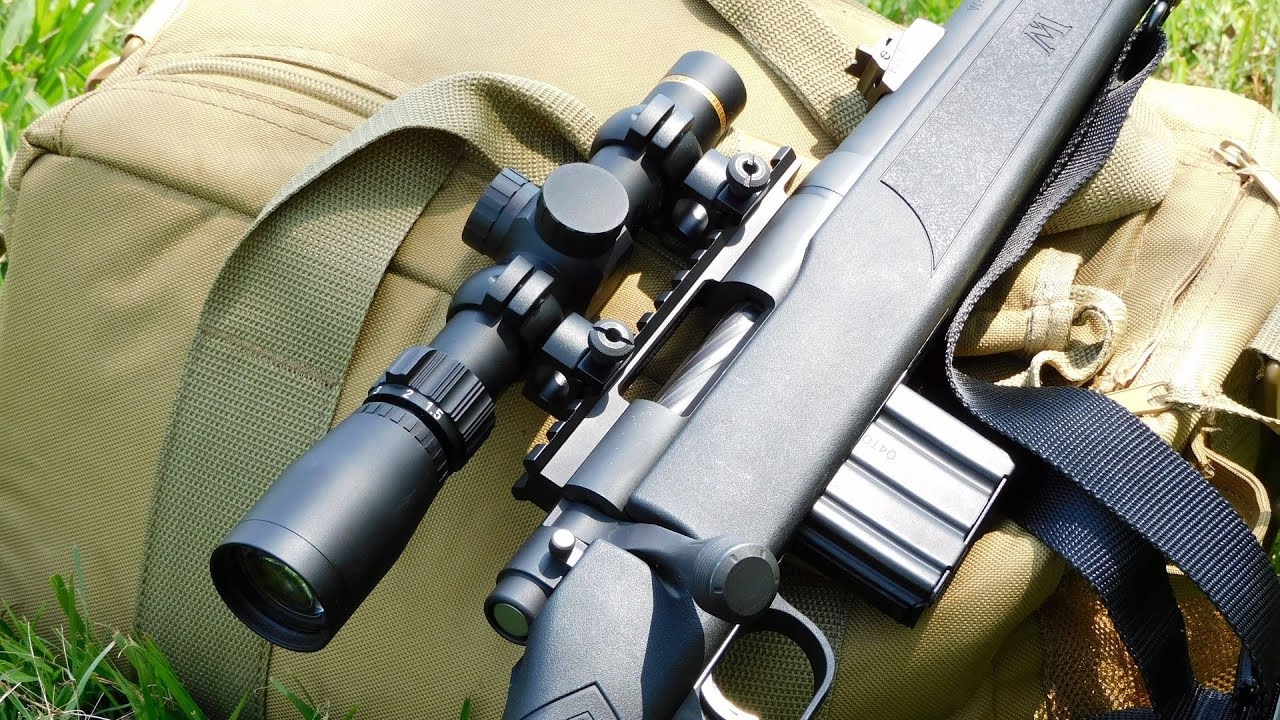
Photo credit: All Outdoors/YouTube
Every gun shop has a front row. That’s where the staff puts the rifles they can sell in 30 seconds because everybody already understands them. Then there’s the back row in the hard cases or the odd corner of the rack, where good rifles go to die because the new guy behind the counter doesn’t know what he’s looking at, or the old guy is tired of explaining it for the thousandth time.
Here are 20 rifles that tend to get shoved behind the usual suspects. Some are sleepers. Some are weird. A couple deserve to be back there. But most of them are the kind of gun you want up front where the right hunter can actually see it.
1. Ruger Gunsite Scout Rifle

This rifle gets ignored because it doesn’t fit cleanly into anybody’s “standard deer rifle” box. Short, handy, detachable mags, forward rail, irons on a bolt gun—half the staff thinks it’s a gimmick until you shoulder one and realize it carries like a lever gun with bolt-gun accuracy. It’s also one of those rifles that just makes sense when you’re climbing in and out of a truck or slipping through cedar thickets.
The other reason it ends up in the back is caliber confusion. The .308 versions are the easy sell, but the .450 Bushmaster and 5.56 variants make people squint. Still, magazines are easy, Ruger support is solid, and it’s a “do a lot of jobs pretty well” rifle. Not a benchrest toy, but it’s a real-world rifle.
2. CZ 527 (Carbine and American)
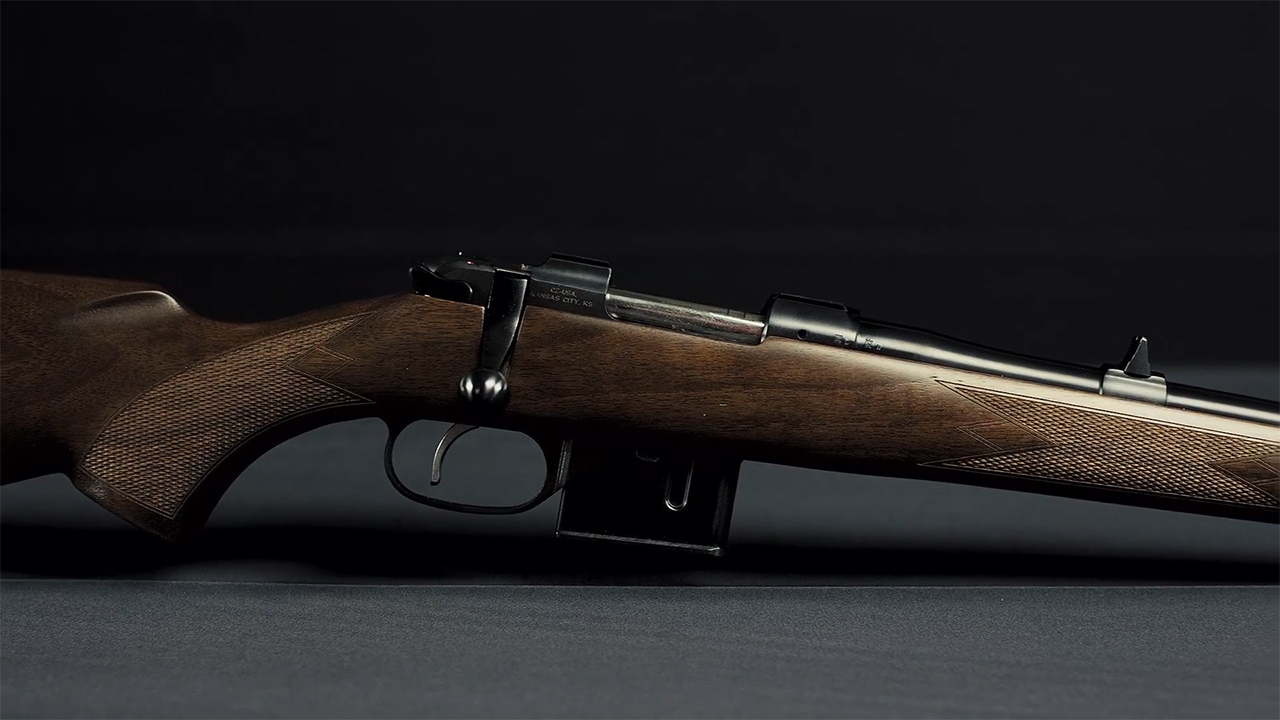
The CZ 527 is the kind of small-action bolt gun that makes you appreciate machining. Slick little Mauser-style action, controlled-round feed, and that single-set trigger that can make a guy look like a better shooter than he is. The problem is, it’s discontinued, and a lot of staff doesn’t know what it is, so it sits back there like an old oddball .22.
In .223 or 7.62×39, it’s a serious farm rifle—light, points quick, and it doesn’t feel like a fence post in your hands. In .222 Rem or .17 Hornet, it’s a paper-punching, varmint-stretching joy. Downside? Proprietary mags and rising prices. But if you find one used that hasn’t been abused, it’s the kind of rifle you kick yourself for passing up.
3. Winchester Model 70 Featherweight
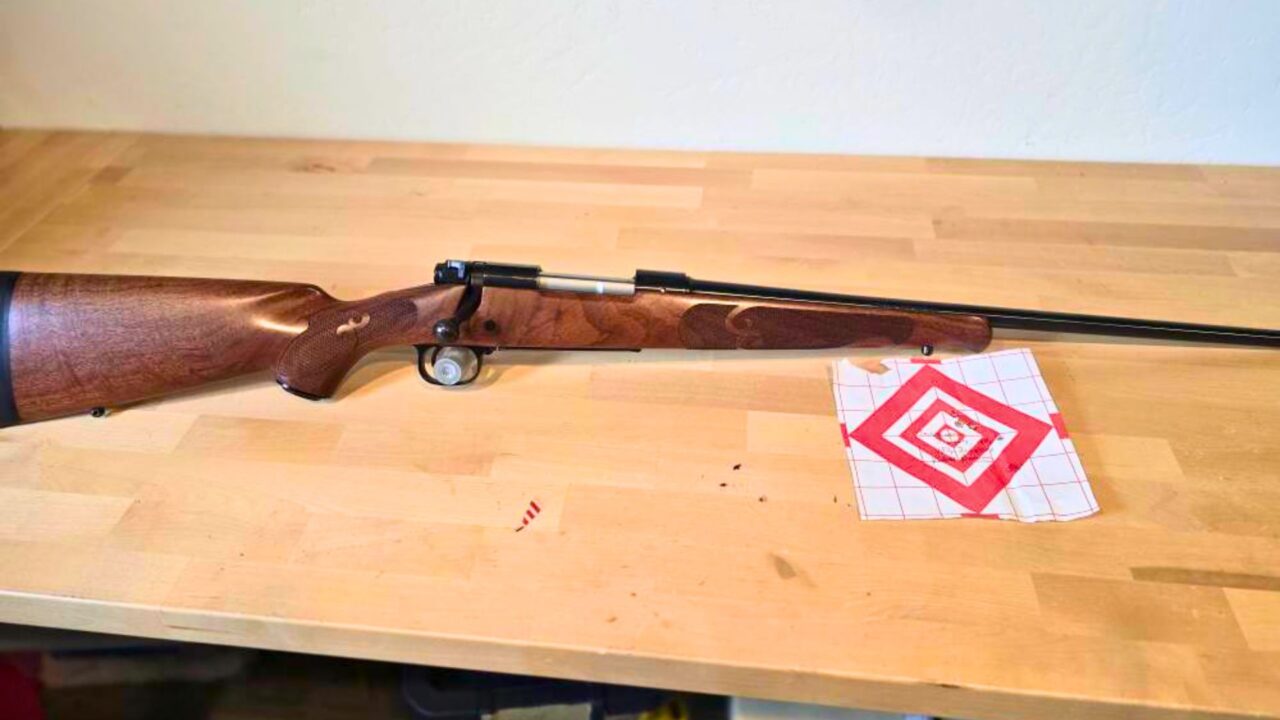
It’s amazing how often a Model 70 gets treated like “grandpa’s deer gun” instead of what it is: one of the best all-around bolt rifles ever made. The Featherweight especially gets overlooked because it doesn’t have a tactical stock, threaded muzzle, or detachable mags. Meanwhile, it balances right between your hands and carries all day without reminding you it’s there.
Staff will push the latest budget rifle because it’s easy. But the Featherweight has that classic feel—smooth bolt, good trigger (especially newer ones), and it tends to shoot better than the guy at the counter assumes. In .270, .308, .30-06, or 6.5 Creedmoor, it’s a lifetime hunting rifle. It belongs up front where a serious hunter can pick it up and feel the difference.
4. Tikka T3x Lite
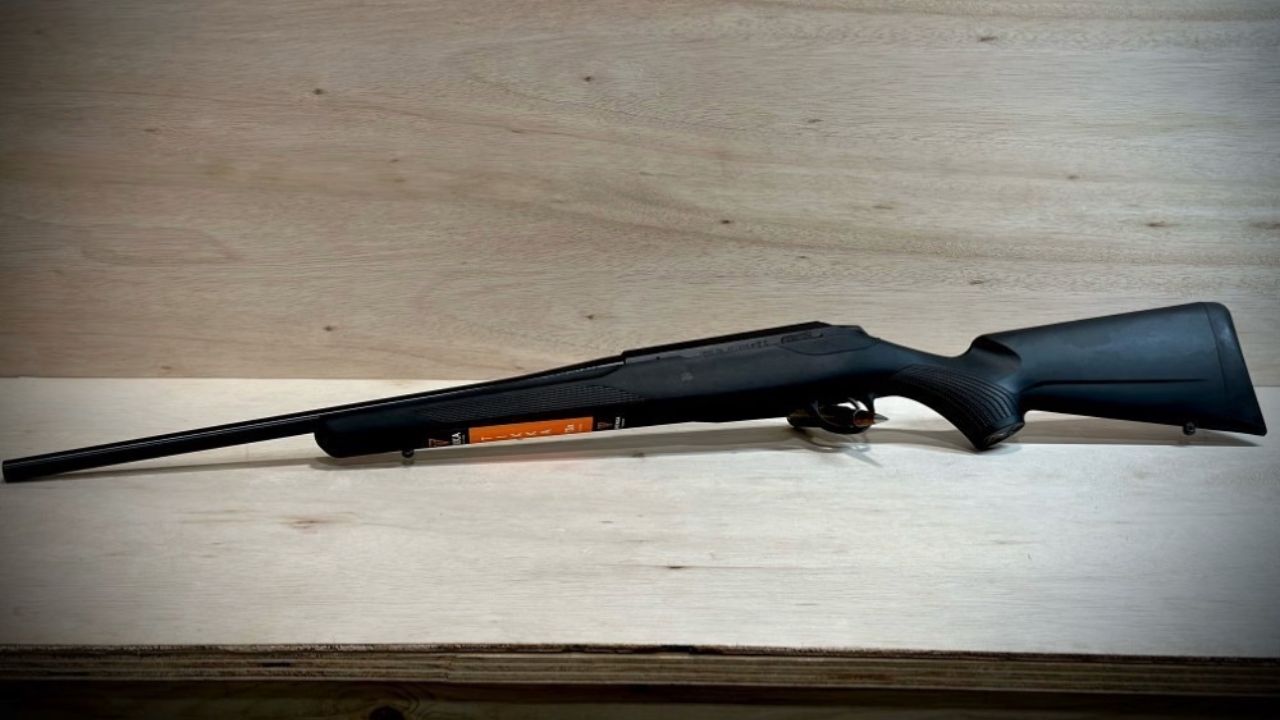
Tikkas don’t always sit in the back because they’re unknown. They sit back there because they’re “too boring” to talk about. The staff wants to sell something exciting, with a big story. The T3x Lite’s story is simple: it feeds, it shoots, it carries, and it doesn’t make you fight it. That’s not flashy, but it’s what fills freezers.
The bolt is slick, the factory barrels usually shoot lights-out with regular hunting ammo, and the recoil pad actually works. The detachable mags aren’t my favorite design, but they’re reliable. If you want a mountain rifle without paying mountain rifle money, this is one of the safest bets in the rack. The only real knock is the plastic feel—until you’re four miles from the truck and grateful it’s light.
5. Ruger American Ranch (7.62×39 or .300 Blackout)

This is the rifle that gets stuffed in the back because it looks cheap. And it is cheap. But the Ranch models in 7.62×39 and .300 Blackout do something a lot of rifles don’t: they’re genuinely useful for a guy who wants a compact, suppressed-friendly (where legal), practical “walk the property” bolt gun.
The 7.62×39 version is especially easy to like because it’s mild, handy, and ammunition availability has historically been decent. The action isn’t buttery, and the stock is nothing to brag about, but these rifles often shoot better than they have any right to. If it takes AR mags (on some variants) that’s another plus for finding spares. It’s not a showpiece; it’s a working rifle, and working rifles should be easy to find.
6. Savage Model 99
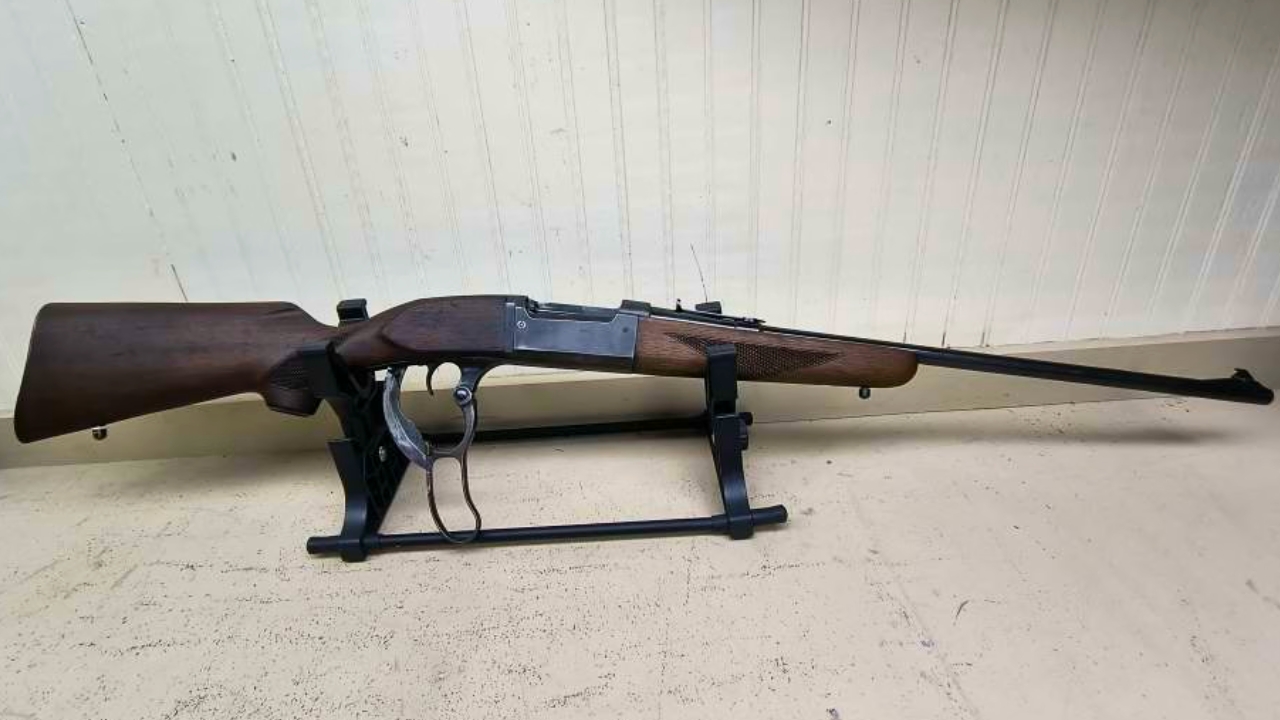
The Savage 99 is one of those rifles that makes younger staff nervous. No external hammer, old rotary magazine, calibers they don’t see every day, and sometimes a beat-up stock that looks like it rode behind a seat for 40 years. So it sits in the back of a case like it’s fragile. The truth is, they were built to be used, and a lot of them still run like they mean it.
In .300 Savage or .308, it’s a fast-handling woods rifle with real history and real utility. The lever throw is different than a 94, and it points more like a shotgun than people expect. Downsides are obvious: parts aren’t on every shelf, and you need to pay attention to condition. But a solid 99 is the kind of gun that turns into “the one that got away” if you walk out without it.
7. Remington Model 7600
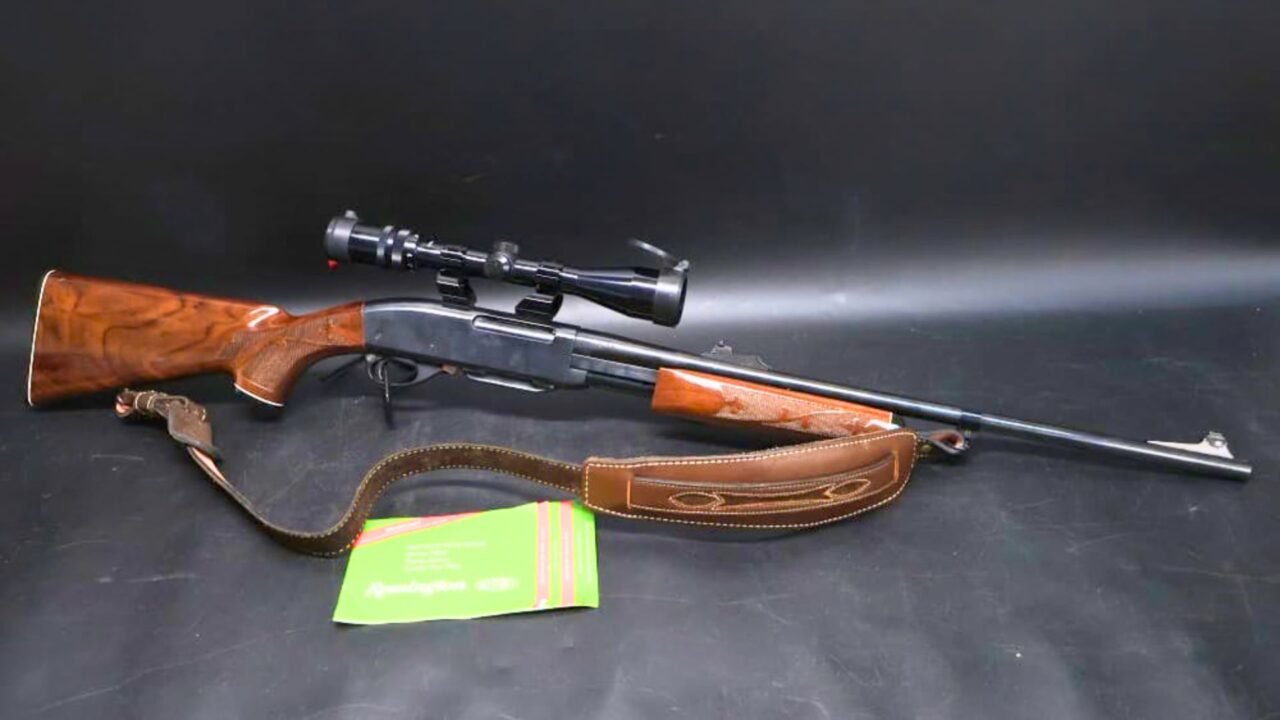
Pump rifles are a weird corner of the hunting world. Half the staff assumes they’re for guys who can’t run a bolt, and the other half forgets they exist. The Remington 7600, though, is pure practicality for thick timber deer drives or quick follow-ups when the woods are loud and close.
They carry flat, cycle fast, and in .30-06 or .308 they hit like they should. The trigger isn’t a target trigger, and they’re not usually “tiny group” guns, but that’s not why you buy one. The big thing is magazine availability and condition—beat mags or worn pump rails can make them feel rough. A clean 7600 is a serious hunting tool, and it shouldn’t be hiding behind polymer wonder rifles.
8. Browning BAR (Safari and Mk II hunting models)
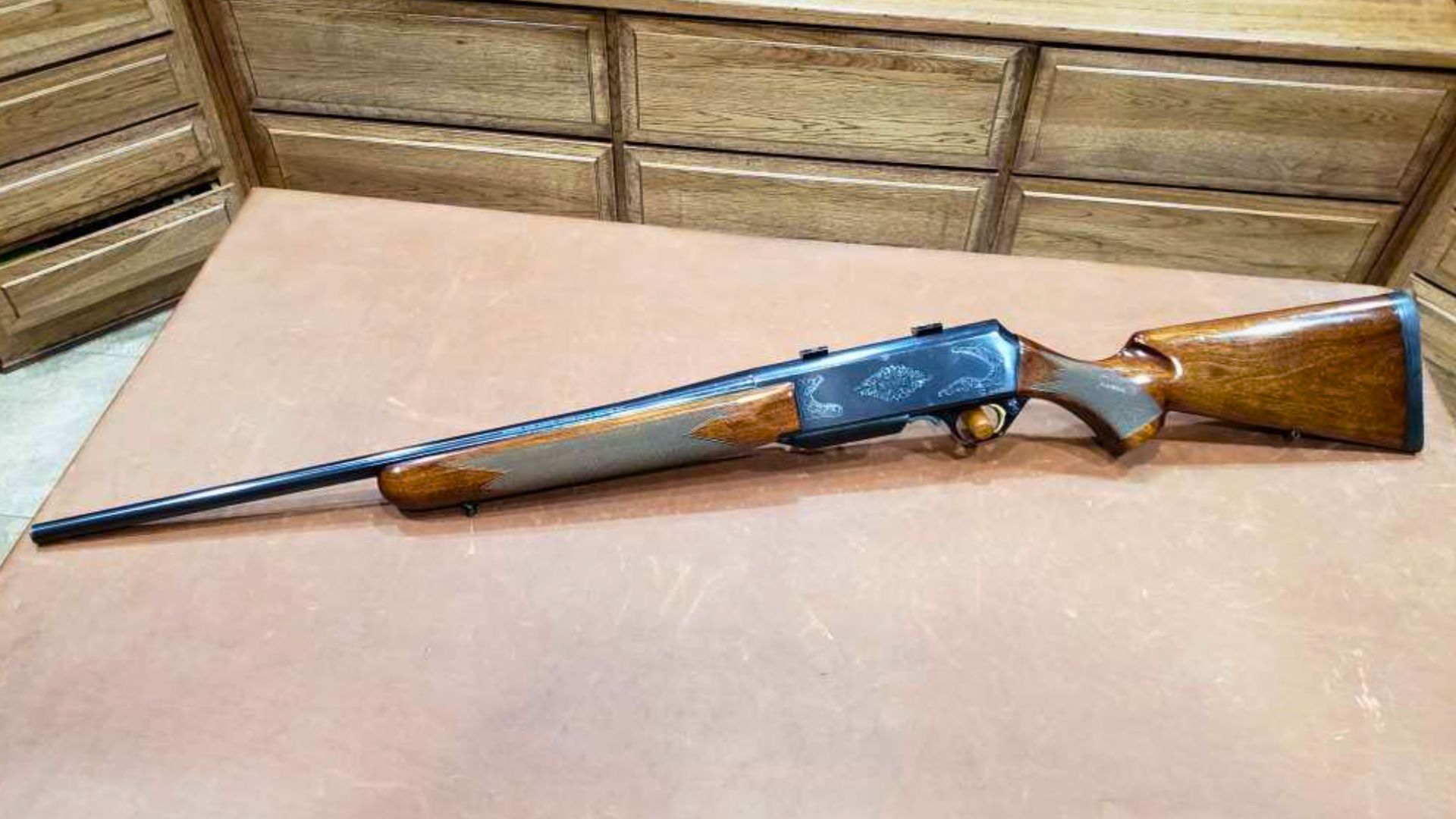
Most shops keep BARs tucked away because they’re expensive and heavy, and the average buyer is asking about lightweight bolt guns. But the hunting BAR is one of the smoothest shooting semi-auto options for big game, especially for folks who are recoil sensitive or who just shoot better when the gun isn’t punching them hard.
They’re also not “tactical,” which is exactly why they confuse new staff. Different manual of arms, more moving parts, and field stripping isn’t something you want to learn at the counter. Still, if you’ve hunted with one, you know the appeal: reliable, accurate enough, and it settles on target like a fence post—in a good way. For stand hunters and bean-field watchers, a BAR in .30-06 or .308 is still a real answer.
9. Ruger Mini-14 Ranch Rifle
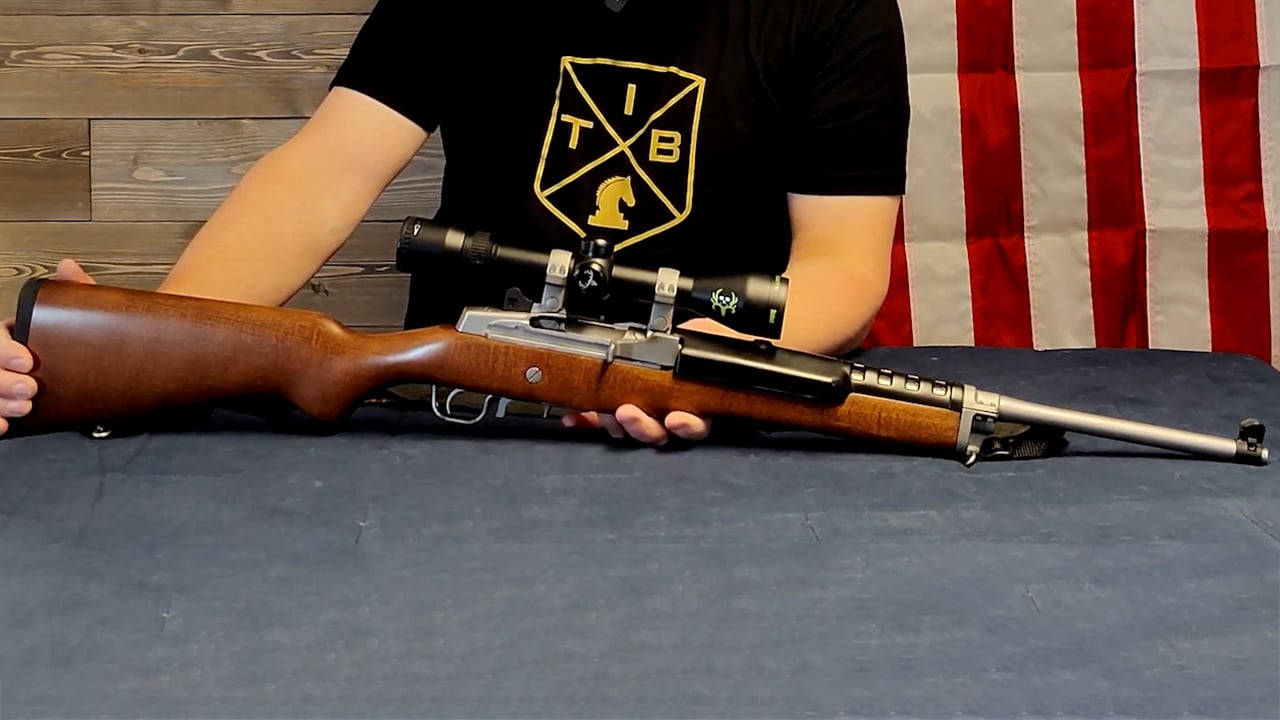
The Mini-14 gets dismissed because everybody compares it to an AR-15. If you’re chasing peak modularity or cheap magazines (depending on which era we’re talking), the AR wins. But the Mini still fills a niche: simple, handy, traditional-looking, and it rides in a truck without snagging on everything.
Older thin-barrel Minis had accuracy complaints, and that reputation sticks even though newer rifles are generally better. It’s also one of those guns where magazine choice matters—factory mags are usually the smart move. For coyotes around the calving lot, property defense, or just a “grab-and-go” rifle that doesn’t scream for attention, the Mini is hard to hate. It’s the kind of rifle that sells itself once somebody shoulders it and works the safety.
10. Marlin 336 (JM-stamped and solid later guns)

If a Marlin 336 is sitting in the back of a case, it’s usually because the shop is worried about internet arguments: JM stamp versus not, pre-buyout versus post, which years are “good.” Meanwhile, the reality is that a well-cared-for 336 is one of the best deer rifles ever made for the places most deer actually live—close cover, quick shots, bad angles, and fast movement.
A 336 in .30-30 carries easy, points naturally, and hits with authority inside sensible distances. It’s also one of those rifles you can hand to a new hunter without a bunch of drama. Watch for beat crowns, loose sights, and sloppy lever fit, but don’t overthink it. The lever gun craze drove prices up, and it made a lot of shops shy about putting them out front. They should be front and center.
11. Henry Long Ranger
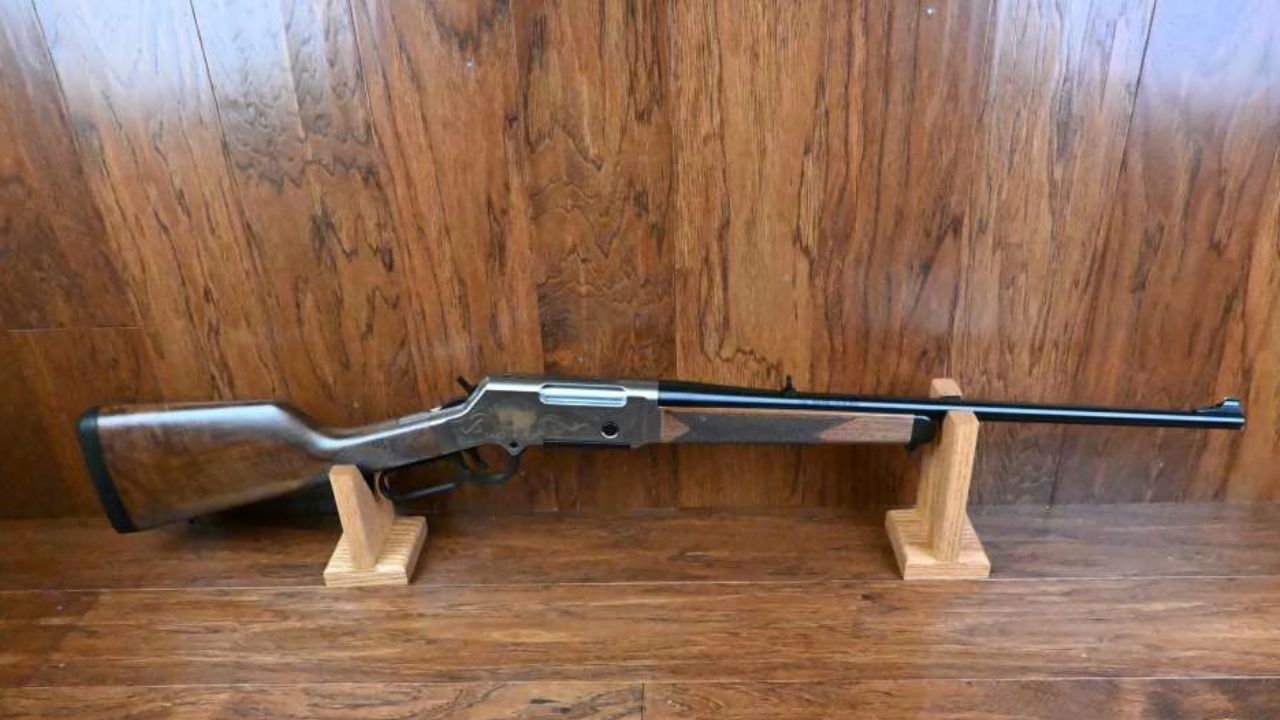
The Long Ranger gets overlooked because it doesn’t fit the “traditional lever gun” expectation. It’s a lever action, but it feeds from a box magazine and uses modern calibers like .308 and 6.5 Creedmoor. To a lot of staff, that’s “kind of strange,” so it ends up behind the glass while the Henry .22s get all the love.
In the field, it makes a ton of sense. You get lever-gun handling with spitzer bullets, better long-range trajectory, and easier scope mounting. It’s not as quick to top off as a tube-mag gun, and spare mags aren’t as common as AR mags, but it’s still a practical hunting rifle. If you’re in mixed terrain—some timber, some openings—the Long Ranger is a legitimate “one rifle” option.
12. Mossberg MVP Patrol
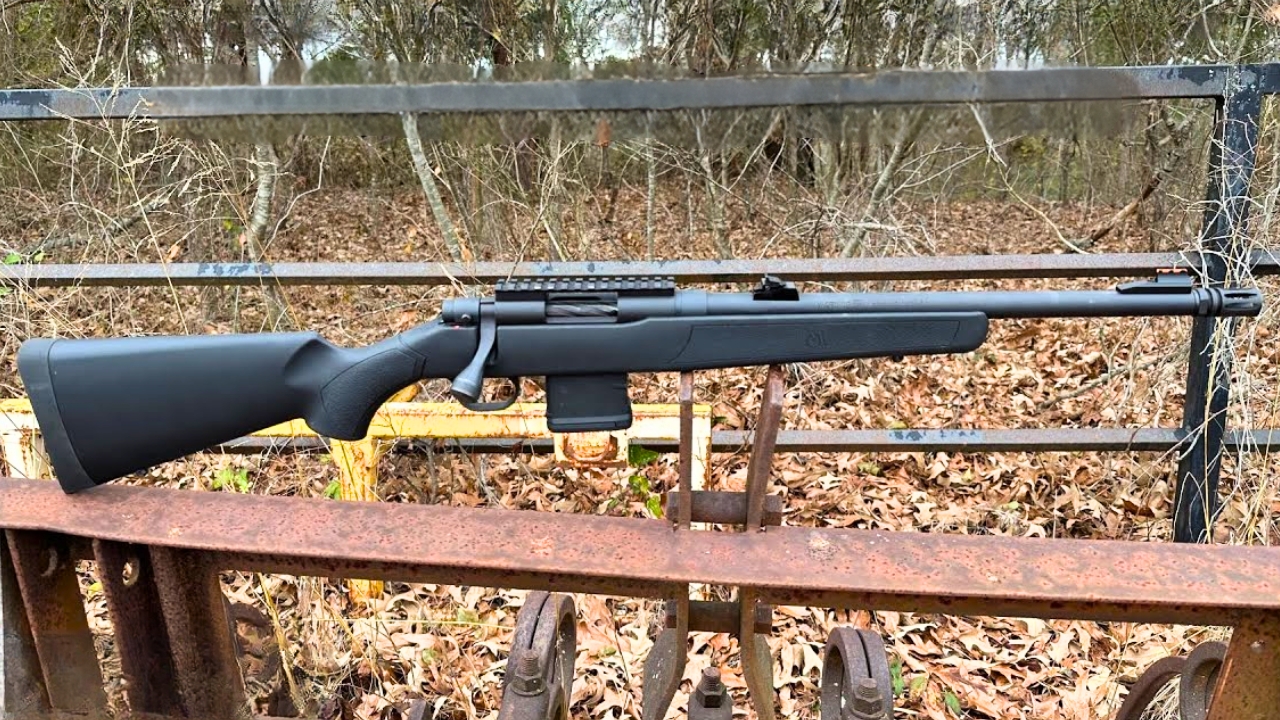
Any bolt gun that takes AR magazines confuses people the first time they see it. The Mossberg MVP Patrol is one of those rifles that gets shoved to the back because staff doesn’t want to explain feed geometry, magazine fit, and why it makes sense. It also has that utilitarian look that doesn’t sell itself from ten feet away.
But for a guy who already has AR mags and wants a bolt gun for hunting in states with certain rules, or just wants a simple rifle that shares mags with other gear, it’s a neat setup. Accuracy is often better than expected. The action feel varies—some are smoother than others—and you need to check magazine lockup. It’s not a fancy rifle, but it’s a “solve a problem” rifle, and problem solvers shouldn’t be hidden.
13. Weatherby Vanguard (Series 2 and newer)
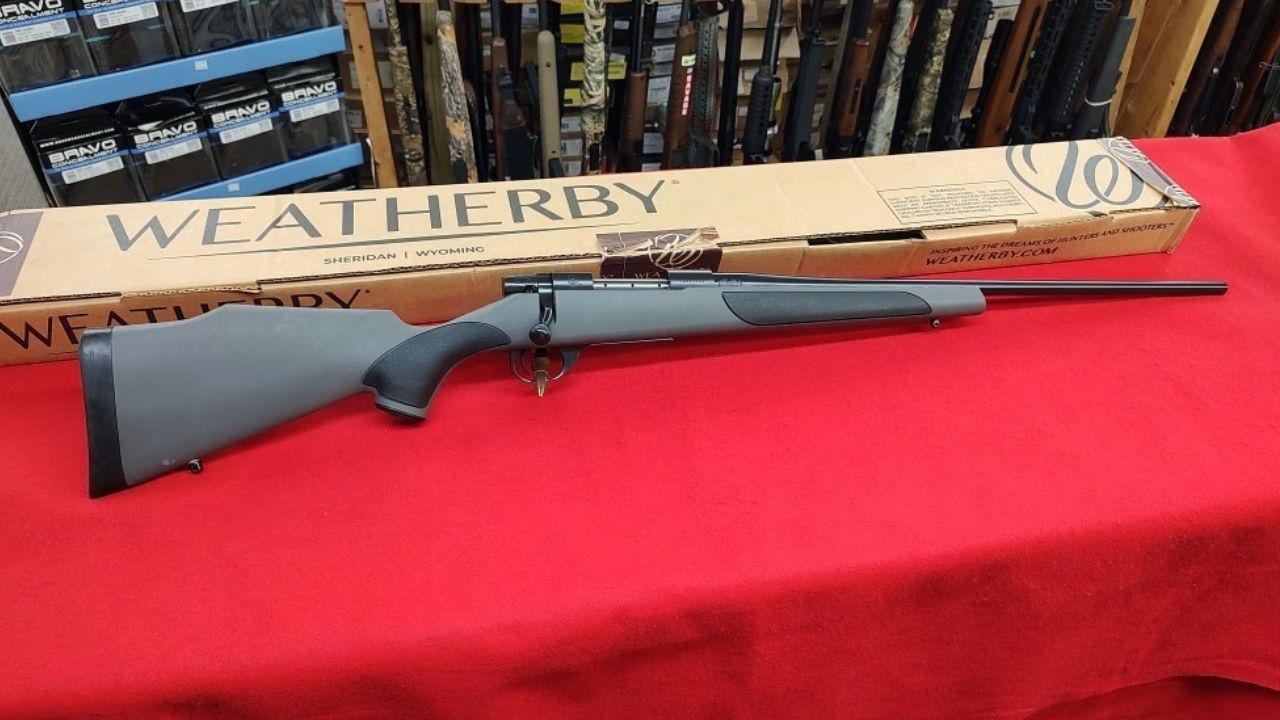
The Vanguard lives in an awkward middle ground. It’s not the cheapest rifle on the rack, and it’s not the prestige buy like a Mark V. So it gets ignored while staff steers buyers toward either budget options or high-end toys. That’s a shame because the Vanguard is one of the more solid “buy once, cry once” hunting rifles that regular working folks can still justify.
They tend to be accurate, the actions are dependable, and the rifles have a heft that actually helps when you’re shooting from field positions. The triggers on the newer ones are generally decent, and the overall fit feels more “rifle” than “parts bin.” Not everybody loves the factory stocks, and they aren’t the lightest option for mountain hunts. Still, if you want a steady rifle for deer, elk, and hogs, it’s a dependable choice hiding in plain sight.
14. CZ 600 Alpha

The CZ 600 line got off on the wrong foot in the public conversation, and shops remember that. Anything that brings questions at the counter tends to get parked in the back. But the 600 Alpha, in particular, is a straightforward, no-nonsense hunting rifle with good ergonomics and the kind of accuracy most hunters will never outshoot.
The stock is modern and grippy, it carries well, and the action has that CZ feel—more refined than a lot of rifles in the same price lane. The trick is getting staff to stop lumping it into “complicated new thing” territory. It’s not a collector rifle; it’s a user rifle. If you find one with a good scope already mounted, it’s a ready-to-hunt setup that deserves to be where buyers can actually handle it.
15. Ruger M77 Hawkeye
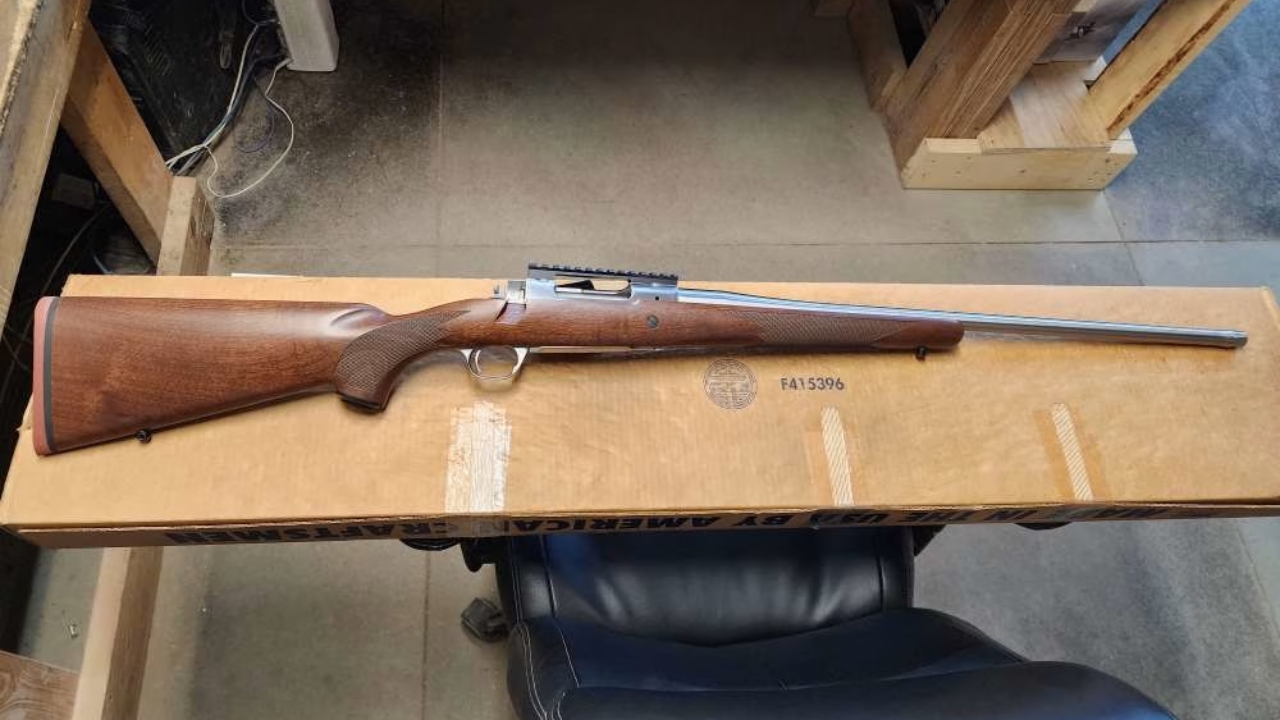
The Hawkeye is another victim of the “boring rifle” problem. It’s controlled-round feed, sturdy, and has that classic Ruger feel—more working ranch than Instagram. The staff that grew up on detachable mags and chassis rifles sometimes doesn’t appreciate a rifle that’s meant to be carried in rough weather and still function when it’s filthy.
These rifles aren’t always the lightest, and some shooters dislike the feel of certain factory triggers compared to what’s out there now. But they’re rugged, dependable, and in real hunting cartridges they just make sense. The Hawkeye is a rifle you can bang around without feeling like you’re breaking a fragile gadget. If you hunt in rain, snow, and mud, that matters more than what your group size looks like on a perfect day at the range.
16. Remington Model 7
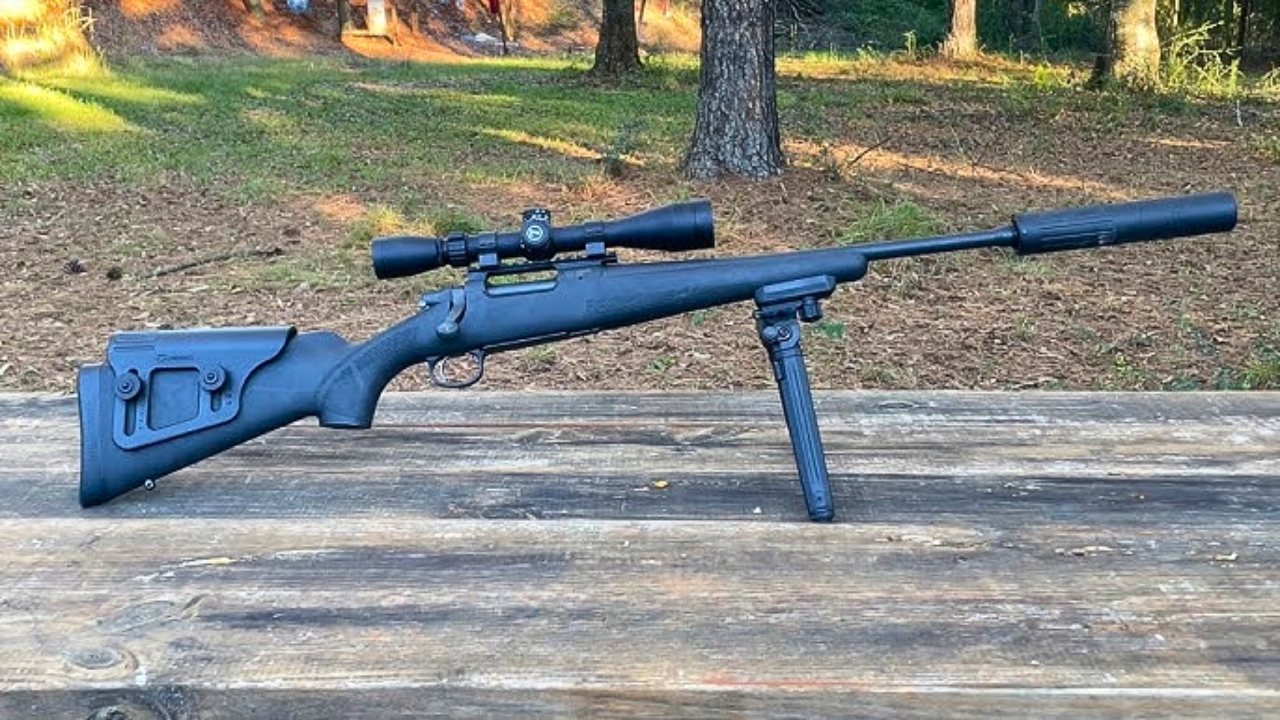
The Model 7 is one of the best “walk all day” rifles Remington ever put out, and it still gets pushed behind bigger, more recognizable models. Short action, compact footprint, and it sits in the hands like it’s supposed to. For youth hunters, smaller-framed adults, or anybody who’s tired of long rifles snagging on brush, it’s a gem.
The catch is that the Model 7 spans a lot of years and variations. Some are absolute sweethearts; some need a careful look depending on era and condition. But when you find a good one in .243, 7mm-08, or .308, you’re looking at a rifle that carries like a dream and shoots like a serious tool. It’s not a “new hotness” gun. It’s a hunter’s rifle, and hunters should be seeing it first.
17. Sako 85 (Hunter and Finnlight)

Sako rifles end up in the back because staff is nervous about the price tag. It’s easier to sell three budget rifles than one Sako, and explaining why a Sako costs what it costs takes time. But anyone who’s cycled a Sako 85 a few times knows it’s not just marketing. The action is smooth, the feeding is controlled and confident, and the whole rifle feels tight in a way that’s hard to describe until you’ve owned one.
The Finnlight variants are especially dangerous to your wallet because they carry so well you stop thinking about the rifle and start thinking about the hunt. Magazines aren’t cheap, and it’s not the platform you buy if you want endless aftermarket tinkering. It’s the platform you buy when you want the rifle to do its job quietly for decades. Keeping those hidden is how shops miss the serious buyers.
18. Steyr Scout
This is one of the most “back of the case” rifles ever made because it looks like something out of a different timeline. Built-in bipod, spare mag storage in the stock, forward optic rail, weird lines—staff either loves it or doesn’t want to talk about it. Most don’t want to talk about it, because it takes a certain kind of shooter to appreciate what Steyr was doing.
Here’s the truth: it’s a purpose-built carry rifle. It’s not meant to be heavy. It’s not meant to be a bench gun. It’s meant to be with you, all the time, in real terrain. If you’re the kind of hunter who covers ground, hunts alone, and values handling as much as raw accuracy, the Steyr Scout makes more sense than people want to admit. It’s expensive and quirky, sure, but it’s not a toy.
19. Springfield Armory M1A (Standard and Scout Squad)
The M1A gets parked in the back because it’s a conversation starter that can turn into an argument in about ten seconds. It’s heavy, it’s not cheap, and it’s not as simple as “just buy an AR-10.” But the M1A has a feel that’s hard to replace. The balance, the recoil impulse, the iron sights—there’s a reason folks still drag them to the range even when lighter options exist.
In hunting terms, it’s not my first pick for hiking miles. It is, however, a solid rifle for someone who wants a .308 semi-auto with traditional lines and excellent sights. Magazines are available, maintenance is manageable if you’re the kind of owner who actually cleans and inspects your gear, and it’s a rifle that rewards practice. It’s not for everyone, but it shouldn’t be hidden like a mistake.
20. Ruger No. 1
A single-shot falling-block rifle in a world of detachable mags is an easy thing for staff to ignore. The Ruger No. 1 ends up in the back because it doesn’t fit the “new hunter shopping list,” and it takes a little romance to sell. But it’s also one of the strongest actions out there, and it’s often chambered in cartridges that make rifle nuts stop and stare.
It carries short for its barrel length, balances beautifully, and forces you to slow down and make the first shot count. That’s not a bad lesson. The triggers can vary, and they’re not always as crisp as you’d want without some careful attention, but the rifle has class and real utility. If you’ve ever hunted with a single-shot and felt how quiet your decisions get, you understand why the No. 1 deserves to be where people can see it.
None of this is meant to shame the guy behind the counter. Shops move fast, and front-row space is limited. But if you’re buying a rifle, don’t just stare at what’s sitting out like a bowl of candy. Ask to see what’s in the back. The best “grab it and go hunt” rifle in the whole place might be the one nobody has bothered to explain in a while.
Like The Avid Outdoorsman’s content? Subscribe to our newsletter so you never miss an article.
Here’s more from us: