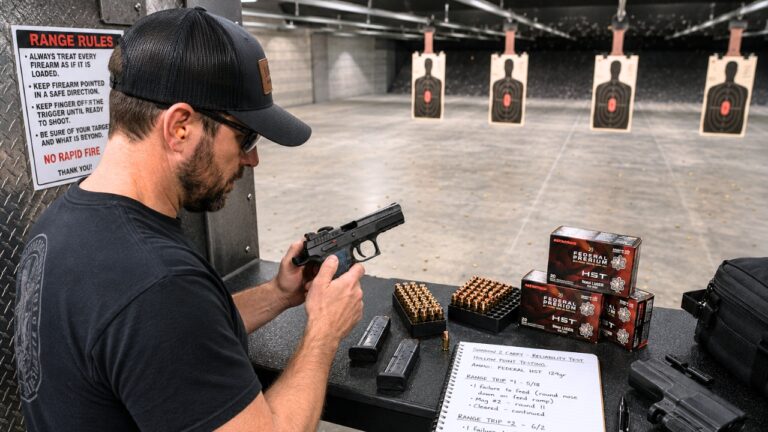
Photo credit: Theavidoutdoorsman.com
The guy thought he’d caught a break when he realized his handgun was missing before the weekend really got rolling. He’d been in and out of his truck all afternoon—feed store, gas station, then a quick stop at a buddy’s place to look at a trail camera issue on the back forty. Somewhere in that shuffle, the pistol that normally rode in his center console wasn’t there anymore.
Like a lot of folks, his first instinct wasn’t “call the police.” It was “retrace my steps.” He drove the same route twice, checked under the seats, dumped out the console, even climbed in the back to see if it slid under a jacket. When it didn’t turn up, he told himself he’d report it in the morning after one more look in daylight.
That decision—waiting—came back hard a few hours later.
The gun went missing in the most common way
This wasn’t a break-in at his house with a kicked-in door and a ransacked bedroom. It was the kind of theft that happens every day: a firearm left in a vehicle that isn’t secured the way it should be. Sometimes it’s a smashed window in a parking lot. Sometimes it’s an unlocked door at the gas pump. Sometimes it’s a thief who knows exactly what he’s hunting for because he’s done it a hundred times.
In this case, the owner could remember the last time he’d laid eyes on the gun—earlier in the day, when he moved it to make room for a small tool bag. He also remembered the moment he’d left the truck running while he ran back into the store for a receipt. That’s all it takes.
The part that stings is how normal it felt at the time. No alarms. No broken glass in the lot. Just a missing handgun and that hollow feeling in your stomach when you realize it’s not “misplaced”—it’s gone.
He tried to handle it himself before making the call
Plenty of responsible gun owners still hesitate to report a stolen firearm right away, and it’s usually not because they’re trying to hide something. It’s because they’re hoping they made a dumb mistake and it’s sitting under the seat. Or they don’t want the headache of a police report if it turns out the gun is at home in the safe.
There’s also the reality that some folks don’t want a patrol car in the driveway with the neighbors watching, especially in small communities where everyone knows your business by supper. So they check the garage, the gun cabinet, the range bag, and every pocket in the truck—twice.
But time matters with stolen guns. The faster a serial number gets entered into the system, the better the odds it gets flagged when it shows up—whether that’s at a pawn shop, during a traffic stop, or in a much uglier situation.
The same-night crime is what changed everything
Later that night, detectives were working a violent carjacking that went sideways. The details of the incident weren’t the kind you want to read before bed, but the short version is that a handgun was used to threaten the driver, and the suspects bailed when the situation got loud and chaotic. In the scramble, the pistol was dropped or ditched, and officers recovered it on scene.
When they ran the gun, it came back registered to the owner who still hadn’t called in the theft.
That’s when the case stopped being a property loss and started being a public-safety problem with a paper trail. A stolen handgun at a serious crime scene raises immediate questions, and detectives don’t have the luxury of assuming it’s all innocent until they’ve checked every angle.
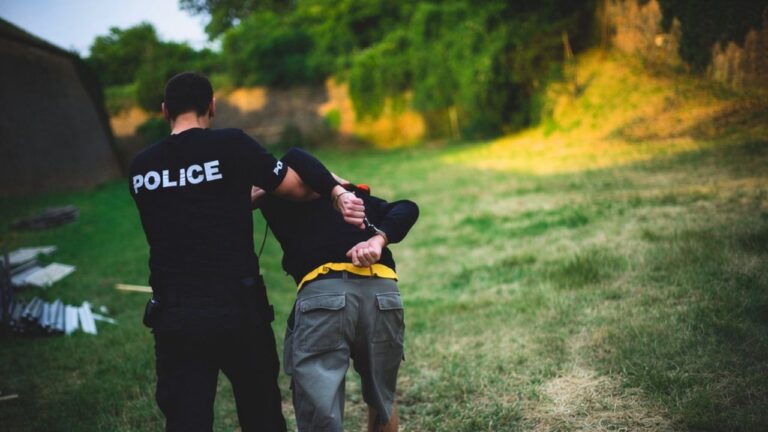
So instead of the owner calling a non-emergency number the next morning, he had investigators at his door asking why there was a gap between the gun going missing and the report being filed.
Detectives weren’t just being nosy about the delay
From an outdoorsman’s perspective, it’s easy to look at this and think, “Come on, he was just trying to find it first.” But from the detective’s side, a late report can look like someone trying to build an alibi after the fact.
If a gun is used in a serious crime and the “owner” reports it stolen only after it turns up, investigators have to consider whether it was actually stolen at all. Was it loaned out? Sold off the books? Left somewhere on purpose? Those questions come with the territory, even for people who’ve never been in trouble and wouldn’t know the first thing about criminal life.
There’s also the simple fact that the clock starts ticking fast on evidence. Surveillance video gets overwritten. Witness memories fade. Receipts disappear. If the owner can’t clearly document where the firearm was, where the vehicle was, and when he noticed it missing, the story gets harder to verify.
In the end, he still reported it stolen—just under a lot more pressure than he expected—and he had to walk detectives through his entire day, step by step.
Gun owners argued about storage, “truck guns,” and what a report really does
When folks heard about the situation, the discussion went exactly where you’d expect. One camp focused on the vehicle storage piece: if you’re going to keep a handgun in a truck, it needs to be secured in a way that slows down a thief. Not “tucked under the seat,” not “in the console,” and not “in a soft case.” A dedicated lockbox anchored to the vehicle is the bare minimum if that gun is ever out of your direct control.
The other camp hammered the reporting delay. A lot of outdoorsmen have had the same thought: “Let me look one more time before I call.” But the reality is that a stolen gun isn’t like a missing pair of binoculars. The moment it leaves your possession, it can end up in the worst hands, and it can happen fast.
Some people also overestimate what a report does and underestimate what it’s for. Reporting it stolen doesn’t magically bring the gun back. What it does do is document the theft, put the serial number into databases that can trigger alerts, and establish that you didn’t knowingly provide a firearm to someone who used it to hurt people.
And yes, in a world where every timeline gets analyzed, it protects you when the gun shows up in a place you never wanted it to be.
The practical lessons most of us can apply tomorrow
This whole mess boils down to two habits that are worth tightening up. First: don’t leave a firearm in a vehicle unless you’re willing to treat that vehicle like a temporary gun safe—and most vehicles are nowhere close. If you carry, carry on your person whenever you legally can. If you can’t, lock it up in a real, mounted container and keep it out of sight.
Second: if you truly believe a firearm has been stolen, report it immediately. Not after you finish your errands. Not after you sleep on it. Not after you ask three buddies if they’ve seen it. Call it in, get a case number, and then keep searching in case you’re wrong. If you find it later, you can update the report. That’s a far better problem to have than explaining a delay when your serial number is already sitting in an evidence bag.
There’s a certain sick feeling that comes from knowing a tool you bought to protect your family could’ve been used to threaten someone else. Nobody wants that on their conscience, and nobody wants detectives knocking at the door because of a decision that felt harmless at the time. The fix isn’t complicated—secure it like you mean it, and if it’s gone, pick up the phone.