Photo credit: The Avid Outdoorsman
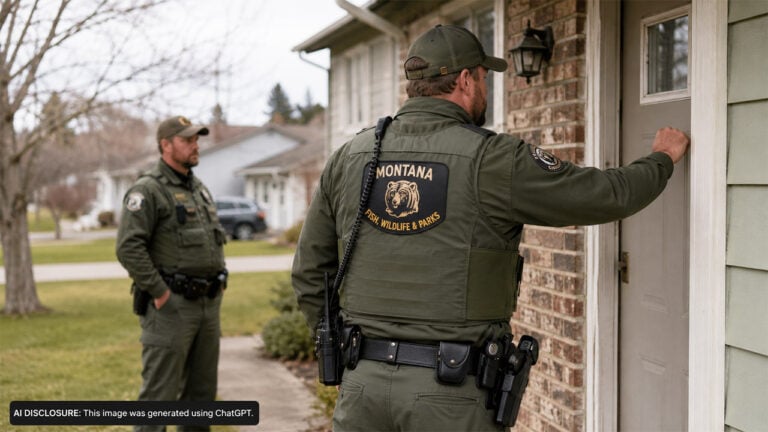
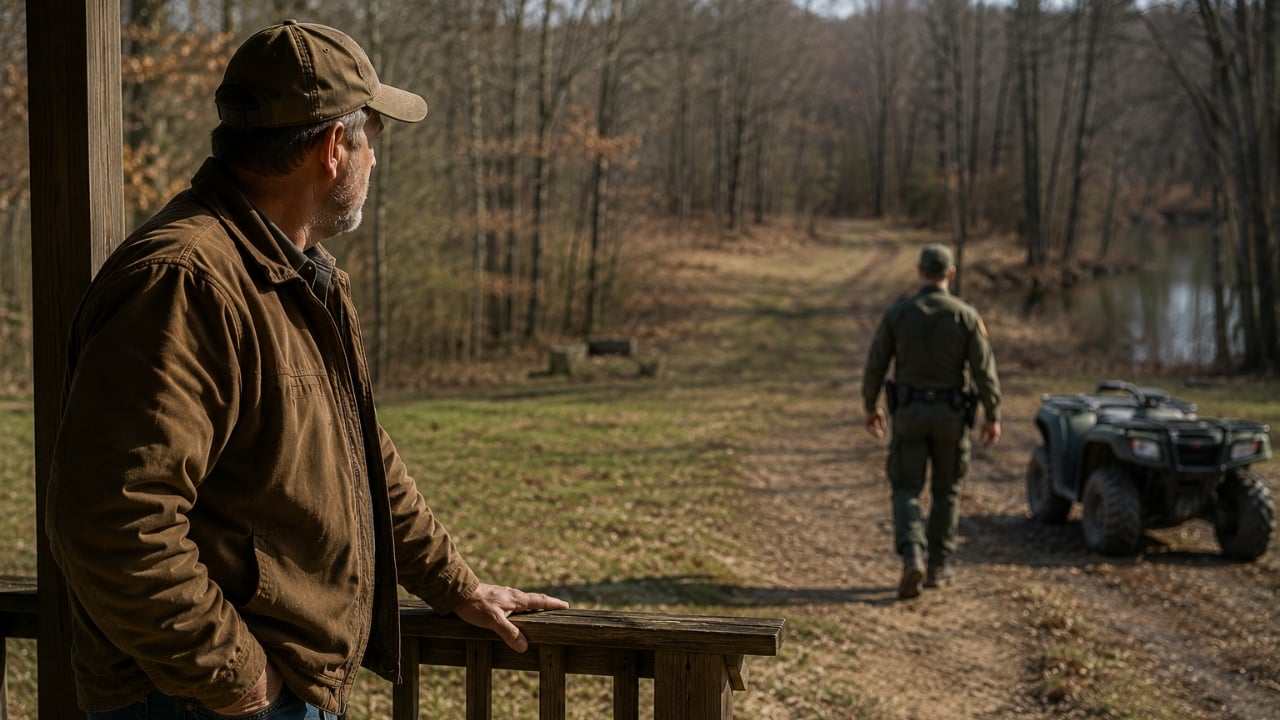
The landowner said the situation involved a game warden encounter on private property, and the concern was not just about hunting rules. According to the Reddit post, he was trying to understand what to do if a game warden came onto the property and he did not know who the person was at first.
The original Reddit post can be found here: https://www.reddit.com/r/legaladvice/comments/1pe96dp/pa_game_warden_encounter/
That is a real-world question in rural areas. Landowners may be used to seeing family, neighbors, delivery drivers, hunters, utility workers, and strangers near gates, driveways, barns, or woods. When someone shows up on private land, especially during hunting season, the first reaction is not always legal analysis. It is often, “Who is that, and why are they here?”
Game wardens are different from random trespassers. They have duties tied to wildlife enforcement, hunting violations, licensing checks, poaching complaints, and conservation law. In many states, they may have authority to enter certain areas for enforcement purposes in ways that surprise people who assume private land is always off-limits to officials.
But that does not mean a landowner has to ignore safety or identity concerns. If someone appears on the property and the owner does not know whether he is dealing with a warden, hunter, poacher, neighbor, or trespasser, it is reasonable to want confirmation. A badge, uniform, marked vehicle, identification, or a calm explanation can prevent a tense misunderstanding.
The key is how the landowner responds. Marching out angry, escalating the encounter, or treating every unknown person as a threat can make things worse fast. A better approach is to keep distance, ask who they are, request identification, and contact the agency’s dispatch or non-emergency number if something does not feel right.
The post seemed to be about knowing where the line is. A landowner may want to protect private property and family safety, but also avoid interfering with an officer doing a lawful job. That balance matters. Wildlife officers often work alone, in remote places, around armed hunters, at odd hours, and in areas where not everyone is happy to see them.
If the person really is a game warden, the safest move is usually to stay calm and let the identification question get settled before arguing about authority. If the person is not a warden, then documenting the encounter and calling law enforcement becomes even more important.
Commenters told the landowner that game wardens often have broader field authority than people expect, especially when enforcing hunting and wildlife laws. Several said private land does not automatically prevent a warden from investigating possible violations or checking activity tied to hunting.
Others said identification still matters. If someone claims to be a warden, the landowner can ask to see credentials and can call the relevant agency to confirm the person is legitimate.
Some commenters warned against physically blocking, threatening, or interfering with a warden. Even if the landowner believes the visit is improper, arguing that out in the field can create a bigger problem than raising the issue later through the agency or court process.
A few people said the best practical move is to document the encounter. Note the date, time, vehicle description, name, badge number if provided, and what was said. If there is a concern later, that record is much more useful than relying on memory.
The post ended with the landowner asking a question that many rural property owners have probably thought about. Private land should still feel private, but game wardens have a job that often takes them into the places where hunting actually happens. The safest answer is to verify who is there, stay calm, and handle any disagreement through the proper channels instead of turning a field encounter into a confrontation.
Like The Avid Outdoorsman’s content? Subscribe to our newsletter so you never miss an article.
Here’s more from us: