Photo credit: The Average Joe Armory/Youtube
Every deer season has a way of reminding you what you should have kept. Not the flashy stuff you bought on a whim, but the boring, dependable long guns that just worked, carried easy, and put meat in the freezer without drama. I’ve traded, sold, and “upgraded” my way into a few hard lessons, and the worst ones are the guns I undervalued because they weren’t exciting at the moment.
These aren’t museum pieces. They’re rifles and shotguns that do regular-guy jobs: truck duty, brush hunting, late-season sits, loaners for family, and those wet days when you need something you won’t cry over. Here are 20 specific long guns I had in my hands at one point, didn’t fully appreciate, and have kicked myself about ever since.
1. Remington 870 Wingmaster
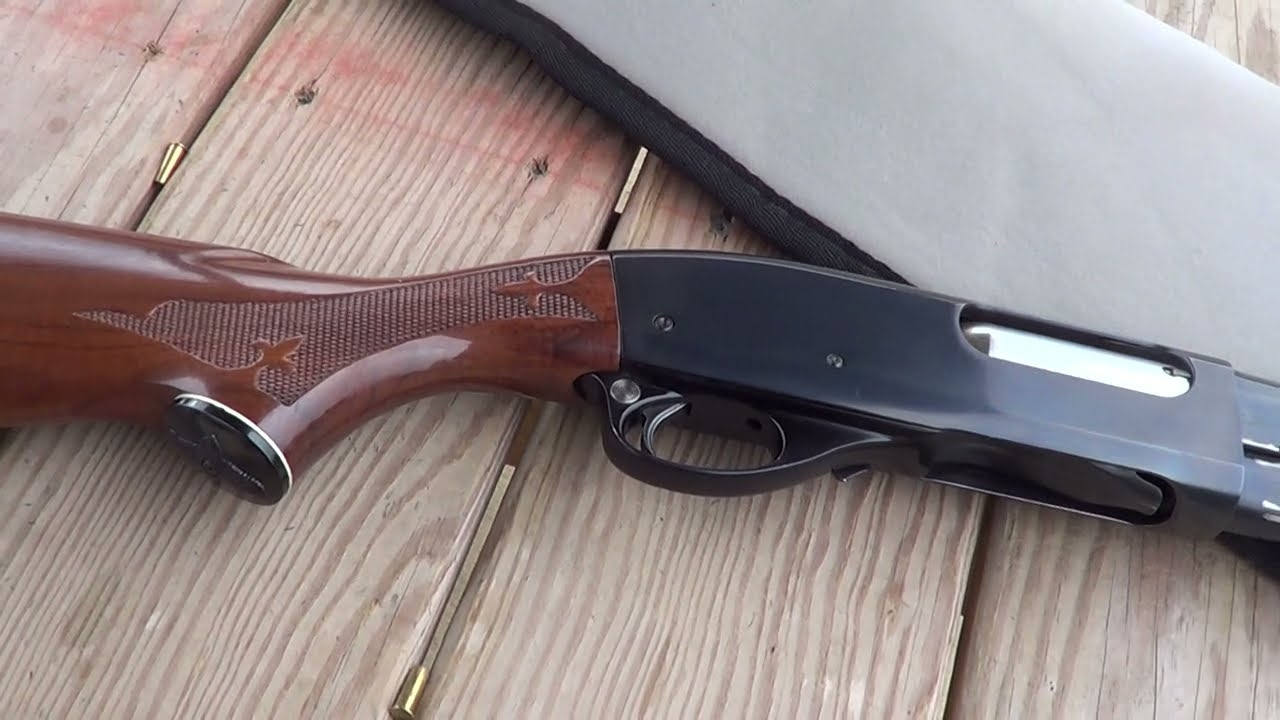
I let a clean Wingmaster go because I figured, “It’s just an 870.” That smooth action is not “just” anything. The older ones especially have a slickness that feels like parts were hand-fit, even if they weren’t. It pointed fast, cycled without thinking, and never cared what cheap dove load I fed it.
The replacement sting is real because newer shotguns don’t always feel the same, even when they’re technically fine. A Wingmaster is the kind of gun you can hunt ducks with in the morning, swap barrels, and shoot a slug in the afternoon. Wood gets beat up, bluing wears, and it still keeps doing work. That one hurts.
2. Winchester Model 94 (30-30)
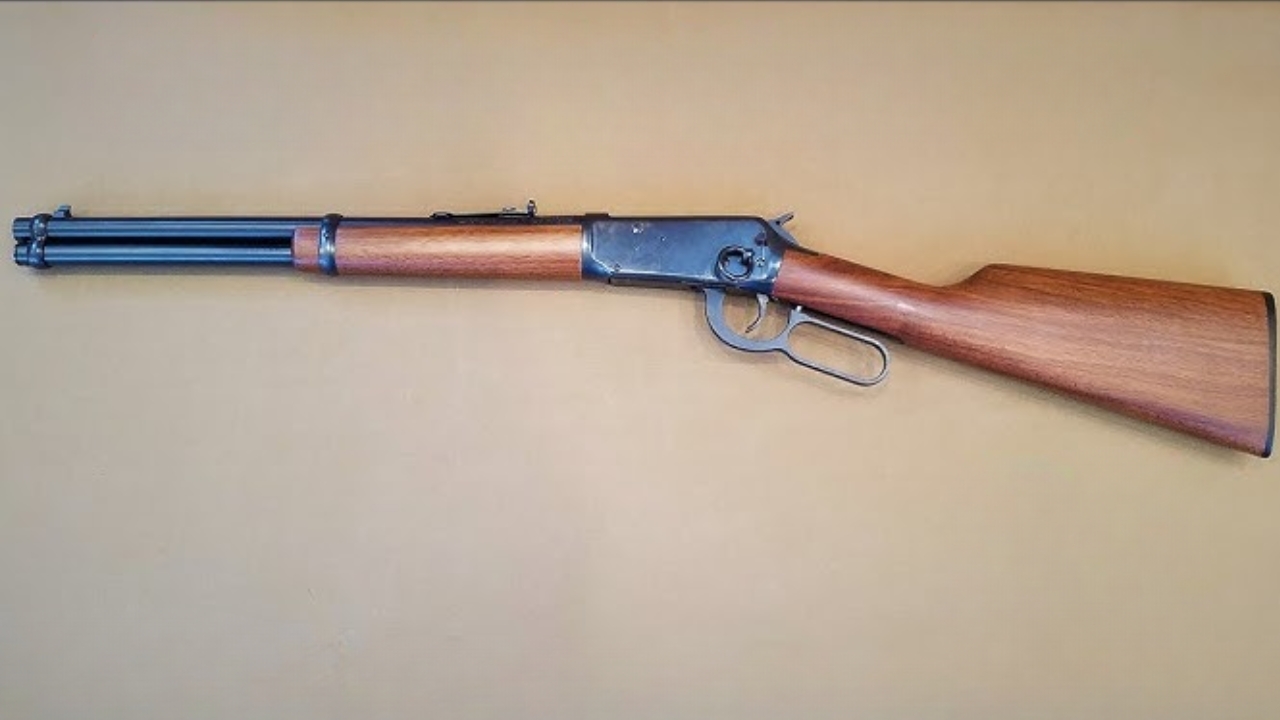
I used to think 30-30 was “grandpa stuff” until I started hunting thicker cover where shots happen quick and close. A Model 94 carries like a walking stick and comes up on target like it’s reading your mind. Mine wasn’t fancy, and I treated it like it wasn’t worth much.
Then I tried to replace it. Prices climbed, good ones got scarcer, and every used rack Model 94 seemed either abused or priced like a collector piece. In the deer woods, a 94 is honest: light, handy, and effective inside its lane. I should’ve kept it as the dedicated brush gun.
3. Ruger M77 Mark II (controlled-round feed)

When I owned an M77 Mark II, I complained about the tang safety feeling “different” and the bolt being a little stiff until it wore in. Now I miss that rifle any time I’m in foul weather. Controlled-round feed and Ruger’s build style are confidence-inspiring when you’re cold, gloves on, and the moment is happening fast.
It also had the kind of practical accuracy that kills deer all day without turning the rifle into a range toy. The aftermarket isn’t as deep as a Remington 700, and that’s fine. The Ruger didn’t need much. Looking back, I sold reliability and toughness for something “newer,” and I didn’t actually gain anything.
4. Marlin 336 (JM-stamped)
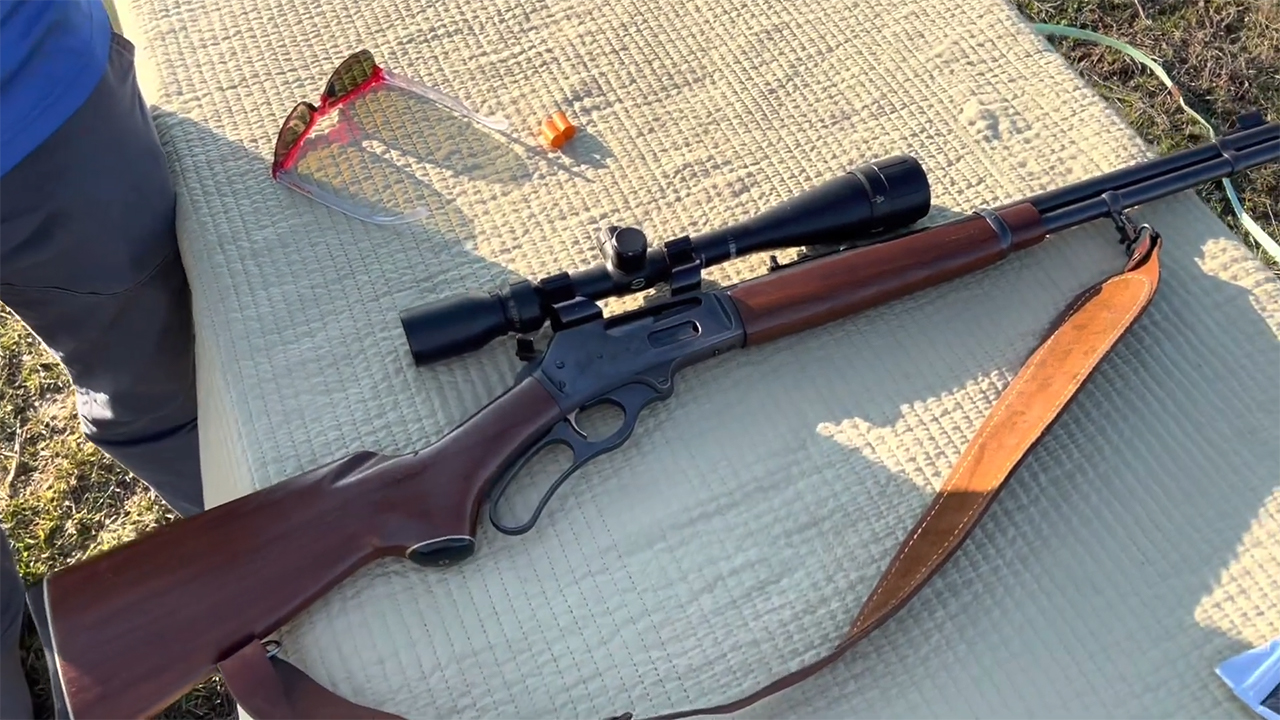
The Marlin 336 I had wasn’t a safe queen. It wore scratches and had that slightly dull look working guns get. I still wish I’d ignored the internet chatter and just held onto it. Those older JM-stamped guns tend to have a solid feel in the lever throw and a steadiness that’s hard to explain until you’ve carried one all day.
In the stand, it sat quietly across my lap without snagging, and it handled quick shots in timber better than most scoped bolt guns. When you try to “upgrade” to something more modern, you realize a 336 already solved the problem. For whitetails and hogs at normal ranges, it’s almost too practical.
5. Mossberg 500 (older pinned-forend models)

I used to look down on the Mossberg 500 because it wasn’t polished like the nicer shotguns. Then I lived with one long enough to learn what it does right: it runs dirty, it doesn’t mind rain, and it’s easy to keep going. The tang safety is also hard to beat for a true do-it-all field gun, especially when you’re swapping hands or wearing heavy gloves.
Mine was set up plain, and I treated it like a spare. Later on, when I needed a loaner shotgun for a new hunter, I wished I still had it. These are the shotguns that sit behind truck seats, get dragged through cattails, and still fire when you need them to. Nothing fancy about it, and that’s kind of the point.
6. Browning A-Bolt (Micro and Medallion variants)

I sold a Browning A-Bolt because it felt almost too “nice” for how I hunt. Pretty wood makes you nervous, and I get that. But the A-Bolt is one of those rifles that just carries well and shoots better than its owner on most days. The short bolt lift and smooth feed made it quick for follow-up shots without breaking your cheek weld.
It was also the kind of rifle that behaved with different factory loads. Not every hunting rifle does. Replacing it later meant sorting through used racks where half the rifles had mystery histories and swapped parts. If you ever owned a good A-Bolt, you know they have a certain feel. I should’ve kept mine as the “nice but not fragile” deer rifle.
7. Remington 700 BDL (older walnut/blue guns)

I know the Remington 700 name comes with debates, but an older BDL in good shape is hard not to like. The one I had balanced well, carried flat to the body, and had that classic deer rifle look. I let it go because I bought into the idea that I needed something more modern and more tactical.
Here’s what I actually needed: a rifle that I knew, that I’d already sighted in a hundred times, with parts and mounts available everywhere. A BDL also makes a great “one rifle” when you don’t have time to tinker. Plenty of folks turn them into projects, but you don’t have to. Mine was already doing the job.
8. Savage 99 (especially in .300 Savage)
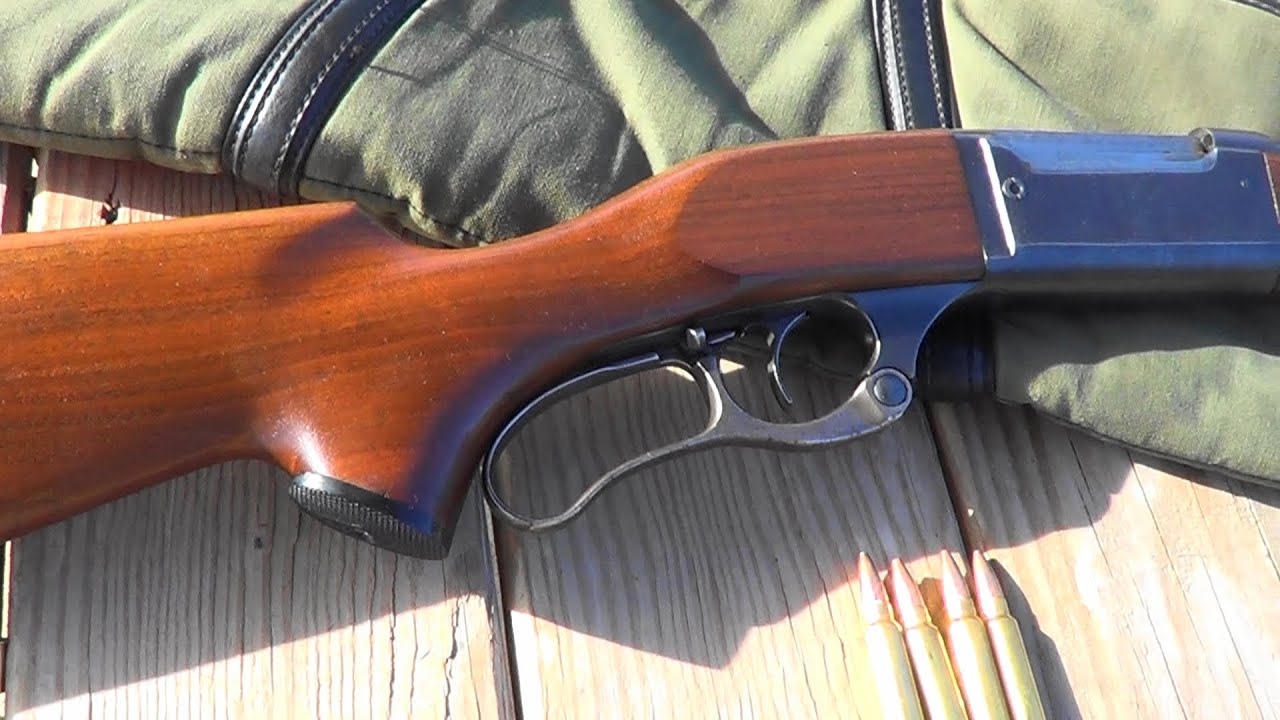
A Savage 99 doesn’t look like a modern solution, and that’s why I underrated it. Then you hunt with one. The way it carries is excellent, and the balance feels more like a good bird gun than a typical deer rifle. Mine had a rotary magazine, and it fed slick. It also didn’t beat me up, even in cartridges with some punch.
The regret comes when you realize you can’t just replace a good 99 on a whim. Condition matters, and prices tend to reflect that. It’s also a rifle with real hunting character. In thick woods, it gave me lever-gun speed with a little more “rifle” feel. I traded it off thinking I was being practical. I was being impatient.
9. Ruger Mini-14 Ranch Rifle
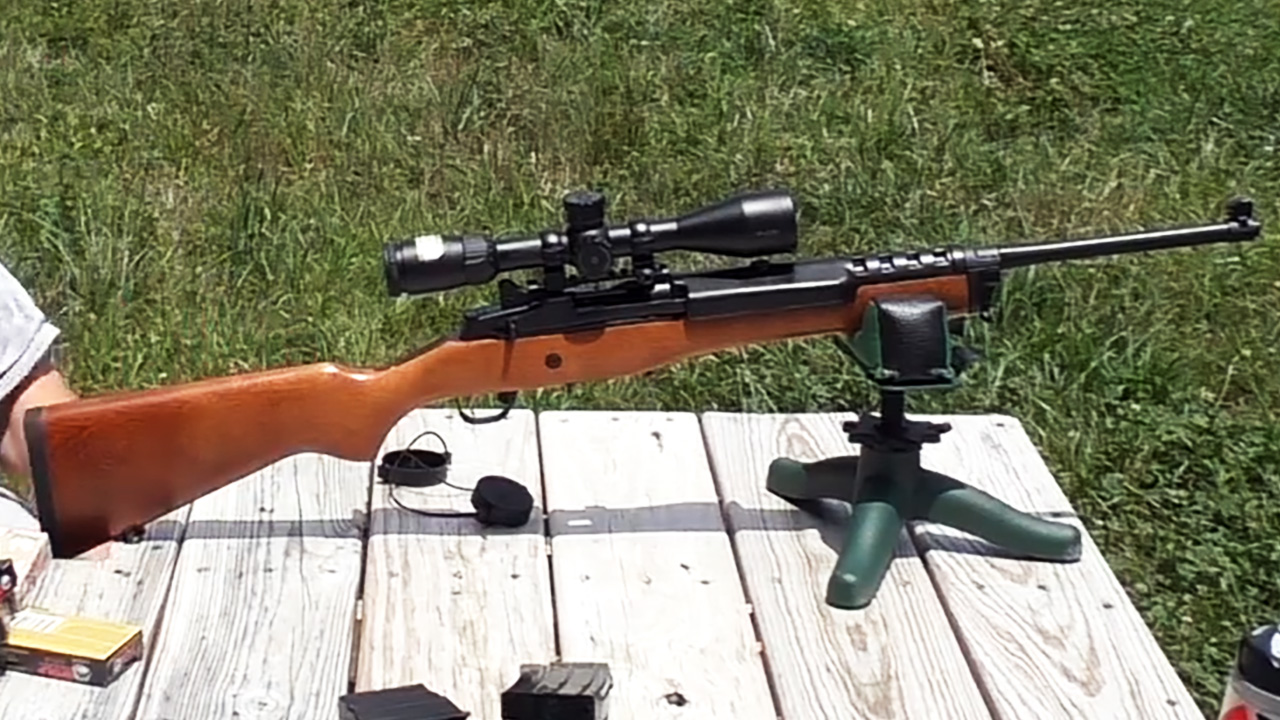
I bought a Mini-14 back when I thought I needed an AR for everything, then I decided the Mini was pointless. I was wrong. For ranch and woods walking, a Mini-14 carries easy, points fast, and doesn’t scream “range day” the way some rifles do. It rides in a truck well and doesn’t snag on everything when you’re stepping over fences.
The other thing is magazine reality. Ruger factory mags work, and once you have a few, the rifle makes sense. Accuracy can vary by era, and I’m not pretending it’s a benchrest gun. But for coyotes around the pasture, predators at the chicken coop, and general property use, it’s a handy tool. I miss having one that was already sorted out.
10. SKS (Norinco and Yugo variants)
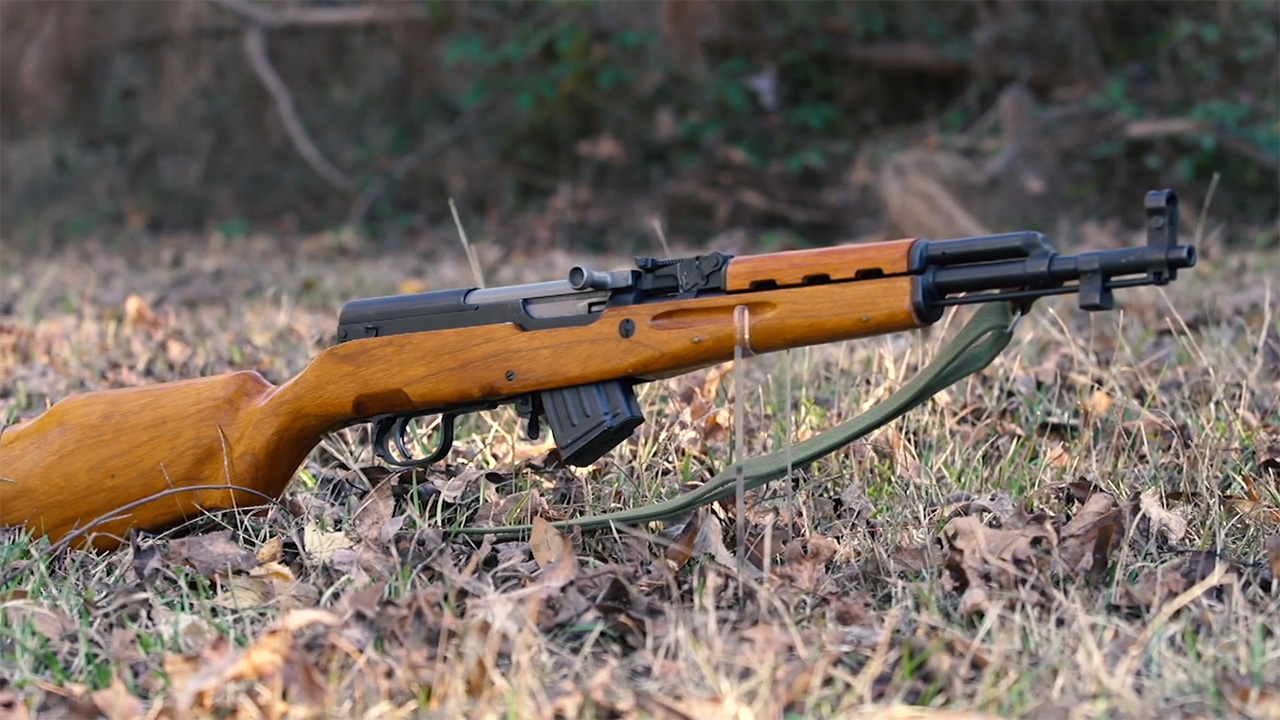
There was a time SKS rifles were everywhere and cheap, and I treated mine like it would always be easy to find another. I liked it fine, but I didn’t respect it. Then ammo and prices moved, and suddenly that “cheap beater” was a solid, reliable rifle with its own niche. An SKS balances well and has a simple manual of arms once you learn it.
It’s also the kind of rifle you can hand to someone and not worry that they’ll lose a magazine in the leaves. Fixed mag, sturdy iron sights, and a reputation for running under less-than-perfect conditions. It’s not light, and it’s not a precision rig. Still, for knocking around on property and keeping as a just-in-case rifle, I wish I’d held onto one.
11. Ruger 10/22 Carbine (basic wood-stock model)
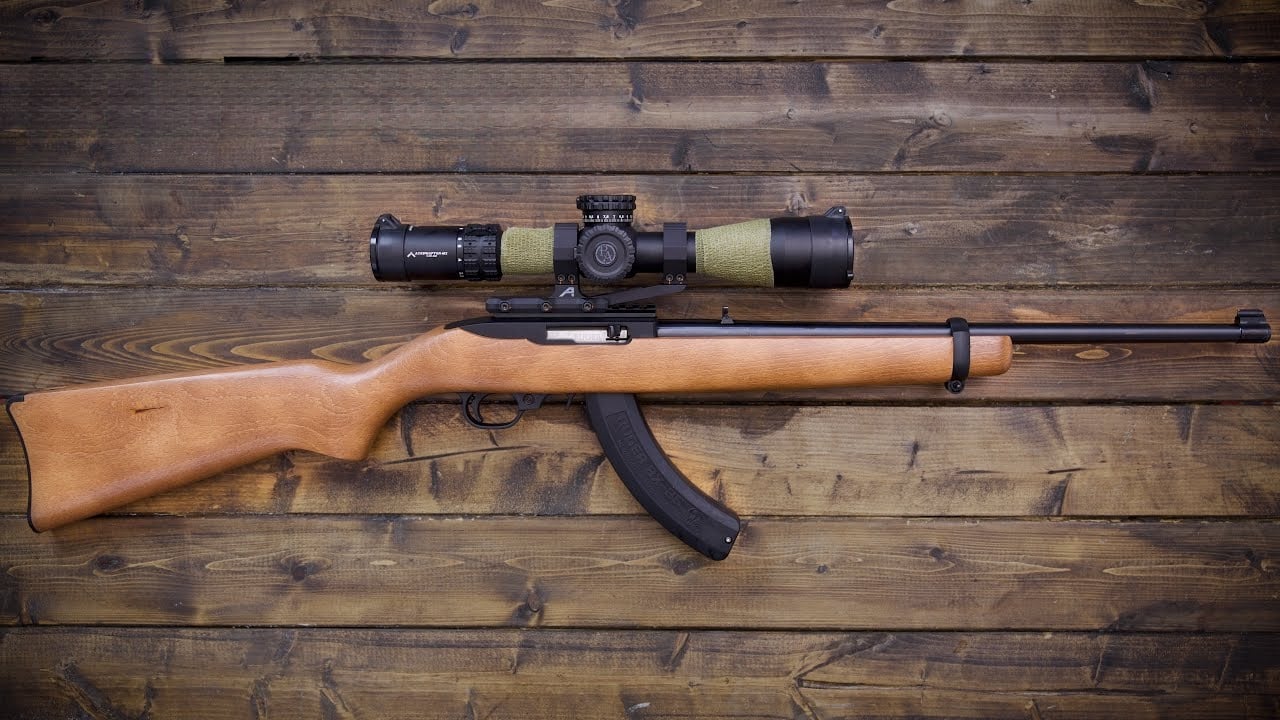
I’ve owned more than one 10/22, and I’ve sold more than one thinking I’d “upgrade later.” The plain carbine model is the one I miss. It’s light, it shoulders fast, and it makes you a better shot because you actually practice with it. A .22 that lives by the back door gets used. A fancy .22 that lives in the safe doesn’t.
Also, a basic 10/22 is the ultimate utility long gun for small game, pests, and teaching kids to shoot safely. Magazines and parts are everywhere, and the rifle doesn’t mind being carried through brush. Yes, you can build them into space guns. The factory carbine is already what most outdoorsmen need. Boring is good sometimes.
12. Marlin Model 60
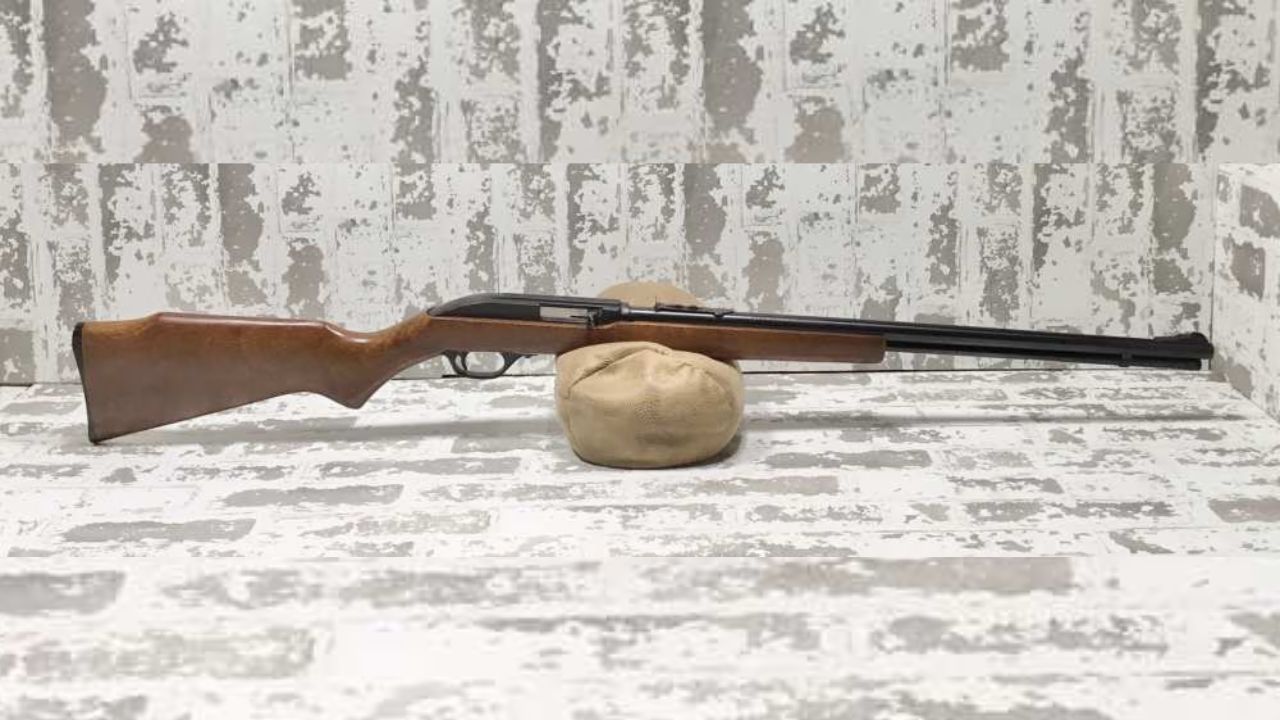
I let a Marlin 60 go because I got tired of the tube magazine on range days. In the field, the tube is a feature, not a bug. The rifle is slim, carries well, and doesn’t require extra mags rolling around in your pockets. Mine shot better than it had any right to with bulk ammo.
The Model 60 is also the kind of .22 that ends up being “the one that’s always there.” Squirrels, rabbits, tin cans, and checking a trap line—this is where it shines. The regret isn’t about collectability. It’s about losing a dependable tool that was already paid for and already proven. When you need a simple rimfire that doesn’t demand attention, you remember how good the 60 was.
13. CZ 527 (7.62×39)
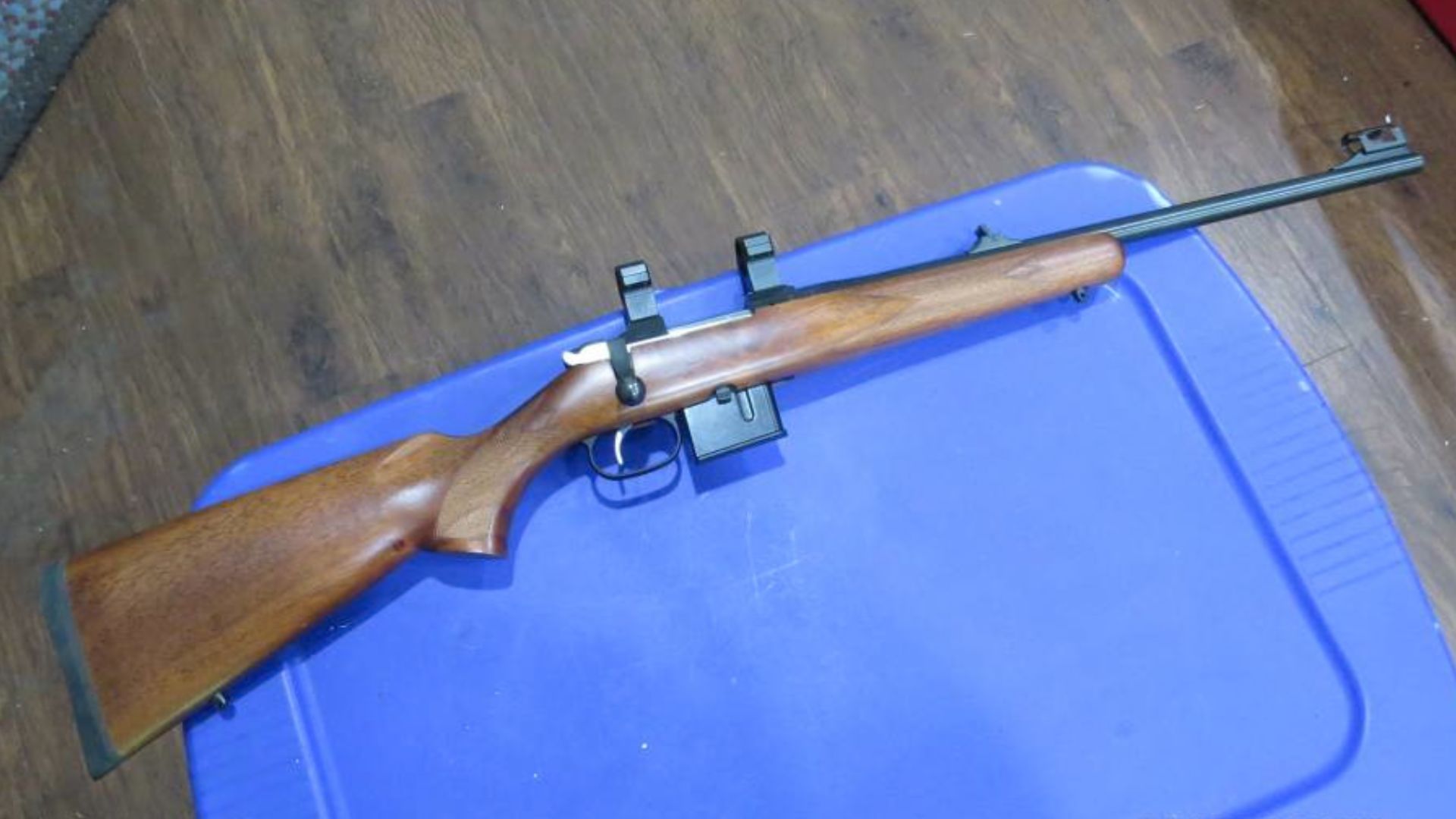
The CZ 527 in 7.62×39 is one of those rifles that seems odd until you use it. Light, trim, and accurate, it made that cartridge feel like it finally had a proper hunting home. Mine was a joy to carry, and the set trigger made field accuracy easier than it should’ve been for a little bolt gun.
I sold it because I thought I’d just get another someday. Then they got harder to find, and the used ones started bringing real money. It’s not the fastest gun to reload, and magazines aren’t as cheap as surplus options. But as a woods deer rifle inside sane distances, it’s a killer setup. If you ever had one that grouped well, you understand why they’ve got a following.
14. Tikka T3 Lite
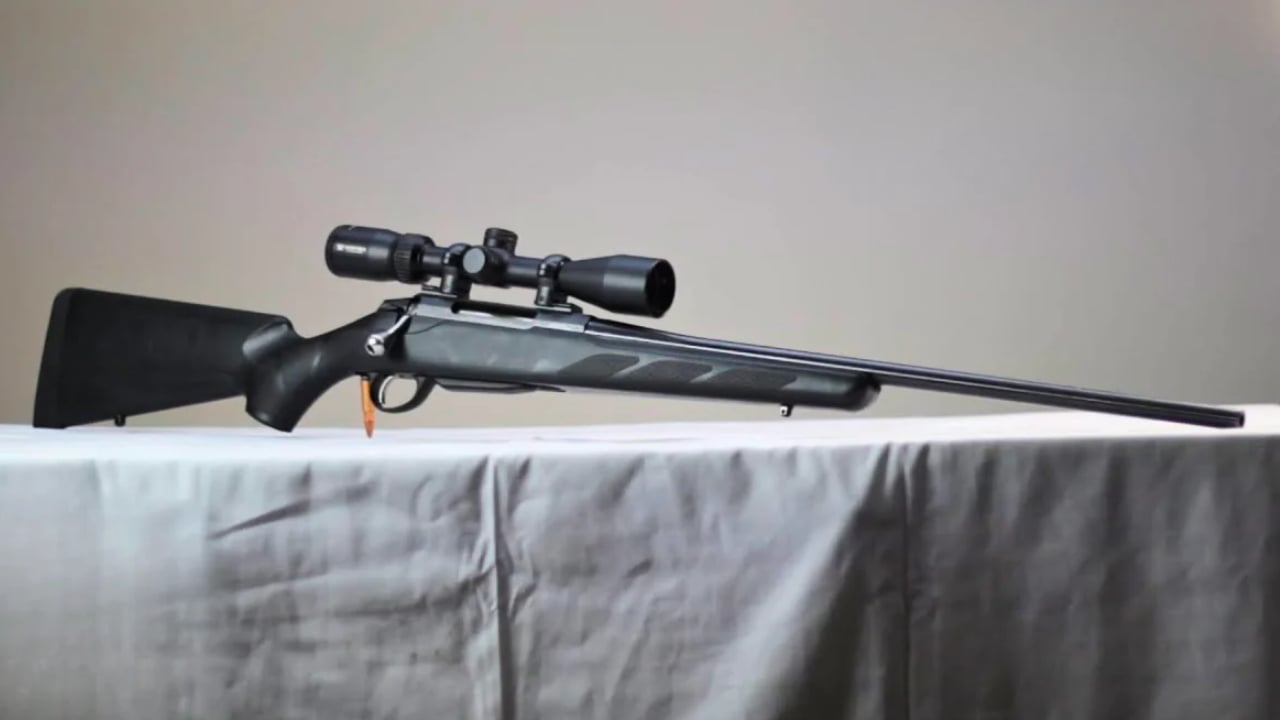
I used to roll my eyes at how many guys recommend a Tikka. Then I owned one, and it made me a believer, mostly because of the bolt. It’s smooth in a way that spoils you, and that matters when you’re trying to be quiet in a stand or run the rifle without lifting your head. My T3 Lite also shot factory ammo like it was handpicked.
The part I undervalued was how easy it was to live with. It wasn’t fussy. It didn’t need a trigger swap. It didn’t need bedding work to behave. I sold it chasing a heavier rifle that looked cooler on the internet. In the real world, a light rifle that shoots straight gets carried more, and carried rifles kill more deer.
15. Weatherby Vanguard Series 1

The old Vanguard I had wasn’t glamorous. It was a little chunky, the stock felt dated, and it didn’t get admiration at the range. But it flat-out worked. Mine had a reputation in my own head as “the backup rifle,” and it never earned the respect it deserved until it was gone.
Those rifles tend to be steady from field positions because of their weight, and they soak up recoil better than the featherweights. The action is strong, and reliability is not something you worry about. When you’re watching a cutover at last light and the wind is pushing, that steadiness is money. I’d rather have a boring Vanguard that prints consistent groups than a temperamental “cool” rifle any day.
16. Winchester Model 70 (pre-64 style or Classic)

I once owned a Model 70 that I treated like it was replaceable. It wasn’t. The Model 70 has a feel to it—safety placement, bolt travel, and the way it sits in your hands—that makes sense in the hunting world. Mine was not a rare collector rifle, but it had that controlled-round feed confidence and a trigger that broke clean.
I sold it during a phase where I was trying to simplify calibers and standardize everything. What I actually did was get rid of a rifle that inspired trust. A Model 70 is also easy to set up with normal rings and a normal scope and go hunting. If you find one that fits you, it becomes a forever rifle. I learned that too late.
17. Ithaca 37 (12 gauge)
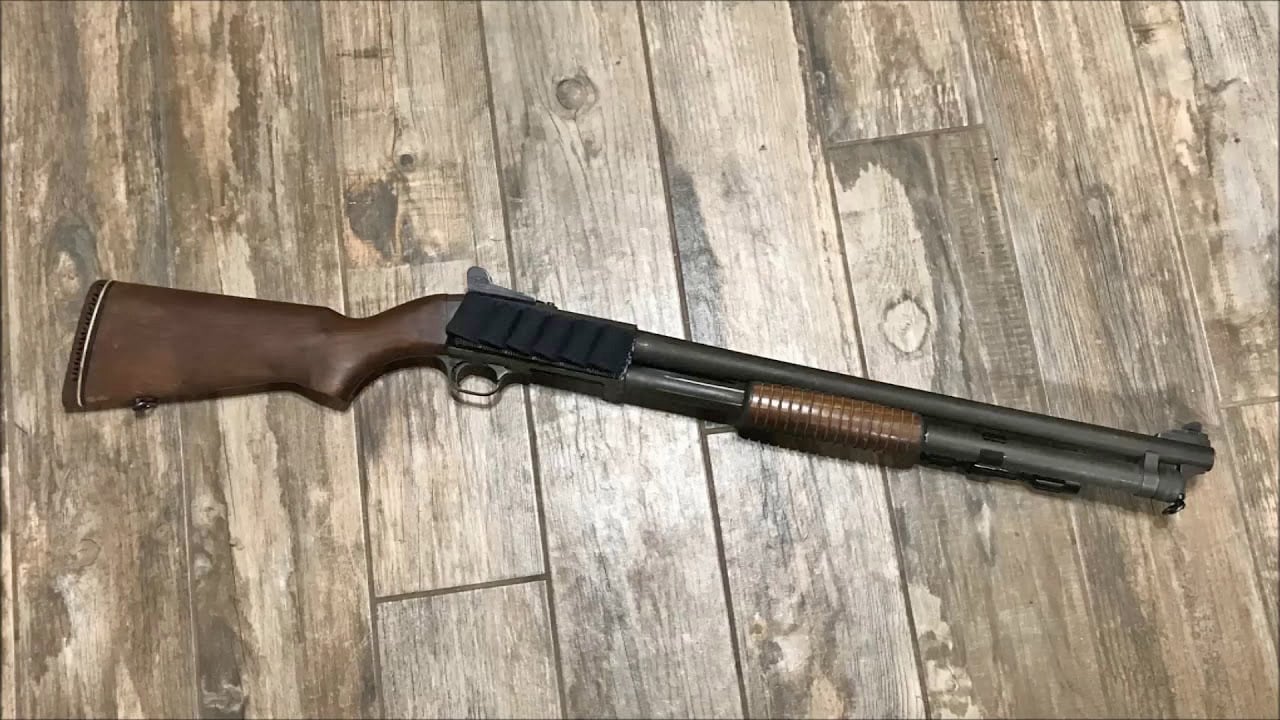
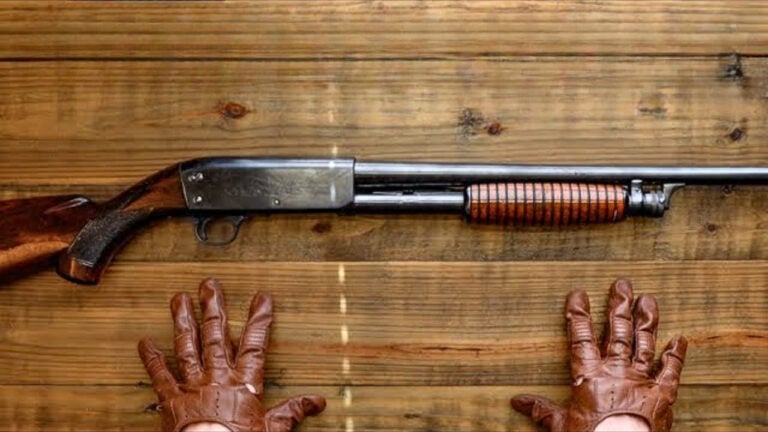
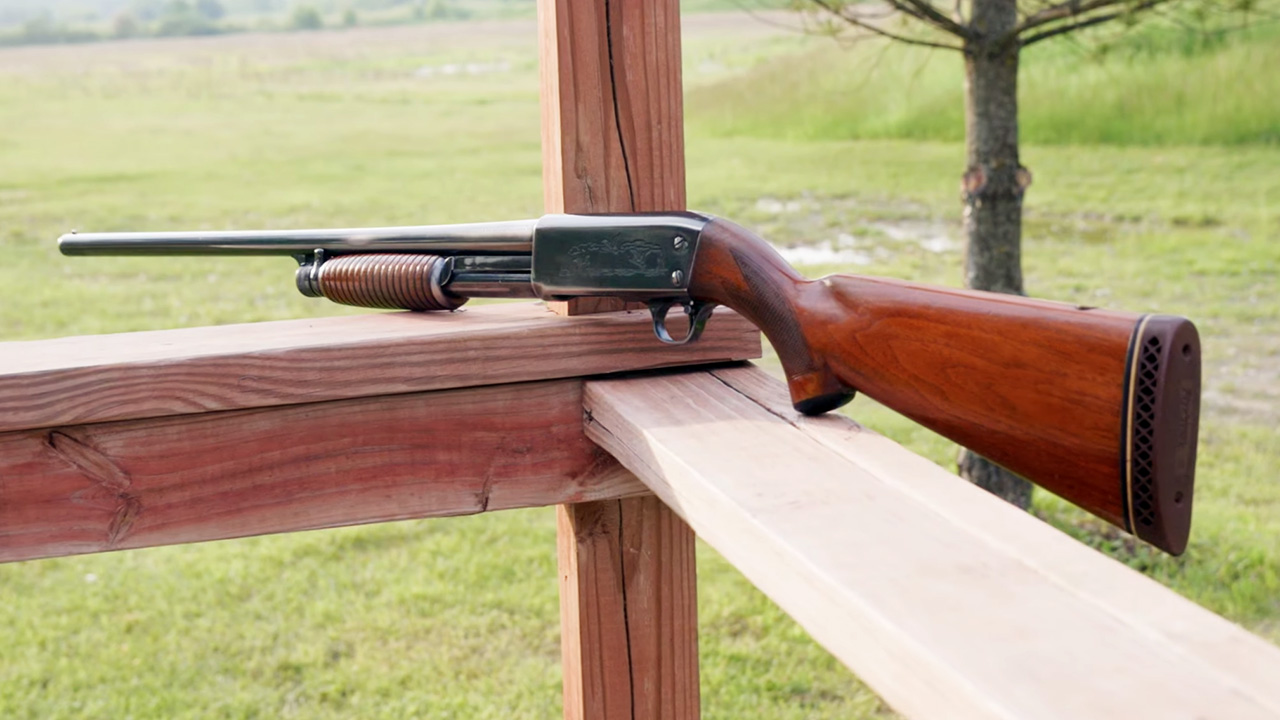
The Ithaca 37 is a shotgun you either get or you don’t. Bottom ejection looks strange until you’re in the field and realize how clean it keeps your face and how friendly it is to left-handed shooters. The one I had carried like it was made for walking behind bird dogs. It also had a slick pump stroke that felt almost effortless.
I let it go because I thought it was “old.” Then I spent seasons fighting other shotguns that were fine, but not as pleasant. An Ithaca 37 is not the cheapest to replace in good shape, and not every shop has parts sitting around. Still, for upland hunting and general shotgun chores, it’s a practical classic. I miss the way it handled more than anything.
18. Browning BAR (hunting model)
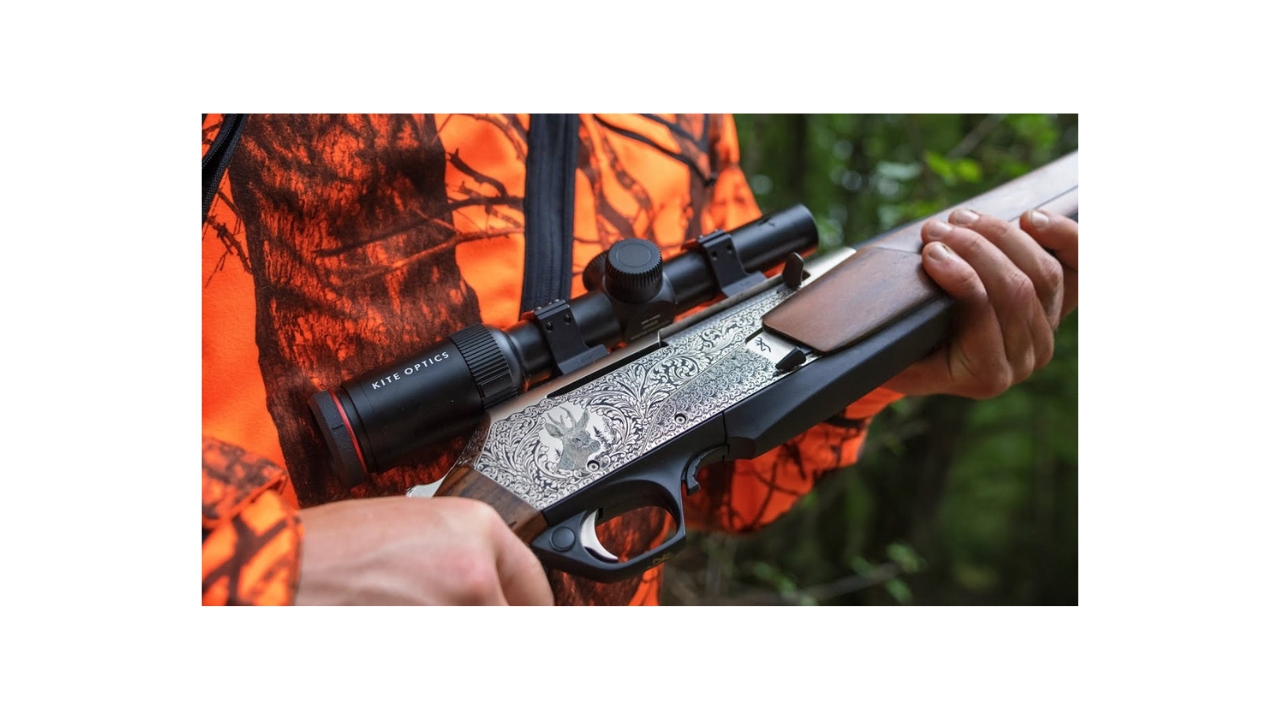
I used to complain that a Browning BAR hunting rifle was heavy. It is. But you know what else it is? Comfortable to shoot, especially in cartridges that can thump you from a lightweight bolt gun. Mine shot well, fed reliably, and made fast second shots feel natural without turning the rifle into a tactical project.
The downside is they’re not as simple as a bolt gun, and you need to keep them clean and maintained like any semi-auto. Even so, in a box blind or on a bean field edge, that extra weight isn’t a big deal. If you ever hunt where a sounder of hogs or a quick-follow-up buck shot is realistic, a BAR is a serious tool. I should’ve kept it as the “sit and shoot” rifle.
19. Remington 1100
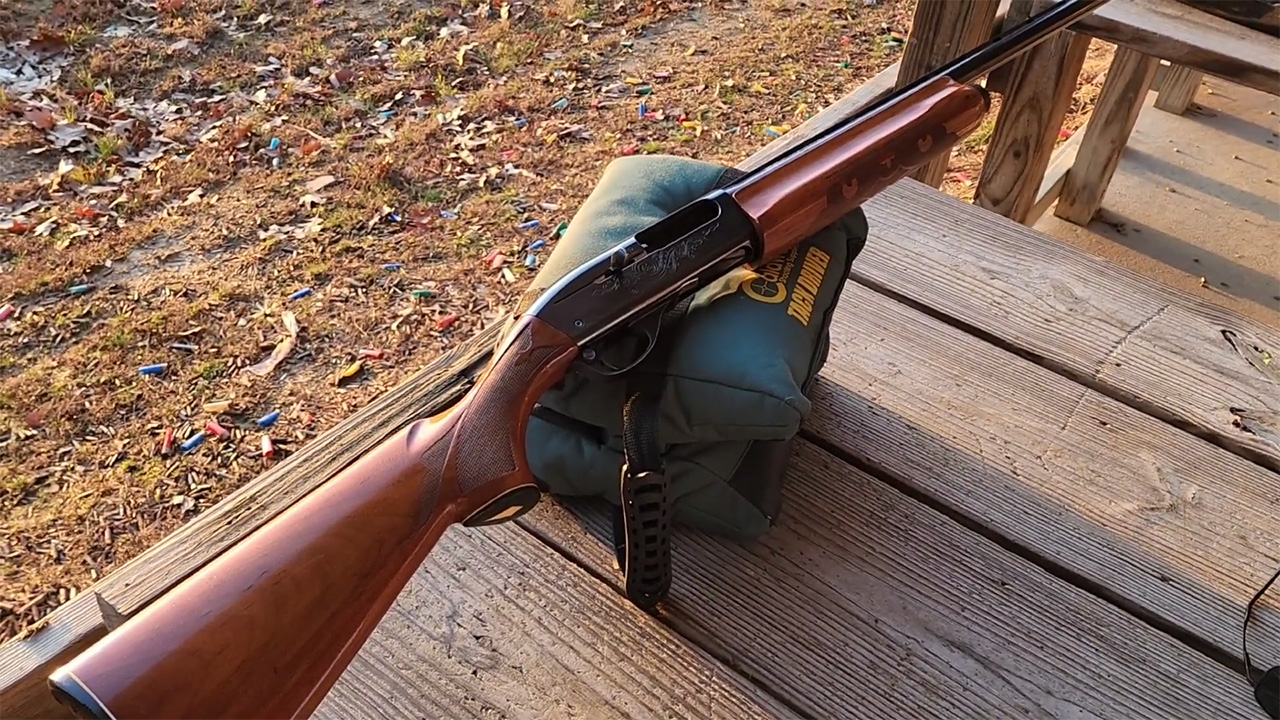
A good Remington 1100 will spoil you on recoil and swing. Mine was a straightforward field gun, nothing fancy, but it patterned well and cycled smoothly when I kept it reasonably clean. I sold it during a phase where I convinced myself all gas guns were “too much maintenance.” Then I shot lightweight loads in other shotguns and remembered why the 1100 was beloved.
They’re also great for the hunter who shoots a lot of clays in the off-season. Soft shooting means you practice more, and more practice shows up in the field. Yes, O-rings and small parts matter, and you should keep spares. That’s not a reason to dump a proven gun. When you find an 1100 that runs, you hang onto it.
20. H&R Handi-Rifle (single-shot, various chamberings)
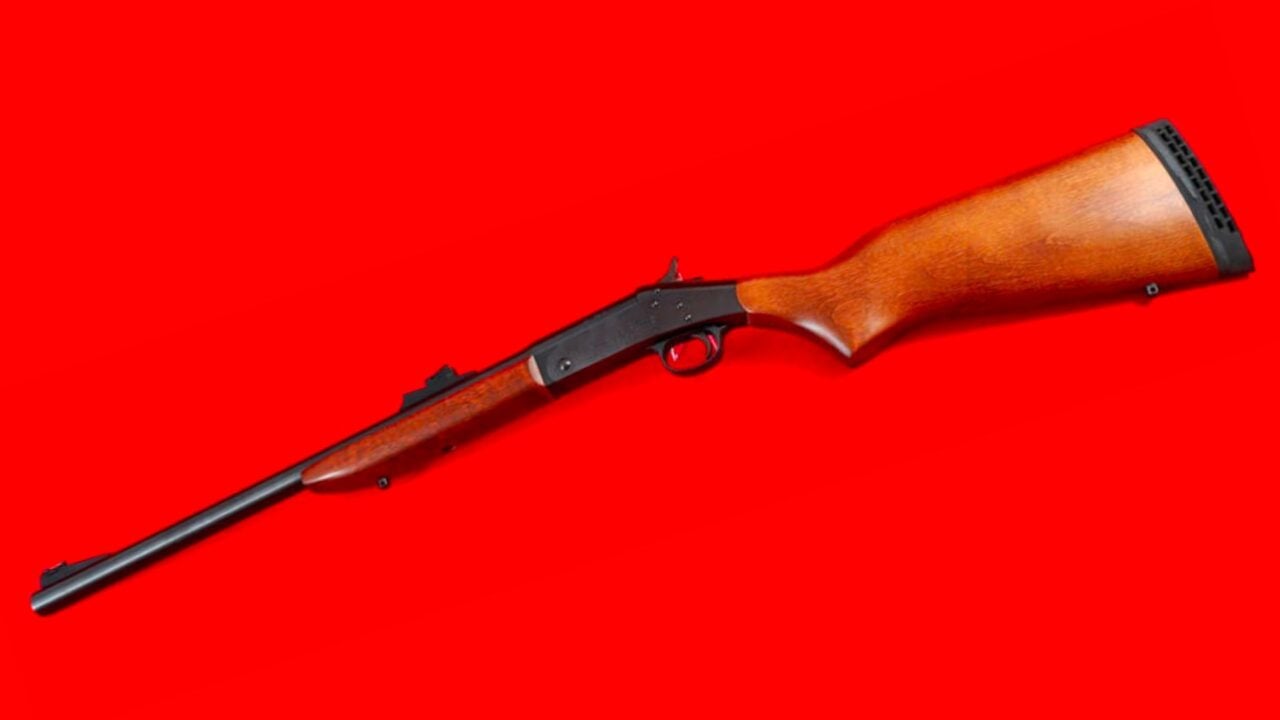
I sold an H&R Handi-Rifle because it felt too plain to keep space in the safe. Then I got older and started appreciating simple. A single-shot rifle forces you to slow down, pick your shot, and make the first one count. It’s also a great tool for introducing a new hunter to rifle handling without the distraction of a magazine full of follow-ups.
The other thing is utility. These rifles ride well in a truck, don’t snag, and are easy to keep legal and safe when you’re moving around gates and property lines. They’re not fancy, and triggers can vary, but they’re honest guns. When mine was sighted in, it stayed sighted in. There’s a certain peace in that, and I miss having a dedicated “grab it and go” single-shot.
I’m not saying every one of these is perfect, or that you should never sell anything. Sometimes you’ve got bills, sometimes you’re out of room, and sometimes a gun just doesn’t fit you. But if you’ve got a long gun that always goes bang, always groups “good enough,” and always seems to be the one you reach for when the weather turns nasty, think twice before you let it walk. Regret has a way of showing up right on opening morning.
Like The Avid Outdoorsman’s content? Subscribe to our newsletter so you never miss an article.
Here’s more from us: