Photo credit: Connecticut Shotgun Manufacturing Co./Youtube
You can tell a lot about a gun room by what’s sitting in the “working rack.” That’s the corner where the muddy duck gun leans all season, the loaner sits waiting for a buddy, and the old pump gets grabbed when it’s raining sideways and nobody feels like babying walnut and blueing. And every now and then, somebody’s cleaning out an estate, or a shop is buying a mixed rack of trade-ins, and the folks who know what they’re looking at start cherry-picking. Not because they’re snobs—because they’ve learned which shotguns quietly became hard to replace.
Here are the ones collectors and serious shooters tend to pull first, before they get treated like just another field beater.
1. Winchester Model 12
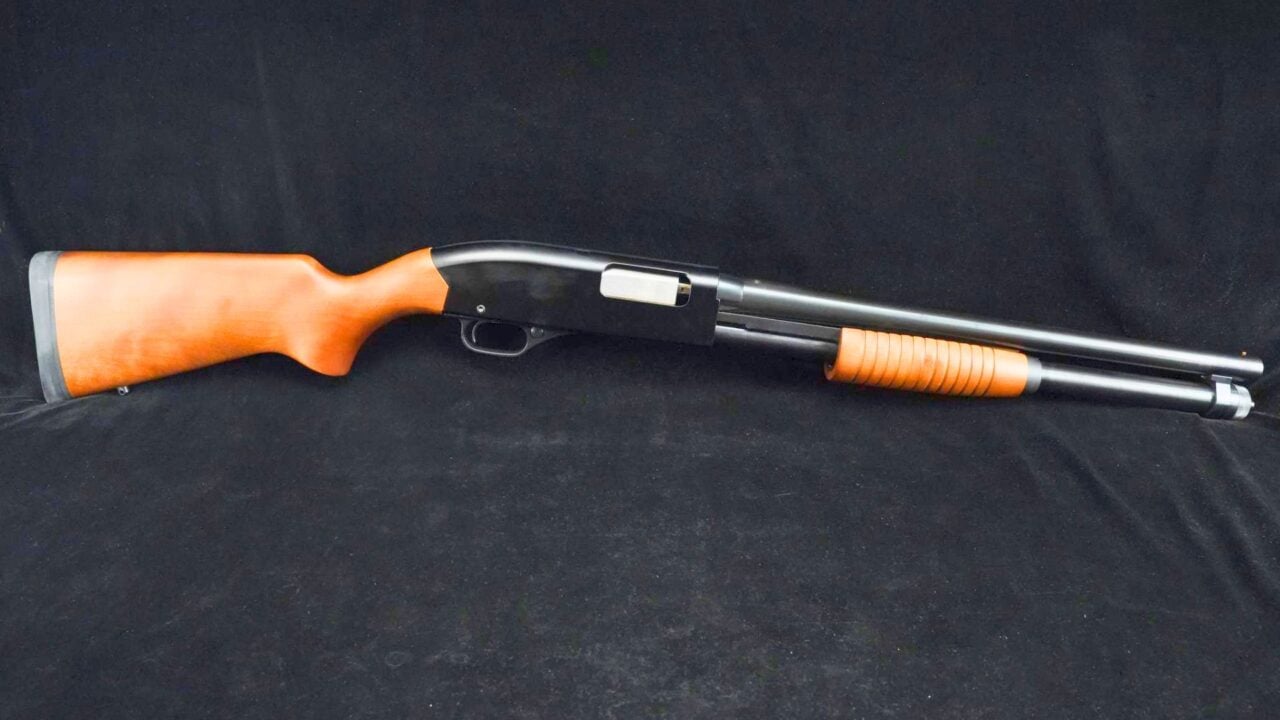
The Model 12 is one of those pumps that makes modern guns feel a little hollow when you run them side by side. The action has that slick, bank-vault feel, and even a well-used one tends to cycle like it’s on polished rails. You’ll see them in working racks because they were working guns for generations. That’s exactly why they get overlooked—folks assume there are a million of them and they’ll always be around.
Collectors snag them because condition and configuration matter a lot, and the good ones don’t hang around long anymore. A solid, uncut barrel with honest wear is worth protecting from “project gun” treatment. They still hunt just fine, too. If you find one that hasn’t been drilled, hacked, or abused, that’s the kind you set aside and think twice before letting anyone “improve.”
2. Remington Model 31
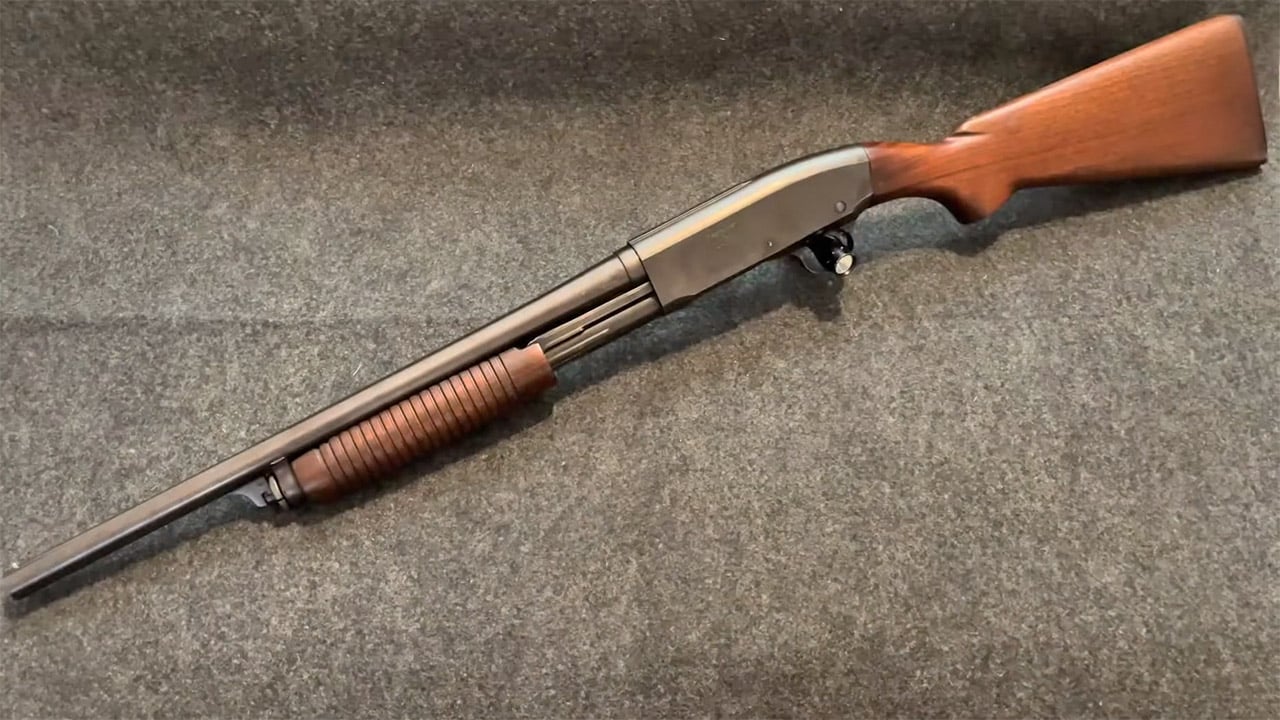
The Remington 31 is the pump-gun guy’s pump gun. It doesn’t get the same campfire talk as the Model 12, but it’s right there on smoothness, and in some ways it’s even cleaner in the hand. A lot of them lived hard lives in cornfields and duck blinds, which is why they show up looking like just another old Remington.
Collectors grab them because they’re underappreciated and getting scarcer, especially in nice original shape. Parts aren’t on every shelf like 870 parts, and the gun has a level of fit you don’t see much in working-class shotguns now. If you want a classic pump that still feels fast and lively, the 31 is a sleeper. It’s also one of those guns people regret selling because they didn’t realize what they had.
3. Remington 870 Wingmaster (older, high-polish blue)
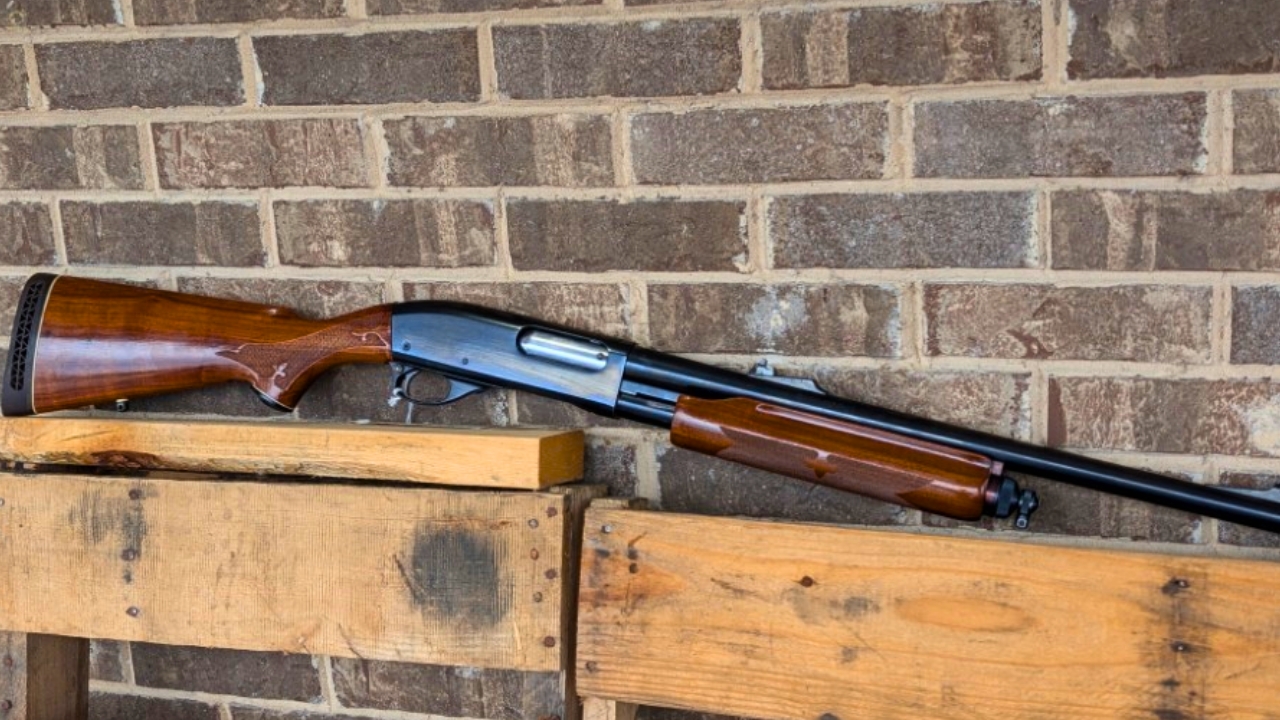
The “Wingmaster” name gets thrown around, but the older ones—deep blue, real walnut, smooth as warm butter—are the ones that get pulled from the rack. An 870 is a tool, sure, and plenty of them are beaters. But an older Wingmaster that hasn’t been messed with is a different thing than a rough Express with a season of rust freckles.
Collectors like them because they represent the peak of the American pump that actually got used. They’re not fragile safe queens, either. They point naturally, carry flat in one hand, and you can run them hard without feeling like you’re shaking a box of screws. If you’ve got one with a fixed choke barrel that patterns great, don’t assume it’s “obsolete.” In a lot of bird cover, that setup still flat works.
4. Ithaca 37 (pre-1975, bottom-eject)
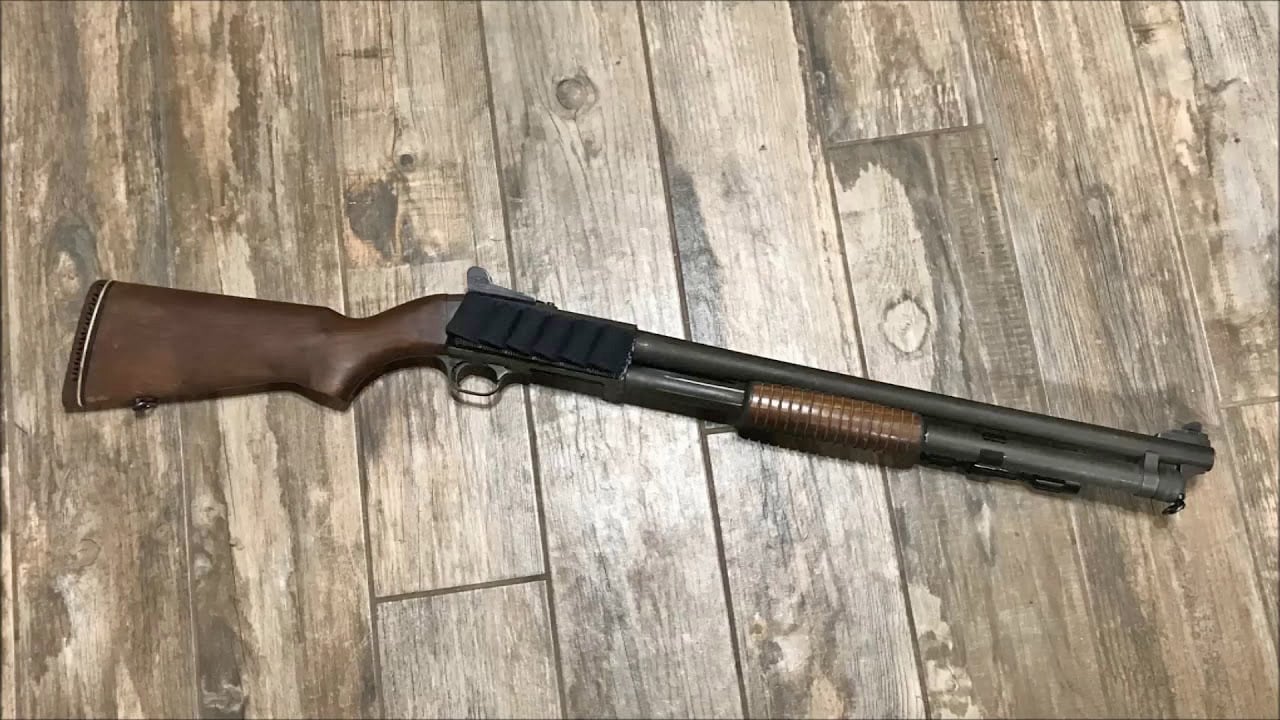
The Ithaca 37 is the kind of gun that makes sense the first time you hunt in miserable weather. Bottom-eject keeps junk out of the action and hulls out of your buddy’s face. The gun carries light, balances well, and it’s one of the few pumps that can feel almost like a wand in thick grouse cover.
Collectors and long-time bird hunters pull them because good ones are getting harder to find, and because the 37 has a loyal following for a reason. The older guns in 16 gauge especially can disappear quick. Not every 37 is perfect—some have seen questionable home gunsmithing—but a clean, tight example is worth setting aside. It’s a real hunting shotgun that also happens to be collectible, which is the sweet spot.
5. Browning Auto-5 (Belgian-made)
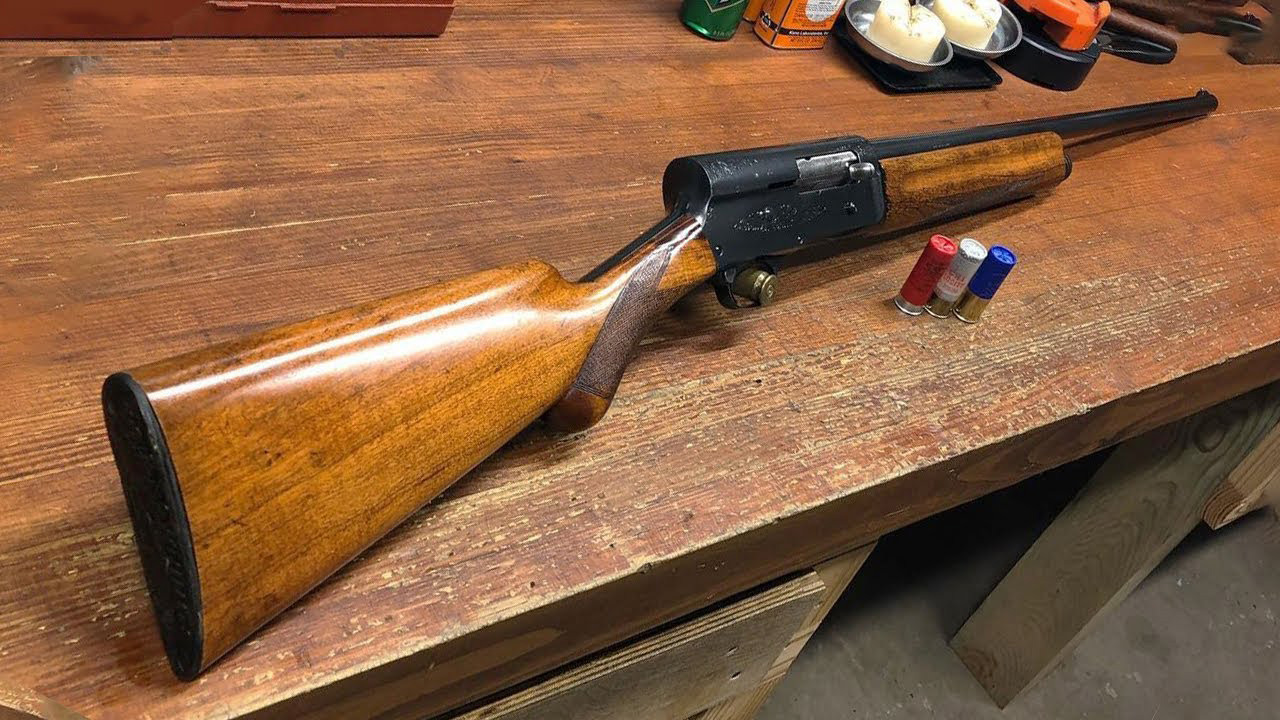
A Belgian Auto-5 sitting in a “working rack” usually means one thing: somebody’s grandpa hunted everything with it and never thought of it as special. The long-recoil action has a distinct feel, and the humpback receiver points in a way some shooters love and others never warm up to. Either way, it’s a piece of shotgun history you can still take to the field.
Collectors pull Belgian guns first because they’re not making any more of them, and condition matters. A lot of A5s have swapped barrels, missing friction pieces, or wear from years of hard use. Finding one that’s complete and not butchered is getting tougher. And if you do take it out to hunt, it’ll remind you real quick why it built its reputation in duck blinds long before “tactical” meant anything.
6. Browning Superposed
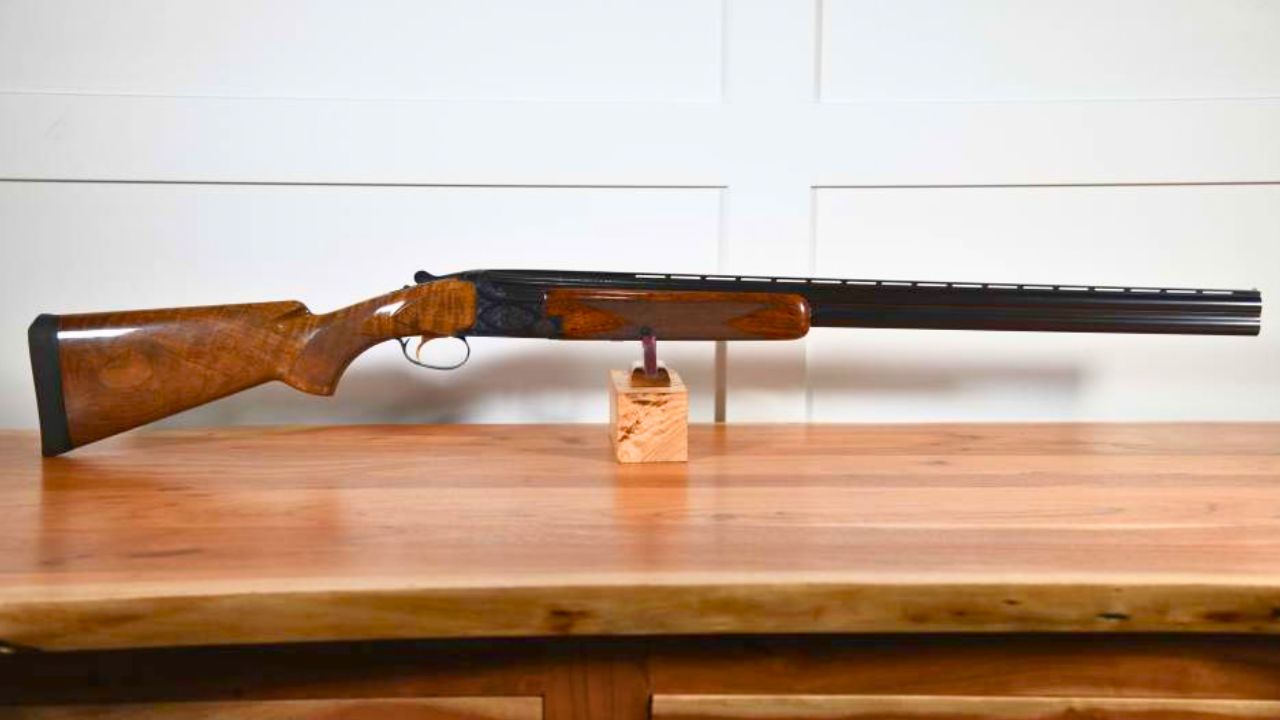
When a Browning Superposed shows up leaning in a corner like just another bird gun, someone with sharp eyes will grab it before the coffee cools. These over/unders can range from plain-working to downright fancy, but even the “plain” ones carry craftsmanship that’s hard to duplicate at anything like the same price today.
Collectors want them because they’re classic, American-market icons with real variation in grade and features. A field-grade Superposed that’s honest and original is more interesting than a lot of shiny new stuff. They’re also guns you can shoot a lot, as long as you keep them maintained. If you find one with tight lockup and bores that aren’t pitted, don’t let it get treated like a generic trade-in.
7. Beretta 686 (early production, field guns)
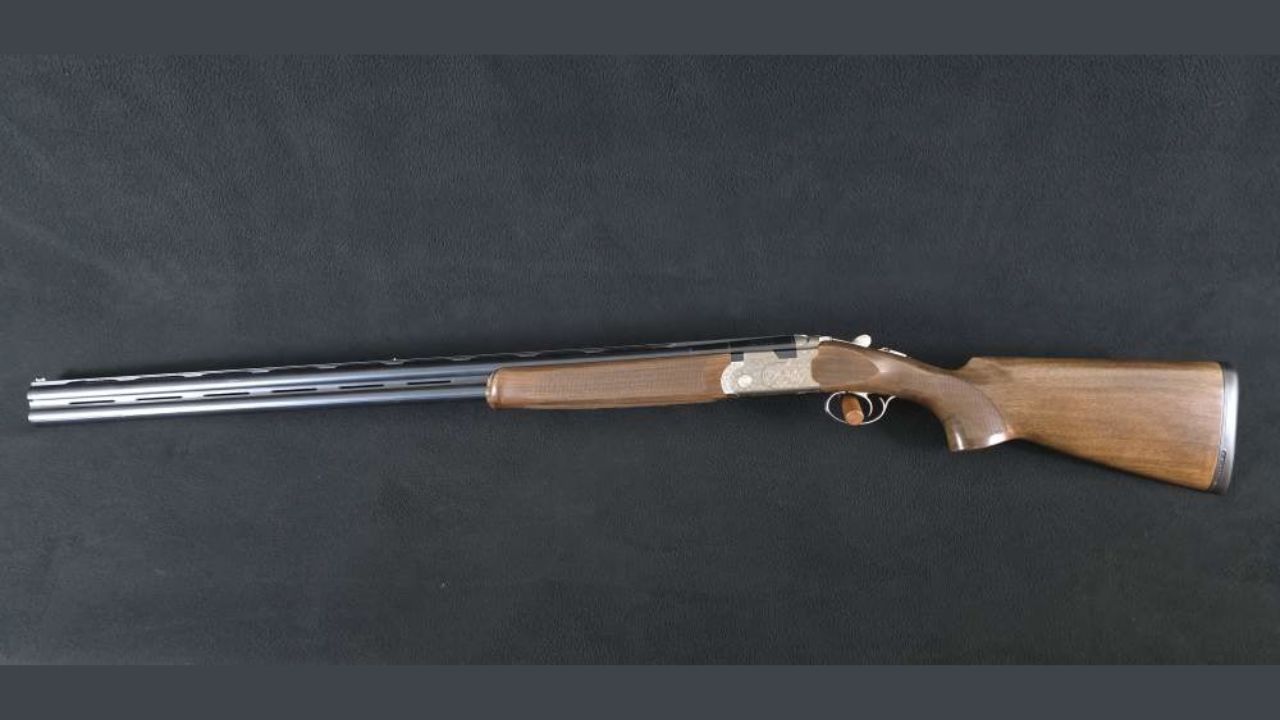
The Beretta 686 is one of those “boring” over/unders that ends up being everybody’s favorite after a few seasons. It’s not flashy unless you buy a fancier trim, but it tends to just keep going. The balance is usually neutral, it mounts naturally, and it’s the kind of gun that won’t punish you on long walks behind a dog.
Collectors pull early, clean examples because the 686 line has a reputation built on durability and consistent quality. Also, a well-cared-for 686 is easy to live with—parts and service exist, and the gun won’t turn into an orphan. In a working rack, you’ll sometimes see one with a lot of miles but no drama. That’s a good sign. If the wood isn’t cracked and the action closes like it means it, it belongs somewhere safer than the mud corner.
8. Beretta A390

There’s a certain era of Beretta gas guns that just flat earned trust, and the A390 is high on that list. It’s not the newest or lightest, and it won’t win any “tactical styling” contests. But it cycles a wide range of loads, it’s soft shooting, and it’s the kind of semi-auto that keeps you focused on birds instead of stoppages.
Collectors and practical shooters both snag them because they’ve become a “don’t sell it” gun. The A390 often gets pushed aside when someone buys the newest wonder-gun, then a few years later they wish they’d kept the old reliable. If you find one with decent finish and a straight, uncracked stock, it’s worth protecting. They’re excellent for clays, ducks, and even as a do-everything farm semi-auto.
9. Benelli M1 Super 90

The M1 is a classic inertia gun that shows up in working racks because it’s a workhorse. It’s light, it runs clean compared to gas guns, and it carries easy when you’re walking fence lines or hopping in and out of a truck. A lot of them got used hard on waterfowl, which means the finish can be rough even if the guts are fine.
Collectors pull them because the M1 has become its own “era” of Benelli, and the good ones hold value for a reason. It’s also a platform with plenty of support—magazine caps, barrels, stocks, you name it—without being as common as the newer M2. If you pick one up and it shoulders like it’s part of you, that’s not an accident. Don’t leave it behind just because it looks like it’s lived a little.
10. Benelli Super Black Eagle (original SBE)

The original Super Black Eagle is still a serious waterfowl tool, even though it’s been succeeded by newer versions. When it came out, 3.5-inch capability was a big deal, and the gun got dragged through every kind of wet misery you can imagine. Because of that, plenty of SBEs look rough on the outside.
Collectors and duck hunters who know better will rescue them from the “just another old semi-auto” pile. The early SBEs have a following, and a clean one with the right barrel length can be tough to find. It’s also a shotgun that earns respect because it solved real problems in the blind. If you find one that hasn’t been abused with backyard modifications and it locks up right, it belongs in a better spot than next to the shovel handles.
11. Franchi AL-48

The AL-48 is a light, quick little long-recoil shotgun that upland hunters love, especially in 20 gauge. It’s one of those guns that feels like it weighs nothing when you’re climbing or walking miles behind a dog. You’ll see them in working racks because they’re “just an old Franchi” to folks who don’t chase quail or grouse much.
Collectors grab them because good ones are getting harder to find and they have a real identity. They’re not for everyone—recoil can be snappy because the gun is so light, and they have their own quirks. Still, for the hunter who wants a classic that carries like a feather, the AL-48 is hard to replace. If you find one that hasn’t been beat loose and the wood is solid at the wrist, it’s worth tucking away.
12. Winchester Model 42
The Model 42 in .410 has been “cute” for so long that people forget it’s also a legitimate collector’s gun. In a farm rack it might sit next to a .22 as a pest gun, because that’s exactly how many were used. But the 42 is a scaled-down Model 12 in spirit, and the quality shows when you work the action.
Collectors pull them because clean Model 42s don’t just appear every day, and the .410 world is always a little wild on price and demand. They also get ruined by bad home choke work, cut barrels, and questionable refinishing. If you’re staring at one that’s original, especially with a good barrel and honest finish, treat it accordingly. It’s the kind of shotgun that can turn into a family heirloom without trying.
13. Ithaca Mag-10
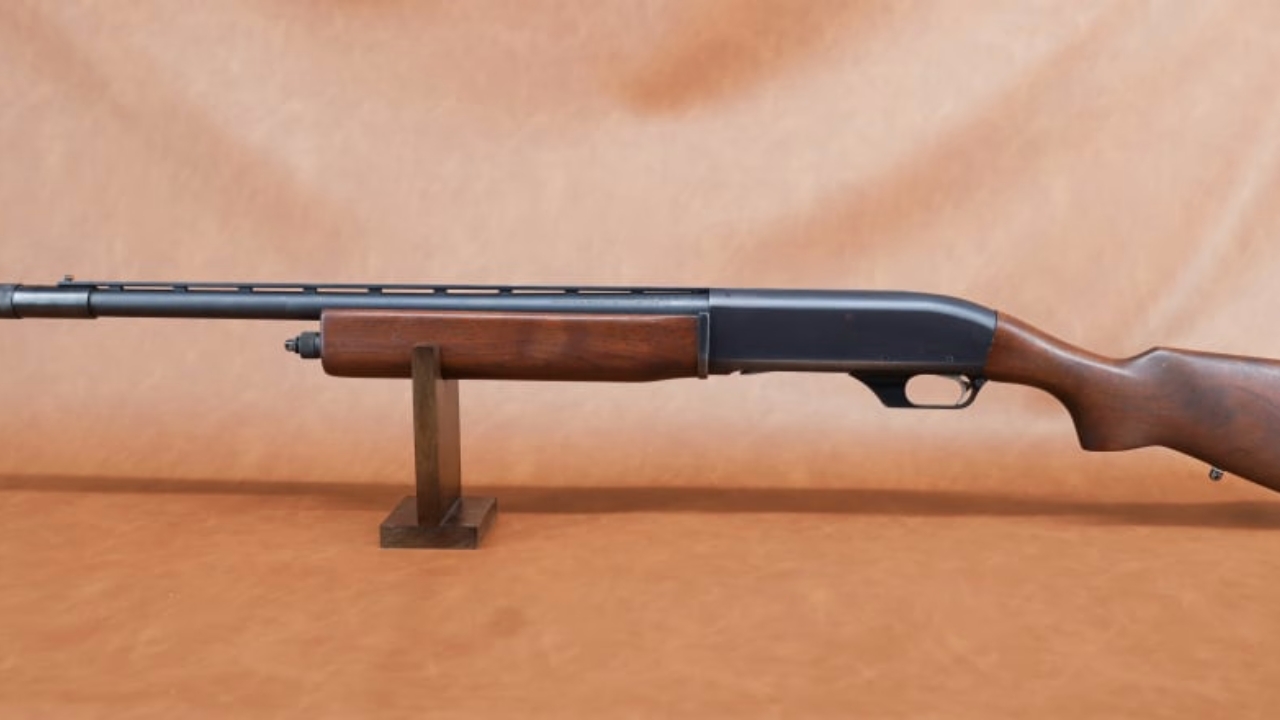
The Ithaca Mag-10 is not subtle. It’s big, it’s heavy, and it looks like it was designed by somebody who was serious about geese. That’s why it ends up in working racks—guys buy them for one job, use them for a few cold seasons, then they sit because most folks don’t feel like hauling a cannon around for casual hunts.
Collectors and dedicated waterfowlers grab them because they’re a genuine oddball with real capability. A Mag-10 in good shape is a conversation starter, but it’s also effective if you hunt big late-season birds where extra payload matters. The key is finding one that hasn’t been neglected, because heavy guns still rust and stocks still crack. It’s not a “do everything” shotgun, but it’s absolutely a “belongs in the right hands” shotgun.
14. Remington 1100 (early walnut/blue field models)

The Remington 1100 is the semi-auto a lot of shooters learned on, and it still has one of the nicest recoil impulses out there. It’s smooth, it points well, and it makes clays and dove fields feel a little easier. Because they were so common, they’re often treated like they’re disposable. That’s a mistake with the good older ones.
Collectors pull early, clean 1100s because they represent a high point in fit and finish for a mass-market semi-auto. Yes, they have O-rings and gas system parts that need attention. No, that doesn’t make them “unreliable”—it makes them a machine that likes basic maintenance. Find one with a nice stock set and a barrel that hasn’t been messed with, and you’ve got a shotgun that still runs with anything in its lane.
15. Remington 11-87 Premier
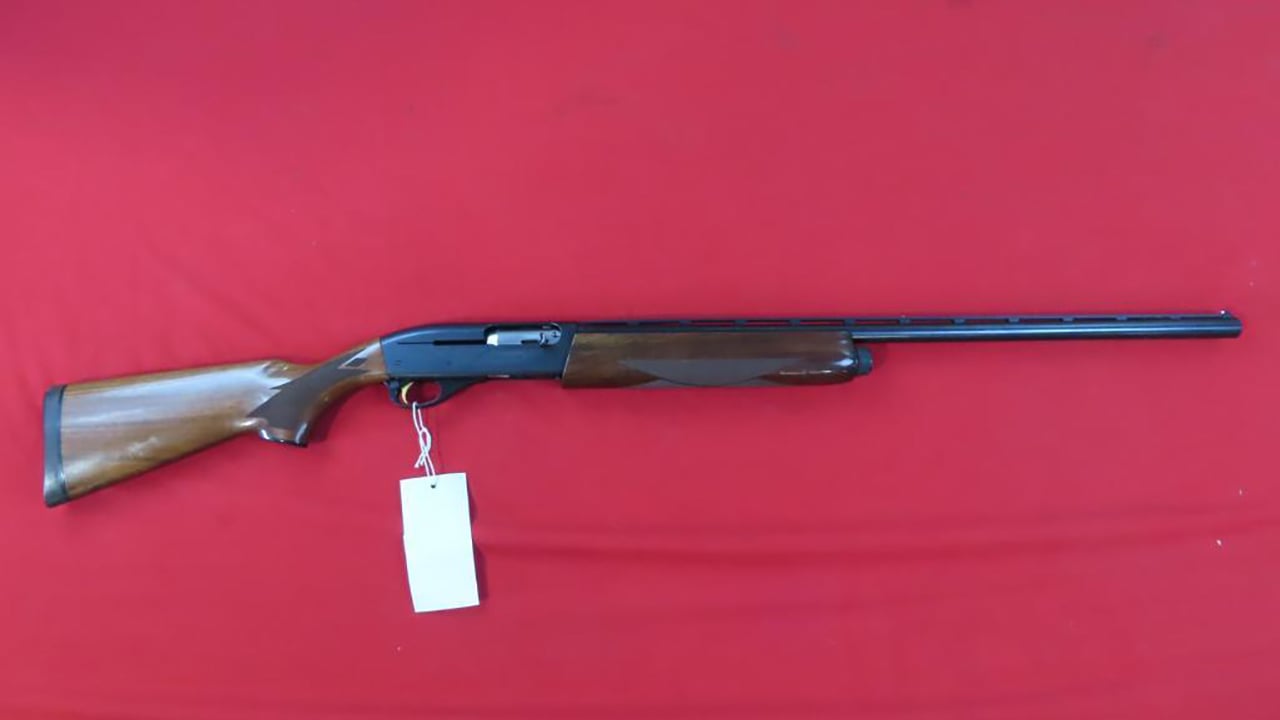
The 11-87 gets talked about like it’s the awkward cousin of the 1100, and in some ways it is. It’s not as pretty, and the name doesn’t carry the same romance. But the Premier models, especially the well-kept ones, are solid field semis that can handle a wide range of loads without being temperamental.
Collectors and practical hunters pull them because they’re undervalued compared to what they deliver. They also make great “actually hunt with it” guns—good balance, mild recoil, and they don’t beat you up on a long day. A lot of 11-87s got ridden hard and put away wet, so condition matters. If you find one that’s clean inside the receiver, cycles smoothly, and hasn’t been cobbled with random parts, you’re looking at a sleeper that still deserves respect.
16. Browning BPS (older Japan-made models)

The Browning BPS is a pump that quietly wins loyalty. Bottom-eject, solid build, and usually a smoother action than the average big-box pump. They can be a little heavier than some competitors, but that weight helps on the swing and soaks up recoil. In a working rack, the BPS can get dismissed as “just another pump.”
Collectors and serious users snag older Japan-made examples because quality is consistently high and they’re not as common on the used market as 870s or 500s. They also hold up well to foul weather, which is why so many live by the back door during season. If you pick one up and the checkering is still sharp and the action feels tight, that’s a gun that’s been cared for. It’ll keep doing real work, but it shouldn’t be treated like a loaner forever.
17. Savage/Fox Model B (Stevens 311 family)
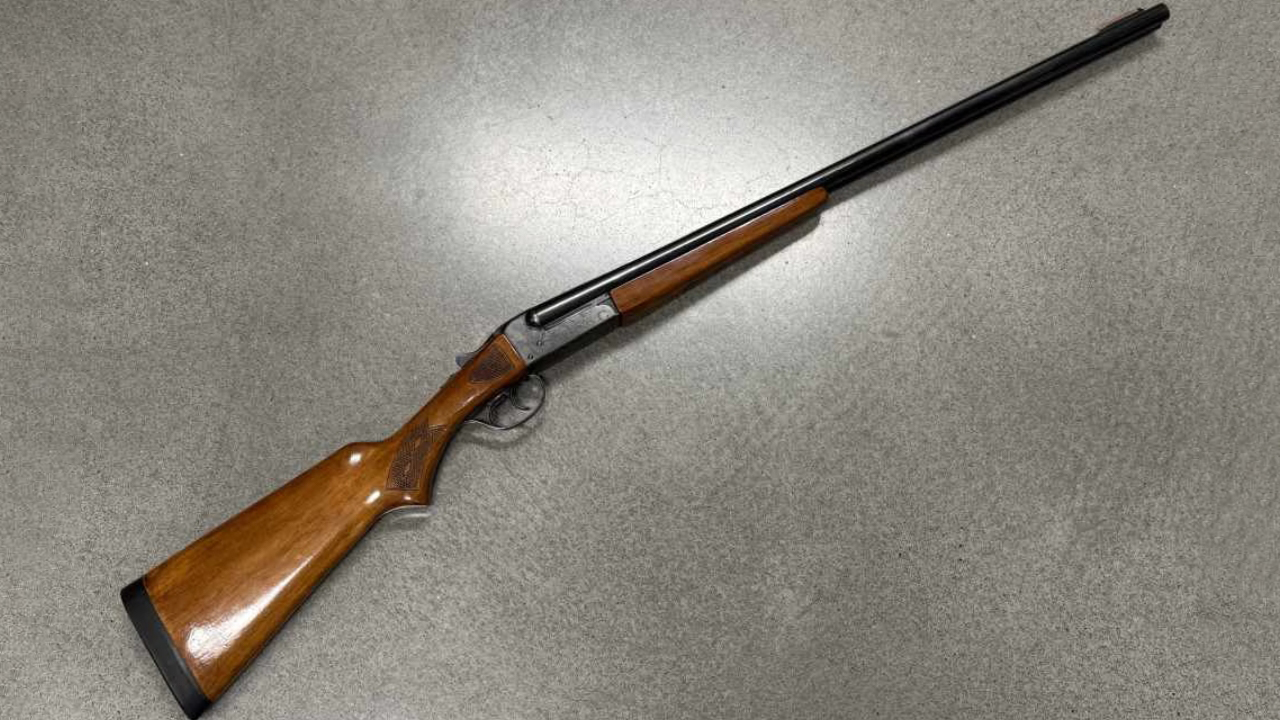
These old double guns are as unglamorous as it gets, and that’s why they’re always leaning in a corner. The Fox Model B and the Stevens 311 family were working people’s shotguns: tough, simple, and usually choked tight enough to reach a little farther than you’d expect. They’re not svelte English doubles, and nobody is pretending they are.
Collectors pull the clean ones because they’re becoming the last affordable slice of classic American double-gun culture. A lot have been abused—stocks cracked, ribs loose, chambers questionable—so a solid tight gun is worth saving. They’re also great for the guy who wants a no-nonsense rabbit or squirrel shotgun with real nostalgia baked in. If the barrels ring true, the locks are tight, and the bores aren’t sewer pipes, it’s better than it looks on the rack.
18. Parker Trojan (Parker Bros.)
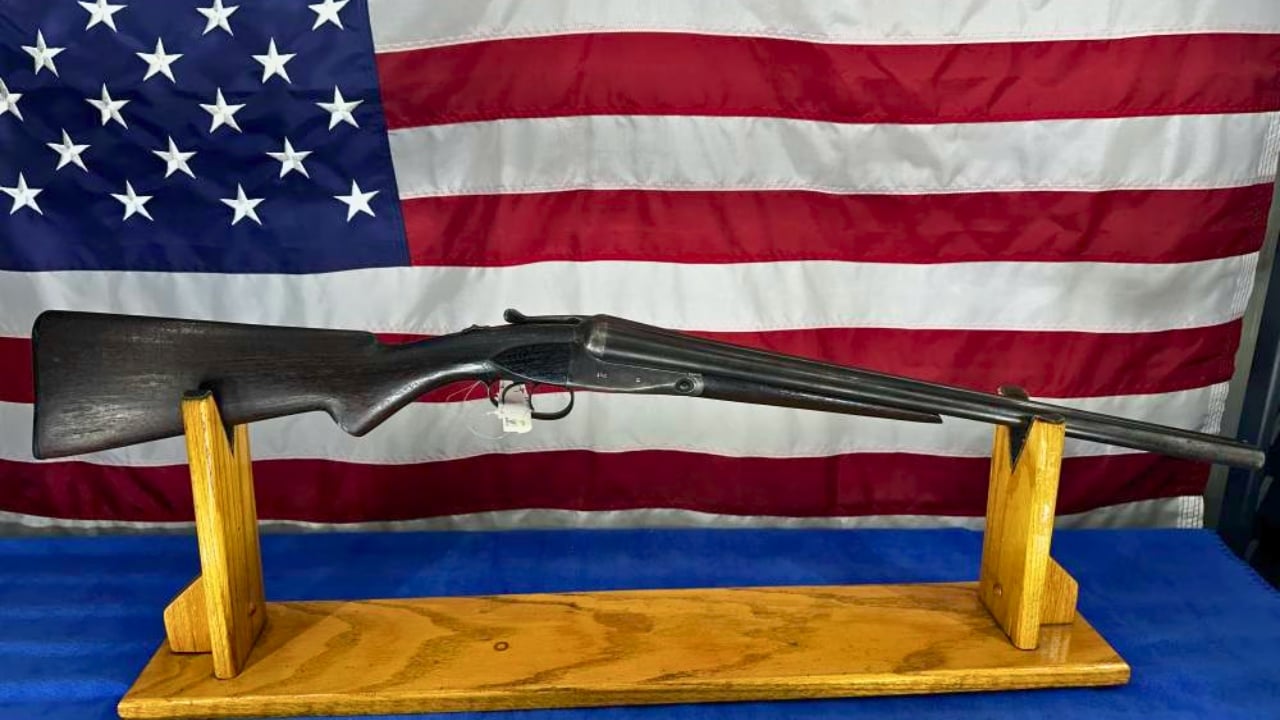
A Parker Trojan doesn’t always look “fancy” at first glance, and that’s exactly how it gets trapped in the working-gun category. The Trojan was Parker’s plainer grade, meant to be used, and plenty of them were. But “plain Parker” is still Parker, and the bones of the gun matter more than engraving when you’re talking collectability.
Collectors pull Trojans because they’re an entry point into Parker history without getting into the wild money of higher grades. Originality is everything—barrel length, stock dimensions, unmolested metal. They’re also shotguns with real soul, for lack of a better phrase. If you find one that hasn’t been cut down for a truck gun and the action is still tight, it deserves a careful look by someone who knows doubles. This is one that gets away from families more often than it should.
19. L.C. Smith Field Grade
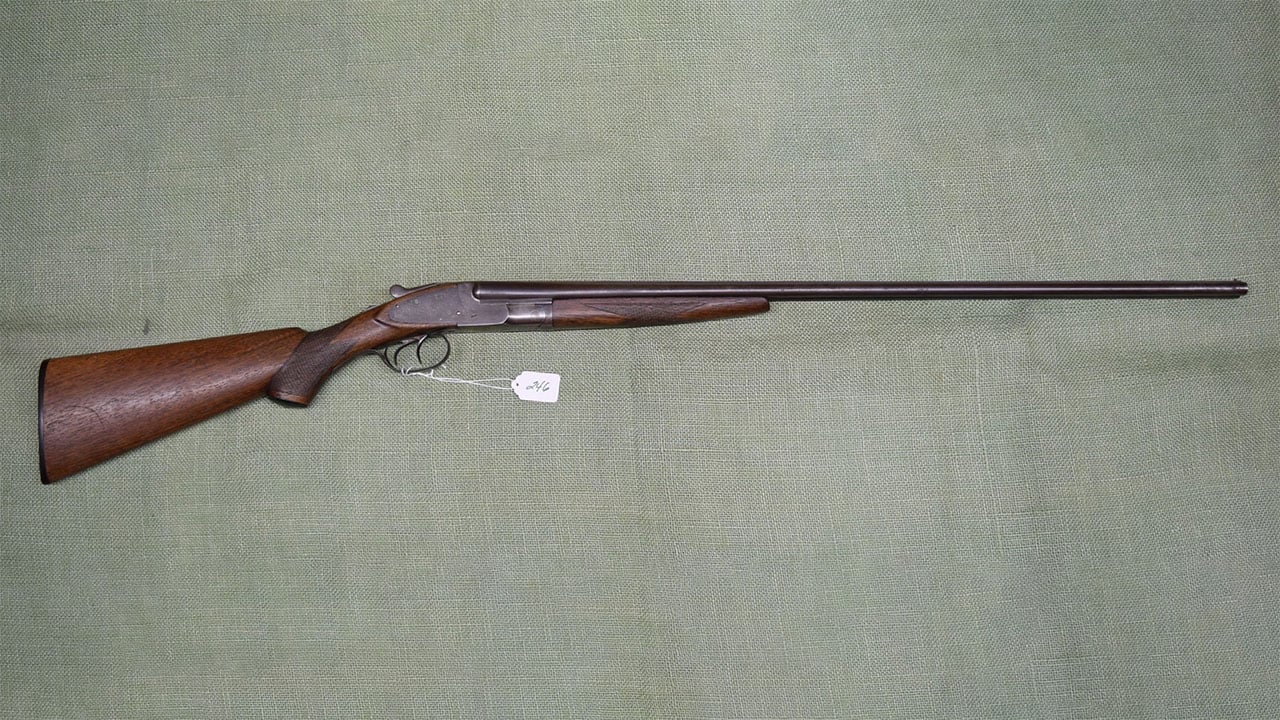
L.C. Smith doubles have a feel that’s hard to fake, and a field grade can still be a real hunter’s shotgun if it’s sound. They do show up in working racks because they were used hard for decades, and many owners don’t want to mess with an older side-by-side that might need attention. Fair enough—old doubles aren’t always cheap to put right.
Collectors pull them because L.C. Smith has a devoted crowd, and because the difference between a good one and a money pit is usually visible if you know what to check. Stocks can crack at the head, and loose actions are common in tired guns. But a tight, original field grade is a nice thing to own, even if it’s not a daily driver. It’s also a reminder that “field grade” used to mean something built for the long haul.
20. Winchester Model 21
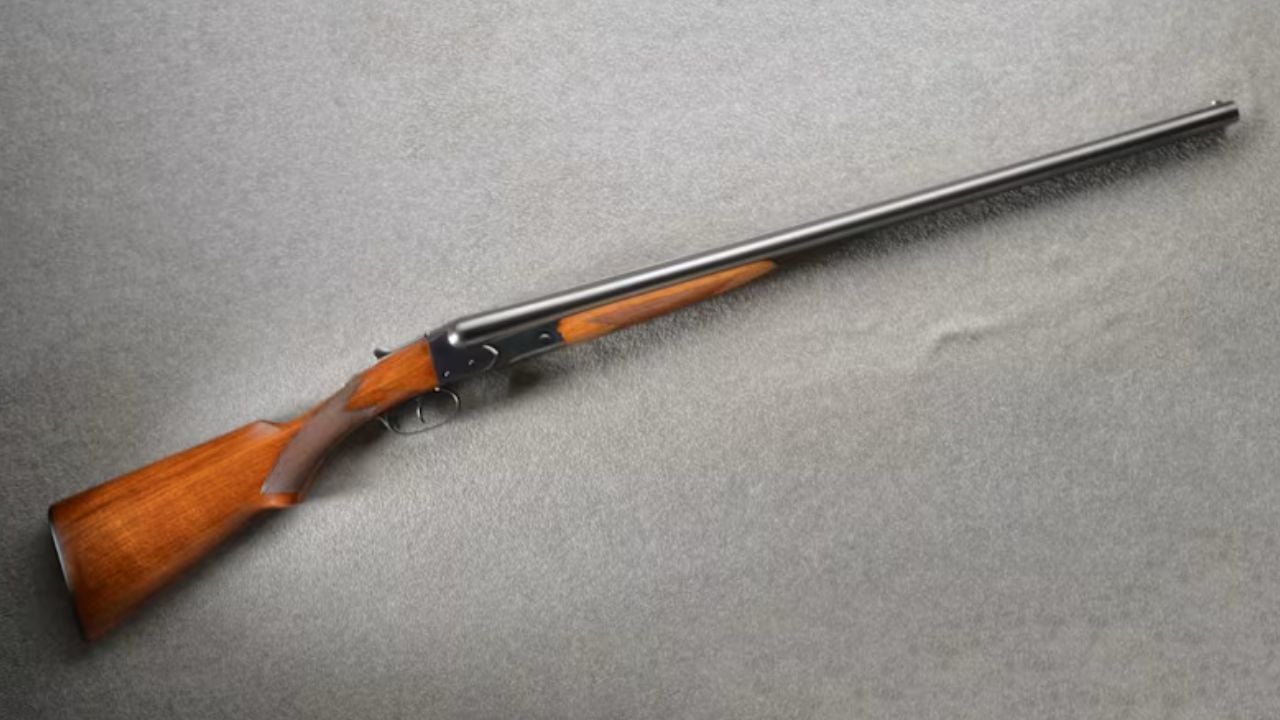
If a Model 21 is sitting in a working rack, somebody either doesn’t know what it is or they trust it so much they refuse to baby it. The Model 21 has a reputation for being built like a tank, and many of them were ordered as hard-use bird guns. They can be plain or highly finished, but the action and build quality are the headline either way.
Collectors pull them because they’re one of the great American doubles, and the market has been strong for a long time. Condition and configuration change everything, and original parts matter. Even a “used but not abused” Model 21 is not something you casually loan out for a wet weekend. The irony is they’re actually usable, not just collectible. Still, when one shows up in a rack of mud guns, it’s smart to move it to a safer spot—where it can be appreciated and preserved without losing its purpose.
Working guns are supposed to get used. I’m all for that. But there’s a difference between honest wear from hunting and careless wear from not knowing what you’ve got. If you’re sorting through a rack—your own, a family member’s, or a shop’s trade-in corner—slow down on the old shotguns. A few of them are just old tools. These are the ones that tend to be both tools and history, and once they’re gone, they don’t come back easy.
Like The Avid Outdoorsman’s content? Subscribe to our newsletter so you never miss an article.
Here’s more from us: