
Photo credit: Sinttituubi/Youtube
Every farm I’ve ever spent time on had at least one shotgun that didn’t really “belong” to anyone. It lived behind the truck seat, leaned in the corner of the mudroom, or rode on the tractor like it paid rent. It wasn’t a “collection” piece. It was a tool, same as fencing pliers and a come-along.
Now, a bunch of those honest working guns are getting wiped down with oil, photographed on kitchen tables, and parked in display cases like they’re too good to touch. I get it. Forty years of doing chores gives a shotgun a kind of credibility you can’t buy. Here are 20 models that spent decades earning their keep the hard way, and are suddenly getting treated like family heirlooms.
1. Remington 870 Wingmaster

If you grew up around farms, you’ve seen one with the bluing worn silver on the carry points and the checkering packed with old grime. The Wingmaster action can feel like it’s on ball bearings once it’s been cycled a few thousand times. It points naturally, and it does not care about dust, cold, or rough hands.
The funny part is a lot of these were “just the 870” for decades. Then people realized the older ones had nicer machining and walnut than many modern guns, and suddenly that same beater behind the seat is a “classic.” It’s still not fancy, but it’s hard to argue with an 870 that has never let anybody down.
2. Mossberg 500
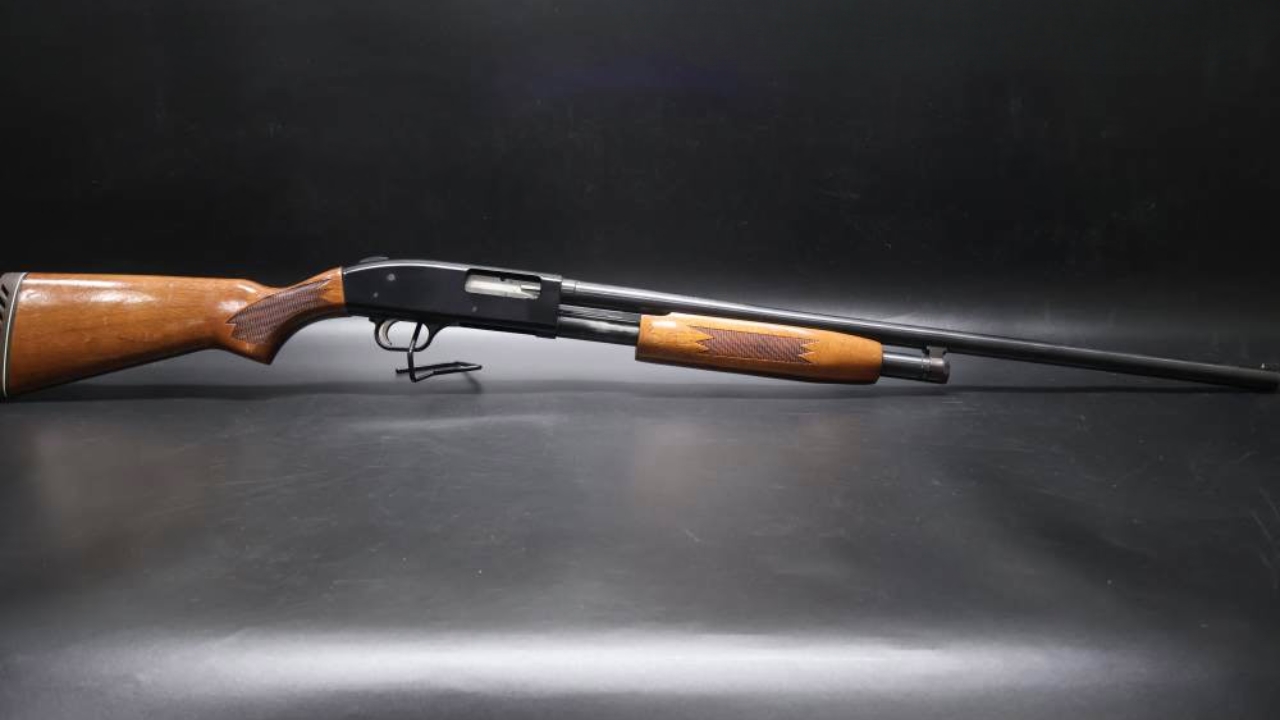
The Mossberg 500 is the definition of a farm shotgun because it’s simple, it’s forgiving, and it keeps working even when maintenance is basically a shrug. The tang safety is a big deal on a working gun, especially when different people in the family might grab it. And the gun carries light enough that it doesn’t feel like a chore itself.
They aren’t all smooth, and some rattle a little. So what. When a coyote hangs up at the edge of the calving lot or a raccoon is tearing up feed, that “loose” Mossberg still closes the distance in a hurry.
3. Winchester Model 12
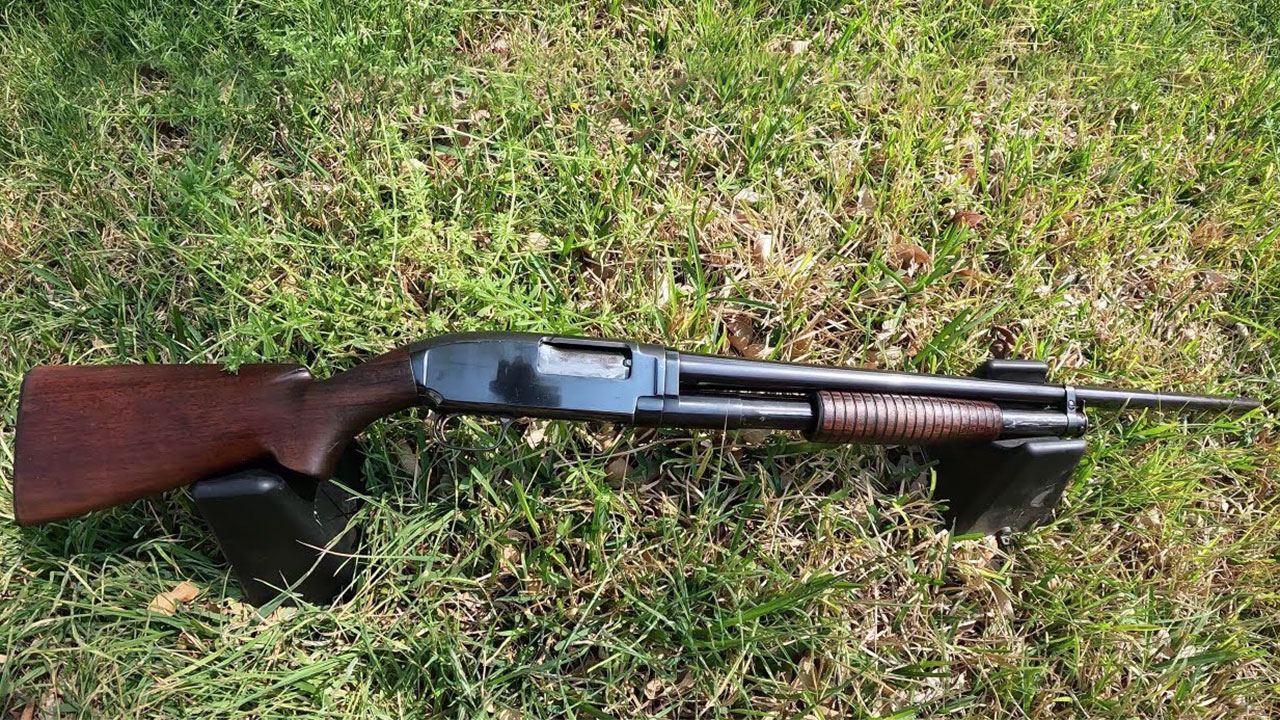
The Model 12 is one of those shotguns that makes you understand why old-timers didn’t feel the need to upgrade. It’s slick, it’s solid, and it has that pre-war steel-and-wood seriousness that modern guns rarely match. Plenty of them lived hard lives as barn guns and still lock up like they mean it.
Collectors love them now, but the farm ones tell the better story. Dings in the stock from bouncing around in a truck, worn bluing from sweaty hands, and a fore-end that’s been pumped in a hurry more times than anybody can count.
4. Ithaca 37
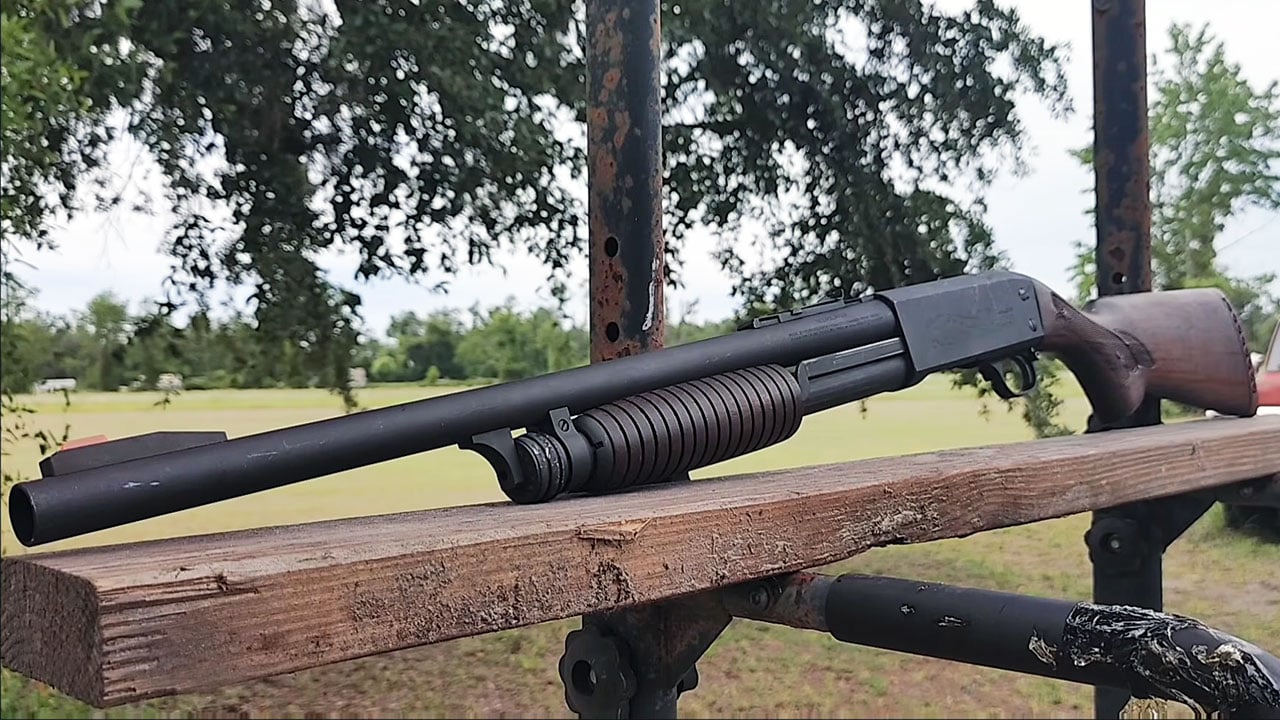
Bottom-eject and slick as a greased gate hinge when it’s right, the Ithaca 37 was made for folks who actually carry a shotgun all day. No empty hulls flinging across your face, and it stays friendlier for left-handed shooters without needing any special version.
A lot of 37s ended up on farms because they were light, quick, and tough. The newer “tactical everything” crowd discovered them later, but the truth is they’ve always been practical guns. They just didn’t need to announce it.
5. Browning Auto-5
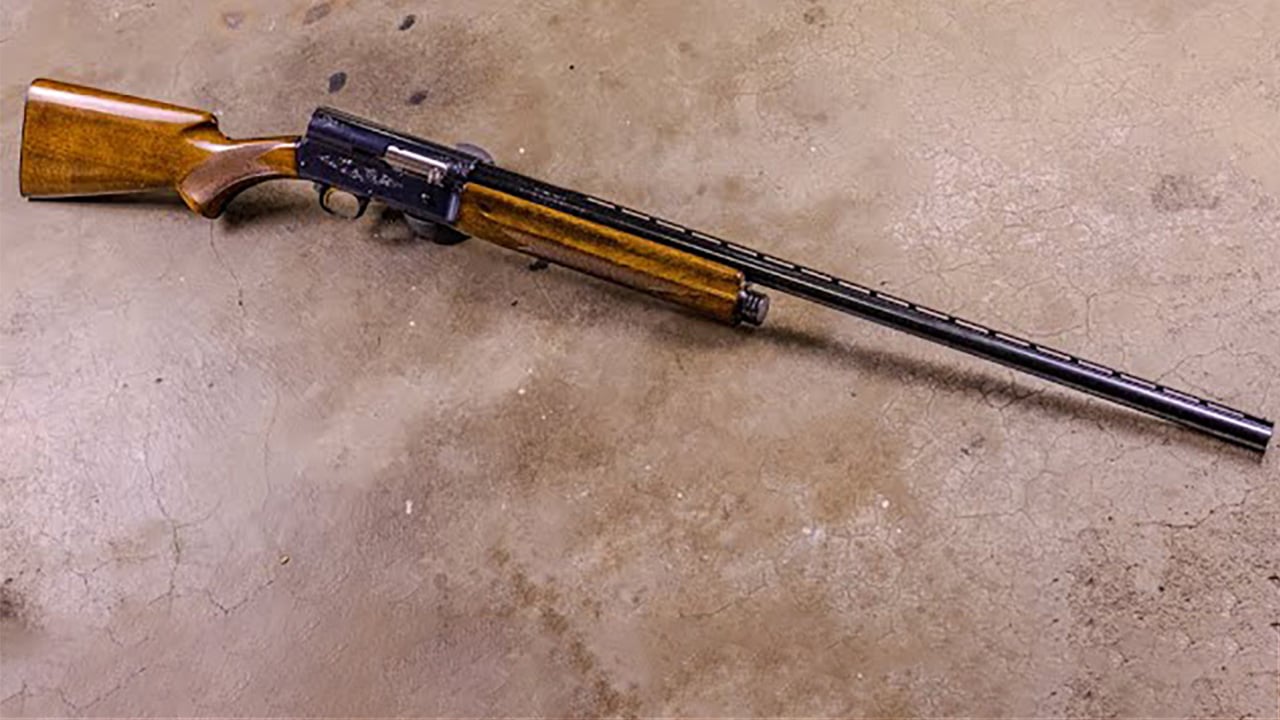
The old humpback Browning looks odd until you shoot one. Then you get it. An Auto-5 that’s been fed a steady diet of field loads for decades has a certain rhythm to it, and it soaks up recoil in a way a lot of light pumps don’t.
On farms, they were often the “nice gun” that still got used because it worked. Sure, they can be picky if the friction rings aren’t set right, and yes, they can bite a thumb if you get careless. But there’s a reason people keep them, even when they’ve got newer options.
6. Remington 1100
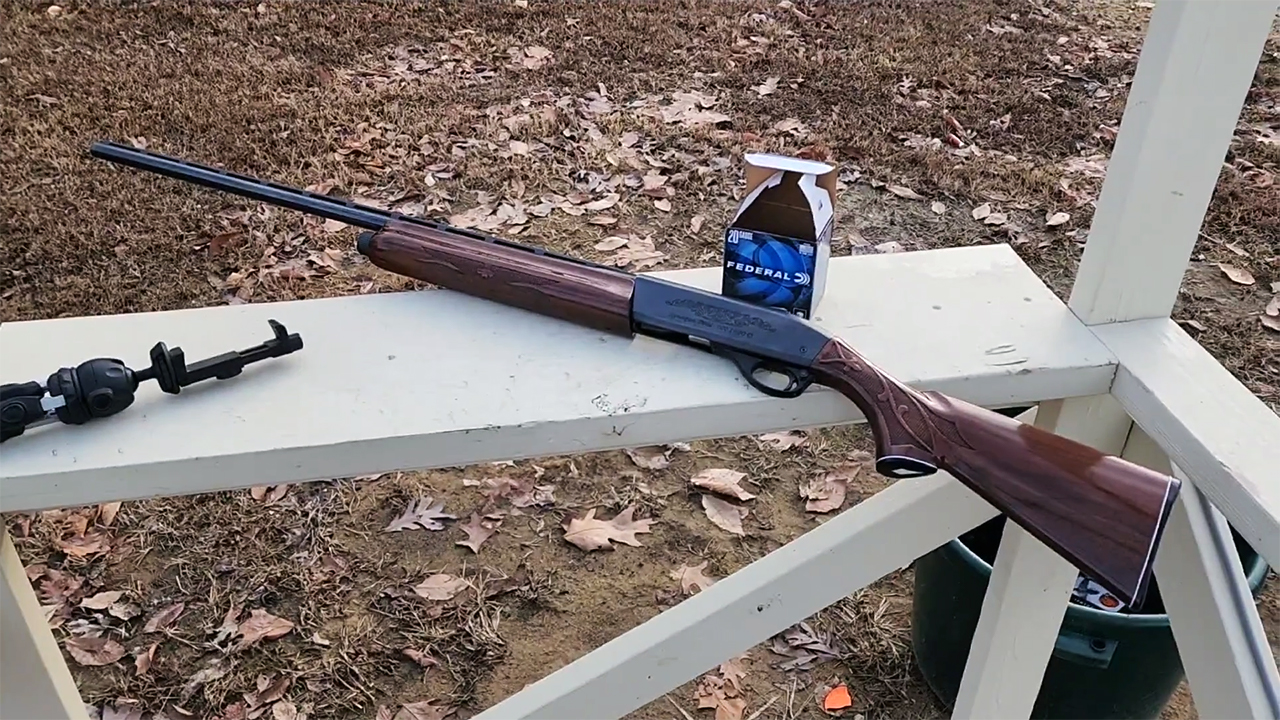
The 1100 is one of the softest-shooting shotguns ever put in regular hands, and that matters when you’re shooting pests, rabbits, or a few boxes of shells at informal clays after chores. They have a way of making average shooters look better than they are.
Farm 1100s usually show honest wear: shiny spots on the receiver, a magazine cap with tool marks, and a stock that’s seen rain more than once. Keep the gas system reasonably clean and replace a seal or O-ring when it’s time, and they’ll just keep cycling.
7. Winchester Model 97
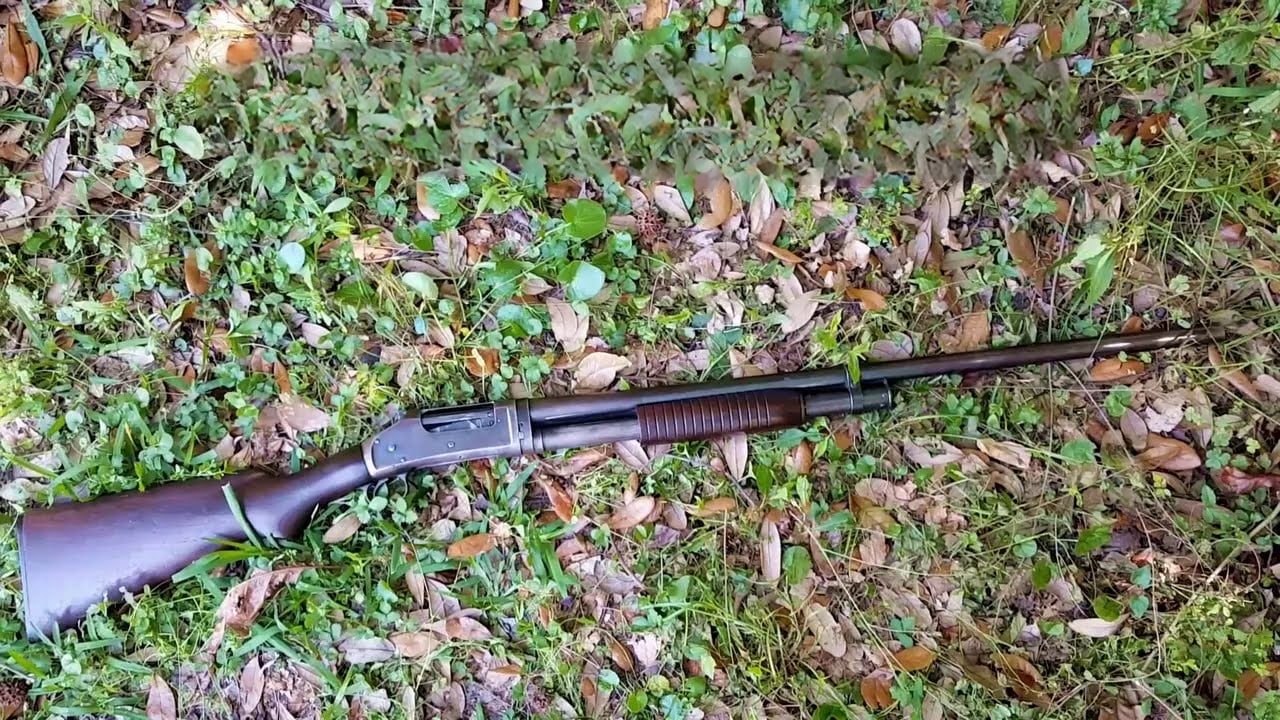
The old Model 97 is not a gentle shotgun. It’s clanky, it has history, and it feels like it was built when everything in America was made out of determination and steel. On a farm, it was a working pump that didn’t ask permission.
Now they’re desirable partly because they’re old and partly because they’re flat-out iconic. The farm-used ones tend to have replacement parts from a lifetime of “make it work” repairs. I’d rather have that than a safe queen that’s never been carried.
8. Savage/Stevens 311 (and similar doubles)
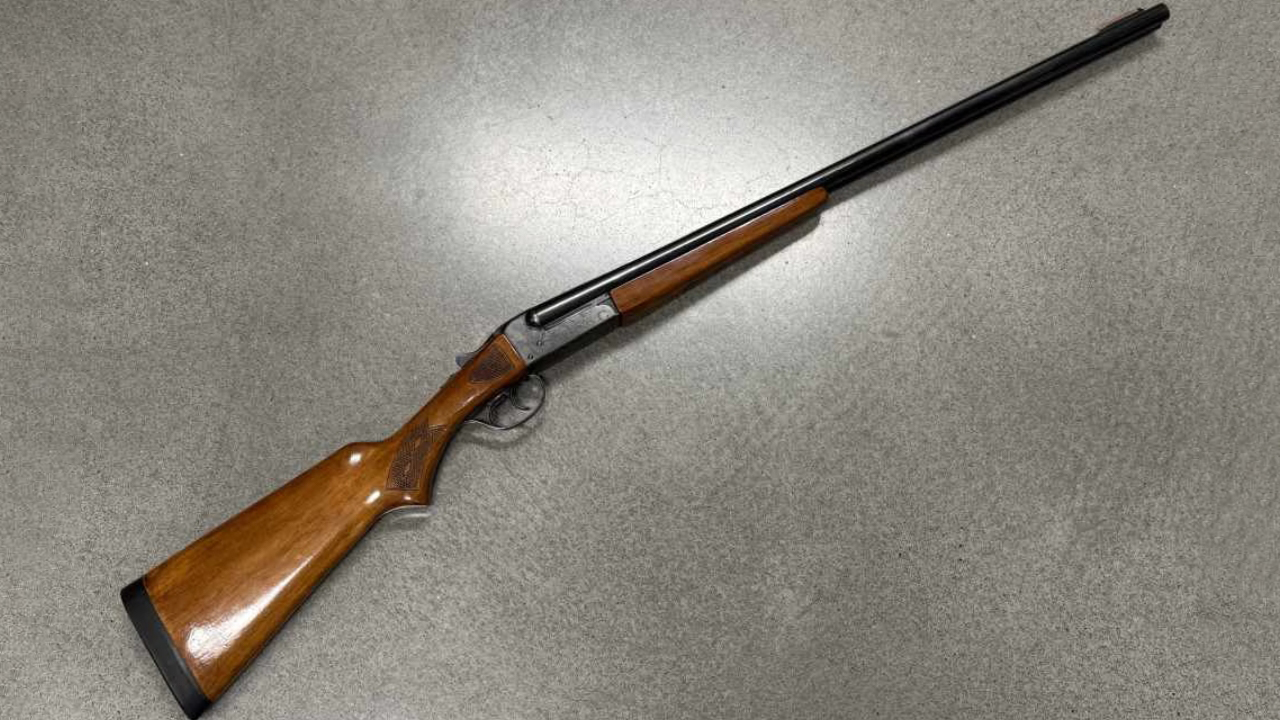
Side-by-sides like the Stevens 311 were a staple because they were straightforward. Two barrels, two chances, and nothing complicated. They rode in trucks, leaned behind doors, and went out for everything from foxes to pheasants when somebody actually had time to hunt.
They’re not graceful like a high-end English double, and the triggers can be heavy. Still, if you find one that locks up tight, it’s a legitimate field gun today. There is something satisfying about a plain double that does its job without drama.
9. Harrington & Richardson Topper (single-shot)
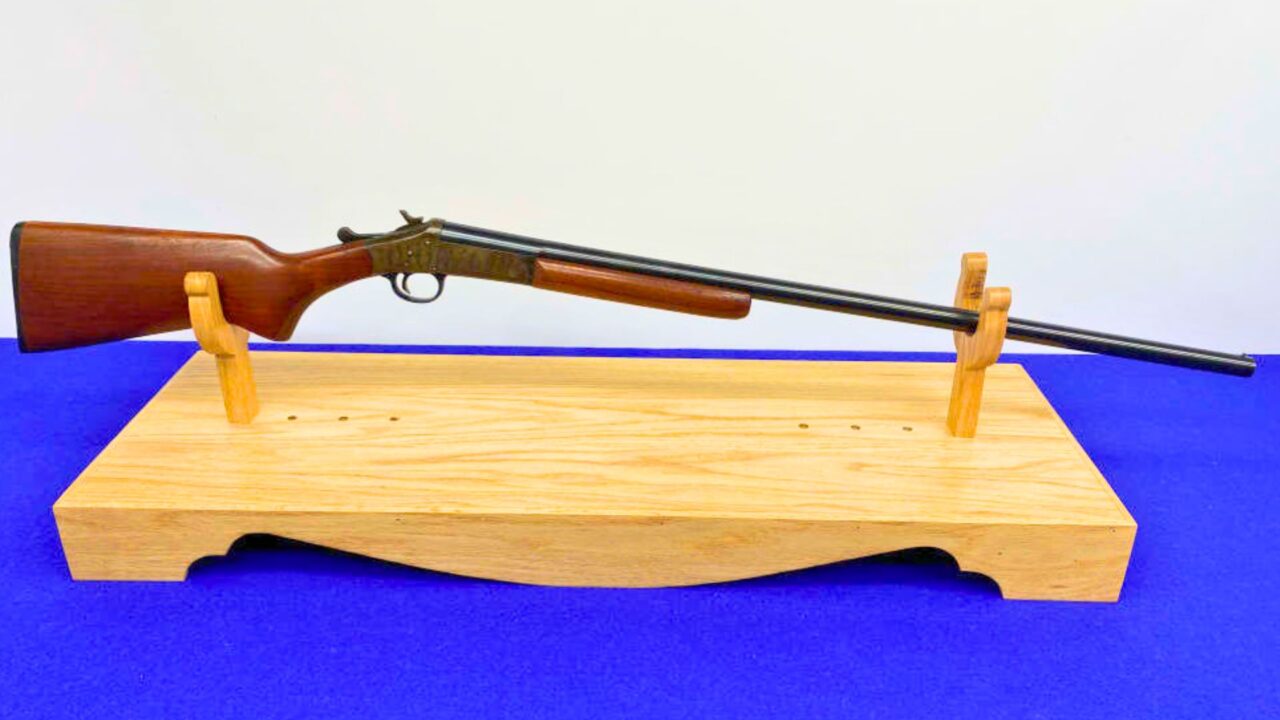
The H&R Topper might be the most common “first gun” in rural America, and it’s also one of the most common “always there” farm guns. It’s light, it’s simple, and it forces you to make the first shot count.
They’re not fast, and they’re not fancy, and that is kind of the point. A Topper behind the kitchen door wasn’t about shooting a lot. It was about one careful shot at the right time, followed by getting back to work.
10. Winchester 1400
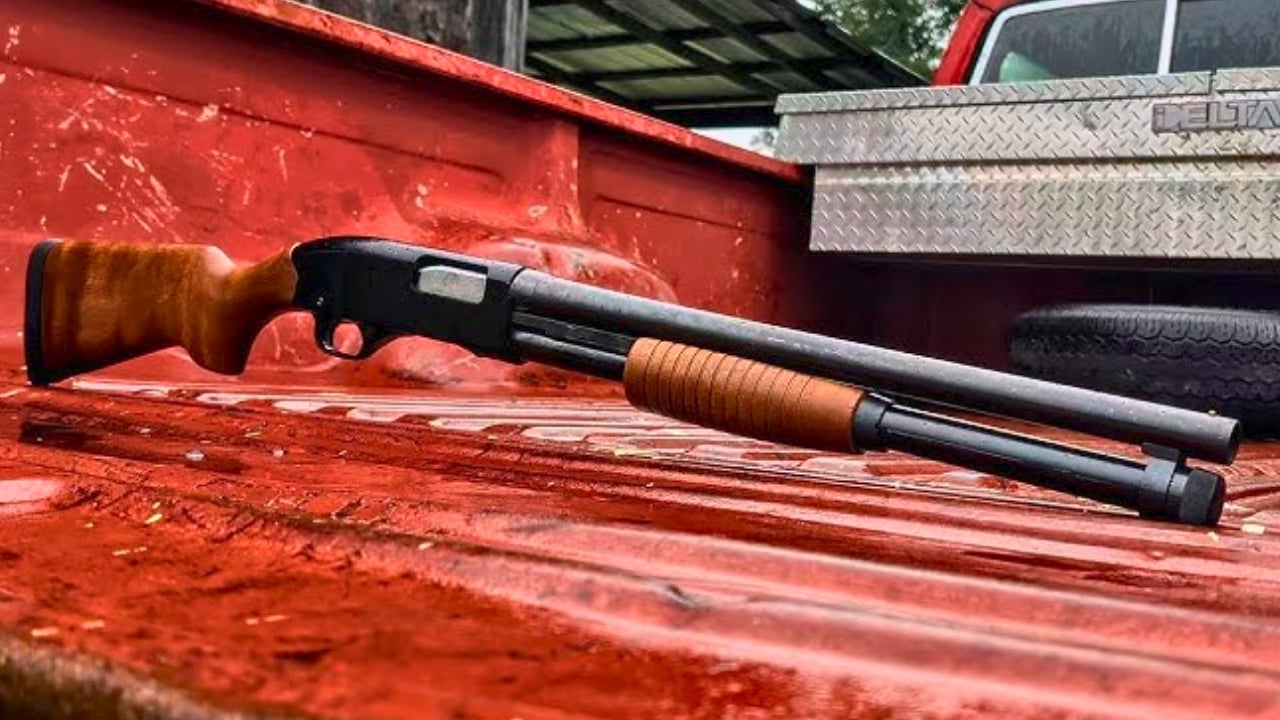
The Winchester 1400 series doesn’t get much love at the gun counter, but plenty of them lived real lives on farms. They were affordable semi-autos that handled field loads fine, and they pointed well enough for birds if you did your part.
Parts and support aren’t what they are for an 1100 or 870, and that’s why people overlooked them. But the ones that have survived decades of barn-dust and behind-the-seat travel are tougher than the internet gives them credit for.
11. Remington Model 11

The Remington Model 11 is the American cousin to the Auto-5 story, and on farms it filled the same role: a semi-auto that could take real use. Many of them are older than the people shooting them now, which should tell you something.
Like any long-recoil gun, it helps to understand how it wants to be set up, and it rewards basic maintenance. When you find one with worn checkering and a smooth, familiar action, you’re holding a shotgun that earned every scratch.
12. Mossberg 535 ATS
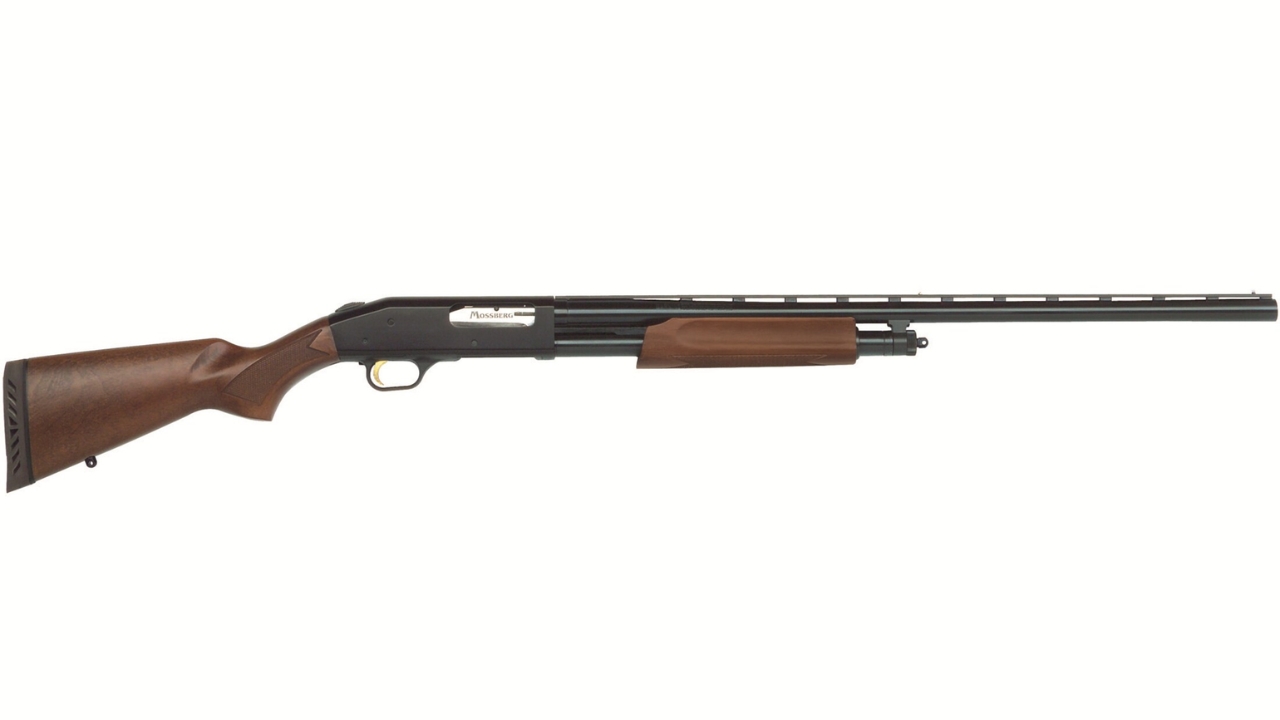
In the era when everybody wanted one shotgun to do everything, the Mossberg 535 showed up on a lot of rural properties. It’ll handle heavier 12-gauge loads, it’s compatible with plenty of barrels and chokes, and it doesn’t mind getting knocked around.
They’re not as refined as an older Wingmaster, but they’re honest. The kind of gun you can use for turkeys in the spring and keep around the rest of the year for coyotes without worrying about babying it.
13. Remington 887 Nitro Mag

This one surprises people, but I’ve seen more than a few polymer-coated 887s that lived in muddy UTVs and damp barns and just kept going. They were made to shrug off weather, and on a working property that’s not a small thing.
They’re chunky, and they don’t have the warm-and-fuzzy feel of walnut and bluing. But if you want a shotgun you can wipe down, lean in a corner, and not worry about, the 887 did its job. Now the oddball factor is part of what gets them displayed.
14. Benelli Super Black Eagle (early models)
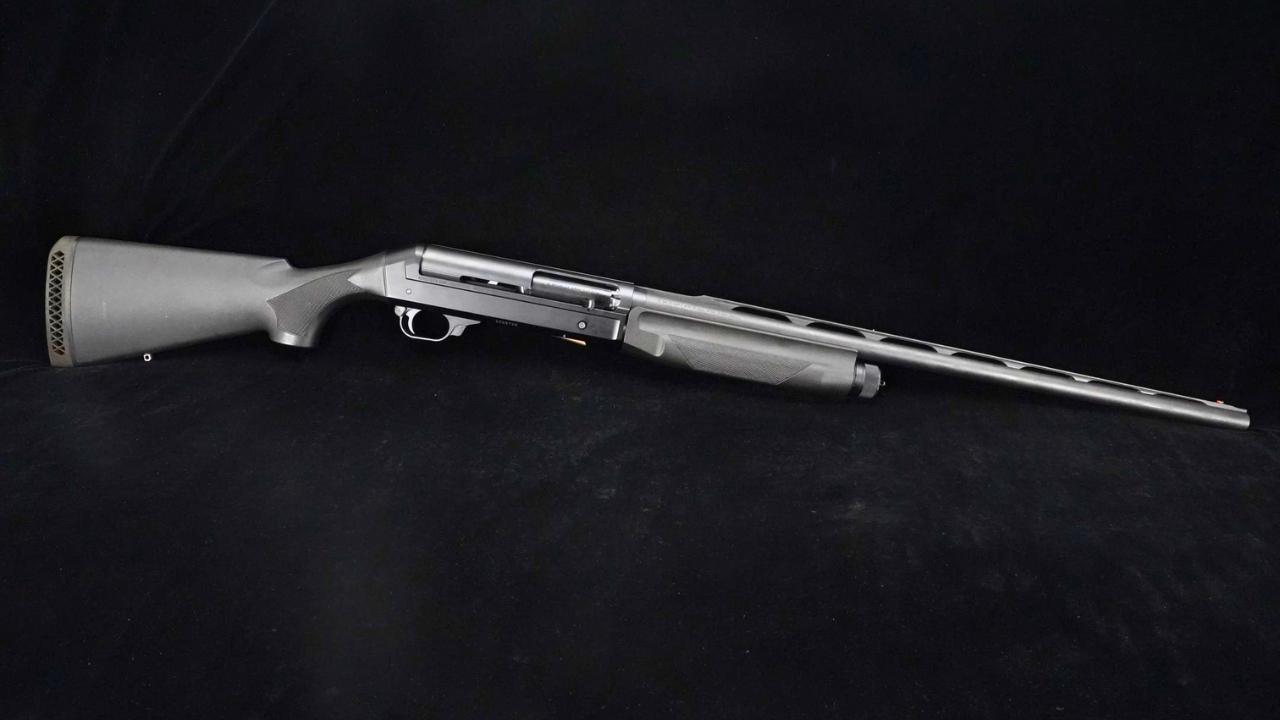
Not every “farm tool” was cheap. Some were bought for waterfowl and then ended up doing everything else because the owner trusted it. Early Super Black Eagles gained a reputation for running in the cold and in the wet when other semi-autos started acting sensitive.
If you’ve ever carried one along a fenceline checking cows after a snow, you know why they get treated like a serious piece of gear. They’re light for what they are, and inertia guns don’t get nearly as gross inside as some gas guns can.
15. Beretta A300 (and older Beretta field autos)
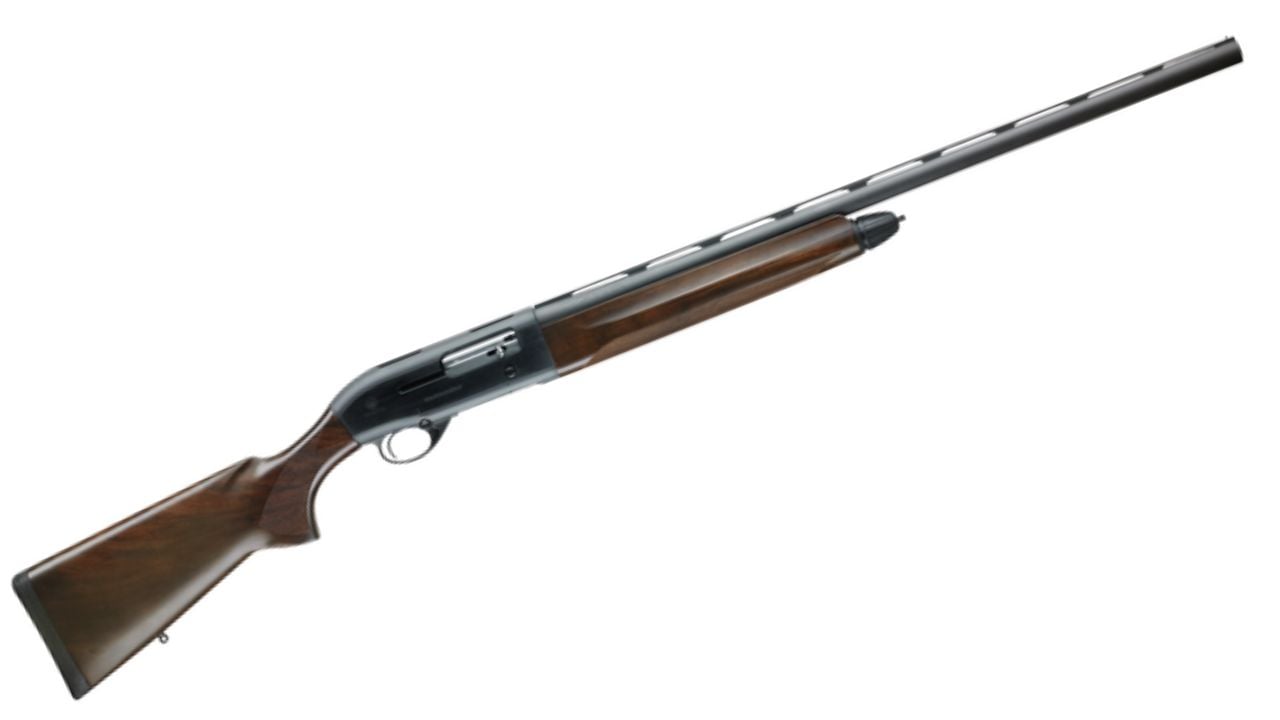
Beretta autos have a way of feeling “right” in the hands, and the A300 family has been a dependable workhorse for a lot of bird hunters who also happen to live rural lives. They balance nicely, and they don’t beat you up.
On farms, a Beretta might have been the “good shotgun,” but it still got used because it was trustworthy. Plenty of them now sit cleaned up in cases with a story attached: the first limit of doves, the last duck hunt with a grandparent, and everything in between.
16. Stoeger Coach Gun
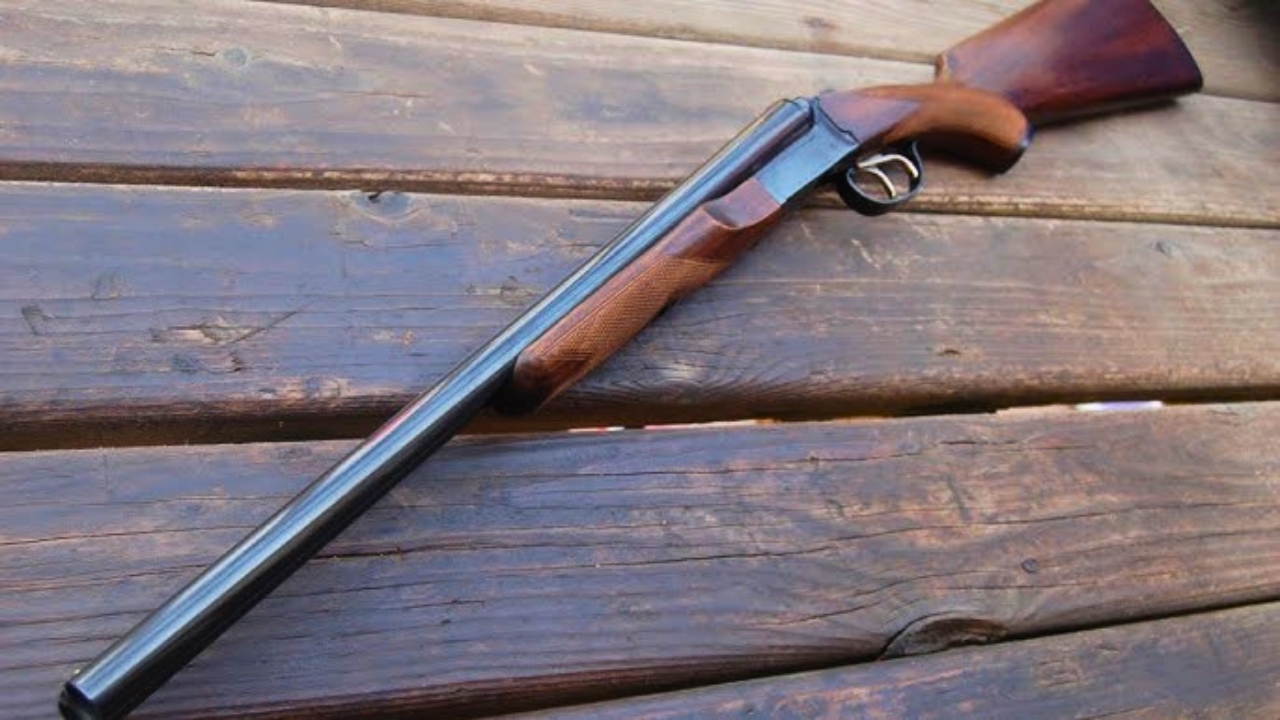
Coach guns are not subtle. They’re handy, short, and they get grabbed when something needs handled up close around the place. Stoeger’s version has probably guarded more chicken coops and barns than it ever has played cowboy at the range.
It’s not a precision instrument, and recoil with heavy loads can be rude. Still, it’s hard to beat for sheer convenience when you’re stepping out the door and want something simple that works. Two barrels, two quick shots, done.
17. Franchi AL-48
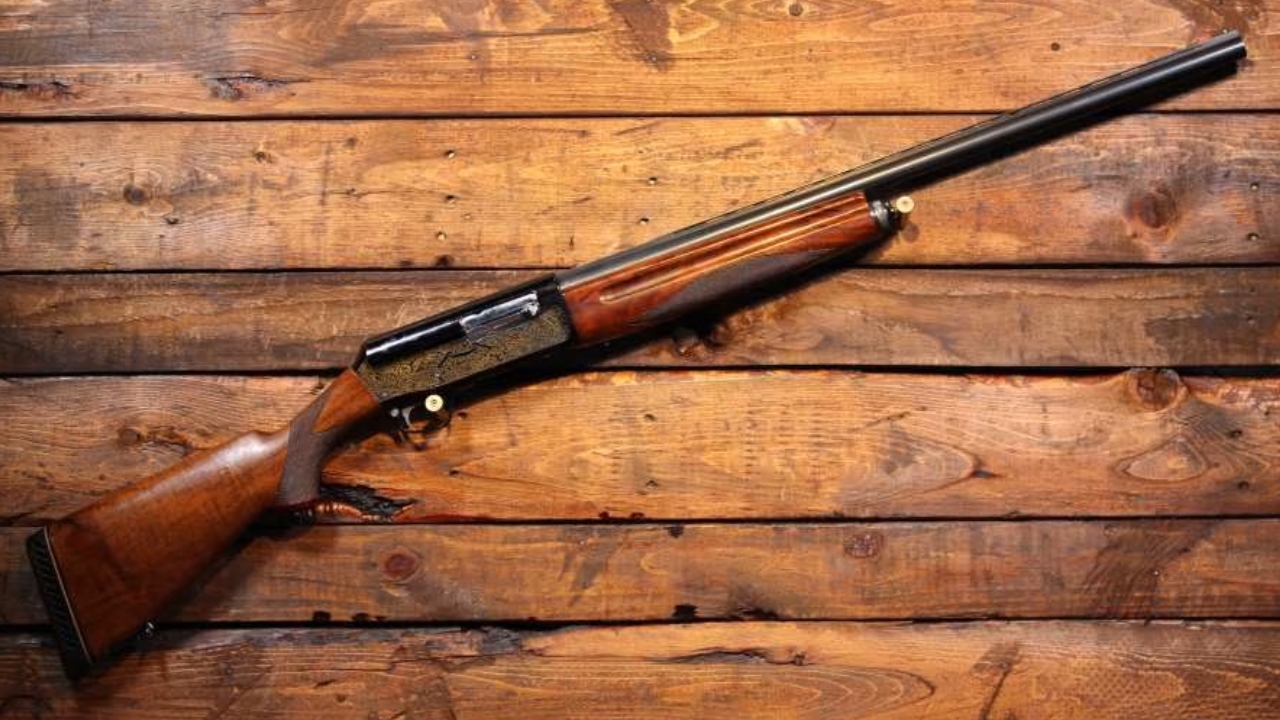
The Franchi AL-48 is one of those guns that feels like it shouldn’t be as light as it is. Carry it all day chasing birds, then bring it home and it doesn’t mind being a “grab it and go” farm shotgun either.
Being light also means it can be snappy, especially with heavier loads. But if you’ve got one that fits you, it’s hard not to appreciate it. They’re showing up in display cases now because folks finally noticed how well-made they are.
18. Remington 870 Express (older production)
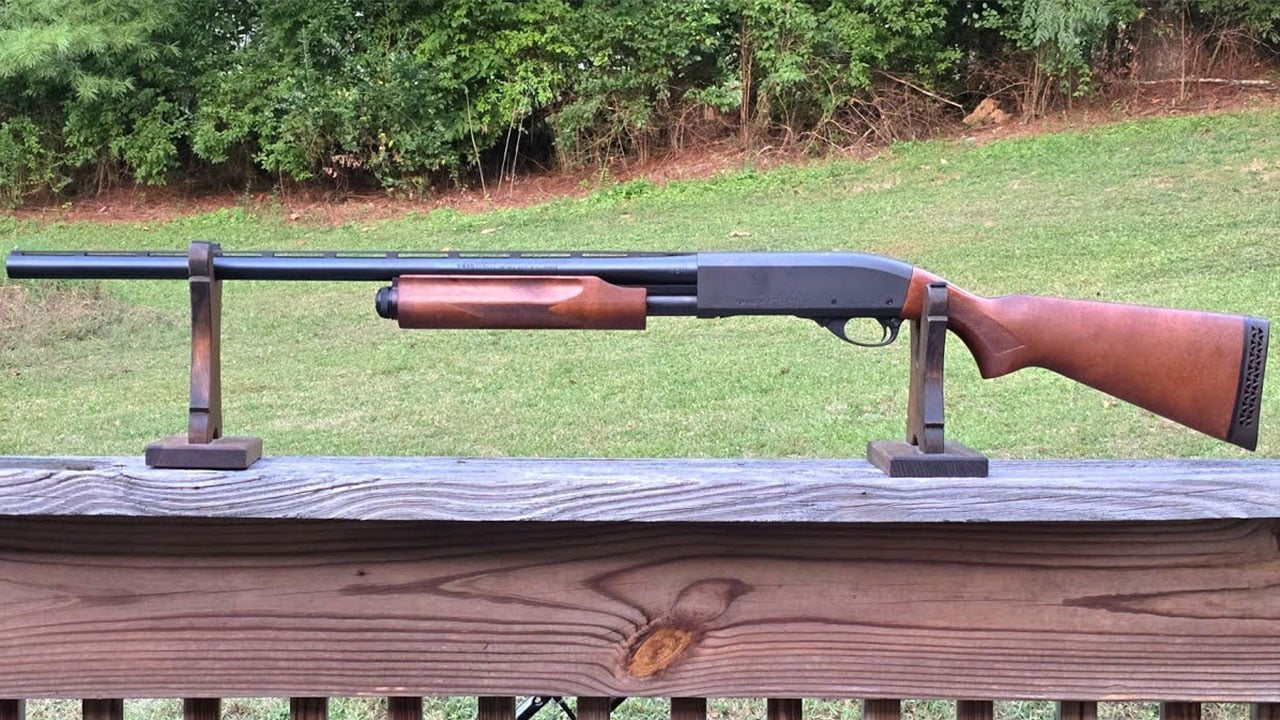
The Express line got treated like the working man’s shotgun because that’s exactly what it was. It wasn’t polished, it wasn’t pretty, and it still killed a pile of pests and put plenty of birds in the freezer. The ones that lived on farms usually have rougher finishes and more character than you’d see in town.
Some later Express guns had finish and rust complaints, and I’m not going to pretend that never happened. But an older Express that’s been cared for the bare minimum and still runs is a reminder that “cheap” doesn’t always mean “bad.”
19. CZ 712 (and similar budget gas autos)

Budget semi-autos have come a long way, and the CZ 712 is one that quietly earned trust in duck blinds and around properties where a shotgun might sit for a week and then get used hard in one afternoon. When they run, they’re easy to like.
They aren’t heirloom-quality in the traditional sense, but neither was a lot of farm gear. What makes them display-case material now is the story: the gun that didn’t cost much, got treated rough, and still kept showing up for work.
20. Browning BPS

The Browning BPS is one of the best “do-everything” pumps ever made, and it never got as much attention as it deserved because it’s not loud about it. Bottom-eject, solid build, and a smooth pump stroke when it’s broken in. If you’re left-handed or you shoot from awkward positions, it’s a sweetheart.
They’re also on the heavier side, which is why some folks didn’t carry them as much in the uplands. But as a property gun, weight can be your friend. It sits steady, swings well, and feels like it’ll outlast the barn it leans in.
What’s interesting is none of these shotguns were born as “collectibles.” They became special the same way a worn saddle becomes special: time, use, and the fact that somebody depended on it. If you’ve got one like this, clean it, store it safely, and write the story down. The dings and worn bluing already say a lot, but the story is what turns a plain tool into something worth keeping around.
Like The Avid Outdoorsman’s content? Subscribe to our newsletter so you never miss an article.
Here’s more from us: