Photo credit: BERETTA9mmUSA/YouTube
Spend enough time around custom pistolsmiths and you learn something funny: they’ll talk all day about a customer’s build sheet, but get real quiet when you ask what sits within arm’s reach at home. It’s not because they’re trying to be mysterious. It’s because their personal picks are usually boring, proven, and a little unfashionable.
Revolvers, especially, have a way of sticking around on nightstands long after the trend cycles come and go. No magazines to hunt for in the dark, no “is it seated” question, and a manual of arms that doesn’t change when you’re half awake and your heart’s thumping. Here are 20 specific wheelguns I’ve seen show up again and again in the hands of folks who could own anything—and do.
1. Smith & Wesson Model 10
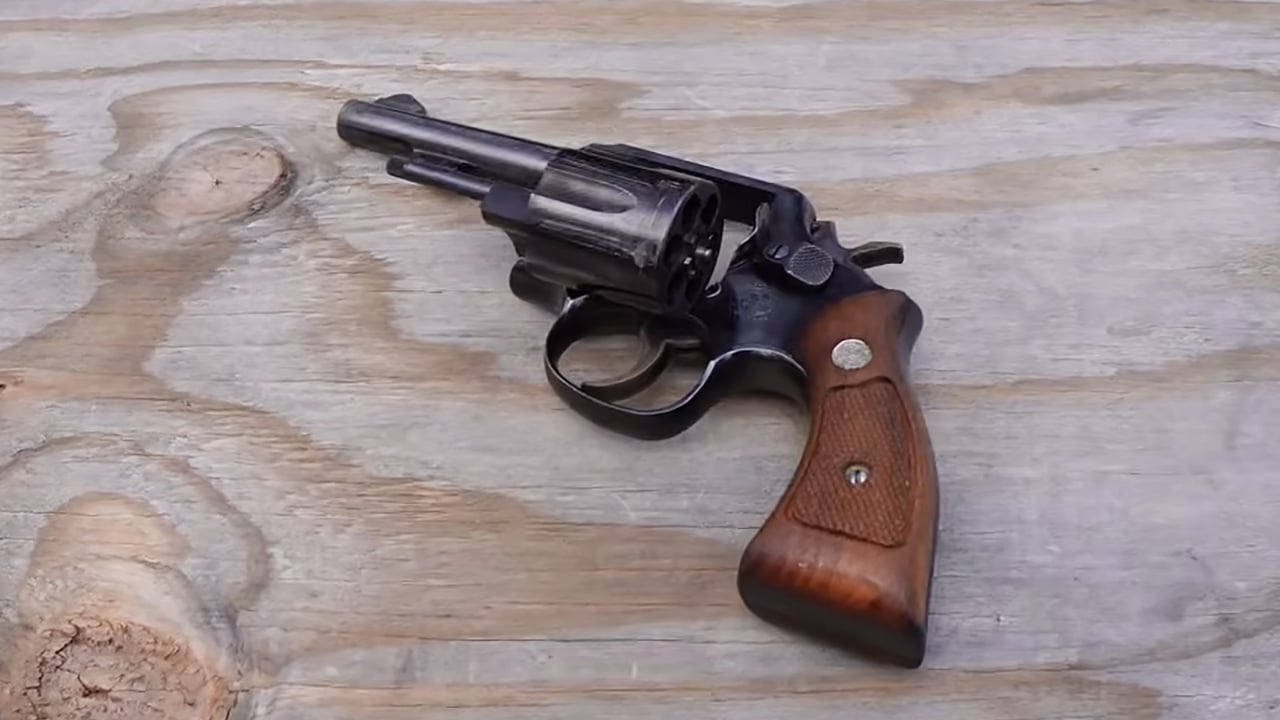
The Model 10 is the kind of gun that makes internet commandos yawn, which is exactly why it keeps getting chosen by people who’ve fixed everything under the sun. It points natural, the sights are simple, and the action—especially on older examples—can be butter without being fragile.
In .38 Special it’s also honest. It’s controllable, it’s not trying to impress you, and it’ll still be running when a lot of “modern” stuff is on its third set of replacement parts. There is nothing fancy about it, and that is kind of the point.
2. Smith & Wesson Model 19
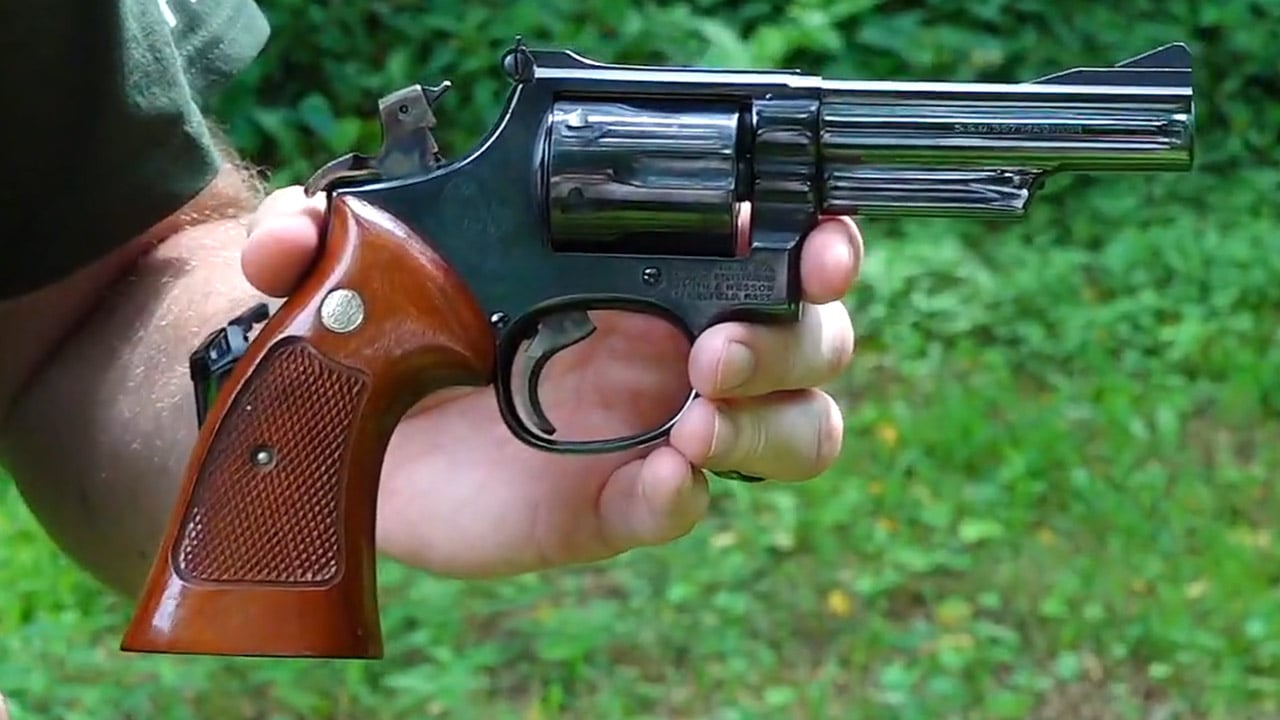
The Model 19 is what happens when “carryable” and “real fighting revolver” meet in the middle. A good K-frame .357 feels alive in the hand, and the balance is hard to describe until you’ve carried one around a property line or checked traps at dusk.
Gunsmiths like them because they understand them. Keep it on a sane diet of .38s and reasonable .357 loads, and it’ll treat you right. Abuse it with a steady diet of hot stuff and you’ll learn about forcing cones. Ask me how I know.
3. Smith & Wesson Model 66
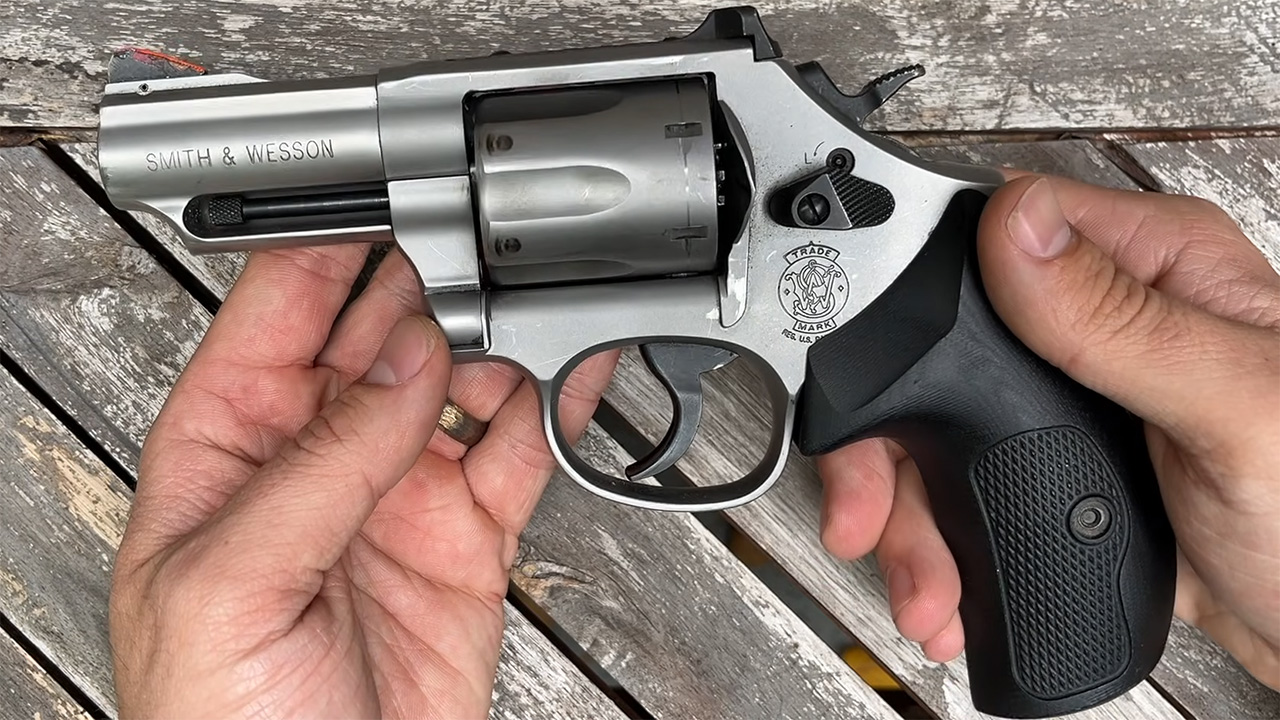
Take the Model 19 idea and make it stainless, and you get a revolver that fits real life better for a lot of folks. Sweat, humidity, rain on the way back from the barn—stainless is forgiving, especially if you’re the type who’s not religious about wiping a gun down every single time.
The 66 also tends to get kept because it’s the “one revolver” answer for a lot of owners. Trail gun, house gun, truck gun (legally and safely stored), and it doesn’t feel like a boat anchor.
4. Smith & Wesson Model 27
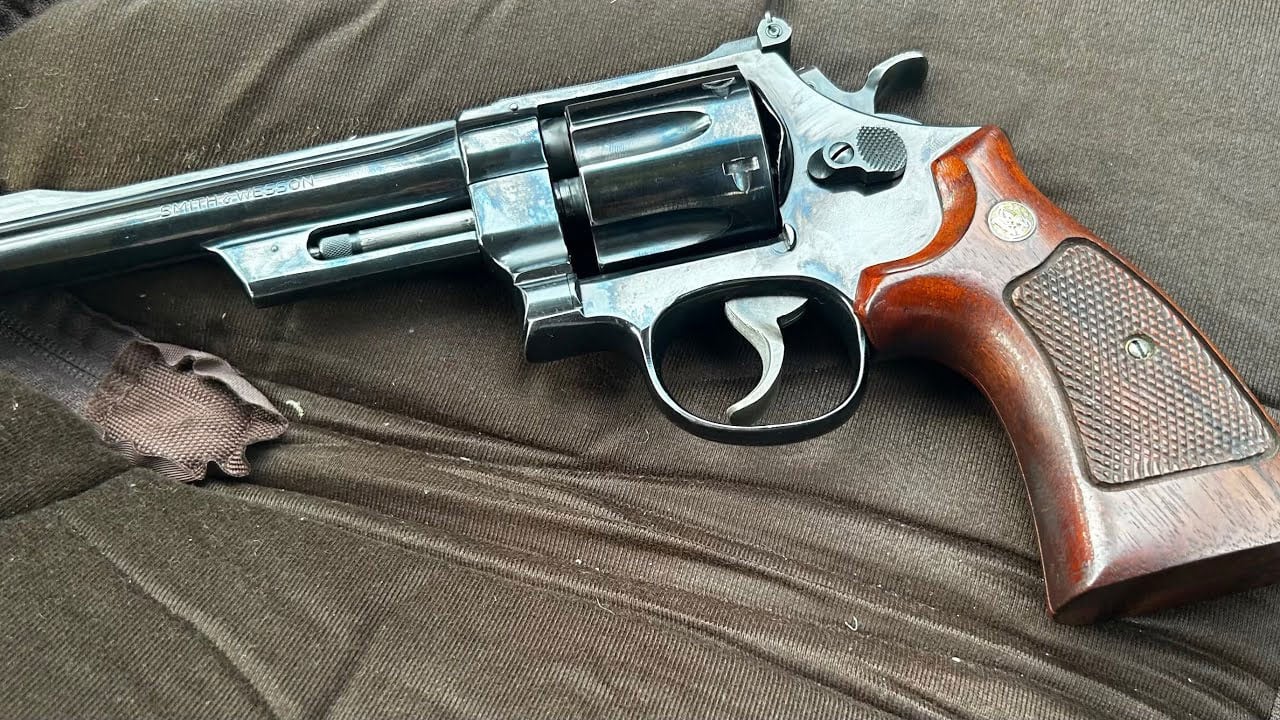
The Model 27 is big, slick, and old-school classy, but it’s not just a safe queen when it’s set up right. The N-frame soaks recoil, and a tuned 27 has a double-action pull that makes you understand why revolvers got their reputation in the first place.
It’s heavy for a nightstand? Sure. But heavy is stable, and stable is fast when you’re trying to make good decisions under stress. The downside is you’ll miss it if you ever let it go. That one hurts.
5. Smith & Wesson Model 28 “Highway Patrolman”
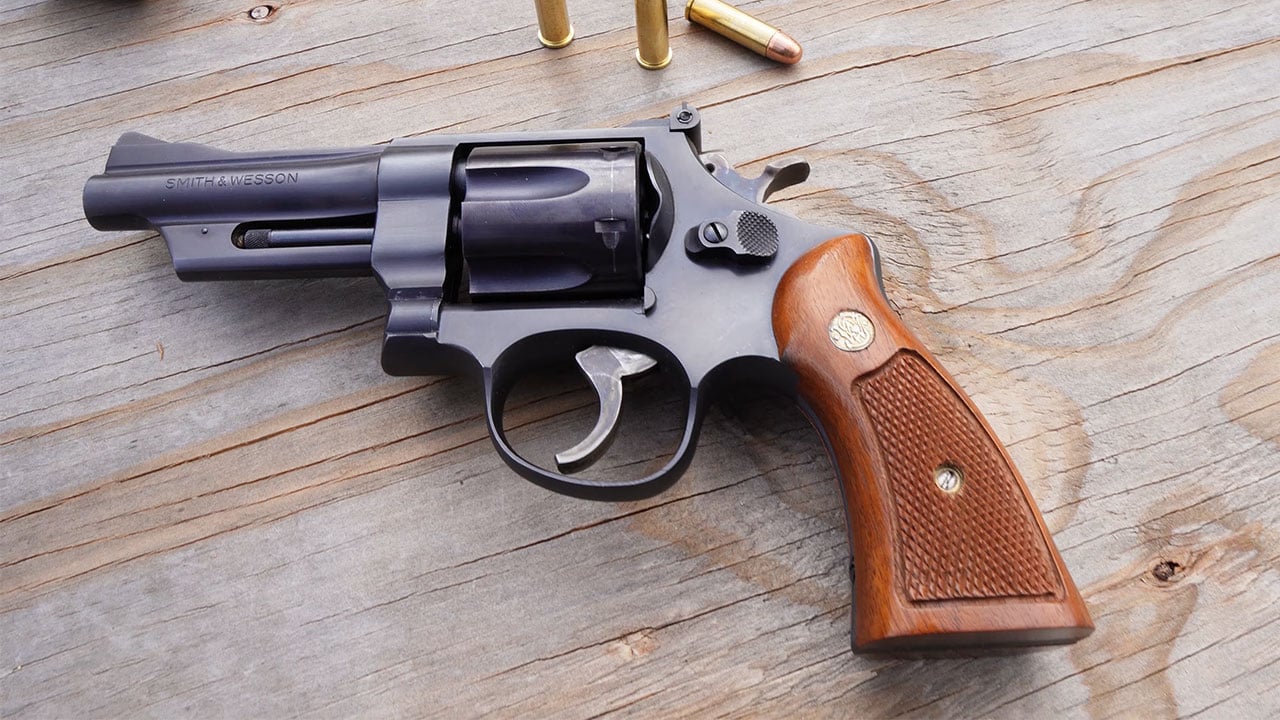
If you want the Model 27 vibe without paying for the polish, the 28 is the working man’s N-frame. The matte finish hides honest wear and doesn’t make you baby it, which is a big deal for folks who actually use their guns.
It’s also one of those revolvers that responds well to a sensible action job and good grips. You don’t need a boutique build to make it feel right—just some care and common sense.
6. Smith & Wesson Model 686
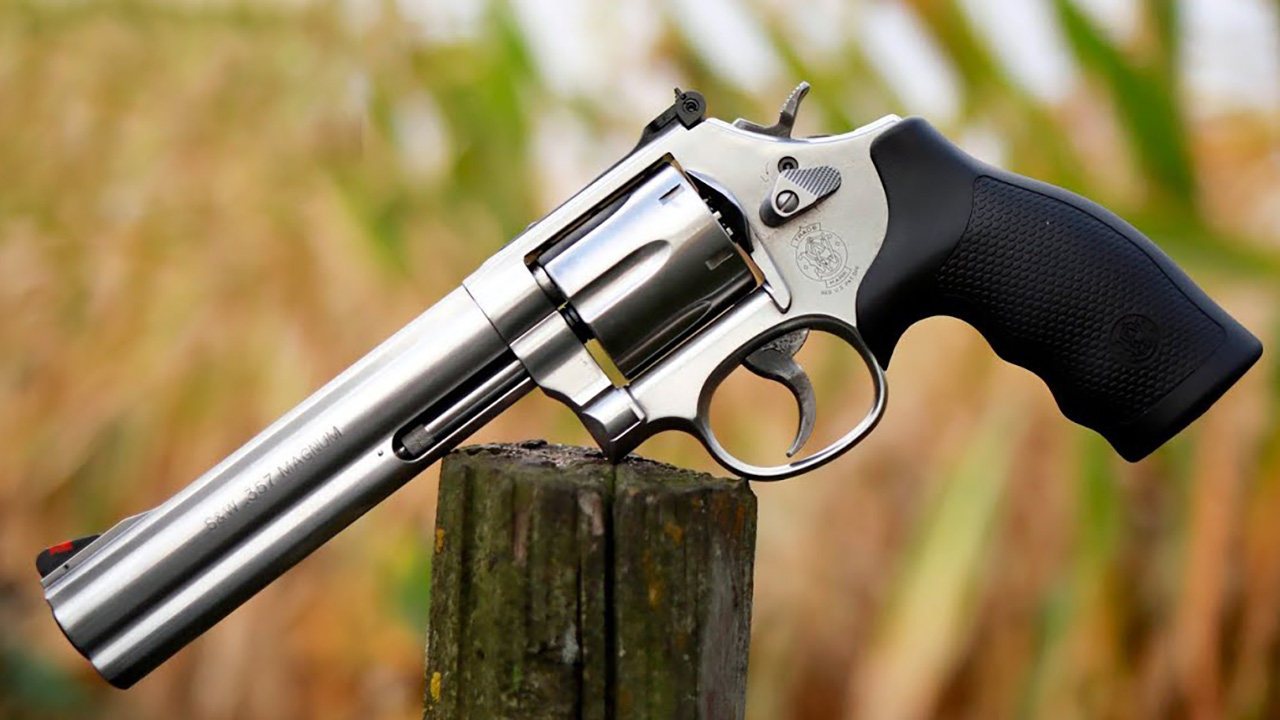
The 686 might be the least exciting “great answer” ever made. L-frame strength, good sights, easy to shoot well, and it’ll handle full-power .357 without acting like it’s being punished.
Gunsmiths keep them because they don’t come back with weird problems. Parts and support are everywhere. If you’re picking something to bet your sleep on, boring reliability is a feature, not a flaw.
7. Smith & Wesson Model 586
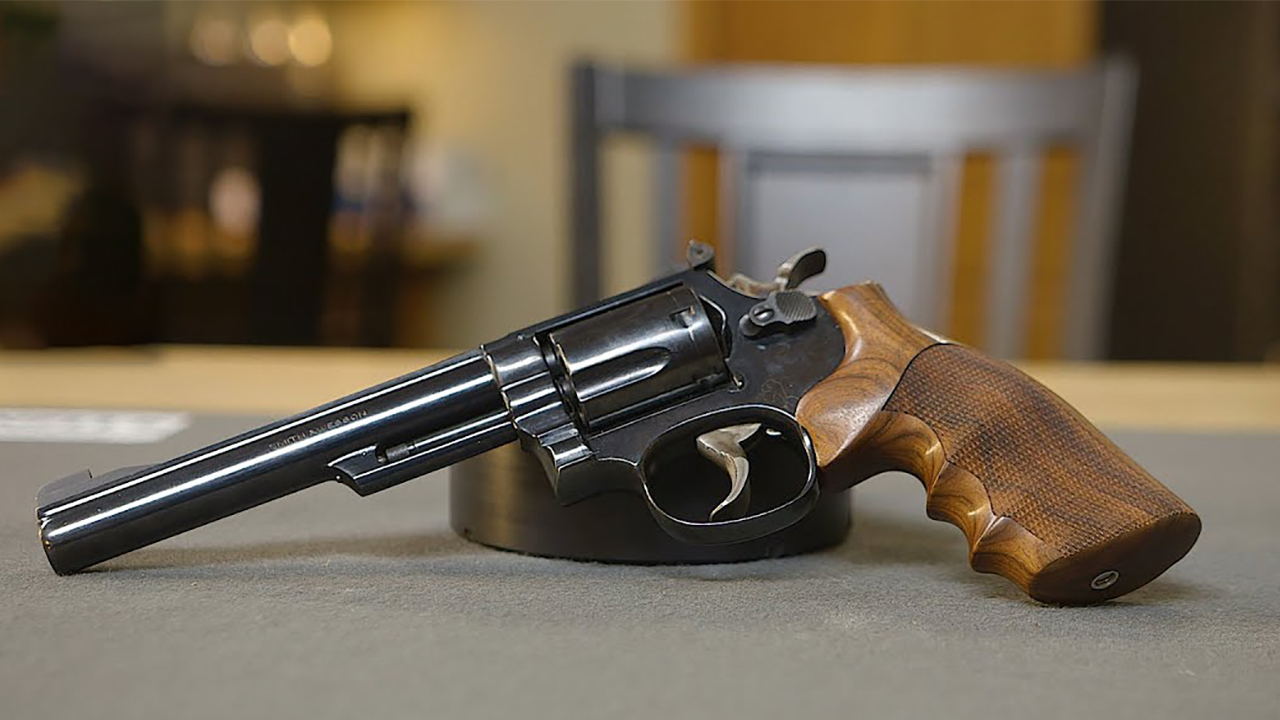
Same guts as the 686, but blued, and that changes how a lot of folks feel about it. A good 586 has a warmth to it—call it nostalgia if you want—but it also tends to have excellent triggers.
It isn’t as forgiving as stainless if you’re careless with moisture, but on a nightstand it’s not exactly living a hard life. Keep it clean, keep it loaded with what shoots to the sights, and move on.
8. Smith & Wesson Model 629

Not everyone wants a .44 Magnum in the house. I get it. But plenty of experienced hands like having a big-bore option that can also pull trail duty in bear country or when you’re checking a back pasture after dark.
Most of the time, the smart play is loading it in a way you can control and place shots with. The 629’s real appeal is flexibility and strength, not trying to win a recoil contest at the range.
9. Smith & Wesson Model 642

Airweight J-frames aren’t fun range toys. They’re not supposed to be. The 642 keeps showing up because it’s the revolver that actually gets carried, and a gun that’s always there tends to earn more trust than one that’s “better” but left in the safe.
On a nightstand, it’s simple and snag-free. The trigger is what it is, and that’s the trade. If you shoot it enough to know it, it’ll do its job.
10. Smith & Wesson Model 640

The all-steel 640 splits the difference between “pocketable” and “shootable.” It’s still small, still snag-resistant, but it doesn’t beat you up like the lighter guns do.
Gunsmiths appreciate the durability here. It’s the kind of revolver you can practice with more without dreading it, and practice matters more than the model name on the side.
11. Ruger GP100
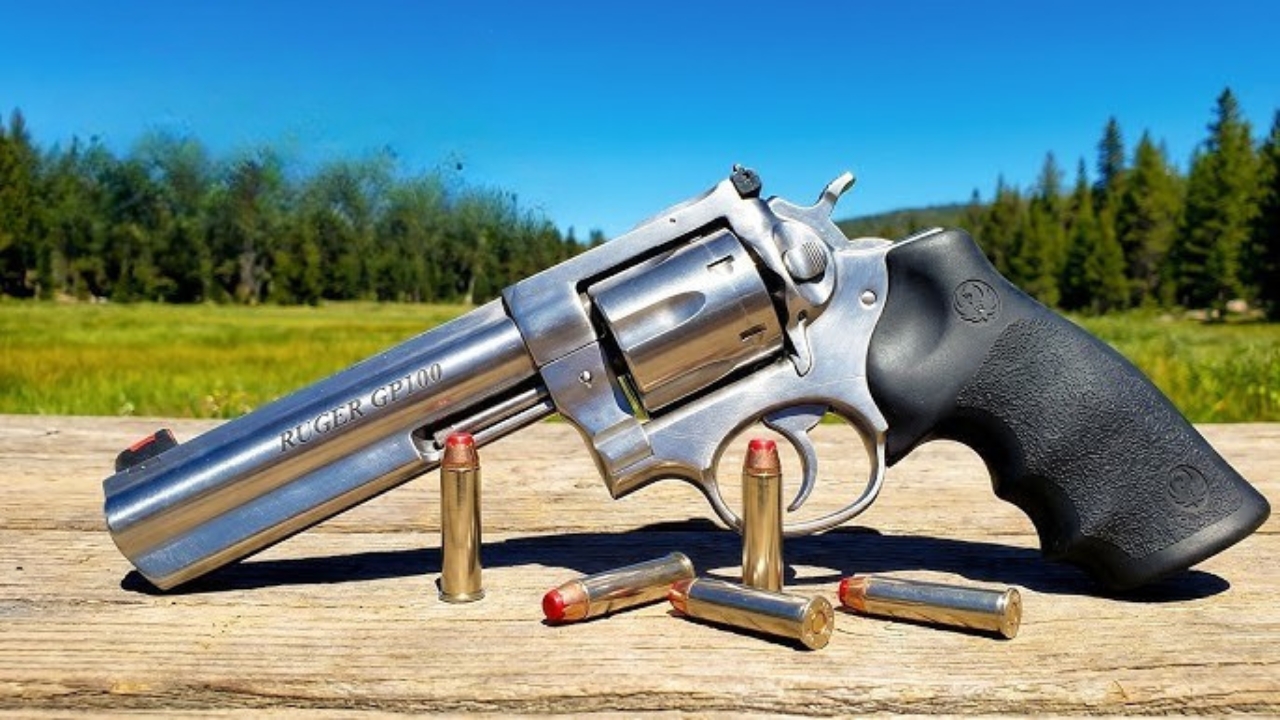
The GP100 is not delicate. It’s the revolver you grab when you don’t want to worry about whether something is too hot, too dirty, too wet, or too neglected.
Out of the box, the trigger can feel a little “Ruger-ish,” and that’s the honest complaint. But it smooths out, and a good set of springs and proper fitting (done right) turns it into a lifetime gun without turning it into a diva.
12. Ruger SP101
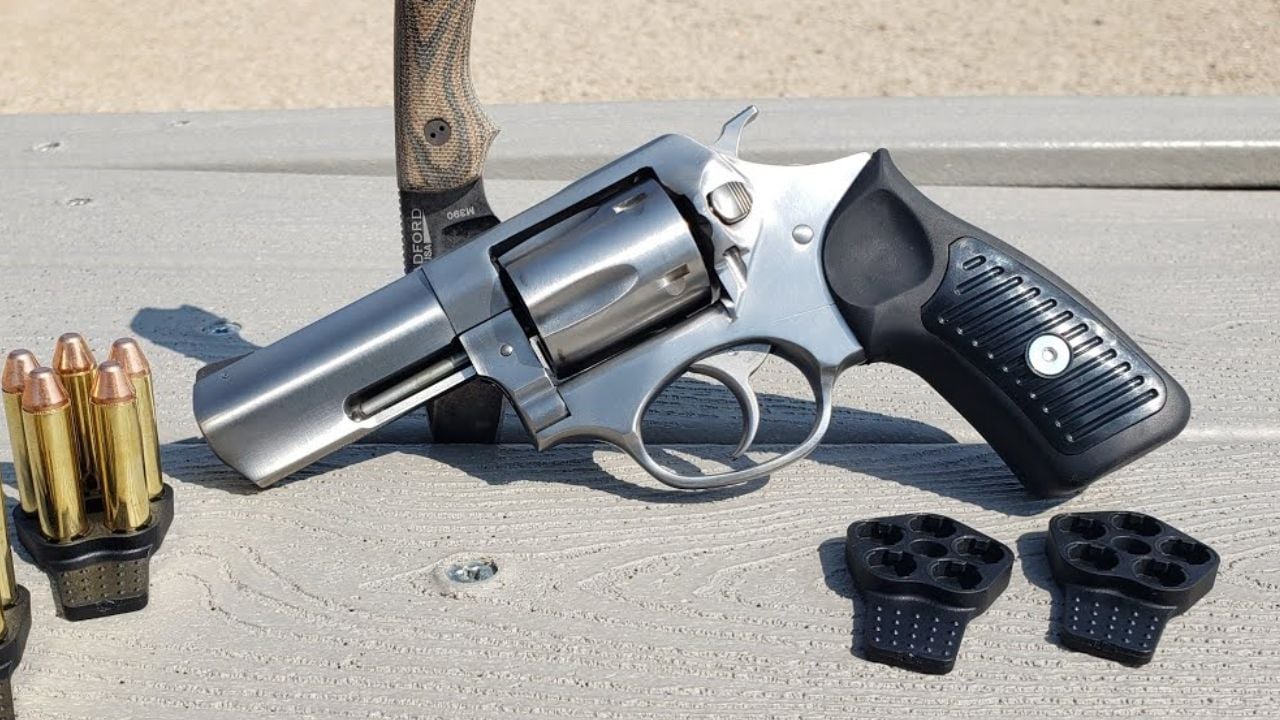
If the GP100 is a fence post, the SP101 is a hammer handle. Compact, strong, and it carries well, but it doesn’t feel flimsy in the hand the way some small revolvers can.
A lot of folks end up trusting it because it’s predictable. It’s not a target gun. It’s a “wake up at 2 a.m. and still run it right” gun.
13. Ruger Security-Six
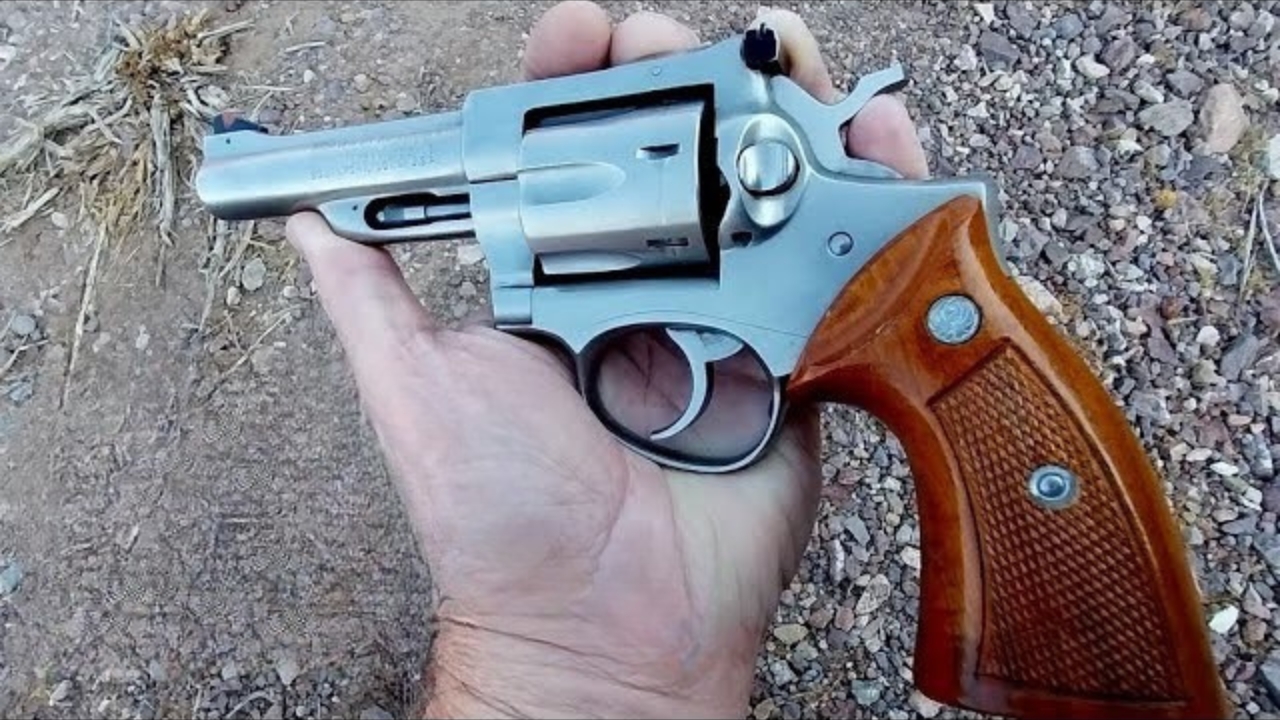
The old Six series has a loyal following for a reason. They’re trim compared to a GP100, tough as nails, and they balance in a way that makes you want to shoot them.
They’re not as modular as newer designs, and finding certain parts can take patience. Still, when a good Security-Six lands in your lap, it tends to stay there.
14. Ruger Blackhawk Convertible (9mm/.357)
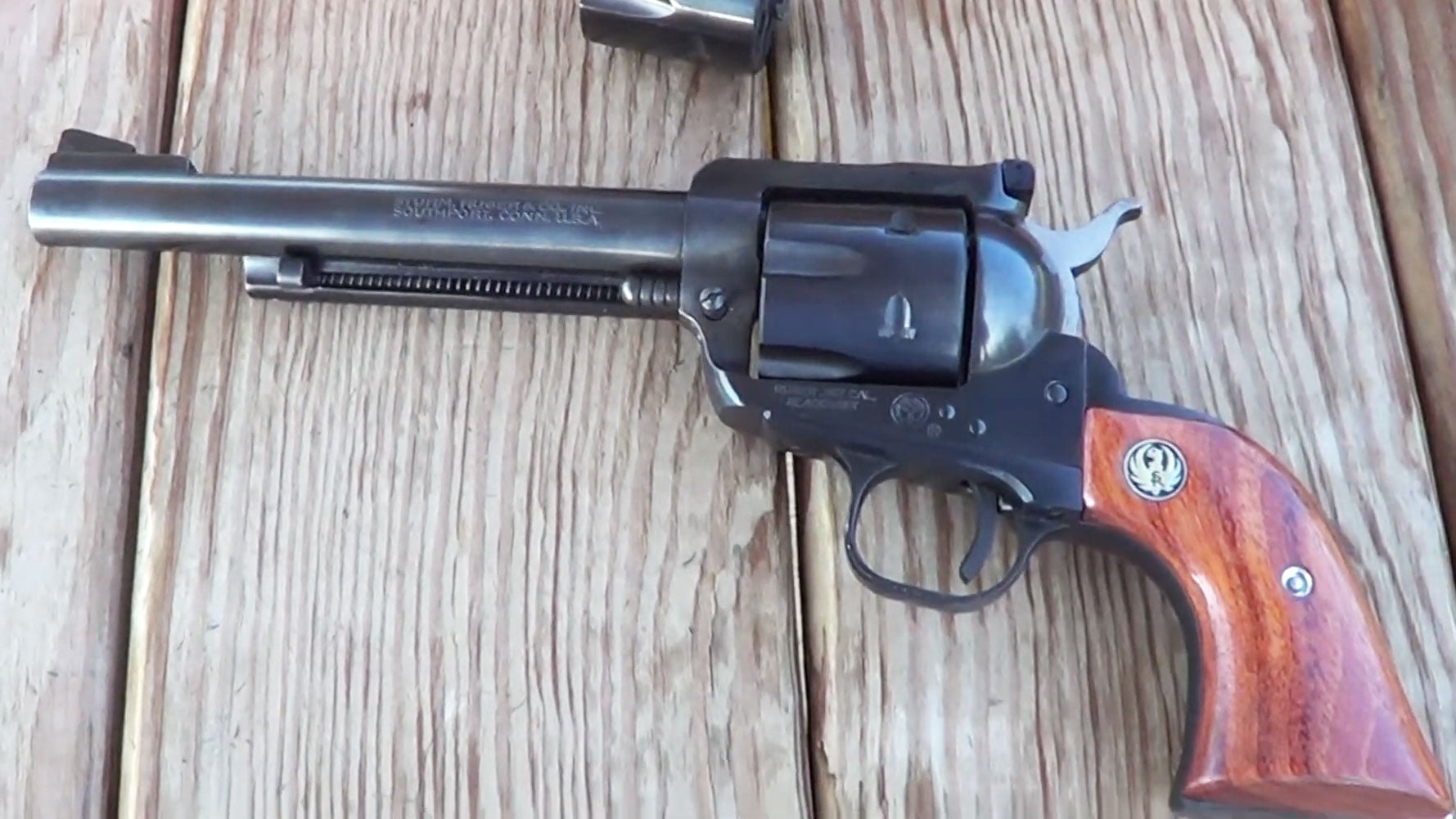
A single-action on a nightstand sounds odd until you remember who we’re talking about: people who live with guns, not people who pose with them. The Blackhawk is simple, strong, and when you know it, it’s very safe and very consistent.
The convertible setup isn’t about tactics. It’s about practicality—being able to shoot common ammo and keep the gun fed when shelves are bare. It’s not for everyone, but I’ve seen more than one hard-core revolver guy stick with it.
15. Colt Python (modern production)
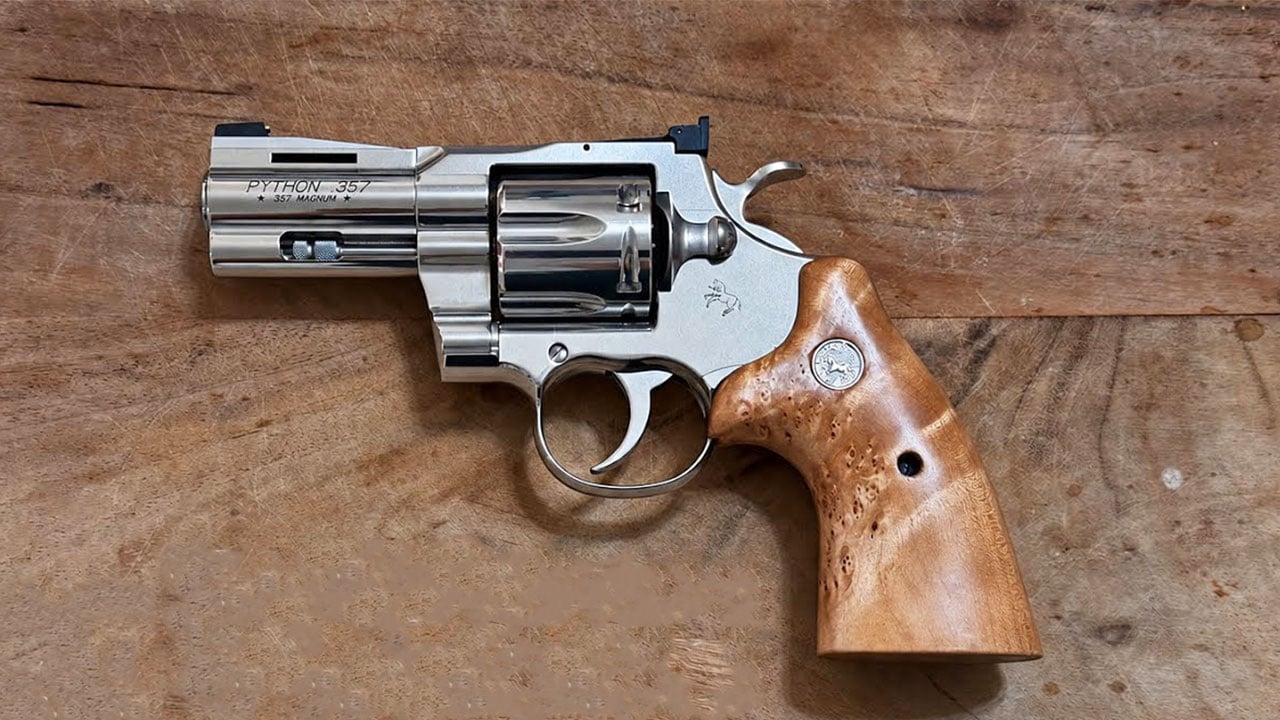
Yes, the Python shows up, and not just as a “look what I have” gun. The newer ones are generally solid shooters with excellent accuracy, and the grip frame fits a lot of hands well.
It’s also the kind of revolver that makes you want to slow down and shoot clean. That mindset—smooth, deliberate, accountable—has value when you’re talking about a defensive firearm inside a home.
16. Colt King Cobra (3-inch)
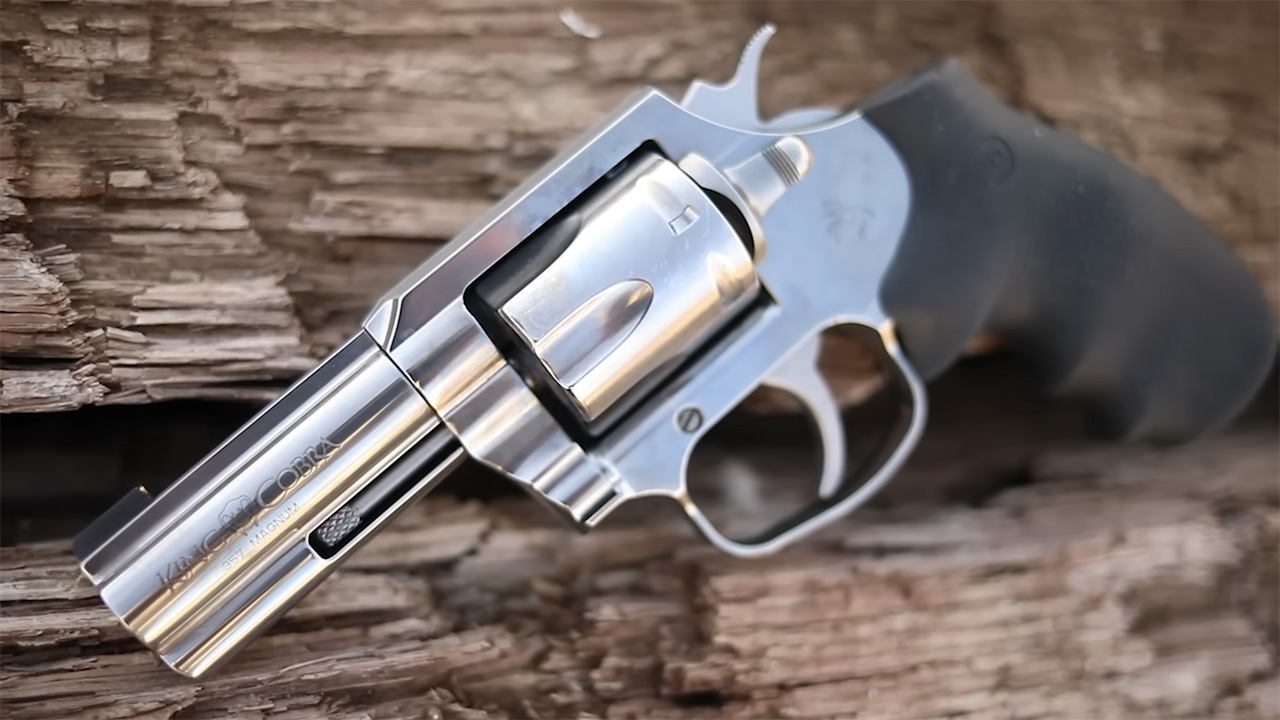
The 3-inch King Cobra is one of the most practical Colt revolvers going right now. It carries easier than a full-size gun, gives you real sight radius, and still handles .357 in a way that doesn’t feel like a dare.
For nightstand use, that mid-length barrel is a sweet spot. Not tiny, not huge, and it points quick. It’s a “do most things well” revolver, which is why it sticks.
17. Colt Detective Special
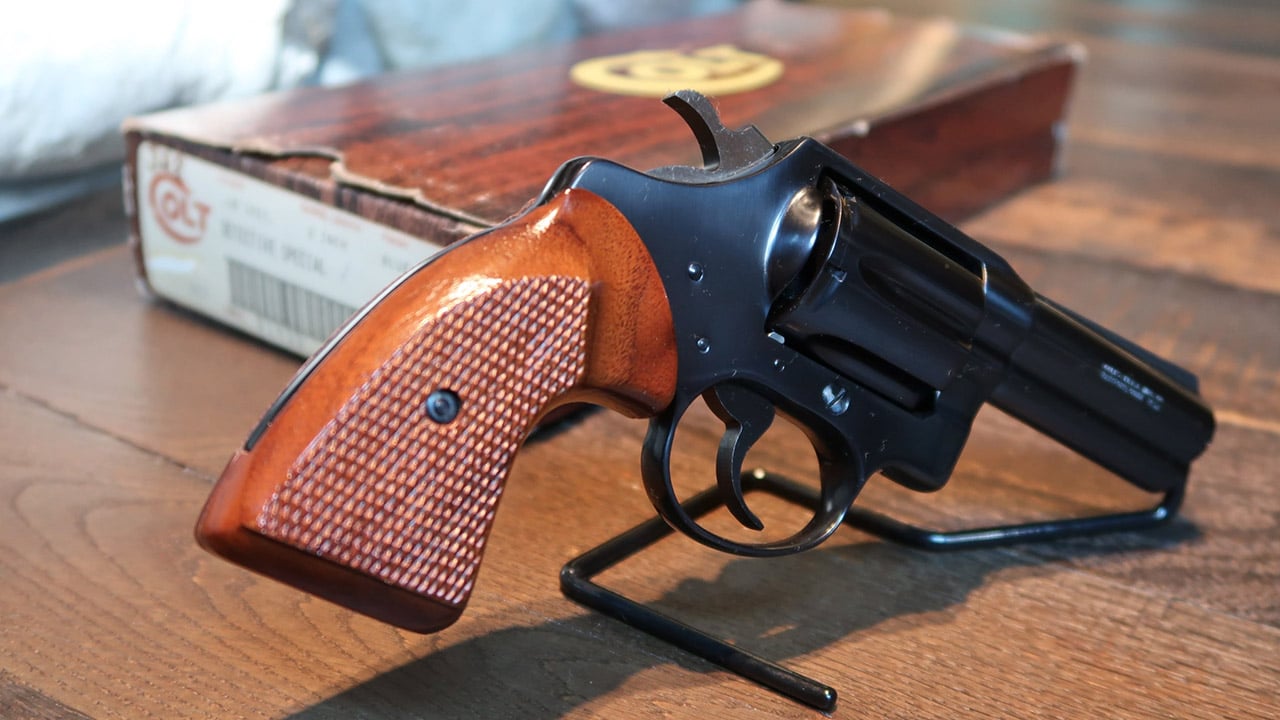
Six shots in a small frame is still a big deal, and the Detective Special earned its reputation the hard way. It’s also one of those revolvers that seems to fit into life—drawers, coat pockets, tackle bags—without needing a lifestyle change.
Older Colts can be finicky if they’re worn out or mistreated, so condition matters. A tight one, though, feels like a little machine tool, and folks who appreciate craftsmanship tend to keep them close.
18. Kimber K6s (2-inch)

The K6s surprised a lot of revolver guys. It’s compact, it’s six-shot, and it has better-than-expected sights for its size. It also avoids some of the sharp edges and weird ergonomics that plague certain small revolvers.
It isn’t the cheapest route, and not every example is perfect, so you actually need to shoot it and confirm it. The ones that run tend to stay in rotation because they’re genuinely usable, not just “small.”
19. Dan Wesson Model 15-2
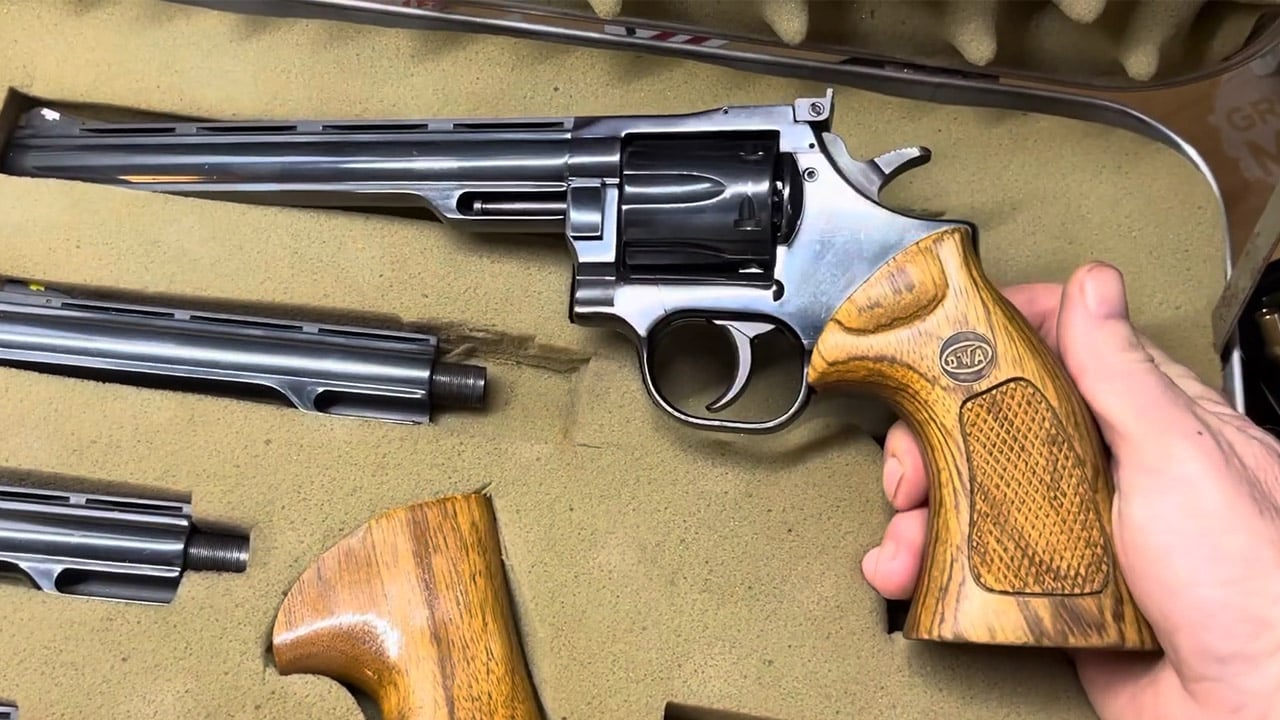
If you’ve ever shot a good Dan Wesson, you understand why they keep coming up in quiet conversations. They’re accurate, they’re strong, and they have a feel that’s different from the big two brands.
The modular barrel system is neat, but the real draw is how well many of them shoot and how steady they feel. For a nightstand revolver, “hits where I aim every time” carries a lot of weight.
20. Charter Arms Bulldog
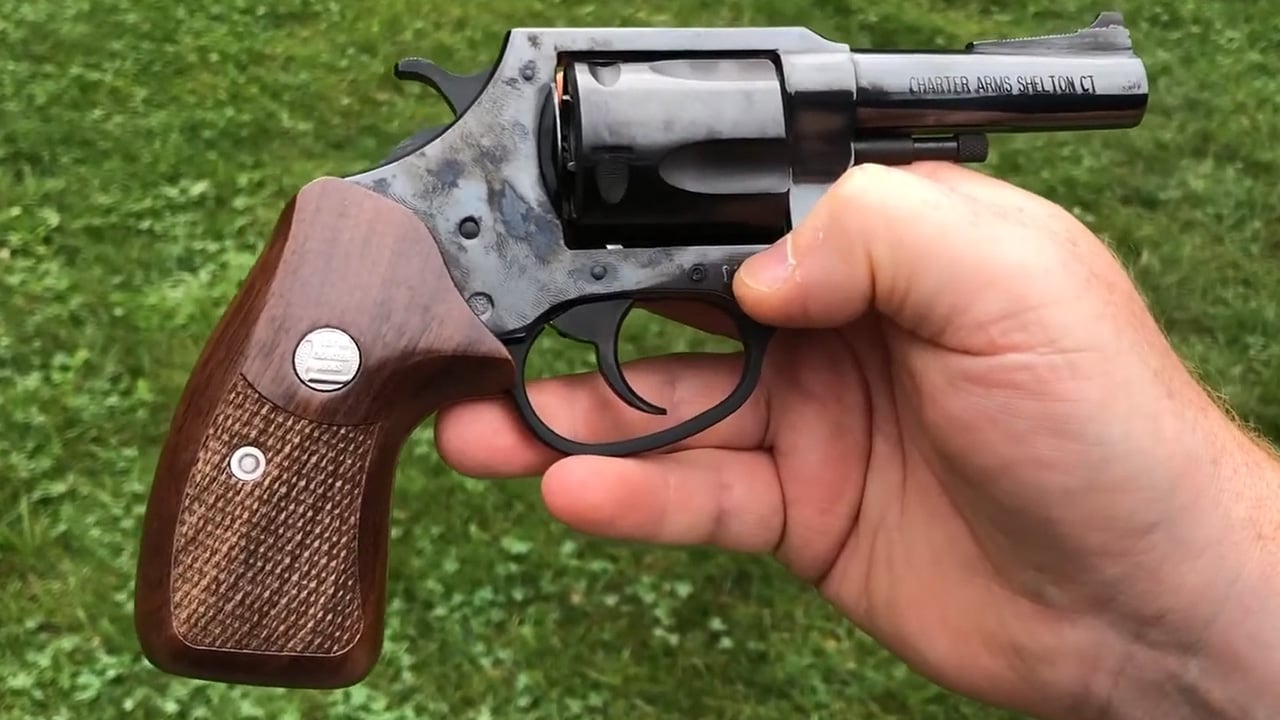
The Bulldog is not glamorous, and it’s not a revolver you buy to impress anybody. It’s a big-bore carry gun with a long history, and it keeps popping up because it fills a niche without making your belt miserable.
Some Bulldogs are better than others depending on era, and you need to verify function like you would with any defensive gun. Still, the appeal is obvious: simple, compact, and serious enough that you don’t feel undergunned.
There are plenty of other revolvers that can do the job, and none of this is a free pass to skip training or safe storage. But it’s telling what skilled hands choose when nobody’s watching: guns that point naturally, run dirty, don’t depend on tiny parts and perfect timing, and don’t ask for constant attention. Flash is fun at the gun counter. At 2 a.m., “works every time” is the whole game.
Like The Avid Outdoorsman’s content? Subscribe to our newsletter so you never miss an article.
Here’s more from us: