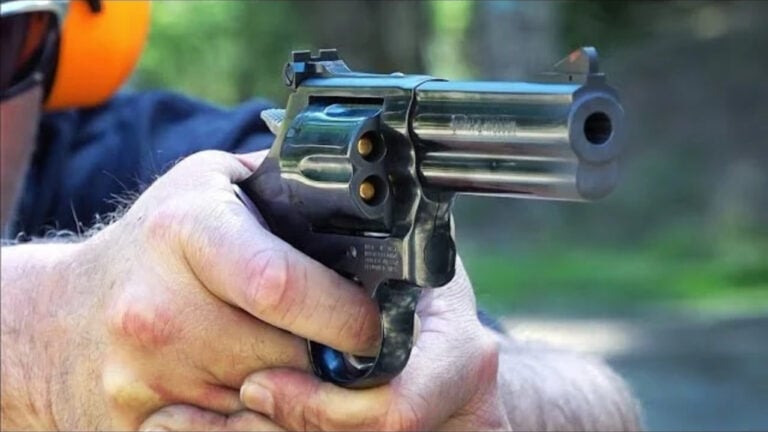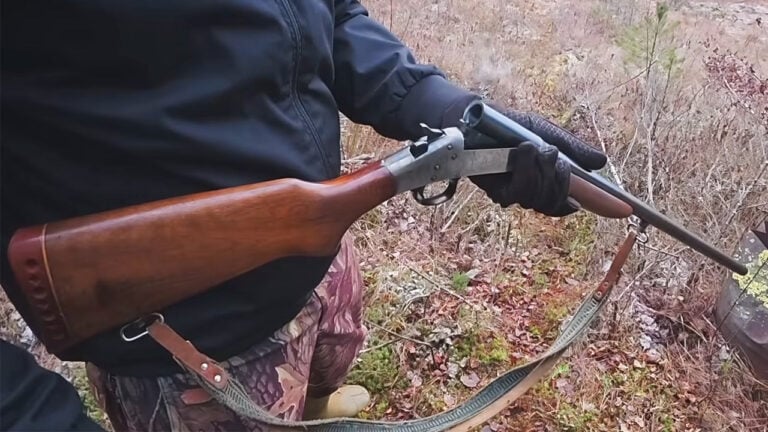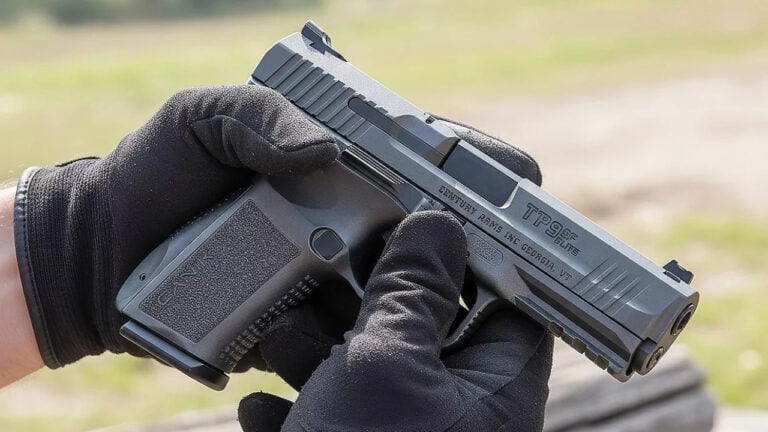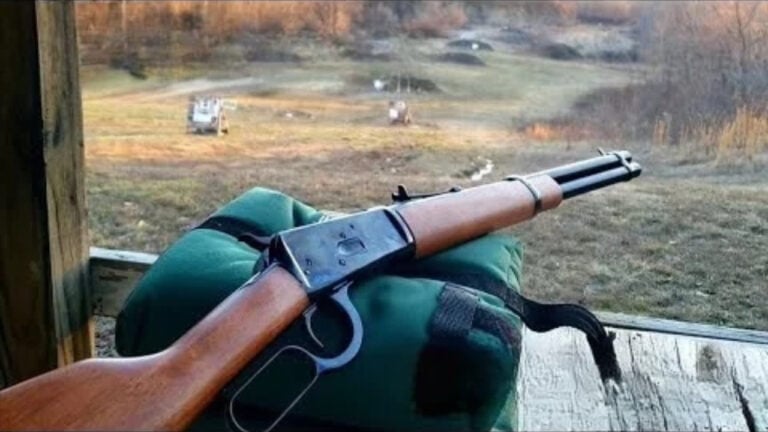
Photo credit: NRApubs/YouTube
There’s a certain kind of pistol that lived its whole life honest. It rode in a lunchbox truck, sat in a tackle box under a seat, or spent 20 years in a drawer next to a stack of hunting tags and a half-empty bottle of Hoppe’s. Nobody bought it thinking “investment.” They bought it because it worked, because it was what the hardware store had, or because a buddy said it was reliable.
Then time does what time does. Models get discontinued. Police trade-ins dry up. States change carry rules. A movie or a war story makes one “cool” again. And suddenly the plain old sidearm a working man carried to keep two-legged trouble at bay is worth real money—sometimes enough to make you sick if you sold it for gas cash back in the day.
1. Colt Python
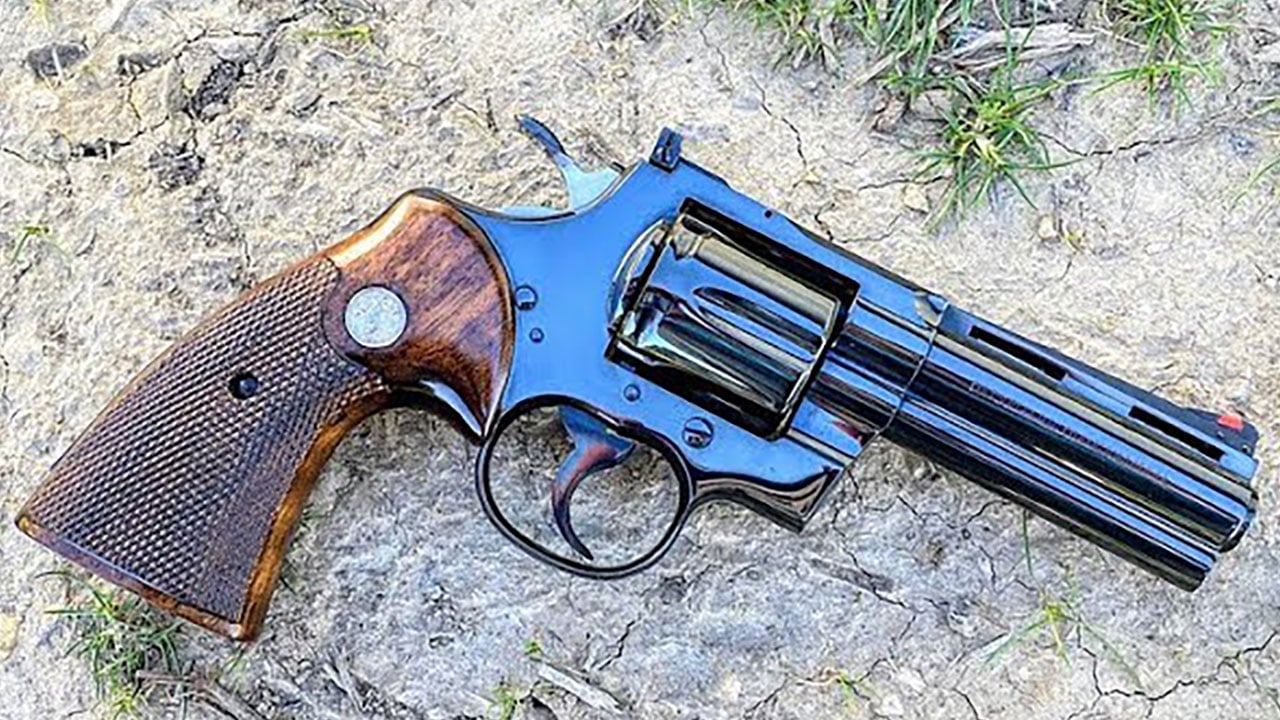
I’ve seen more than one older guy get a faraway look when a Python comes up. Back then it wasn’t “the king of revolvers” in a glass case; it was a smooth .357 with a trigger that felt like it was on ball bearings. A lot of them rode in pickup door pockets and under counters because they pointed well and they hit where you looked.
They’re also the poster child for “wish I never sold it.” The finish, the fit, the old-school Colt lockwork—none of that is cheap to replicate. Even the reintroduced ones don’t erase what original condition guns bring now.
2. Smith & Wesson Model 27
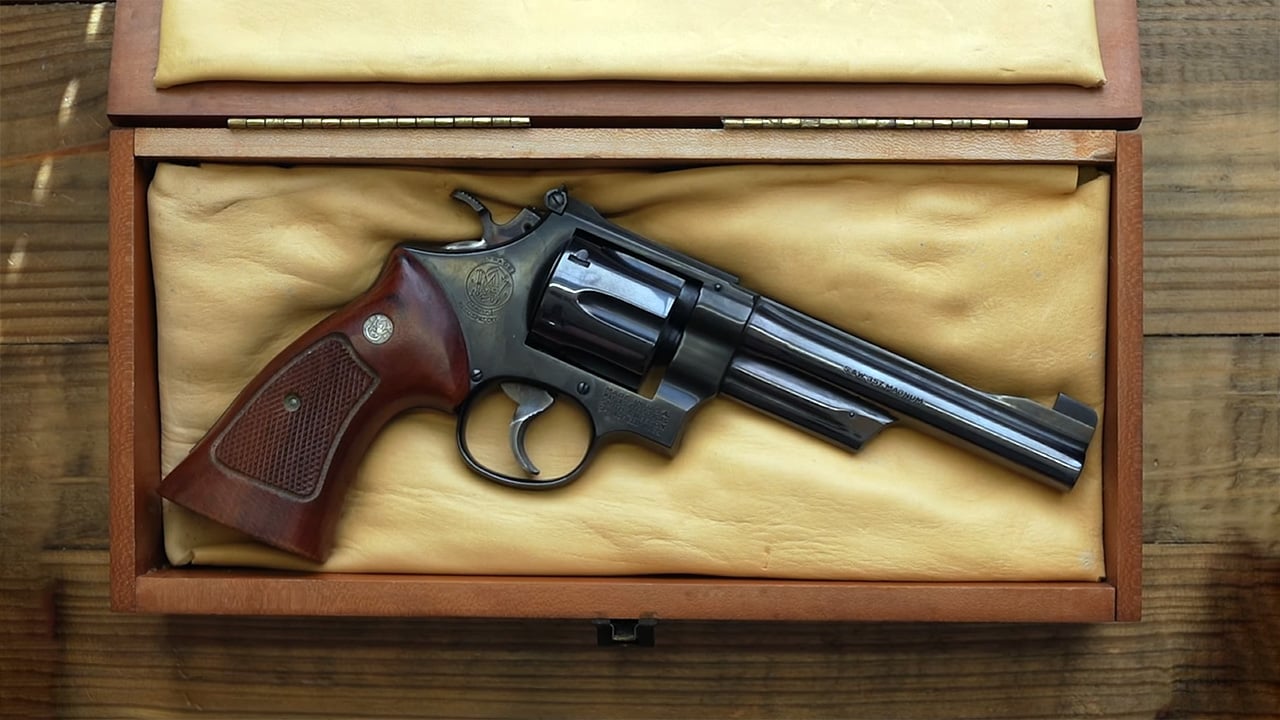
The Model 27 was a working-man “nice gun,” if that makes sense. Some were duty guns, some were “Sunday carry,” some were the revolver you bought after one too many coyotes made a mess of chickens. It’s a big N-frame .357, and it wears that classic S&W look like it was born for it.
What got overlooked for years was how well these were finished compared to later cost-cutting eras. When guys downsized to lighter guns, a lot of Model 27s walked out the door. Now, finding one that hasn’t been beat up or “improved” is harder than it should be.
3. Smith & Wesson Model 19
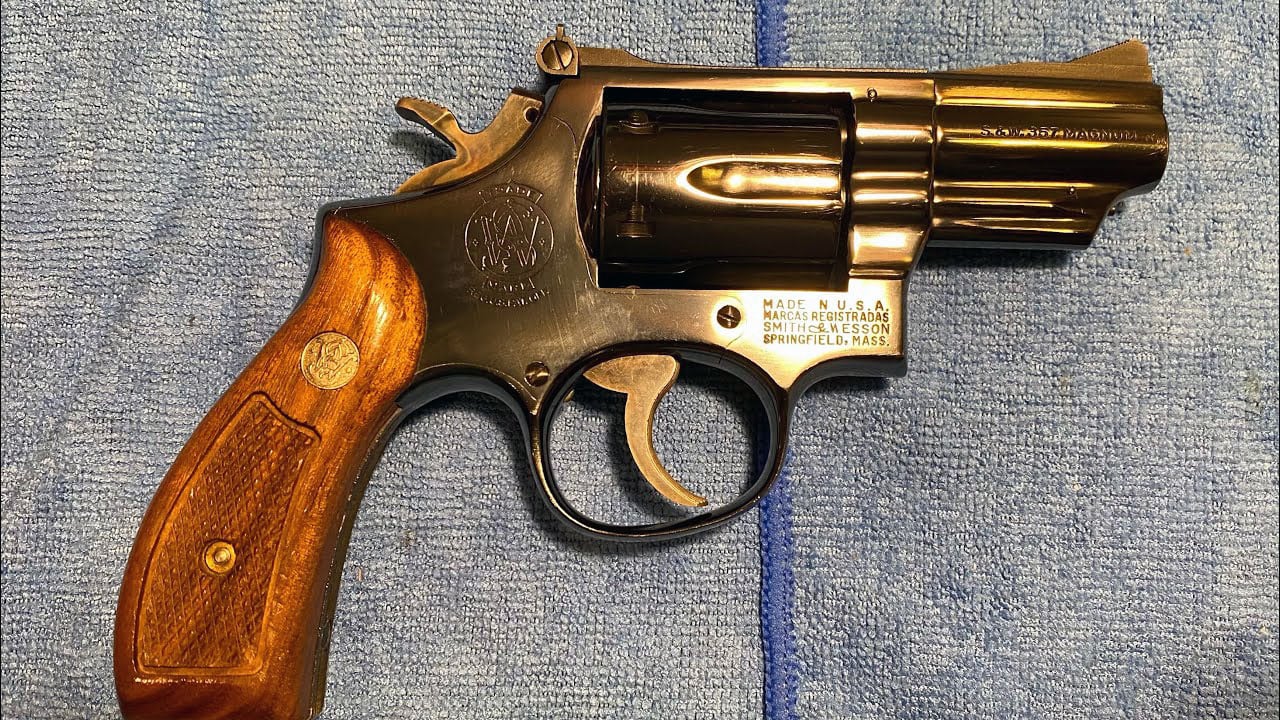
If you grew up around cops, trappers, or just rural folks who took pests seriously, you saw Model 19s. The K-frame .357 was the sweet spot: easier to carry than the big frames, still enough power for real problems, and it shot .38s all day without fuss.
It’s not perfect—hot .357 loads forever can be rough on them—but that’s part of the reason originals in good shape are appreciated now. Plenty of guys carried one hard, cleaned it when they remembered, and never thought the “old police gun” would turn collectible.
4. Colt Detective Special

This is the revolver that disappeared into coat pockets and glove compartments. Six shots in a small frame, real sights, real steel, and simple manual of arms. It wasn’t glamorous. It was insurance.
The catch is that they don’t make snubnoses like this anymore, at least not at that level of old Colt fit. If you’ve got one that hasn’t been bubba’d, it’s the kind of gun you can carry carefully, shoot occasionally, and still hand down without apology.
5. Colt Cobra (original alloy-frame)

The Cobra was the “I want lighter” answer before lightweight carry guns were everywhere. For working guys who wore a gun all day—on a belt, in bibs, in a coat—the ounces mattered. The Cobra brought that without going tiny or gimmicky.
They got used. A lot. Alloy frames and hard daily carry don’t always age gracefully, and that makes clean examples stand out. The modern Cobra is its own thing, but the originals have a feel that’s tough to fake.
6. Ruger Security-Six
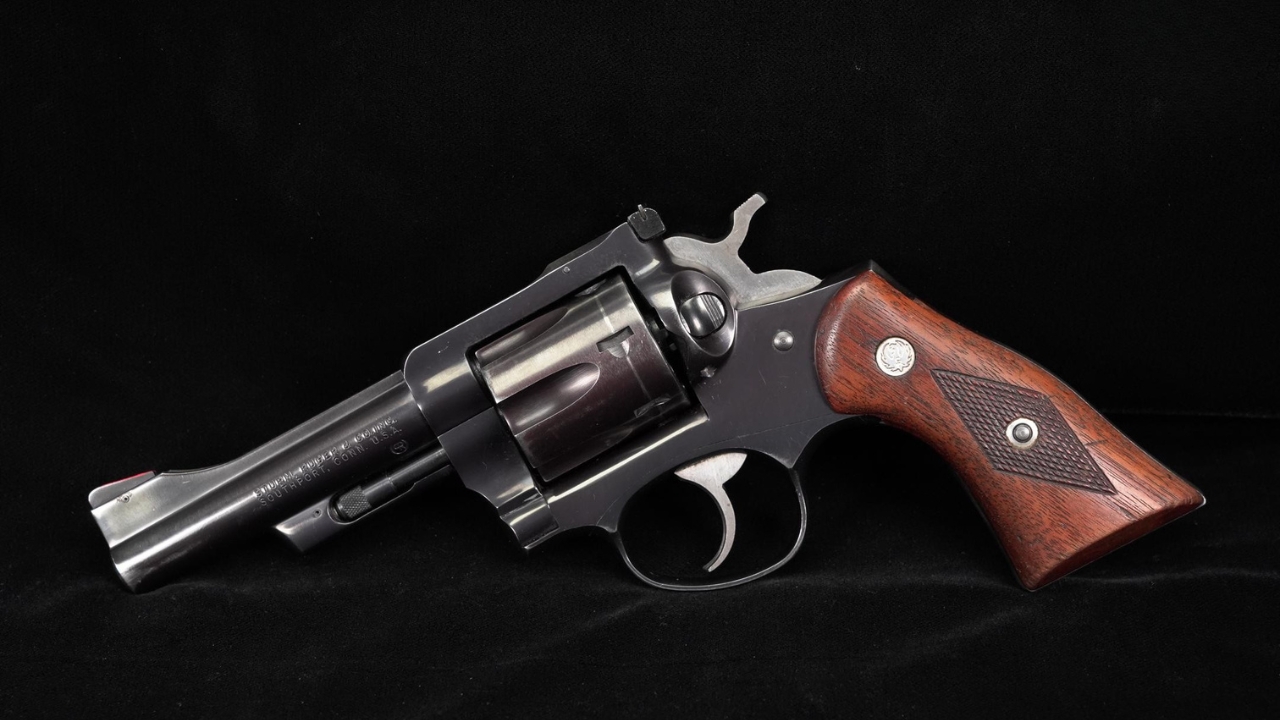
Ruger’s old “Six” series was built like it expected to get dropped off a tailgate and then carried anyway. Security-Sixes were everywhere in rural America because they were rugged, priced right, and they didn’t mind neglect the way some finer revolvers did.
For a long time, they were just used revolvers. Then folks realized how good they are and how many got worked to death. If you’ve got one with a tight lockup and a clean bore, you’re sitting on a piece of practical history.
7. Ruger Blackhawk (Old Model, three-screw)

This one is pure “truck and woods” culture. The old three-screw Blackhawks rode on hips while fixing fence, checking traps, or walking creek bottoms. They’re accurate, they’re strong, and they make sense when you’re wearing gloves and moving slow.
Collectors care about the early action style, and working men didn’t. Many got sent back for the safety conversion, many got reblued, many got holster-worn down to bare metal. A clean, original one brings more attention now than it ever did at a rural gun counter in the 70s.
8. Browning Hi-Power
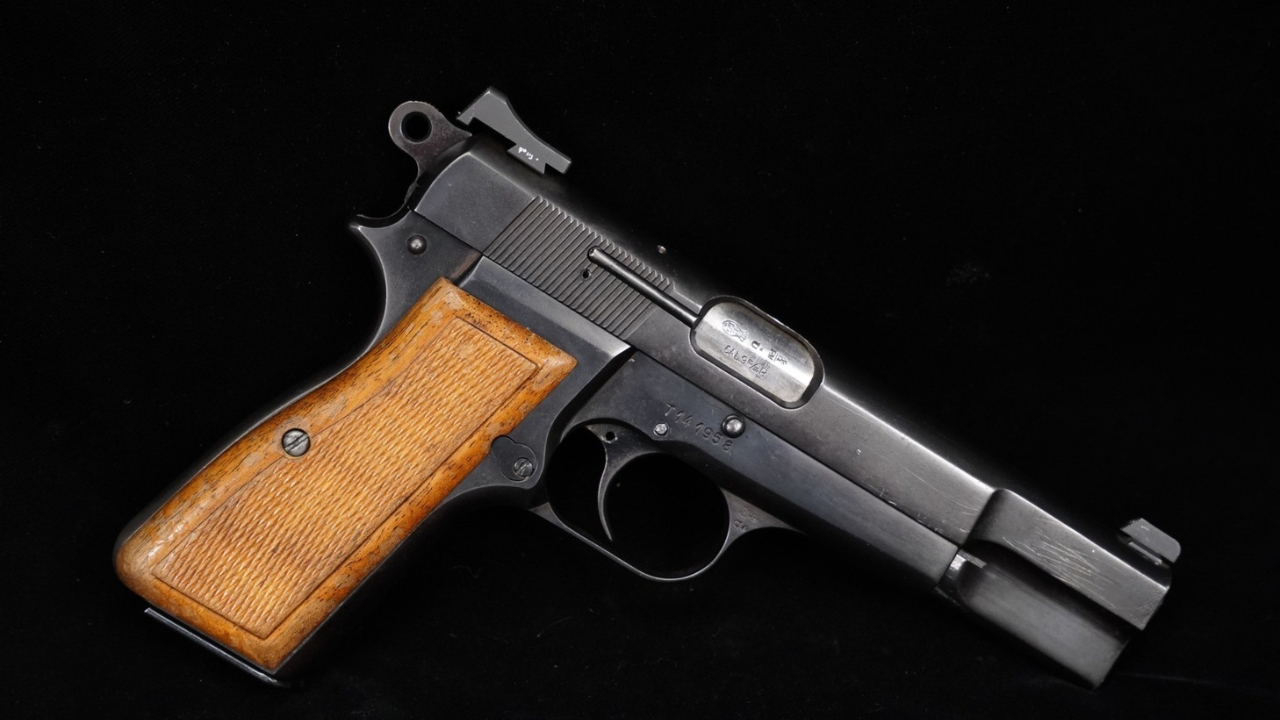
The Hi-Power is one of those pistols that feels “right” the first time you grip it. Slim, balanced, and it carries flatter than a lot of double-stacks that came later. Plenty of them ended up in hardworking hands because surplus and trade-in guns were obtainable and they flat ran.
Then they got discontinued, and the market got weird. Real Belgian guns, clean Inglis examples, military-marked pistols—those have a following now. Magazines are still around, but original-condition Hi-Powers aren’t multiplying.
9. Colt 1911A1 (U.S. GI pistols)
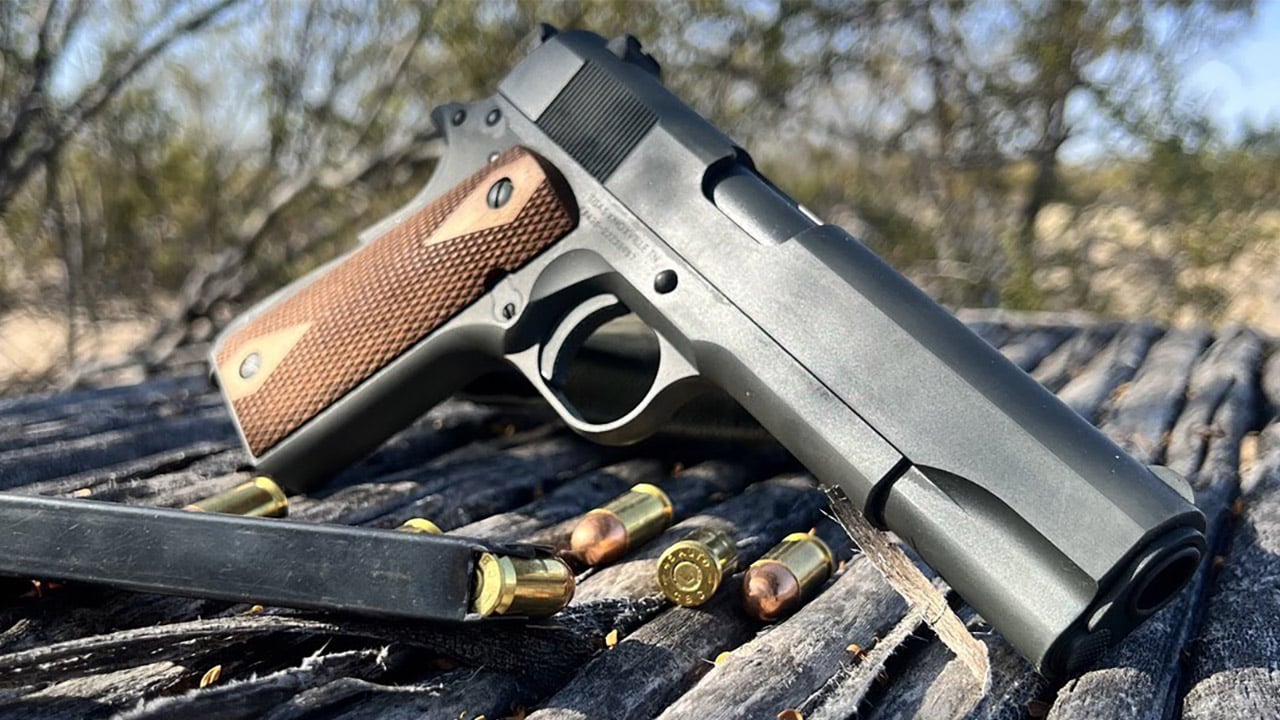
There was a time when old service pistols were just… old pistols. A veteran came home, the gun ended up in a drawer, and it might get carried for chores because it was familiar. Nobody was thinking about matching slides, inspector marks, and correct grips.
Now you can’t casually replace one without serious money, and the fakes and parts-swaps are everywhere. If you’ve got a legitimate GI 1911A1 that hasn’t been polished and refinished into a “BBQ gun,” you’re holding onto something that history and collectors both want.
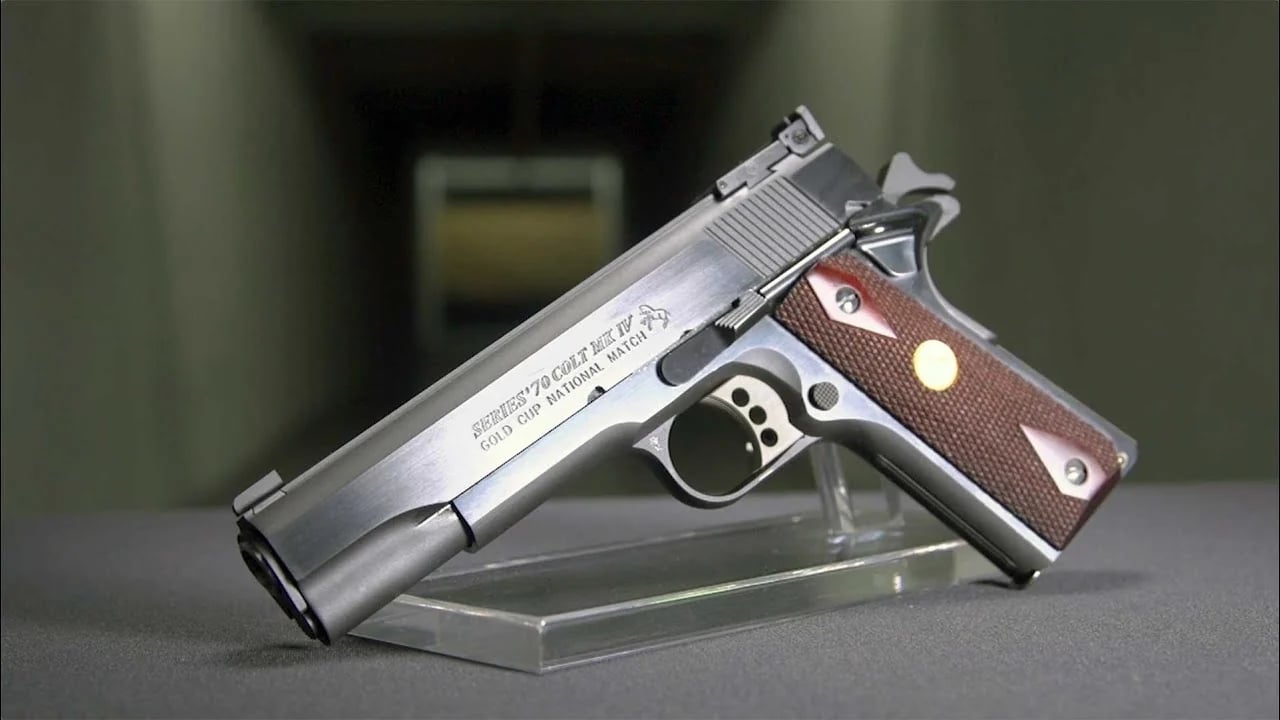
10. Colt Gold Cup National Match
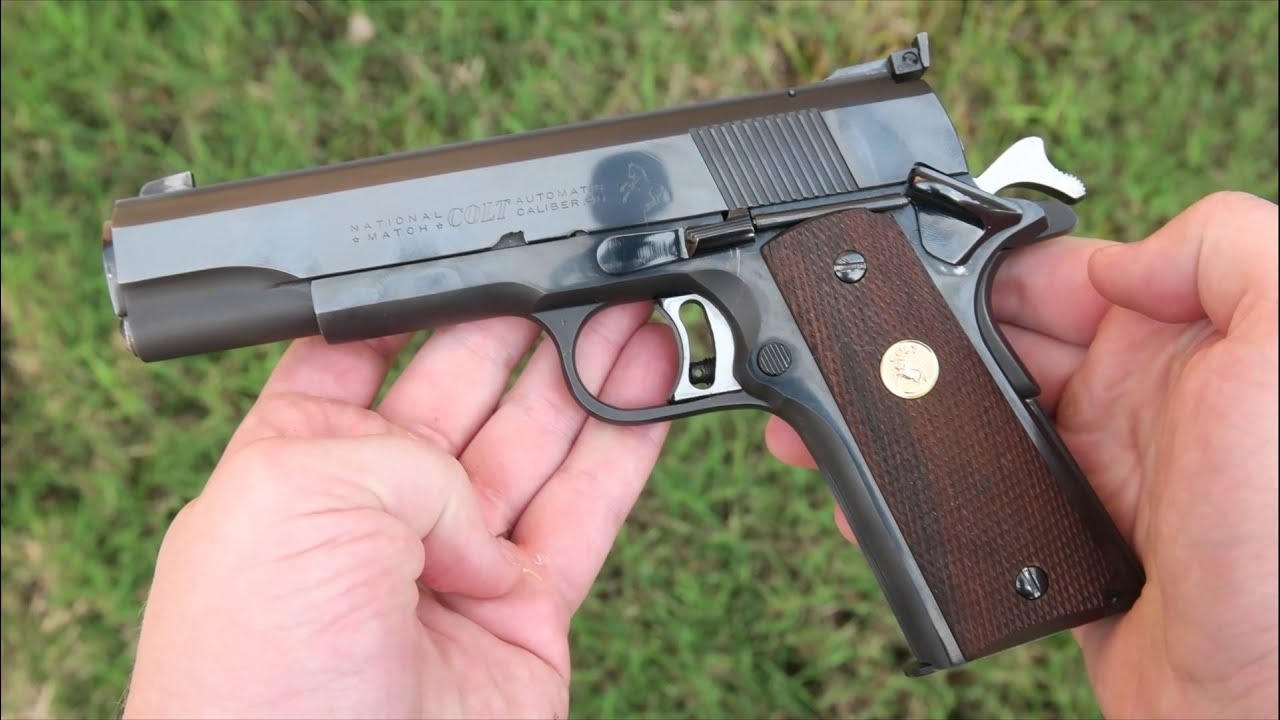
A Gold Cup was the pistol a working guy bought when he decided he wanted to shoot better than his buddies, or when he got into bullseye. They weren’t always treated like safe queens either. I’ve seen them with honest holster wear and plenty of rounds down the pipe.
They’re also a good example of “don’t mess with it.” Adjustable sights, match parts, and original configuration matter. It’s not that you can’t shoot them—they were made to be shot—but the value now is tied to being unmolested and complete.
11. Smith & Wesson Model 41
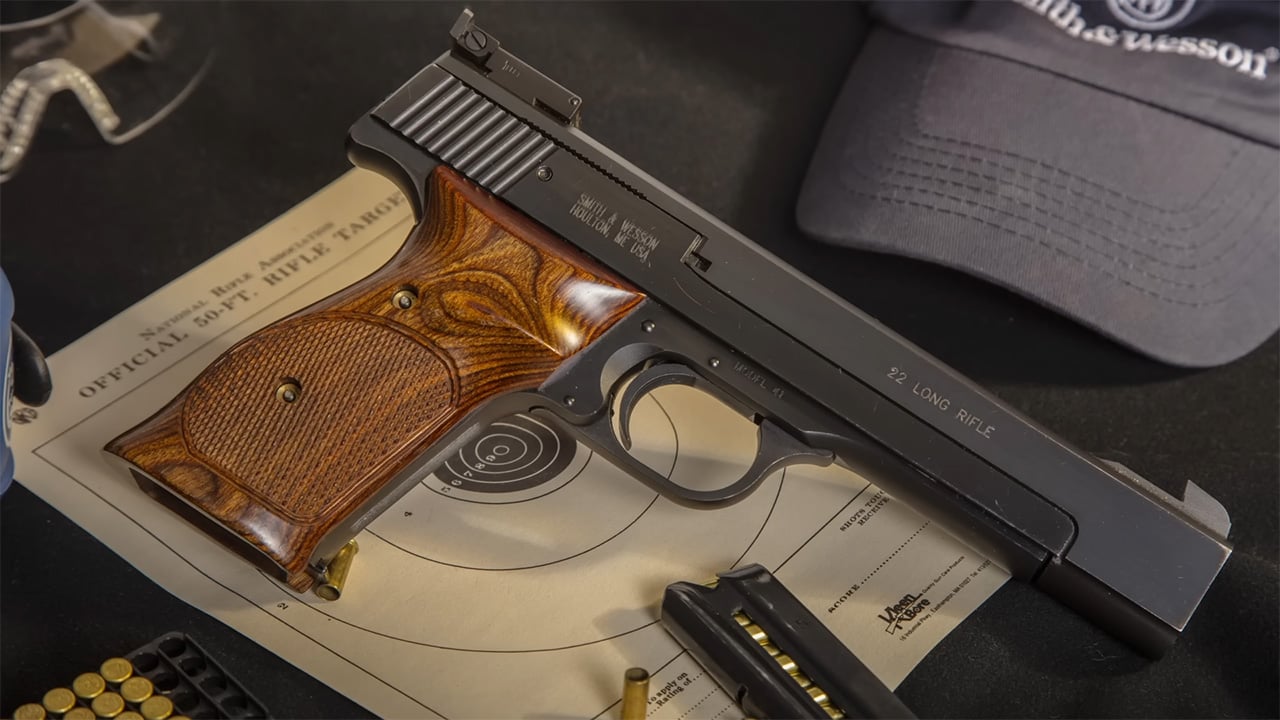
A .22 target pistol doesn’t sound like a working-man carry gun, but the Model 41 lived in a lot of tackle-box worlds. It was the pistol you used to keep varmints honest around the barn, or the one you shot to stay sharp without burning centerfire money.
They’re expensive now because they’re legitimately good. The triggers are usually excellent, they hold their accuracy, and they have that old S&W machining that people pay for. If you sold one thinking “it’s just a .22,” that one hurts.
12. Heckler & Koch P7 (PSP/P7M8)
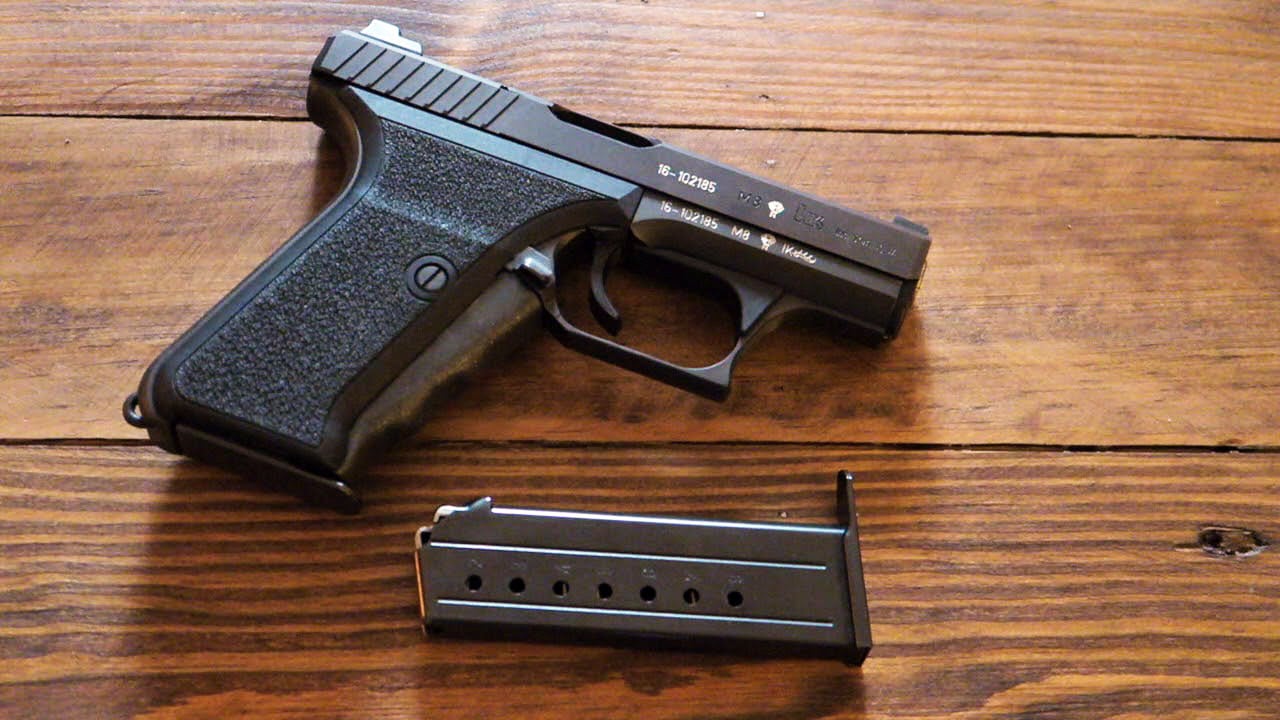
The P7 is what happens when a practical design becomes a cult classic. A lot of them came in as police surplus, and guys bought them because they were compact, accurate, and dead reliable with quality ammo. The squeeze-cocker looked odd, but it made sense once you handled it.
Now, the surplus pipeline isn’t what it used to be. Parts aren’t cheap, magazines aren’t cheap, and clean examples are bringing “are you serious?” prices. Also, they get hot when you shoot them fast—real life detail that never shows up in the brag posts.
13. Heckler & Koch USP (early German production)

The USP spent years being called bulky and overbuilt. Working guys didn’t mind bulky if it meant the gun would run dirty, run wet, and keep running. It’s not a dainty carry pistol, but it rides fine in a good holster, and the controls are straightforward once you pick a variant and stick with it.
Prices climbed because HK stopped being “that weird expensive brand” and became a brand people chase. Early German-marked guns and certain calibers draw more interest now than they did when they were just another duty-size pistol in the case.
14. SIG Sauer P226 (West German and early U.S. guns)
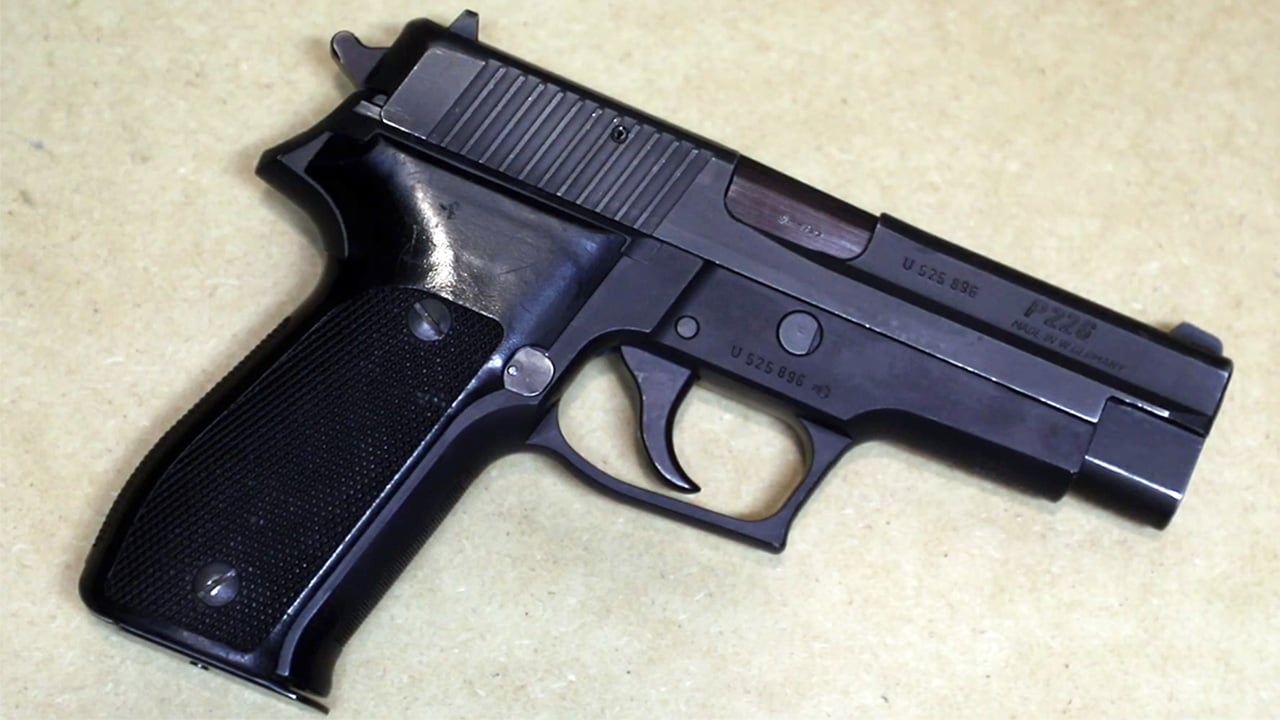
The P226 is a service pistol that earned its reputation the old-fashioned way: it worked. It carried on duty, it lived in nightstands, and it rode in vehicles for folks who wanted something more refined than a bargain gun but still meant to be used.
West German-marked frames and early production details matter to collectors now, but what matters to shooters is the feel. That classic SIG double-action pull and the way the gun tracks in recoil still makes sense. You can buy a modern one, sure, but early originals bring a premium for a reason.
15. SIG Sauer P229 (stainless slide era)
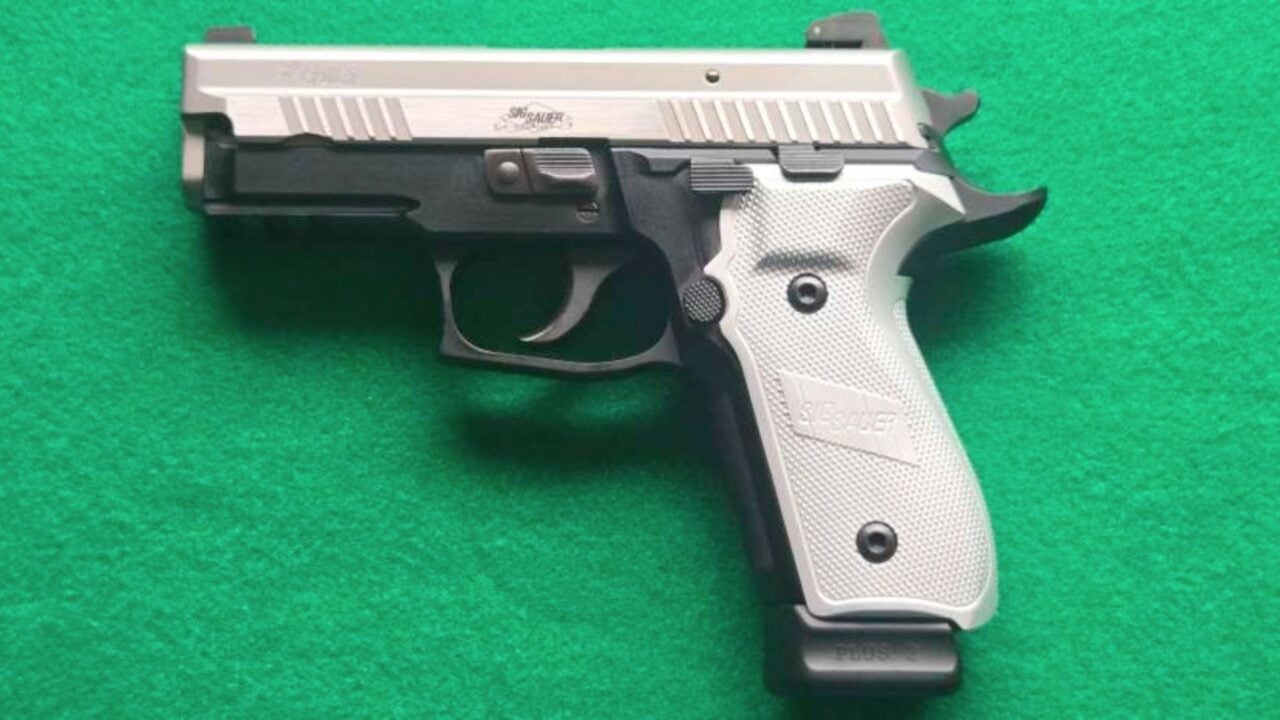
The P229 is the “do-everything” SIG that a lot of plainclothes guys and working folks ended up with. Compact enough to carry, big enough to shoot well, and it eats .40 and .357 SIG like it was built for it—because it was.
For a while, .40-caliber pistols were the stuff everyone wanted and then everyone dumped. The odd twist is that the better older guns are now getting appreciated again, especially clean examples with factory parts and good magazines.
16. Glock 17 (Gen 1/Gen 2)
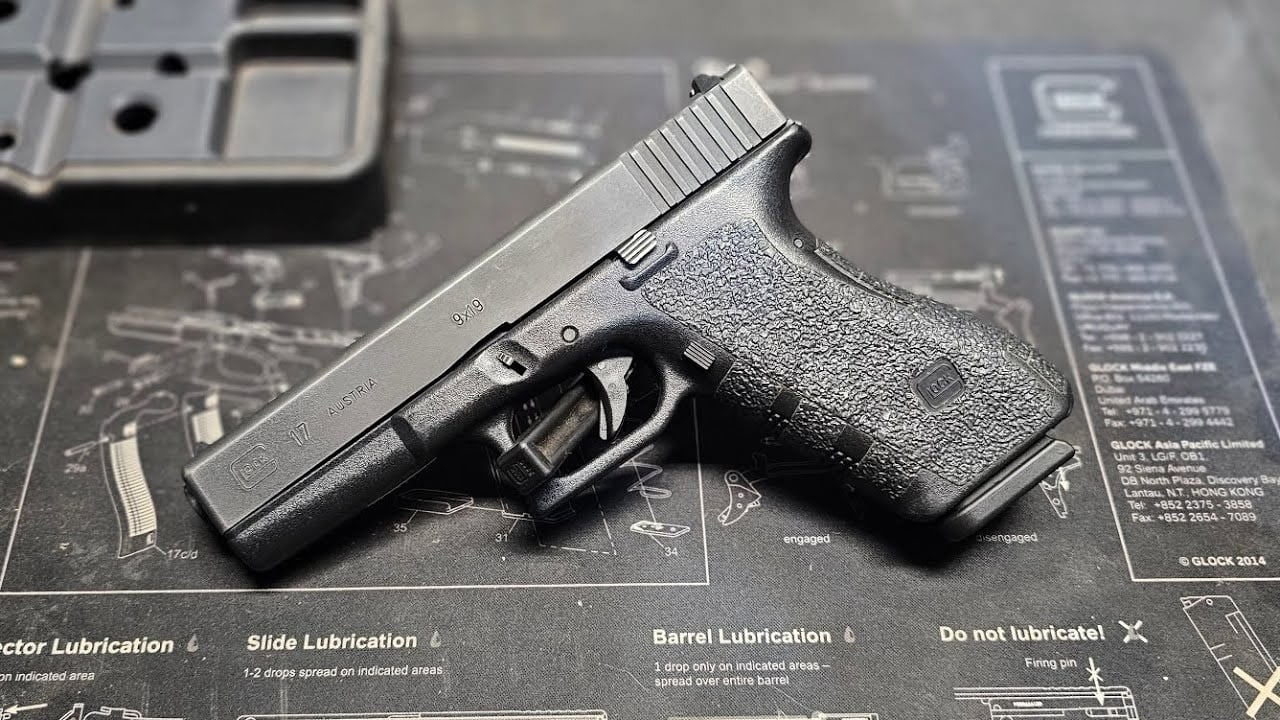
The early Glock story is pure working-man practicality. Cops carried them. Tradesmen carried them. Outdoors guys carried them because they didn’t rust easily and they just kept going. Nobody was polishing them or saving boxes.
Now those early generations—especially clean Gen 1s—have collector heat. It’s still “just a Glock” until you try to find an original, unmodified early gun that hasn’t had parts swapped a dozen times. The funny part is they still do the job exactly the way they always did.
17. Beretta 92FS (Italian production and early variants)
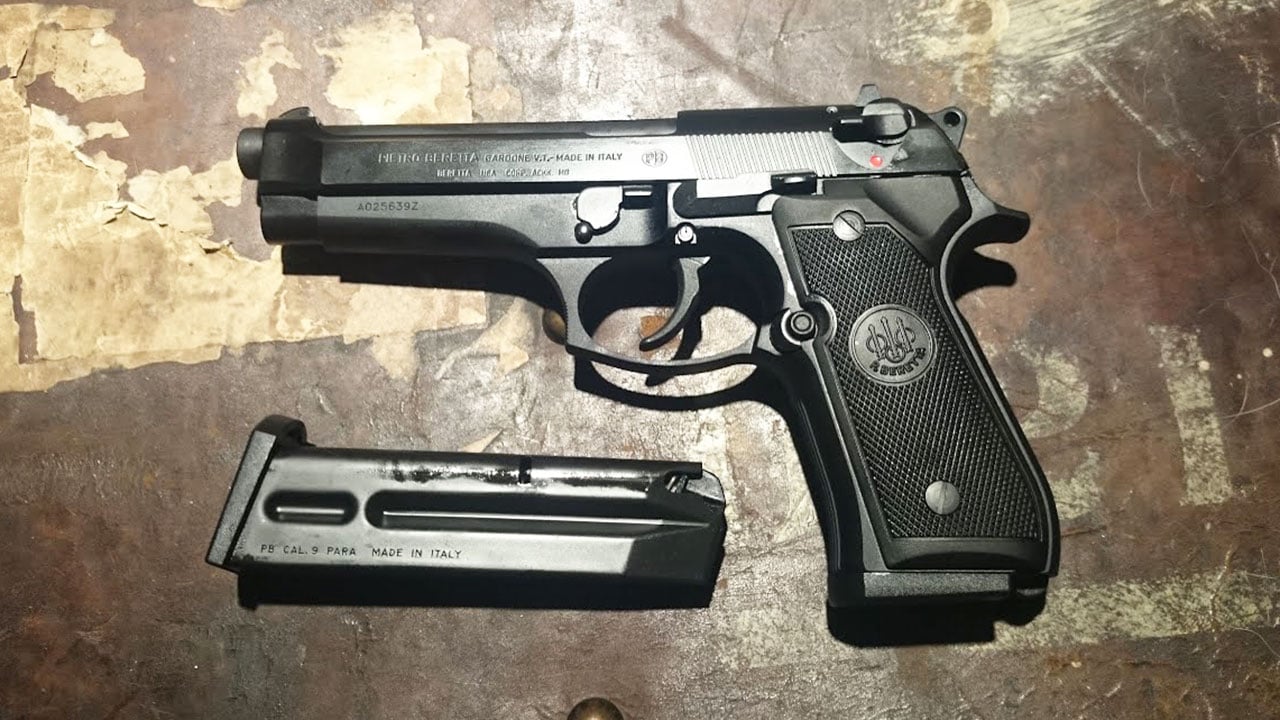
The Beretta 92 has always been a big pistol, but it shoots easy and it’s reliable if you feed it decent magazines. A lot of guys bought them because of military familiarity or because they wanted a full-size 9mm that didn’t beat them up at the range.
Italian-made guns, certain markings, and early features have started to matter more. And if you’ve ever tried to replace a really clean older 92 with the original finish and matching parts, you learn quick that “common” isn’t always common forever.
18. CZ 75 (pre-B and early imports)
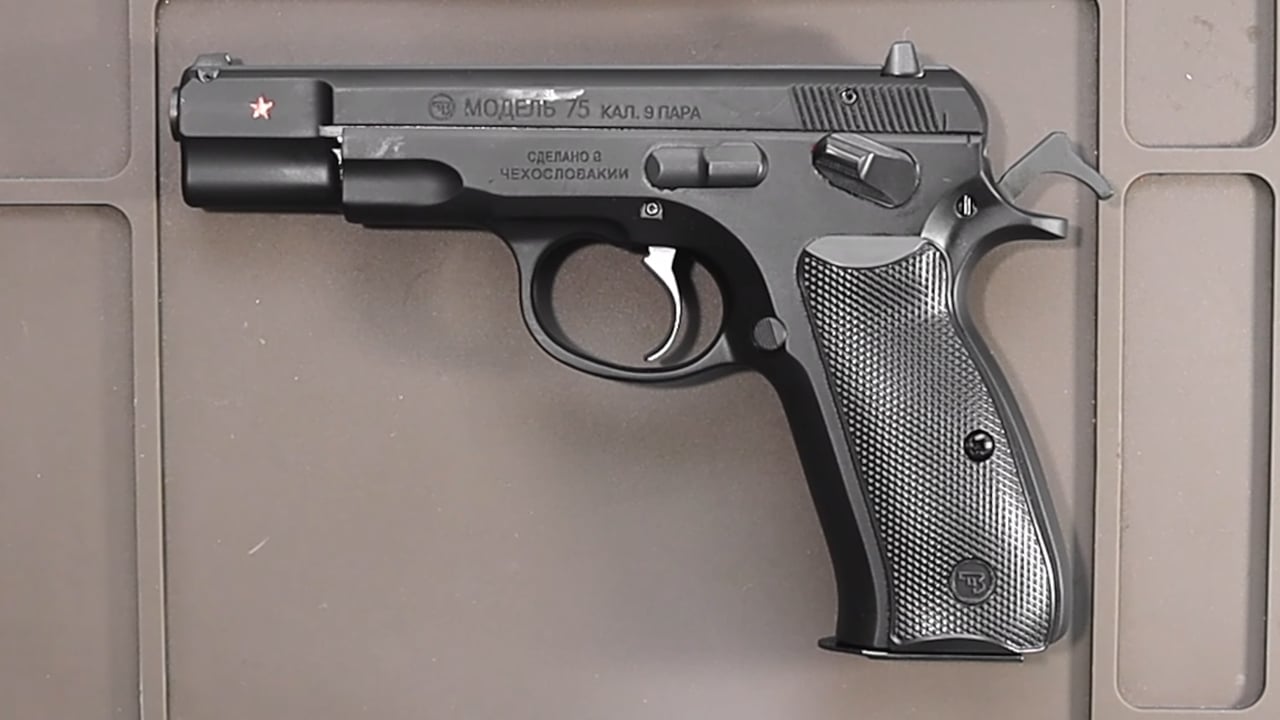
The CZ 75 was a sleeper for years. It fit hands well, shot soft, and had that all-steel feel people miss now. Many working guys found them because they were a value compared to some Western European pistols, and then they never let them go—until they did.
Pre-B guns and early imported models bring attention now, and not just from collectors. Shooters like them too because they’re accurate and natural pointing. The downside is parts and magazines are easier now than they used to be, but the specific early variants are not something you bump into every day.
19. Walther PPK/PP (pre-’68 and classic German guns)
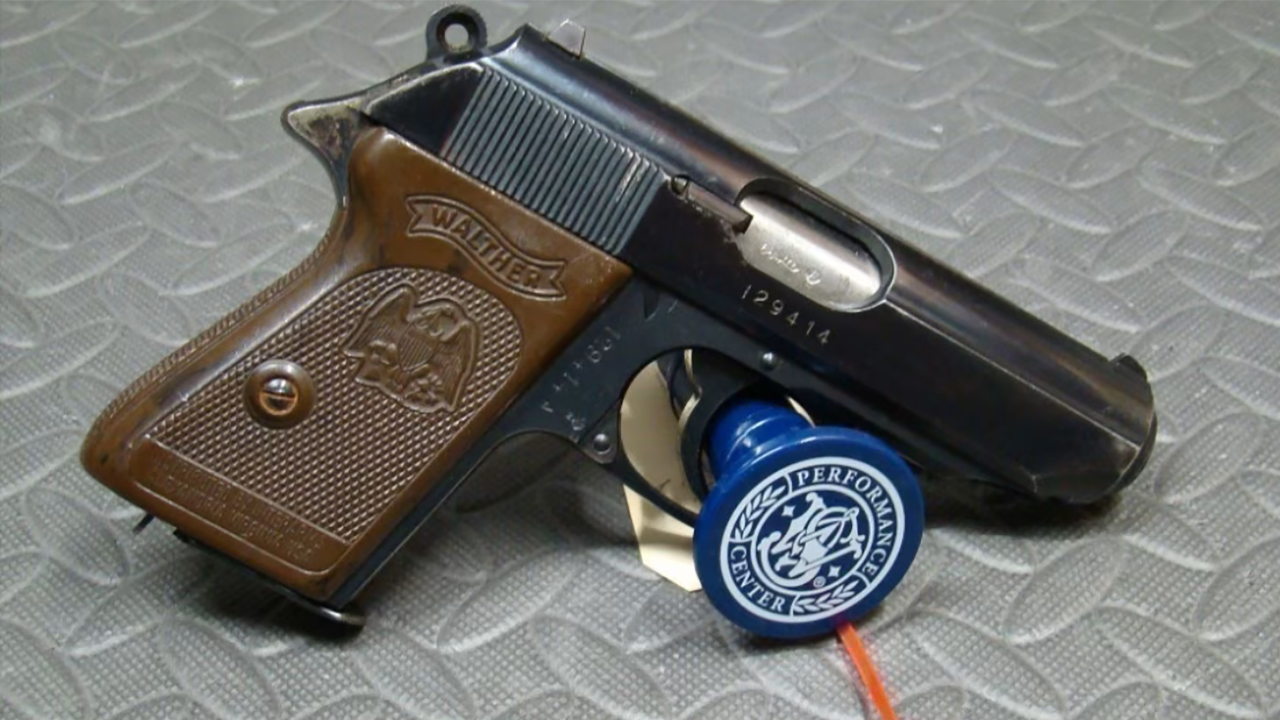
The PPK has the movie-star reputation, but plenty of them were just pocket pistols for guys who wanted something slim. The PP and PPK are simple blowback guns, and they can be snappy for their size, especially in .380, but they carry like a wallet.
Older German production and certain import details have a collector market that surprises people. These are also pistols that got worn hard: sweat, lint, holster wear, and neglect. A clean one with its original finish stands out now.
20. Smith & Wesson Model 10 (early and pre-model marking guns)
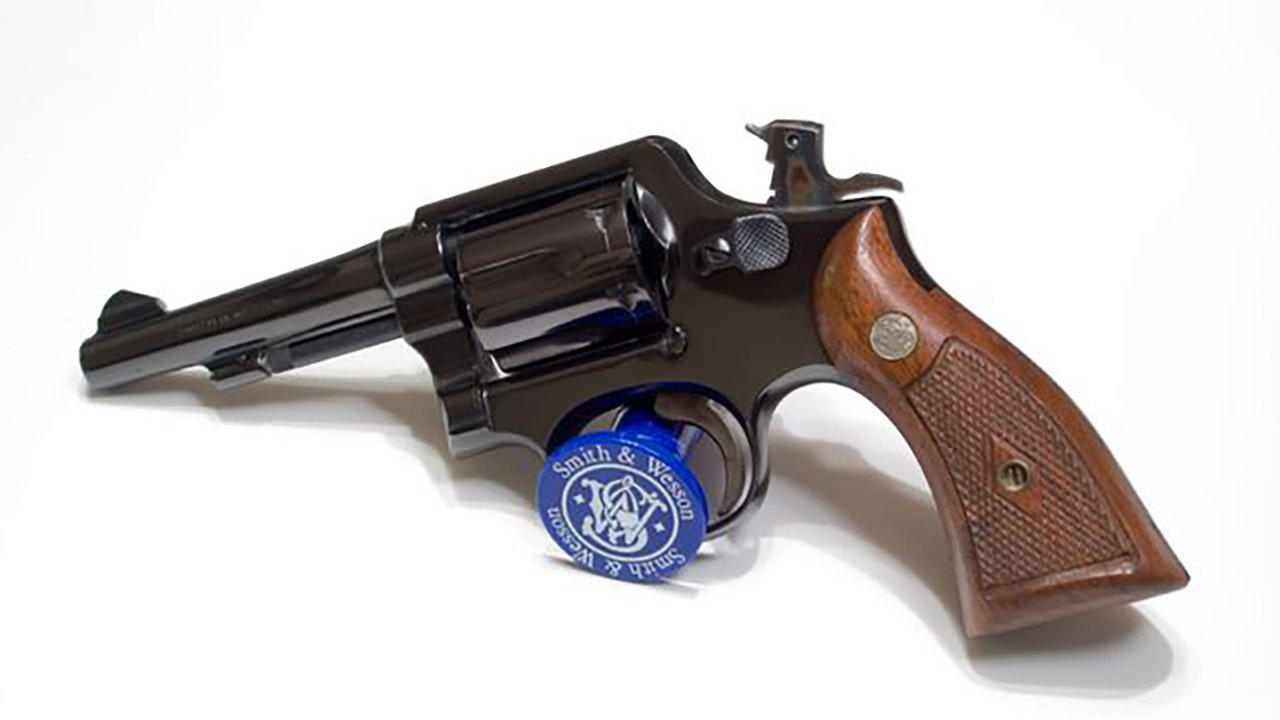
If you want the definition of a working revolver, it’s a Model 10. Many were carried by police, security, farmers, and anybody who wanted a simple .38 that would go bang. They’re not flashy. They’re not rare in the way a Python is rare.
But the older ones—pinned barrels, classic bluing, nice triggers—are getting harder to find in truly honest condition. Too many got refinished, chopped, or beat up because they were “just a .38.” Turns out a plain, well-made revolver with a great trigger has a way of becoming desirable once the supply dries up.
The funny part is most of these pistols are still useful. Not “useful as an investment,” useful as a gun you can actually shoot, carry where legal, and trust. If you’ve got one of these sitting in the safe, don’t panic and start treating it like a museum piece. Just be smart: keep the box and papers if you have them, don’t start swapping parts for no reason, and maybe don’t let it ride loose under the truck seat anymore. Time has a way of turning working tools into something you can’t easily replace.
Like The Avid Outdoorsman’s content? Subscribe to our newsletter so you never miss an article.
Here’s more from us: