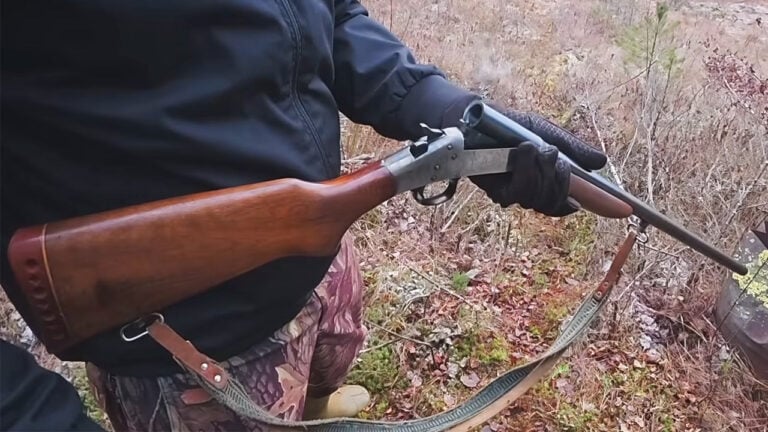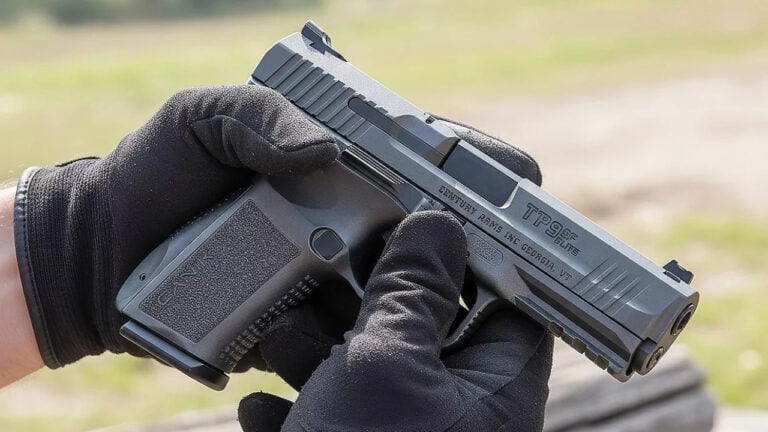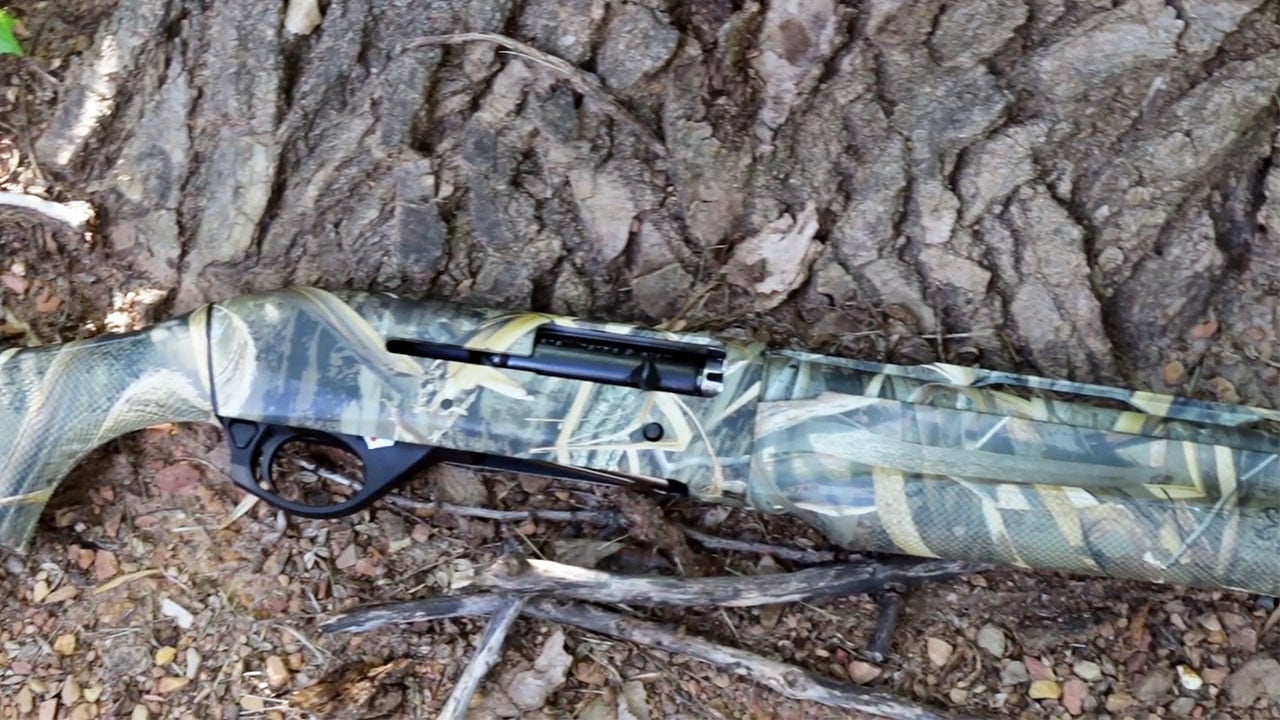
Photo credit: Midwest Flyways/Youtube
I’ve had seasons where the freezer got filled and seasons where the truck got fixed by borrowing from next month. When money gets tight, a gun safe starts looking like a savings account. The problem is, a lot of shotguns don’t come back the way you expect. Not because they were bad guns, but because the used market is weird, certain models dry up overnight, and the ones you actually miss are the ones you thought were common. Here are 20 shotguns I’ve watched walk out the door during lean stretches, and why I still catch myself checking racks and pawn shop corners for them.
1. Remington 870 Wingmaster (older blued guns)
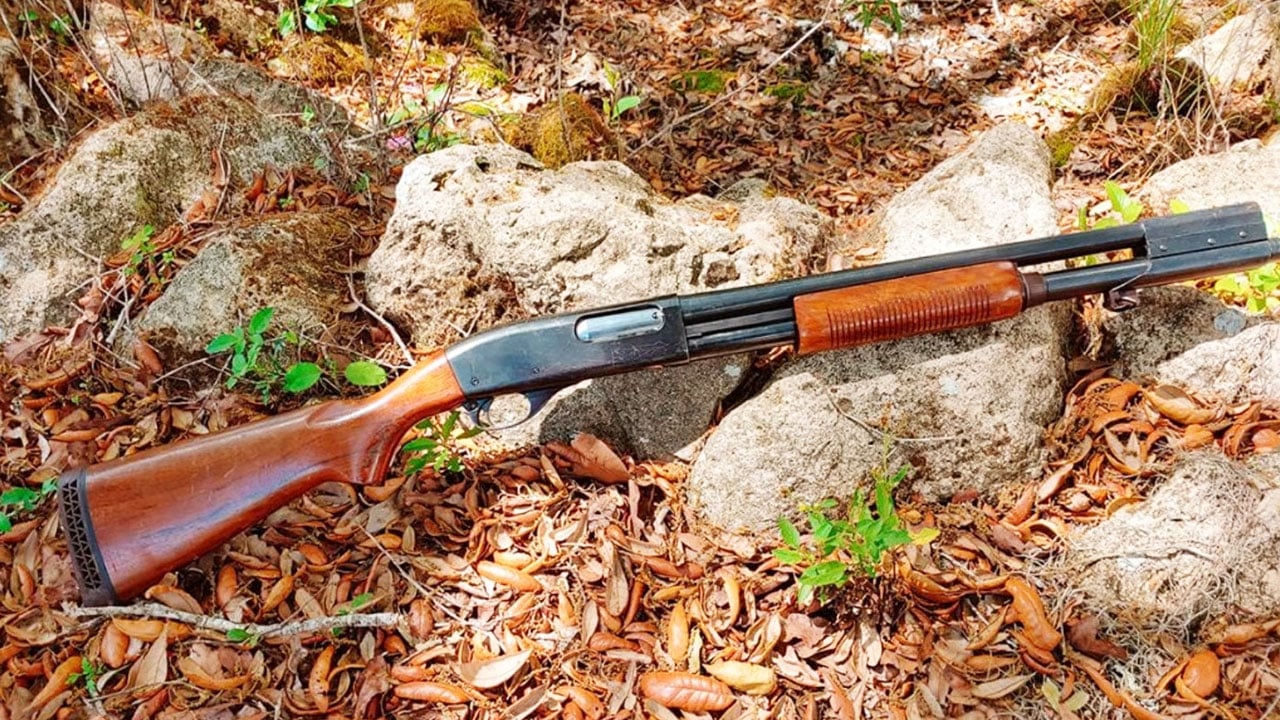
The old Wingmasters had that slick, oiled-glass pump stroke that’s hard to explain until you cycle one next to a newer budget pump. They carried flat, pointed natural, and didn’t rattle like a toolbox when you hiked into a hedgerow for rabbits. Mine wasn’t fancy—just honest walnut with a few safe dings that proved it got used.
I sold it thinking, “It’s an 870, I’ll grab another later.” The later part is what gets you. Prices climbed, and the ones you find now are either beat to death or priced like collectibles. A good Wingmaster is one of those boring guns that quietly does everything well, and that makes it hard to replace with anything that feels the same.
2. Ithaca Model 37 (featherlight 12 gauge)
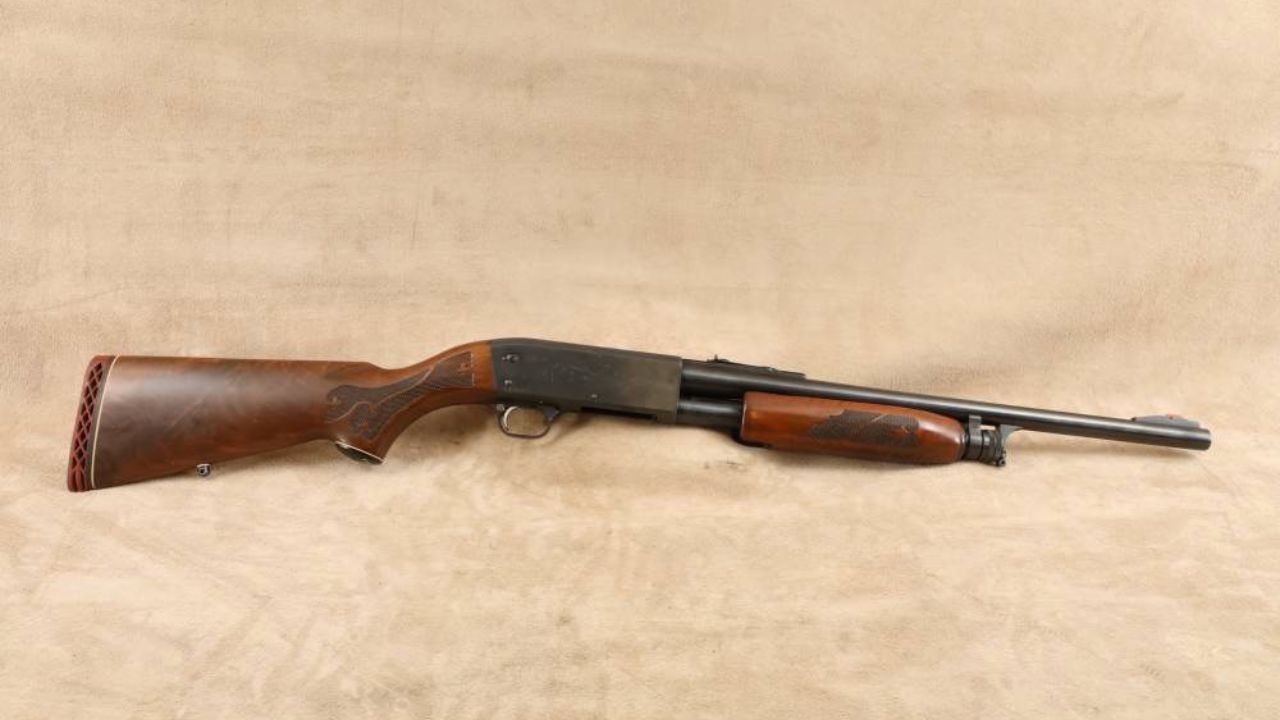
The bottom-eject Ithaca is a lefty’s friend, but even if you’re right-handed it’s just a clean, fast design. In thick cover it’s nice not having empties flying across your face or into the cattails. The receiver is trim, and the gun feels like it’s built to move through brush instead of snag on it.
I let mine go during a rough patch because it wasn’t wearing a camo dip and it didn’t look “modern.” That one hurts. Model 37s aren’t impossible to find, but finding one that hasn’t been messed with, cut down wrong, or “improved” by somebody’s garage gunsmith is another story. When you find a good one, you hang on.
3. Browning Auto-5 (Belgian humpback)

The Auto-5 is heavy, long-recoil, and not everybody’s idea of pleasant on the bench. But in the field it has a rhythm to it, like it’s running on rails. Mine swung smooth on late-season roosters, and it had that old Browning feel—solid, deliberate, not plastic and hollow.
When I sold it, I told myself I was buying “practical.” What I did was trade a lifetime gun for short-term relief. Now the good Belgian guns bring real money, and even the worn ones have fans lined up. You can buy other semi-autos that run cleaner, sure. None of them replace that humpback balance or the way an A5 makes you slow down and shoot like you mean it.
4. Winchester Model 12 (plain field grade)

A Model 12 is one of those shotguns that teaches you what “fitted” feels like. The action locks up like a bank vault, and the whole gun feels machined instead of assembled. The one I had wasn’t a safe queen; it was a working field gun with honest wear and a buttplate that had seen a few cold mornings.
I moved it when I needed quick cash, figuring it was a “nice-to-have.” Then I tried to buy another and realized most of what’s out there is either abused, cut, or treated like an investment. If you hunt with one, you understand why old-timers didn’t feel undergunned. If you don’t, you’ll never understand why guys keep looking for them.
5. Beretta 303 (20 gauge bird gun)
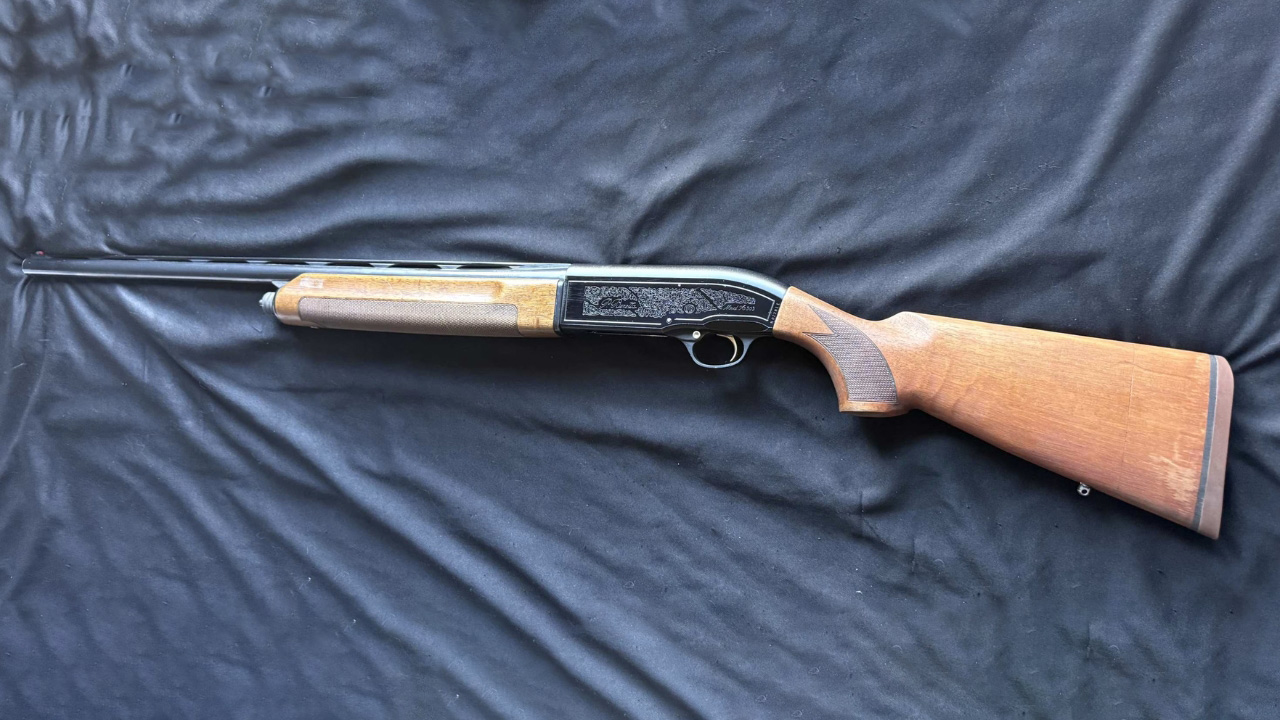
The 303 is one of those semi-autos that just works without being dramatic about it. It points like a good 20 should, carries light, and doesn’t beat you up on a long dove sit. Mine ran anything from cheap field loads to heavier stuff without turning into a finicky range toy.
I sold it to “simplify,” which is a fancy way of saying I panicked about bills. Replacing it later was tough because the 303 has a following, and the clean ones get snapped up quick. Newer Berettas are great, but the 303 sits in a sweet spot of weight and feel that’s hard to match. If you know, you know.
6. Benelli Super Black Eagle (first-generation)
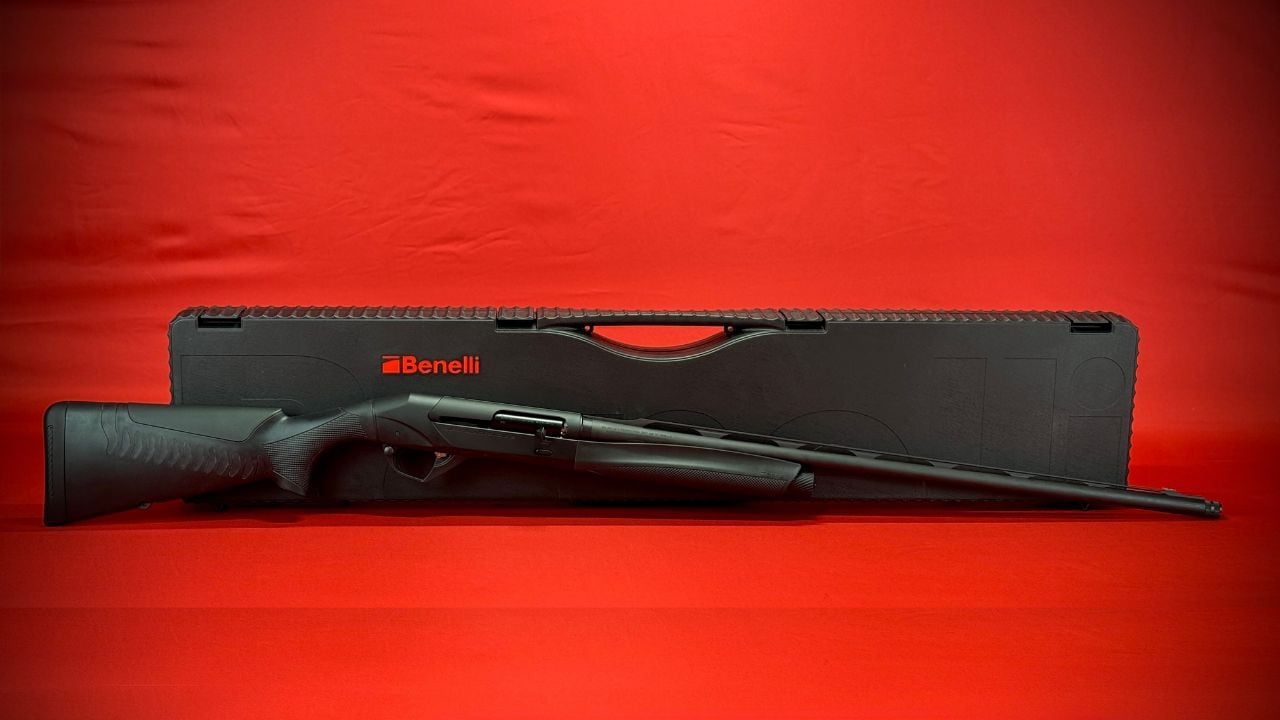
The first SBE was a marsh gun that didn’t care about your feelings. It was long, a little clunky by modern standards, and it would run filthy in freezing weather. When the wind is cutting sideways and everything is wet, an inertia gun that keeps cycling is worth more than another feature you’ll never use.
I let mine go during a tight year because I had other shotguns and figured “a 3.5-inch gun is a luxury.” Then snow geese happened, and so did late-season honkers with heavy clothes and gloves. The older SBEs aren’t rare, but clean ones with the right barrel and choke setup aren’t sitting around cheap anymore. It’s a purpose-built tool, and it does its job.
7. Mossberg 500 (old blued 12 gauge with wood)
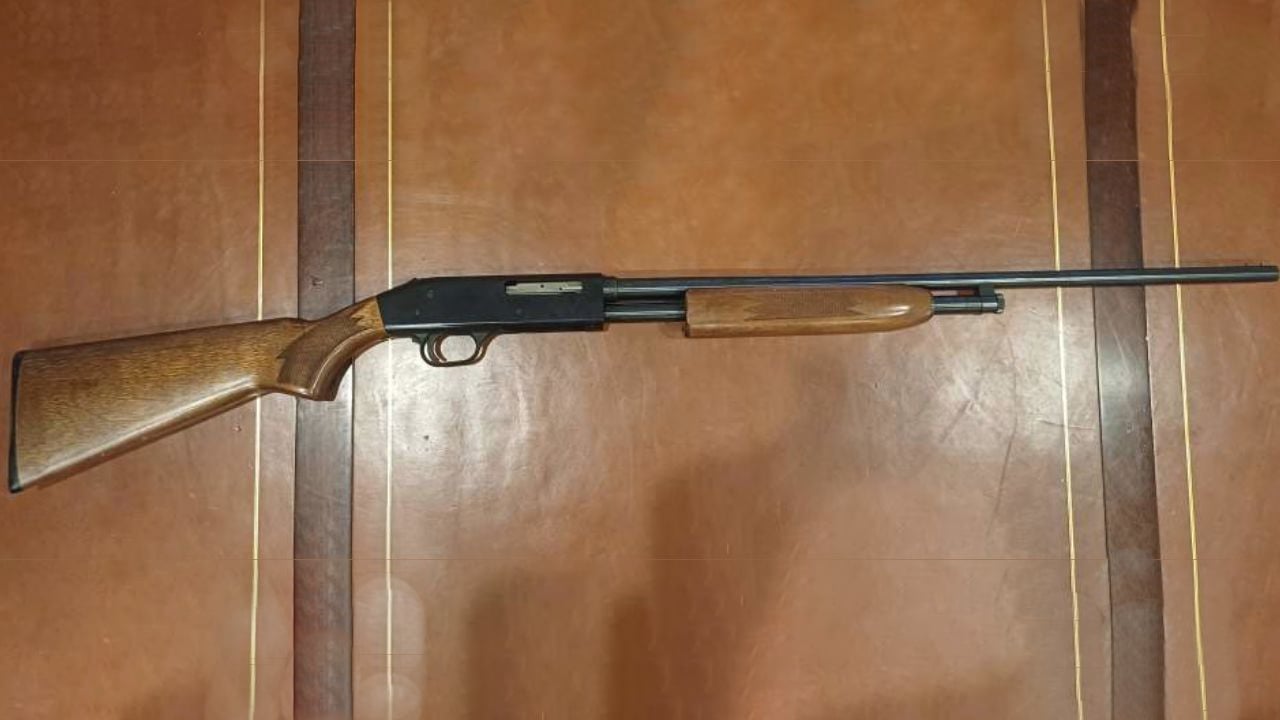
The Mossberg 500 isn’t glamorous, and that’s exactly why it’s so useful. Mine lived behind a seat for a while, got rained on, and still worked. The tang safety is hard to beat with gloves, and the gun never acted precious about a little mud or grit.
I sold it because it was “just a 500.” Then I watched prices on everything jump, and suddenly the “just” part disappeared. A basic, reliable pump you’re not afraid to scratch is a cornerstone gun. New ones are still out there, but that older blued-and-wood combination has a feel you don’t get from the plastic furniture packages.
8. Mossberg 590A1 (heavy-walled barrel)
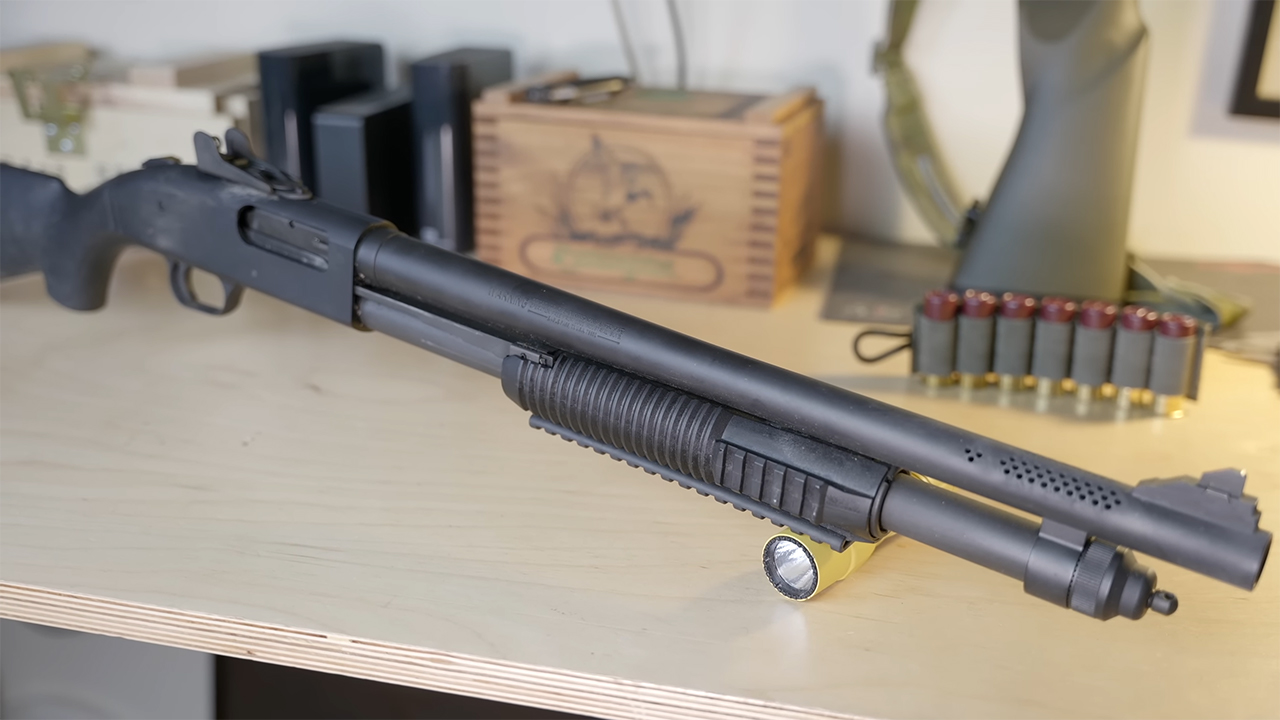
The 590A1 is a brick with a bead sight, and I mean that as a compliment. It’s not a long-walk upland gun, but for home and property use it’s steady, durable, and simple. The action on mine was never as smooth as an old Wingmaster, but it was consistent and tough.
Hard times made me look at it as “nonessential.” Then I realized how much I liked having a pump that didn’t mind being staged, checked, and handled without babying it. Replacing one later is easy enough, but the exact setup you had—length of pull, sight picture, magazine setup—never seems to be on the shelf when you go hunting for it.
9. Remington 1100 (classic 12 gauge)

The 1100 is still one of the softest-shooting 12 gauges around, especially for volume shooting like clays or doves. It has that smooth gas-gun push instead of a sharp hit, and it makes average shooters feel a little better than they are. Mine wore a plain barrel and did honest work.
I sold it because I got tired of keeping track of O-rings and cleaning it more than an inertia gun. Fair point—but I miss how it shot. The older 1100s that haven’t been “upgraded” into problems are getting harder to find, and parts guns are everywhere because so many have been run hard. A good 1100 is a comfort gun. You don’t appreciate that until it’s gone.
10. Remington 11-87 (do-everything semi-auto)
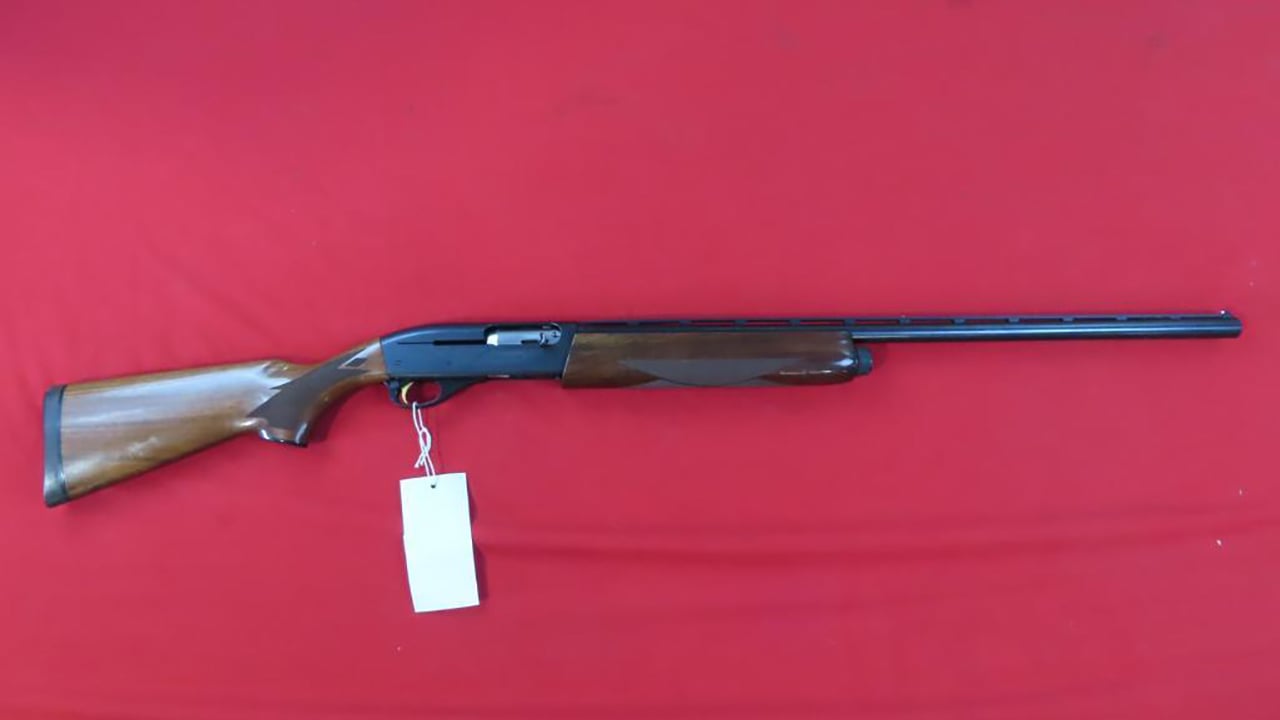
The 11-87 never got the romance of the 1100, but it was a practical hunting semi-auto that ate a wide range of loads. Mine was a camo model that lived in nasty weather and never made excuses. For a guy who hunts whatever season is open, that kind of flexibility matters.
I got rid of it during a financial squeeze and told myself I’d just run a pump. Pumps work, obviously. But an 11-87 with the right barrel and a familiar safety location is fast in the blind and forgiving when you’re layered up. These days, the good ones get bought by hunters who don’t want to gamble on a bargain semi-auto from the discount rack.
11. Browning BPS (bottom-eject pump)
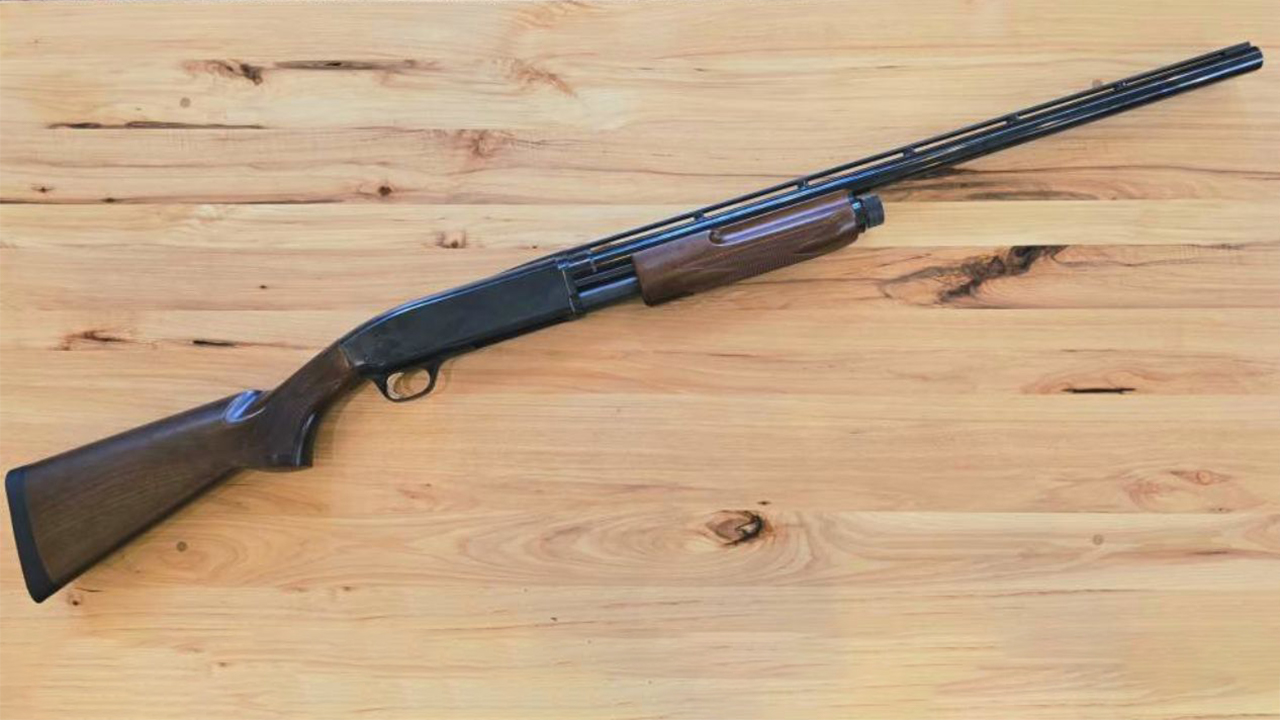
The BPS is heavier than most pumps, and you feel it when you’re walking miles behind a bird dog. But it also soaks up recoil and balances in a way that makes snap shots feel controlled. Bottom ejection keeps your hulls out of the boat and out of your buddy’s lap, which is a small thing until it isn’t.
I sold mine because I thought I wanted lighter. What I learned is that “lighter” can become “whippy” when you’re tired and your swing gets sloppy. BPS shotguns have their own loyal crowd, so clean used ones don’t hang around long. If you find one that fits you, it’s the kind of pump that quietly becomes your default.
12. Browning Citori (12 gauge over/under)

Over/unders are easy to call a luxury until you spend a season chasing birds and realize how much you like a simple break-action. The Citori I had wasn’t engraved art. It was a field gun that opened and closed with authority and never once made me wonder if it would fire.
I moved it because money was tight and I wasn’t shooting clays much. Then upland opportunities came back around, and I missed the way an O/U carries and how safe it feels crossing fences and ditches. Replacing a Citori now costs more than it used to, but the real issue is fit. When an over/under fits you, it becomes “your” gun, not just a gun.
13. Beretta 686 Silver Pigeon I (20 gauge)
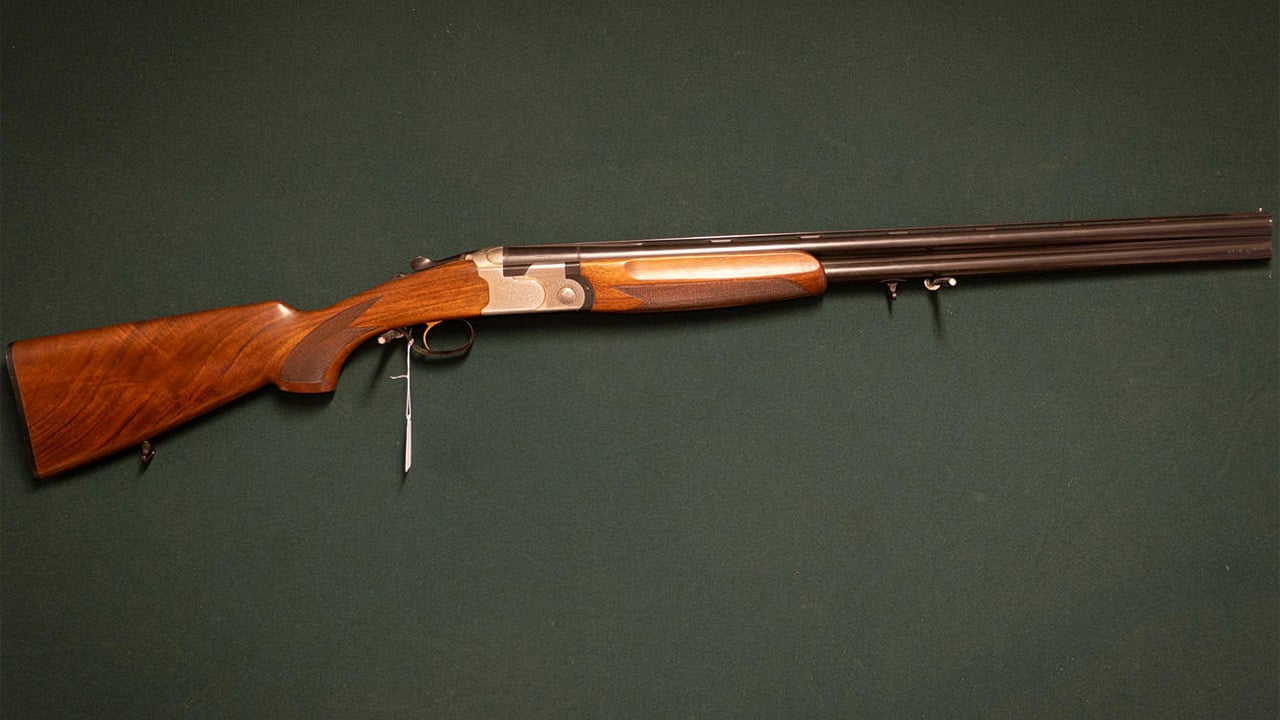
This is one I shouldn’t have let out of the safe. A 686 in 20 gauge is about as close as you get to a perfect upland compromise: light enough to carry all day, steady enough to not get twitchy, and built well enough that you don’t worry about wearing it out. The safety and barrel selection become second nature quick.
I sold it in a stretch where I was paying bills with whatever wasn’t nailed down. Later, I handled a few newer guns that were fine on paper but didn’t have that same tight, smooth feel. The 686 market is strong, and used prices reflect that. If you ever had one that shot where you looked, you’ll remember it every time you miss behind a hard-flushing bird.
14. CZ Bobwhite G2 (side-by-side)
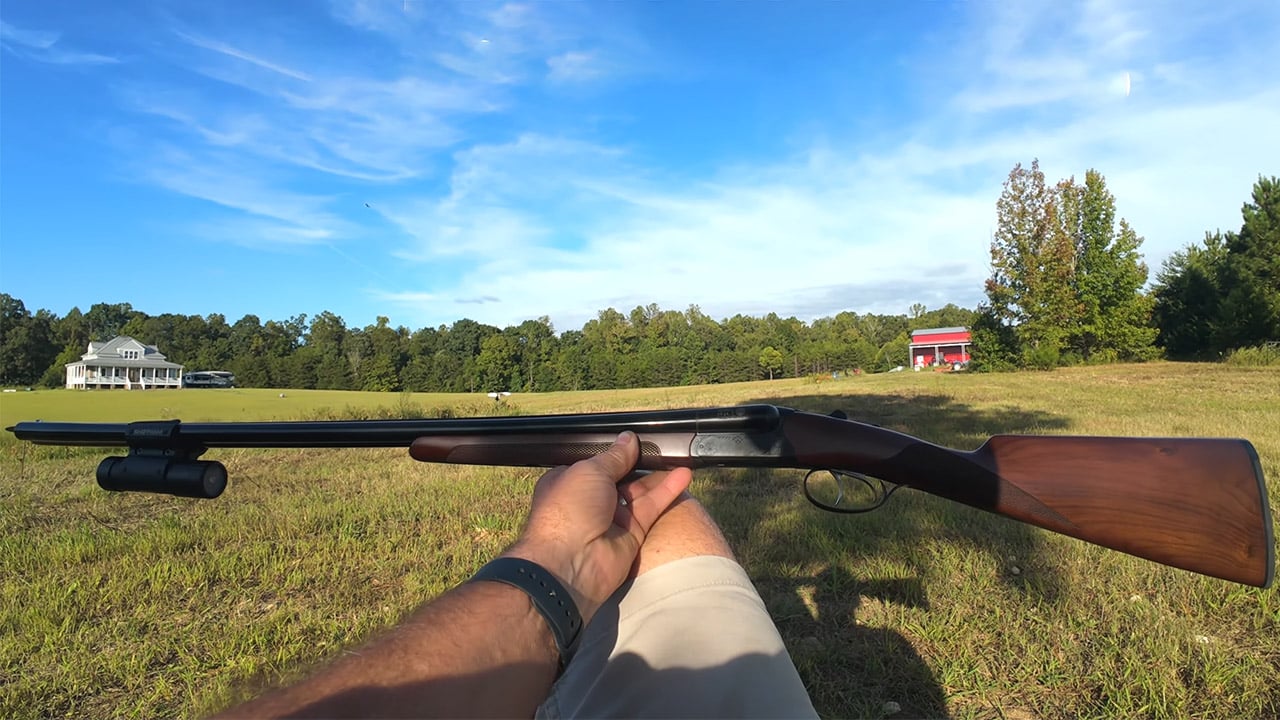
There’s nothing tactical about a Bobwhite, and that’s why it’s fun. Side-by-sides make you hunt closer, pick your shots, and appreciate a good dog. Mine was a straight-stock gun that carried like a walking stick and made me slow down in cover where I usually rushed.
I sold it because I decided side-by-sides were a phase. Then I realized it wasn’t the gun that was the phase, it was my attention span. Finding one again isn’t impossible, but the good SxS field guns get used hard and knocked around, so clean ones don’t show up every day. They’re also the kind of shotgun you hand to a buddy and he smiles immediately.
15. Stoeger Coach Gun (20 inch double)
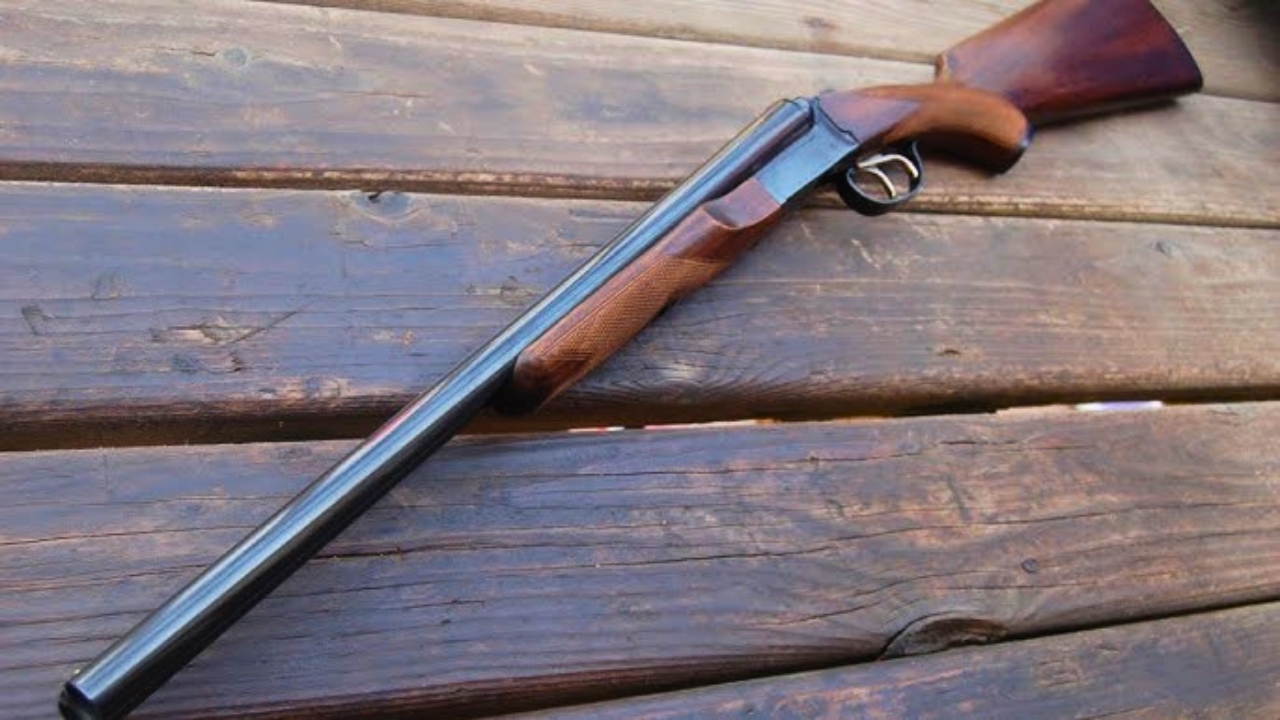
A Coach Gun is not a refined bird gun, and it’s not a high-end double. It’s a simple, handy two-shot that’s fun for messing around on the range and surprisingly useful around a farm. Mine lived by the back door during a stretch where coyotes were bold, and it was about as uncomplicated as it gets.
I sold it because I thought it was “just a novelty.” Then I went looking for another and realized two things: prices on even basic doubles went up, and the cheap ones vary a lot gun to gun. If you had a good-running Stoeger that locked up tight and threw patterns you could live with, you had a keeper. They’re not for everybody, but they fill a role.
16. Franchi Affinity 3 (12 gauge inertia)

The Affinity is one of the better values in inertia guns, and it carries like a modern hunting shotgun should. Mine was slim through the receiver, easy to mount with heavy clothes, and it didn’t feel like a fence post in the hands. In the field it ran clean and shrugged off bad weather.
I let it go because I already had other 12s and I needed cash more than I needed duplicates. What surprised me later was how much I missed that specific blend of light weight and reliability. When you pick one up after handling bulkier guns, it feels “right” fast. Used ones move quickly because they’re a sweet spot for hunters who want Benelli-ish manners without Benelli money.
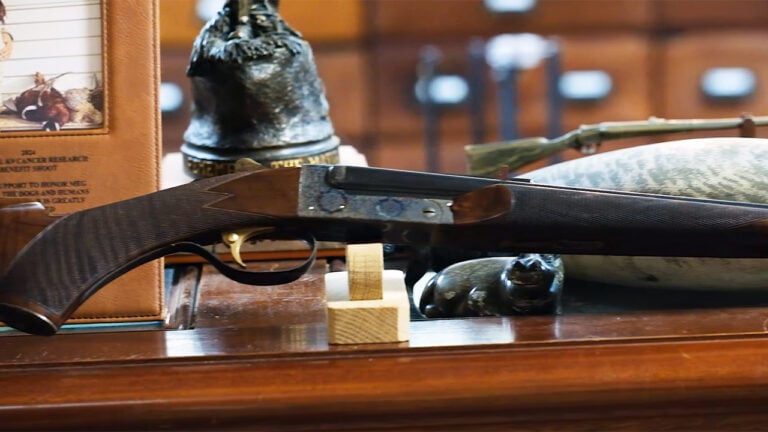
17. Winchester Model 21 (high-grade double)
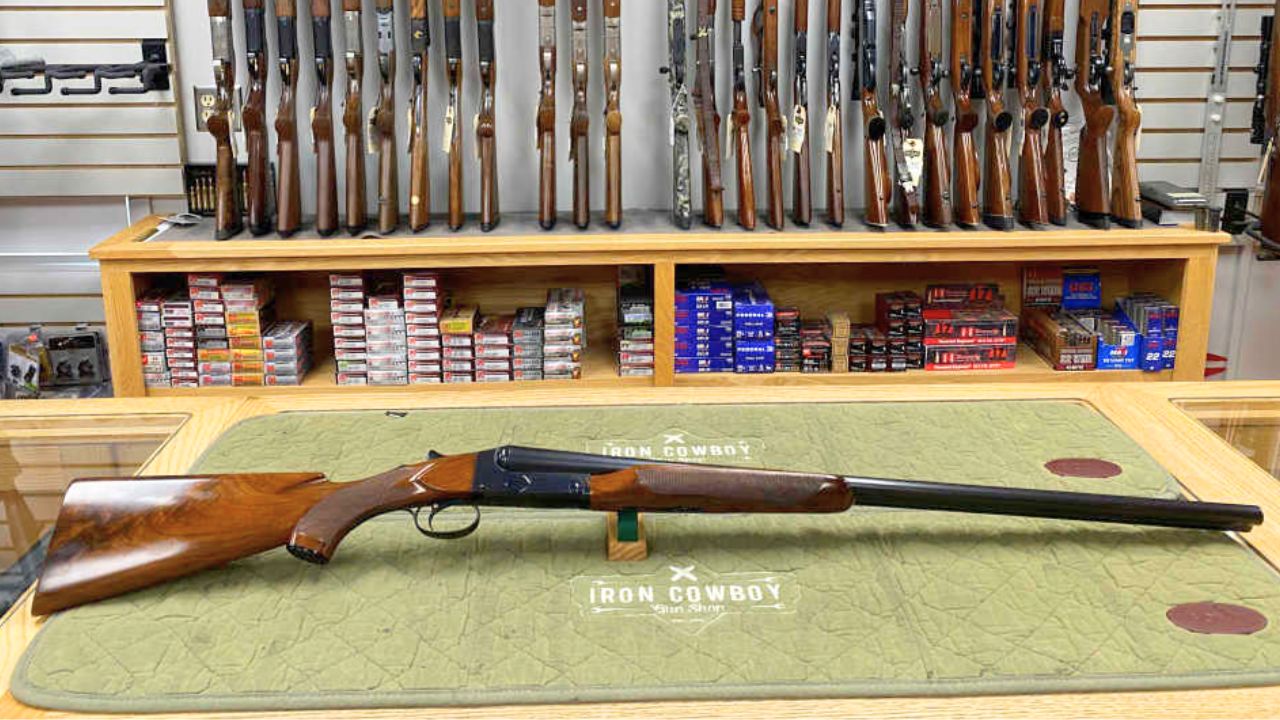
I’m not going to pretend a Model 21 is a common working man’s gun. The one I had access to was a family-linked piece that spent more time wrapped than hunted, but I did carry it a few times. It had that heavy, perfectly fitted feel where everything is smooth without being loose.
Hard times make folks do things they swore they wouldn’t. This one left the circle, and once those older high-grade doubles disappear, they don’t boomerang back. Even if you can find one, it won’t be the one you remember. If you ever inherit something like that, think long and hard before you turn it into a short-term fix. There are other ways to tighten a belt.
18. Savage/Stevens 311 (utility side-by-side)
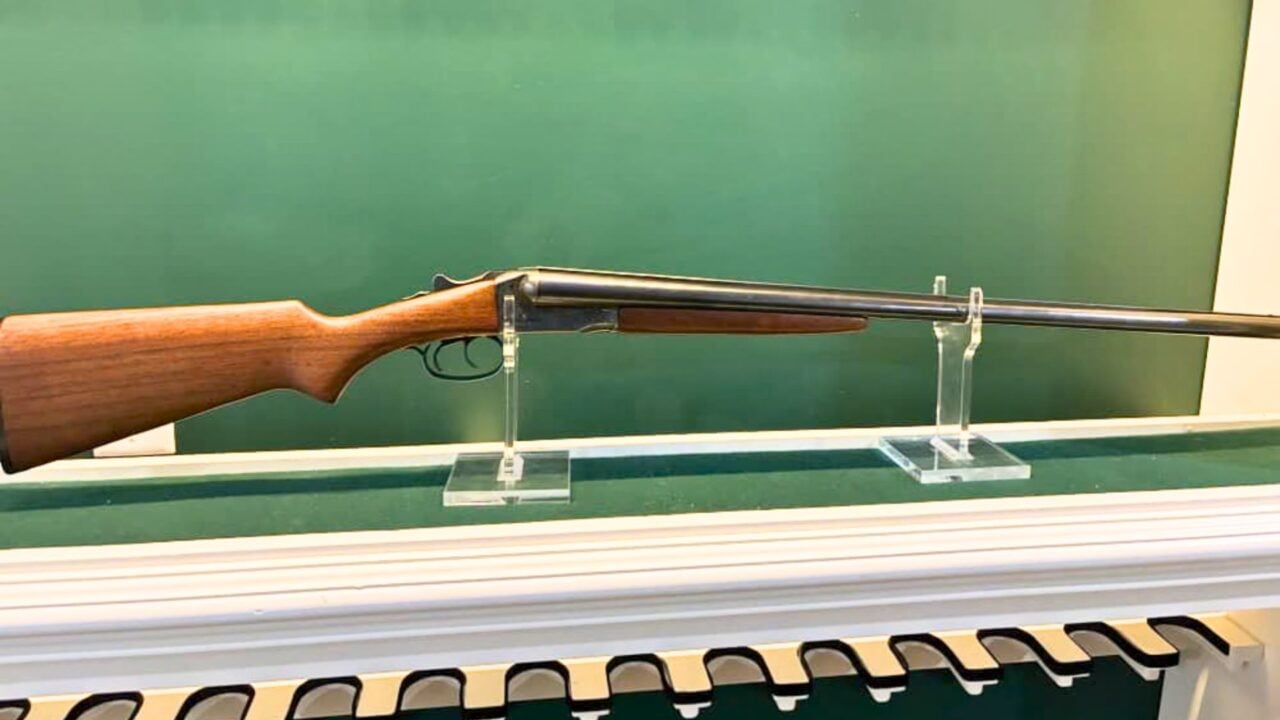
The 311 isn’t elegant. The triggers can be stiff, the wood can be plain, and the whole gun looks like it was built to work, not impress. But they point well enough, they’re tough, and they’re exactly the kind of shotgun you don’t mind leaning in a corner at deer camp.
I sold mine thinking I was upgrading into “better.” What I really did was get rid of a gun that was perfect for lending out or taking somewhere rough. The old Stevens and Savage doubles have climbed because affordable side-by-sides are disappearing. If you find one that locks up tight and patterns decently, it’s a hard gun to hate. There is nothing fancy about it, and that is kind of the point.
19. H&R Topper Model 158 (single-shot 12 gauge)
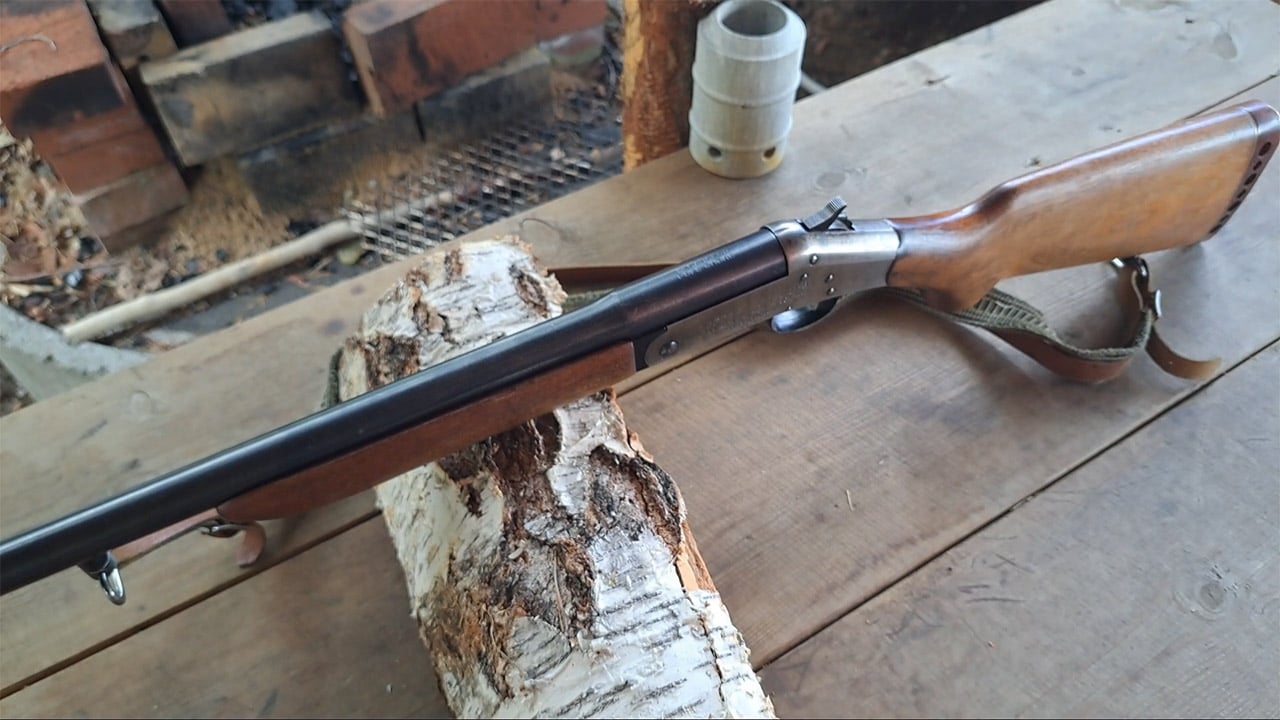
A single-shot won’t win any online arguments, but it teaches discipline and it’s handy to have around. Mine rode behind a truck seat for years, and I used it for everything from knocking down the occasional nuisance critter (legally and safely) to walking up squirrels with light loads. It was simple: break it open, check it, close it.
I sold it because it didn’t feel like a “real” shotgun compared to the rest of the safe. Then I had kids and nephews get old enough to tag along, and I missed having a no-nonsense trainer that wasn’t complicated. The older H&Rs are everywhere until you actually want one in decent shape with a solid lockup. Then they’re suddenly scarce.
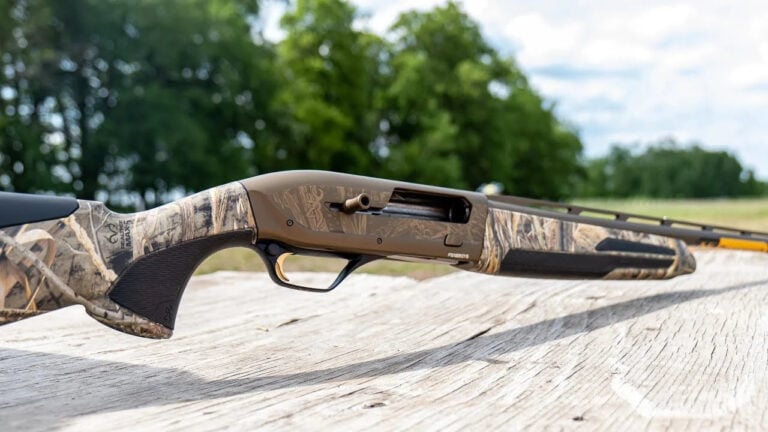
20. Benelli M2 Field (do-it-all 12 gauge)
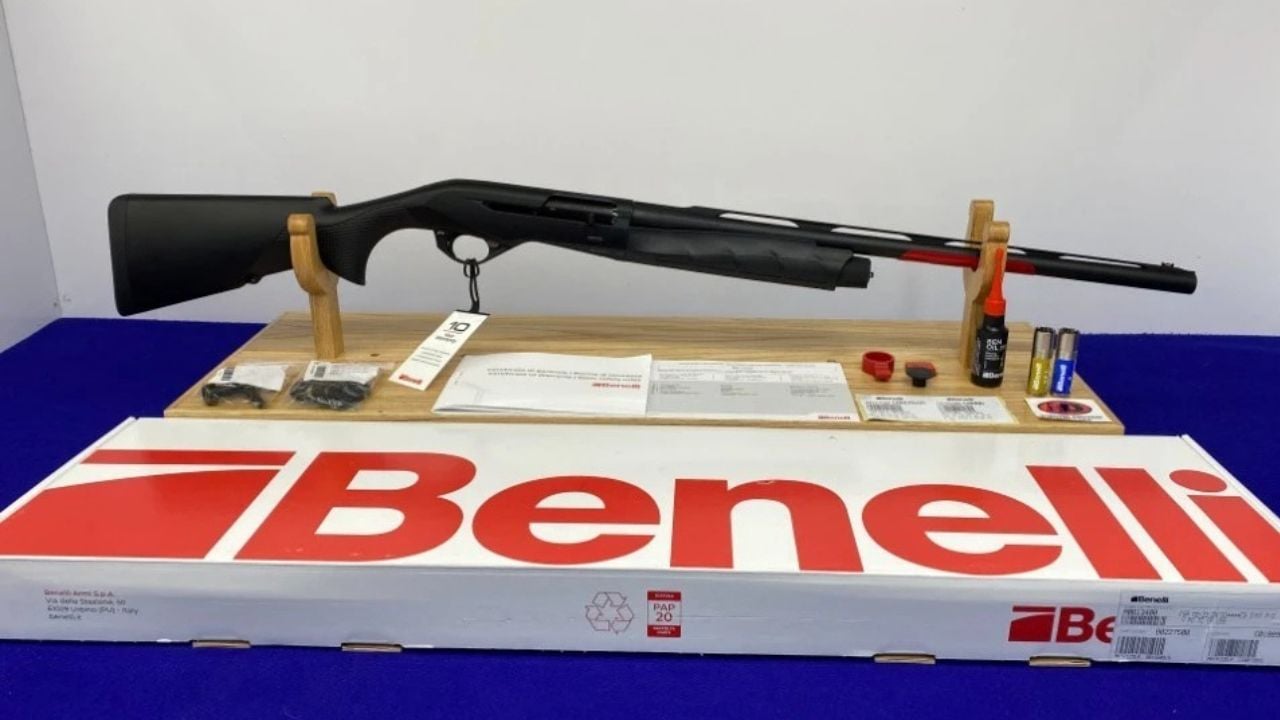
The M2 Field is a shotgun you can hunt with hard and still trust. It’s light enough for upland in a pinch, fast enough for doves, and reliable enough for waterfowl when the weather turns ugly. Mine had a plain black synthetic stock and looked boring, which is often the best kind of hunting gun.
I sold it during a stretch where I was juggling repairs and family stuff, telling myself I’d just buy another semi-auto later. The problem is, once you’re used to how an M2 mounts and how the controls feel, other guns feel like compromises. You can absolutely hunt without it. Still, I would not be quick to let one go if you’ve already proven it in your hands.
I’m not saying every shotgun on this list is rare, or even perfect. A few were heavy. A few were picky. A couple were pure nostalgia. But they all had one thing in common: they did a job in the real world, and I didn’t appreciate that until they were gone. If you’re staring at your safe because times are tight, I get it. Just be honest about which ones you can truly replace and which ones are going to keep you scanning used racks for the next ten years.
Like The Avid Outdoorsman’s content? Subscribe to our newsletter so you never miss an article.
Here’s more from us: