Photo credit: Winchester Ammunition/YouTube
Most of us hit a point where the “new rifle” phase wears off. You’ve tried the plastic-stock wonder guns, the rail-covered projects, and the latest cartridge that was supposed to do everything better. Then deer season shows up, or a cold morning on the trapline, or you just want a rifle that carries easy and works without drama. That’s when the lever-action comes back out of the safe.
Not because it’s trendy. Because it’s familiar. A good lever gun balances right, points quick in the timber, and rides in a truck without snagging on everything. Here are 20 lever-actions that folks who grew up with rifles tend to fall back on when they’re done experimenting.
1. Marlin 336 (JM-stamped)
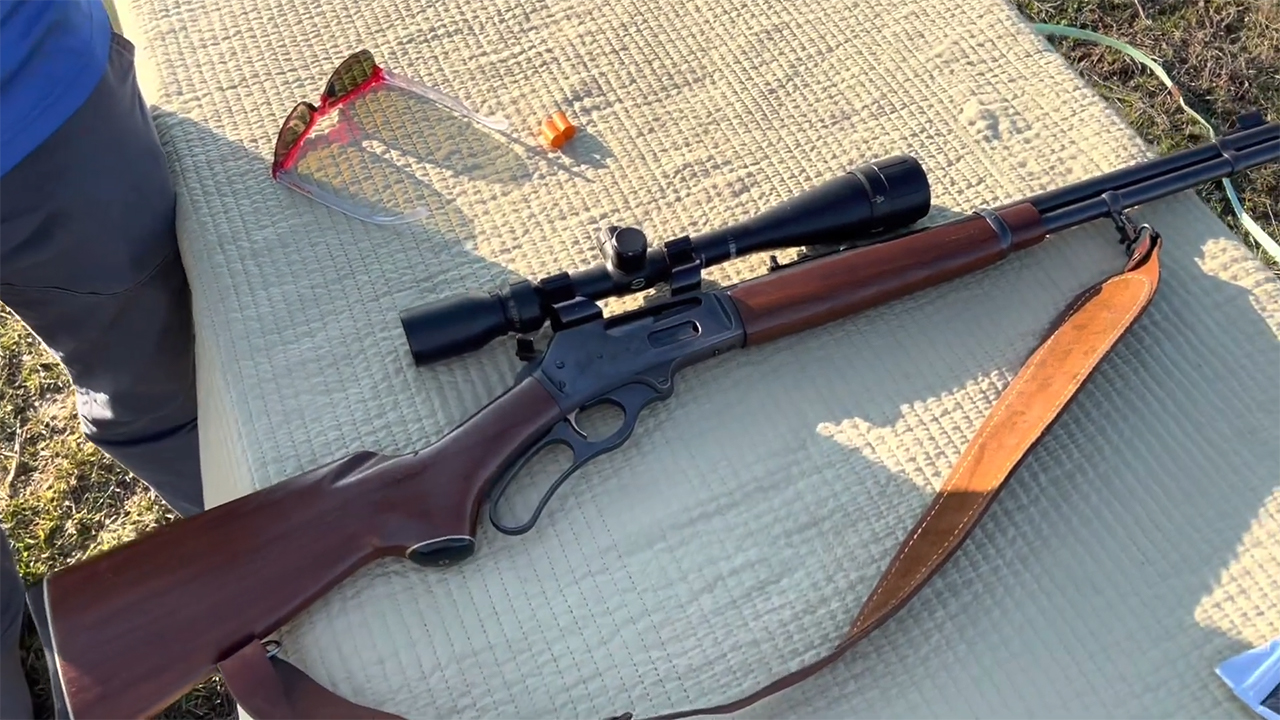
The 336 is what a lot of us picture when someone says “deer rifle.” It carries flat against your shoulder, doesn’t feel muzzle-heavy, and it comes to the eye fast when a buck slips through a gap at 60 yards. In .30-30, it’s not flashy, but it kills cleanly with plain soft points, and it does it without needing a long barrel or a big scope.
The older JM-marked guns have a smooth, broken-in feel that is hard to fake. The action isn’t buttery like a tuned competition rifle, but it’s honest and consistent. The downside is prices have climbed and the pretty ones disappear fast. Still, if you’ve got one that shoots, it’s the kind of rifle that keeps getting picked first when the weather turns ugly.
2. Winchester Model 94 (pre-64)
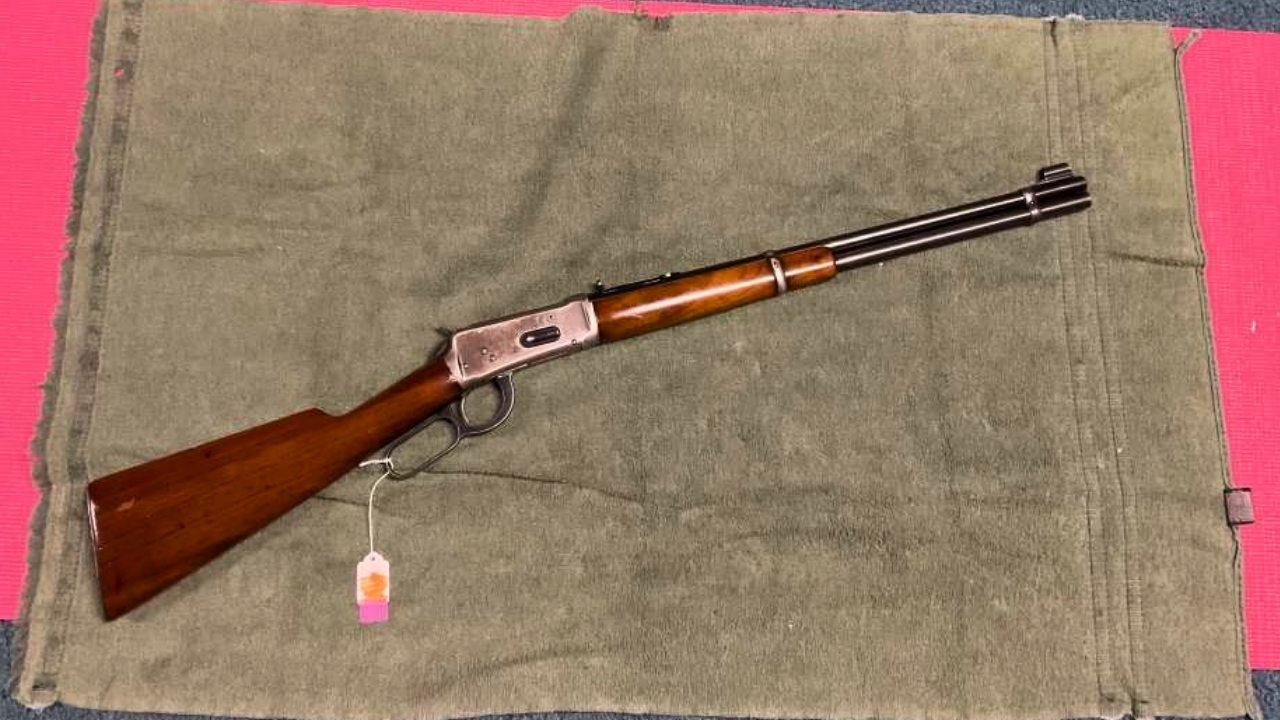
There’s a reason old-timers get protective about pre-64 Model 94s. They’re light, lively, and the balance is right between the hands. In thick woods, where a deer shows up and leaves in a couple seconds, that matters more than tiny groups at 200 yards. It’s a working rifle that never pretended to be anything else.
They’re not perfect. Many wear barrel sights that aren’t friendly to aging eyes, and some have seen enough saddle scabbards and truck racks to be loose. But when you cycle one that hasn’t been abused, you understand the reputation. If you ever owned one and sold it to fund something “modern,” that one hurts.
3. Henry Repeating Arms Big Boy Steel
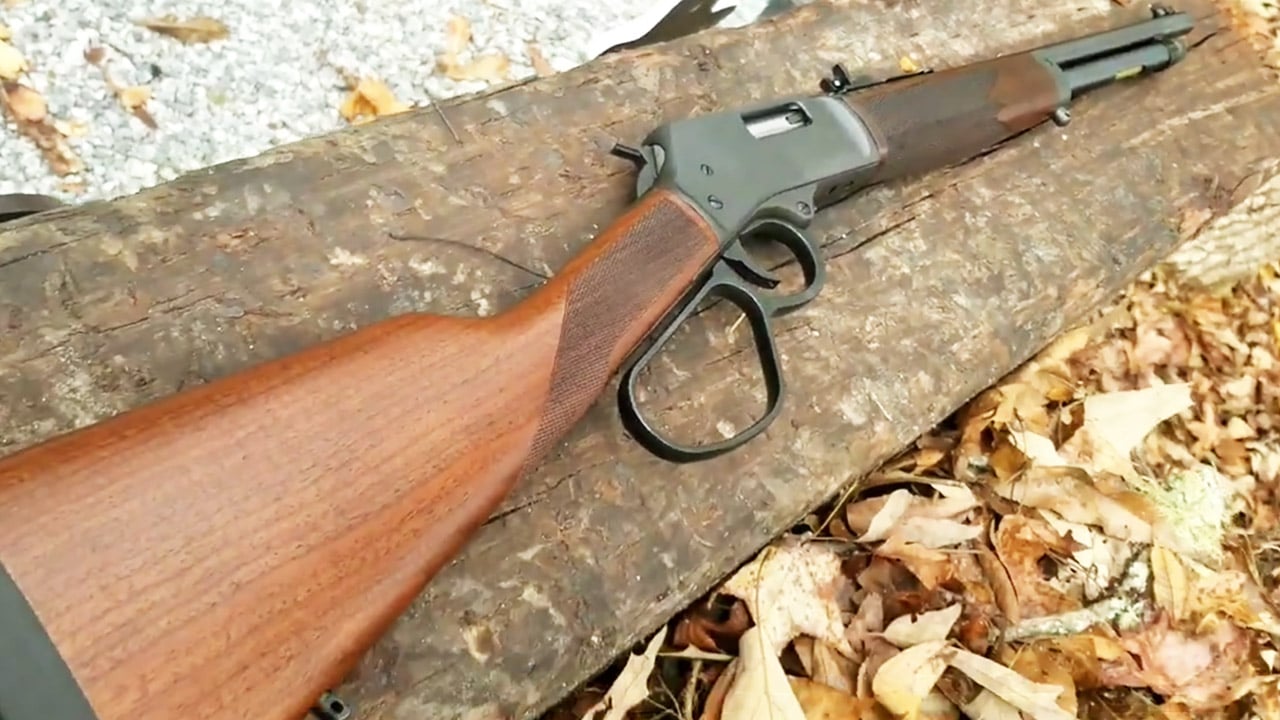
The Big Boy Steel is what you grab when you want a lever gun that feels solid and runs clean. Henry’s fit and finish is usually the first thing people notice, but what keeps them is how well the rifles behave across a long day. The action is smooth, the loading is straightforward for a lot of shooters, and they tend to be accurate enough to make you look better than you are.
They are not light. If you’re hiking ridges all day, you’ll notice it compared to the classic slim carbines. But for a stand gun, a brush gun, or a do-it-all rifle around the property, the weight also helps steadiness. In .357 or .44, it’s a handy “one box of ammo covers a lot of chores” kind of gun.
4. Marlin 1895 Guide Gun
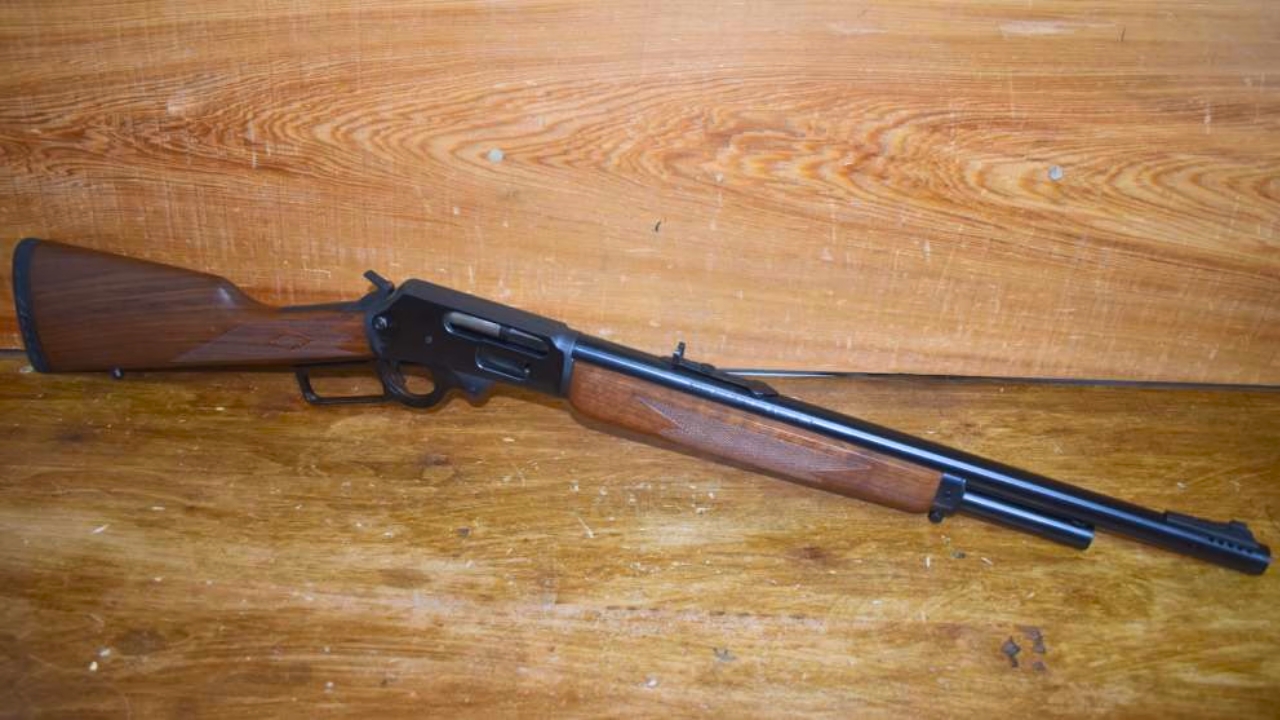
When somebody says “I just want a rifle that ends the problem,” the Guide Gun is usually what they mean. Short, quick, and chambered in .45-70, it’s a thumper that lives for close work in alder tangles and dark timber. It’s also a rifle that teaches honesty. If your recoil habits are sloppy, it will tell on you immediately.
It’s not a long-range hammer, and it doesn’t need to be. The point is a big, heavy bullet that penetrates and leaves an exit when angles aren’t perfect. The other point is the package: it carries easy and clears brush without snagging. Feed it sensible loads, practice a bit, and it’ll earn a permanent spot for bear country and thick-walled deer hunts.
5. Winchester Model 92 (Miroku-built)
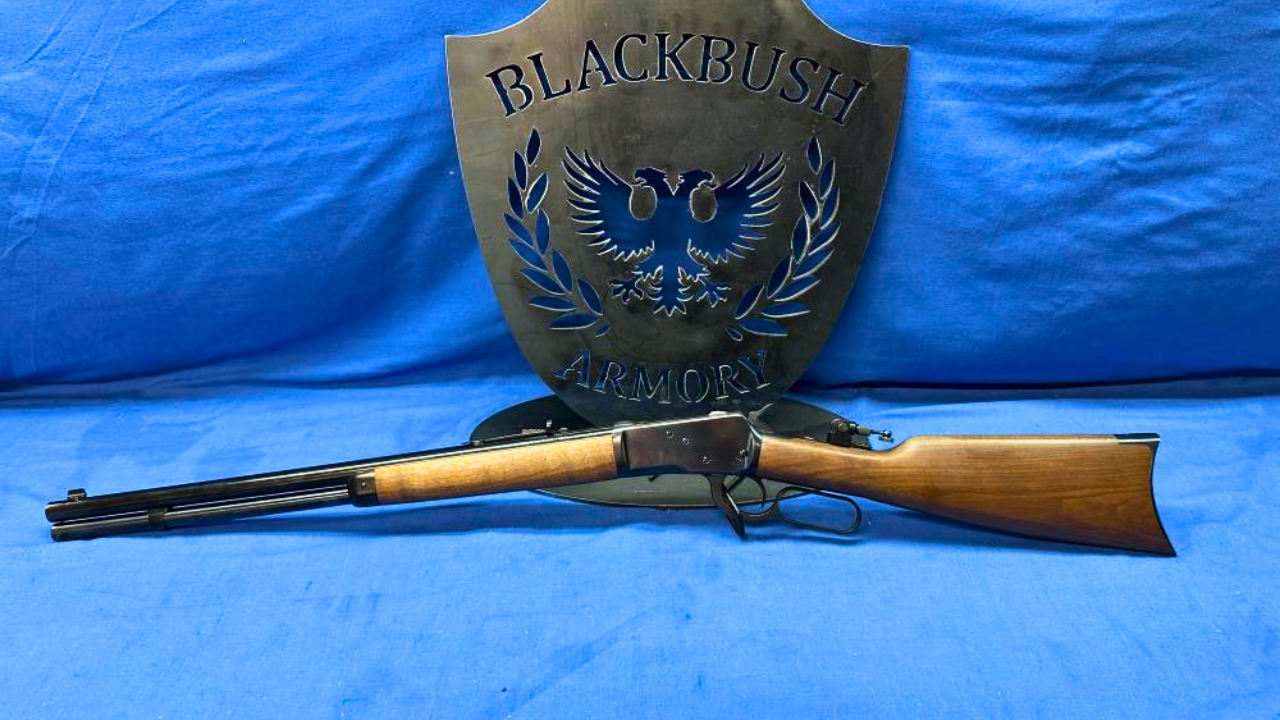
The 1892 design is slick, compact, and fast. The newer Miroku-built Winchesters have excellent machining, tight wood-to-metal fit, and that crisp feel that makes you want to cycle it even when you shouldn’t. In pistol calibers, it’s the kind of carbine that makes range days fun again without turning into a gear contest.
It’s also a rifle that makes sense for real use. A .357 Model 92 with good ammo is mild, practical, and cheap enough to shoot often. You can run it with gloves, it doesn’t mind dust, and it points like a bird gun. The only real knock is cost and availability—once you decide you want one, you’ll see why they don’t sit on racks for long.
6. Rossi R92
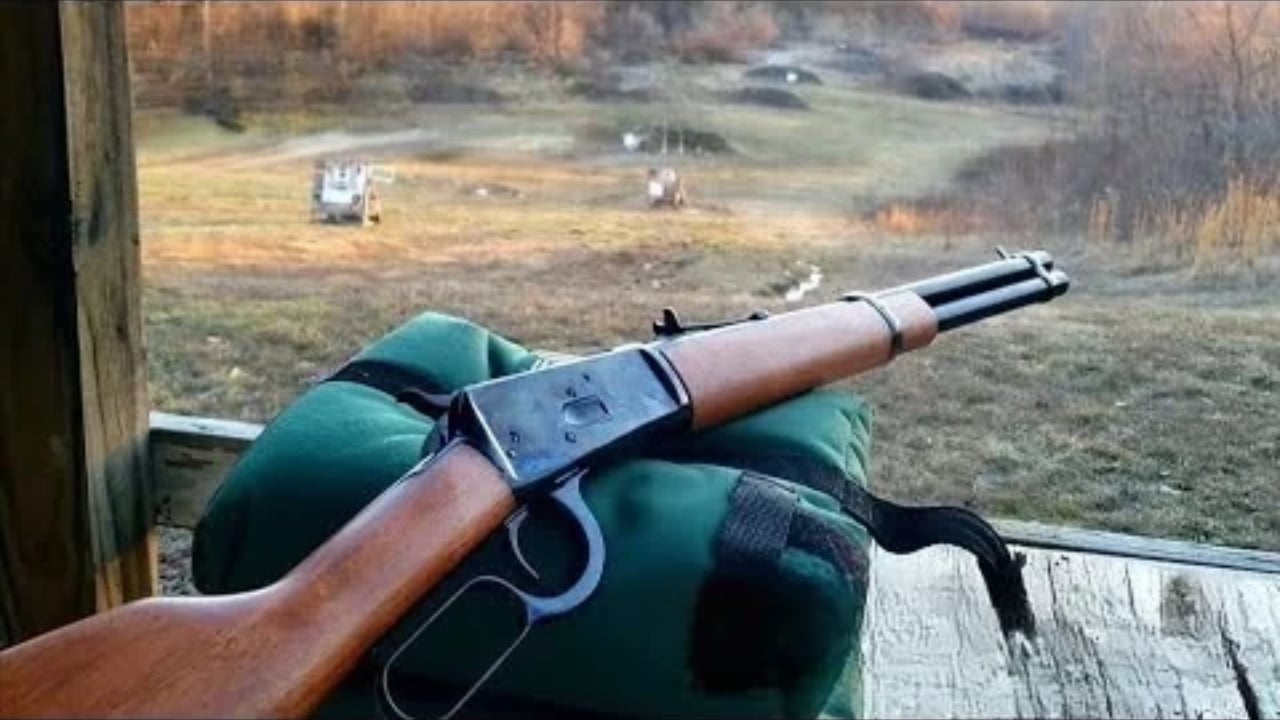
Rossi’s R92 is the working man’s entry into the “92” world, and plenty of them run just fine. They’re common in .357 and .44, and they get bought for everything from hogs to camp rifles. The appeal is simple: you can get into a handy lever gun without paying collector money.
Quality can vary, and that’s the honest truth. Some come smooth enough, others feel gritty until they’re shot and cleaned a few times. Sights may need attention, and wood fit isn’t always pretty. Still, when you get a good one, it’s a tough little rifle that rides behind a truck seat and doesn’t make you nervous about every scratch. For a lot of folks, that’s exactly why it gets used.
7. Browning BLR Lightweight ’81

The BLR is for the guy who loves lever actions but hunts country where 250-yard shots happen. A box magazine means you can run pointed bullets safely, and that opens up cartridges like .308, .243, and more. It doesn’t feel like a nostalgic toy—it feels like a serious hunting rifle that just happens to have a lever.
The tradeoff is complexity and cost. The action has more going on than a traditional tube-fed lever gun, and it’s not the one you want to tear apart on the tailgate. But in the field, it carries well, shoots flat, and cycles fast without breaking cheek weld. If you want one lever gun that can hunt woods and fields without switching platforms, this is where many land.
8. Savage Model 99
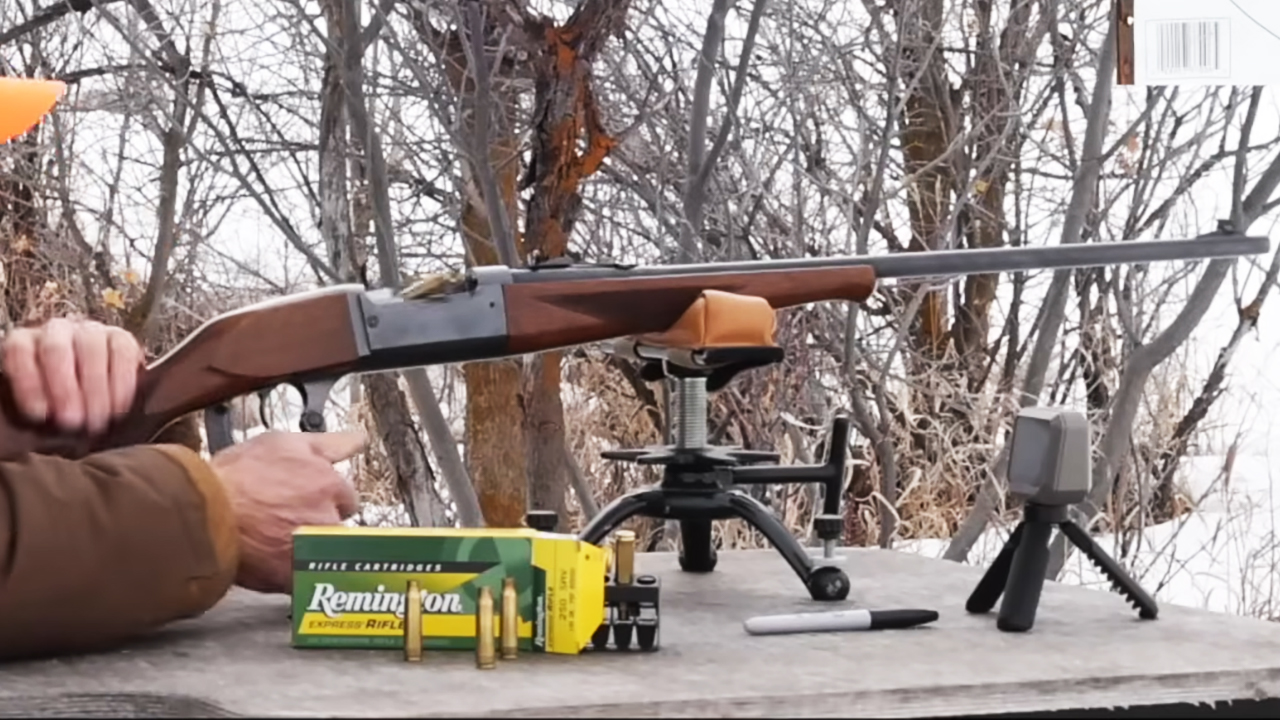
The Savage 99 is the lever gun for people who appreciate clever design. It has a distinct feel—more “rifle” than “carbine”—and it earned a reputation for accuracy that surprised a lot of bolt-gun loyalists. In cartridges like .300 Savage, it’s classic North American deer medicine, and it still kills like it always did.
They can be pricey now, and parts aren’t as casual as a Model 94. You also want to pay attention to condition because some have lived hard lives. But a good 99 balances tradition with capability in a way that’s hard to replace. It’s the kind of gun that makes you slow down, shoot well, and appreciate a rifle that was built with pride.
9. Henry X Model
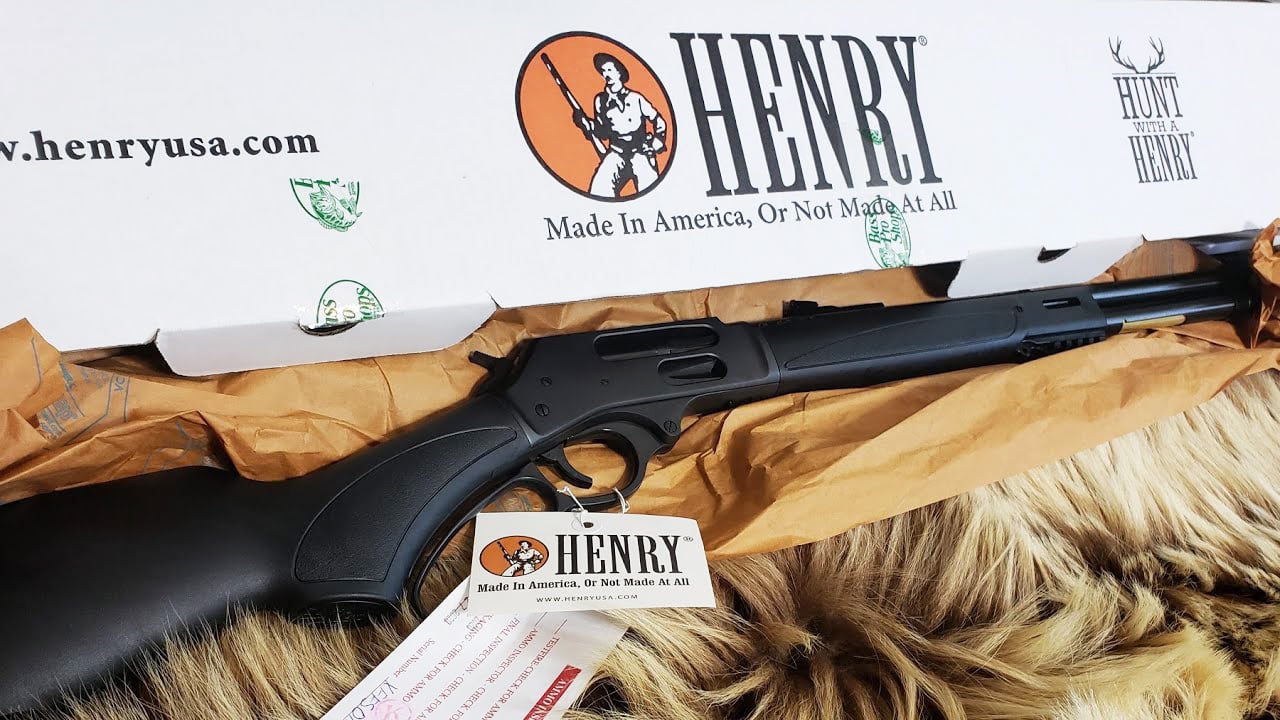
The X Model is a modern lever gun that actually makes sense, not one that’s trying too hard. You get a tough finish, a threaded muzzle on many versions, and furniture that handles weather without swelling. More important, it still handles like a lever gun should. If you’re running it in rain, snow, or dust, you’ll appreciate not babying it.
These rifles show up a lot with hog hunters and folks who want a handy property rifle in .357, .44, or .45 Colt. They’re also popular with guys who like red dots for quick shooting, and the setup works well. It’s not “classic,” but it’s practical, and practical wins once the new-gun excitement is gone.
10. Marlin 1894 (older .357 Magnum)
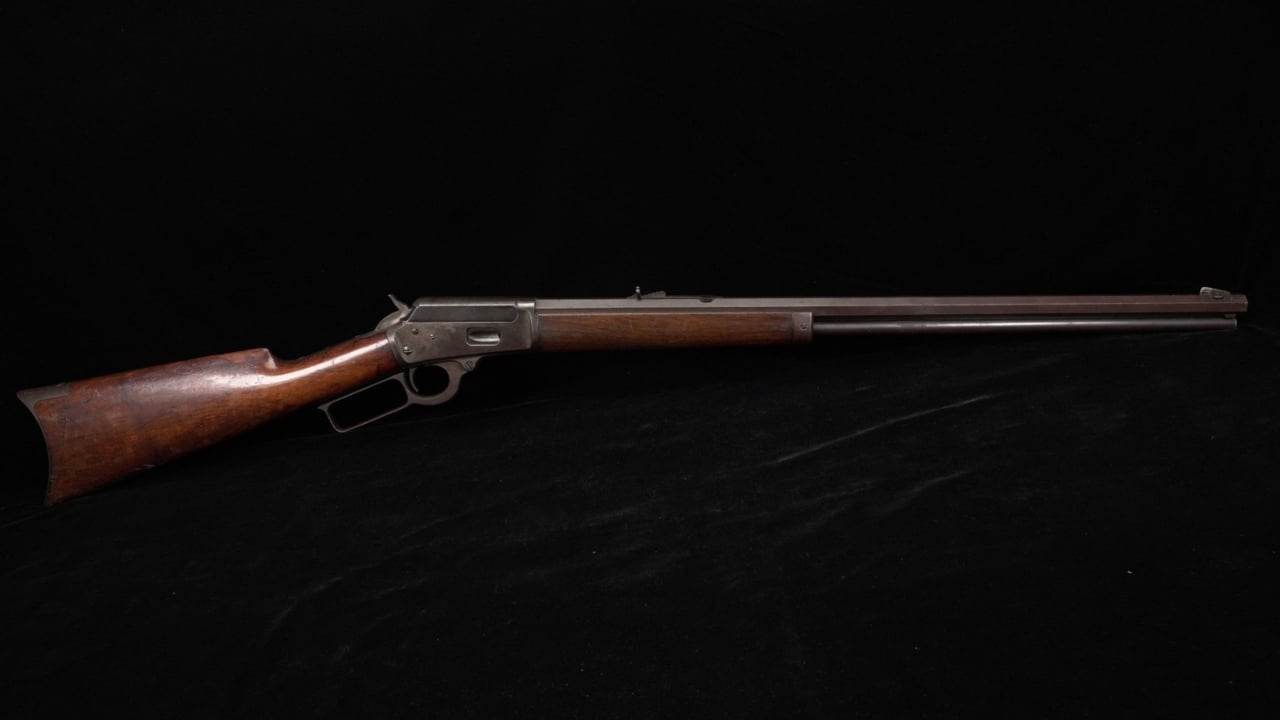
A good Marlin 1894 in .357 is one of the most useful rifles you can own. It’s light, quick, and with the right loads it can handle deer at sane ranges while staying cheap enough to practice with regularly. A lot of folks pair it with a .357 revolver, and that’s not just cowboy talk—it’s genuinely convenient.
The older guns tend to have that smooth cycling feel and solid ejection that makes you trust them. They’re also easy to scope if that’s your thing, and they don’t beat you up on the bench. The catch is the market: clean ones don’t stay cheap, and the ones that were “truck guns” for 20 years can be pretty worn out. If you find one that’s right, hang onto it.
11. Winchester Model 94 Trapper
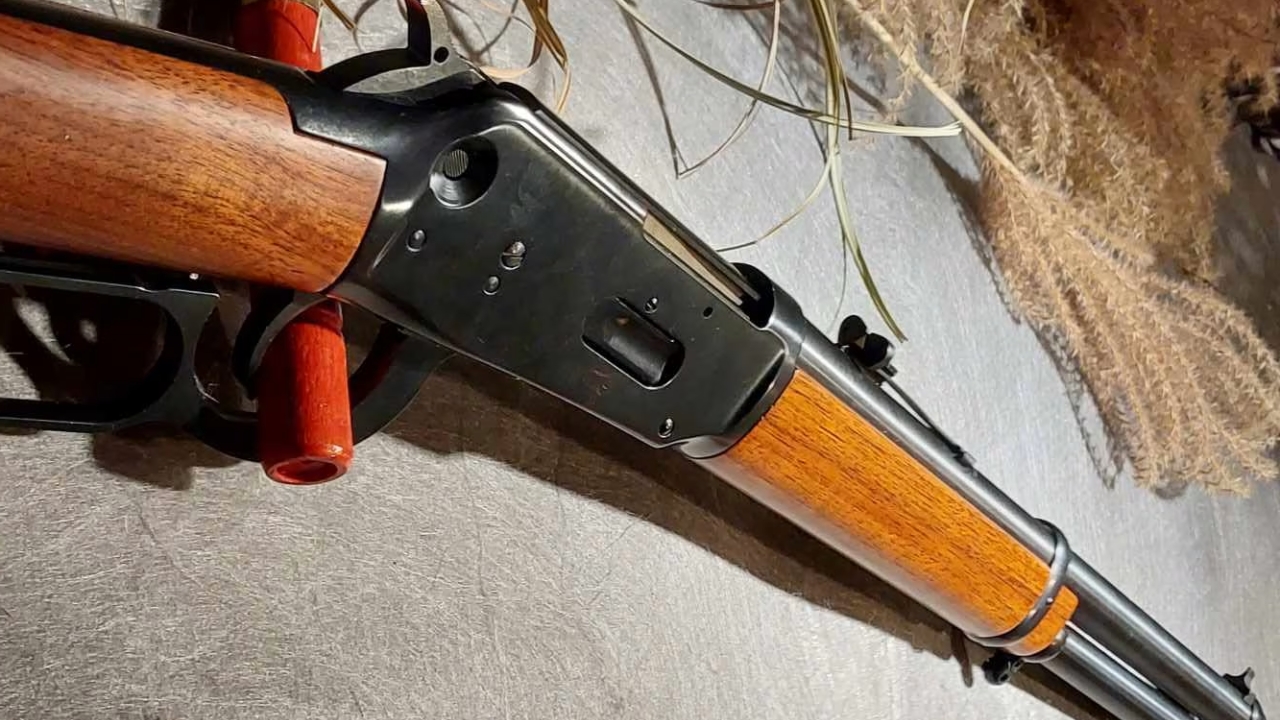
The Trapper is the short, handy version that feels like it was made for creek bottoms and tight cover. You can slip through brush with it without banging the muzzle on every sapling. It’s quick to shoulder and quick to cycle, and it fits in places a full-length rifle feels awkward. This is the lever gun that makes you grin when you carry it.
It’s also louder and gives up some velocity, which matters if you’re stretching a .30-30 farther than it wants to go. But most Trapper rifles aren’t bought for bean fields. They’re bought for “I might jump a deer at 30 yards” hunting, for checking fence lines, and for the simple fact they’re fun. Fun matters more than people admit.
12. Marlin 39A
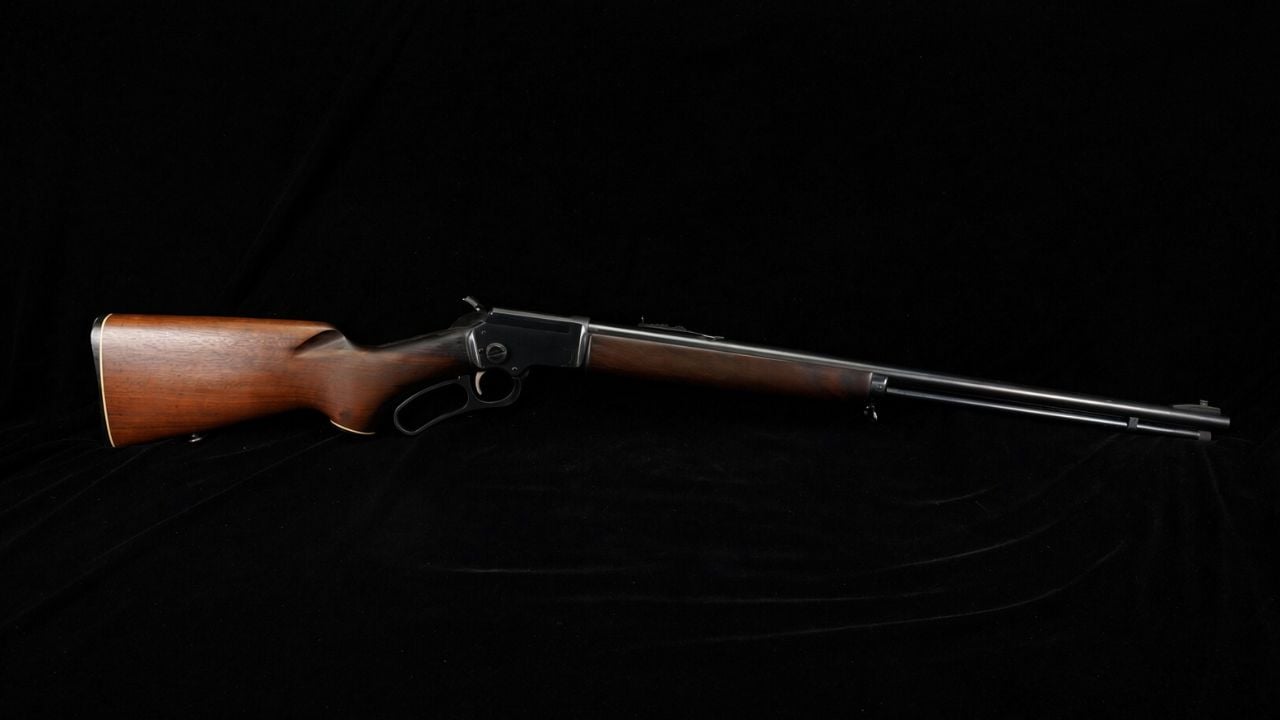
The 39A is what happens when a .22 lever gun is built like a real rifle instead of a toy. They’re accurate, they last forever, and they make small-game hunting feel like hunting, not just plinking. If you grew up shooting squirrels with a lever .22, this is the grown-up version of that memory.
They’re not light, and that surprises new owners. But the weight steadies the rifle, and the balance is excellent for offhand shots on moving critters. Another big deal is how well they hold value because they’re not being made the same way anymore. If you’ve got kids or grandkids, a 39A is the kind of rifle that gets passed down because nobody ever finds a good reason to get rid of it.
13. Henry Classic Lever Action .22 (H001)
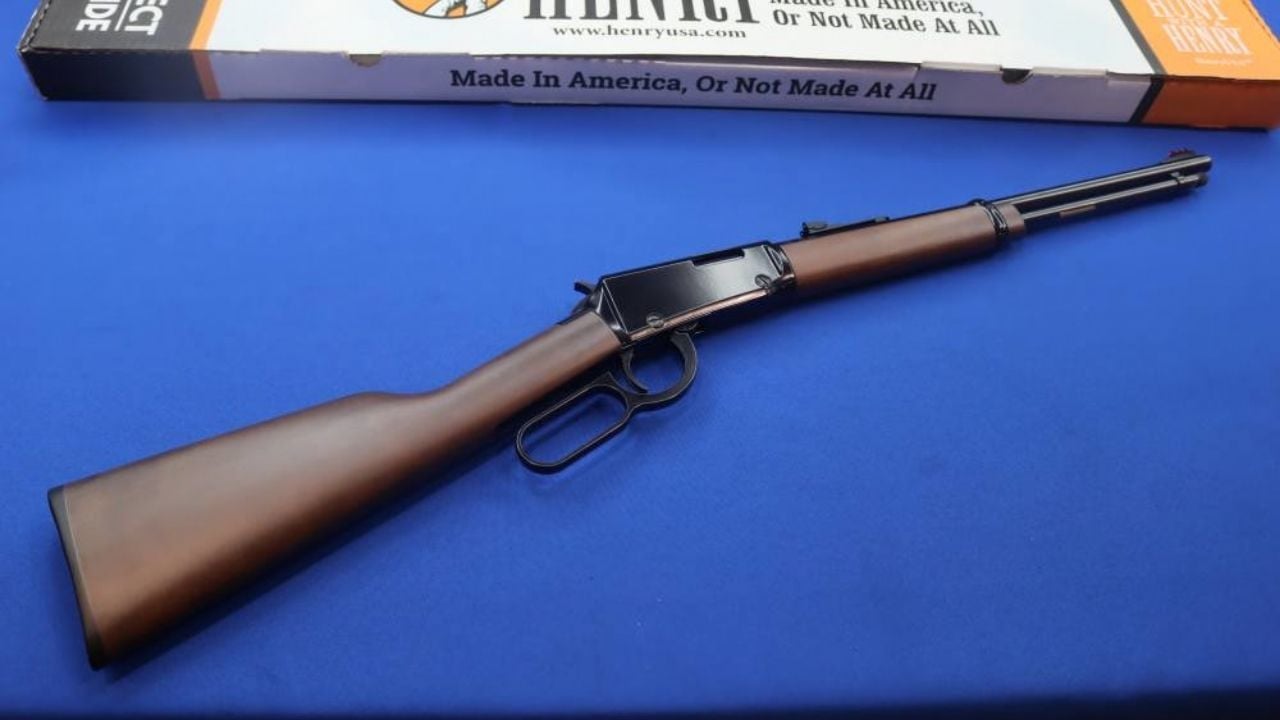
This is the lever .22 that shows up in a lot of cabinets because it works and it doesn’t cost a fortune. The Henry H001 is simple, reliable, and friendly to new shooters. The action is smooth right out of the box, and it doesn’t punish you with finicky behavior. For teaching safe gun handling and basic marksmanship, it’s hard to beat.
No, it’s not a high-end heirloom piece, and the sights are basic. But that’s the point: it’s a rifle you don’t mind carrying around the farm, tossing in a scabbard, or taking to the range with a brick of .22. When the fancy stuff starts feeling like maintenance projects, this is the rifle that gets used because it’s easy.
14. Winchester Model 9422
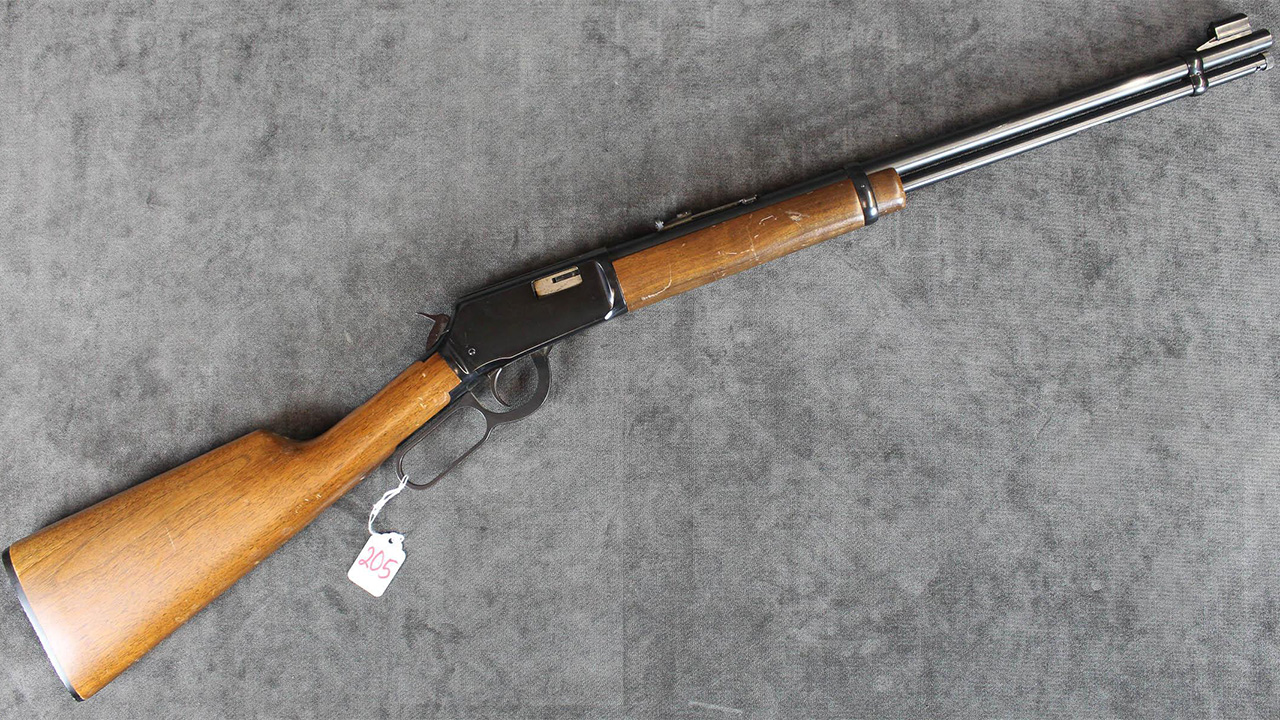
The 9422 is one of those rifles that makes you understand why .22 lever guns became collectibles. It has that slick, tight feel that’s hard to describe until you run one. They tend to shoot better than you expect, and they’re built with a level of polish that you don’t see much in rimfires anymore.
The problem is they’ve gotten expensive, and a lot of them sit in safes because owners are scared to scratch them. I get that, but it’s also a shame. These rifles deserve to be carried, not just admired. If you own one, shoot it. If you’re shopping for one, check the bore and the crown, and don’t assume “pretty” means “perfect.” A used hard rifle can still be a great shooter.
15. Uberti 1873 (toggle-link rifle)
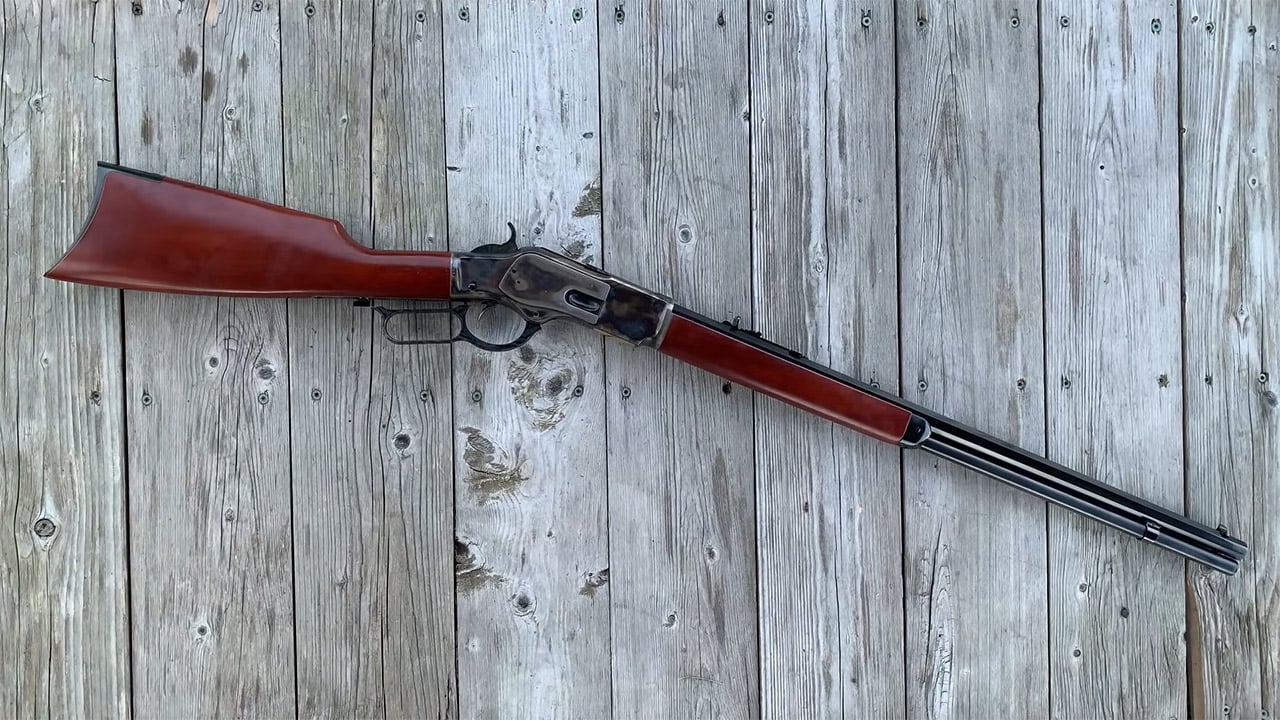
The 1873 pattern is the one that feels like pure lever-action history in your hands. Uberti’s versions are popular with cowboy action shooters for a reason: they can be extremely smooth, fast, and consistent. In .357 or .44-40 style setups, they’re pure fun, and they make you want to practice cycling and shooting clean.
They are not the toughest design for high-pressure abuse, and that’s where some folks get sideways. Treat it like what it is, feed it appropriate loads, and it’ll run a long time. It’s also a rifle that rewards good handling. If your technique is sloppy, you’ll short-stroke it and feel foolish. Get it right, and it feels like cheating.
16. Uberti 1892
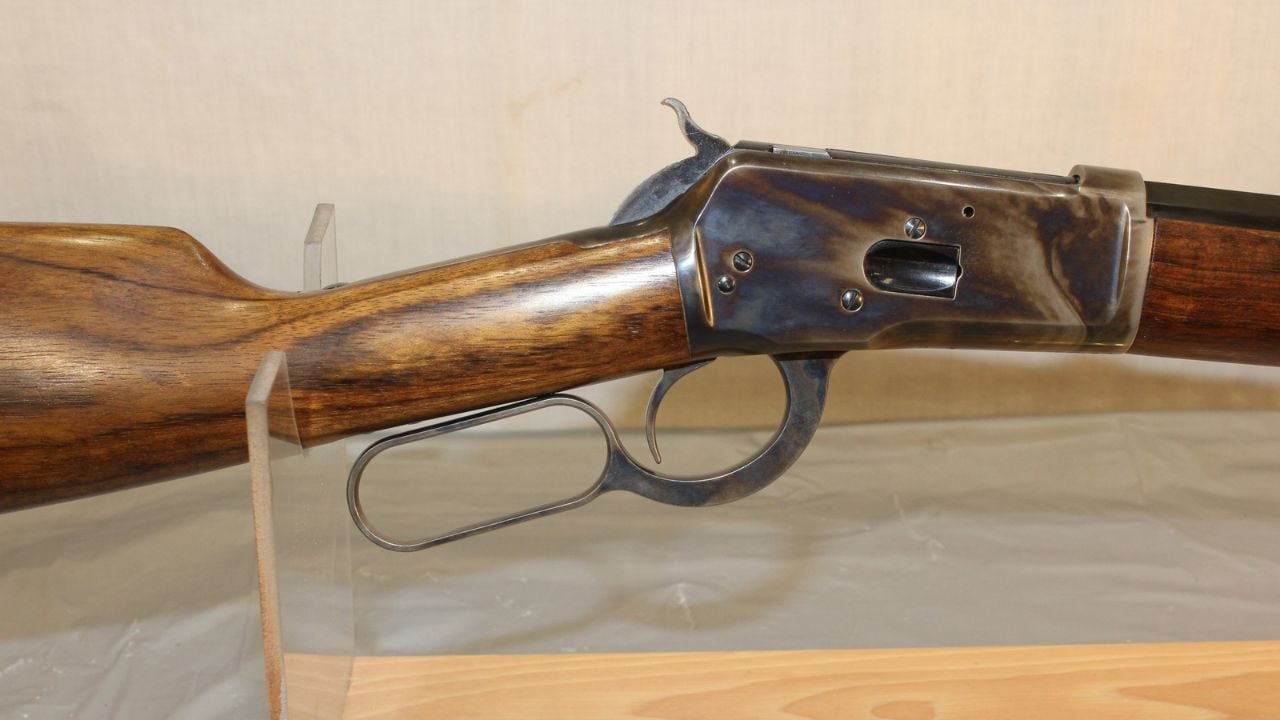
If you like the compact feel of the 92 but want old-school lines, Uberti’s 1892 scratches that itch. These rifles tend to be well-finished with decent wood and good blueing, and they handle like a carbine should. In .357, they’re easy to shoot all afternoon, and they make a strong case for pistol-caliber carbines as real tools, not just nostalgia.
They’re also common in the hands of hunters who want a light rifle for thick cover but don’t want a modern tactical look. The action can be stiff at first, but many smooth out with use. Parts and service aren’t as everywhere as Marlin or Henry, so I’d keep it clean and avoid backyard “gunsmithing.” Treat it right and it’ll treat you right.
17. Chiappa 1892 Alaskan Takedown

Takedown levers are a niche, but they’re a useful niche. The Chiappa 1892 Alaskan Takedown is the kind of rifle that ends up in airplanes, boats, and UTVs because it packs down smaller. For folks who travel to hunt, or who want a compact emergency rifle that doesn’t scream “survival gimmick,” it’s a real option.
The downside is that takedown systems add another place for tolerance stacking and loosening over time. You want to check that it stays tight and maintains zero, especially if you’re using an optic. But when you get a good one, it’s a handy, rugged carbine that’s easy to stow and quick to assemble. It’s not for everyone, but the right owner will use it a lot.
18. Mossberg 464
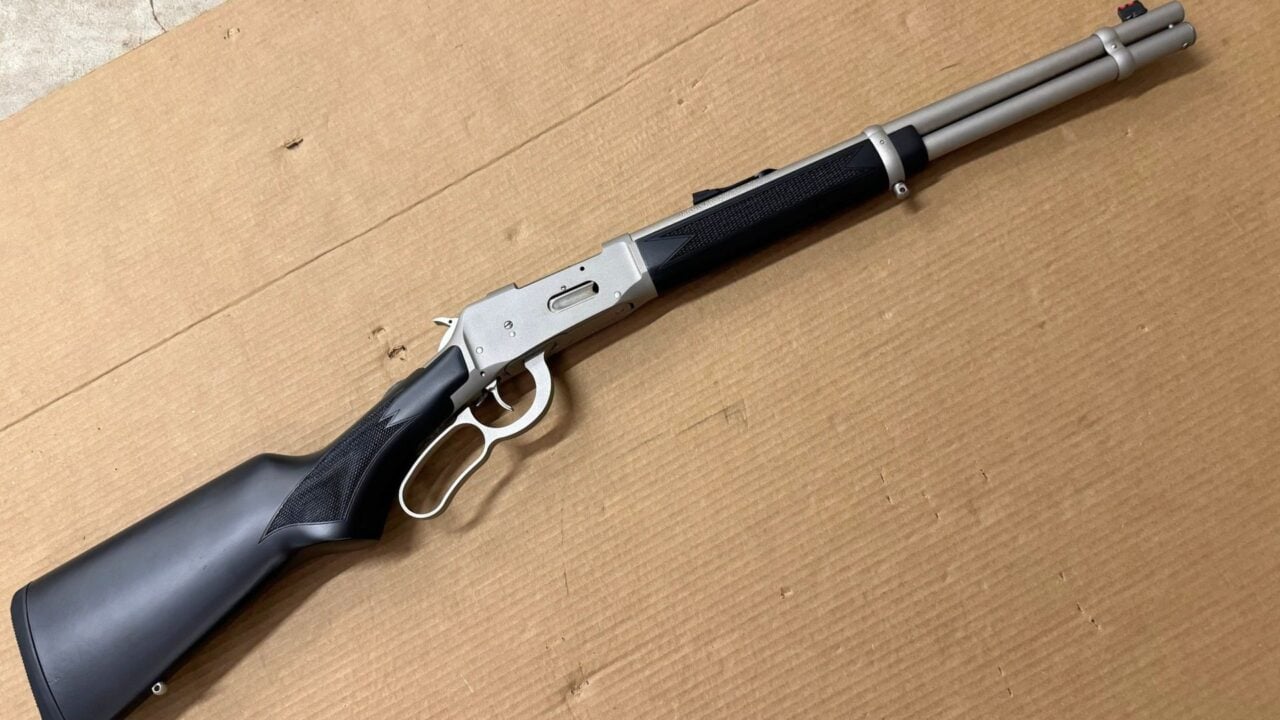
The Mossberg 464 doesn’t get the same love as the big legacy names, but it has quietly filled a lot of deer tags. It’s a straightforward .30-30 lever gun that does what it’s supposed to do, and it’s often found at a price that makes sense for a working rifle. When a rifle’s job is to ride in a truck and hunt hard, price matters.
Some examples feel a bit rough in the action, and the finish isn’t going to impress collectors. But that’s not why you buy it. The sights are usable, the controls are familiar, and it shoulders well enough for close-to-mid woods hunting. For the guy who wants “good enough” without paying for a name, the 464 is a practical answer.
19. Winchester Model 88

The Model 88 is a lever gun for bolt-gun people. It runs from a box magazine, it handles pointed bullets, and it often comes in serious hunting cartridges like .308. It also has a different feel than traditional lever actions—more like a sleek hunting rifle with a lever added, and that’s a compliment if you hunt mixed terrain.
They can be surprisingly accurate, and when you find one that hasn’t been messed with, it’s a classy rifle with real capability. The tradeoff is that they’re not as common, and you don’t see spare parts sitting everywhere. If you buy one, buy it because you plan to keep it, maintain it, and hunt with it. The 88 is one of those rifles that feels “right” once you’ve carried it a mile or two.
20. Ruger-made Marlin 336 (new production)
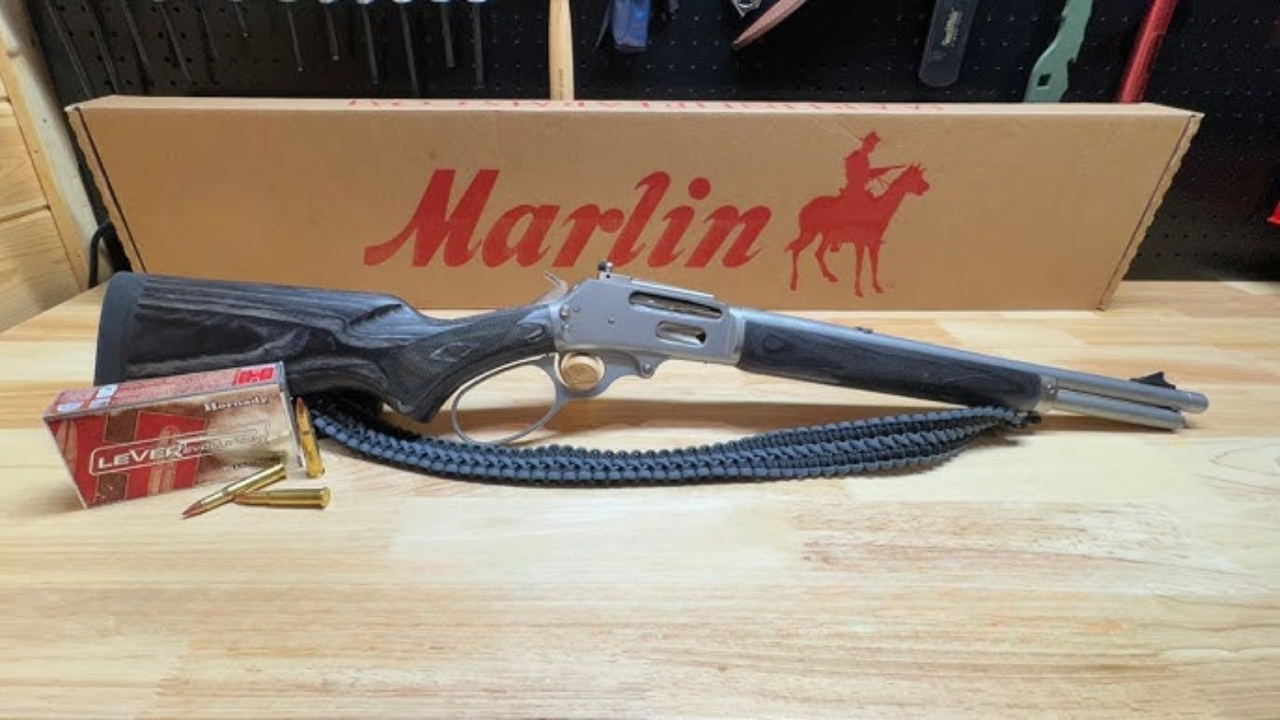
The newer 336s made under Ruger’s watch have brought a lot of confidence back to the “new lever gun” idea. The machining is clean, barrels tend to shoot, and the rifles feel like they were put together by folks who understand what a deer rifle is supposed to be. They’re not trying to reinvent anything. They’re trying to build a solid 336 again, and that’s what most hunters wanted.
They’re not cheap, and you’ll still see used rifles sell fast because old habits die hard. But if you want a lever gun you can buy new, hunt hard, and not worry about being the second or third owner of a mystery rifle, this is a strong option. A basic .30-30 that works every time is never exciting online, but it’s exciting when a tag gets filled.
There are fancier rifles out there, and there are certainly louder opinions. But lever-actions keep earning their place because they do a lot of things right without demanding much from you. They carry well, they point naturally, and they’re plenty of gun for the distances most real hunting happens. If you’ve been chasing the next big thing, don’t be surprised when you end up right back here—working a lever, watching the sights settle, and wondering why you ever left.
Like The Avid Outdoorsman’s content? Subscribe to our newsletter so you never miss an article.
Here’s more from us: