Photo credit: Dan Galvani/Pexels
Cheap ammunition exposes weaknesses quickly. Inconsistent powder charges can short-stroke a slide, hard primers can cause light strikes, rough cases can resist extraction, and odd bullet shapes can hang up before reaching the chamber.
No pistol can make defective ammunition safe or dependable. A badly seated bullet, cracked case, or squib load should never be fired. Still, some designs tolerate ordinary bargain-bin inconsistency better than others. These 20 pistols often keep functioning with dirty steel cases, mixed hollow points, weak range loads, and ammunition that makes more sensitive guns start choking.
Ruger P90
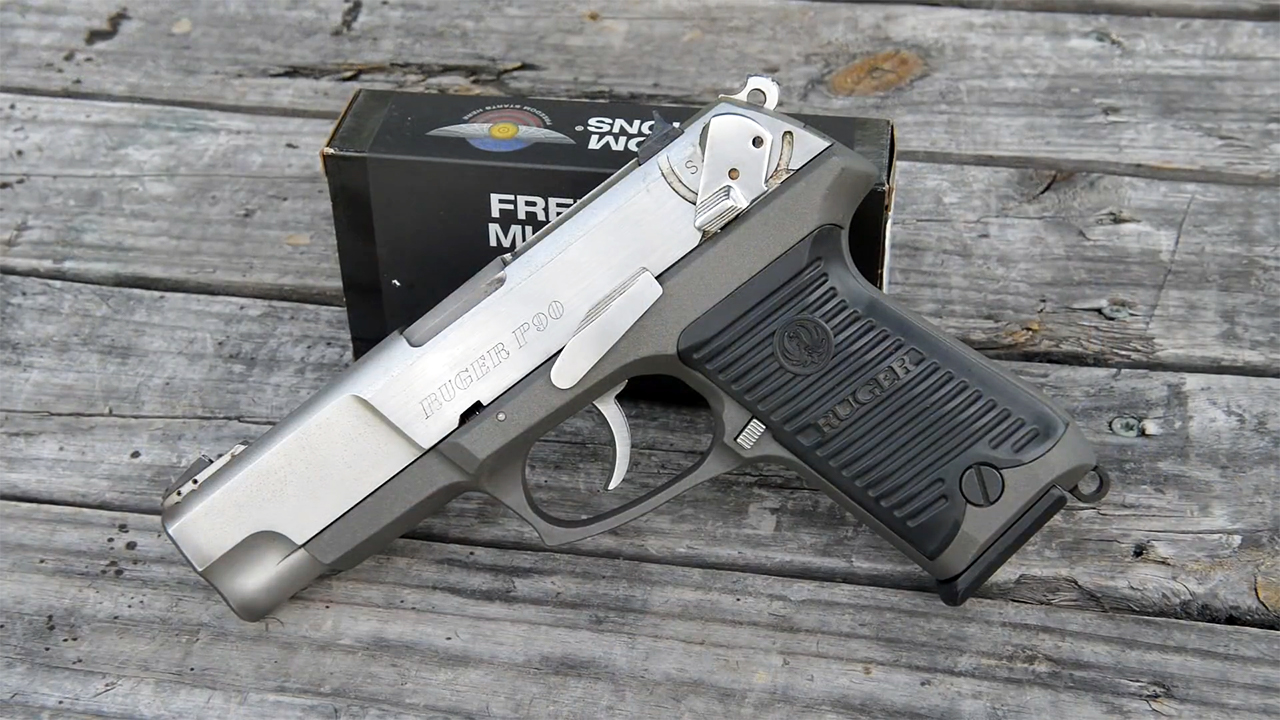
The Ruger P90 was built during a period when the company seemed determined to make pistols thicker and stronger than necessary. Its oversized slide, broad feed ramp, and loose duty-style fit give questionable ammunition plenty of room to work.
The pistol is not elegant, and its double-action trigger feels dated. What it does well is feed a wide range of .45 ACP bullet shapes without demanding polished cases or carefully tuned magazines. Mild target loads, inexpensive full-metal-jacket ammunition, and many hollow points generally cycle without drama. The P90’s lack of refinement becomes an advantage when ammunition quality is inconsistent.
Smith & Wesson Model 4506
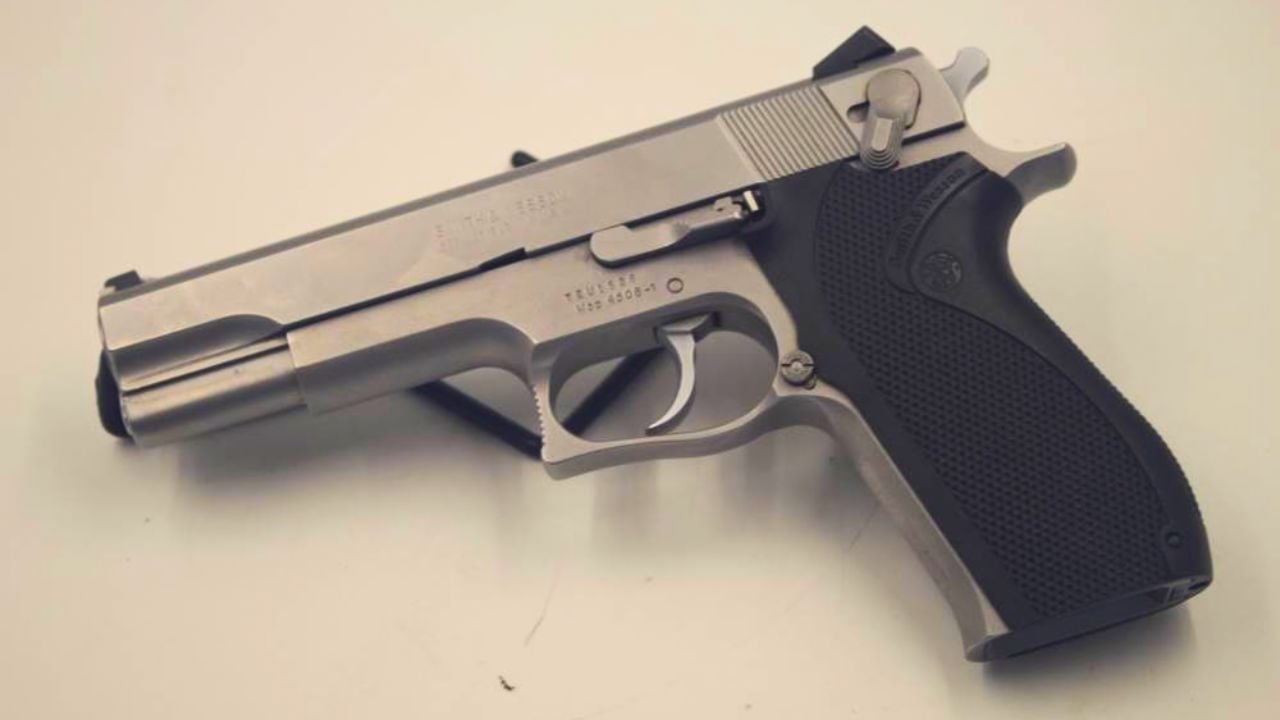
The Model 4506 is a heavy stainless-steel .45 ACP pistol originally built around police and duty use. Its substantial slide carries enough momentum to complete the cycle even when ammunition is slightly underpowered or dirty.
The feed path is broad, the extractor is strong, and the magazines were designed around serious service use rather than minimum weight. The pistol is unnecessarily heavy by modern standards, but that mass makes it forgiving. Ammunition that feels weak or rough in a compact .45 often runs normally through the 4506.
SIG Sauer P220
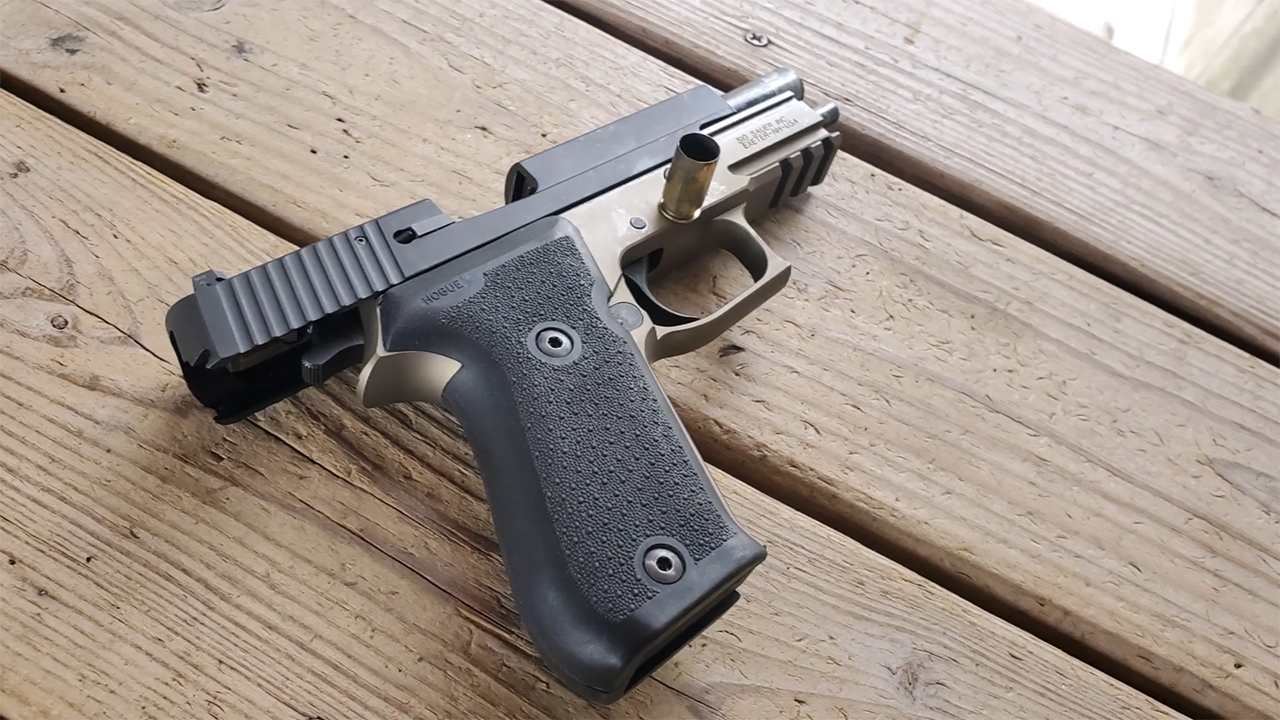
The P220 has long been trusted with ordinary ball ammunition and modern defensive loads because its single-stack magazine presents cartridges at a direct feeding angle. That simple path reduces the number of opportunities for an unusual bullet profile to catch.
Its alloy frame requires lubrication, but the slide and locking system provide a healthy operating margin. The P220 generally handles standard-pressure ammunition, inexpensive practice loads, and a broad range of hollow points without needing feed-ramp work. It remains one of the more forgiving traditional .45 ACP pistols.
Heckler & Koch USP 45
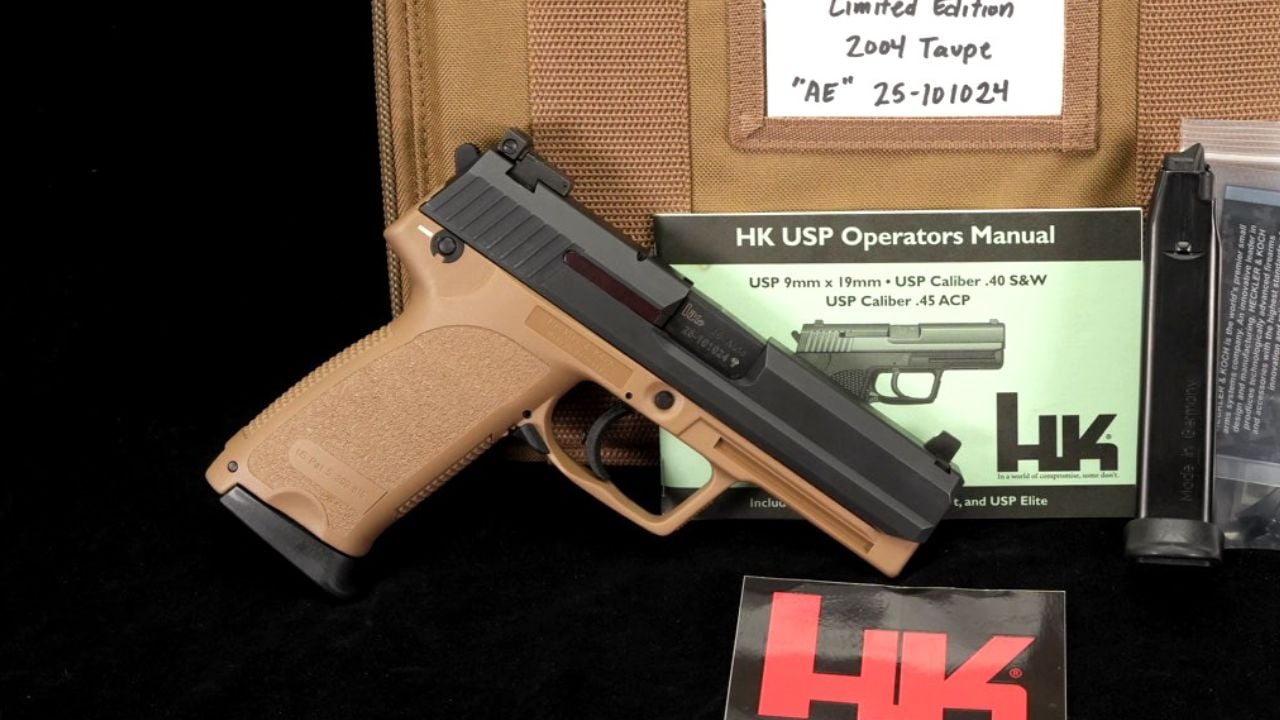
The USP 45 was designed around hard use and ammunition variety. Its large slide, strong recoil assembly, and generous chamber dimensions help it function when cases are dirty or cartridge pressure varies slightly.
The grip is large and the trigger is hardly modern, but the pistol rarely feels mechanically delicate. It feeds traditional ball ammunition, wide defensive hollow points, and many lighter practice loads with surprising consistency. The USP is one of the pistols most likely to keep shooting while another .45 is beginning to slow down.
FNX-45

The FNX-45 uses a wide double-stack magazine and a large service-size slide. Despite the complicated-looking package, its feed system is straightforward and well suited to different bullet shapes.
The pistol has enough slide mass to tolerate mild loads, while the extractor provides strong purchase on cases that are not perfectly smooth. Its magazines are expensive, but good examples present ammunition consistently. The FNX-45 tends to digest everything from inexpensive ball to broad-mouthed defensive ammunition better than its high-capacity design might suggest.
Beretta 8045 Cougar
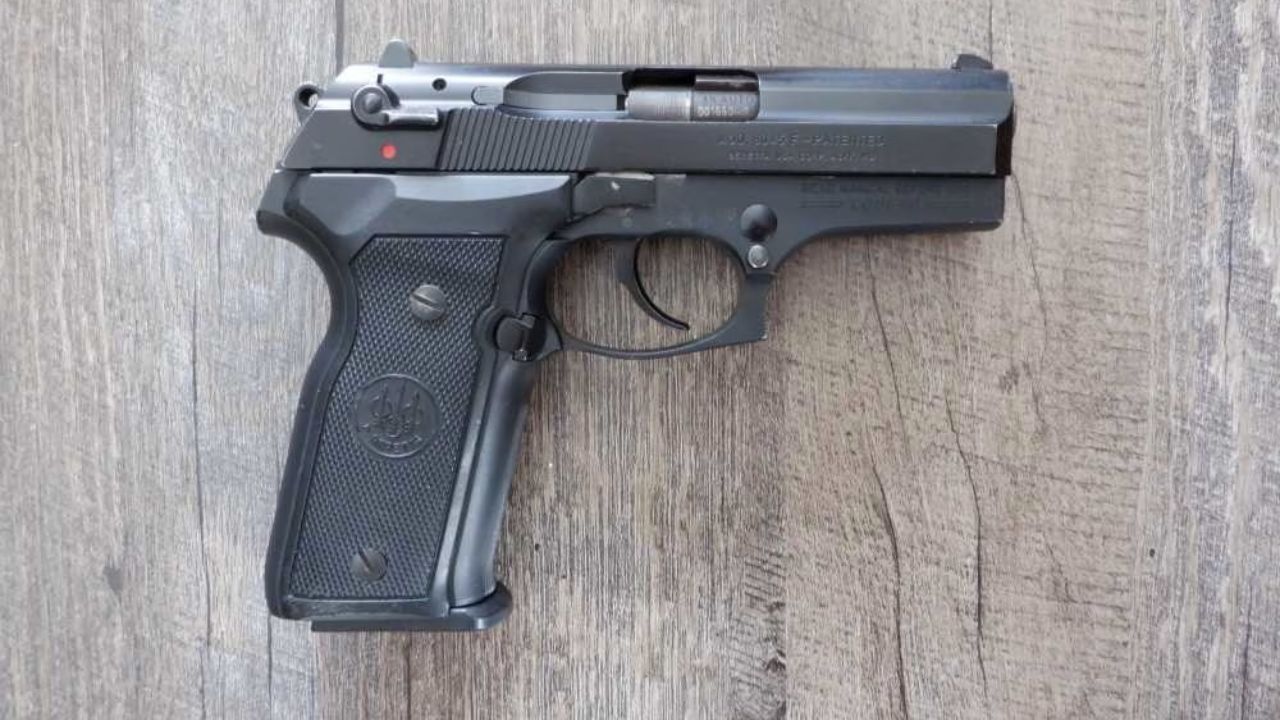
The Beretta Cougar uses a rotating-barrel action rather than the common tilting-barrel system. In .45 ACP, the heavy slide and smooth rotation create a broad operating window.
The pistol is thick and no longer fashionable, but it is not especially picky. Its feed ramp, magazine geometry, and controlled slide movement handle a variety of bullet weights and profiles. Used Cougars are often purchased as inexpensive range guns and then surprise owners by cycling ammunition that gives smaller .45 pistols trouble.
Smith & Wesson Model 3913
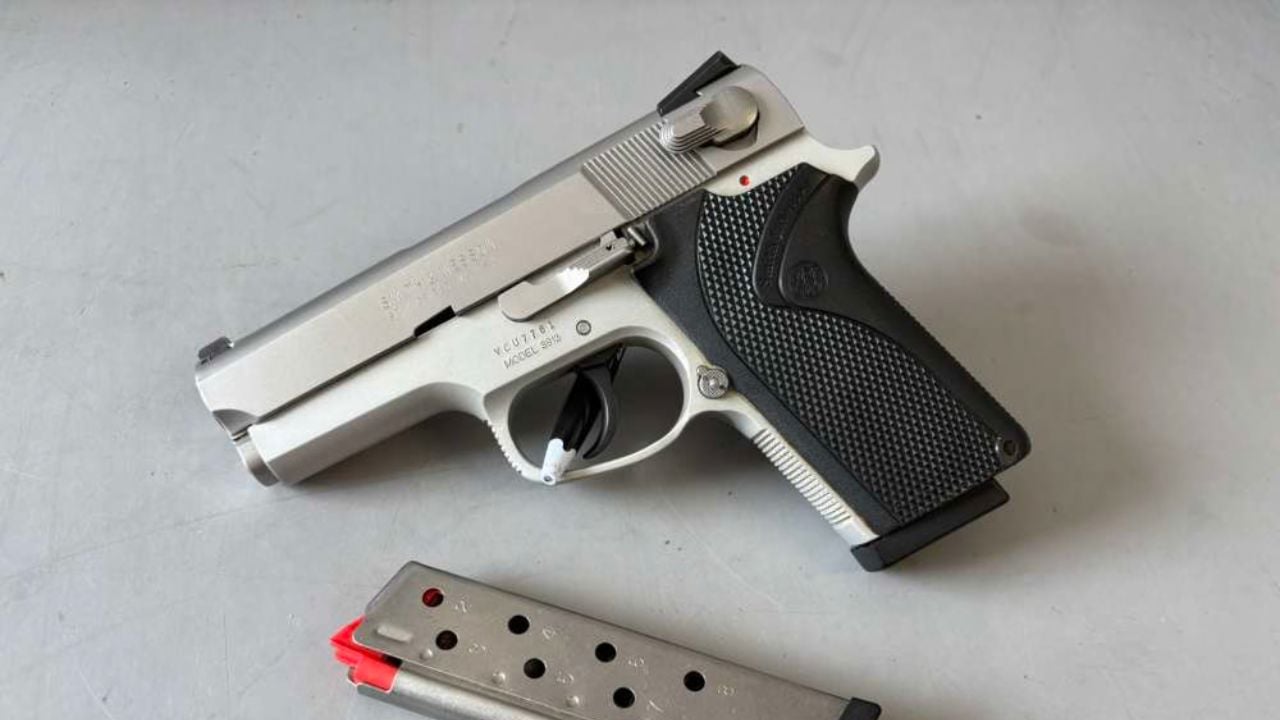
The Model 3913 is a compact single-stack 9mm from Smith & Wesson’s third-generation pistol family. Its narrow magazine presents cartridges cleanly and reduces the side-to-side movement found in some double-stack compact designs.
The pistol can handle ordinary full-metal-jacket ammunition and many hollow-point shapes without becoming sensitive to overall length. Its metal frame and substantial slide also help with weaker practice loads. The 3913 is compact, but it behaves more like a downsized duty gun than a modern ultralight carry pistol.
SIG Sauer P239
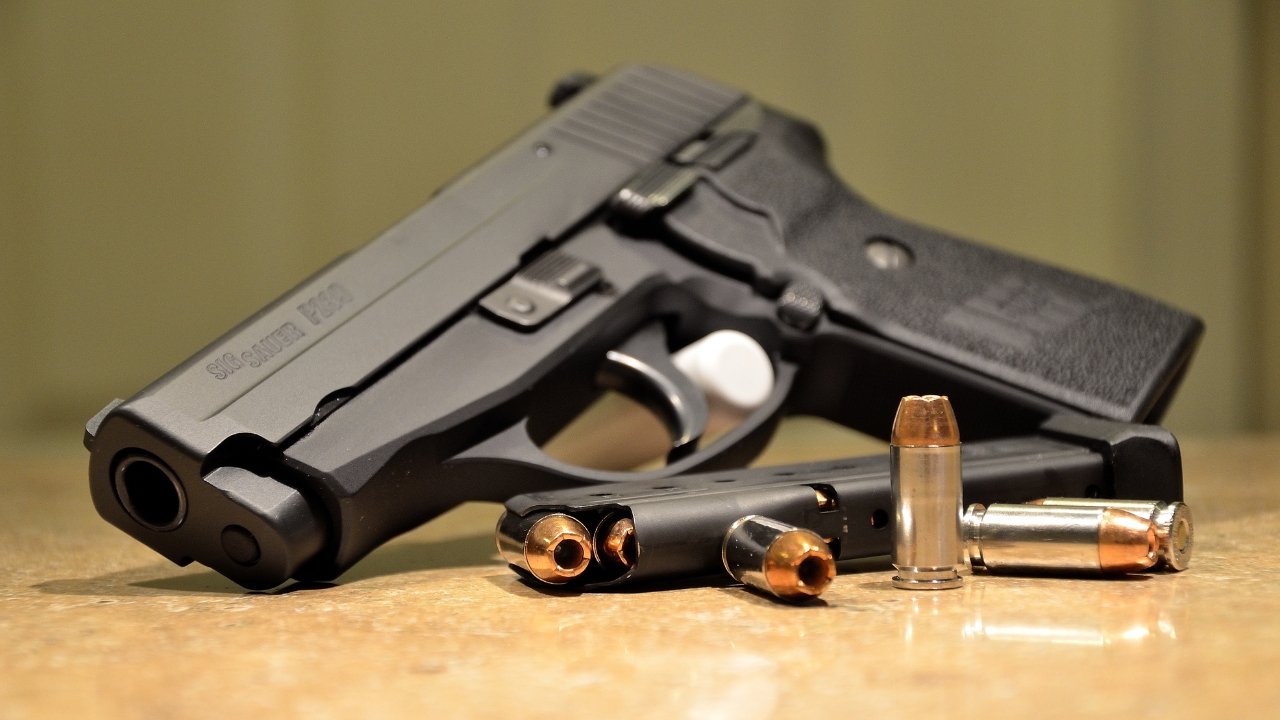
The P239 uses a single-stack magazine and a relatively heavy slide for its capacity. That combination makes it more forgiving than many newer pistols built around minimum width and weight.
Its feed path is direct, and the extractor has enough leverage to pull cases that feel rough or dirty. The pistol is obsolete in terms of capacity, yet it remains an excellent example of a compact gun designed with more operating margin than necessary. Mixed range ammunition usually causes fewer problems than owners expect.
Ruger SR9

The Ruger SR9 entered the market with a thin grip and a full-size slide, giving it a useful balance between hand fit and operating mass. It never gained the popularity of Glock or the M&P, but its basic reliability was often better than its reputation.
The pistol handles common bullet weights, inexpensive brass-cased ammunition, and many steel-cased loads without much complaint. Its trigger and magazine disconnect drew more criticism than its feeding system. The SR9 is one of those forgotten pistols that often runs through whatever ammunition is left at the bottom of the range bag.
Smith & Wesson M&P45
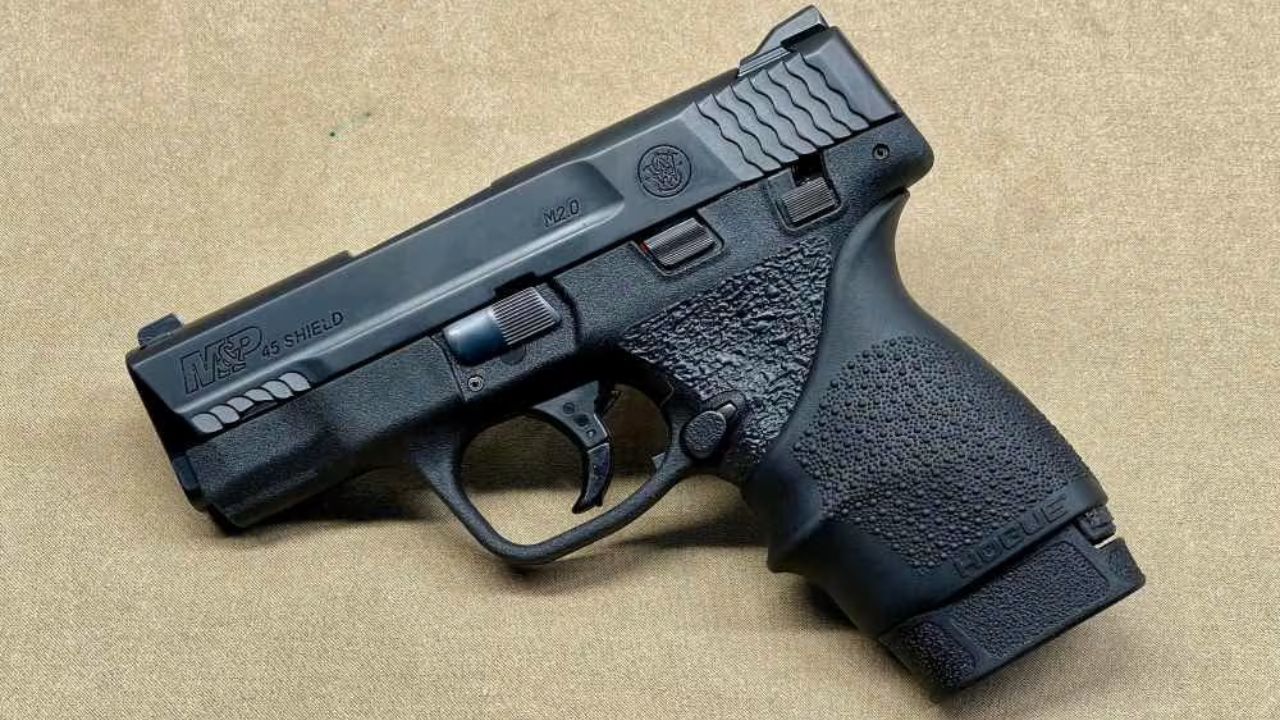
The M&P45 uses a full-size frame, broad feed ramp, and relatively low-pressure cartridge. Those traits make it less sensitive to ammunition variation than smaller pistols chambered for the same round.
Its magazines present cartridges consistently, and the slide has enough mass to cycle with ordinary practice loads. The pistol does not have the refinement of a premium 1911, but it also does not demand carefully tuned ammunition. Ball, defensive hollow points, and moderately weak range loads generally run without special attention.
Ruger SR45
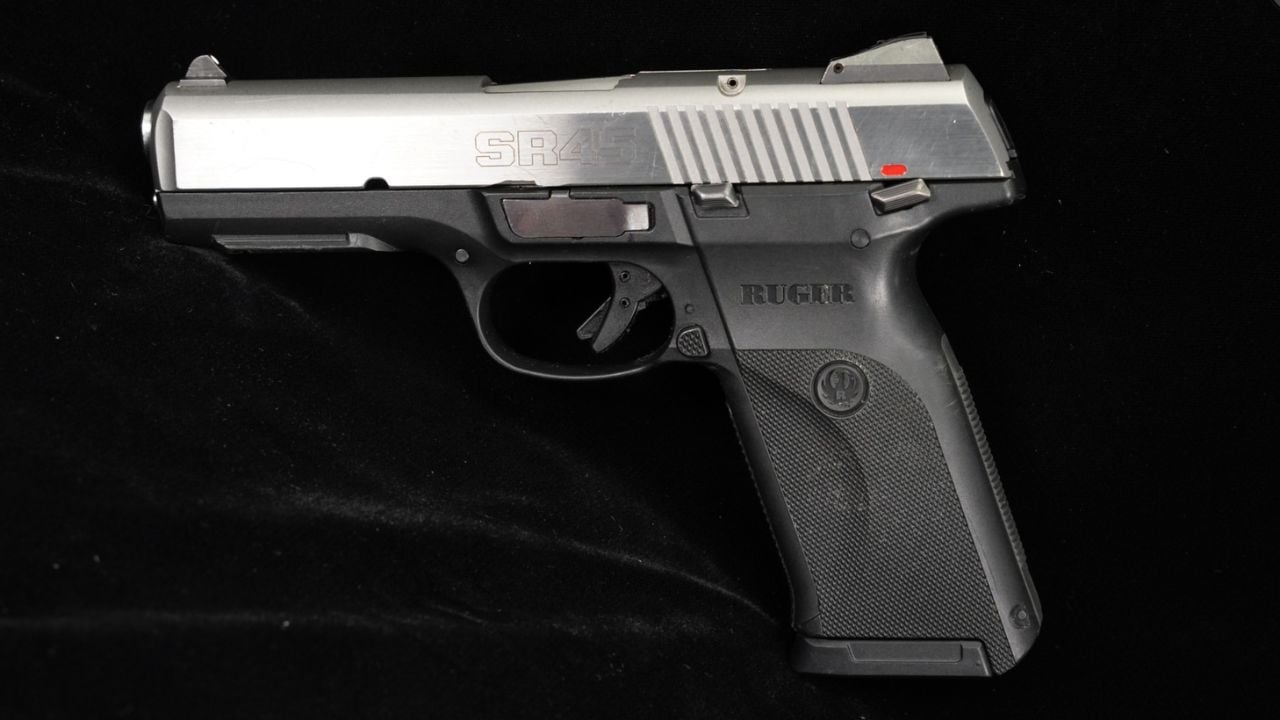
The SR45 is another large Ruger pistol that benefits from being built around generous dimensions. Its slide is heavy, its feed ramp is wide, and its recoil system is not tuned so tightly that only one load works.
The pistol never became a major commercial success, which keeps used prices low. Owners often discover that it feeds a broad selection of .45 ACP ammunition with little drama. It is not the first pistol anyone names when discussing premium handguns, but it is far more tolerant of cheap ammunition than its modest reputation suggests.
Beretta 96A1

The 96A1 places the .40 S&W cartridge into Beretta’s full-size open-slide platform. The locking-block action and generous ejection opening give cases a clear path out of the gun.
The heavy frame and slide also help smooth out pressure differences between loads. Cheap flat-point ammunition, defensive hollow points, and full-power duty loads often function without requiring adjustments. The 96A1 is large and no longer fashionable, but it gives imperfect ammunition fewer chances to cause trouble.
CZ 97 B
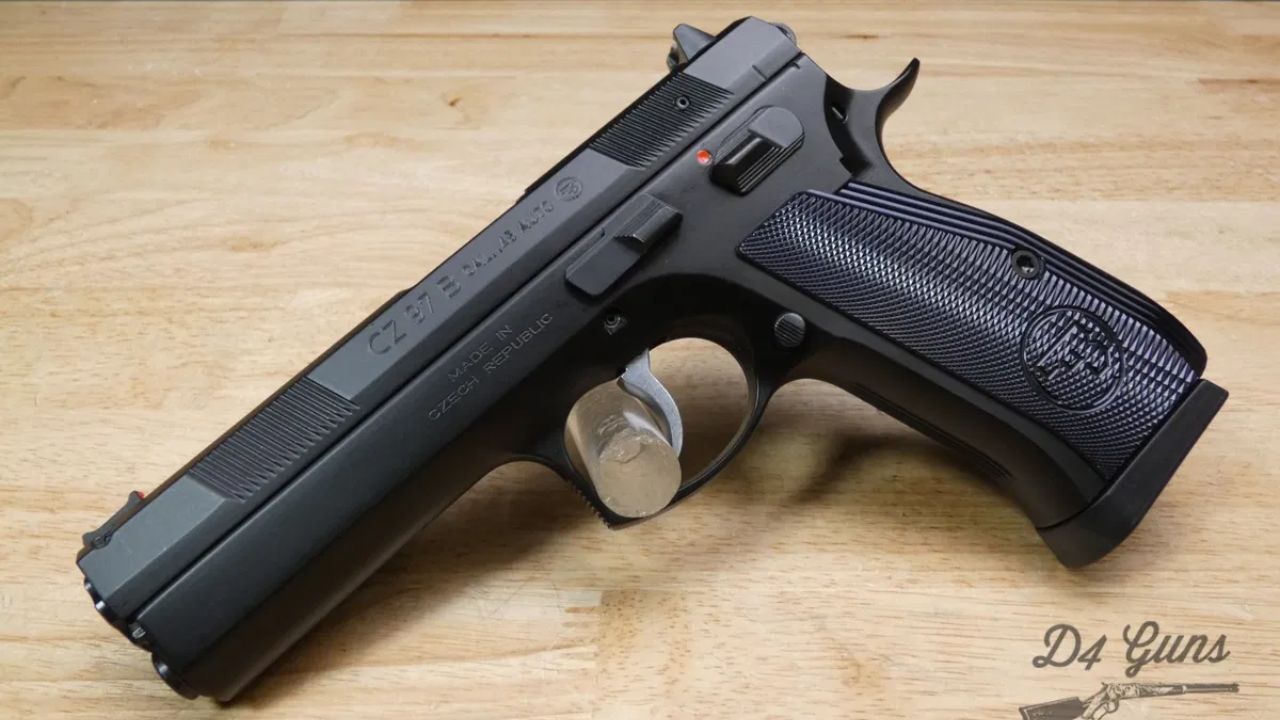
The CZ 97 B is a large steel-framed .45 ACP pistol with a single-stack magazine and substantial slide mass. Its size makes it cumbersome to carry but very forgiving at the range.
The direct feed angle and heavy operating parts help the pistol cycle with a broad range of ammunition. Early examples could be less accommodating with certain hollow points, but many pistols run extremely well once the feed system is proven. With ordinary ball and modern defensive ammunition, the CZ 97 often behaves like a gun that has far more mechanical margin than necessary.
IMI Jericho 941
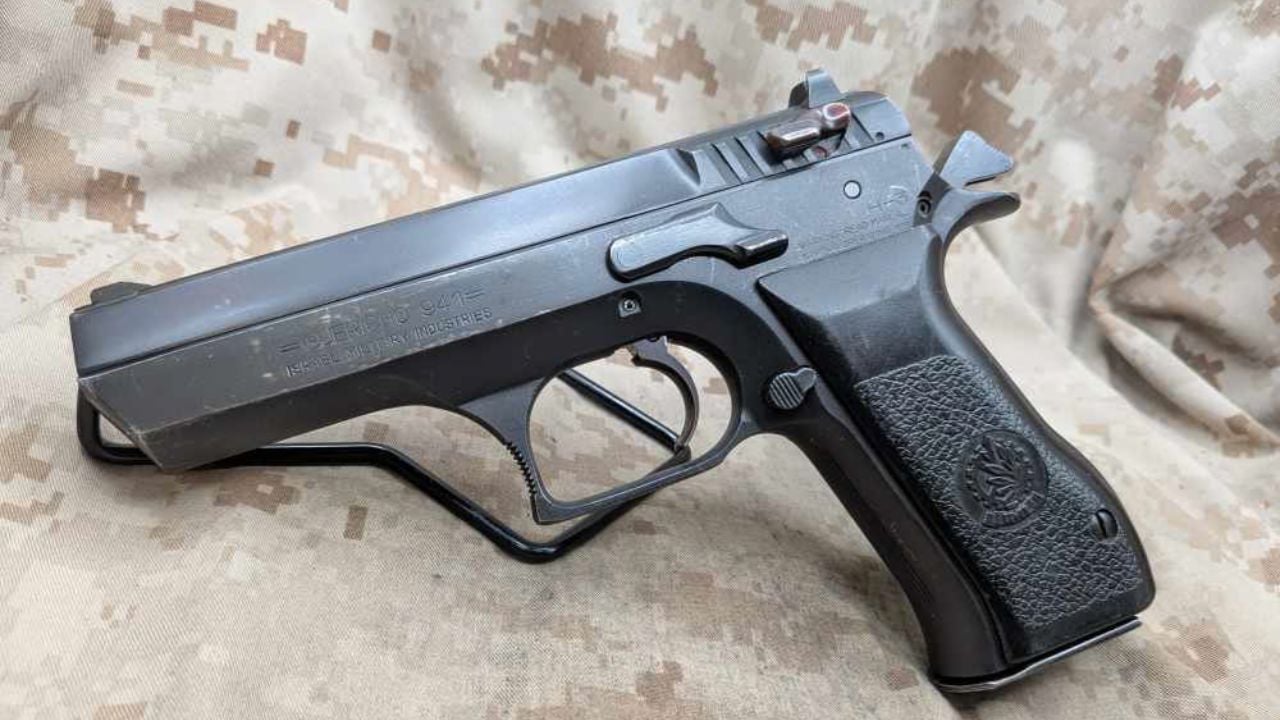
The Jericho 941 uses the CZ 75-style internal-slide design inside a heavy steel frame. That weight keeps the pistol stable and gives the slide enough momentum to work through minor ammunition inconsistencies.
The chamber and extractor tend to be forgiving, while the magazines present cartridges at a reliable angle. Steel-cased ammunition, inexpensive foreign ball, and mixed bullet weights often run without complaint. The Jericho may feel heavy and old-fashioned, but its appetite for cheap ammunition is one reason owners keep them.
SAR K2 45
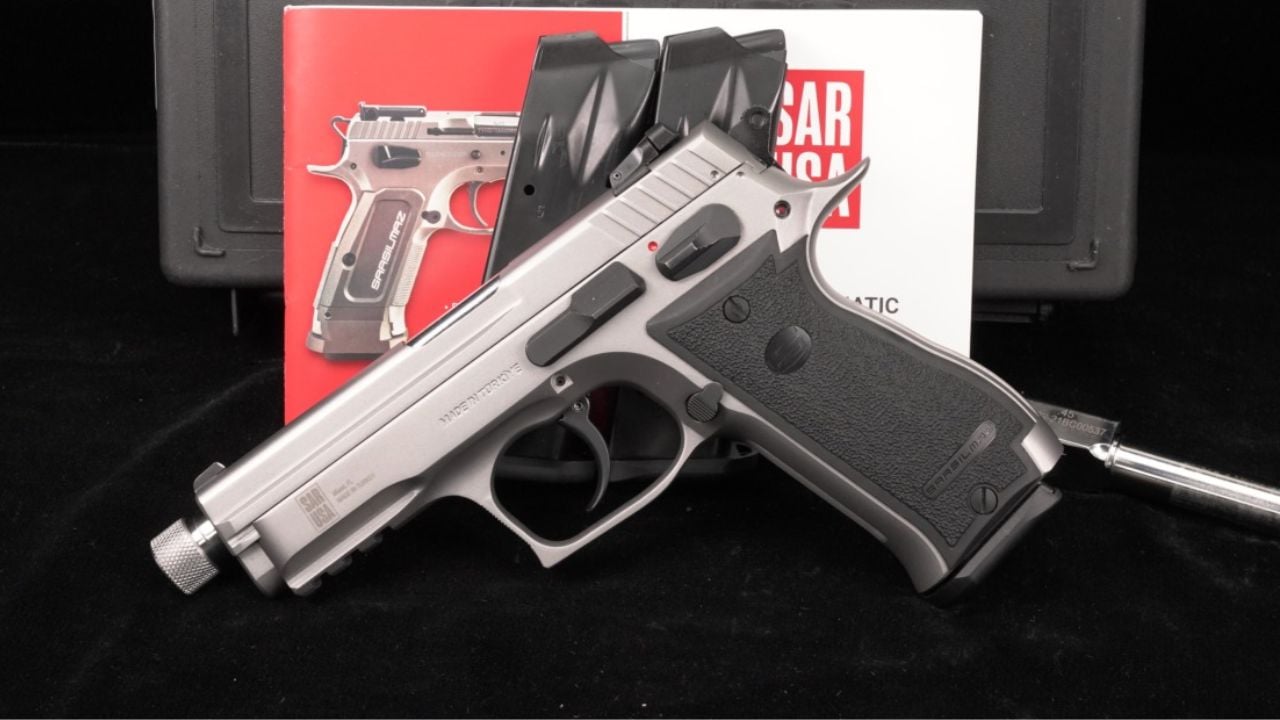
The SAR K2 45 is a large, high-capacity steel pistol chambered in .45 ACP. Its size and weight make it look excessive until the shooting begins.
The heavy slide and robust magazines give the pistol a broad operating window. It generally handles standard ball, wide hollow points, and lower-cost practice loads without becoming temperamental. The K2 lacks the prestige of better-known European pistols, but it often proves more ammunition-tolerant than smaller and more expensive .45s.
Grand Power K100
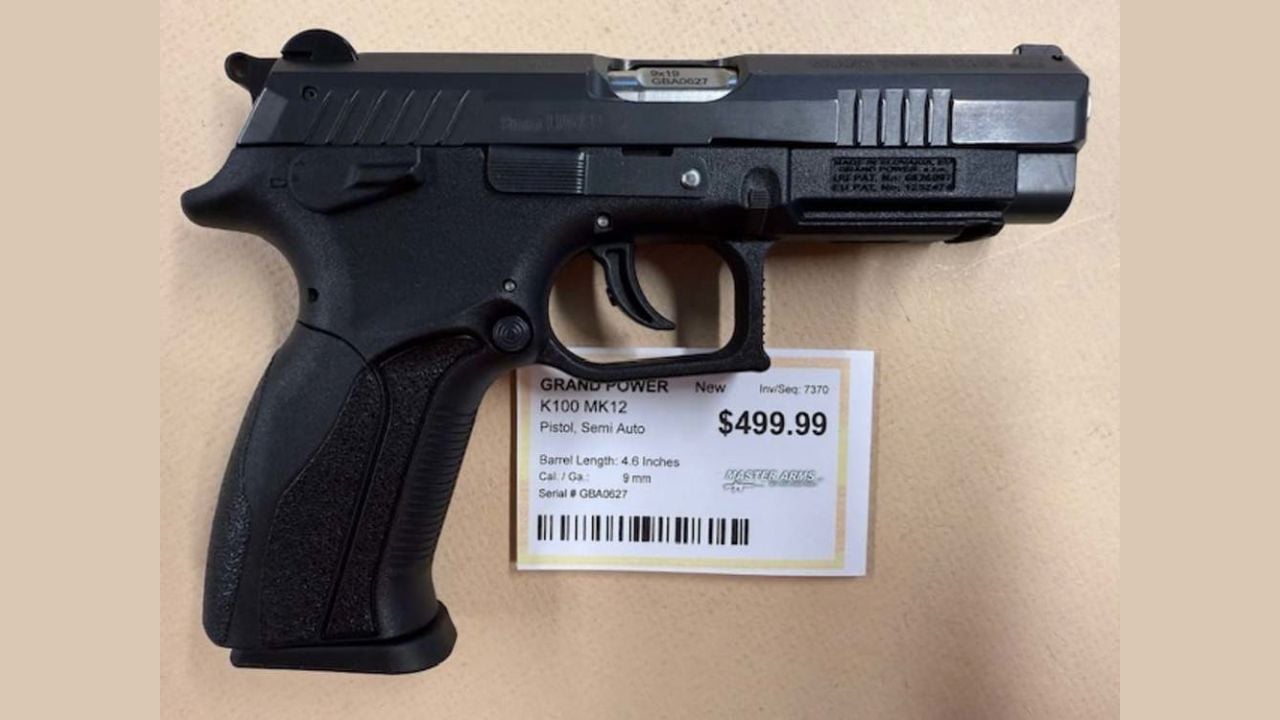
The K100’s rotating-barrel action gives it a smooth recoil impulse and controlled slide movement. That system also helps it remain functional across a surprisingly broad range of 9mm ammunition.
Its full-size frame and strong extractor provide enough operating margin for weak range loads and dirty cases. The pistol is uncommon in the United States, which limits magazine and parts availability, but the gun itself is rarely fussy. Owners often find that it cycles ammunition that causes sluggish operation in tighter compact pistols.
Walther PPQ .45
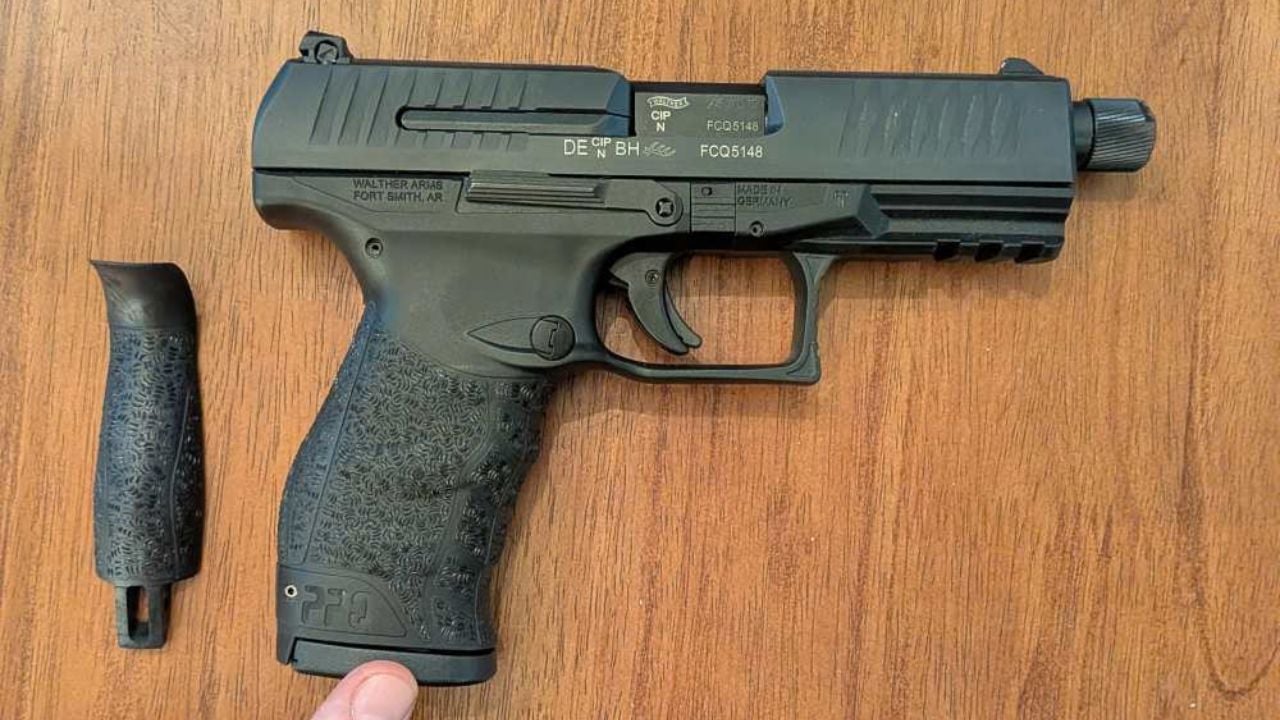
The PPQ .45 combines Walther’s comfortable grip and clean trigger with a full-size slide designed around the .45 ACP cartridge. It is lighter than an all-steel pistol but not so light that every pressure variation becomes noticeable.
The broad feed ramp and reliable magazines handle many bullet profiles well. Its extractor also provides strong case control. The pistol never achieved the same popularity as the 9mm PPQ, yet it developed a reputation for running ball and defensive ammunition with very little tuning.
Springfield Armory XD .45 Service
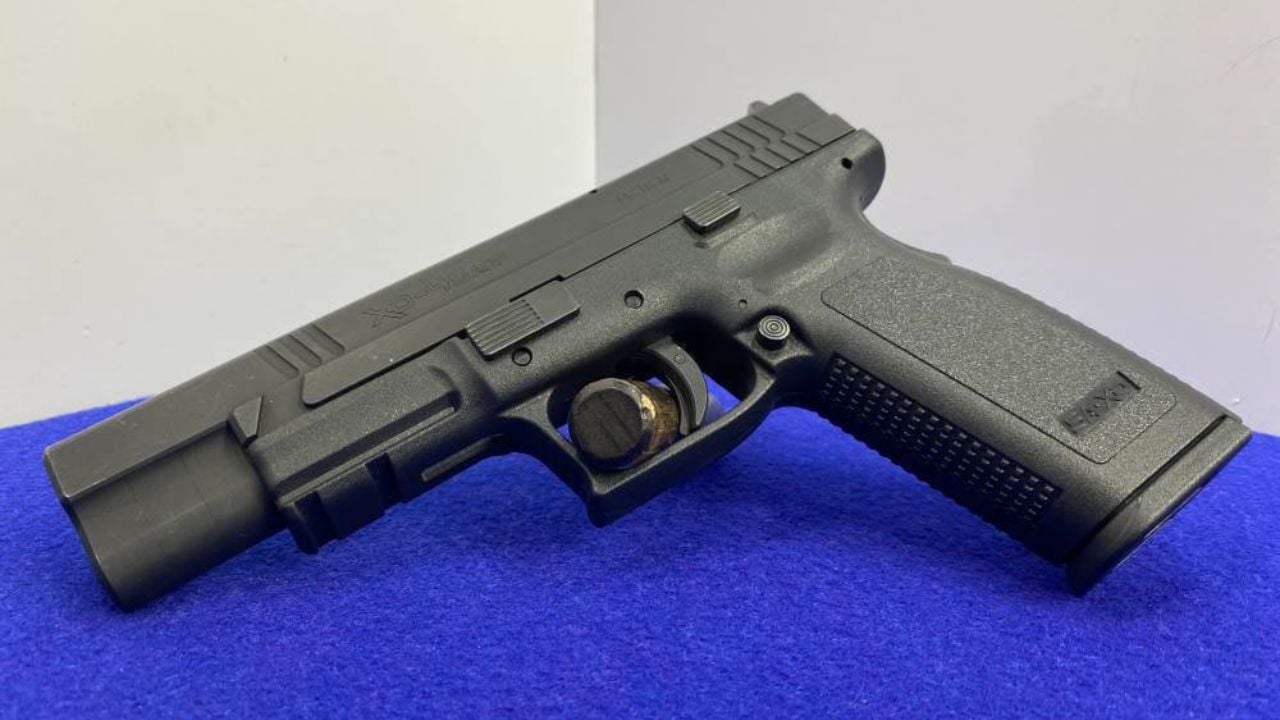
The original XD .45 Service is thick, tall, and heavier than many current polymer pistols. Those traits help it tolerate ammunition inconsistency.
Its magazines present cartridges reliably, while the full-size slide cycles with authority. The pistol generally handles cheap ball, steel cases, and common hollow points without needing a break-in ritual. The grip safety and high bore axis are not universally loved, but the operating system is difficult to upset with ordinary low-cost ammunition.
EAA Witness Steel Full Size
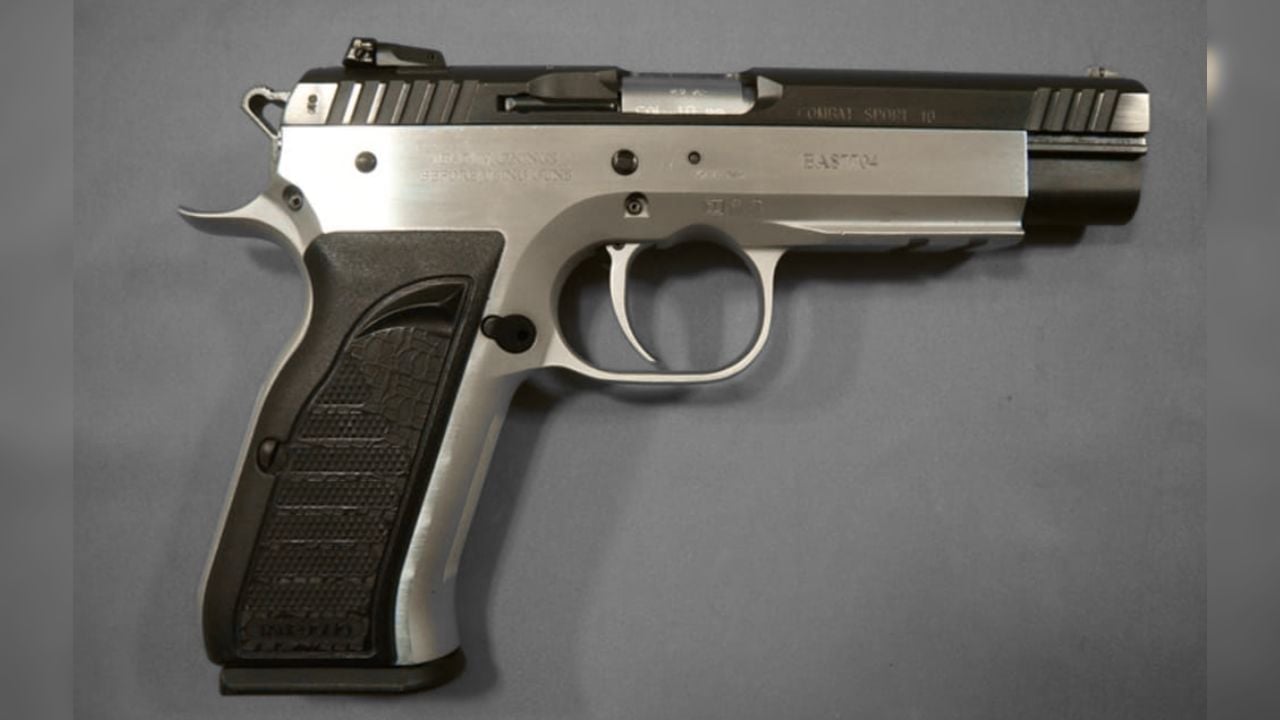
The steel-frame EAA Witness is based on the CZ 75 pattern and has been offered in several chamberings. Full-size 9mm and .45 ACP versions benefit from substantial weight and straightforward magazine geometry.
Fit and finish can vary, but functioning examples often handle a wide range of ammunition surprisingly well. The heavy slide powers through minor case roughness, while the feed angle accommodates several bullet profiles. It may not have the consistency of a premium CZ, but it can be remarkably unfussy once properly inspected.
Ruger P89

The Ruger P89 was built with little concern for elegance, concealability, or minimum material use. Its oversized slide, loose service fit, and broad feed path make it one of the most ammunition-tolerant 9mm pistols ever sold.
Weak practice loads, steel cases, foreign surplus ammunition, and mixed hollow points often cycle without causing much concern. The trigger is long, the grip is thick, and the controls feel dated. None of those complaints matter when the goal is getting questionable range ammunition through a pistol without constant stoppages.
Like The Avid Outdoorsman’s content? Be sure to follow us.
Here’s more from us: