Photo credit: Savage Arms
Hunters love to make fun of rifles that do not fit the usual picture. If the stock looks strange, the brand seems wrong, the cartridge feels too trendy, or the rifle looks too tactical for deer camp, the jokes start fast. Sometimes the criticism is fair. A rifle still has to earn trust after the first laugh.
But a funny thing happens when those rifles start shooting well, carrying easily, or solving real hunting problems. The same hunters who mocked them begin asking what they cost, what loads they like, and where to find one. These are the rifles hunters laughed at before quietly admitting they might have been useful all along.
Ruger American Ranch in 7.62×39
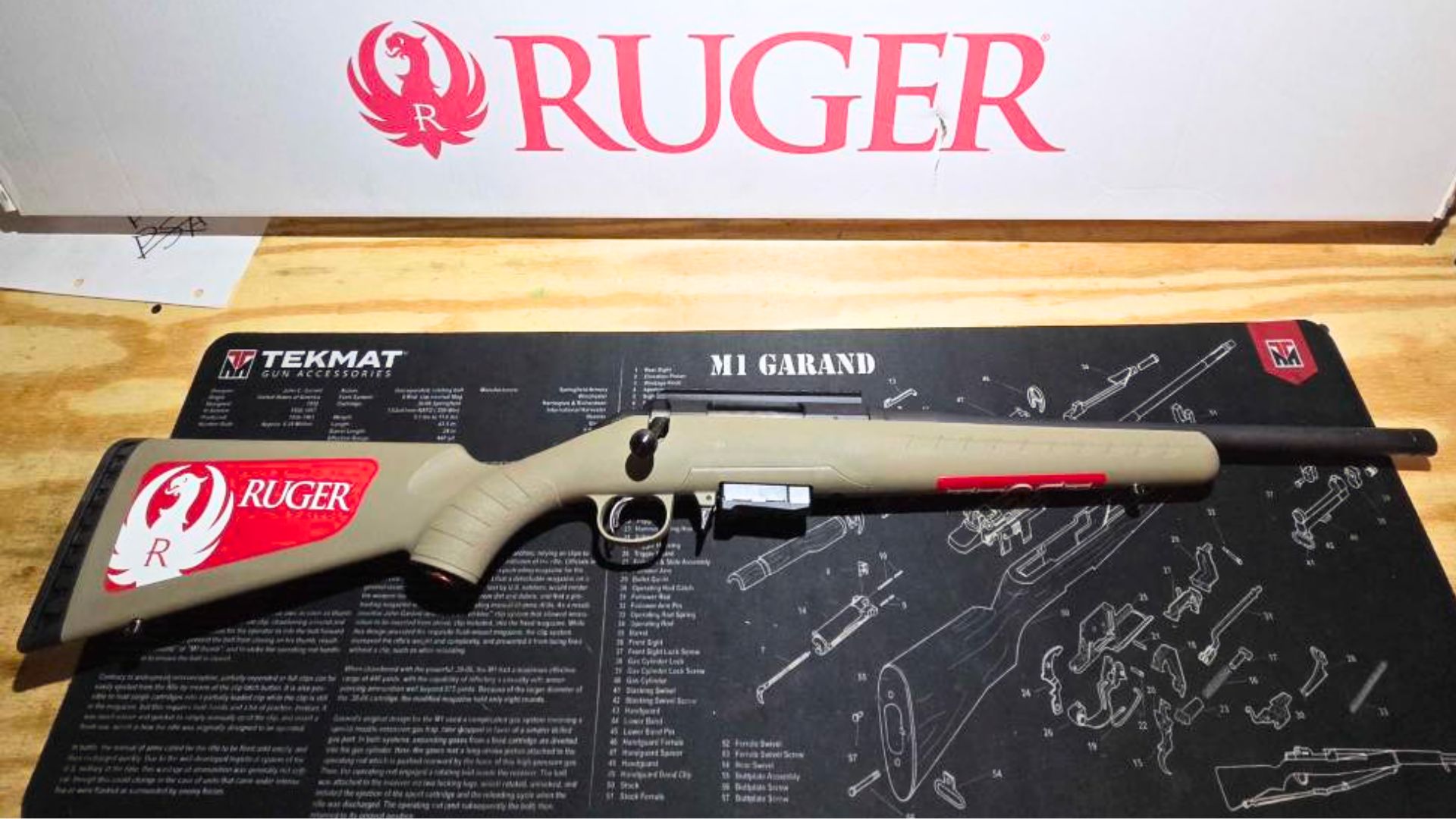
The Ruger American Ranch in 7.62×39 got mocked because it looked like a cheap little bolt gun chambered for an AK cartridge. Some hunters could not see past the short barrel, plain stock, and budget-rifle feel.
Then people started using it in the woods. The rifle is handy, light, soft-shooting, and useful for hogs, deer at reasonable distances, and general property work. It also makes a lot of sense with a suppressor. Hunters who laughed at the cartridge often came around once they saw how practical the whole package was.
Savage Axis II

The Savage Axis II has been the punchline in plenty of deer-camp conversations. The stock feels basic, the lines are plain, and nobody buys one to impress the guy with the expensive walnut rifle.
But a lot of Axis II rifles shoot better than the jokes suggest. The AccuTrigger helped the platform feel more serious, and plenty of hunters found that the rifle could group well with normal hunting ammo. It may not have pride-of-ownership charm, but it fills tags. That has a way of silencing people who laughed at the price tag.
Mossberg Patriot Predator
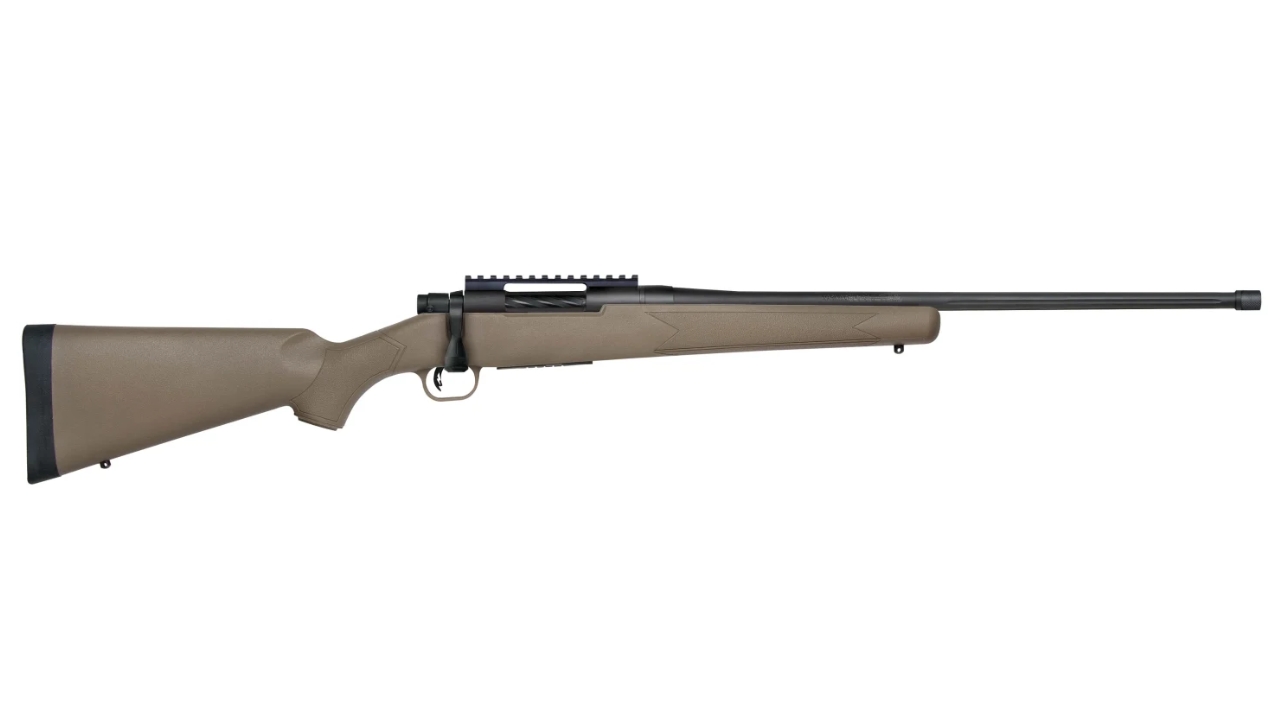
The Mossberg Patriot Predator made some hunters roll their eyes because Mossberg still gets treated like a shotgun company first. A predator or deer rifle from Mossberg sounded like a backup choice to buyers loyal to older bolt-gun names.
Then hunters started realizing it brought useful features without a painful price. The threaded barrel, practical chamberings, and manageable weight made it easy to set up for coyotes, hogs, and deer. It is not fancy, but it works well enough to make mockery look shallow. A rifle that shoots and carries right does not need a prestigious logo.
CVA Cascade
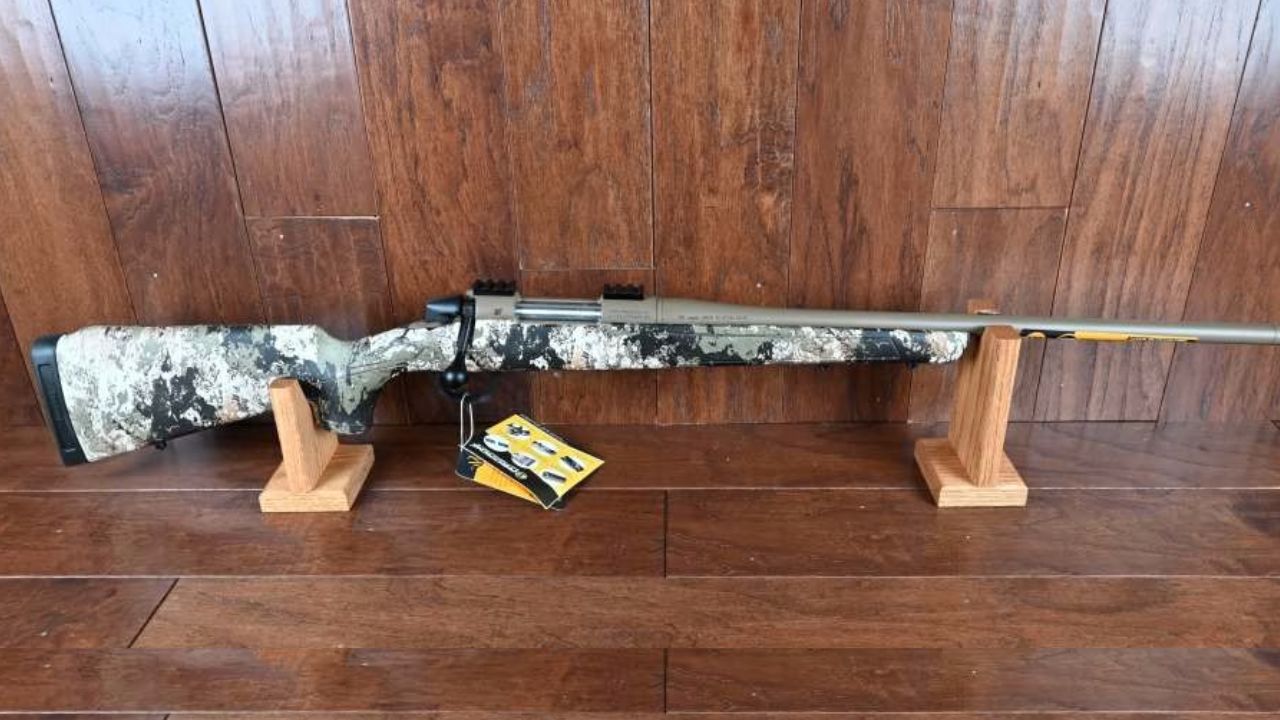
The CVA Cascade got doubted because CVA was known mostly for muzzleloaders, not centerfire bolt-action rifles. Some hunters saw the name and immediately assumed it could not compete with traditional rifle makers.
That changed once people started shooting them. The Cascade brought good accuracy potential, a threaded barrel, useful stock design, and weather-friendly options at a fair price. Hunters who mocked it because of the logo often had to admit it was a solid working rifle. Sometimes the new guy in the rifle rack is not nearly as risky as people think.
Henry Single Shot
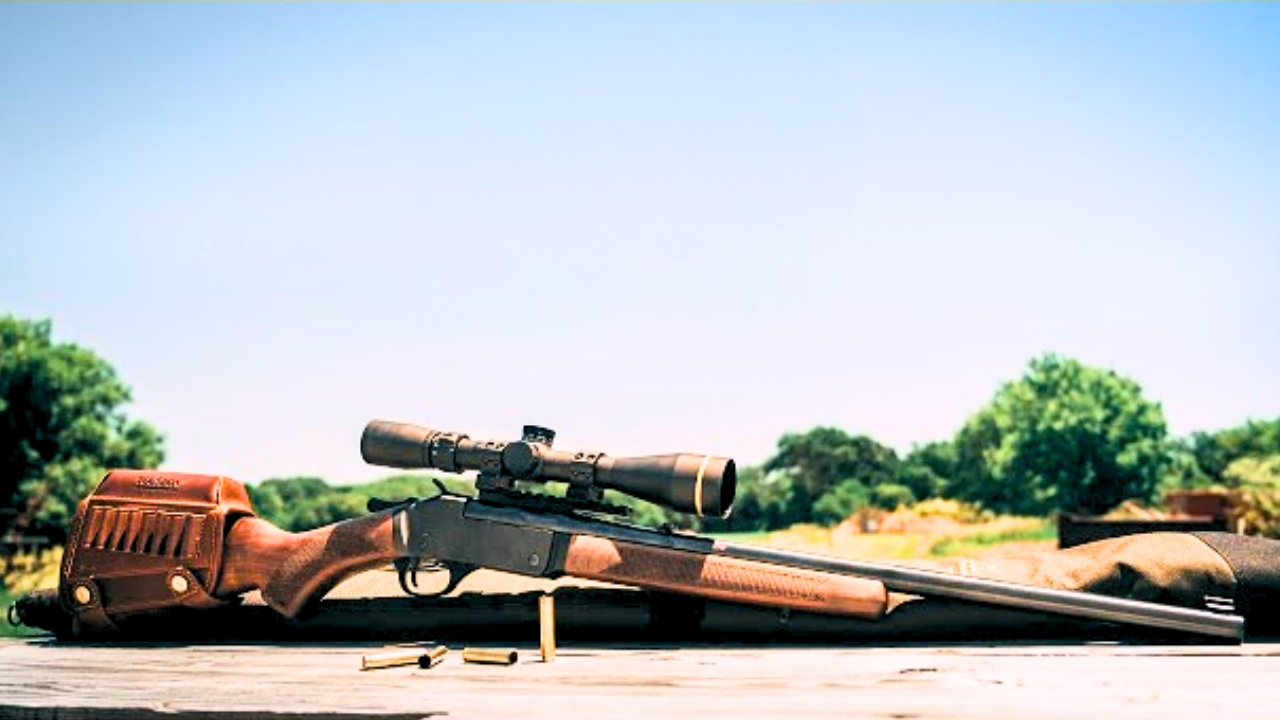
The Henry Single Shot looked too simple for hunters who had grown used to repeaters, detachable magazines, and fast follow-up shots. A break-action rifle seemed like something for beginners or old-timers, not a serious modern hunter.
Then people carried one and understood the appeal. It is slim, light, easy to maintain, and surprisingly satisfying when it shoots well. A single-shot rifle forces a careful first shot, which is not a bad thing in real hunting. Hunters who mocked the simplicity often ended up liking the honesty of it.
Thompson/Center Compass II

The Thompson/Center Compass II drew jokes because the original Compass was a budget rifle, and budget rifles rarely get much respect in camp. Some hunters assumed it would feel cheap and shoot like a shortcut.
The Compass II proved better than that for many owners. It brought improved trigger feel, practical chamberings, and solid accuracy for a reasonable price. It was never meant to be a custom mountain rifle. It was meant to be an affordable hunting tool. A lot of hunters who laughed at it eventually realized it did the same job their pricier rifle did inside normal deer ranges.
Browning X-Bolt Speed
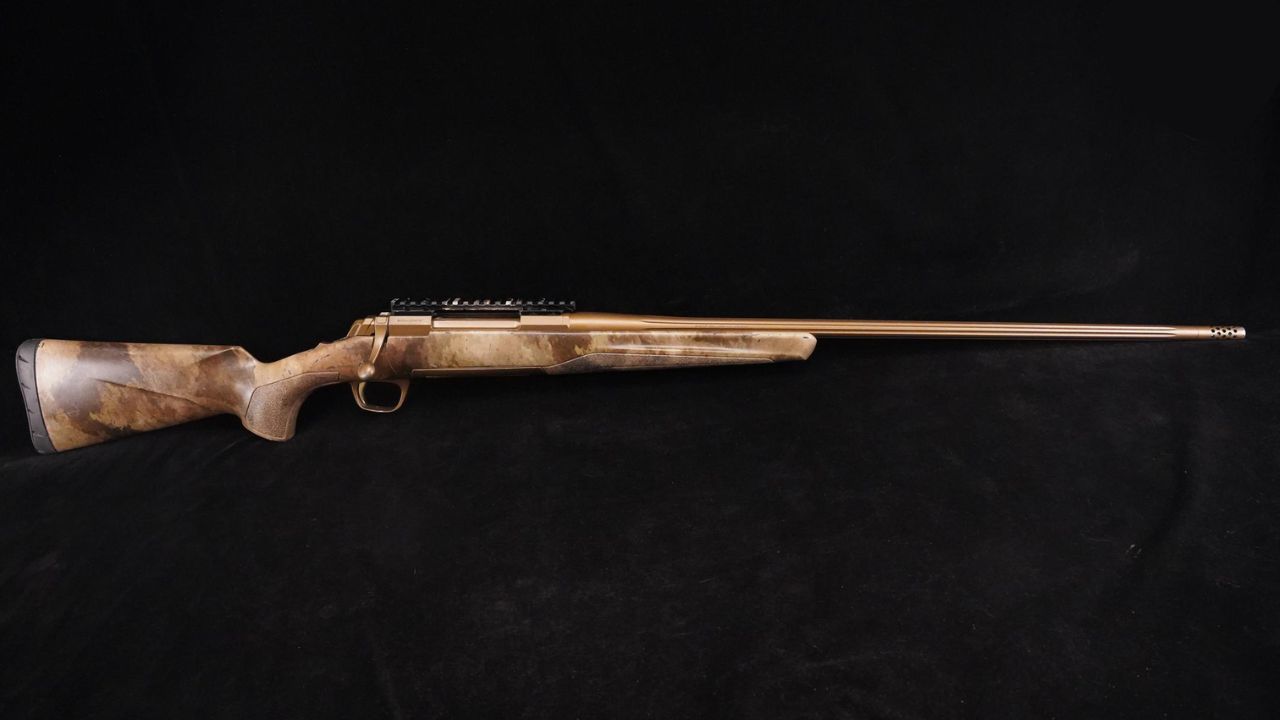
The Browning X-Bolt Speed got mocked by hunters who thought the finish and camo looked like marketing more than substance. Some traditionalists saw it as another flashy rifle trying to look tougher than it needed to be.
Then the rifle started earning real field respect. It carried well, handled rough weather, and kept the smooth X-Bolt feel hunters already trusted. The looks were louder than walnut and blued steel, but the performance was not fake. Plenty of hunters who made fun of the style later admitted the rifle was actually a very useful hunting setup.
Winchester XPR
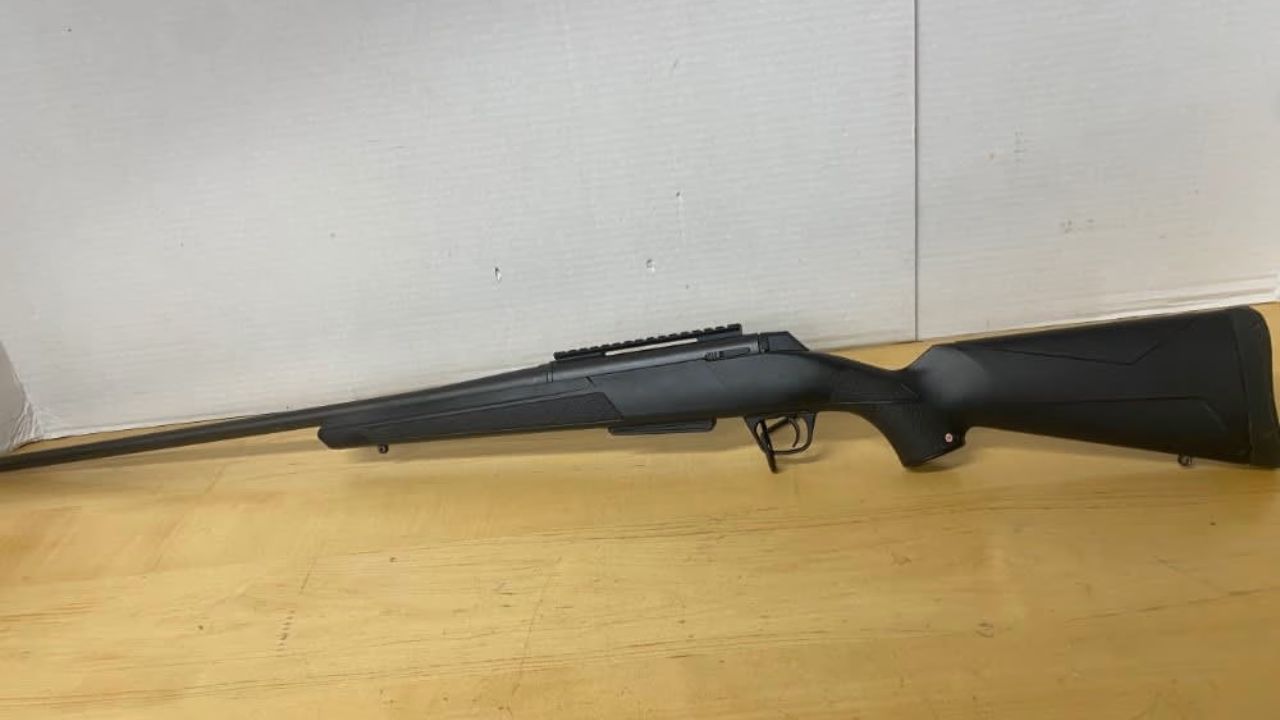
The Winchester XPR took criticism because it was not a Model 70. That alone was enough for some hunters to dismiss it. A budget-friendly Winchester bolt gun with a synthetic stock did not carry the romance people expected from the name.
But the XPR has made a lot of practical hunters look smart. It is strong, affordable, and often accurate enough to do real work. Hunters who mocked it for lacking classic Winchester character sometimes ended up buying one for bad weather, loaner use, or a no-worry deer rifle. It may not be glamorous, but it has a clear place.
Ruger Precision Rifle

The Ruger Precision Rifle was mocked by some hunters because it looked too tactical, too heavy, and too range-focused for the field. To traditional deer-camp eyes, it looked like something built for internet photos instead of hunting.
Then hunters who sat over long fields, powerlines, bean fields, and open country started seeing the point. It is heavy, but that weight helps from supported positions. It is adjustable, accurate, and easy to shoot well when the rifle does not have to be carried all day. Some hunters laughed first, then bought one for the exact kind of hunting where it makes sense.
Howa Mini Action in 6.5 Grendel

The Howa Mini Action in 6.5 Grendel was easy to mock if you judged rifles by old cartridge loyalties. Some hunters treated 6.5 Grendel like an internet round and saw the little Howa as too small to take seriously.
Then the rifle started proving itself on deer, hogs, predators, and range targets. The scaled action feels right, recoil is mild, and the cartridge performs well inside reasonable distances. It is not a magnum, and it does not need to be. Hunters who mocked the small package often came around once they realized how pleasant and practical it was.
Christensen Arms Ridgeline

The Christensen Arms Ridgeline got mocked by hunters who were tired of carbon-fiber hype. To them, it looked like another expensive rifle promising mountain performance because of a wrapped barrel and modern styling.
Some of those critics changed their tone after seeing how well good examples carried and shot. The Ridgeline is light enough for hard walks and capable enough for serious hunting when the rifle likes the ammo. It still costs real money, and lightweight rifles demand good technique. But plenty of hunters who laughed at the carbon craze later wanted one after handling it.
Bergara B-14 Ridge
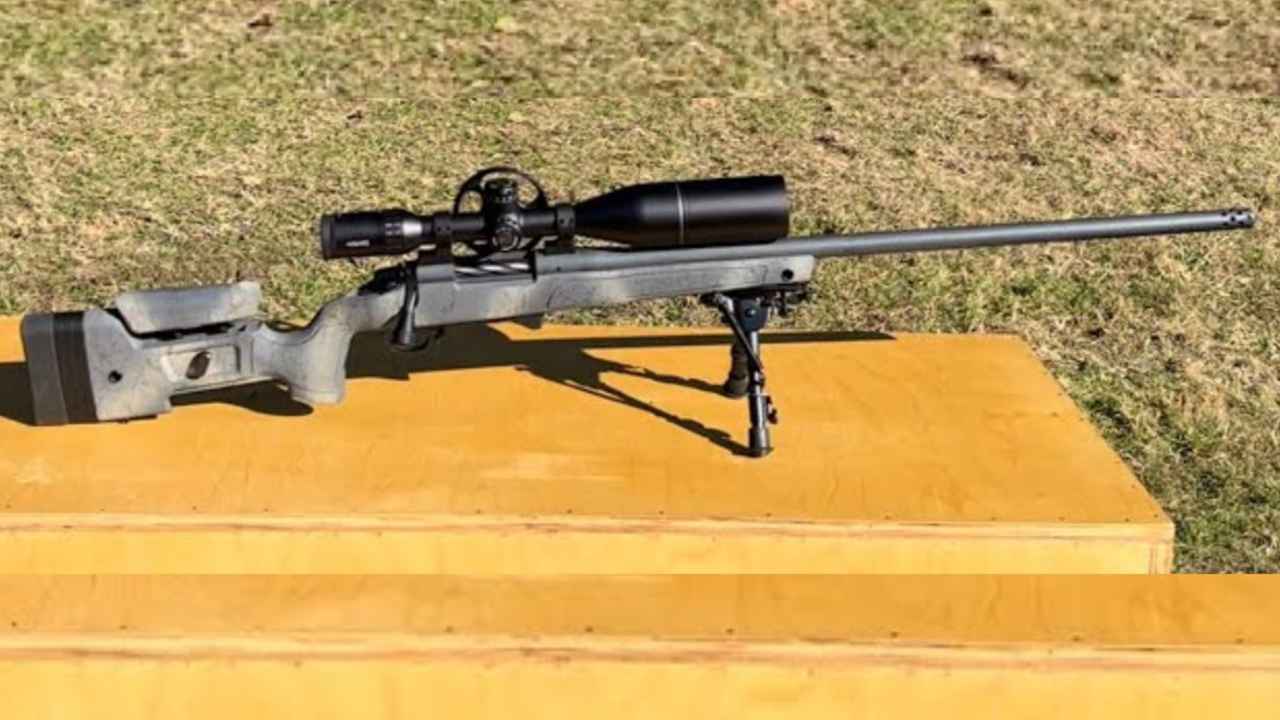
The Bergara B-14 Ridge did not get mocked because it looked wild. It got mocked because some hunters thought Bergara was just another name trying to sell accuracy claims in a crowded bolt-action market.
Then the rifles started shooting. The Ridge earned a reputation as a practical, accurate hunting rifle that did not require custom money. The threaded barrel and sturdy feel made it useful for modern hunters without making it look ridiculous. A lot of skeptics quietly changed their mind once they saw groups on paper and tags in the truck.
Savage Impulse Hog Hunter

The Savage Impulse Hog Hunter looked strange enough to earn jokes immediately. A straight-pull bolt-action rifle with a short barrel and rugged styling was not what many hunters expected from a hog gun.
But the concept has real use. Fast follow-up shots, compact handling, and tough field manners all matter when hunting hogs in thick cover or from awkward positions. The straight-pull system is different, and not everyone will like it. Still, hunters who mocked the idea often understood it better after running the action and imagining real hog hunting instead of benchrest shooting.
CZ 600 Alpha

The CZ 600 Alpha caught heat from hunters who loved older CZ rifles and did not want a modern replacement. The polymer-heavy look and new design language made some longtime CZ fans skeptical right away.
Once people judged it as its own rifle, the Alpha started making more sense. It is weather-resistant, accurate, affordable compared with higher-end rifles, and built for actual hunting use. It may not have the charm of a CZ 550 or 527, but it does not have to. Hunters who mocked the change later realized the rifle was practical, even if it was not nostalgic.
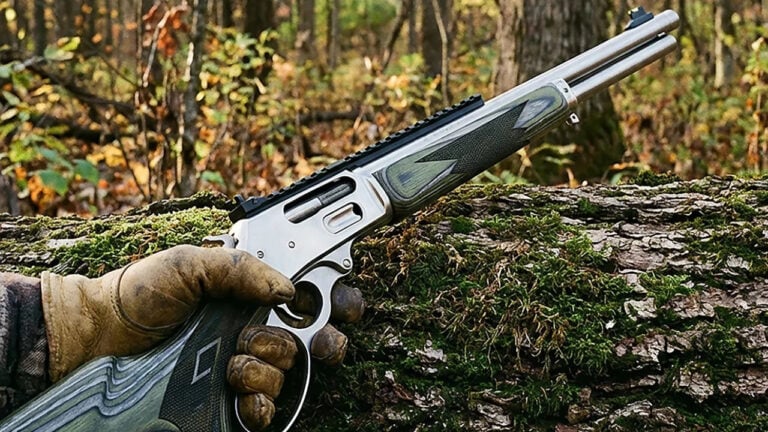
Marlin 1895 SBL

The Marlin 1895 SBL got mocked by some traditional lever-gun hunters when stainless big-bore lever guns with rails started becoming popular. It looked too modern, too shiny, and too internet-famous for people who liked plain walnut carbines.
Then hunters carried it in bad weather and started understanding the point. Stainless construction, a powerful .45-70 chambering, good sights, and practical optic mounting make it a serious woods rifle. It may not look like grandpa’s lever gun, but it works. Plenty of hunters who laughed at the look later decided a hard-use modern lever gun made sense.
Like The Avid Outdoorsman’s content? Subscribe to our newsletter so you never miss an article.
Here’s more from us: