Photo credit: Tom Reichner/ Shutterstock.com
I’ve watched nonresident hunting go from “good luck, maybe next decade” to “wait…that’s actually doable” in a bunch of places, and most of it didn’t happen with big headlines. It happened through smaller tweaks: an extra draw, a new OTC option that flies under the radar, a new season date, a simplified licensing portal, or a state quietly saying, “Sure, you can buy that tag after all.”
Now, none of this means it’s easy everywhere. Prices are still climbing, some trophy units are still a long wait, and the best public land still gets pressure. But if you’re a regular working hunter who just wants a fair shot at a decent animal and a good week in the woods, there are more doors cracked open than most folks realize.
Here are 20 states where nonresident access has gotten better in real-world ways—sometimes because of a regulation change, sometimes because of overlooked opportunities, and sometimes because the crowd is chasing the same five “internet states” and ignoring the rest.
1. Idaho

If you haven’t paid attention to Idaho lately, you might still think it’s all about a mad dash on sale day and empty shelves five minutes later. That does happen for certain zones and certain species, but the broader picture is that Idaho still offers more nonresident opportunity than it gets credit for—especially if you’re flexible.
There are general seasons, multiple weapon options depending on the unit, and a lot of ground where success is mostly about legs and decision-making. The state can be a little “game management by zone map,” so do your homework, but if you want a real DIY hunt without needing ten points, Idaho is still on the short list.
2. Montana

Montana has long been a nonresident darling, but what’s gotten quietly better is how many people are realizing you don’t have to treat it like a once-in-a-lifetime trophy swing. The general deer/elk combo setup (and the ability to build a trip around general opportunities) keeps a lot of average hunters in the game.
The trick is expectations. If you plan for a solid “see animals every day” hunt instead of a magazine-cover bull, it’s a state you can come back to. Also, the shoulder-season style opportunities and archery timing can open doors if your schedule isn’t locked to the same nine days everyone else takes off.
3. Wyoming

Wyoming still has a reputation for points, and that’s fair for certain species and premium units. But the nonresident picture has gotten more accessible in the sense that you can put together a realistic plan without a lifetime of saving.
Antelope in particular remains one of the most attainable western hunts for outsiders if you approach it like a meat hunt and are willing to learn terrain instead of chasing the same few “easy” areas. Deer and elk can still be done smartly too—just don’t let the perfect be the enemy of the good.
4. Colorado

Colorado isn’t a secret, but it’s still one of the most accessible big-game states for nonresidents because there’s simply so much opportunity spread across seasons and units. Even with pressure, you can find space if you’re willing to hike past the first ridge and hunt weekdays.
The “quiet improvement” here is how many hunters are figuring out they can build a year-to-year plan: bounce between OTC-style opportunities and the draw, learn a couple areas deeply, and stop feeling like they need a miracle tag to have fun. It’s not glamorous. It’s effective.
5. New Mexico

New Mexico is famous for the no-points, roll-the-dice vibe. What’s made it feel more accessible is that it’s a clean system for a nonresident who’s tired of point creep and math homework. You apply, you hope, and you move on with your life.
And if you’re not drawn, you’re not “behind” like you can feel in other states. It’s not cheap, and quality tags can be tough, but the simplicity is a feature. For a working guy who wants a chance at a strong tag without a decade of planning, New Mexico has a place.
6. Arizona

Arizona is still a points state, but access has improved for nonresidents in a sneaky way: more hunters are using Arizona as a long-term play while still finding other hunts to do now. That sounds obvious, but a lot of people used to treat Arizona like an all-or-nothing dream state.
The reality is you can apply strategically, learn the system, and take advantage of opportunities that aren’t strictly about the top-tier units. It’s still hard, yes. But it’s not “impossible unless you’re rich,” which is what you’ll hear at camp sometimes.
7. Utah
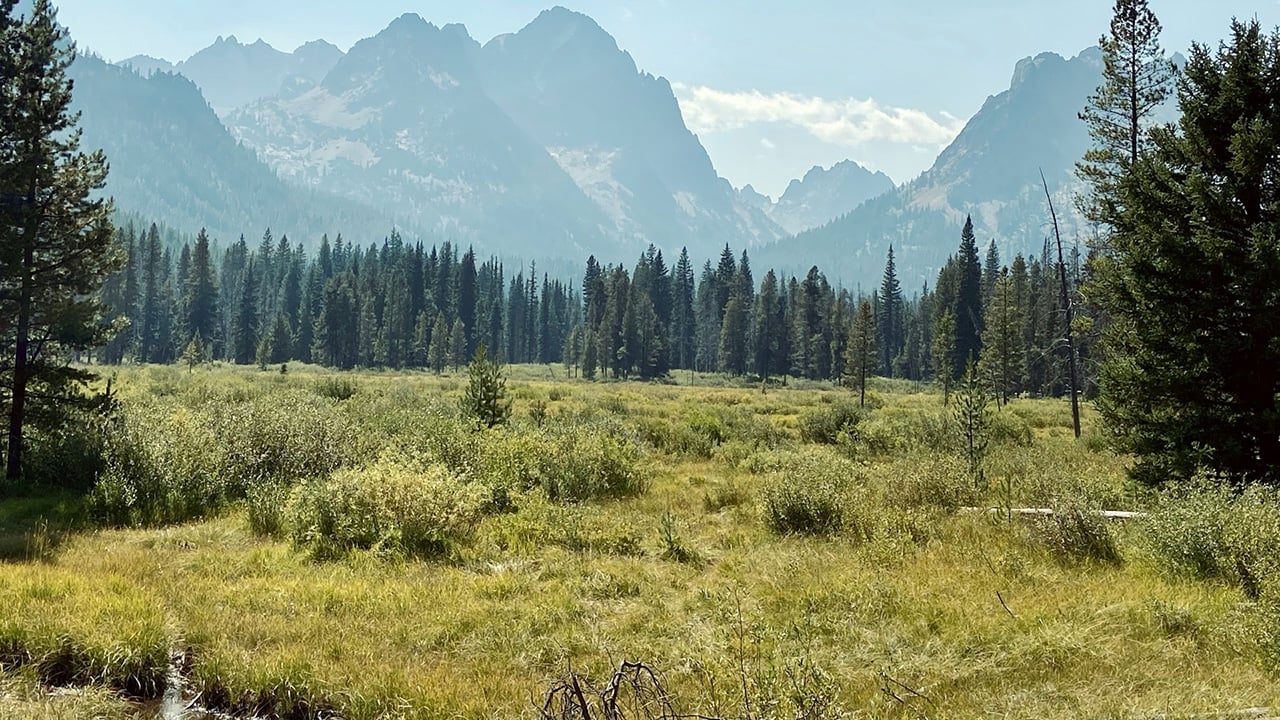
Utah is another one where the conversation gets dominated by premium tags. What’s gotten better for nonresidents is the awareness that Utah has more than one lane: you can chase general-season type hunts and plan for good experiences while you build points for something bigger.
Utah also does a good job of putting info out there if you’re willing to read it. The state can feel complicated at first, but once you understand the structure, you can chart a realistic route through it instead of just throwing your hands up.
8. Nevada

Nevada can look intimidating because it’s draw-heavy and the odds can be rough. But accessibility has improved in the sense that it’s become a consistent “apply anyway” state for nonresidents, especially if you’re already in the habit of applying out West.
The hidden win is that Nevada’s process is straightforward once you’re in it, and there are hunts where expectations can be kept reasonable. If you’re the kind of hunter who’s fine with a long shot but wants a clean system, Nevada fits the bill.
9. Oregon
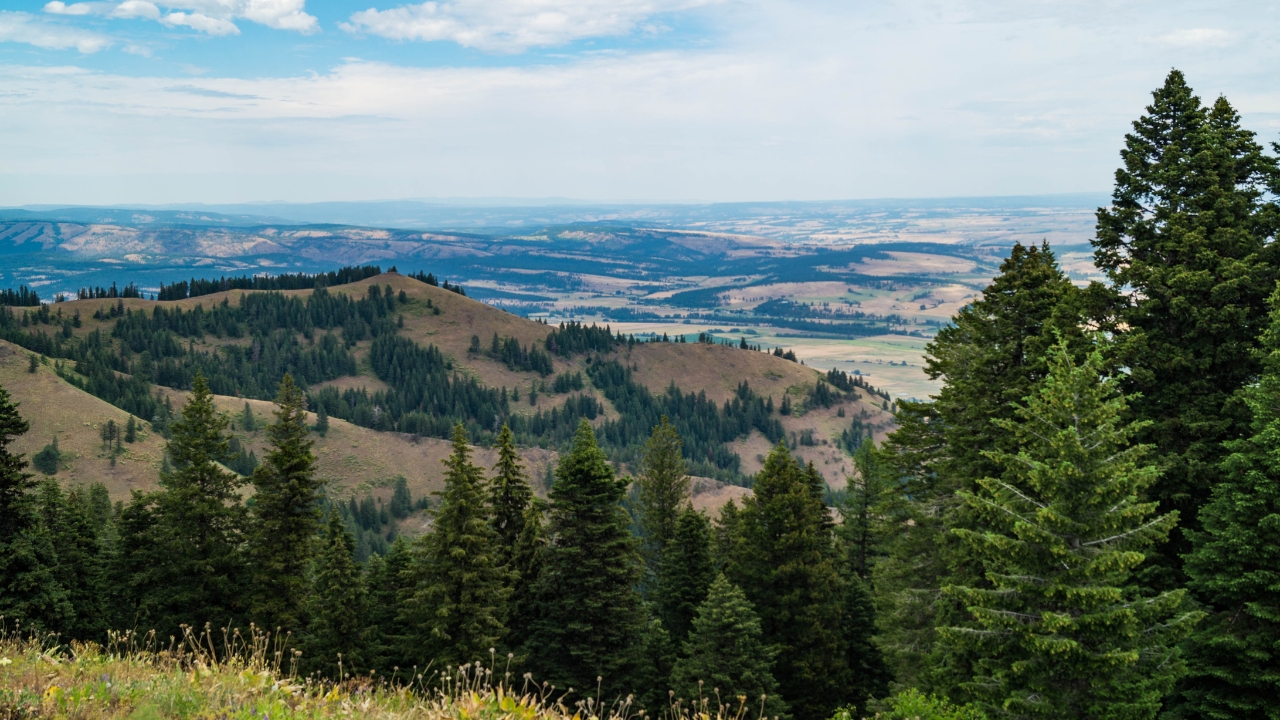
Oregon doesn’t always get the love it deserves from nonresidents because it isn’t packaged as a trophy destination in the same way. But for the guy looking for opportunity and time in the timber, Oregon can be a surprisingly workable state.
Between varied seasons, big chunks of public land in places, and hunts that don’t require you to treat a tag like a retirement plan, it’s one of those “go hunt” states. It can be tough hunting, but it’s real hunting.
10. Washington
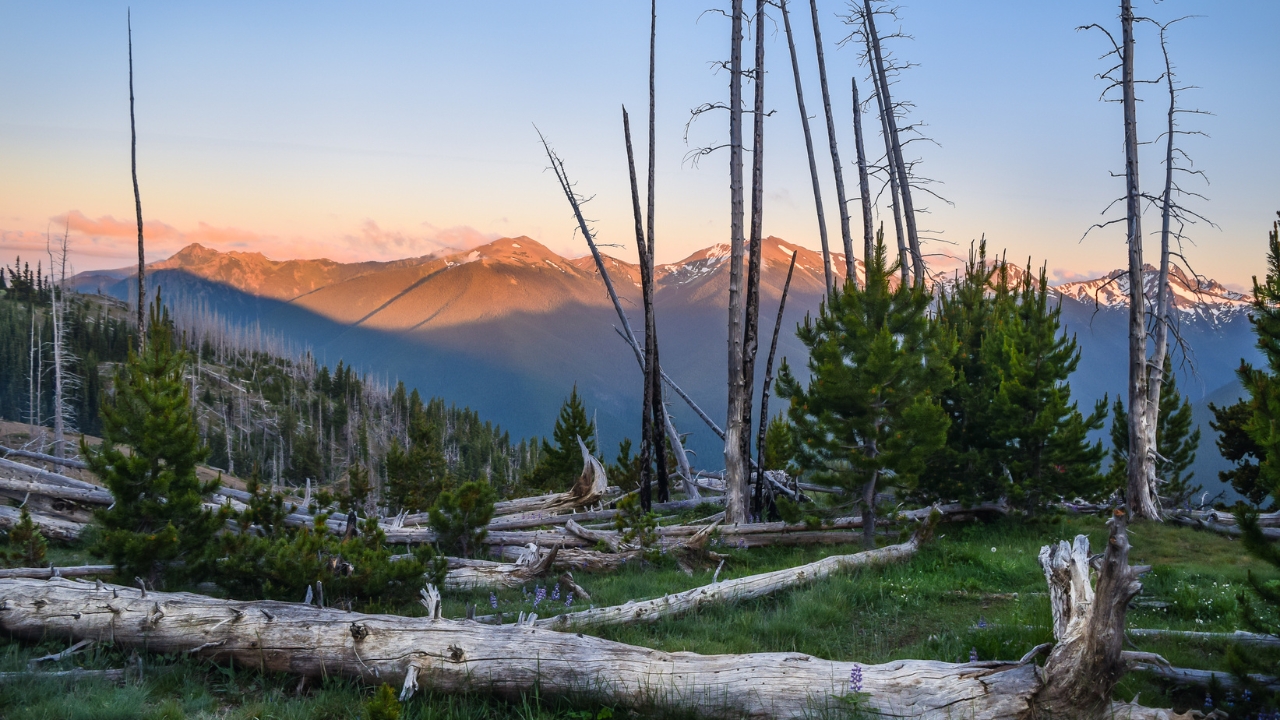
Washington has its own quirks, and the west side vs. east side difference is no joke. Still, nonresident access has gotten more attractive for a simple reason: there are workable seasons and tags that don’t require years of waiting, and plenty of hunters have started looking north and west when the Rocky Mountain states get crowded.
It’s not the place I’d send a brand-new hunter looking for an easy button. But if you like steep country, wet weather, and you don’t mind hunting hard for one good chance, Washington can surprise you.
11. Maine

Maine has always been in the conversation for big woods whitetails, but what’s changed is how accessible it feels for an out-of-stater who’s willing to hunt like a local. With guided options, big tracts, and a culture that still understands hunting, it’s a state you can actually plan around.
You’re not going for beanfield glassing and velvet racks. You’re going to sit, still-hunt, track when conditions allow, and earn every look. If you want that kind of hunt, Maine isn’t “easy,” but it is attainable.
12. New Hampshire

New Hampshire gets overlooked because it’s small and rugged and doesn’t do the big marketing thing. That’s exactly why it can feel more accessible than expected. The nonresident path is fairly straightforward, and the state has a strong hunting tradition.
It’s another “big woods reality check” state. The deer densities aren’t like the Midwest, but you can hunt public land, hunt hard, and not feel like you’re boxed out by a points wall.
13. Vermont
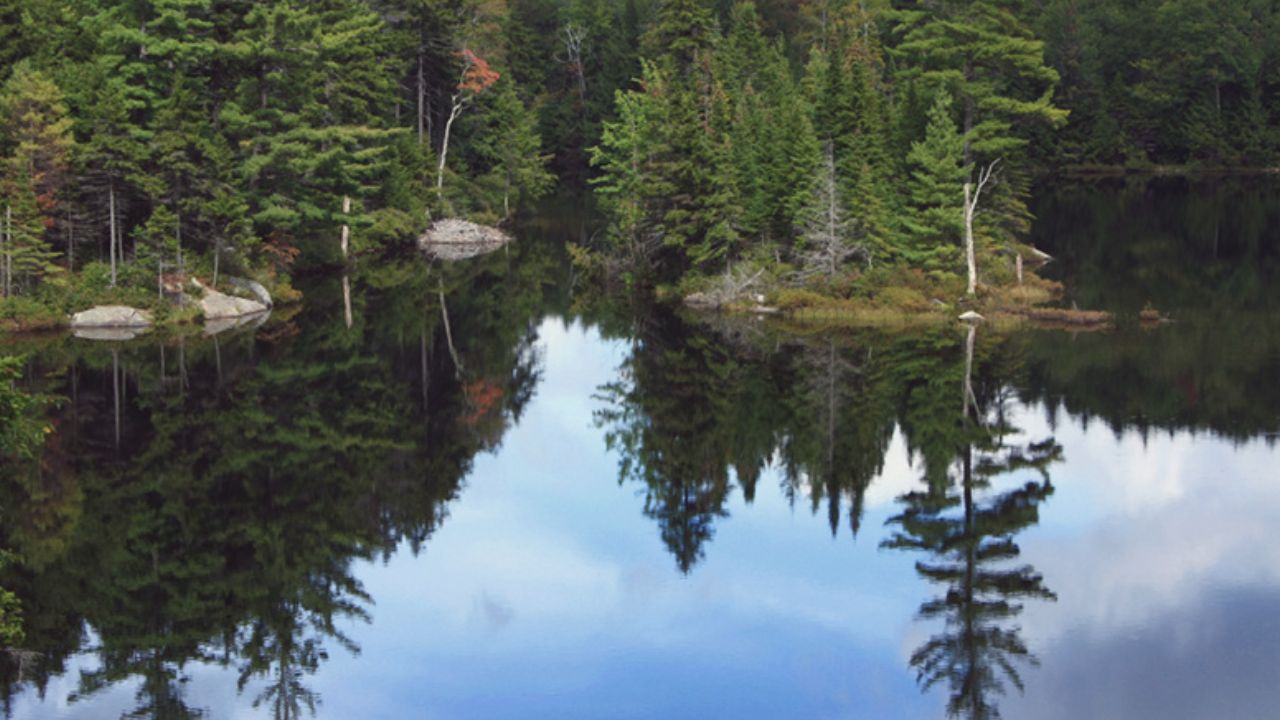
Vermont is one of those states where you don’t hear a lot of talk about nonresident hunting, which is usually a good sign if you’re trying to avoid crowds. The accessibility comes from the fact that it’s not a points circus, and it’s built around regular hunters doing regular hunts.
If you’re willing to accept that weather and terrain are part of the deal, it’s a fun state for a DIY trip. Go for the experience, not the highlight reel.
14. Pennsylvania

Pennsylvania is enormous in hunting culture, and nonresidents sometimes forget they can go hunt it without a bunch of hoops. Between the size of the state game lands system and the sheer amount of hunters who know what they’re doing, it’s a place where you can learn a lot fast.
Access feels better lately because more nonresidents are using it for short trips—long weekends, rifle camps, late-season runs—rather than trying to force a single “perfect” week. Pennsylvania rewards time in the woods, not fancy planning.
15. Ohio
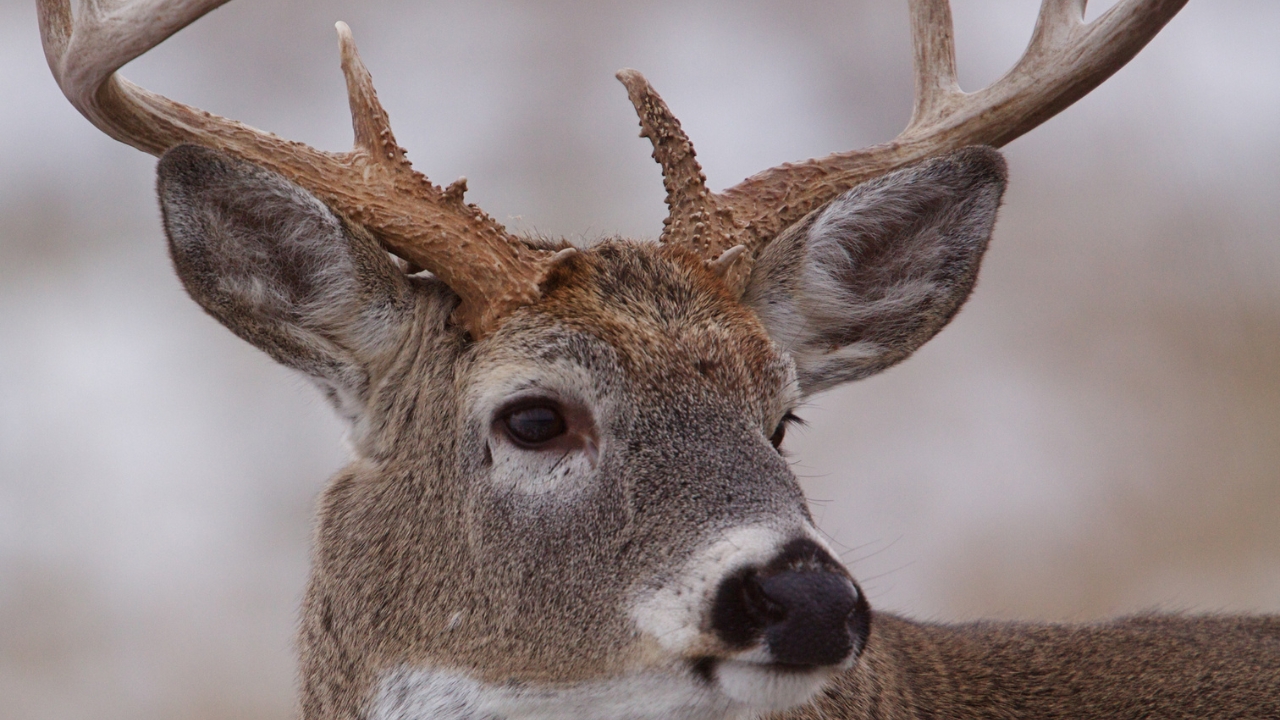
Ohio is one of those states that gets talked about like it’s only for giant deer, leased farms, and outfitters. The truth is, there’s still room for a nonresident to come in, buy a license, and hunt—especially if you’re realistic about where you’re going and how you’re doing it.
The “more accessible” piece is that many hunters have realized you don’t have to be on a famous county line to kill a good buck. Hunt pressure patterns, hunt weekdays, and treat it like a chess match instead of a sightseeing tour.
16. Kentucky

Kentucky has quietly become one of the better nonresident whitetail options for folks who want a legitimate chance at a nice deer without needing an invitation to a private club. It’s not wide-open public everywhere, but there’s enough opportunity to build a plan.
Kentucky also has that “normal guy hunt” feel. You can roll in, hunt hard, and if you do your scouting right, you’re not automatically behind just because your driver’s license is from out of state.
17. Indiana
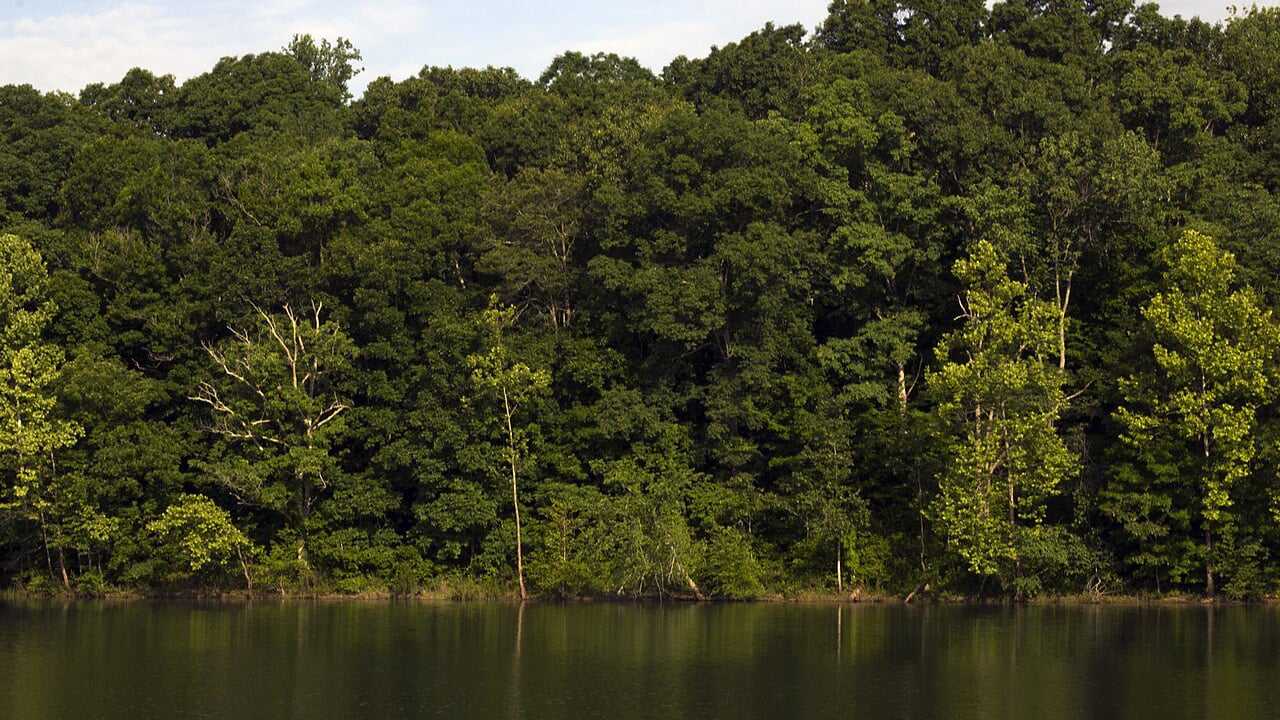
Indiana isn’t huge, but it’s a state where nonresidents can still put together a realistic deer trip. What’s improved is awareness: more hunters are figuring out how to navigate public parcels, timing, and the way pressure shifts deer fast.
It’s not the place for lazy hunting. But if you like mobile setups, short sits, and being aggressive when conditions line up, Indiana can be a solid choice.
18. Michigan
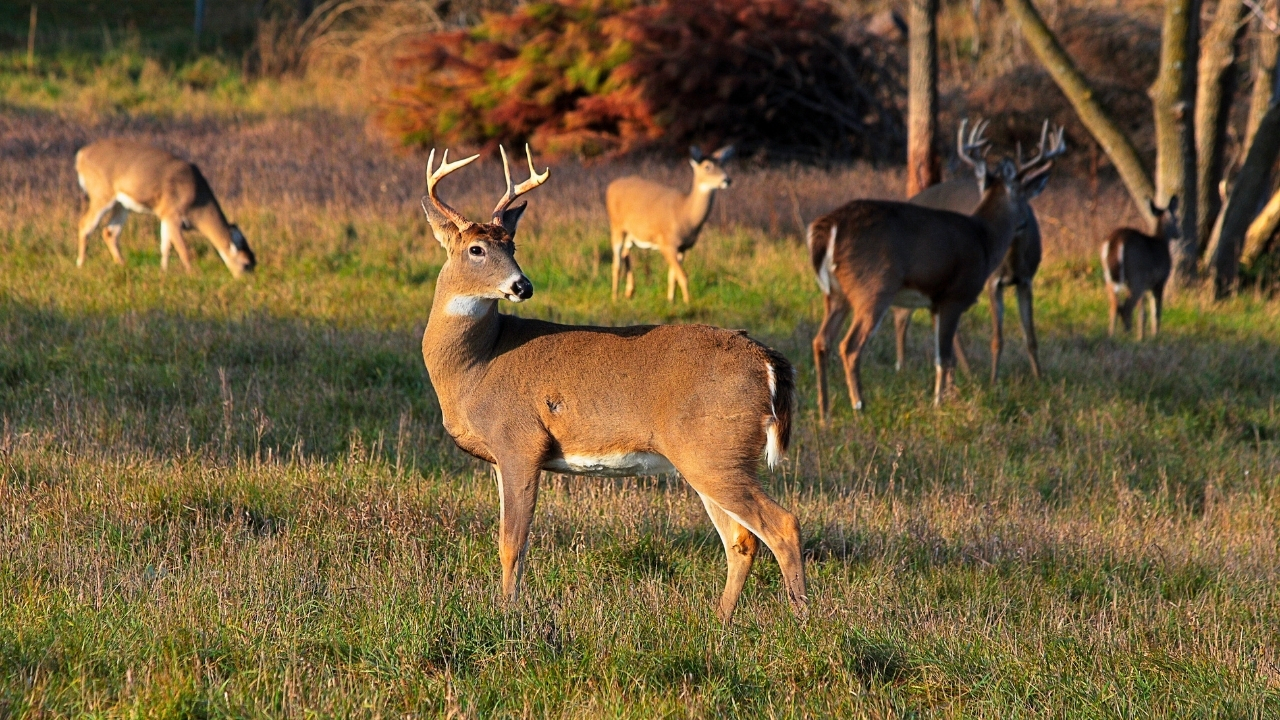
Michigan is a destination state if you want options. Deer, bear, small game, waterfowl—there’s a lot going on, and nonresident access is not locked behind a decade of draws for many opportunities.
The quiet advantage is that you can tailor a trip around what you actually like. If you want to mix a deer hunt with grouse covers or hit a late-season window, Michigan gives you room to do it without acting like you’re defusing a bomb in the regulations book.
19. South Dakota

South Dakota has always been a bird hunter’s state, but it’s become more approachable for nonresidents who are willing to plan early and be flexible on dates. Between public ground, walk-in style access in many areas, and a strong hunting infrastructure, it’s still a place you can go have a real hunt.
The biggest thing I tell folks is to treat it like a trip you organize, not a trip you “wing.” Lodging and pressure can swing hard depending on timing, but the opportunity is there.
20. Nebraska

Nebraska is one of the most underappreciated nonresident states for the guy who just wants to hunt. Deer options, turkey opportunities, and plenty of room to roam if you’re willing to learn access rules and map layers.
It’s also a state where you can make a simple plan: drive in, hunt public or permission ground the right way, and not feel like the whole system is designed to keep you out. It’s not always easy hunting, but it’s straightforward hunting, and I’ll take that any year.
If you’re trying to break into nonresident hunting right now, don’t build your whole season around one mythical tag. Pick one “apply and dream” state, pick one “I can hunt this year” state, and then actually go. Most of the quiet improvements in access only matter if you’re the kind of hunter who’s willing to read the regs, call when you’re unsure, and show up ready to work.
Like The Avid Outdoorsman’s content? Subscribe to our newsletter so you never miss an article.
Here’s more from us: