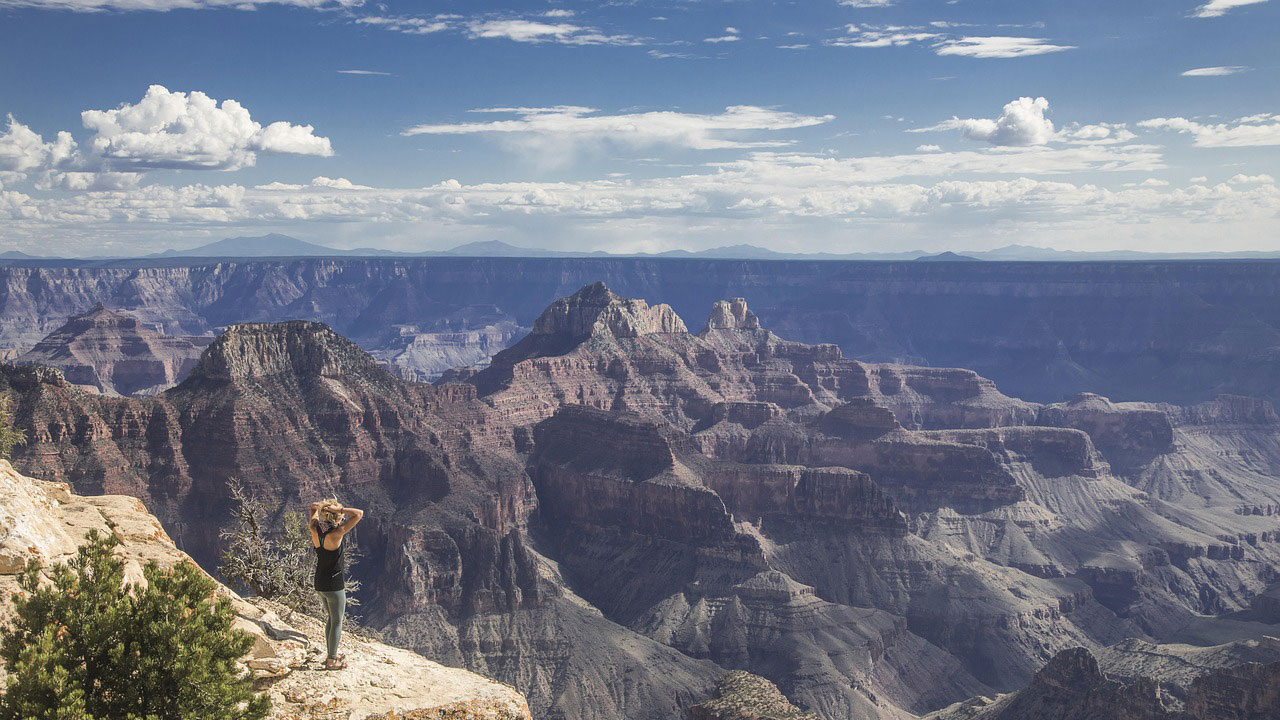
Photo credit: Pixabay/Pixabay.com
If you hunt and hike long enough, you figure out quick that the stuff most likely to kill you isn’t teeth and claws. It’s cliffs, loose rock, cold water, heat, bad footing, and bad calls. National Park Service data flat-out say it: motor vehicle crashes, drownings, and falls are the top unintentional killers in parks, not wildlife. Across the whole system, only a tiny handful of deaths are blamed on wild animals compared to hundreds from terrain and exposure.
So this list isn’t about where critters are scary. It’s about the states where the ground, the weather, and the water will punish a bad plan a lot faster than any bear ever will.
Arizona
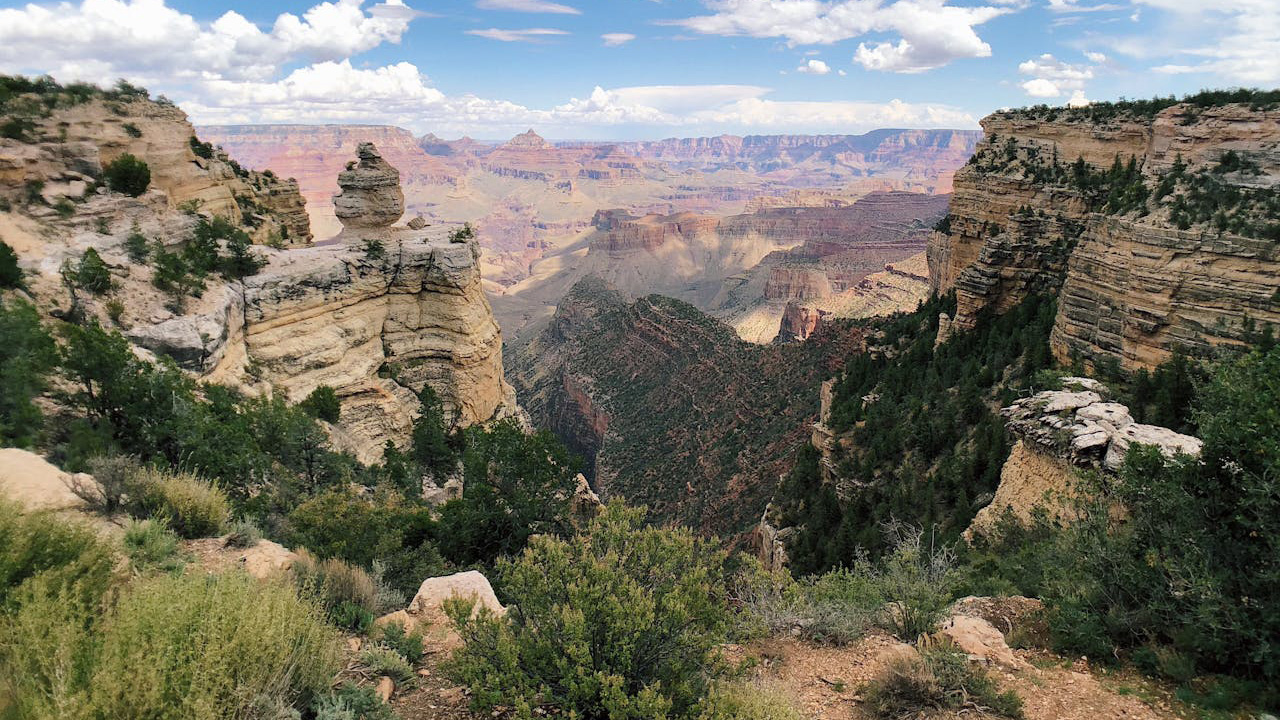
Arizona is poster child country for “the landscape is the hazard.” Grand Canyon consistently ranks near the top for national park deaths, with around 12–13 fatalities a year on average—most from falls, heat, and medical events, not attacks. Add in places like Lake Mead and canyon country where drownings and heat stroke chew up SAR hours, and it’s obvious what does the real damage.
For hunters and backpackers, the danger isn’t some mystery predator. It’s underestimating how brutal the climb out will be, how fast you can run out of water, and how hard it is to get rescued out of a side canyon when temps are over 100°F. You plan turnaround times and water carries here like your life actually depends on them—because it does.
California
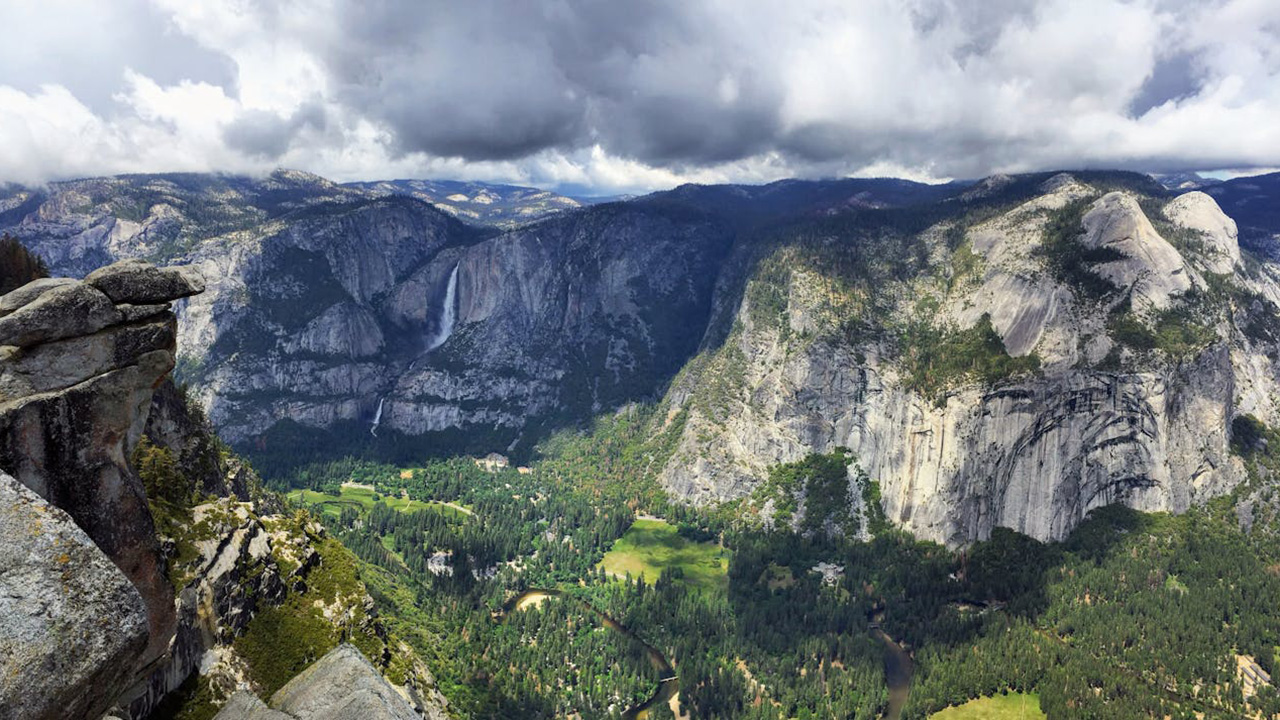
California stacks all the big terrain problems: cliffs, glaciers, huge elevation swings, and crowds. Yosemite, Sequoia–Kings Canyon, and Death Valley all show up high on death-rate lists, with falls, exposure, and heat dominating the incident reports. Yosemite alone has racked up well over 170 deaths in modern analyses, most tied to hiking, climbing, and water—not wildlife.
Once you leave the valley floor or main trail, bad footing, wet granite, and fast rivers become the real predators. Hunters working steep Sierra basins and coastal canyons are dealing with the same stuff: loose rock under snow, creeks running higher than they look, and terrain that can turn a simple slip into a helicopter ride.
Nevada / Arizona (Lake Mead and the desert rims)
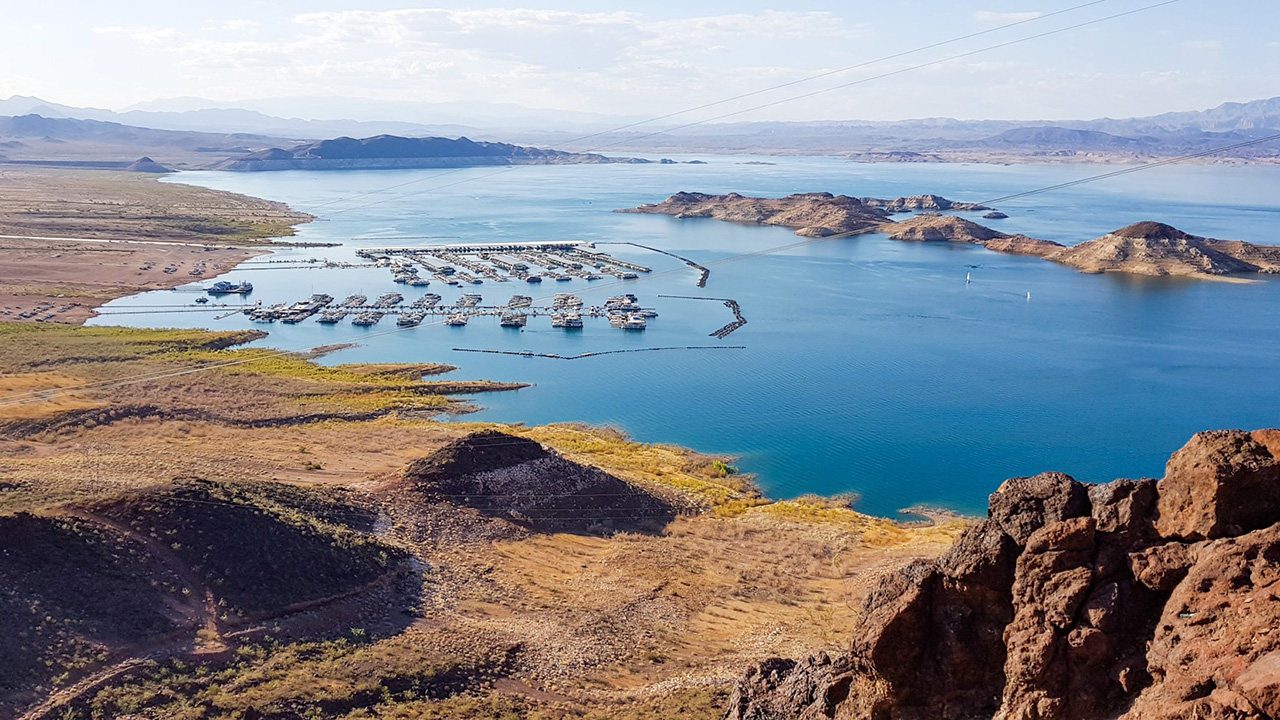
Lake Mead National Recreation Area is regularly labeled the deadliest park in the system by total deaths and high annual averages—over 300 fatalities across recent multi-year windows, with the majority from drowning and boating incidents. The rest is vehicle wrecks, falls, and heat. The wildlife isn’t what’s taking people out; it’s deep water, sudden wind, and summer temperatures that cook people in minutes.
For anyone running boats, glassing desert ridges, or camping along that shoreline, PFDs, weather calls, and hydration are more critical than bear spray will ever be. The same story stretches across the Mojave and Sonoran fringe—get stuck, roll a rig, or misjudge a dry wash in a storm, and the terrain will beat you long before a snake gets the chance.
Texas
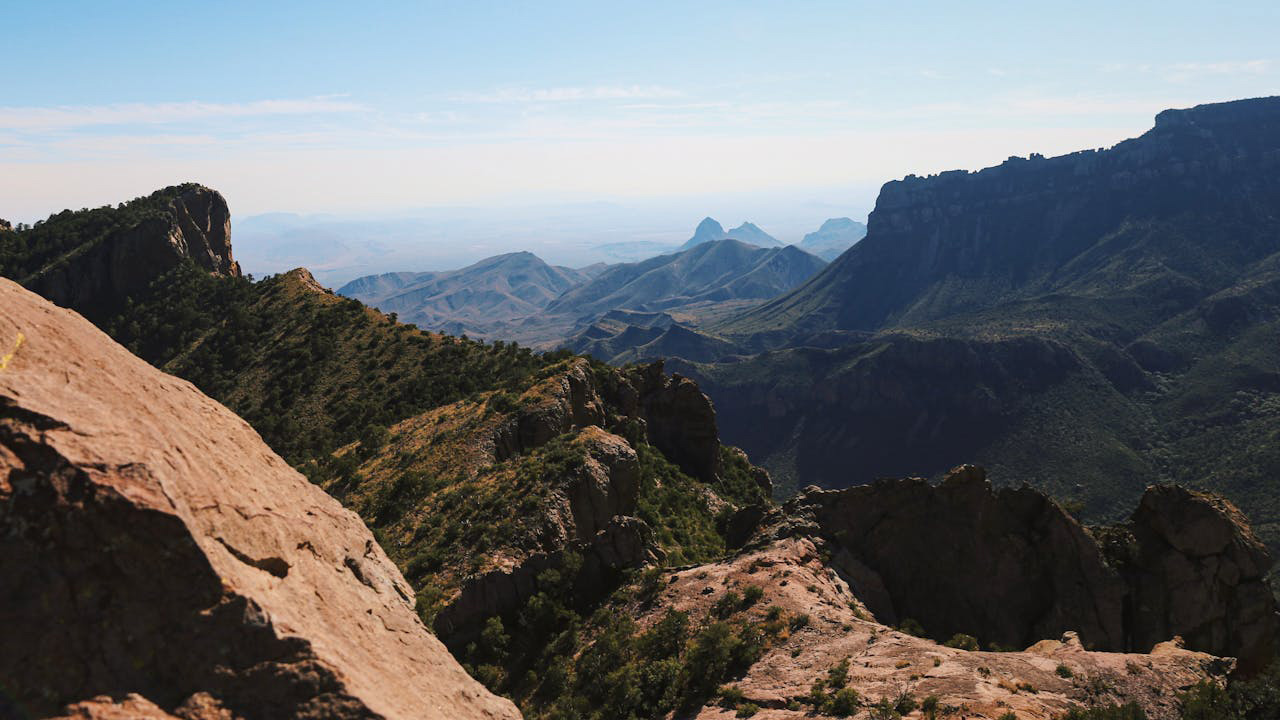
Texas doesn’t have a lot of predator headlines, but it does have some of the most unforgiving canyon and desert country in the Lower 48. A 2025 analysis pegged Big Bend National Park as the deadliest canyon park in the U.S. by death rate, driven largely by medical emergencies under heat and rugged terrain, not animals. Guadalupe Mountains shows similar patterns—remote, steep, and hard on people who show up underprepared.
Out in West Texas, the danger is simple: too hot, too far, too steep, and too little water. Hunters and hikers who treat canyon hikes like casual walks get hammered by dehydration, leg cramps, and heart issues, often miles from shade or cell service. Your best “predator defense” here is fitness, water, and the humility to turn around early.
Washington
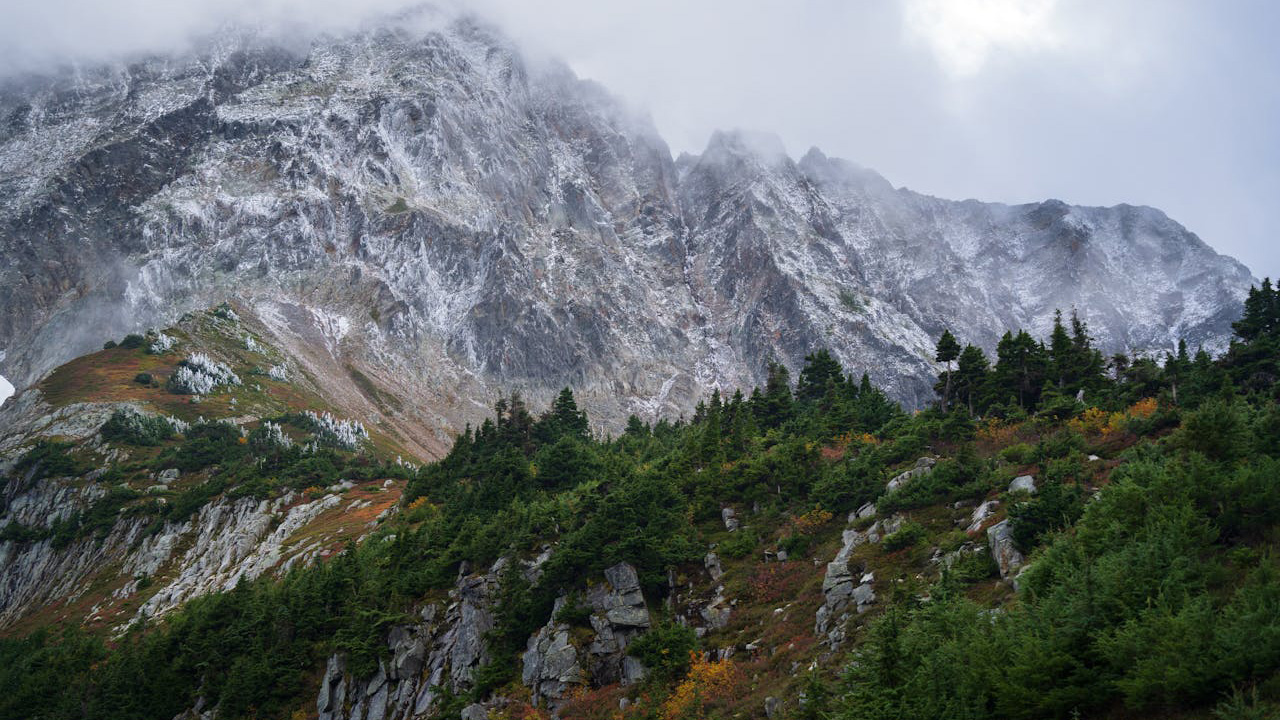
Washington’s North Cascades are famous in SAR circles for one reason: they kill people with terrain, not animals. Multiple reports have called North Cascades the deadliest park per visitor, with death rates many times higher than the national average—mostly falls and environmental incidents on rugged alpine ground.
Add in Mount Rainier’s crevasses and fast-changing mountain weather and you’ve got a state where a wrong step or bad storm call is far more dangerous than any black bear or cat. For hunters and climbers, that means real glacier skills, conservative avalanche decisions, and the assumption that a busted ankle in the wrong basin could be an overnight problem.
Colorado
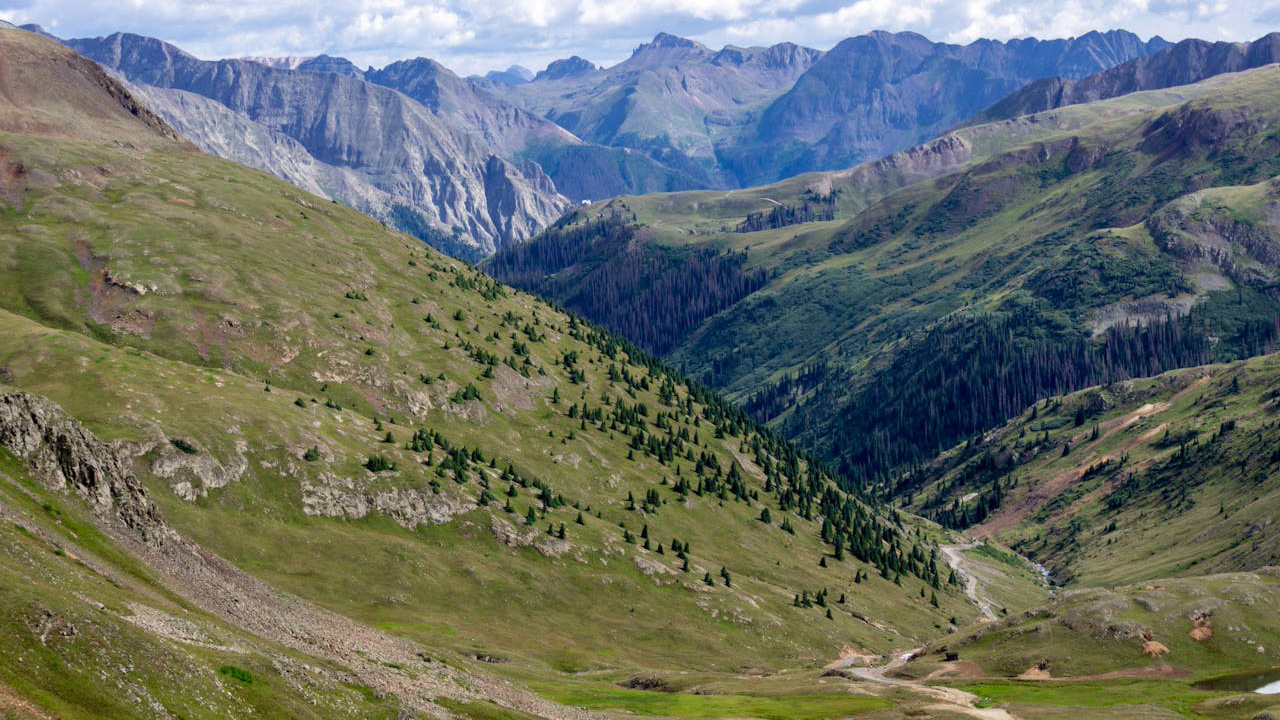
Colorado’s high country rescues are driven mostly by falls, altitude sickness, exposure, and vehicle crashes, even though the state has plenty of bears and lions. NPS and media analyses show 14er and park deaths clustering around climbing accidents, lightning, and medical events—not wildlife.
The Rockies are classic “looks tame from the road” country. Elk hunters, hikers, and skiers all get into trouble the same way: pushing above their conditioning, ignoring storms building over ridges, or committing to bad terrain late in the day. Oxygen, weather, and rock quality are the real predators here, and they don’t care how tough you feel at the trailhead.
Utah

Utah’s red-rock parks show up again and again in lists of high-risk terrain: Zion, Canyonlands, and others see regular SAR calls for falls, flash floods, and stuck canyoneers. It’s not cougars dragging people off trails—it’s slot canyons filling faster than expected and hikers dropping into country they can’t climb back out of.
If you’re chasing mule deer or elk off those rims, you’re playing on the same board. A line that looks fine on OnX can put you above cliffs or into drainages that trap water. The biggest safety move here isn’t weapons-related at all; it’s reading storm forecasts, understanding drainage, and refusing to commit to slots or side canyons when clouds start stacking.
New Hampshire

The White Mountains are notorious enough that New Hampshire will bill “negligent” parties for some rescues. That’s how often people underestimate this terrain. Reviews of regional incidents and state briefings point to hypothermia, falls, and weather as the big killers, not wildlife. Short distances, lousy footing, and fast storm systems turn marginal decisions into body recoveries every year.
For hunters and hikers, this is a lesson in respecting shoulder seasons. Wet, cold wind on exposed ridges and soaked cotton clothes take people down faster than most expect. Layers that work when you stop, real raingear, and a map-and-compass backup aren’t overkill in the Whites—they’re your lifeline.
Hawaii

Hawaii feels like a vacation poster until you look at the numbers. National-park and state data both show falls and drownings as leading causes of outdoor deaths—cliffs, sneaker waves, and surf do far more damage than anything with teeth. Volcanic terrain adds another layer: unstable edges, hidden cracks, and toxic gases in some zones.
Hunters chasing pigs and goats, or anglers scrambling coastal rock, are in the same danger zone as tourists in flip-flops—bad footing and big water. Solid boots, conservative calls around blowholes and surge zones, and refusing to follow social-media “shortcuts” to sketchy viewpoints will do more for your survival here than any talk about sharks.
North Carolina & Tennessee (Smokies / Blue Ridge)

Great Smoky Mountains and the Blue Ridge Parkway post a lot of deaths over long windows, driven mostly by motor-vehicle wrecks, medical events, and falls—not wildlife. You’ve got wet rock, steep, leaf-covered slopes, fog, and more curvy pavement than most people are used to.
Black bears get all the attention, but the ground and the roads hurt far more people. Deer hunters, hikers, and campers in these hills should treat slick trails, storm-soaked roots, and night driving as the main threats. Good tread on boots and tires, slower speeds, and an honest look at how fast weather can flip are what keep you out of the incident logs.
Alaska

Alaska’s wildlife gets all the ink, but the SAR data makes it clear: cold water, rivers, weather, and remoteness are usually what kill people. Reports on park deaths and state incidents point to boating accidents, river crossings, hypothermia, and plane crashes as major causes, while animal attacks stay rare by comparison.
For hunters and DIY float crews, that means the river and the sky are the main things trying to kill you. You plan like your raft will flip, your waders will flood, or your bush flight will be delayed days. Dry suits, legit PFDs, and redundancy in comms and shelter matter more here than worrying about being charged by a bear you’ll probably never see.
Arizona / Nevada / Utah canyon lakes and rivers
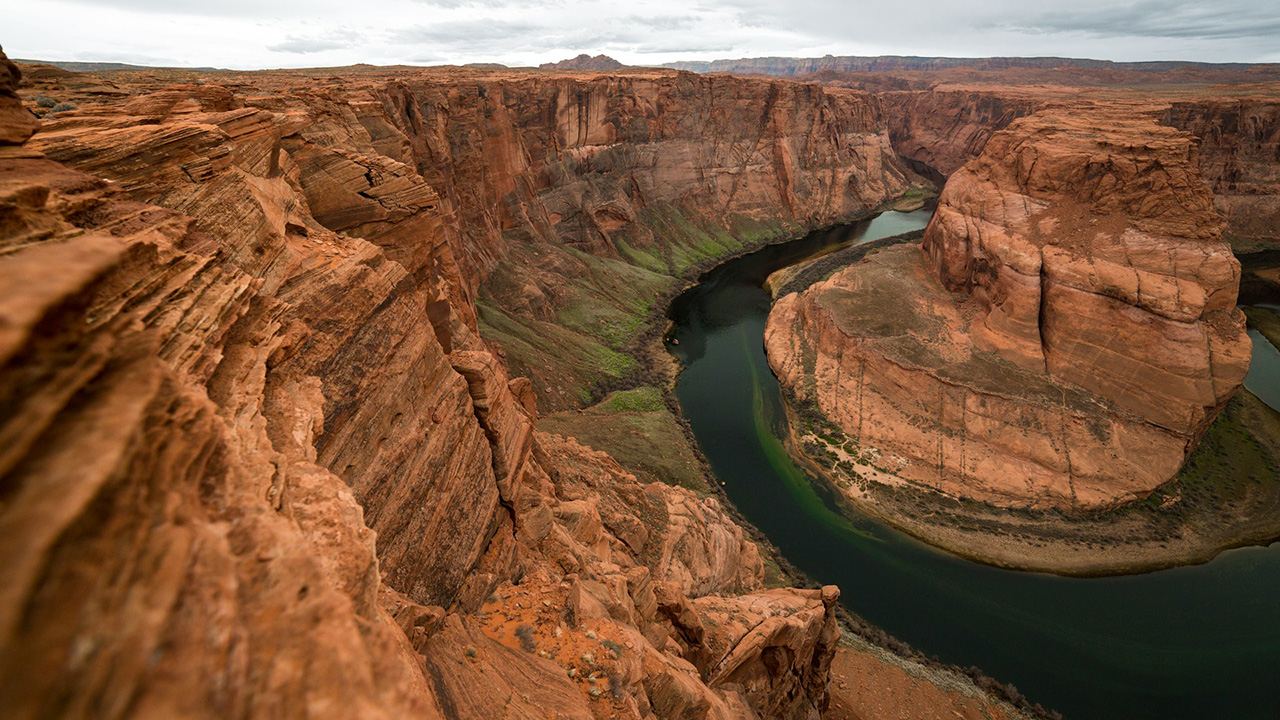
Lake Mead, Glen Canyon, and similar big-water canyon systems show up high on deadliest-park lists, with drownings and boating wrecks leading the way. Heat, wind, alcohol, and overconfident swimmers stack the odds. None of that has anything to do with mountain lions or snakes.
If you’re mixing hunting or fishing with big water down here, you treat capsizes and long swims as the real predators. Life jackets that actually stay buckled, honest calls on weather, and a hard rule about not swimming across big, cold channels after dark are the kind of decisions that keep you on the bank at the end of the day.
Like The Avid Outdoorsman’s content? Subscribe to our newsletter so you never miss an article.
Here’s more from us: