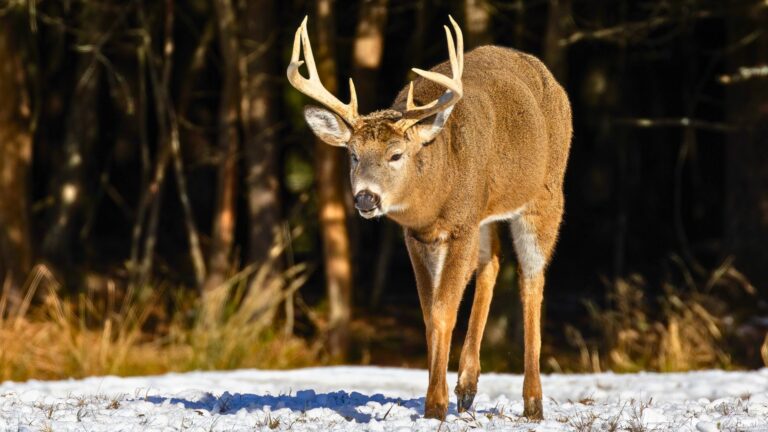
Photo credit: Bobyellow, CC BY-SA 4.0/Wiki Commons
If you want to know where you’re most likely to lay eyes on deer—not just big numbers on a population chart but actual deer per acre of ground—density is what matters. Using 2024 statewide estimates that break deer down by square mile, a handful of states float to the top: Michigan, West Virginia, Mississippi, Pennsylvania, Wisconsin, and then a tight pack of Southern and Mid-Atlantic states just behind them.
Keep in mind these are statewide averages. Hotspots inside each state can run a lot higher, and big public tracts or mountains can drag the number down. But if you’re picking where to burn points or plan a road trip, these 15 states give you a good idea of where the whitetail density is already cranked up.
Michigan

Michigan sits on top of the pile in these latest estimates with roughly 35 deer per square mile statewide and about 2 million deer on the ground. That tracks with what anyone who’s hunted farm-and-woodlot country or driven two-lane roads in November already knows—this state is deer heavy. The better managed DMUs run even higher, with some units averaging over 80 deer per square mile post-season according to DNR estimates.
High density means plenty of opportunity, but it also means crop damage, browse pressure in the timber, and a whole lot of car–deer collisions. For hunters, that’s a nudge to stay selective, pay attention to local antlerless guidance, and lean into helping landowners who are tired of watching soybeans and hayfields get hammered.
West Virginia
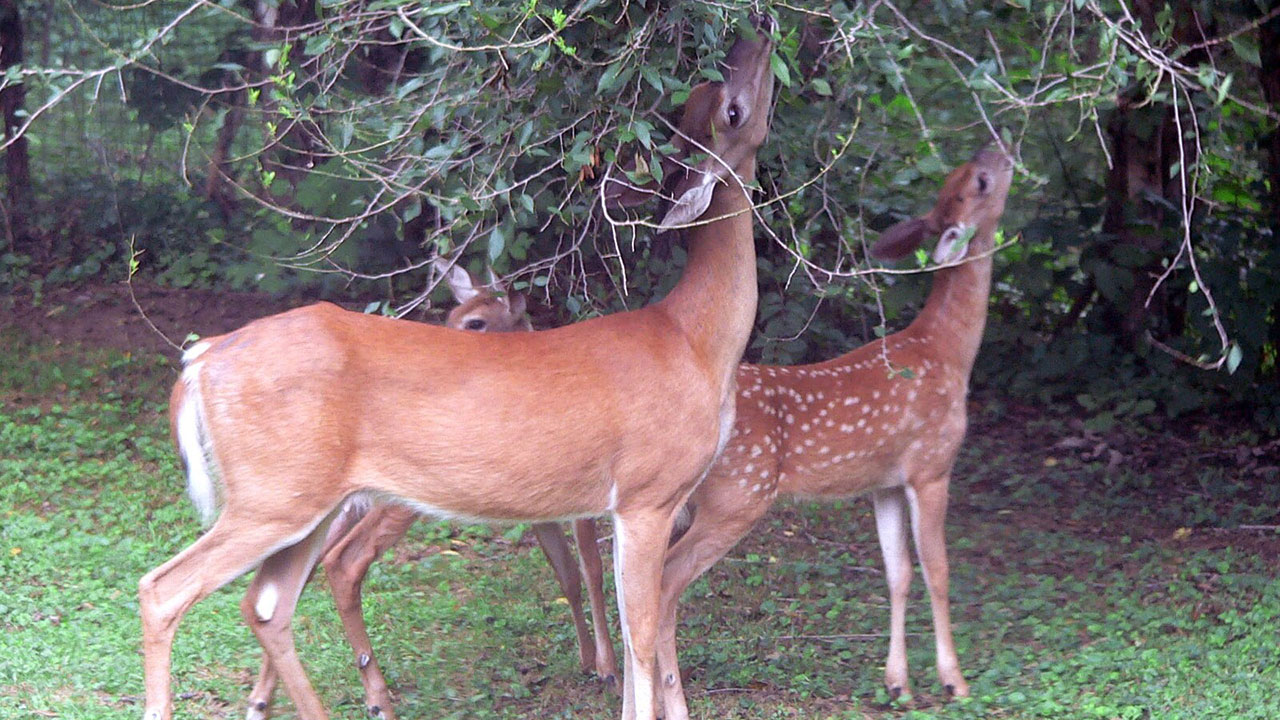
West Virginia comes in close behind with an estimated 33 deer per square mile over about 800,000 deer statewide. Rugged hills, woodlots, and a long hunting culture keep deer spread across the state, but the numbers per unit of ground are still high. Bowhunters working oak ridges and old pasture edges know how often you can see multiple deer from one stand when the acorns are right.
The flip side is on the roads. Insurance data regularly put West Virginia at or near the top for odds of hitting an animal, with deer as the main culprit. That tells you how tightly deer and people overlap. For hunters, it’s a sign you’re in the right place—but also a reminder to help keep numbers in check where the browse line is obvious and the neighbors are complaining.
Mississippi
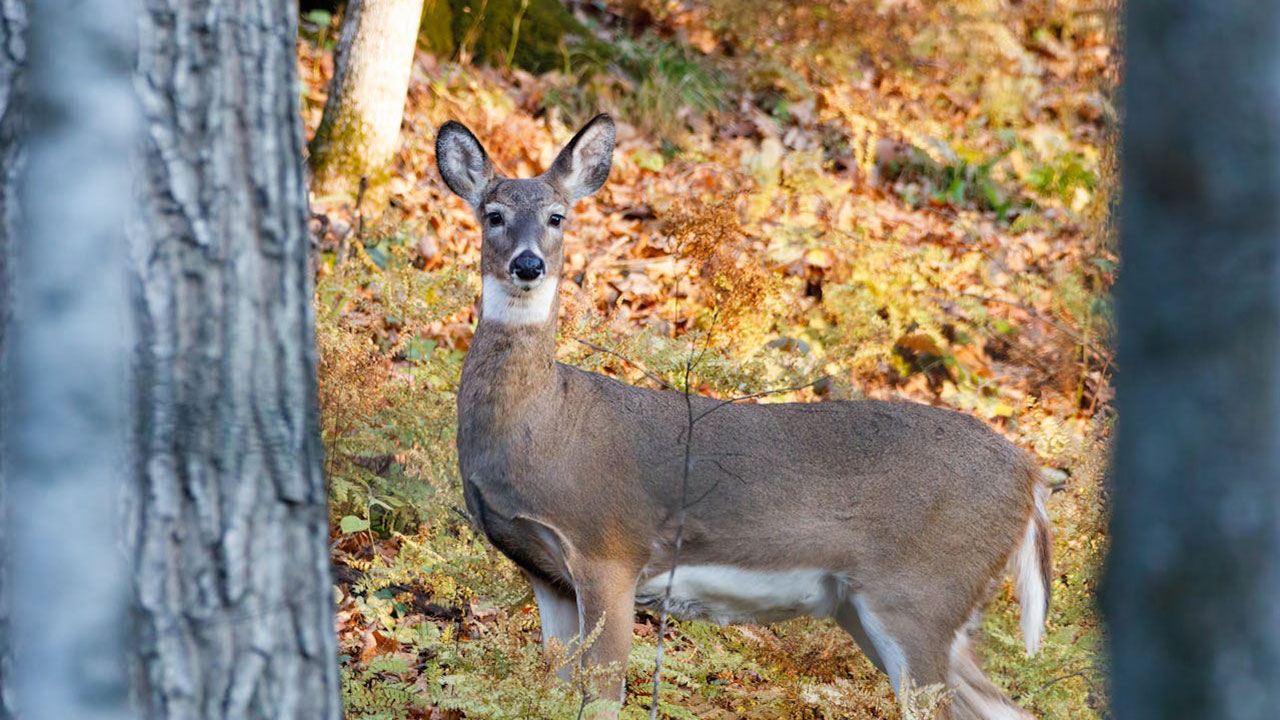
Mississippi’s statewide density sits at about 32 deer per square mile, with a whitetail population around 1.5 million. Bottomland hardwoods, pine country, ag edges, and years of strong reproduction built a deer herd that’s famous in the Southeast for both numbers and quality. Hunters who’ve sat on cutovers and food plots down here know how fast a field can fill when the rut kicks in.
That kind of density is fun for stand time but hard on habitat if it gets too far out of balance. State biologists have pushed antlerless harvest in some regions to keep the herd from overrunning its groceries. For traveling hunters, the takeaway is simple: doe tags and good management aren’t the enemy—they’re what keep Mississippi from turning into a browse-burned mess.
Pennsylvania
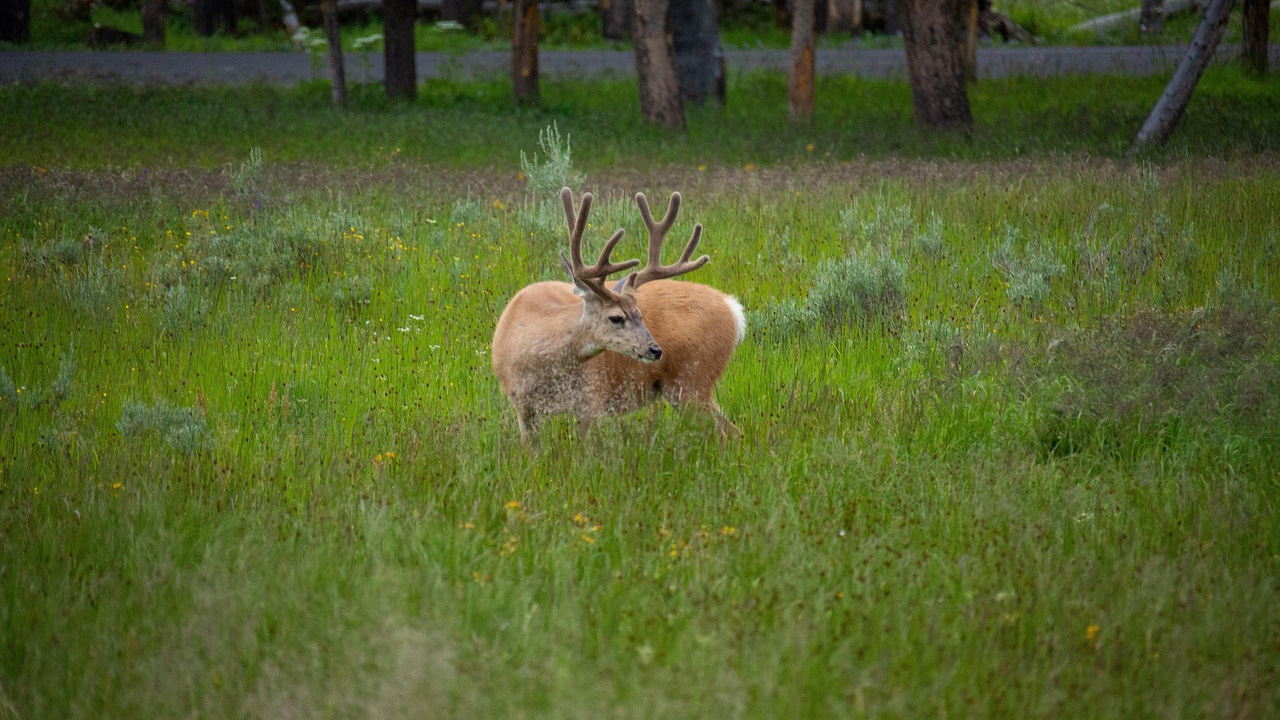
Pennsylvania’s numbers land around 31 deer per square mile statewide and roughly 1.4 million deer. Mix in a ton of hunters and heavy forest cover and you get one of the most active deer cultures in the country. Rifle season still feels like a holiday in a lot of small towns, and harvest stats reflect that.
High density has been a double-edged sword here. In the past, too many mouths hammered some public-land habitat and hurt age structure. The state has leaned into more aggressive antlerless quotas and antler restrictions in places to rebalance things. For hunters, that means there are still plenty of deer, but you’ll do best if you pay attention to specific WMU rules instead of assuming the whole state hunts the same.
Wisconsin

Wisconsin’s herd sits at roughly 1.51 million deer, averaged out at about 28 deer per square mile statewide. Real-world density runs even higher in farm country and lower in big timber, but either way, this is one of the most deer-rich states on the map. Harvest data also show Wisconsin near the top for bucks taken per square mile year after year.
The big concerns here are CWD in parts of the state and winter severity in the north. That’s pushed more targeted management—sharper antlerless tools where disease rates are high and more conservative approaches in tougher wintering zones. If you’re picking a unit, talk to locals and look at recent CWD and harvest maps; density is great, but you want healthy density.
Alabama

Alabama posts about 25 deer per square mile on average with an estimated 1.25 million deer on the ground. Long seasons, liberal bag limits, and strong private-land habitat make it a sleeper state for guys who like seeing deer. Pine plantations, hardwood creek bottoms, and food plots stitched through cattle and row crops give whitetails plenty of cover and groceries.
Density can be very local here. Some club and lease ground holds far more deer than the statewide average, while heavily cut or marginal areas lag behind. Alabama’s long gun seasons make it easy to over-pressure visible fields and plot edges, so the hunters who slip back into the cover, hunt terrain funnels, and stay patient in January usually do better than those who pound the same green field every weekend.
Kentucky

Kentucky also averages around 25 deer per square mile, with just under a million deer estimated statewide. This is one of the rare states that combines solid density with legit trophy potential—especially in the western ag belt and pockets of the Bluegrass region. Public-land hunters have learned to key in on overlooked WMAs and big river corridors where pressure thins a bit.
From a management standpoint, Kentucky’s challenge is keeping that balance between numbers and quality. Liberal antlerless opportunities in some zones help keep density from blowing past what the habitat can carry. For hunters, that means there’s room to be picky on bucks while still filling the freezer with does, as long as you pay attention to which zone you’re standing in.
Maryland

Maryland doesn’t look big on a map, but it packs in about 25 deer per square mile statewide with roughly 240,000 deer. Suburban sprawl, ag ground, and pockets of wild country all jammed together mean deer bump into people constantly. If you’ve ever hunted the edges of development here, you know how quickly stands can fill with deer once the first acorns drop.
The issue is less finding deer and more getting access and dealing with chronic overbrowsing on small parcels. Counties around the Chesapeake and DC-Baltimore corridor have wrestled with high deer–vehicle collisions and landscaping damage. That’s where bowhunters who can work tight properties and stay safe around houses become part of the management plan, not a nuisance.
New York

New York sits in the same band with about 25 deer per square mile and a herd estimated around 1.2 million animals. The state is basically two different deer worlds: the farm and woodlot zones in central and western New York, and the big-woods country of the Adirondacks and Catskills. Density is a lot higher in the ag-heavy regions than it is in deep timber.
Those higher-density pockets around crops and mixed cover can feel like Midwest hunting—multiple deer per sit, good age classes where access is controlled, and plenty of chances to fill a tag. As with other Northeastern states, the trick is working with landowners, understanding local antlerless quotas, and not assuming that every piece of woods inside state lines holds the same number of deer.
Missouri

Missouri’s herd runs about 1.4 million deer and averages 24 deer per square mile across the state. From row-crop country in the north to timber and hollows in the south, there’s a lot of whitetail ground in play. The numbers per acre get especially strong along river bottoms and mixed ag-timber landscapes where food and cover stack together.
State biologists have kept an eye on herd health after disease outbreaks like EHD and CWD in certain regions, adjusting seasons and tags to keep density from bouncing too far in either direction. For hunters, Missouri is one of those places where you can chase both numbers and quality: plenty of does to shoot and enough age structure that a patient hunter can hang a solid buck on the wall.
Connecticut

Connecticut posts about 23 deer per square mile, off a smaller total herd of roughly 110,000 deer—but don’t let the raw number fool you. Small land area and lots of suburban edge habitat mean deer and people share a ton of ground. That’s why the state shows up near the top of “deer problem” indexes that multiply deer density by human density.
For bowhunters who can handle tight quarters and short shots, this is fertile ground. Access is the bottleneck, not deer. Private parcels, land trusts, and carefully managed public tracts hold whitetails that live in a pretty cushy world—ornamental plantings, gardens, and minimal hunting pressure in some neighborhoods. When you do get permission, smart low-impact entry and exit matters more than wide-open rifle tactics.
Delaware
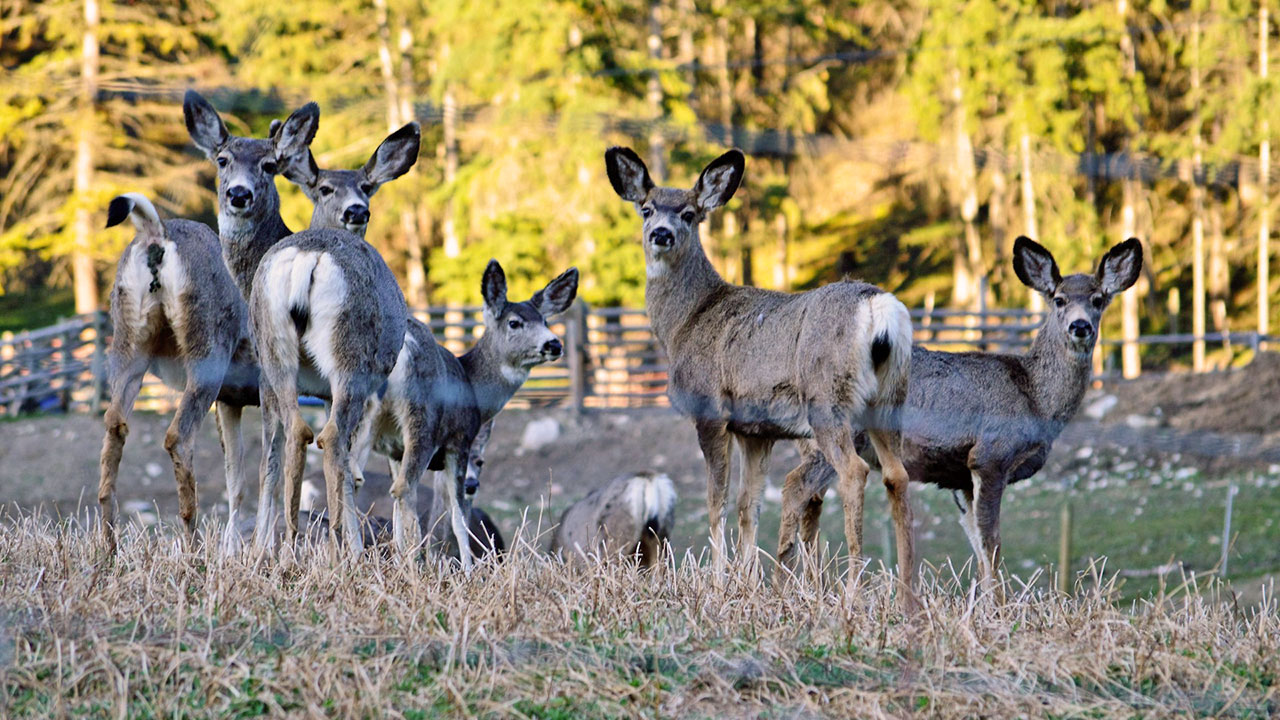
Delaware also averages 23 deer per square mile, with only about 45,000 deer total thanks to its tiny footprint. What that means on the ground is tight, productive whitetail pockets stitched through farmland, marsh, and residential development. The herd brushes up against people constantly, which is why states like this show high rates of deer–vehicle collisions and landscape damage relative to size.
For hunters, Delaware’s combination of early seasons, shotgun/straight-wall zones, and generous antlerless opportunities turns that density into real opportunity if you can get on ground. Like the rest of the Mid-Atlantic, the challenge is usually permission and shot safety, not finding deer. Short sits, quiet access, and being respectful around neighbors will get you more mileage here than trying to hunt it like big timber.
Georgia

Georgia’s statewide density hits about 23 deer per square mile, with roughly 1.3 million deer in the herd. Piedmont hardwoods, pine plantations, and ag pockets all carry deer, but the real density shows up where timber, thick understory, and food come together. Plenty of leases and clubs manage for both numbers and older bucks, which helps turn that density into quality.
The long season can make deer feel “educated” by winter, so guys who adjust as pressure builds—slipping into overlooked corners, hunting mid-day during the rut, and working off wind instead of tradition—tend to see more of what that density can offer. With suburban bow opportunities growing around metro areas, there are more ways than ever to turn Georgia’s numbers into filled tags.
Hawaii

Hawaii is the oddball on the list, but the math still works out to about 23 deer per square mile when you spread an estimated 149,000 deer across the land area. Most of that is axis deer on Maui, Lanai, and Molokai, plus other species depending on the island. In pockets, local density can spike way higher than the statewide average and cause real habitat damage.
For hunters, that translates to a lot of opportunity where access exists—private ranches, guided hunts, and some public options. But it also means serious pressure on native vegetation and ongoing debates about how hard to lean into culling and control. If you’re flying out for a hunt, don’t let the “island” label fool you; this is real, rugged country with real numbers of deer stacked into certain zones.
South Carolina

South Carolina rounds out the high-density group with about 23 deer per square mile and an estimated 700,000 deer on the ground. Coastal plain, Midlands, and upstate all carry whitetails, but the better soils and mixed cover push local densities well above the average. That’s why South Carolina shows up near the top of some lists for bucks harvested per square mile, too.
Long seasons and liberal limits create room to really manage the herd if hunters take advantage of antlerless tags and work with neighbors. On the flip side, heavy nighttime traffic, growing development, and plenty of low-visibility two-lanes mean high collision risk in many counties. From a hunter’s standpoint, South Carolina is a classic example of a dense herd that needs active, thoughtful harvest—so the woods stay healthy and the deer you’re seeing stay in good shape.
Like The Avid Outdoorsman’s content? Subscribe to our newsletter so you never miss an article.
Here’s more from us: