Photo credit: AB Photographie/Shutterstock.com
If you spend much time outside, you already know “dangerous wildlife encounter” usually means a messy mix of deer on dark roads, trash-habituated bears, moose in traffic, stinging insects, dogs, and the occasional big predator. The states below aren’t the only places things go sideways, but recent data on fatal incidents, bear and moose conflicts, and animal-vehicle collisions puts them near the top of the risk pile.
This isn’t about fearmongering. It’s about knowing where the odds stack a little higher so you can adjust how you drive, camp, hike, and store food. The animals aren’t the bad guys here—but they’re not forgiving when you ignore their rules.
Texas

Texas leads the country in total animal-caused deaths over a 20-year CDC window, with more than 500 fatalities tied to everything from deer collisions to stings and livestock incidents. That sheer volume of contact tells you how often people and animals share space in this state. Add in feral hogs, venomous snakes, heat, and working ranch country and you’ve got a place where “routine” outdoor time stacks a lot of risk factors in one day.
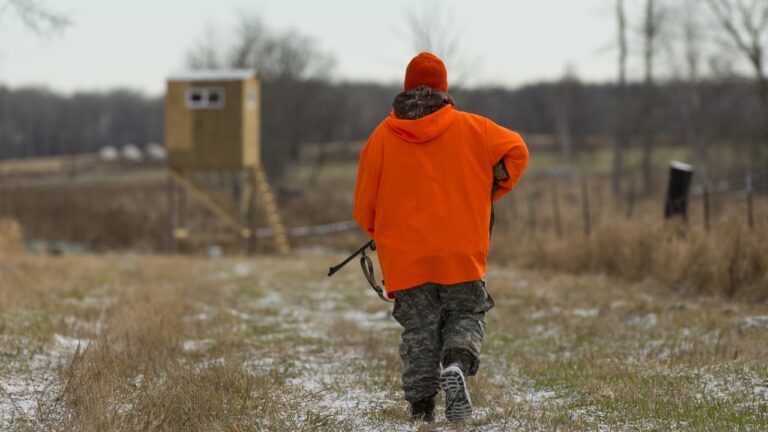
Most of these encounters aren’t some dramatic predator attack. They’re deer in the headlights at 70 mph, hornet swarms hit with the mower, cattle in the wrong place, and loose or working dogs. The takeaway for hunters and landowners is simple: slow down on rural roads, treat every water gap and low spot as deer country, and keep first-aid for bites, stings, and lacerations in the truck.
Georgia

Georgia doesn’t top the raw body count charts, but when you look at odds, one long-term analysis of animal attacks found Georgians had some of the highest per-capita risk in the country. The mix looks familiar: dense deer herds along fast highways, plenty of venomous snakes, dogs, and stinging insects, plus alligators in the south.
For hunters, the danger often comes on the margins—walking in or out in the dark, driving sleepy after a long sit, or wading swampy ground in warm months. Good headlamps, slow night driving, and snake-aware habits around water (long pants, careful footing, checking downed logs) go a long way here. Treat every culvert and low, overgrown ditch like it might hold either a cottonmouth or a sudden deer sprint.
Montana

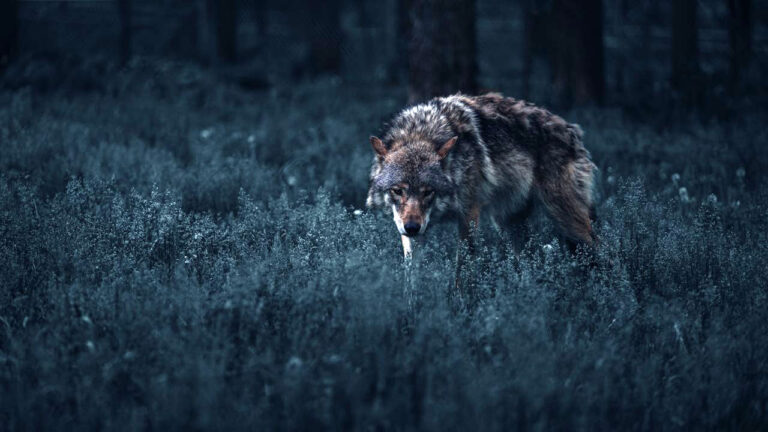
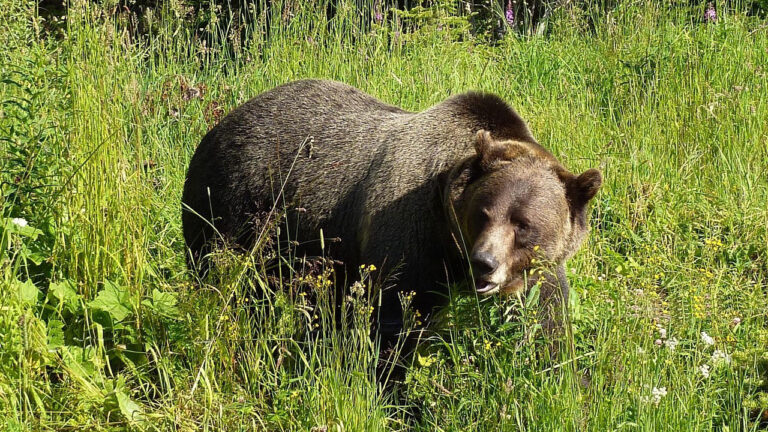
A BetOhio analysis pegged Montana as having some of the worst odds in the country for being attacked by an animal, even though states like Texas see more total incidents. That tracks with what most western hunters already know: this is full-time large-predator and big-herbivore country. Grizzlies, black bears, mountain lions, bison, and rut-drunk elk all share ground with people, and a lot of those encounters happen a long way from a trailhead.
Most Montana “encounters” aren’t maulings—they’re fast, tense moments at bad distances. Bear on a carcass you didn’t know was there. Cow elk at spitting distance in thick timber. Moose standing in the middle of a snowy road. Bear spray, smart carcass handling, cooking away from camp, and religiously clean trucks and trailers aren’t overkill here—they’re the price of admission.
Alaska

Alaska owns an outsized share of U.S. bear attacks and has a long history of leading the country in animal-related hospitalizations when you factor in dogs and other wildlife. But the animal that quietly hurts more people than bears here is the moose. State biologists estimate moose injure more people each year than bears do, and there are hundreds of moose-vehicle collisions annually.
For residents and visiting hunters, that means respecting moose the way tourists fixate on bears: never crowd cows with calves, expect bulls to be wired during the rut, and drive like every blind corner hides a thousand pounds of brown on spindly legs. Add in coastal brown bears on salmon streams and a long winter of darkness, and Alaska becomes less about one “apex predator” and more about constant, situational awareness.
West Virginia

West Virginia has been the riskiest state in the nation for animal collisions for more than a decade, with State Farm data putting the odds of hitting an animal at roughly 1 in 40—far worse than the national average. Deer top the list, but livestock and smaller mammals show up in the claims, too. When you combine that with winding rural roads and heavy forest cover, it’s easy to see why so many crashes turn ugly fast.
Hunters here are at risk even when they’re not in the woods. Early-morning and late-evening drives to and from stands line up perfectly with deer movement and low visibility. High beams, slower speeds on known corridors, and defensive driving in fall are real safety gear in this state. In many ways, the most dangerous “wildlife encounter” you’ll face in West Virginia happens through your windshield.
Pennsylvania

Pennsylvania sits at or near the top for raw numbers of animal-vehicle collision claims in recent years, with well over 140,000 in a single 12-month window. That’s driven by dense deer populations, heavy traffic, and lots of rural and exurban driving. When you layer in black bears, expanding elk herds, and plenty of backyard attractants, you get a state where “dangerous encounters” run from bent bumpers to serious injuries.
For whitetail hunters and traveling sportsmen, the big lesson is how often risk shows up outside of hunting hours. Slow down in peak rut months, expect multiple deer—not just one—to cross, and treat any place with crop edges, creek bottoms, or thick cover like a collision zone. In bear country, secure coolers and game meat in the truck and think twice before leaving scraps near camps or cabins.
Michigan

Michigan consistently ranks near the top for animal-vehicle collisions in both total claims and driver odds, with roughly 126,000 collision claims and about a 1-in-61 chance of hitting an animal in a recent State Farm window. Deer do most of the damage, but everything from small mammals to livestock shows up in the data. Snow, slick roads, and heavy rural traffic only multiply the risk.
Throw in black bears in the north, expanding wolf populations in parts of the Upper Peninsula, and lakeshore areas where people treat wild space like a backyard, and the odds of some kind of wildlife run-in go up. If you’re traveling to hunt or fish, give yourself extra time in fall, keep scanning road shoulders, and remember that the most dangerous part of a trip might be the two-lane stretch between the freeway and camp.
North Carolina

North Carolina shows up in long-term looks at deadly animal encounters with around 180 deaths over two decades—high for a mid-sized state. Add in recent insurance data putting it in the upper tier for animal collisions, and you’ve got a place where coastal, piedmont, and mountain wildlife all find ways to cross human paths.
In the west, black bear country overlaps with steep, hiker-heavy terrain and tight mountain roads. In the east, gators, snakes, and sting-related incidents become more of the story. Deer are the connecting thread statewide. Hunters and hikers should treat the Smokies and surrounding ranges like full-time bear country: clean camps, secure food, bear spray where legal, and heightened awareness on blackberry-choked trails and acorn flats.
Tennessee

Tennessee lands in the top tier for animal-related deaths in older CDC-based rankings and shares a lot of the same risk profile as North Carolina—big deer numbers, rolling rural roads, and serious black bear country in the Smokies. The park and surrounding public lands see heavy trail use, roadside wildlife viewing, and plenty of people who underestimate how fast a bear can close distance.
The other risk is water and weather. Hunters running rivers, fishing tailwaters, or slipping around wet, leaf-covered slopes in mixed hardwoods stack fall hazards on top of wildlife risk. The move here isn’t to avoid the hills; it’s to act like every dark hollow and laurel thicket could hold either a sow with cubs or a buck crossing at a bad angle—and to gear and plan accordingly.
Florida

Florida’s wildlife risk is a layered problem: alligators in fresh water, sharks along popular beaches, venomous snakes, sting incidents, and a growing black bear population near booming suburbs. Recent years have seen highly publicized gator attacks and bear encounters in neighborhoods, reminding people how thin the line is between “residential” and “wild.”
For hunters and anglers, that means remembering you’re rarely alone in or near water. Don’t wade blindly in murky creeks and ponds, keep dogs out of prime gator water, and treat any fish cleaning or game-processing spot as a strong attractant zone. Nighttime boat ramps, subdivision ponds, and roadside canals can all host sudden, dangerous encounters—often when folks have mentally “clocked out” of being in wild country.
California

California posts nearly 300 animal-related fatalities over a long CDC window, putting it among the most dangerous states by raw numbers. That comes from a huge population mixed with sharks, mountain lions, black bears, venomous snakes, livestock, and high-density deer on crowded roads. Wildfire and drought also push animals into tighter contact with people, especially on the edges of growing communities.
For outdoorsmen, it’s not all dramatic predator stories. The bigger day-to-day risks are deer jumping guardrails on mountain highways, rattlers under rocks in summer, and bears that have learned what coolers and trash cans mean. In backcountry and foothill zones, basic habits—checking where you put your hands, leashing dogs, storing food properly, and respecting trail and fire closures—cut down a lot of the encounters that end up in incident reports.
Colorado

Colorado Parks and Wildlife logged over 5,000 bear-related reports in 2024 alone, with about half linked to trash and a big share involving property damage—numbers that have trended above average in recent years and spiked again in 2025. On top of that, the state sits near the top for animal-vehicle collisions, especially in mountain corridors where deer and elk cross busy highways.
For hunters and hikers, that means two fronts: roadside risk and camp risk. In town and at trailheads, lock trash, coolers, and food like you assume a bear will check every bed of a parked truck. On the road, expect wildlife on the shoulder any time you’re driving between dark timber and low openings. A state that rich in game also means a state rich in ways for animals and people to collide.
Connecticut

Connecticut doesn’t seem like “dangerous wildlife” country at first glance, but its bear problem has escalated fast. DEEP’s 2025 “State of the Bears” report shows more than 3,000 bear-related conflicts in 2024, 67 home entries, and rising attacks on livestock, with conflicts far outpacing neighboring states despite a smaller bear population.
That makes Connecticut a good example of how suburban sprawl and easy food sources change the math. Backyard bird feeders, unsecured trash, grills, and chicken coops turn quiet neighborhoods into conflict zones. Hunters and rural landowners here need the same bear-smart habits as folks in the Rockies: electric fencing on small livestock, locked cans, clean camps, and a hard line on intentional or “accidental” feeding.
Idaho

Idaho sits in a transition zone packed with mountain lions, black bears, and, in certain corners, grizzlies spilling over from Yellowstone and Canadian recovery areas. In parts of the Wood River Valley and other communities, state biologists have documented rising reports of lions and bears around homes and pets.
Most Idaho encounters don’t make national news, but the risk is real around wintering game, backyard poultry, and dogs running off-leash near town edges. For hunters packing into steep timber or brushy creek bottoms, that means managing meat and food scents aggressively, running lights and noise in thick stuff, and treating trailheads and subdivisions as part of the same predator landscape—because the cats and bears already do.
Wyoming
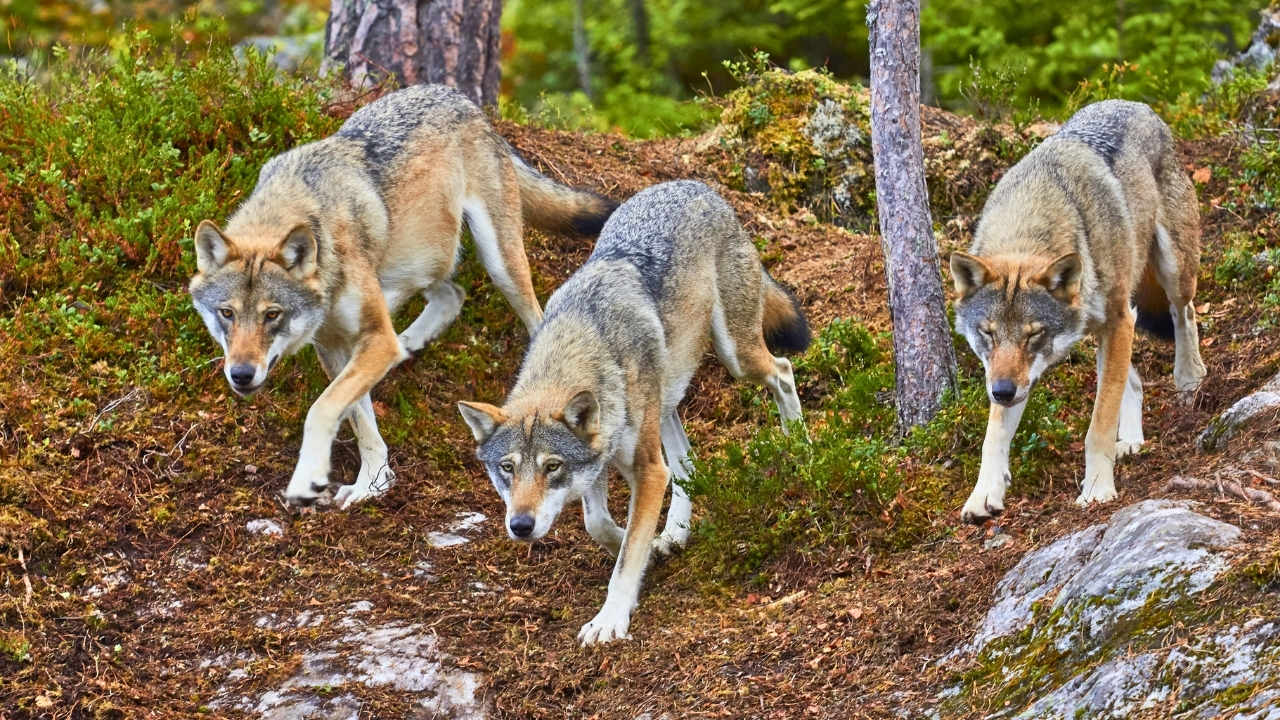
Wyoming’s problem isn’t volume, it’s intensity. This is grizzly, wolf, lion, and bison country wrapped around some of the most heavily visited national parks in the world. Recent years have seen fatal and serious grizzly attacks on hunters and hikers, along with regular bison gorings and vehicle collisions with large mammals.
For anyone hunting or exploring the Greater Yellowstone ecosystem, the margin for error is thin. Blood, meat, and food storage have to be handled like you know bears are nearby, because they usually are. Bison and elk deserve the same standoff distance you’d give any predator, and “just one quick photo” at close range is how a lot of people get hurt. The wildlife is incredible here—but it’s never tame.
Like The Avid Outdoorsman’s content? Subscribe to our newsletter so you never miss an article.
Here’s more from us: