Photo credit: AvidOutdoorsman
The guy wasn’t out there looking for trouble. He had a daypack, a thermos, and a small rimfire rifle broken down in a case the way a lot of folks haul one when they’re walking public ground. Tucked beside it was a suppressor he’d bought the right way—paperwork done, tax stamp approved, serial number matched, all of it.
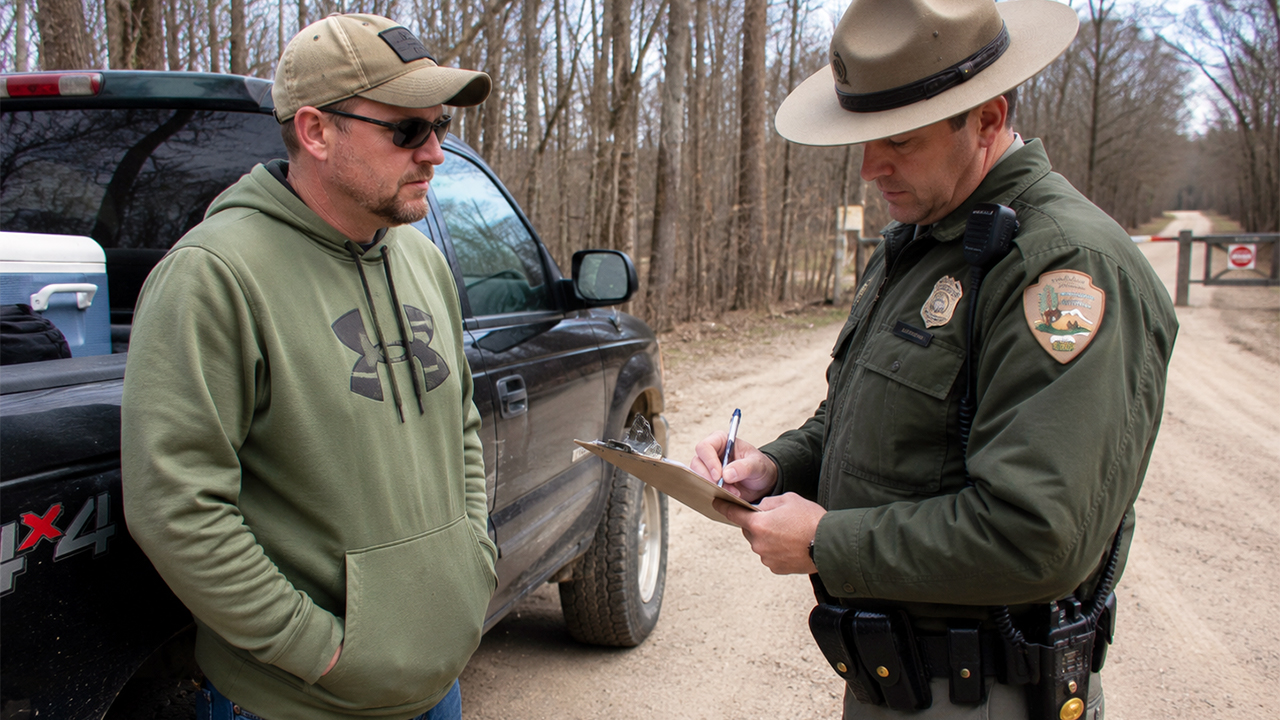
By mid-morning, his quiet hike through the state park turned into a long sit on a picnic table while a ranger worked a radio, thumbed through policies, and treated a legal piece of gear like contraband. Two hours later, the same ranger finally admitted what should’ve been obvious from the start: the suppressor was lawful to possess there.
The stop started with a “someone called it in” moment
It began the way a lot of park run-ins do—an “I got a report” contact. A ranger drove up after another visitor said they’d seen “a silencer” and a gun case near a trailhead. In a busy park, especially on a weekend, that kind of call flips the switch from casual to cautious in a hurry.
The outdoorsman did what most of us would advise: hands visible, calm voice, no sudden movements, and he let the ranger take control of the interaction. He explained he was headed to a legal shooting area outside the main recreation loop, not strolling past playgrounds looking to make a point. The suppressor was in the case, not mounted and not being used.
Paperwork wasn’t the problem—familiarity was
When the ranger saw the suppressor, the tone shifted. You could almost hear the mental gears grinding: “Is this allowed here? Do I need to seize it? Do I call a supervisor?” That’s the tricky part with NFA items—many officers don’t deal with them often, and uncertainty tends to get treated like suspicion.
The owner produced proof of lawful possession. Most suppressor owners keep a copy of their approved tax stamp (digital or paper) for exactly this reason. The ranger looked it over but didn’t appear confident that the document was enough. Instead of treating it like a normal “check and clear,” the ranger kept the man there and started making calls.
That’s where time starts bleeding away. Radios go unanswered. A supervisor is “out on another call.” Someone says to contact a different office. Meanwhile you’re standing there with your day ruined, trying to stay polite while you’re being treated like you did something wrong.
Why it dragged out to two hours
On the ranger’s side of the table, there are real public-safety pressures. Parks get families, trail runners, and folks who don’t know a muzzle from a trekking pole. A report of a “silencer” can sound like a threat to someone who’s only seen suppressors in movies. Rangers also operate under park-specific rules that can be different from the rest of the state, and some parks ban discharge of firearms even if possession is legal.
But none of that explains keeping a cooperative person detained for two hours after verifying identity, checking the item, and seeing documentation. What likely happened is a mix of policy fog and fear of being wrong. It’s easier—administratively—to hold someone and “make sure” than it is to make a decision and risk a complaint later.
The hard truth is that suppressors still confuse people. Even among gun owners, plenty still call them “silencers” and assume they’re black-market gear. In reality, they’re safety equipment that reduces hearing damage and cuts down on noise complaints, and they’re legal in a lot of places when possessed properly.
The key detail: possession versus use inside a state park
This is where outdoorsmen need to pay attention, because the rules can split hairs. Many parks prohibit firing a gun except in designated areas or lawful hunting seasons. That’s about discharge. Possession is often treated differently, especially for people traveling through or hiking to another destination.
From the way this incident played out, the suppressor owner wasn’t cited for discharging a firearm, reckless behavior, or brandishing. The sticking point was simply the suppressor itself—whether it could be in the park at all. Once the ranger finally confirmed the park didn’t have a specific prohibition on lawfully possessed suppressors, the whole case collapsed on the spot.
That’s when the frustrating part hits. If it’s legal at the end of the call, then the last two hours weren’t “investigation,” they were delay. And delay is a punishment all by itself when you miss a planned hike, lose a campsite reservation, or have to explain to your family why you’re late getting back.
What other outdoorsmen focused on: documentation, demeanor, and recording
Any time a story like this makes the rounds at a gun counter or in a hunting group chat, you can predict the discussion. Some folks zero in on the stamp: “Always have a copy.” Others hammer on attitude: “Be respectful, don’t escalate, let them sort it out.” Both points are fair, and both can be true at the same time.
A lot of experienced guys also talk about documentation beyond the tax stamp—knowing the park’s posted rules, having the regulation page bookmarked, and keeping the suppressor’s serial number and the approved form accessible. It doesn’t guarantee a quick stop, but it gives you something concrete to point to when “I think” turns into “show me.”
Then there’s the recording question. In many places, recording a public interaction is lawful, and some outdoorsmen like having a clean record if things go sideways. But the best advice is to keep it low-key. A calm “For both our records, I’m going to record” beats shoving a phone in someone’s face and turning a routine contact into a standoff.
Practical takeaways if you carry a suppressor in the field
If you own a suppressor and you spend time on public land, assume you’ll eventually meet someone—an officer or a bystander—who doesn’t understand it. Pack and transport it like you would any other regulated item: secure, not displayed for attention, and not handled in public spaces. A suppressor sitting on a tailgate next to a cooler might be normal at deer camp, but at a state park trailhead it’s going to draw eyes.
Carry a copy of your approved paperwork and keep your explanation simple. “It’s a lawfully registered suppressor. Here is the documentation. I’m not using it here.” Don’t try to educate the entire world on the spot, and don’t argue park policy from memory if you aren’t 100% sure.
Most important, understand the difference between what’s legal statewide and what’s allowed by that specific park’s rules about discharge, hunting, and firearms in certain facilities. Even if the suppressor is legal, firing a rifle where discharge is prohibited can still earn you a bad day.
In the end, this kind of incident isn’t just about one guy losing two hours of his life. It’s a reminder that “legal” and “smooth interaction” aren’t the same thing. If you’re going to use modern gear on public ground—especially anything the public associates with Hollywood—carry your paperwork, know the local rules, and give yourself enough time and patience to deal with someone who’s still catching up.
Like The Avid Outdoorsman’s content? Be sure to follow us.
Here’s more from us: