Photo credit: Champion Jigs Outdoors/Youtube
There’s a point where a gun stops being a “first gun” and turns into a tool you just count on. Rural folks figure that out quick. You buy something to cover a need—deer season, coyotes, a snake in the barn, a truck gun that actually stays in the truck—and years later you realize you never bothered “upgrading” because it already does the job.
Not every starter gun is like that. Plenty of them are cheap lessons. But these are the ones I keep seeing in farmhouses, pickup consoles, and dusty closets behind coats: guns that got bought early and just kept earning their keep. They’re not all glamorous. A few are downright boring. That’s sort of the point.
1. Ruger 10/22 Carbine
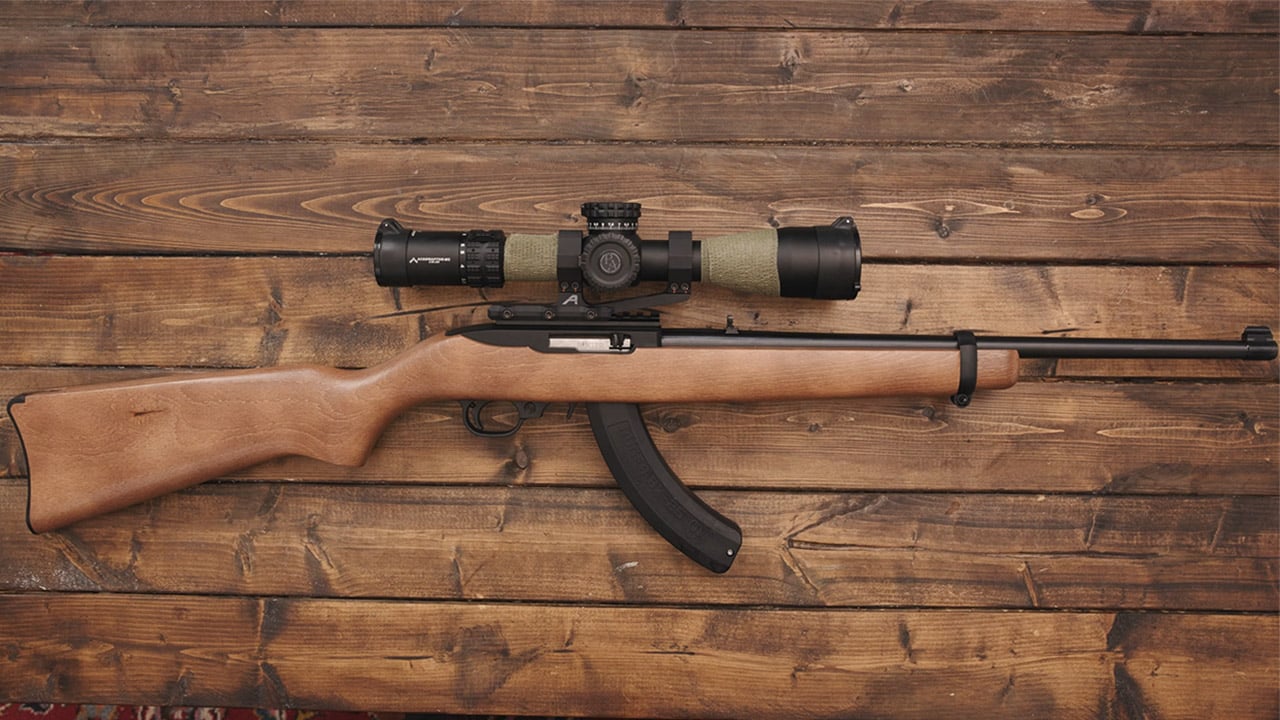
If you grew up around the country, you’ve probably carried one before you could legally drive. The 10/22 is light, handy, and forgiving, and it’s the rifle that turns “I should practice more” into actual trigger time because .22 LR is still the easiest way to shoot a lot without crying over ammo bills.
Magazines are everywhere, parts are everywhere, and it’ll ride behind a truck seat without acting precious. Folks talk themselves into a “better” rimfire, then they keep the 10/22 anyway because it does chores: pests, plinking, and teaching kids without drama.
2. Marlin Model 60
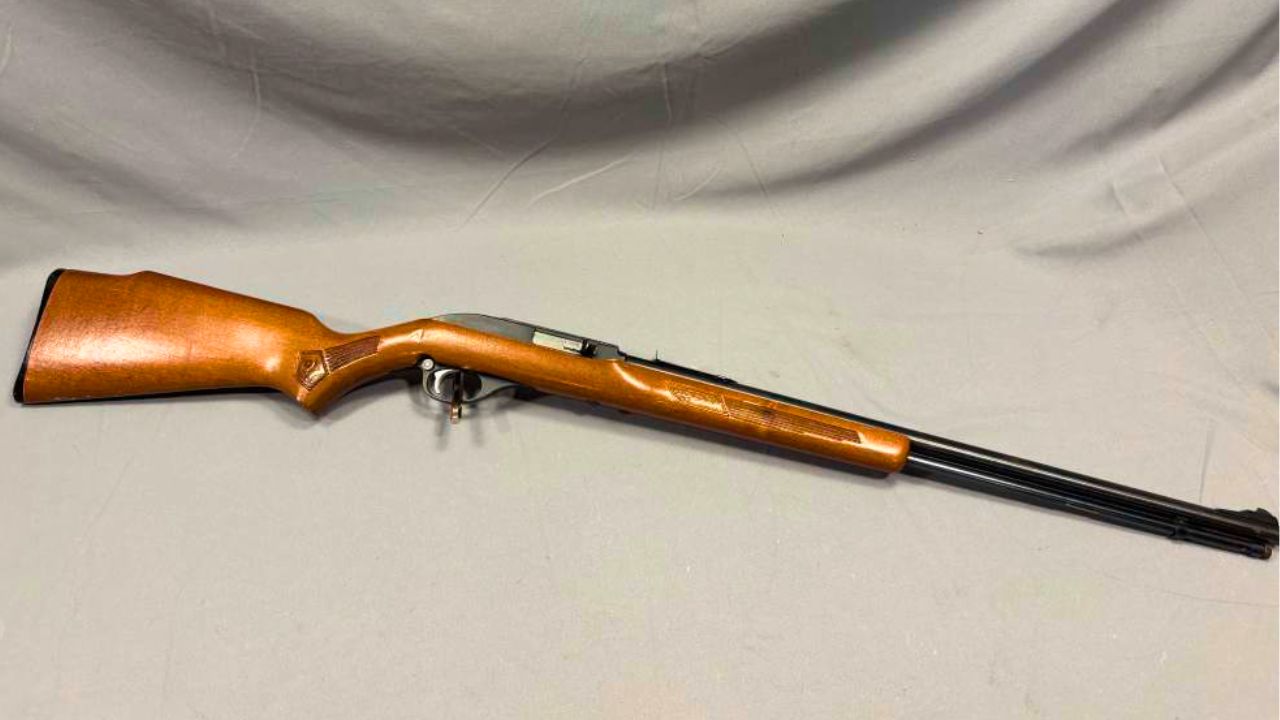
The other .22 you’ll find leaning in corners is the old tube-fed Marlin 60. It’s not trendy, and it’s not trying to be. It just shoots straight enough to matter and holds plenty of rounds for potting a few pests around the place.
There’s something about that simple semi-auto and the long sight radius that makes it feel like a real rifle instead of a toy. If it’s been maintained halfway decent, it’ll keep running long after fancier stuff gets babied and sold.
3. Savage Mark II FV
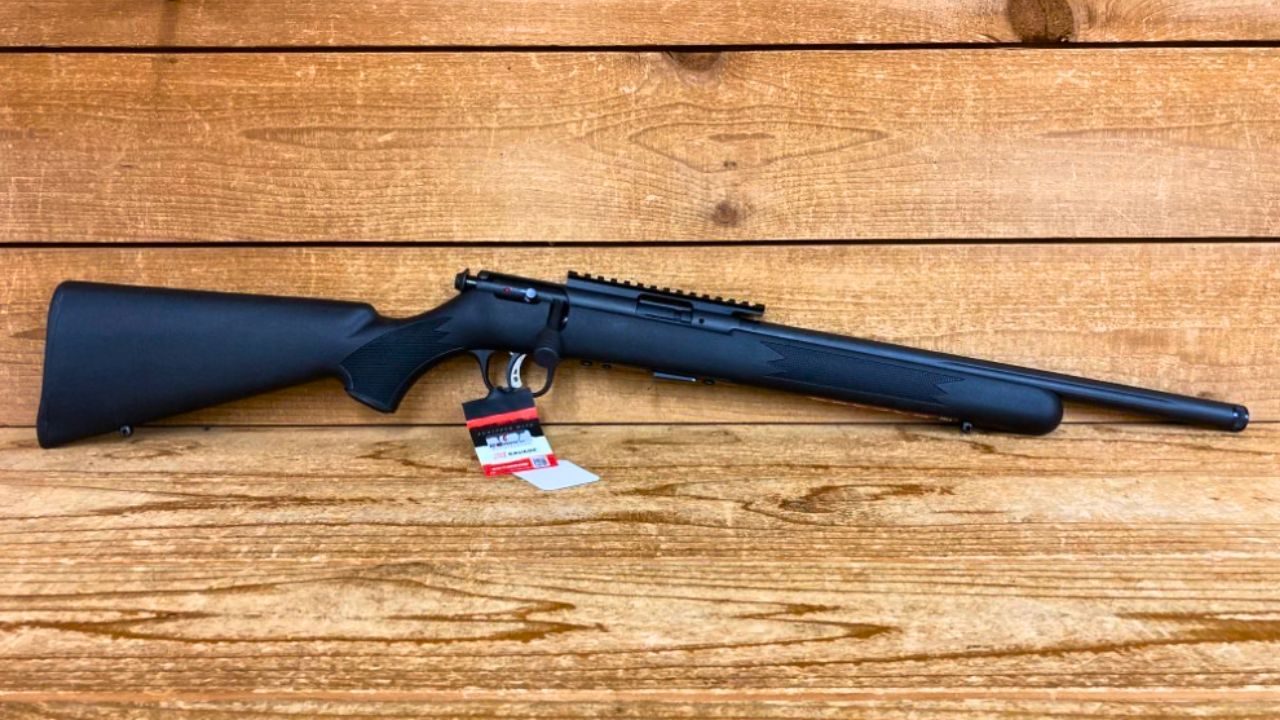
When a rural owner wants a “serious” .22 that’s still cheap, the Savage Mark II is hard to beat. It’s a basic bolt gun that usually surprises people with accuracy right out of the box, especially with ammo it likes.
It’s also the rifle that teaches patience and fundamentals without beating you up. You don’t need a heavy-barrel target rig to shoot squirrels or ring steel at reasonable distances. The Mark II does that job without begging for upgrades.
4. Mossberg 500

If one gun in America has been asked to do everything, it’s the Mossberg 500. Deer with slugs, ducks with steel, home-defense duty, and the occasional “I need this to work right now” moment at 2 a.m. It’s not fancy, but it’s dependable.
Barrels and choke tubes are easy to find, and it’s a shotgun you don’t feel bad about getting rained on. It’s also one of those guns that points naturally for a lot of shooters, which matters more than internet arguments.
5. Remington 870 Wingmaster

The older Wingmasters have a feel that’s hard to explain until you run one. The action is slick, the balance is right, and they just keep cycling. Rural owners who start with one tend to keep it because it becomes the “good shotgun” in the safe.
Yeah, you can buy newer pumps. Some are great. Still, I would not be quick to let a good Wingmaster go. It’s the shotgun you hand to someone you trust, because you know it’ll behave.
6. Winchester Model 94 (30-30)
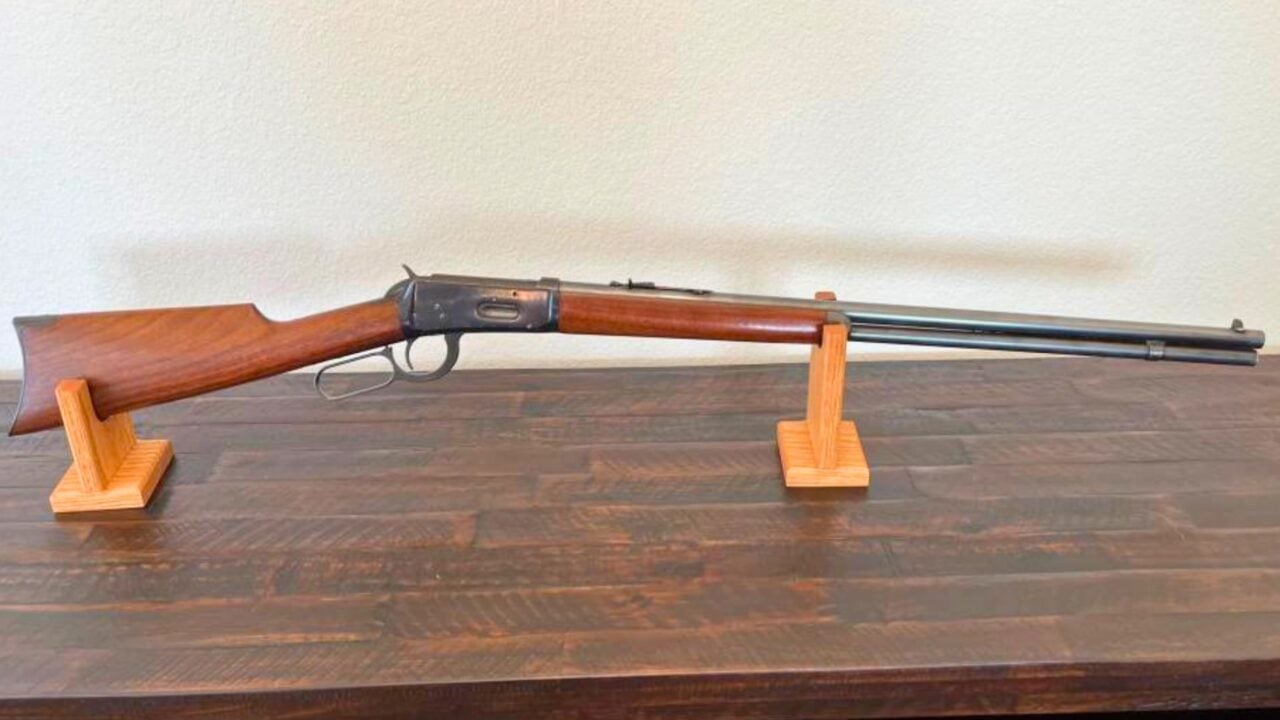
There are deer rifles that shoot flatter and hit harder. None of that matters much inside normal woods ranges if you know how to hunt. The Model 94 in .30-30 carries easy, comes up fast, and doesn’t feel like a fence post when you’re slipping through brush.
A lot of these rifles live honest lives: a few dings, a worn bluing spot, and a story behind every scratch. Rural owners don’t “upgrade” because the rifle already matches the way they hunt. And the ammo is still around.
7. Marlin 336 (30-30)

The Marlin 336 is the other half of the lever-gun equation, and plenty of folks prefer it. Solid top for easy optics mounting, smooth enough action, and a little heft that tames recoil and steadies the sight picture.
This is one of those guns that gets bought for deer and ends up doing a little of everything. If you’ve got one that feeds well and shoots where you look, there’s not much incentive to swap it out for something “modern.”
8. Ruger American Rifle (various calibers)
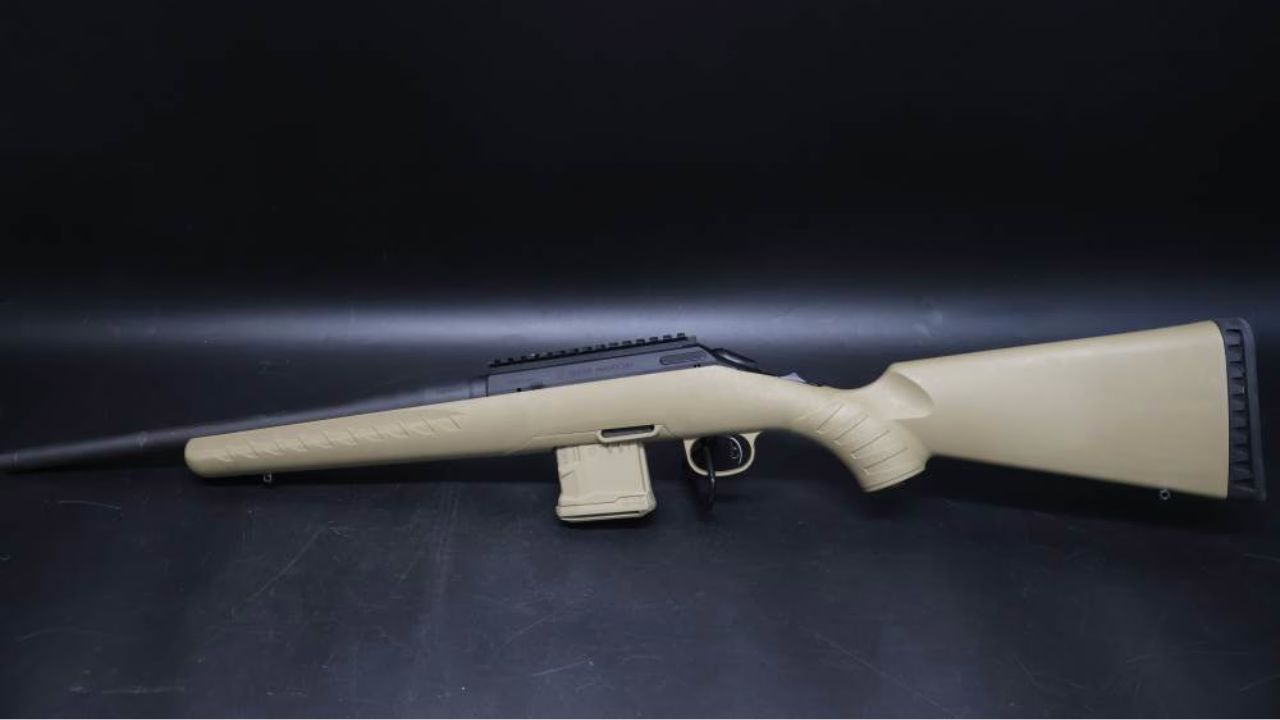
The Ruger American is proof you don’t have to spend a paycheck to get a rifle that shoots. It’s not a showpiece. The stock is plain, and the whole thing feels like it was designed by a guy who hates unnecessary frills.
But they tend to group, they tend to run, and they don’t scare new owners away with price. It’s a common “first deer rifle” now, and a lot of them never leave the lineup because they keep filling tags.
9. Savage 110 (especially older long-action rifles)

Old Savage 110s aren’t pretty to everyone. Some are heavy, some wear ugly stocks, and the finish might look tired. Then you shoot one and realize it’ll stack bullets better than rifles that cost twice as much.
They’re also easy to live with. The actions are straightforward, the triggers can be decent, and the rifles take normal hunting abuse without getting fussy. A rural owner values that more than a pretty catalog photo.
10. Remington Model 700 ADL

Say what you want about the drama that swirls around the Model 700 online. Out in the real world, an ADL that’s been handled safely and maintained is still a workhorse. It’s the rifle a lot of folks learned to shoot well on.
The aftermarket is endless, which ironically makes it easy to keep one forever without “upgrading” to a whole different rifle. A better scope, a better sling, maybe a better stock over time—same rifle, same familiarity.
11. Ruger M77 Hawkeye

The Hawkeye isn’t the lightest and it isn’t the cheapest, but it feels like a proper hunting rifle. Controlled-round feed, solid build, and the kind of ruggedness that fits a life riding in a truck during season.
Rural owners who start with one tend to stop shopping. They’ve already got a rifle that handles weather, bumps, and long days without acting delicate. There’s nothing fancy about it, and that is kind of the point.
12. Tikka T3x Lite
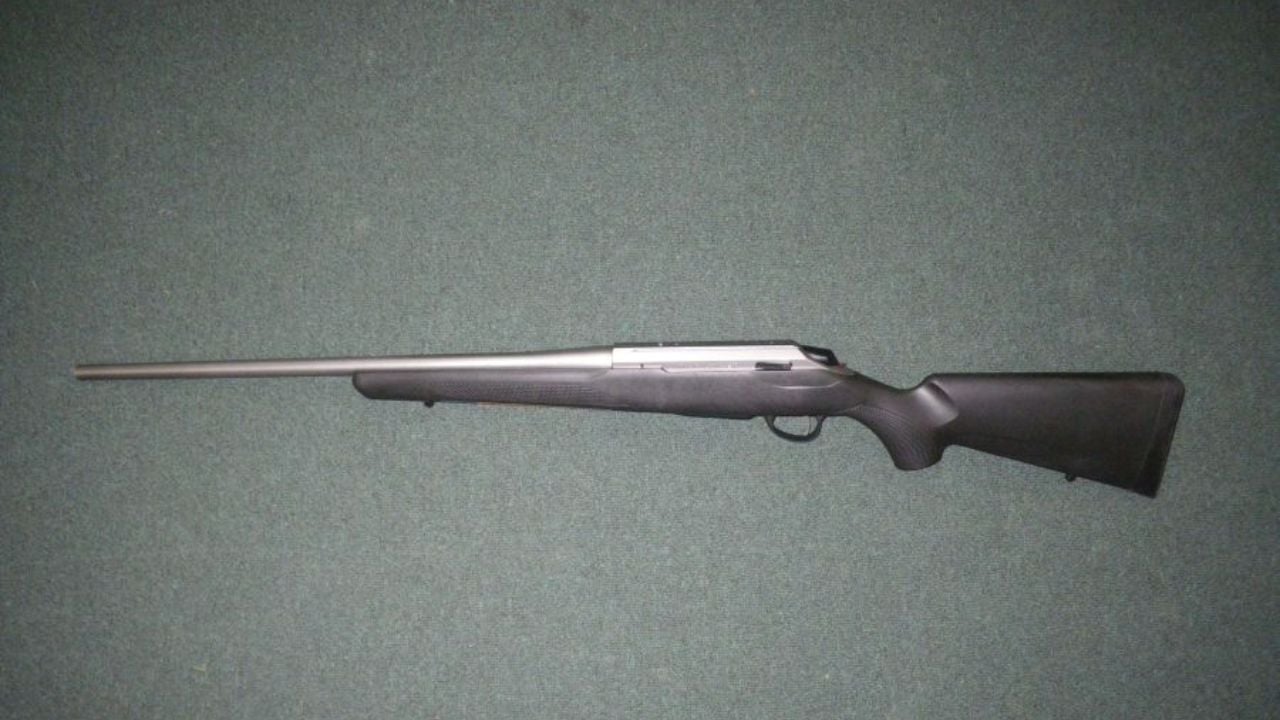
If you want “buy once, cry once” without getting into custom rifle money, the T3x Lite is a common landing spot. The action is smooth, the trigger is clean, and they’re usually accurate with normal hunting ammo.
It’s also a rifle that makes you look better than you are on the bench because it’s consistent. The only real downside is they’re light, so some calibers get snappy. Even then, most owners just add a good recoil pad and keep hunting.
13. Henry H001 Lever Action (22 LR)

The Henry .22 lever gun shows up in rural homes because it’s simple fun that still has a use. It’s quiet-ish, easy to carry, and it makes new shooters slow down and aim instead of burning through mags.
It’s also the kind of rifle that gets handed down. The finish holds up, the action is smooth, and it scratches that “classic rifle” itch without needing a centerfire budget.
14. Glock 19
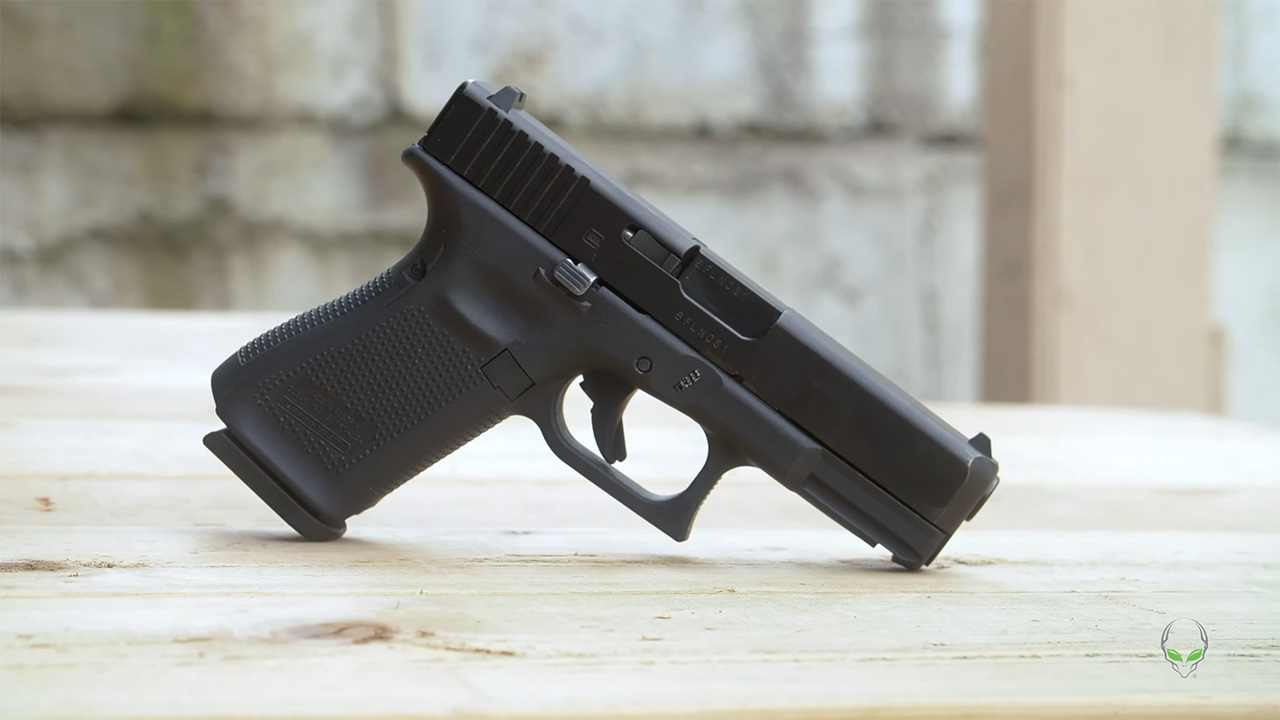
The Glock 19 is the plain ham sandwich of handguns. That’s not an insult. It’s a size that works for a lot of people, it runs with minimal fuss, and parts and magazines are everywhere.
In rural life, that matters. You want a pistol that will sit in a nightstand for months and still work, or ride in a holster in hay dust and still work. The 19 isn’t romantic, but it’s hard to argue with.
15. Smith & Wesson M&P Shield (9mm)
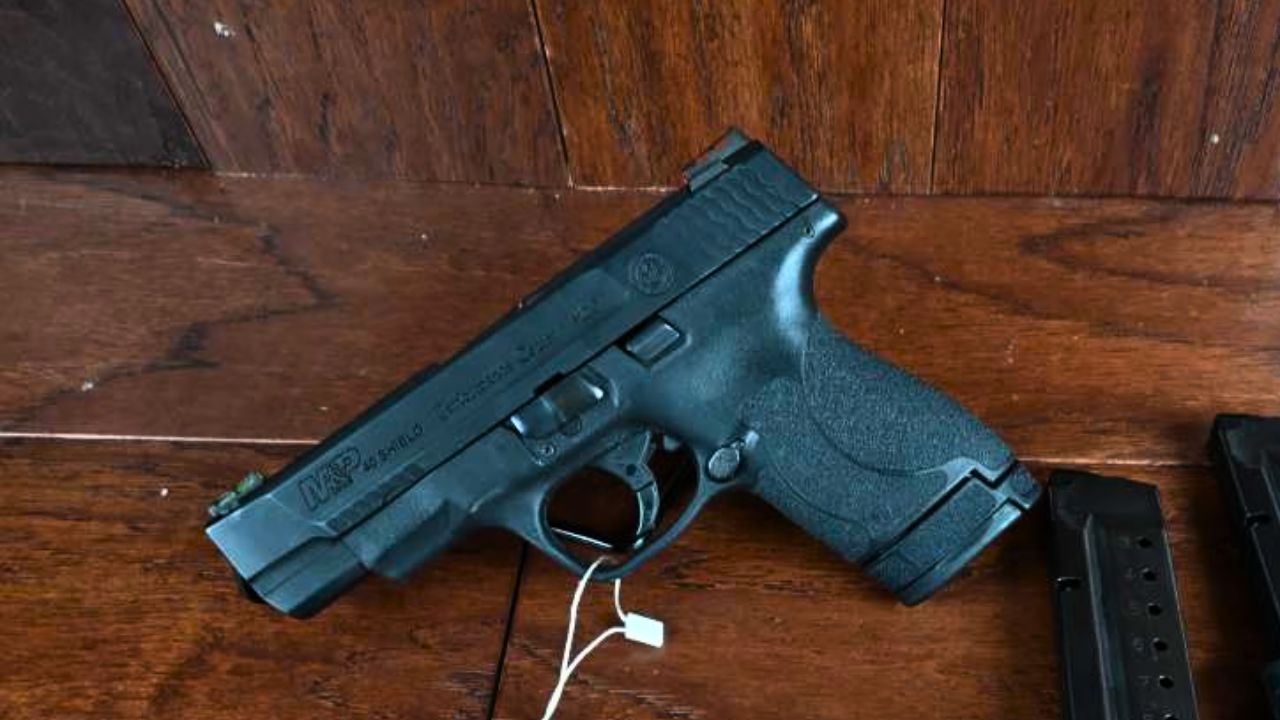
When concealed carry became normal for regular working folks, the Shield ended up on a lot of belts. It’s thin, it hides under a flannel or a chore coat, and it’s a pistol you’ll actually carry instead of leaving at home because it’s uncomfortable.
Rural owners keep them because the Shield is easy to live with. It’s not a range toy. It’s a practical, daily tool. If you’ve got one that fits your hand and you shoot it well, chasing the next micro-9 isn’t always an improvement.
16. Ruger LCP (original .380)
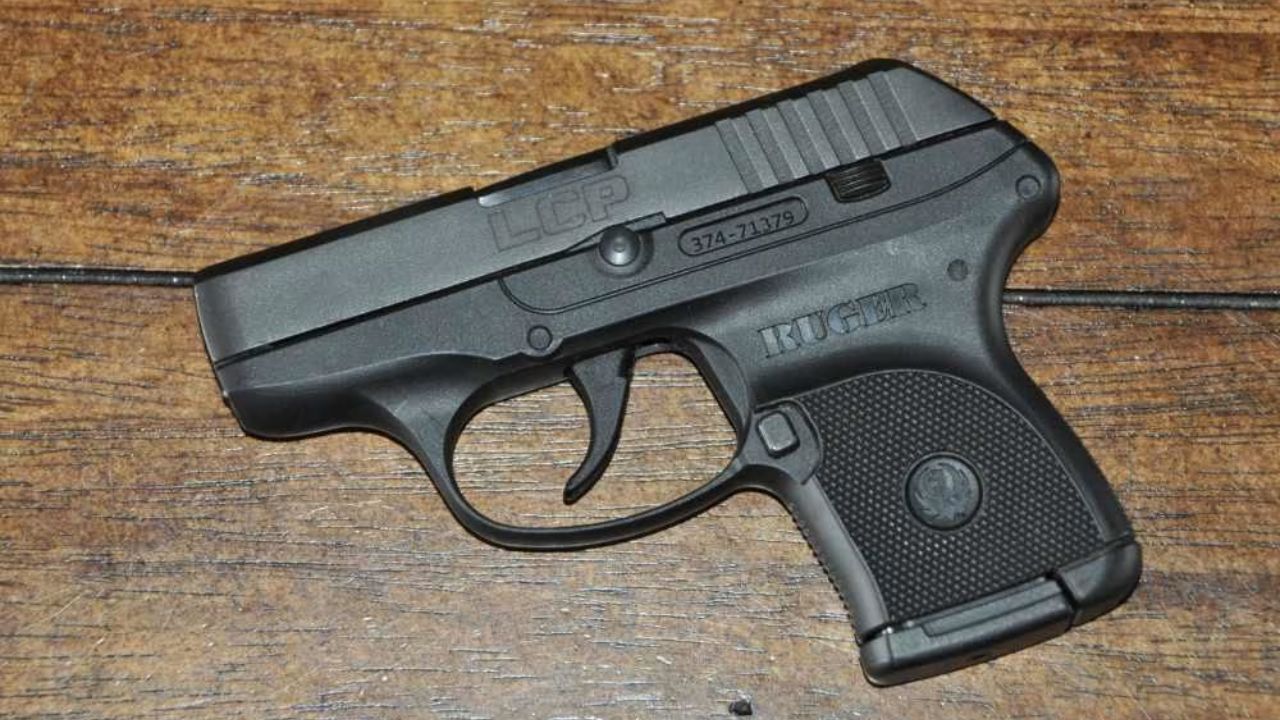
Is it fun to shoot? No. Is it easy to shoot well? Also no. But the original LCP is one of those “always with you” pistols that filled a real role for rural folks who needed deep concealment around town or while traveling.
It disappears in a pocket, it’s light enough that you don’t make excuses, and it’s simple. Plenty of people buy one, swear they’ll replace it with something nicer, and then it stays because it’s the one that’s actually there when needed.
17. Ruger GP100 (357 Magnum)

The GP100 is a brick in revolver form, and I mean that as a compliment. It handles .357 without feeling like it’s punishing you for pulling the trigger, and it’ll digest .38s for practice all day.
Out in the country, a strong revolver still makes sense for a lot of jobs: checking traps, walking a fenceline, and dealing with critters at close range. The GP100 is one of those guns that can live hard and not complain.
18. Smith & Wesson Model 10 (38 Special)
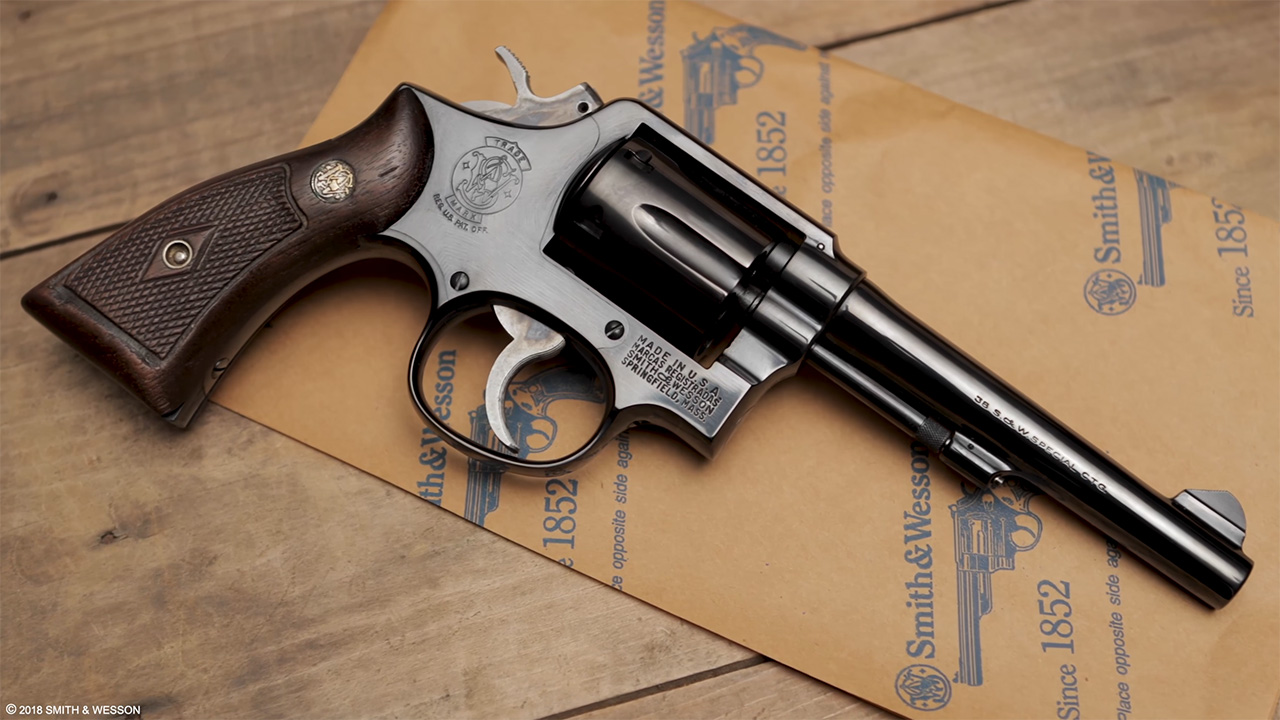
The Model 10 is what a lot of folks learned revolvers on, and plenty of them are still doing fine decades later. It’s not a magnum blaster, and it doesn’t need to be. With decent .38 loads, it’s controllable, accurate, and straightforward.
This is a “keep it because it works” gun. If you’ve ever watched a new shooter calm down with a Model 10 after struggling with snappy small guns, you understand why these old K-frames stick around.
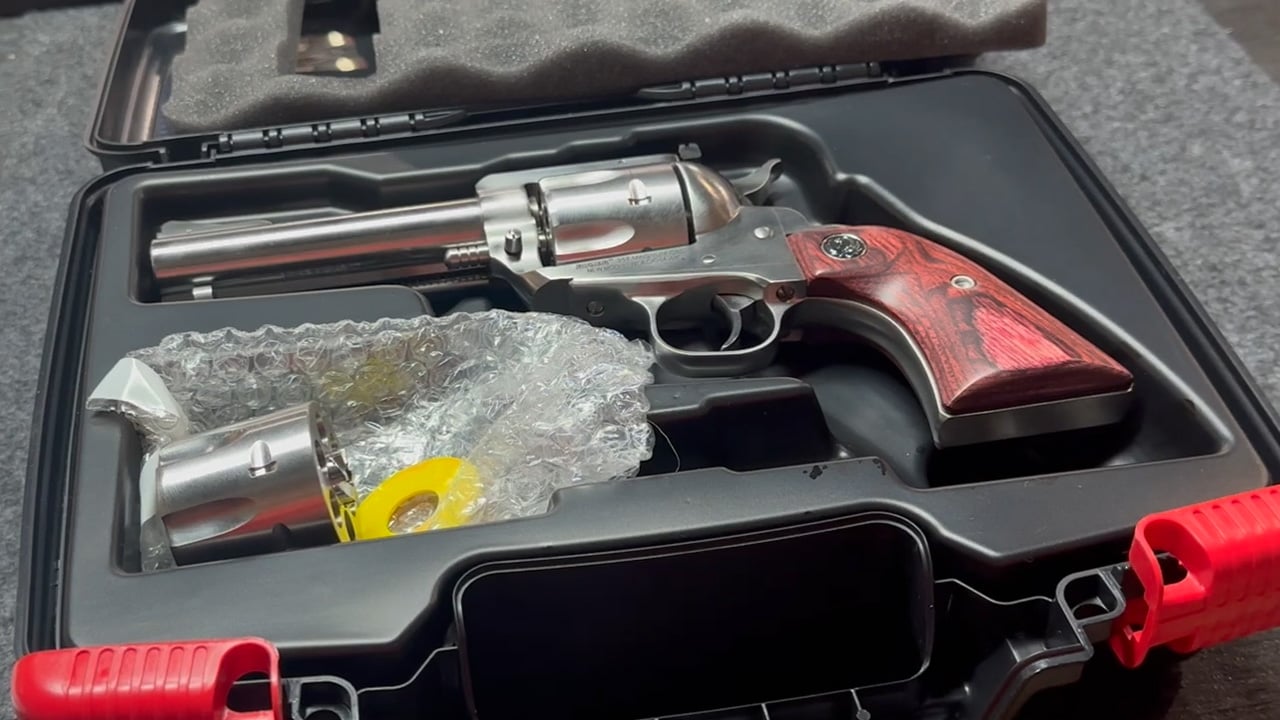
19. Ruger Blackhawk (357 Magnum or 45 Colt)
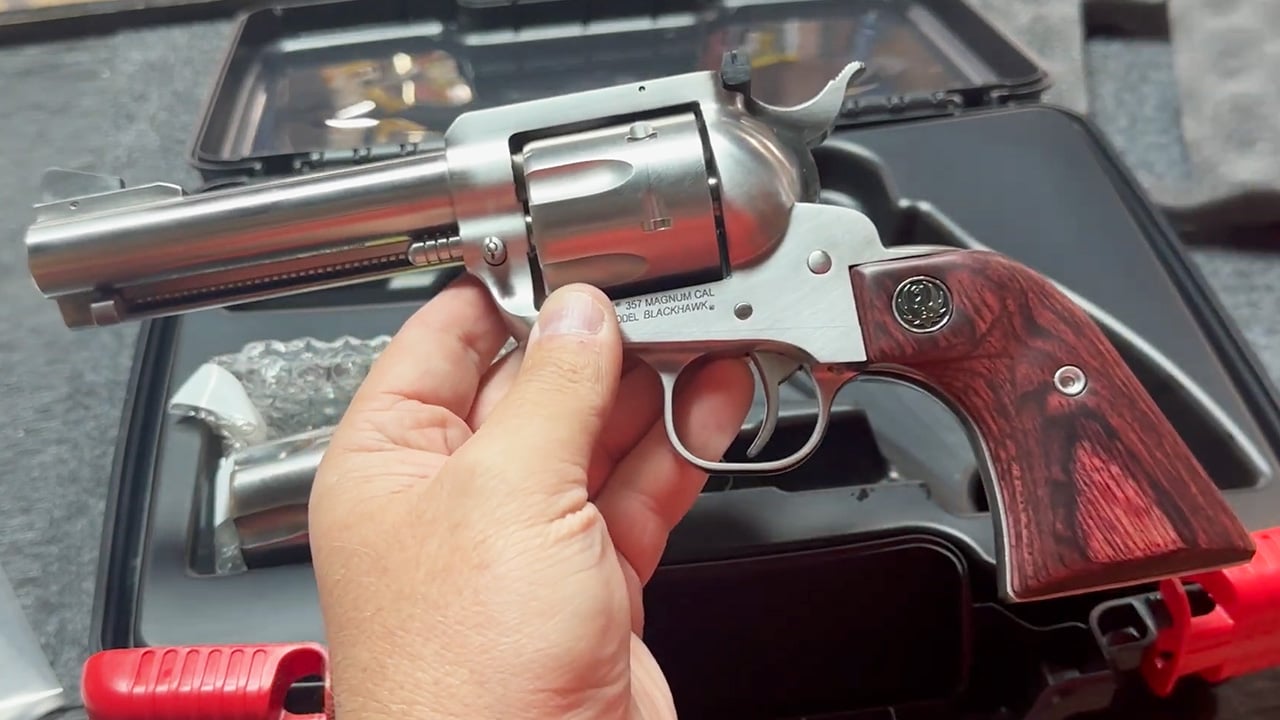
Single-actions aren’t for everybody, but the Blackhawk has been a rural staple for a long time. It’s strong, it’s accurate, and it has that old-school feel that makes you want to shoot it slow and do it right.
They’re also handy for the outdoorsman who likes a revolver on a belt while checking property. A Blackhawk isn’t a high-speed solution to anything, but it’s a steady companion. Ask me how I know.
20. Palmetto State Armory PA-15 (AR-15)
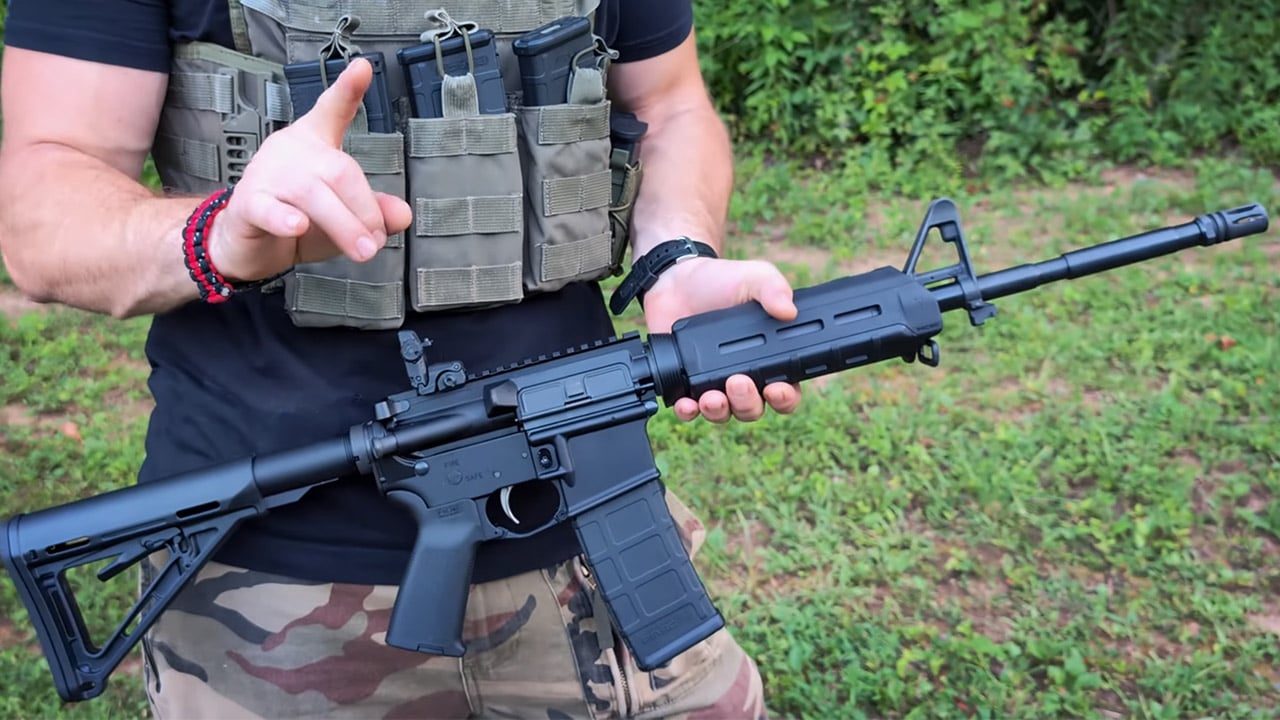
For a lot of rural owners, the first AR isn’t a boutique rifle. It’s a basic PA-15 that gets bought because it’s affordable and it runs. That matters when you’re trying to cover varmints, home defense, and range practice with one platform.
Magazines are cheap, parts are common, and the rifle is easy to support long-term. Sure, you can spend more and get nicer. But if your starter AR has been reliable, upgrades turn into small tweaks instead of a whole new gun.
Most of these aren’t “forever guns” because they’re perfect. They’re forever guns because they’re useful, familiar, and they keep working when life gets busy. If you’ve got one like that, don’t be in a hurry to trade it off just to feel like you moved up. Spend that money on ammo, a decent optic, and time behind the trigger. That’s the upgrade that counts.
Like The Avid Outdoorsman’s content? Be sure to follow us.
Here’s more from us: