Photo credit: JWheeler331/YouTube
One of the strangest things about collecting guns is hearing longtime owners talk about what they paid. Somebody still thinks of a rifle as the $125 plinker he bought in the 1970s. Another remembers picking up an old revolver because nobody else wanted it. Meanwhile, decades of discontinued production, collector demand, disappearing original examples, and changing tastes have completely altered what those firearms represent.
That does not mean every gun below has beaten inflation or should be treated as an investment. Condition and exact configuration can create enormous differences, and a refinished gun may be worth dramatically less than an untouched example. What is undeniable is that many owners are mentally valuing these guns using prices from another era. These are 20 firearms where I would find out exactly what I owned before accepting an offer based on what I originally paid.
Winchester Model 1890
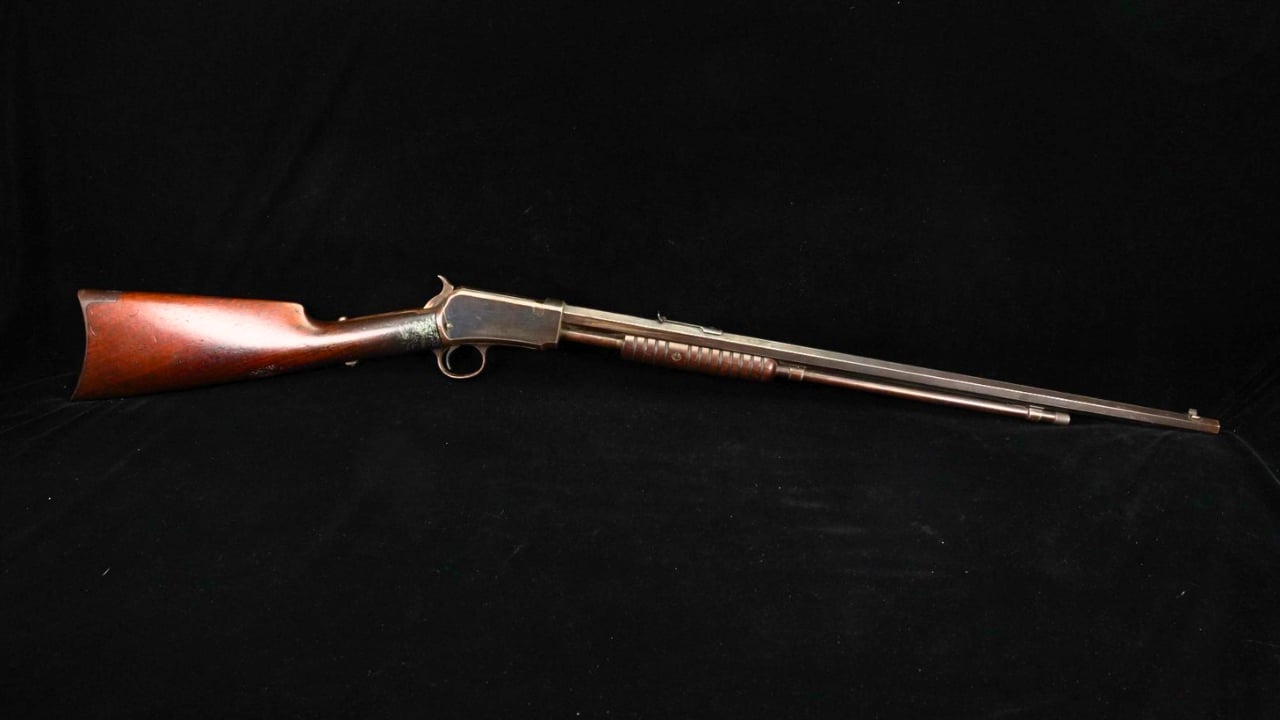
The Model 1890 spent generations being treated as a recreational .22 instead of a serious collectible. It was the quintessential gallery and plinking rifle, and nearly 850,000 were produced. That sounds like enough rifles to keep them common forever until you remember how many spent decades being shot, refinished, rebarreled, and handed from one kid to another. The exact caliber, production period, finish, and configuration now matter enormously.
The extreme end of the market shows just how serious Model 1890 collecting has become. A remarkable early example sold for more than $100,000 at Rock Island in 2025, although an ordinary rifle obviously belongs in a completely different price category. The lesson is not that every 1890 is a fortune. It is that the old pump .22 deserves inspection before anyone calls it just another plinker.
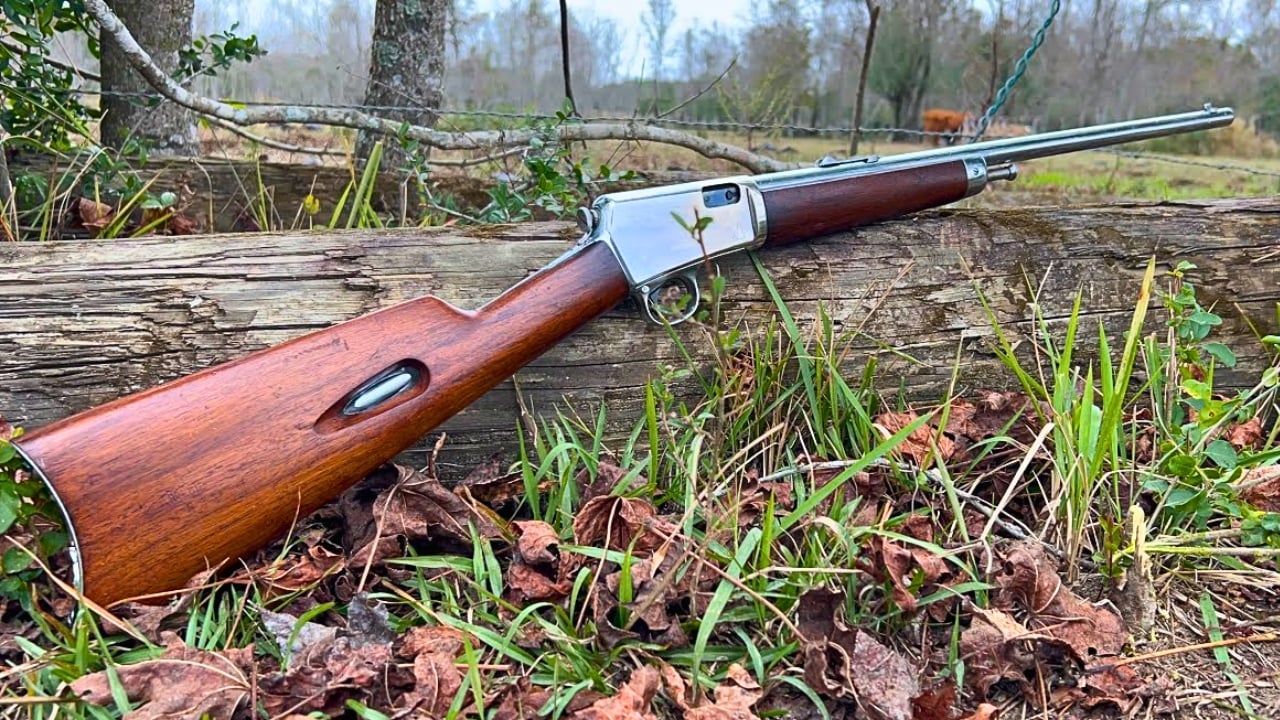
Winchester Model 1903
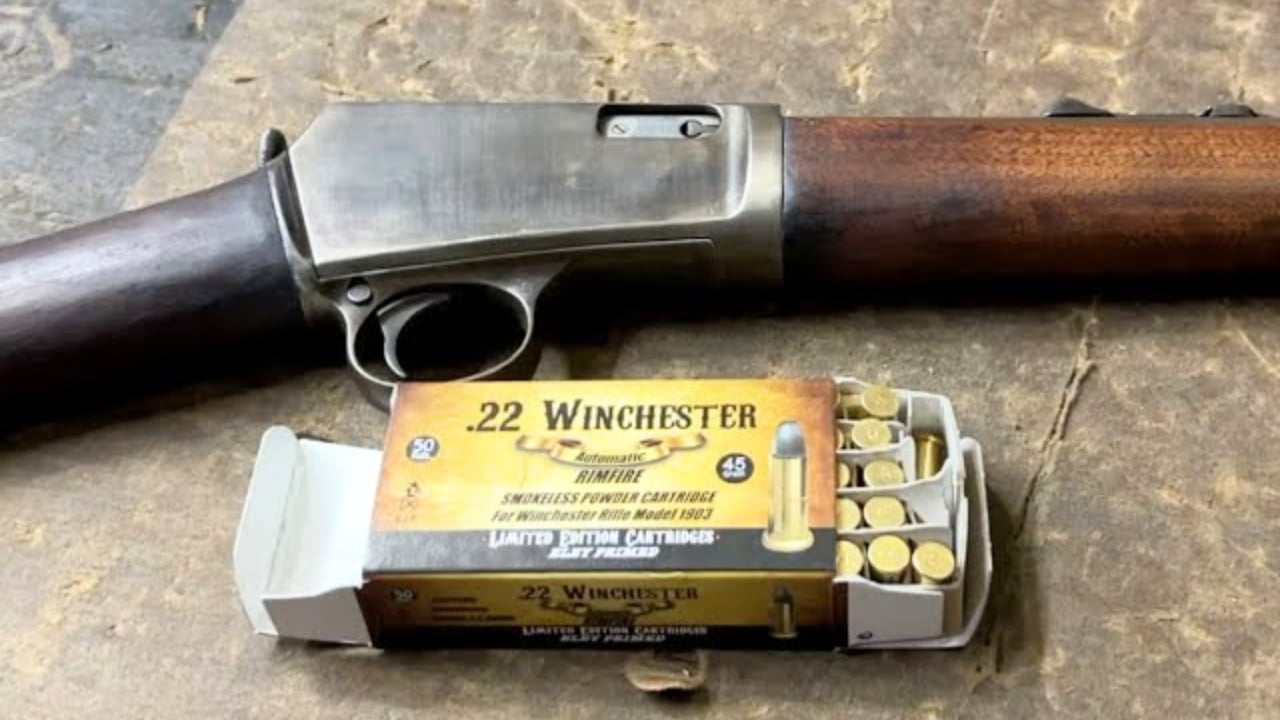
Winchester’s Model 1903 was the company’s first semiautomatic rifle and was originally chambered for the proprietary .22 Winchester Automatic cartridge. About 126,000 were produced before the design evolved into the better-known Model 63. That ammunition requirement eventually made the 1903 seem inconvenient compared with ordinary .22 LR rifles, which helped plenty of owners treat them as outdated curiosities rather than important early semiautomatics.
Today, originality is where the conversation changes. Factory engraving, deluxe wood, special features, and exceptional condition can move a Model 1903 into completely different territory from the average worn rifle. Even standard examples have historical significance because they document Winchester entering the semiautomatic market. If someone bought one cheaply decades ago, I would not let the obsolete cartridge convince me that the rifle itself remains cheap.
Remington Model 8
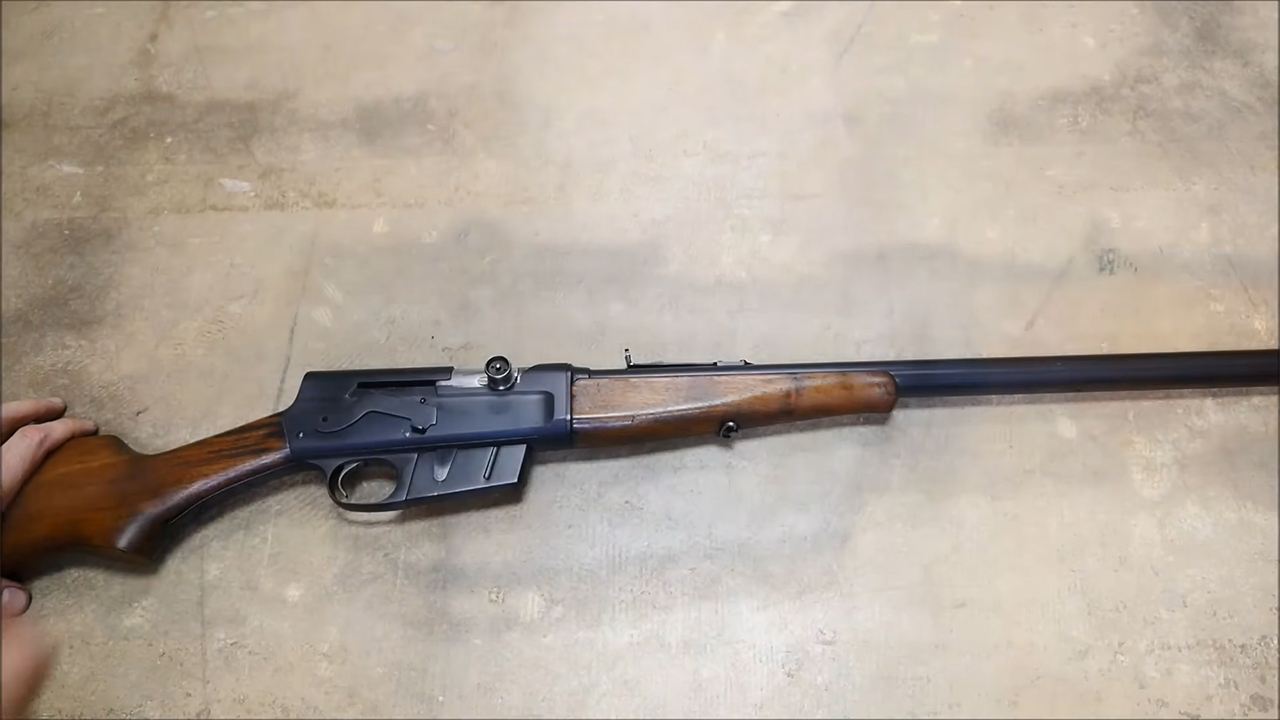
The Model 8 was one of those rifles that looked strange enough to remain affordable long after its historical importance should have been obvious. Based on John Browning’s long-recoil design, it became the first successful commercial semiautomatic centerfire hunting rifle. More than 80,000 Model 8s were produced before Remington replaced the design with the Model 81.
Owners used them as deer rifles rather than collectibles, which means original finish, factory sights, intact wood, and uncommon chamberings are the details I care about now. Certain police-related and specialized configurations can be another collecting world entirely. A standard Model 8 is not necessarily rare, but its place in semiautomatic sporting-rifle history is impossible to duplicate. The person who bought one cheaply because it looked outdated may be surprised by how seriously good examples are treated now.
Remington Model 14
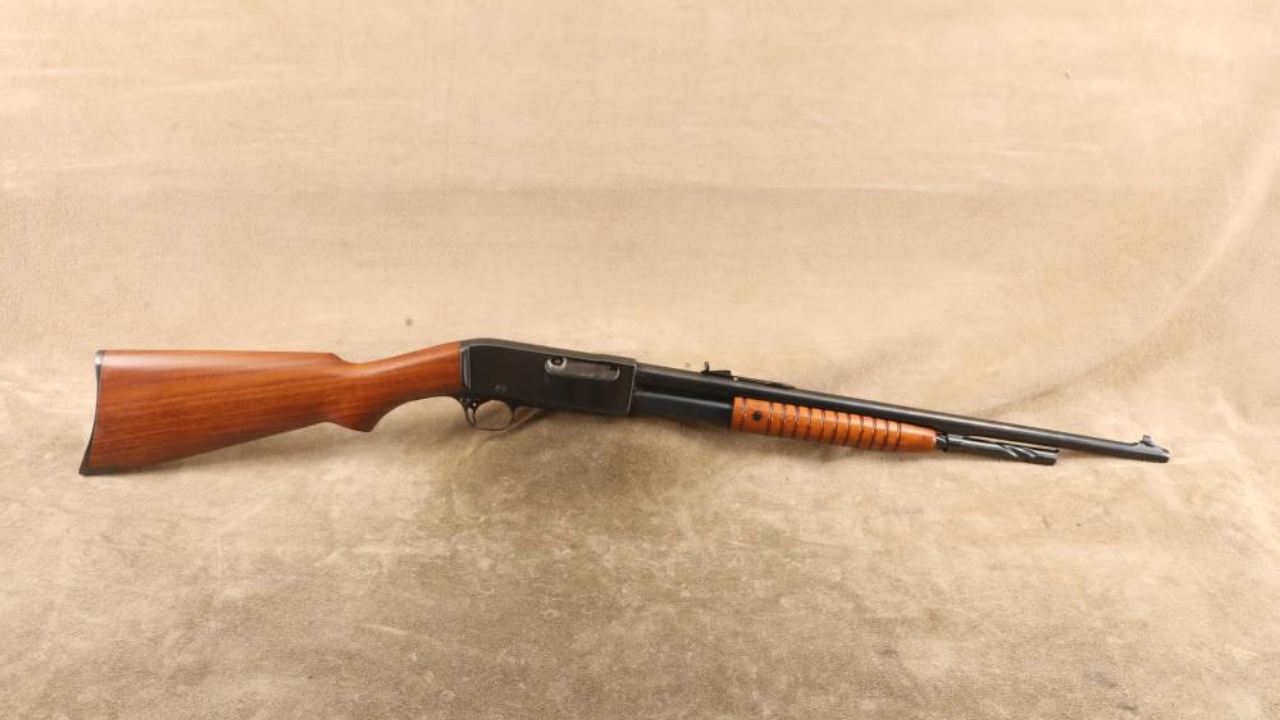
The Model 14 is a rifle I would never price simply by comparing it with a modern pump gun. John Pedersen designed the rifle around a distinctive spiral magazine and takedown system, and Remington offered it in cartridges including .25, .30, .32, and .35 Remington. Combined production of the Model 14 and 14 1/2 exceeded 125,000, but more than a century of hunting use has dramatically reduced the pool of untouched rifles.
Carbines and unusual chamberings deserve an especially close look. Many Model 14s were ordinary Eastern deer rifles, so owners drilled them, changed sights, refinished stocks, and carried them until the finish was practically gone. A clean original rifle can therefore be far more interesting than its production total suggests. Somebody who remembers buying one for hunting-rifle money decades ago may still mentally value it that way long after collectors have changed the equation.
Remington Model 141 Carbine
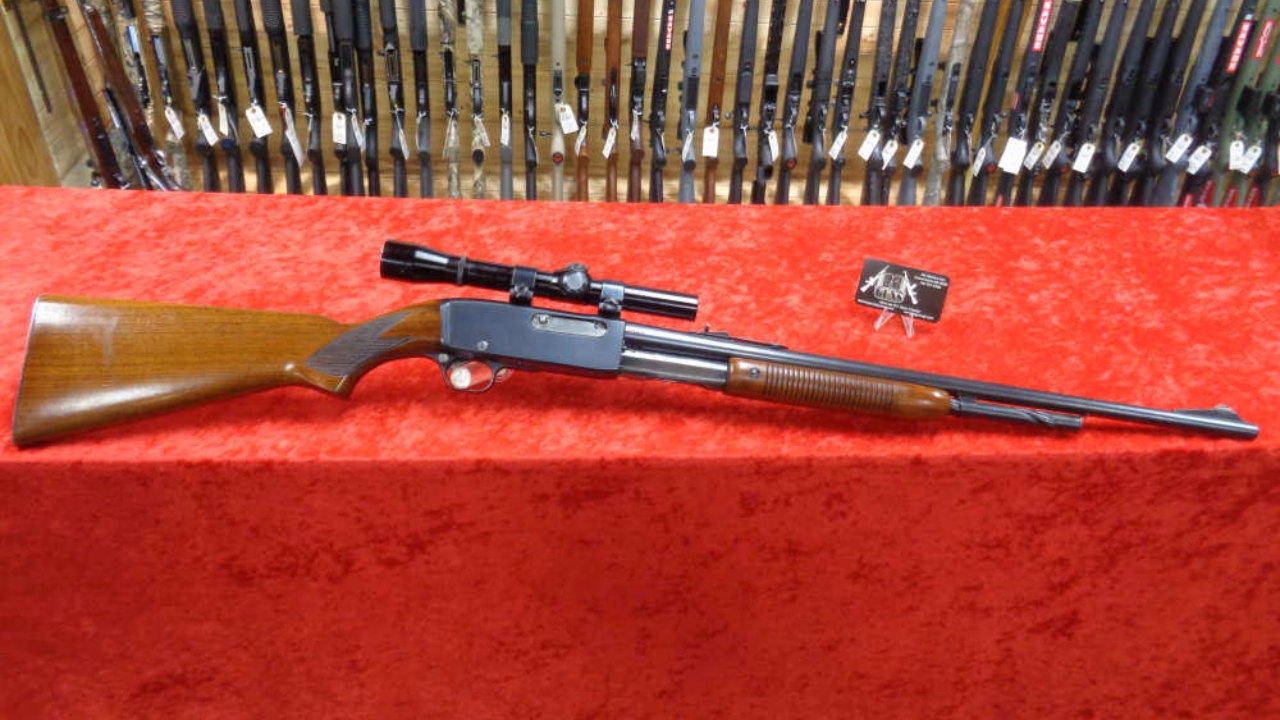
The Model 141 Gamemaster itself is interesting, but the carbine is where I would really slow down. Remington modernized the earlier Model 14 into the 141 during the 1930s, yet demand for short-barreled carbines had already fallen sharply. Research from the Remington Society suggests Model 141 carbine production was very small, with some annual numbers potentially measured only in dozens.
That is the sort of configuration an owner can miss completely. To somebody unfamiliar with the details, it may simply look like an old pump rifle with a shorter barrel. To a Remington collector, proving that the barrel and configuration are factory original changes everything.
I would verify a short 141 carefully before altering or selling it. Scarcity sometimes hides in plain sight because the rare version looks almost identical to the ordinary one.
Smith & Wesson Model 520
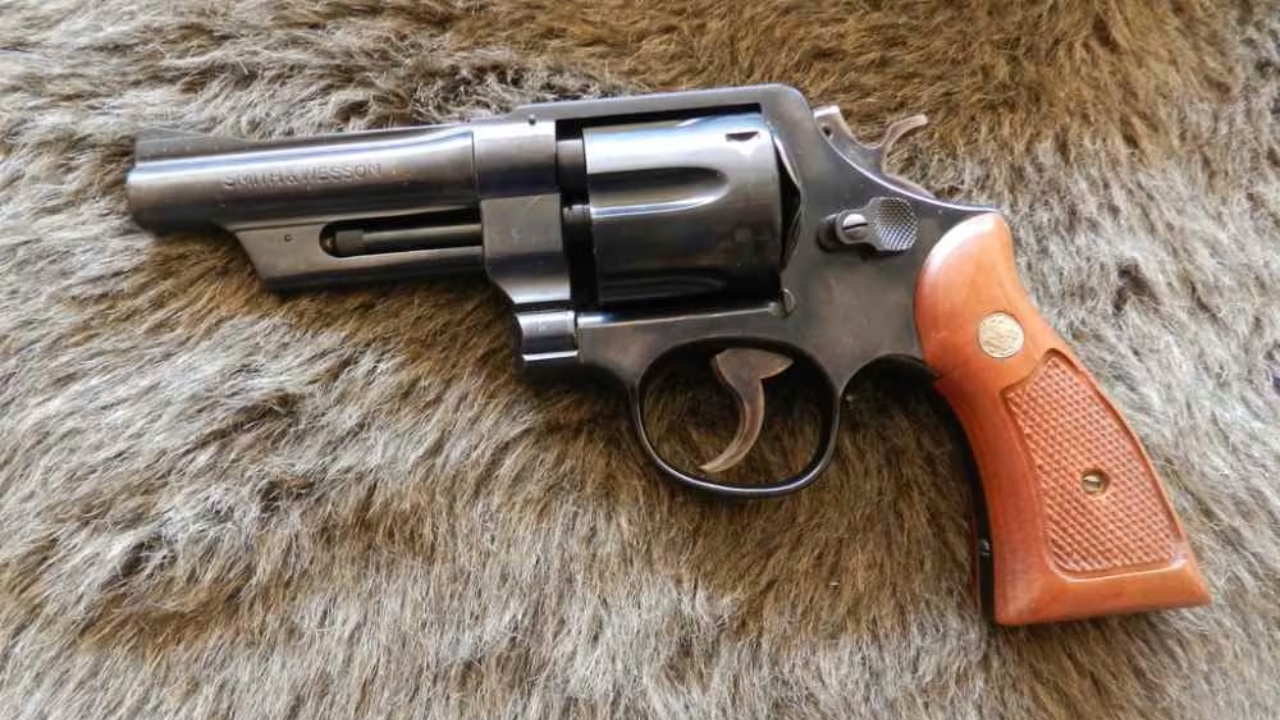
The Model 520 is a perfect example of why the model number matters. Smith & Wesson produced roughly 3,000 of these fixed-sight N-frame .357 Magnum revolvers for a New York State Police order that was ultimately canceled. The guns were then released through normal commercial channels, and collectors recognized the unusual production story almost immediately.
That means owners who bought them when they were dumped into the commercial market may have paid nothing remotely resembling current enthusiast prices. Recent collector discussions still place particularly clean boxed examples around the $2,000 level or higher, although actual value depends on condition and completeness.
This is one revolver where the box, paperwork, tools, and original stocks matter enormously. I would never price one like a generic old N-frame.
Smith & Wesson Model 53
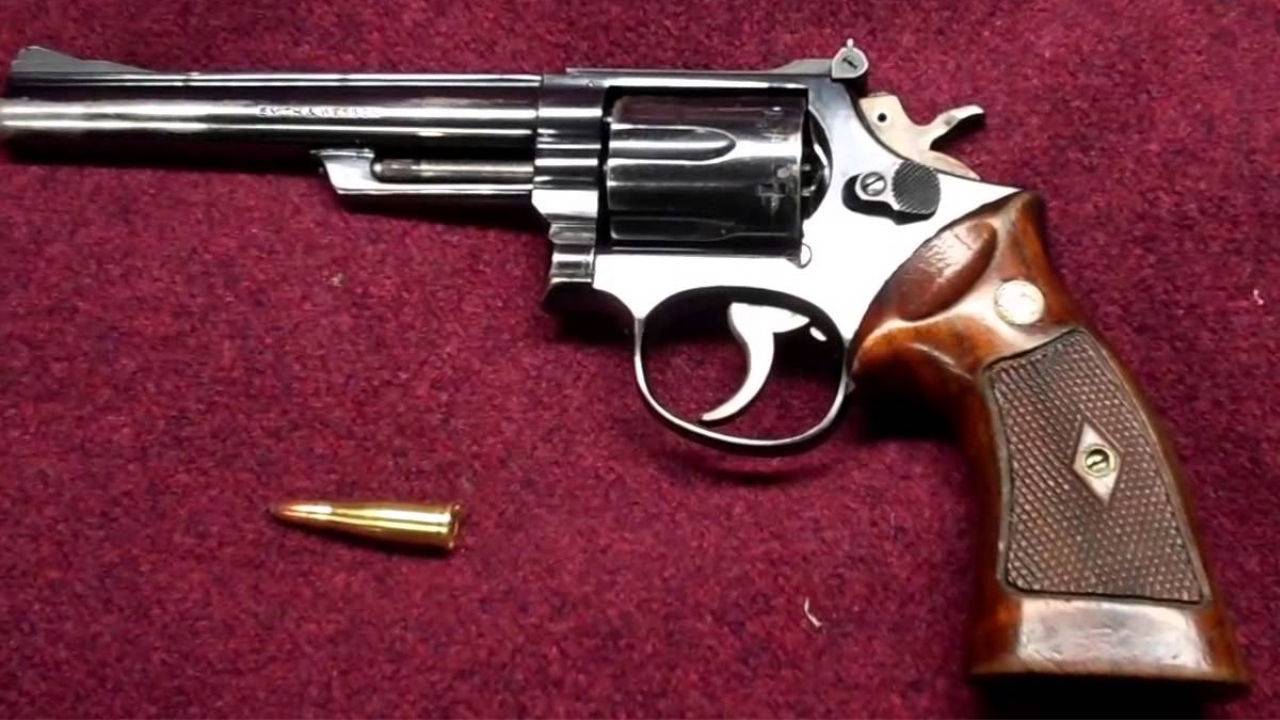
The Model 53 looked like an experiment even when it was new. Smith & Wesson built it around the .22 Remington Jet, a bottleneck cartridge based on the .357 Magnum case and necked down dramatically to .22 caliber. The concept was impressive, but the ammunition could cause difficult extraction if the chambers were not kept extremely clean and dry. That helped give the revolver an awkward reputation.
Decades later, the very weirdness that hurt sales has become the attraction. Complete guns with the proper inserts, extra components, box, and paperwork are much more desirable than incomplete examples. Collector discussions specifically note increasing interest in original Model 53 packages.
An owner may remember it as the odd revolver nobody wanted to feed. A collector sees one of Smith & Wesson’s most unusual production experiments.
Colt Officers Model Match
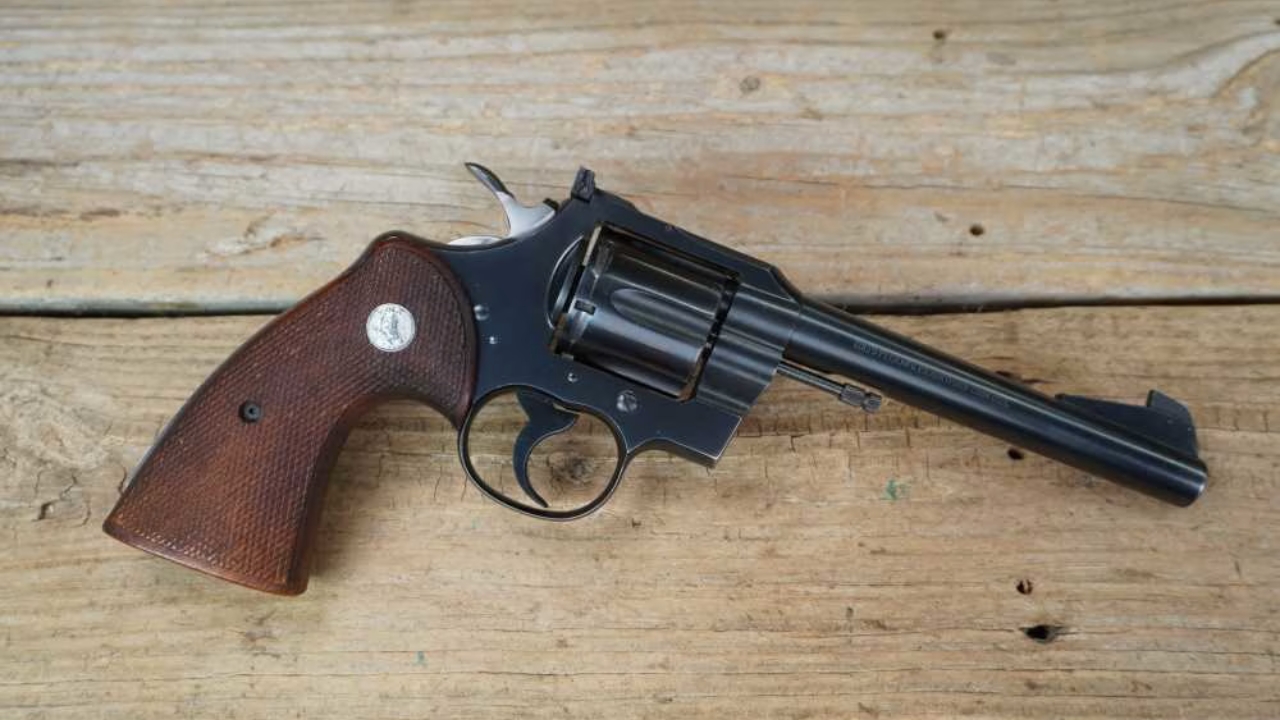
The Officers Model Match can get overlooked because it resembles another old target revolver until you start examining exactly what it is. Colt built these around precision shooting rather than duty carry, and many were chambered in .38 Special or .22 LR with heavy barrels, adjustable sights, and carefully fitted actions.
The trouble is that target revolvers were actually shot. Their owners may have fired thousands of rounds through them, swapped stocks, changed sights, and carried them between matches without ever considering future collector value. That makes genuinely clean examples much more interesting today.
I would be particularly reluctant to modify an original Officers Model Match with strong finish and correct factory stocks. Colt is not filling its current catalog with hand-fitted target revolvers like these. What looked like an ordinary competition gun when bullseye shooting was everywhere can now represent a manufacturing style that has largely disappeared.
Colt Pre-War National Match
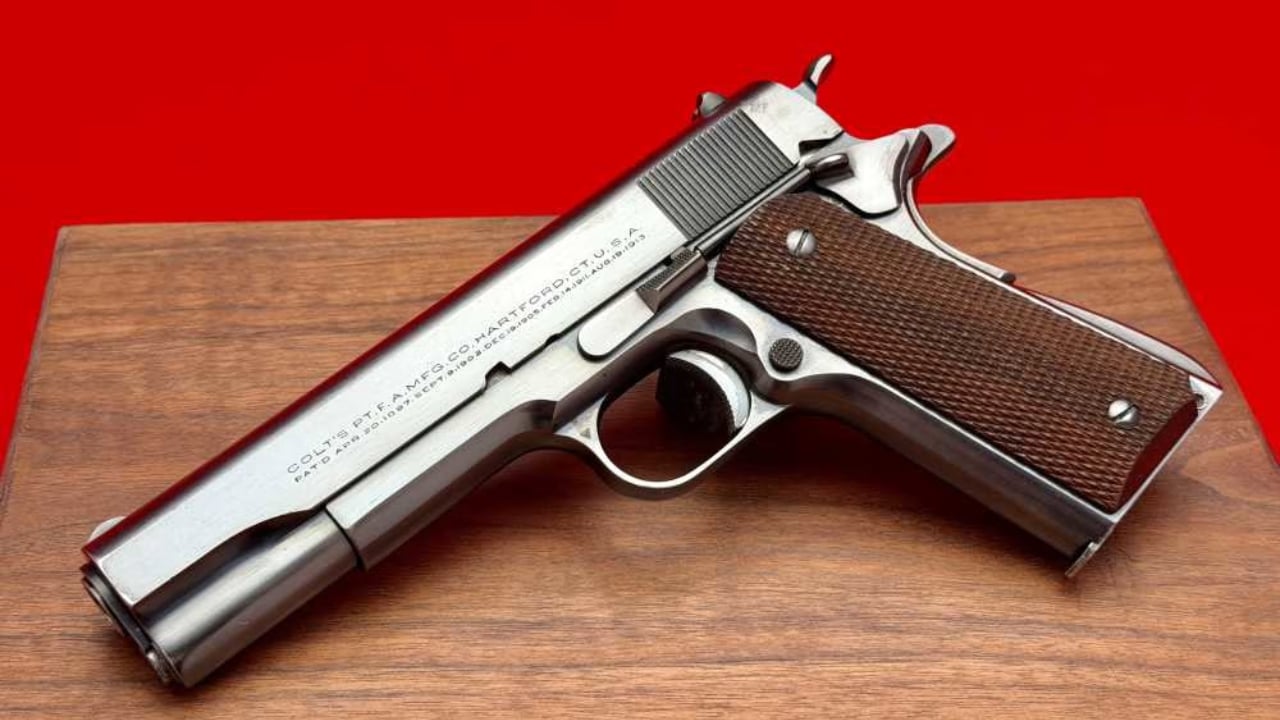
The prewar National Match is where an owner can dramatically underestimate an old Colt Government Model. These pistols were special-production guns made from 1933 through 1941 with additional fitting and match-oriented components. Adjustable-sight versions can be especially desirable, and period references note that they can command substantially more than fixed-sight examples.
The dangerous mistake is treating one like an ordinary old 1911. Refinishing, replacement barrels, changed sights, and non-original small parts can have an enormous impact on collector interest.
Plenty of original owners bought these to compete, not to preserve them. That means somebody may still think of Grandpa’s target pistol in terms of what a match gun cost before World War II. I would verify every marking and component before assuming it belongs in the same value category as a common Government Model.
Remington Model 51
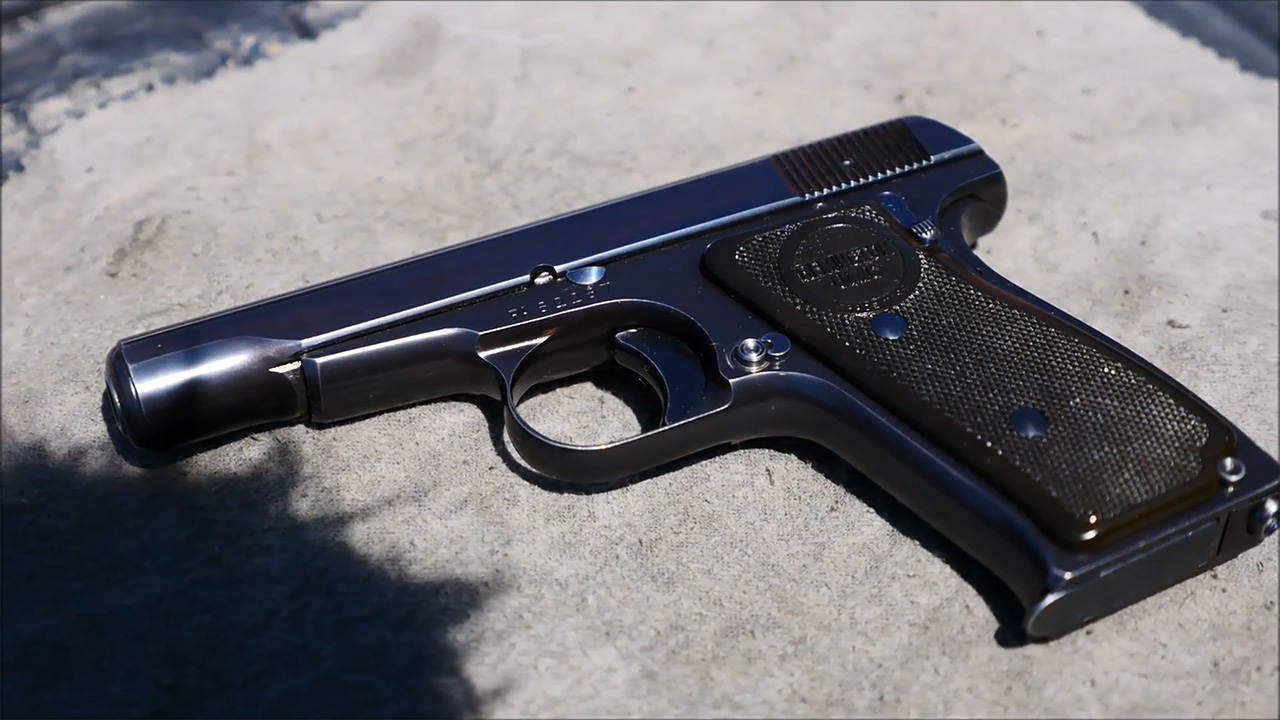
The original Model 51 is one of the pistols I would most expect a longtime owner to undervalue. Remington introduced the John Pedersen-designed pistol in 1919 at $36.30 in .380 ACP, later adding a .32 version. Production ended in 1926 after only about 65,000 pistols had been made.
The design was unusually sophisticated, with the hesitation-lock system allowing a slim slide and excellent ergonomics. Remington’s later attempt to revive the basic idea with the R51 only highlighted how costly the original would be to reproduce using comparable old-school fitting.
Condition matters tremendously. A boxed high-condition Model 51 and a heavily worn loose pistol are completely different propositions. Either way, it stopped being merely Grandpa’s outdated pocket automatic a long time ago.
Savage Model 1907
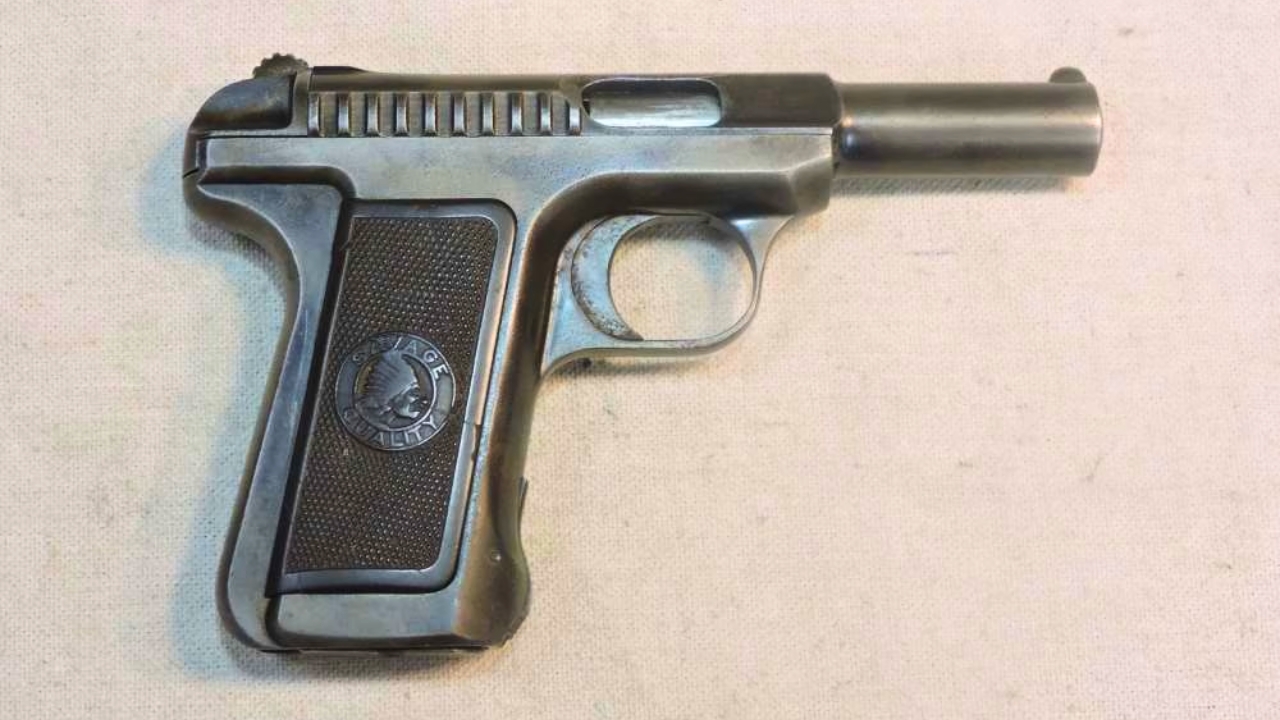
The Savage 1907 was once a highly successful little defensive pistol, famous for its “10 shots quick” advertising and unusually high capacity for the era. Its design grew out of Savage’s participation in the U.S. military pistol trials that ultimately resulted in adoption of the Colt 1911. France also purchased roughly 40,000 Savage pistols during World War I.
Despite that history, old Savage automatics spent decades being priced below comparable early Colts. That was great for shooters who recognized them, but it also meant many examples were stored and treated without collector-level care.
Now markings, caliber, finish, grips, military associations, and specific production variations matter considerably. I would not assume a little .32 Savage is automatically inexpensive anymore. Sometimes historical significance takes decades to catch up with the price.
Savage Model 1917
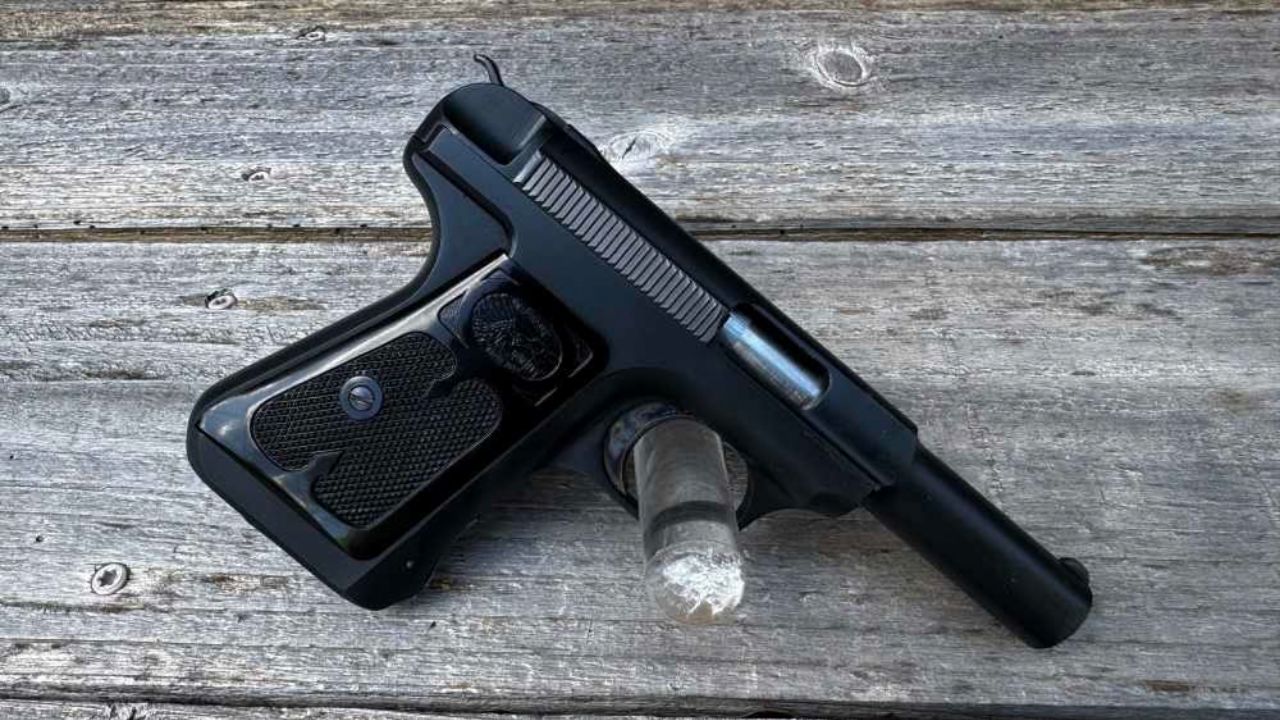
The Model 1917 refined Savage’s earlier pocket-pistol design with a reshaped grip and other updates that gave it a noticeably different appearance. It remained available in .32 ACP and .380 ACP and belongs to the same fascinating period when Savage was a serious handgun manufacturer rather than almost exclusively associated with rifles.
For years, that part of Savage history received relatively little attention. Owners might find a 1917 in an estate and simply see an old pocket pistol chambered in an unfashionable cartridge.
I think that is exactly why clean ones deserve more consideration. Original grips are frequently damaged, finish condition varies widely, and the better examples increasingly appeal to collectors who want the complete Savage automatic-pistol lineage. The model may never carry Colt-level name recognition, but disappearing supply has a way of making yesterday’s inexpensive alternative look much smarter.
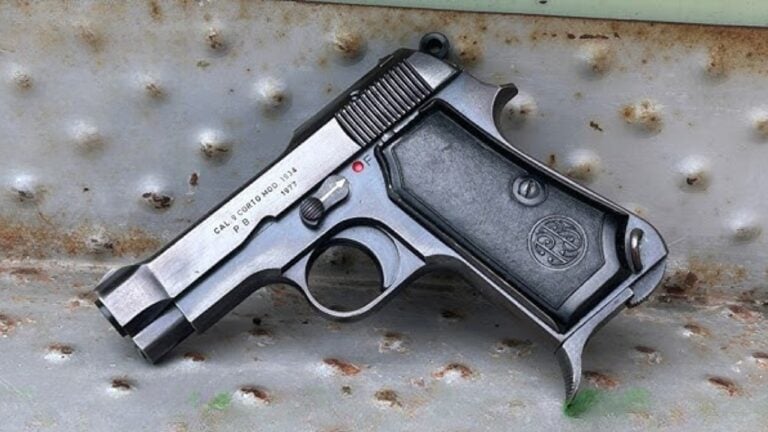
Beretta Model 1934
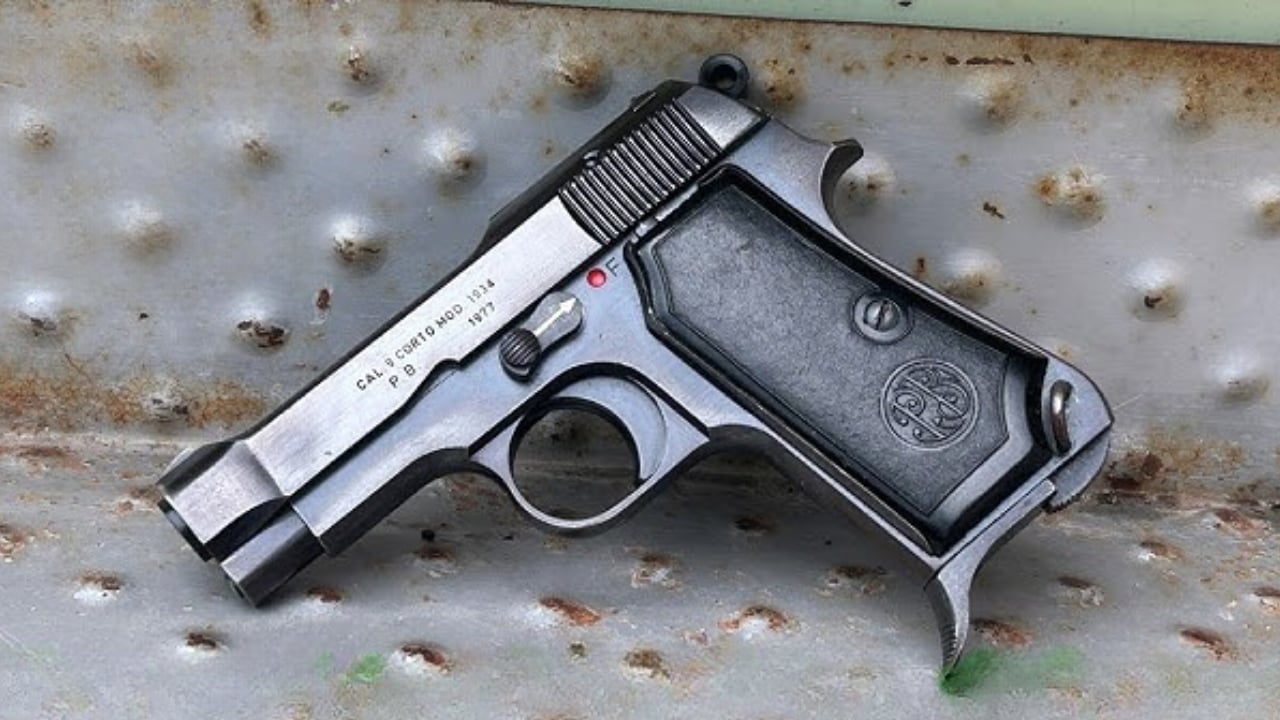
The Beretta M1934 is the kind of military pistol that used to be affordable enough for buyers to treat as an ordinary European war souvenir. It was widely issued by the Italian military and helped establish design themes Beretta would continue using for decades. The compact .380 pistol used the company’s recognizable open-slide architecture and became one of Beretta’s major twentieth-century service designs.
The collector market now cares about details an old owner may never have considered. Production year, military markings, unit associations, finish, grips, magazine, and whether the pistol is an honest wartime example can all matter.
Someone who brought one home or bought one inexpensively when European surplus was everywhere may still view it as a cheap .380. That overlooks both Beretta’s history and the fact that original military examples form a permanently shrinking supply.
High Standard Victor
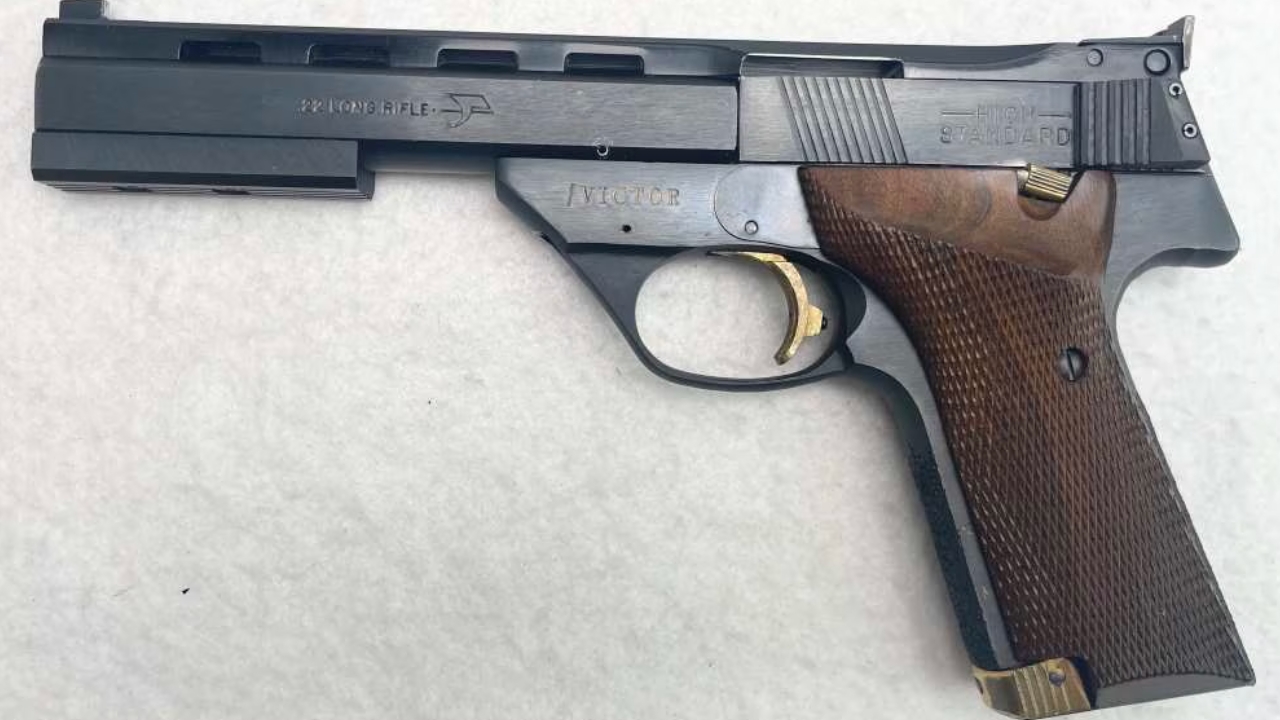
The Victor comes from an era when serious American target shooters expected a .22 pistol to be built like specialized competition equipment. High Standard developed the model with input from the target-shooting world, and its barrel-mounted sight arrangement was designed around the precision demands of bullseye competition.
High Standard’s old Connecticut manufacturing operation ultimately closed in the 1980s, turning the best Hamden and East Hartford target pistols into products from a finished manufacturing era. Factory boxes themselves have become desirable to collectors.
A longtime bullseye shooter may remember the Victor simply as equipment he bought to compete. To someone assembling a High Standard collection today, the exact series, barrel, finish, grips, magazine, and factory packaging can all make the pistol considerably more significant.
High Standard Model B-US
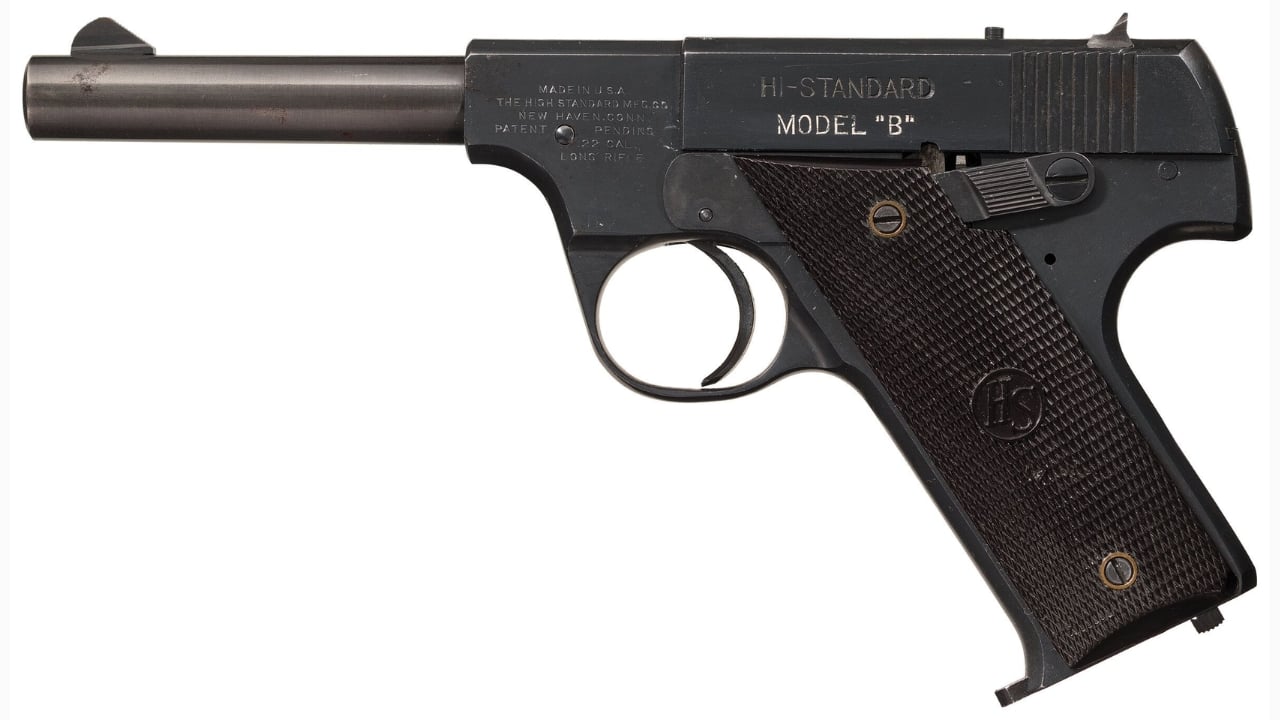
The Model B-US is one of those guns where an ordinary-looking .22 can hide genuine military history. High Standard supplied .22 training pistols to the U.S. military during World War II, and approximately 14,000 Model B examples were made for the Army and Navy during 1942 and 1943.
These were training tools, not prestige pieces. That made them easy to overlook after the war, especially when civilian High Standards were widely available. Collectors now treat genuine military examples much more seriously.
Documentation and correct markings are important because a standard Model B and a legitimate military-associated pistol are not the same thing. Owners who inherited one may simply see a dated rimfire autoloader. I would inspect the markings closely before making that assumption. Sometimes the smallest gun in the collection carries one of the better stories.
Winchester Model 62A
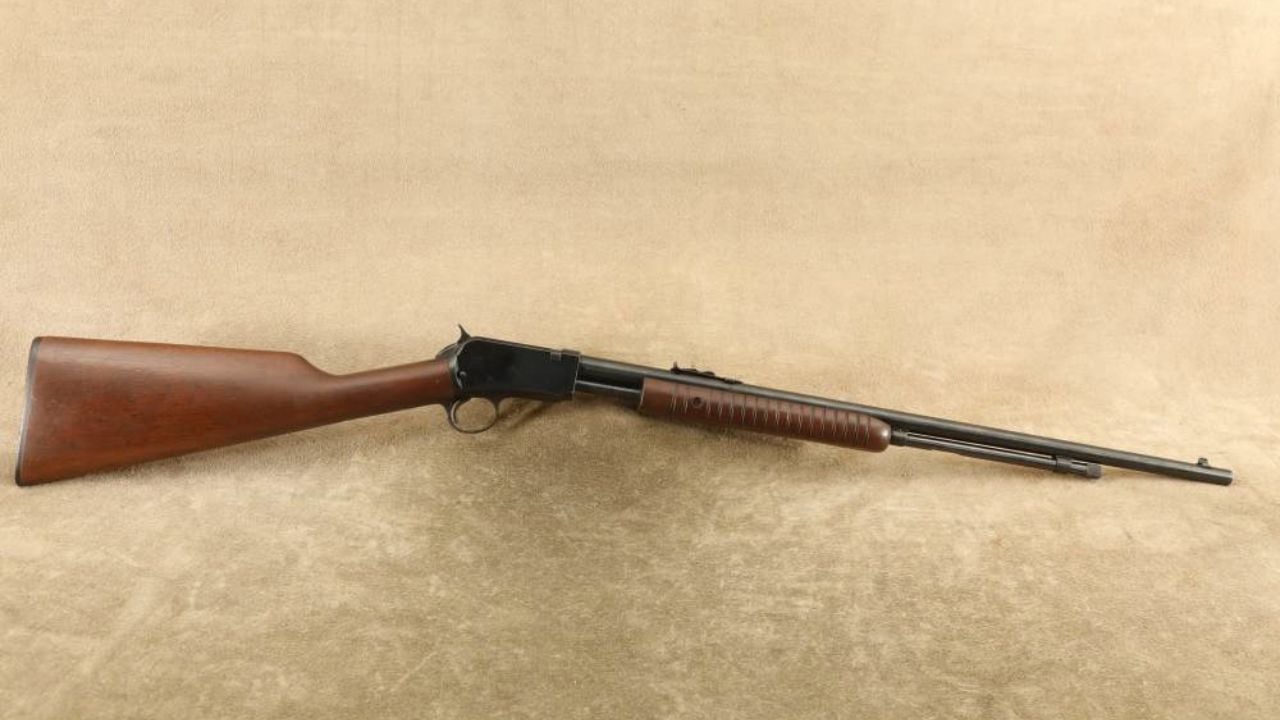
The Model 62A spent most of its life as exactly what a .22 pump should be: fun. Families shot them at cans, small game, and informal targets until the actions became unbelievably slick. Very few owners thought they were preserving valuable Winchesters because these rifles were designed to be used constantly.
That usage is why condition now matters so much. A rifle with original sights, strong blueing, crisp wood, and no extra holes or refinishing stands apart immediately from the average well-used 62A. Gallery-rifle nostalgia also gives these exposed-hammer pumps an appeal modern rimfires cannot reproduce.
I would not confuse every old Winchester pump with a rare collector piece, but I also would not sell a beautiful 62A based on what somebody paid for it several generations ago. The rifle that cost ordinary plinker money when new may now be the clean example every rimfire collector is trying to find.
Remington Model 552 Speedmaster
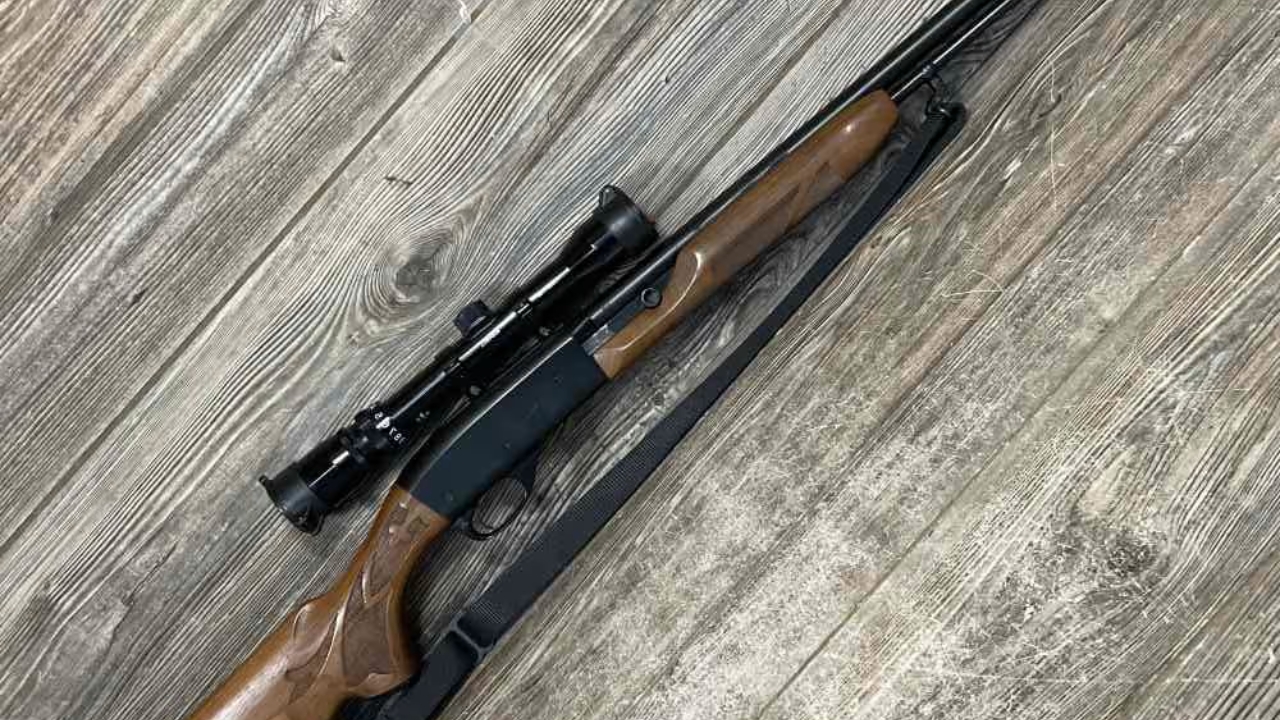
The Model 552 is easy to overlook because it remained available for so long and looks like the definition of an ordinary sporting .22. That familiarity is exactly why older examples can surprise owners. Walnut-stocked rifles with excellent original finish, earlier production details, and configurations that have avoided decades of rough handling are increasingly attractive to people collecting classic American rimfires.
The Speedmaster also belongs to an era when manufacturers produced traditional steel-and-wood semiautomatics at prices ordinary families could justify. Today’s market makes that construction feel much less routine.
I would not expect a common worn 552 to fund anybody’s retirement. What I would do is inspect an unusually early or beautiful rifle before shrugging at it because “they made a bunch of those.” Common models in uncommon condition are often where longtime owners underestimate what other buyers actually want.
Parker Trojan
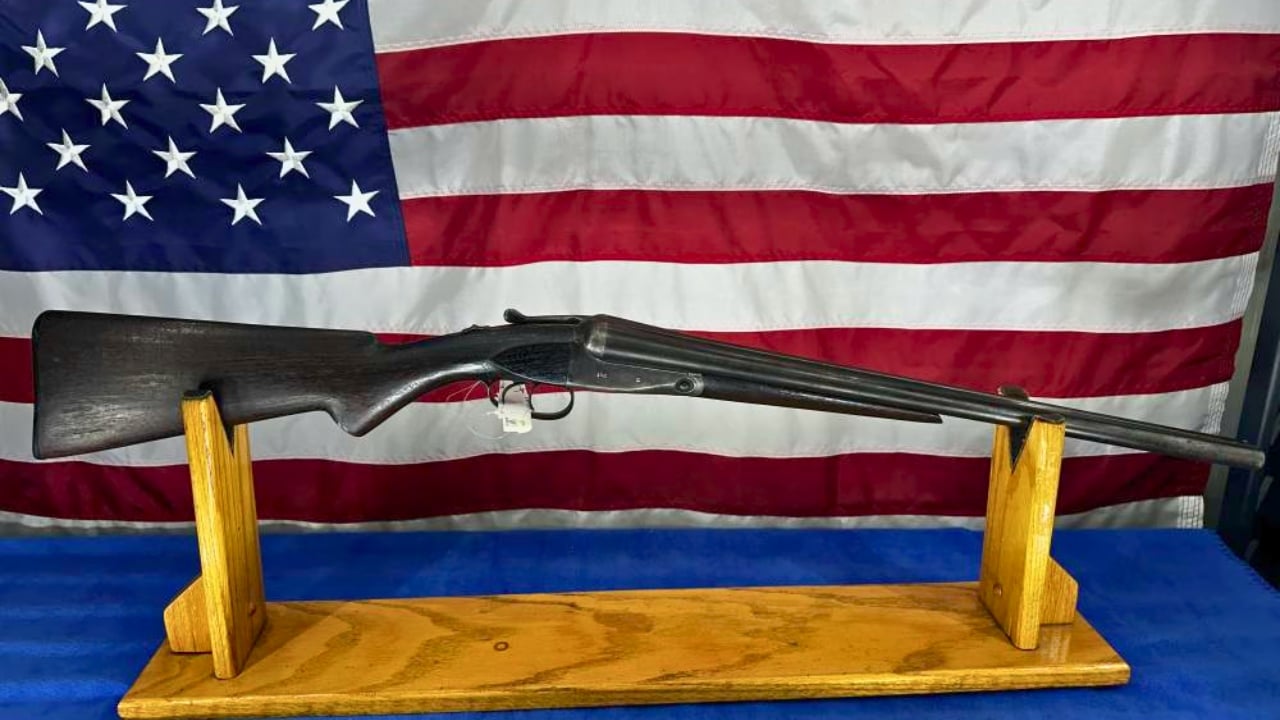
The Trojan was Parker’s affordable grade, which sounds almost funny now because the Parker name itself carries so much collecting prestige. Original buyers selected Trojans because they wanted Parker quality without paying for elaborate engraving and premium wood. That meant these guns were far more likely to spend their lives hunting than sitting untouched in fitted cases.
The result is predictable. High-condition Trojans can be much harder to find than someone looking only at total production would expect. Gauge, barrel length, stock dimensions, ejectors, originality, and remaining case color all affect interest.
The original owner may have regarded a Trojan as the working man’s Parker. That history is now part of the attraction. A plain double that survived a century without having its stock cut or barrels altered can be far more desirable than its original budget position suggests.
Ithaca Flues Field Grade
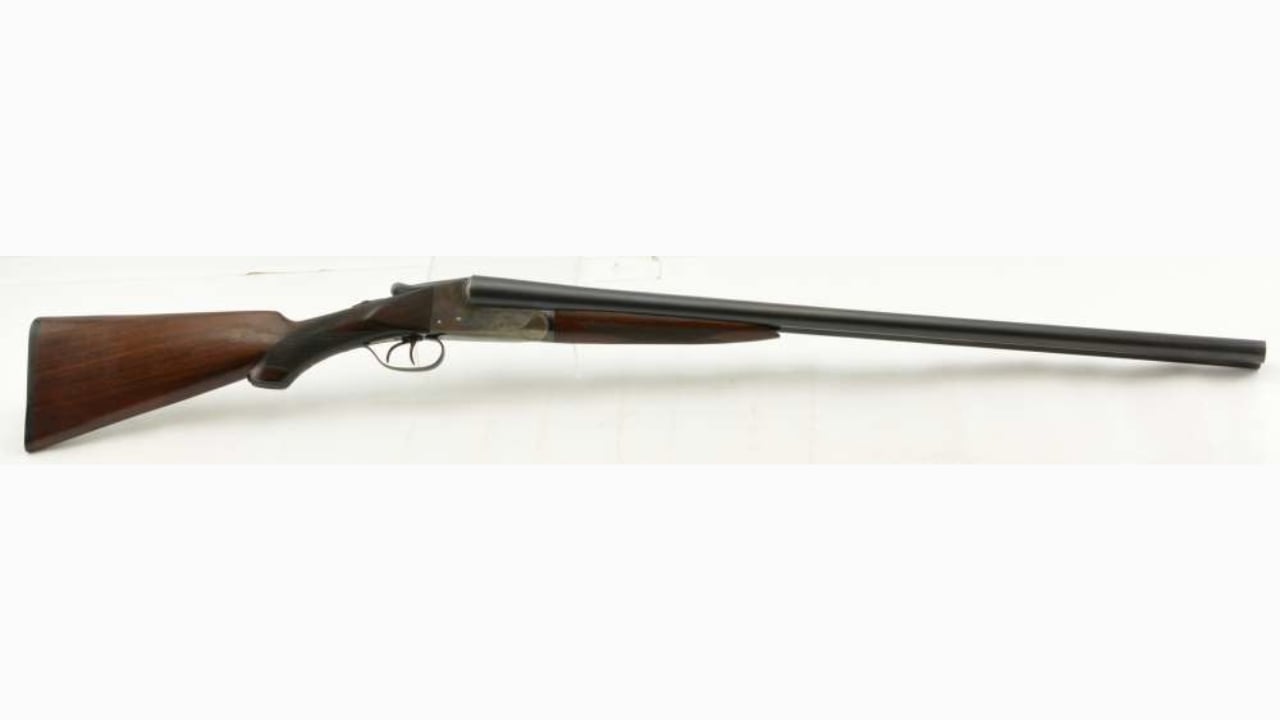
The Flues was built during a period when an American hunter could buy a domestic side-by-side shotgun without treating the purchase like a luxury automobile. Ithaca produced large numbers in several gauges and grades, with Field Grade guns doing exactly what their name suggests. They went into fields, marshes, barns, trucks, and generations of hunting camps.
That makes condition the entire story today. Many have cracked stocks, worn actions, cut barrels, replaced pads, or refinished metal. A tight, original small-gauge Flues with good wood and strong finish can be a completely different proposition from the battered 12 gauge somebody remembers seeing in every rural gun cabinet.
This is one of those shotguns where an owner may say, “That old Ithaca didn’t cost much.” He may be completely right about what somebody paid. That does not mean the surviving original gun is still worth that kind of money.
Smith & Wesson Model 48
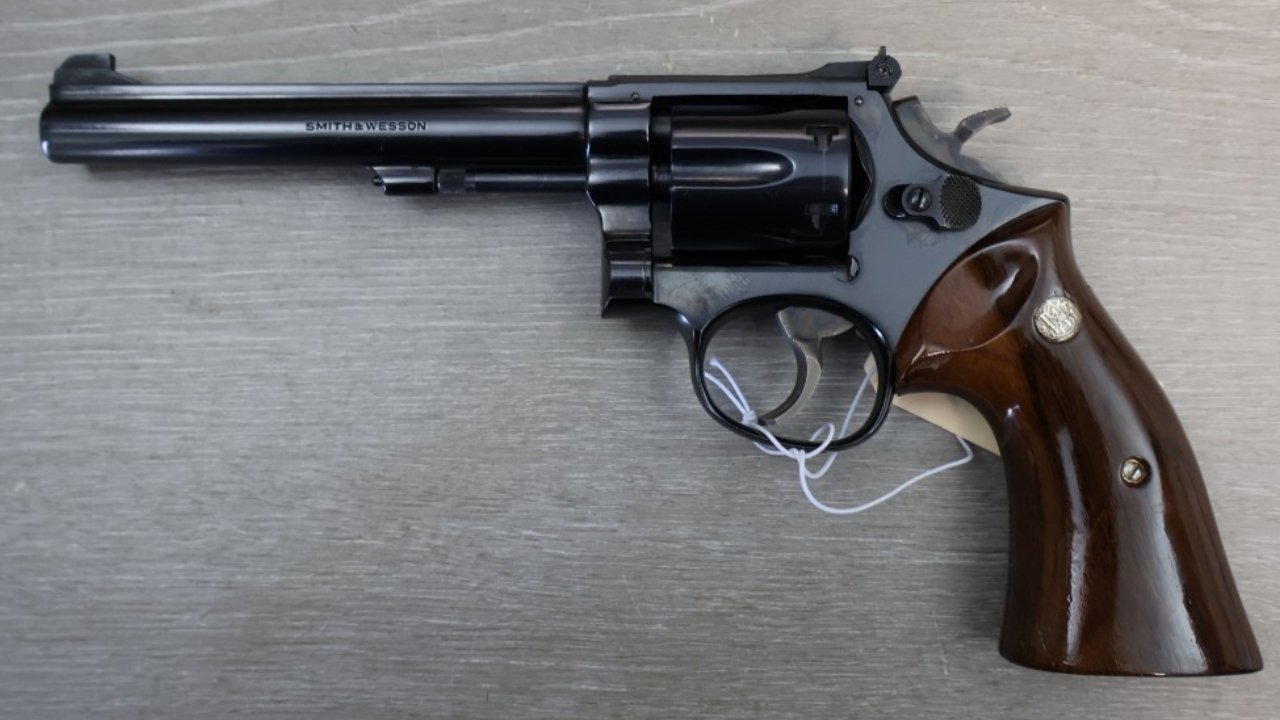
The Model 48 is easy to confuse mentally with other classic Smith & Wesson rimfire K-frames, but the .22 Magnum chambering gives it a personality of its own. Built on the same full-size revolver concept as the K-22 family, it offered shooters a flat-shooting rimfire in a beautifully made target-style revolver.
Older examples were often purchased as practical varmint and recreational guns, not collectibles. That meant owners installed different stocks, carried them in field holsters, and treated them like tools. Today, pinned barrels, recessed cylinders on applicable production, long barrel lengths, original target stocks, and factory packaging can all draw collector attention.
A clean Model 48 is exactly the kind of revolver an owner can undervalue because he remembers buying it when a .22 Magnum handgun was simply another option in the Smith catalog. That catalog has changed considerably, but the old revolver has not.
Like The Avid Outdoorsman’s content? Be sure to follow us.
Here’s more from us: